Seashore and Ground-Swell — History & Analysis
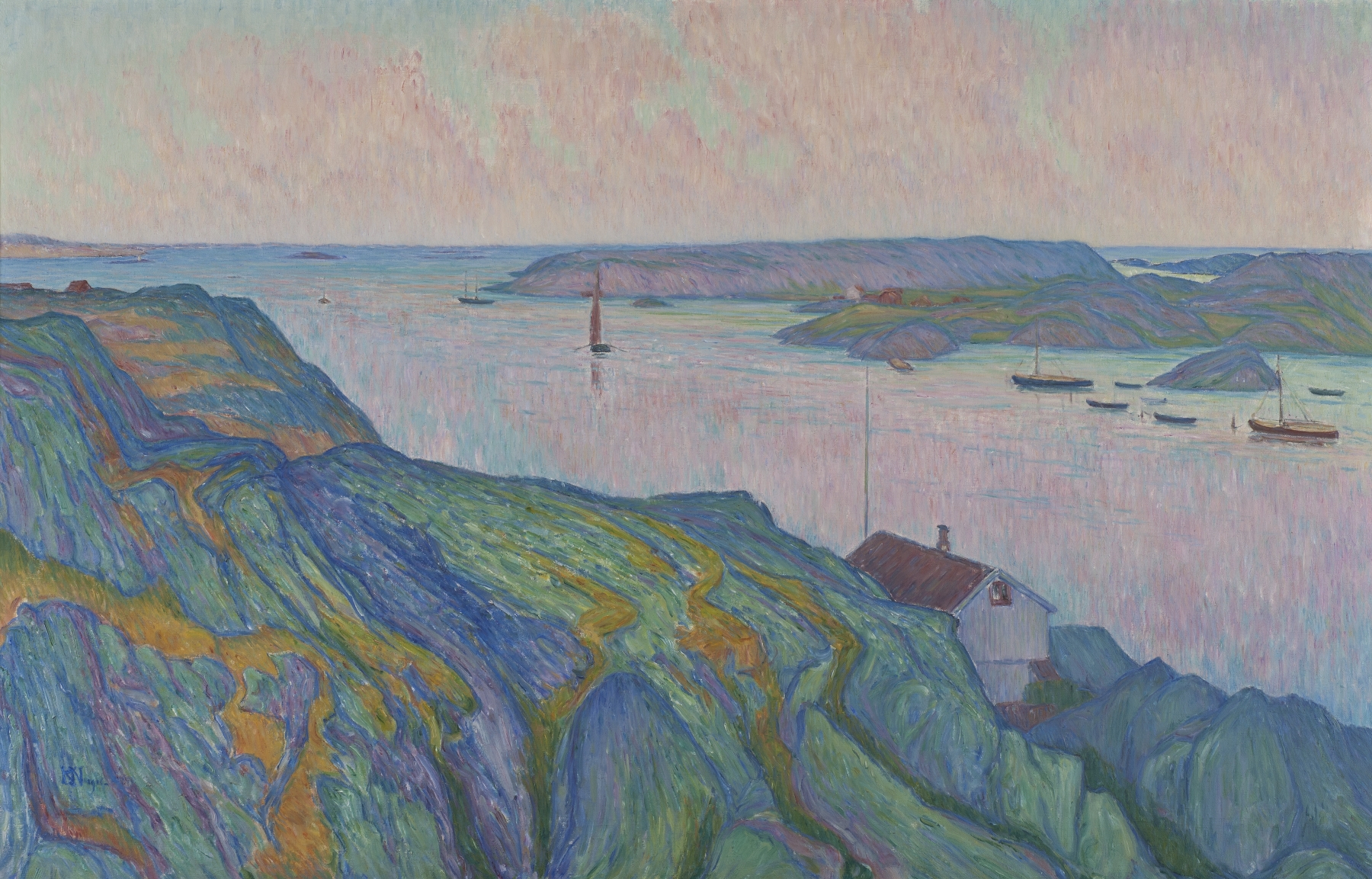
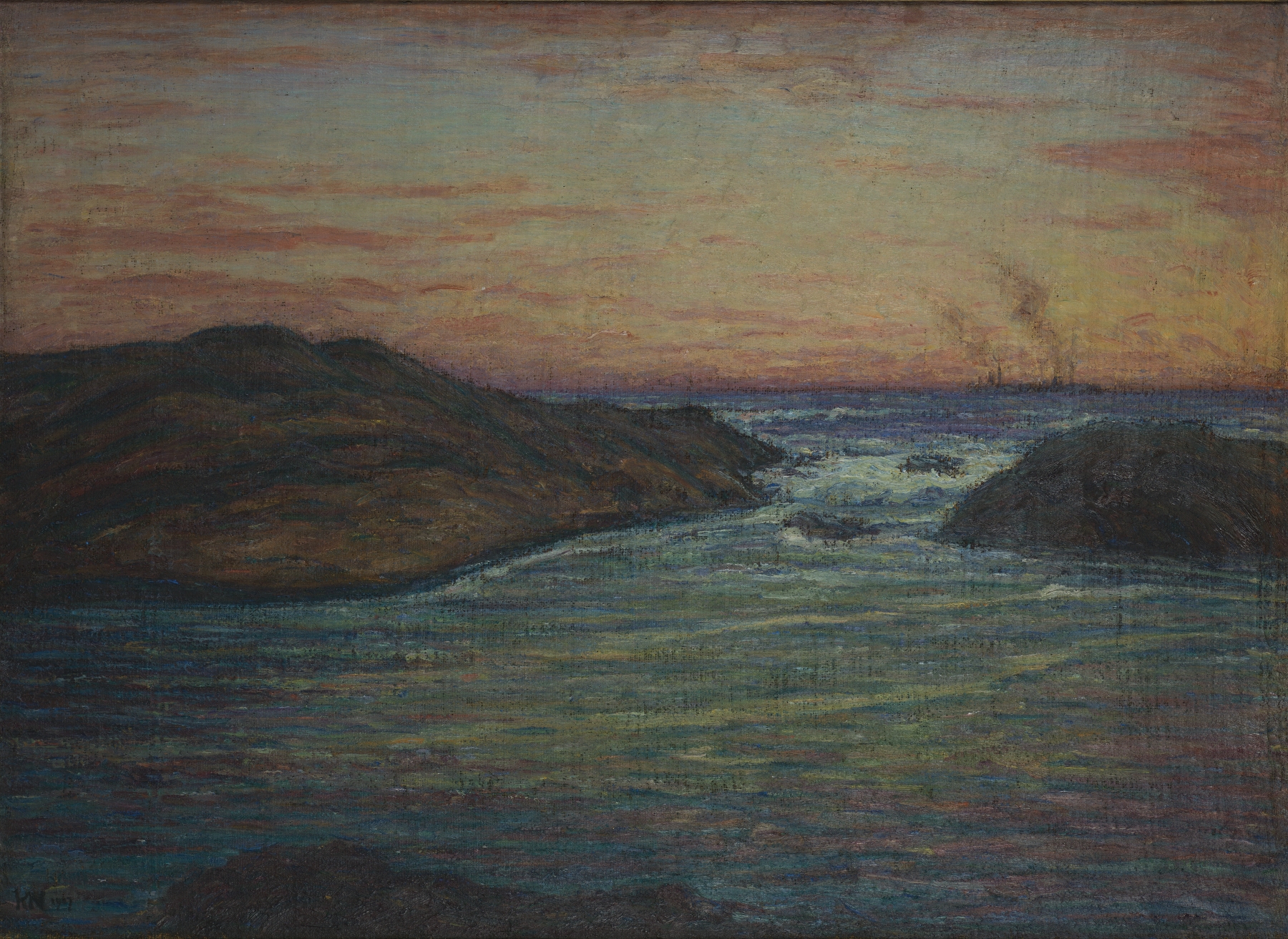
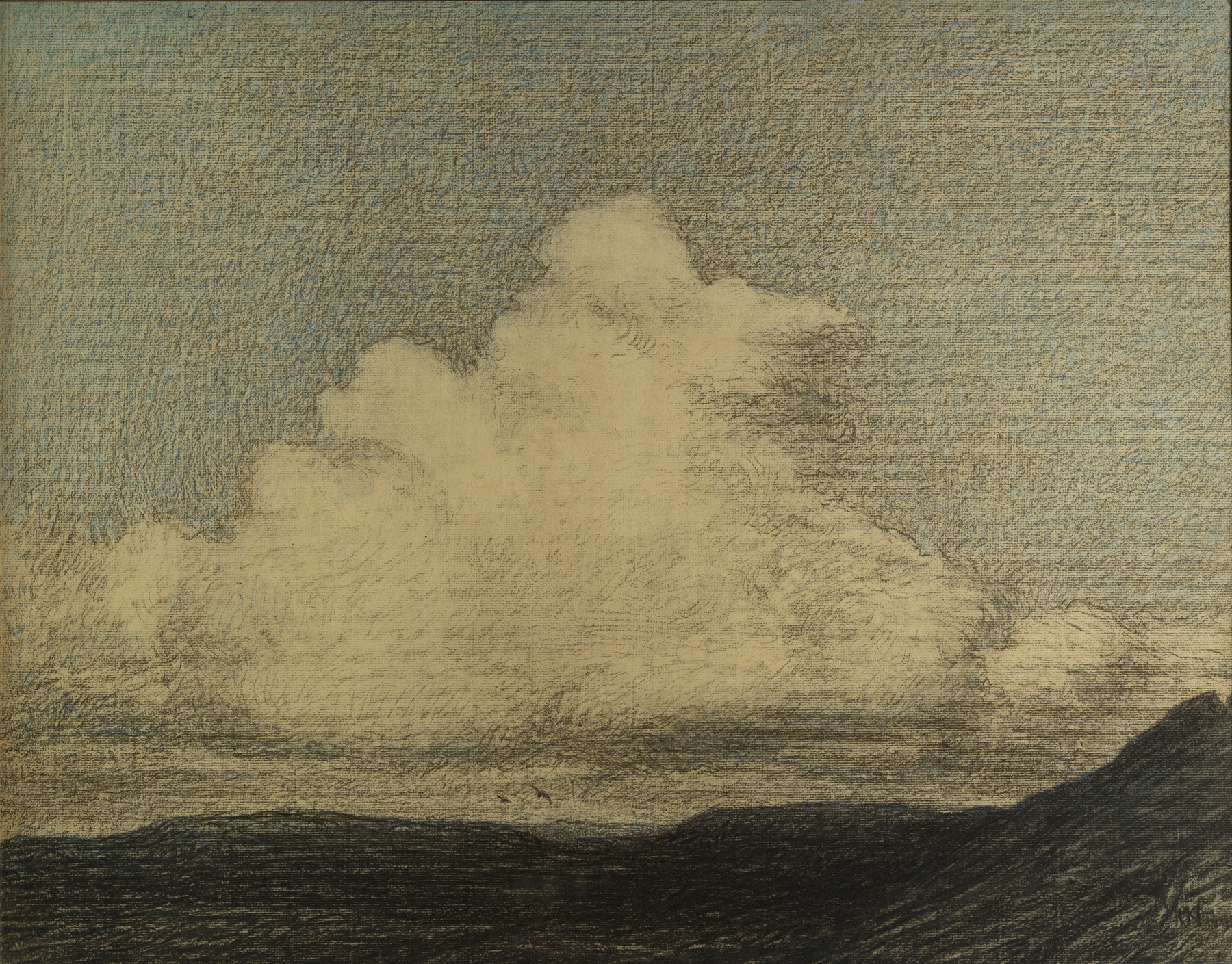
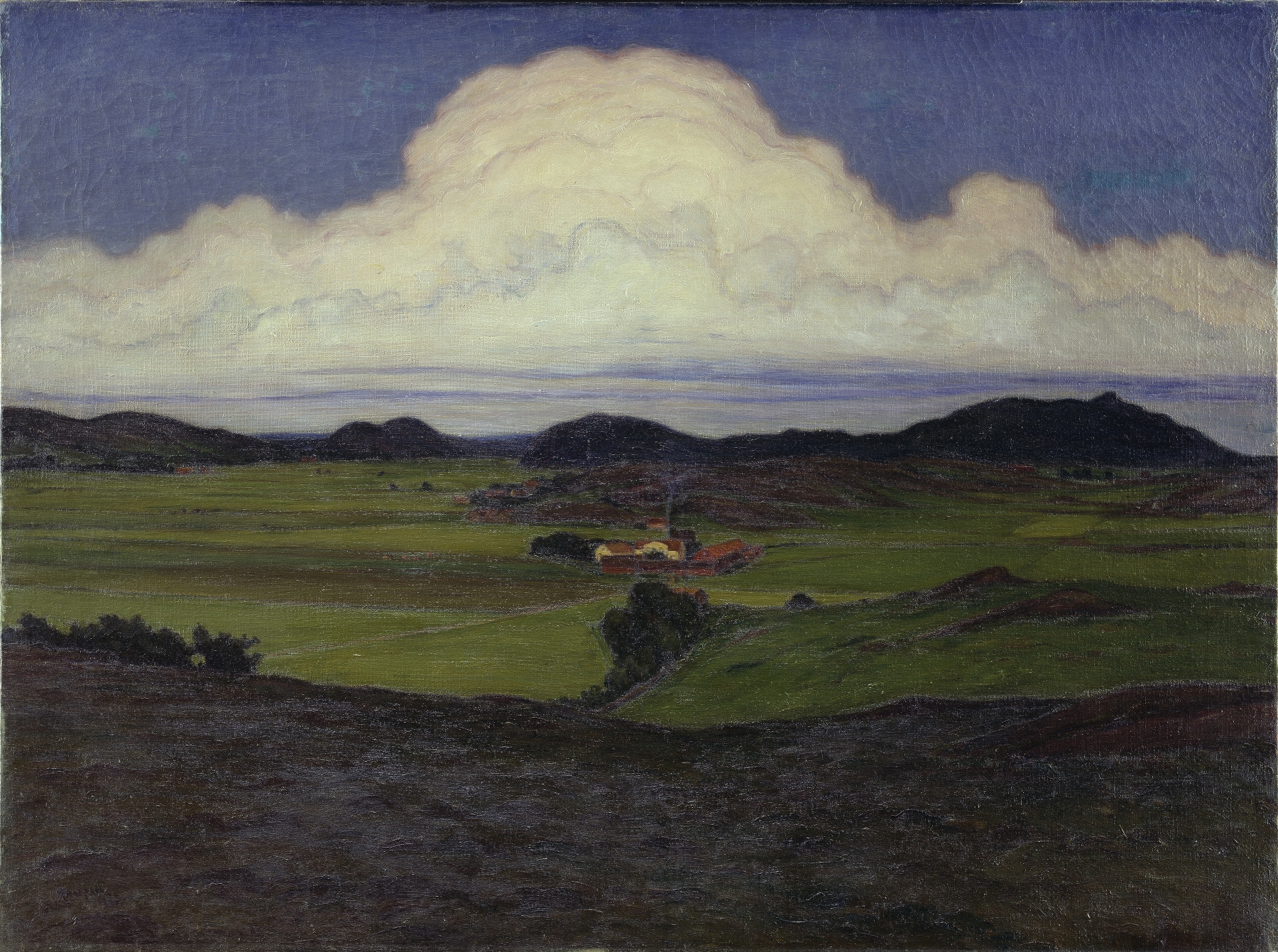
Where does light end, and longing begin? In the delicate dance of color and form, a subtle ecstasy unfolds, inviting us to contemplate the intersection of nature and spirit. Focus on the sweeping horizon, where the soft blues and whites of the sky meld seamlessly with the tumultuous waves below. The rhythmic brushstrokes create a sense of movement, drawing the viewer's eye across the canvas from the cresting waves to the sandy shore.
Notice the texture of the water — each stroke captures the fleeting essence of light on the surface, evoking both calm and chaos, while the warmer hues near the beach suggest a warmth that beckons you closer. Amidst the fluidity of the scene, small details emerge with significant weight. The wisps of cloud hint at a storm passing, reflecting the tension between tranquility and turmoil. The interplay of sunlight on the water speaks to the transient moments of joy and sorrow that define human experience, embodying the ecstatic longing for connection with the vastness of nature.
Here, the painting becomes a meditation on the duality of existence — the harmony of beauty and the inevitability of change. Created during the late 19th century, this work represents a pivotal moment in the artist's career as a prominent figure in the Scandinavian art scene. Painted in Sweden, Nordström was influenced by the natural beauty surrounding him and the emerging movements that valued emotional expression in art. The era was marked by a shift towards impressionism, and works like this reflect a deepening exploration of light, atmosphere, and the complexities of human emotion in response to nature.