Winter — History & Analysis
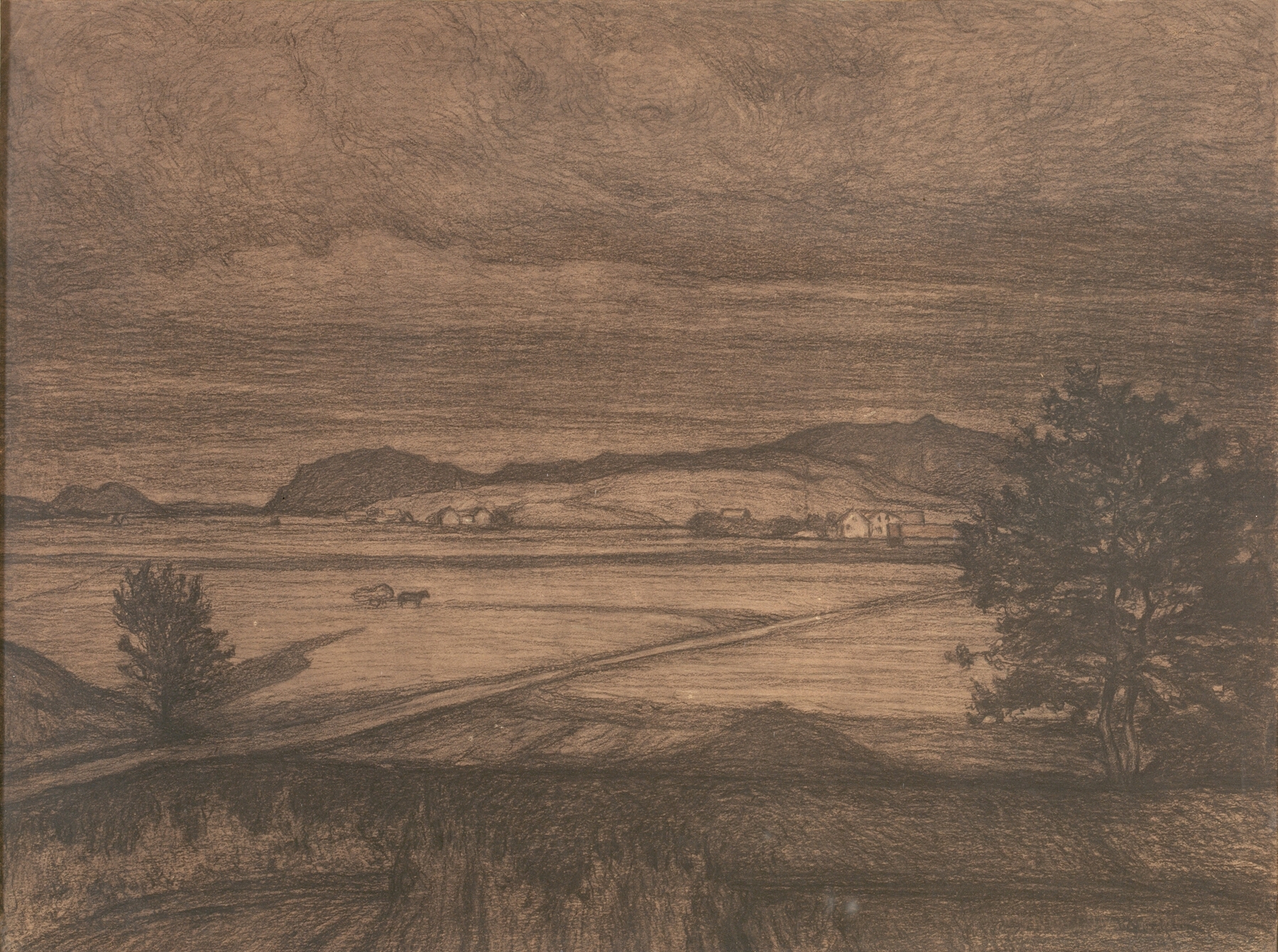
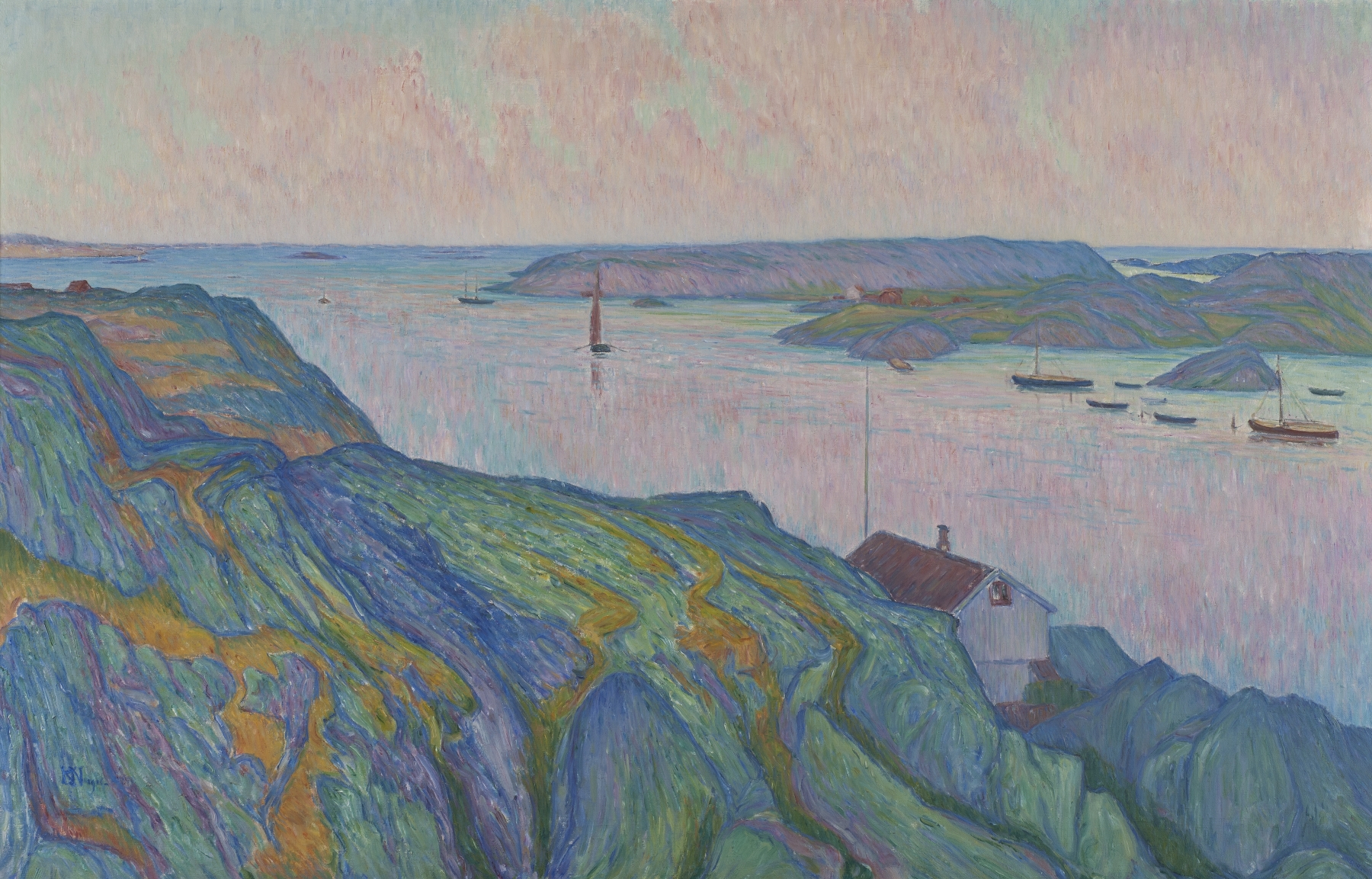
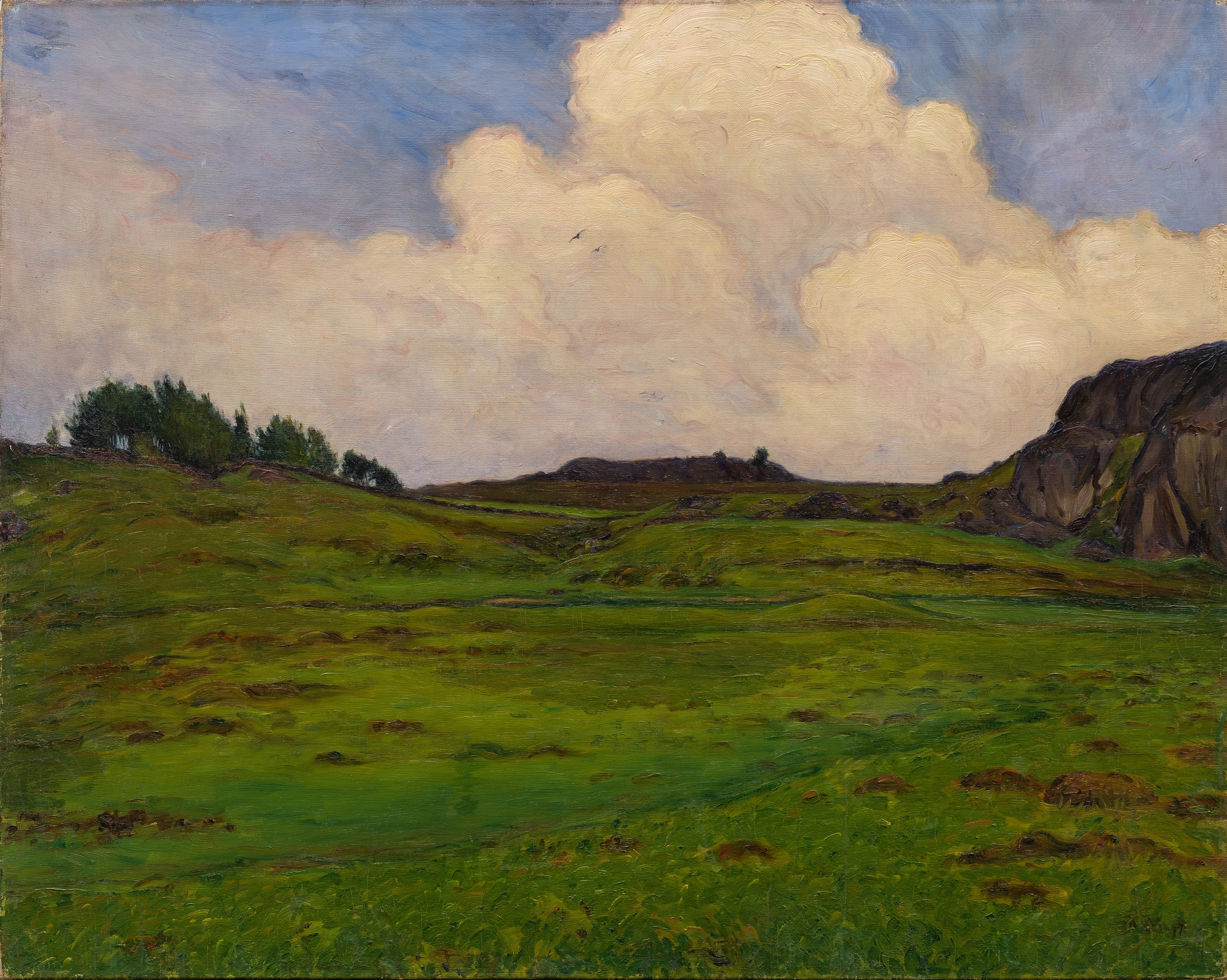
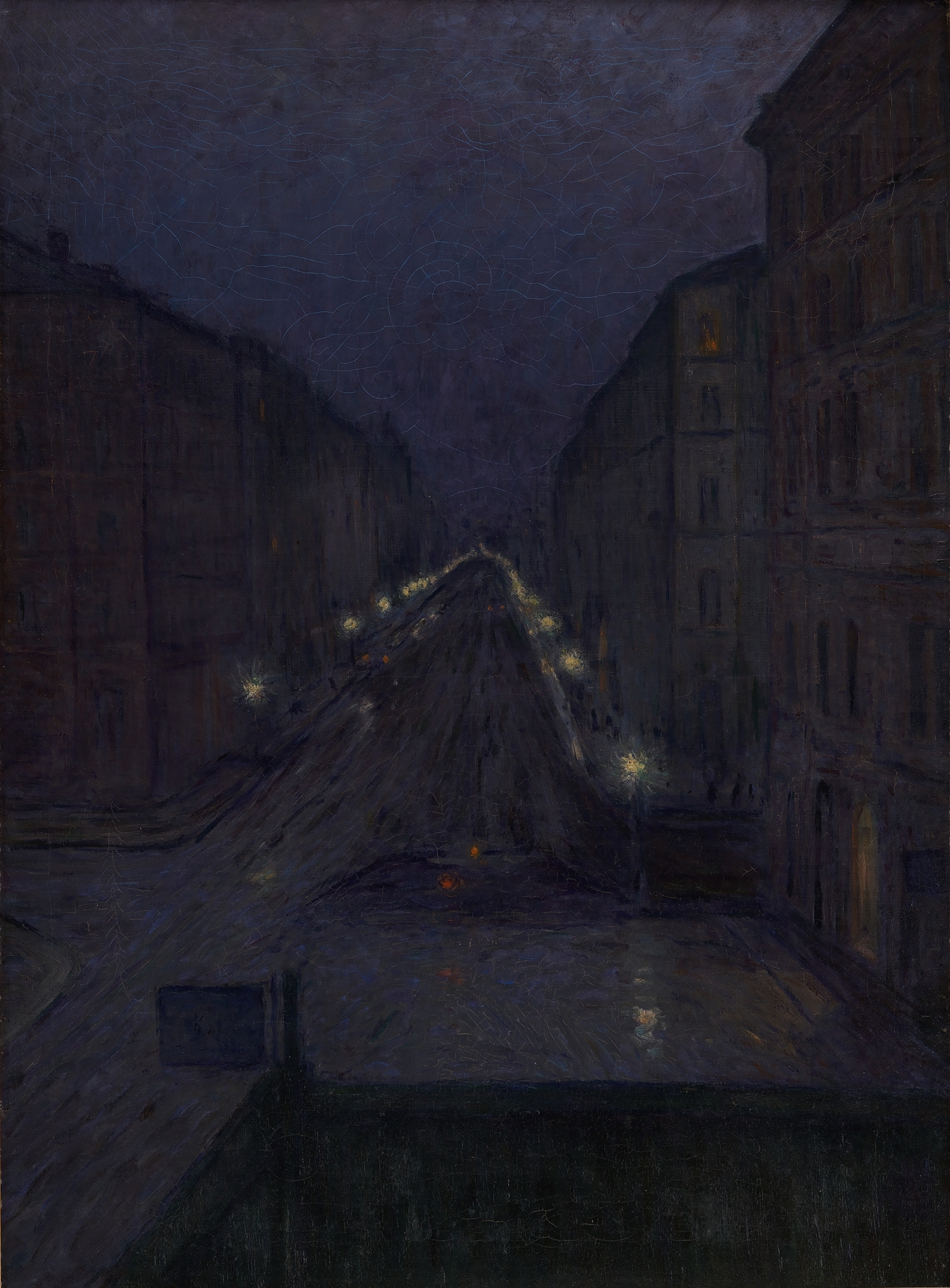
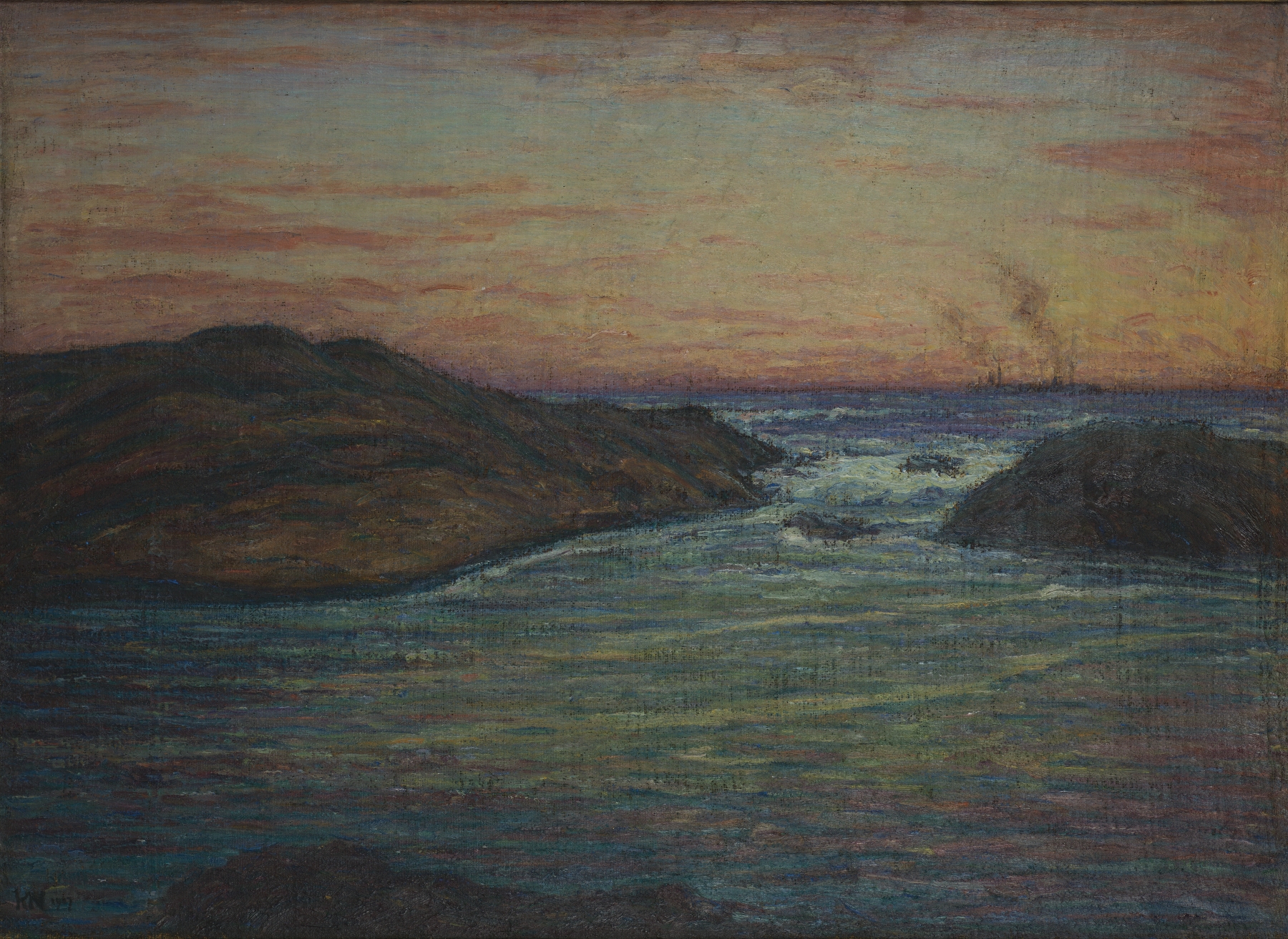
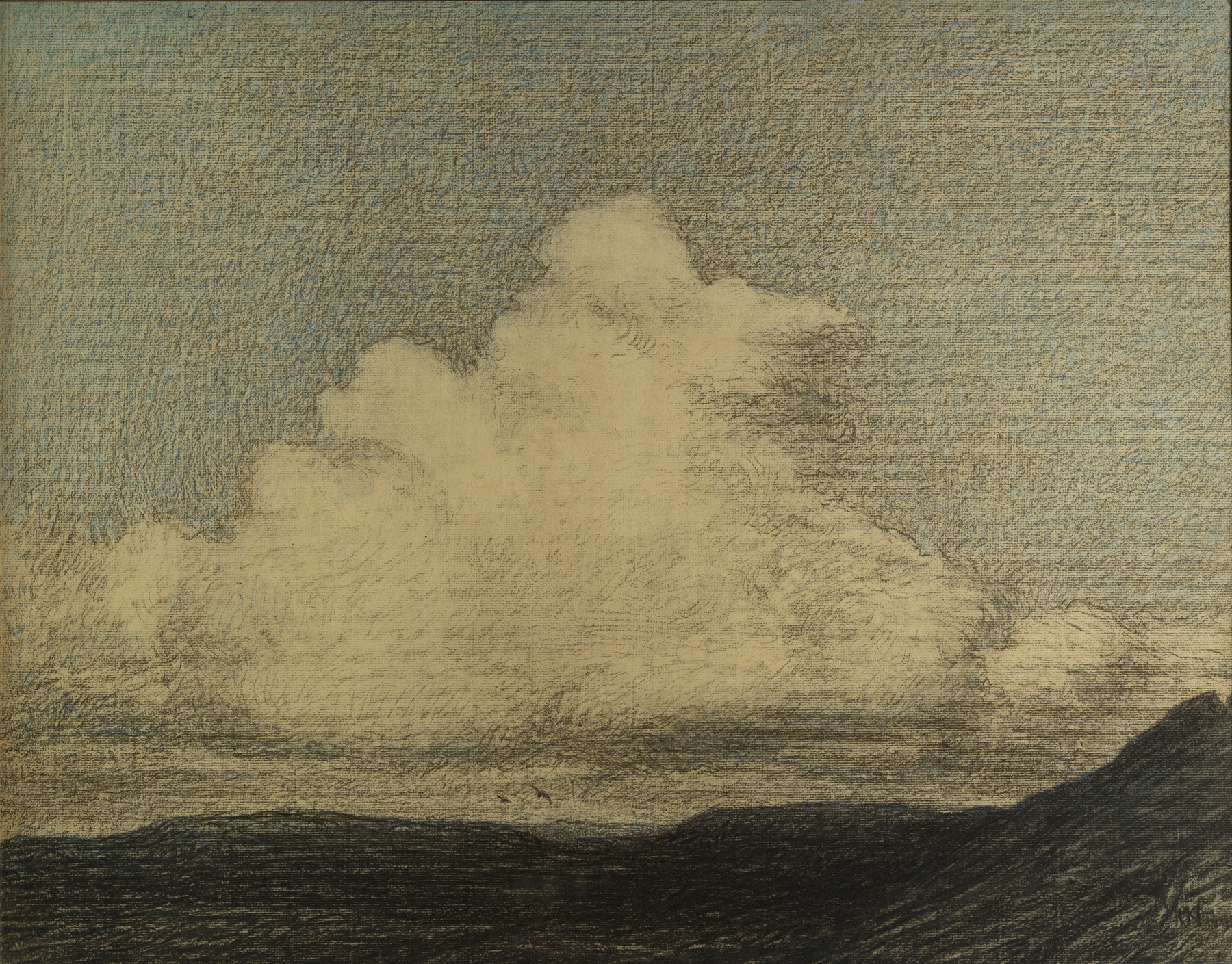
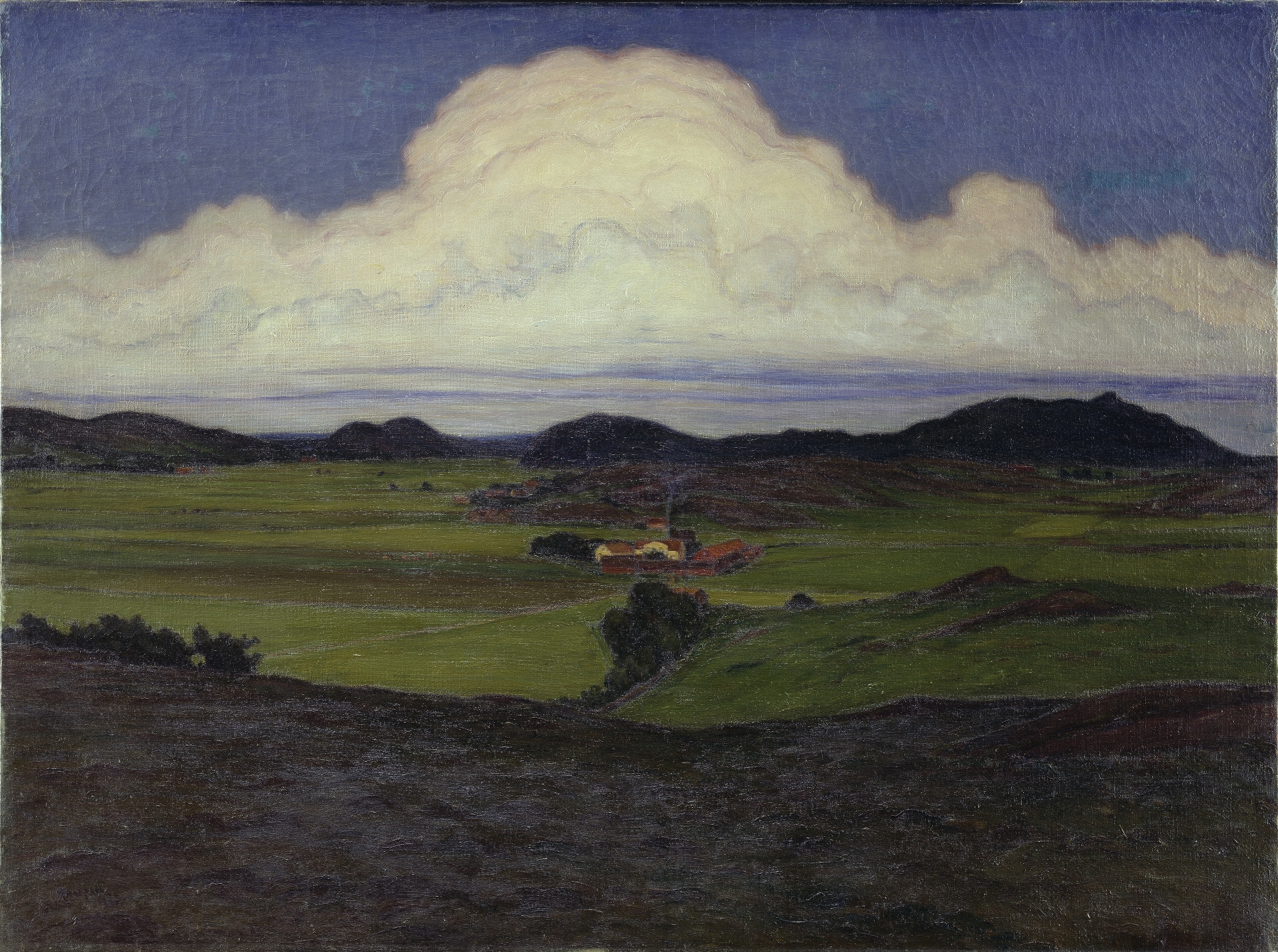
What secret hides in the quiet of the canvas? In Winter, the stillness resonates, inviting contemplation and reflection, urging us to uncover the truths concealed beneath the surface. Look to the left at the delicate strokes that capture the frosty trees, their branches heavy with freshly fallen snow. The muted palette of whites and soft grays envelops the scene in a sense of serene isolation, while a faint shimmer of blue hints at the cold light of a winter sun.
Notice how the gentle layering of brushwork creates depth, drawing the eye inward to where shadow meets light, creating a palpable tension between warmth and chill. As you explore further, subtle contrasts reveal themselves: the starkness of the winter landscape juxtaposed with the warmth implied by the horizon’s glow. This tension speaks to the duality of the season—the harshness of coldness intertwined with the beauty of nature’s dormancy. The lone figure in the distance becomes a metaphor for solitude, suggesting introspection amidst the overwhelming quiet, inviting the viewer to find solace in stillness.
In 1889, Nordström painted this piece during a significant period in the burgeoning Symbolist movement, reflecting a broader interest in conveying subjective experience rather than objective reality. Living in Sweden, he was deeply influenced by the serene landscapes of his homeland. This work emerged during a time when artists were beginning to explore the emotional resonance of nature, marking a pivotal moment in his career as he sought to communicate profound feelings through the simplicity of a winter scene.