The tribute money — History & Analysis
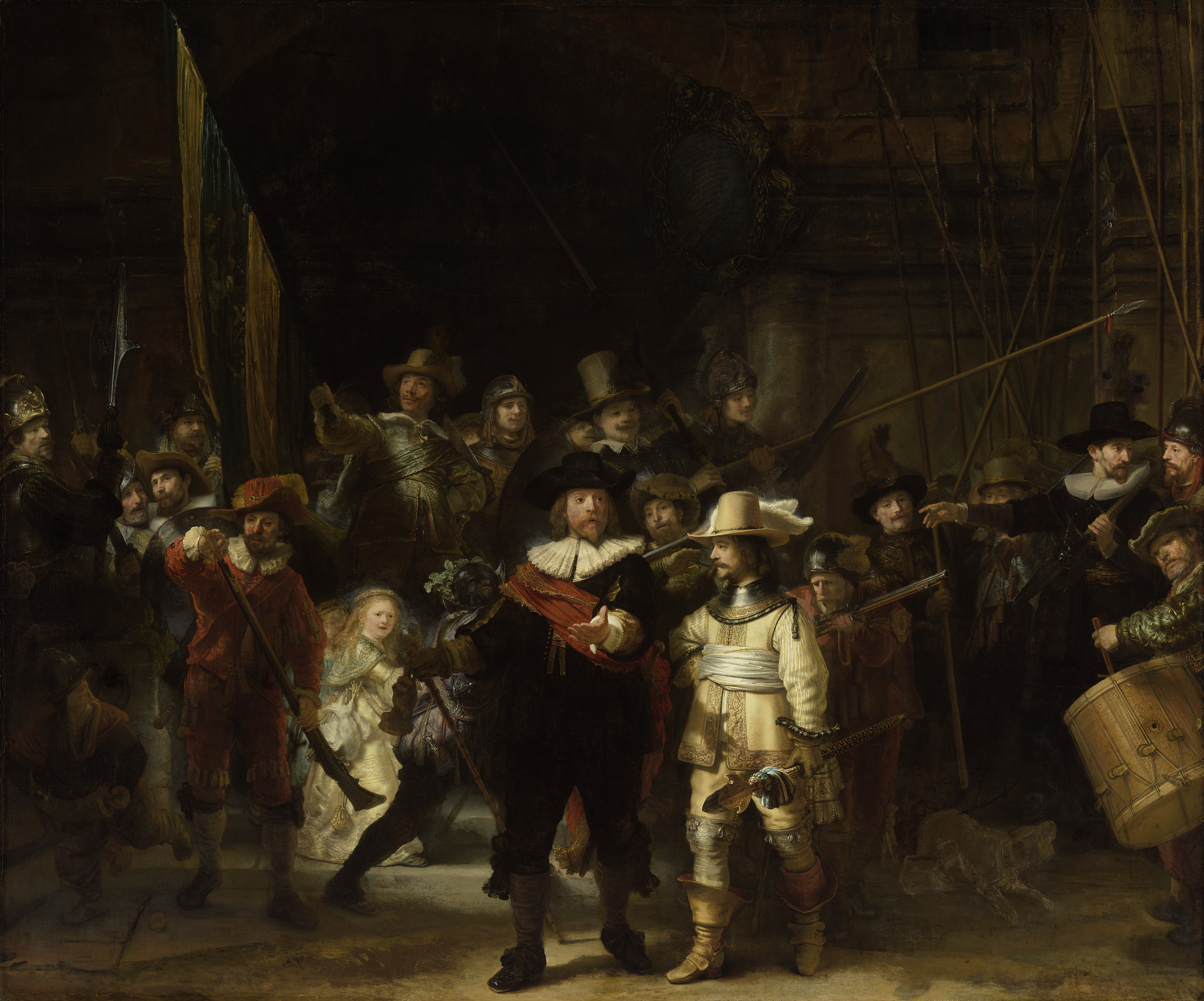
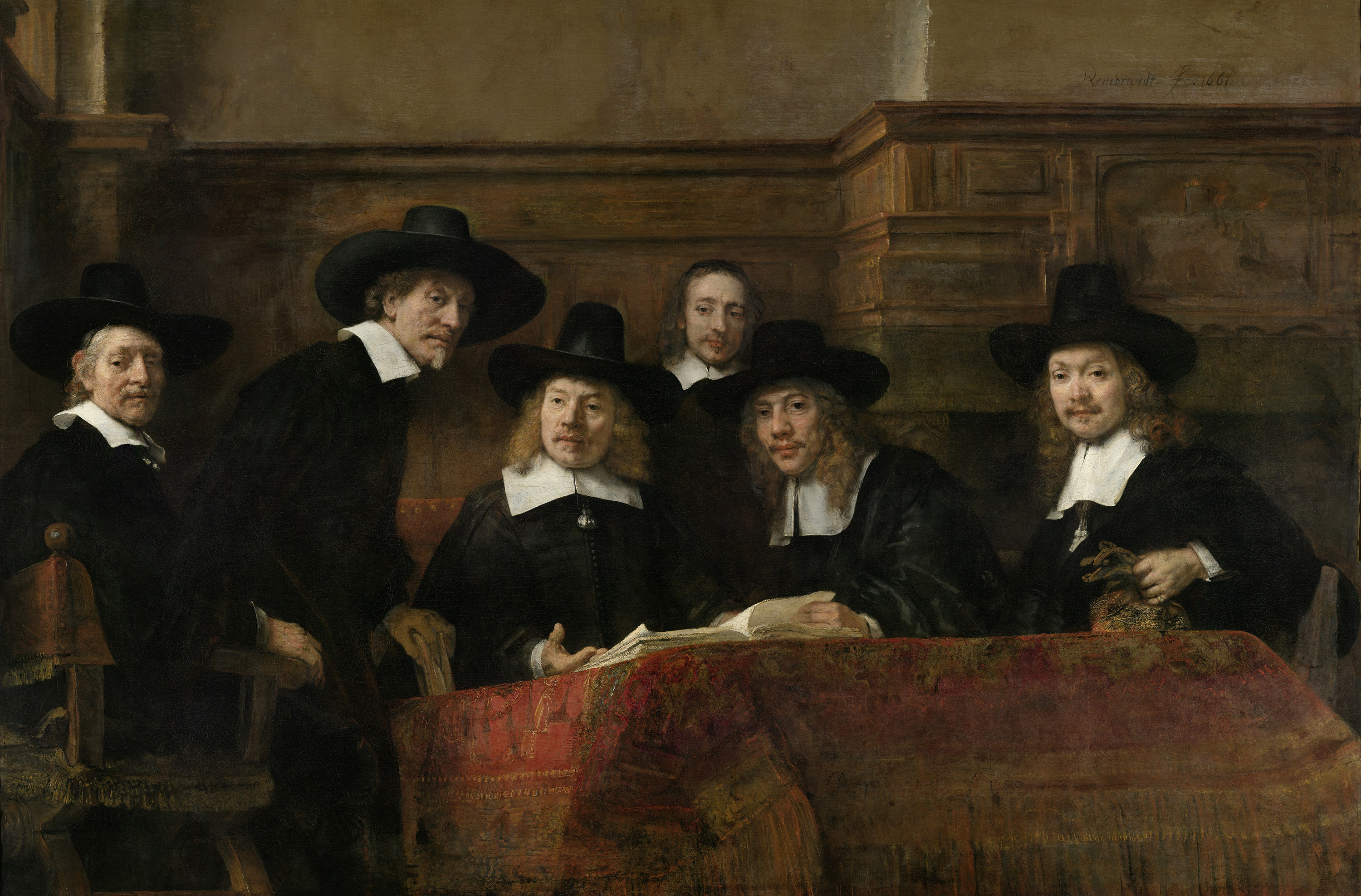
When did color learn to lie? In a world where hues reverberate with meaning, balance becomes an elusive pursuit, teetering on the edge of illusion. Look to the center of the composition, where a figure engages in animated discussion, his face illuminated by a soft, golden glow that speaks of truth and honesty. Notice how the artist employs chiaroscuro masterfully, the rich shadows framing the scene, contrasting the weight of authority with the lightness of humility.
The surrounding figures, painted in earthy tones, create a harmonious environment that invites you to ponder their intentions and the moral gravity of their exchange. Delve deeper into the gaze of the questioning figure—it is laden with doubt, reflecting an inner conflict that resonates through time. Behind the vibrant colors and serene expressions lies a tension between obligation and desire, a complex interplay of societal roles and personal ethics. This balance of light and dark mirrors the struggle of mankind, caught between material demands and spiritual obligations, inviting the viewer to explore their own beliefs.
During the late 19th century, Rembrandt van Rijn, though primarily known for his earlier works, continued to influence the burgeoning art movements. He created The Tribute Money in a period marked by an exploration of realism, where artists sought to capture the complexities of human experience. This era saw the rise of impressionism, contrasting with the artist's technique yet echoing his emotional depth, revealing a timeless connection to the human condition.