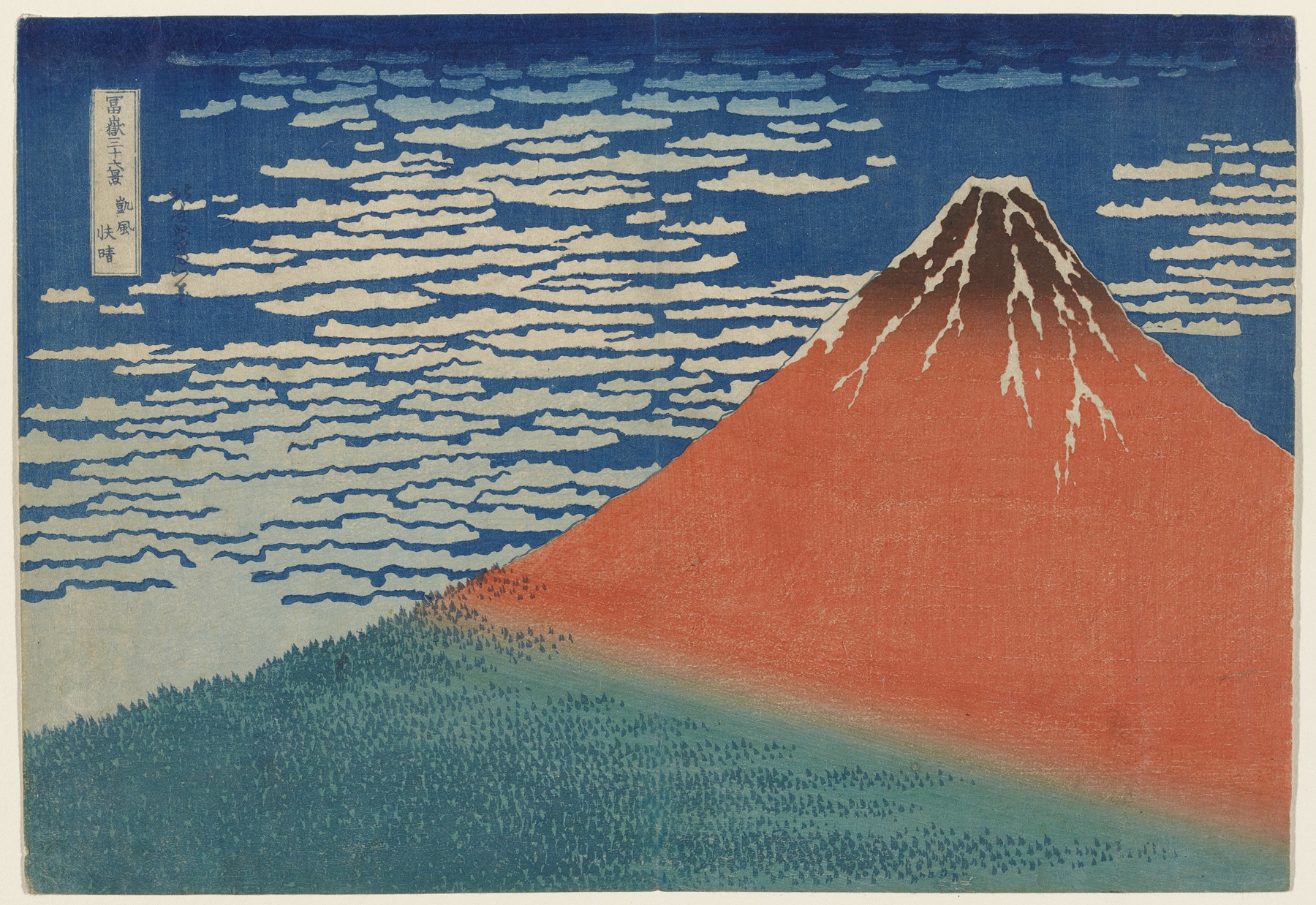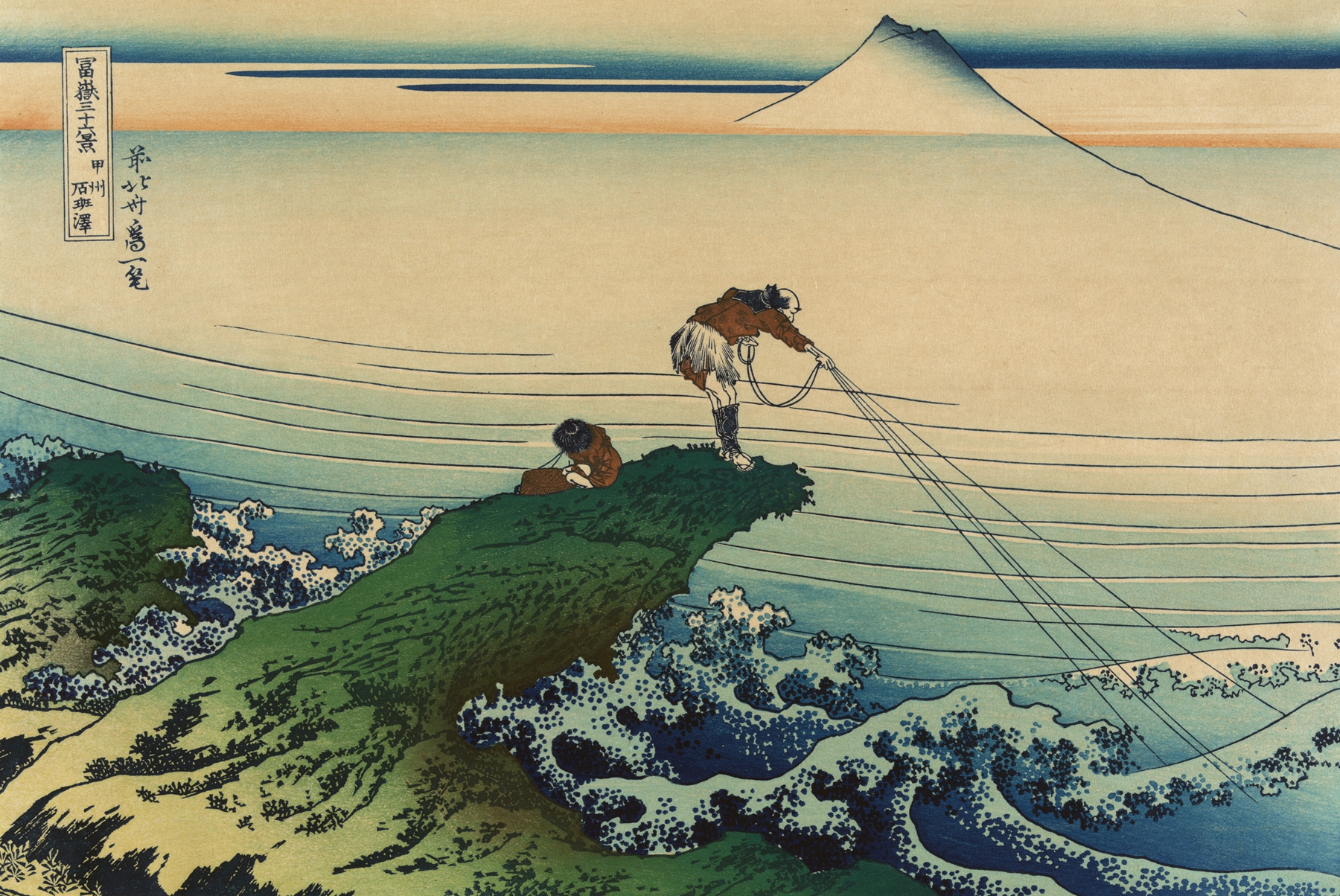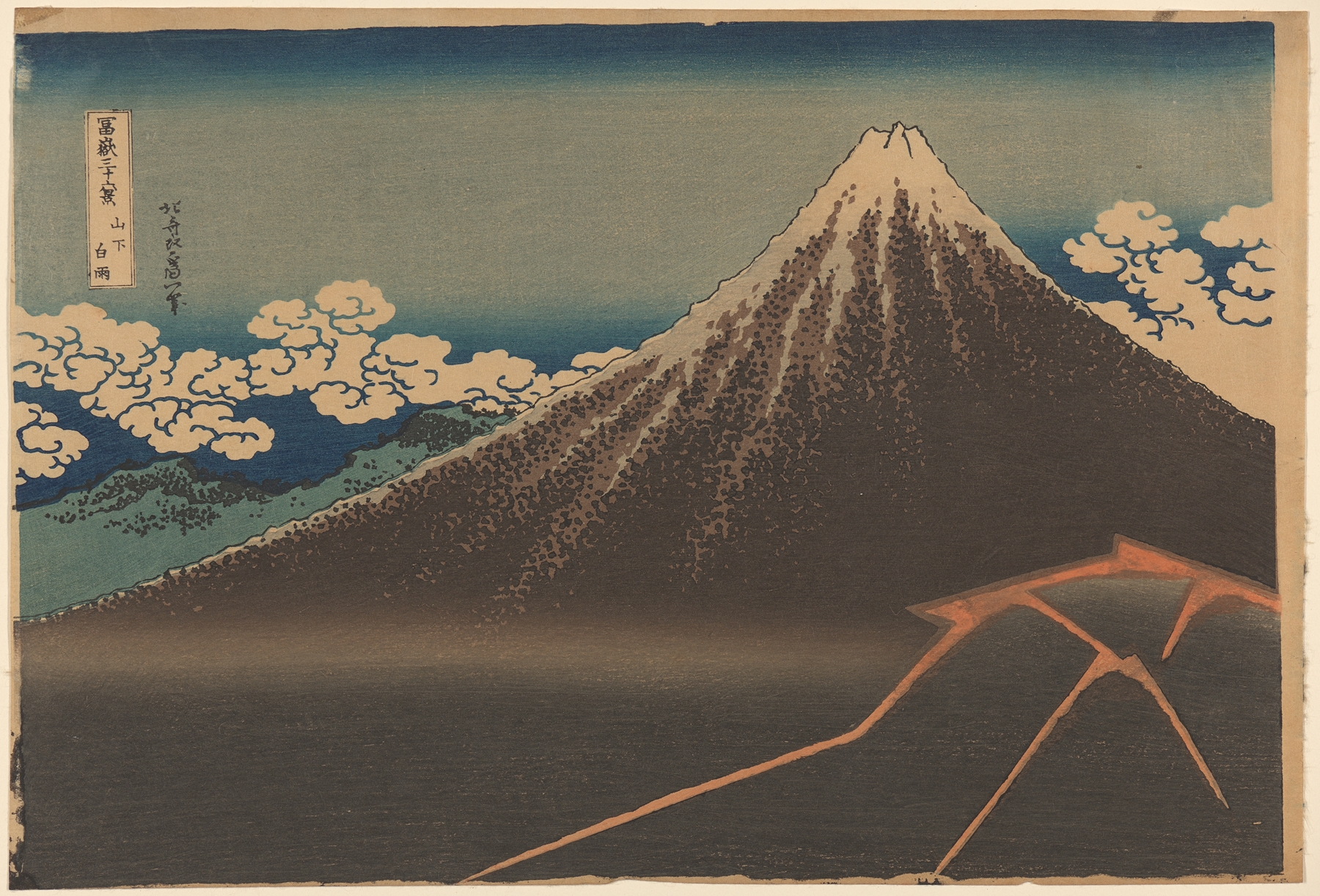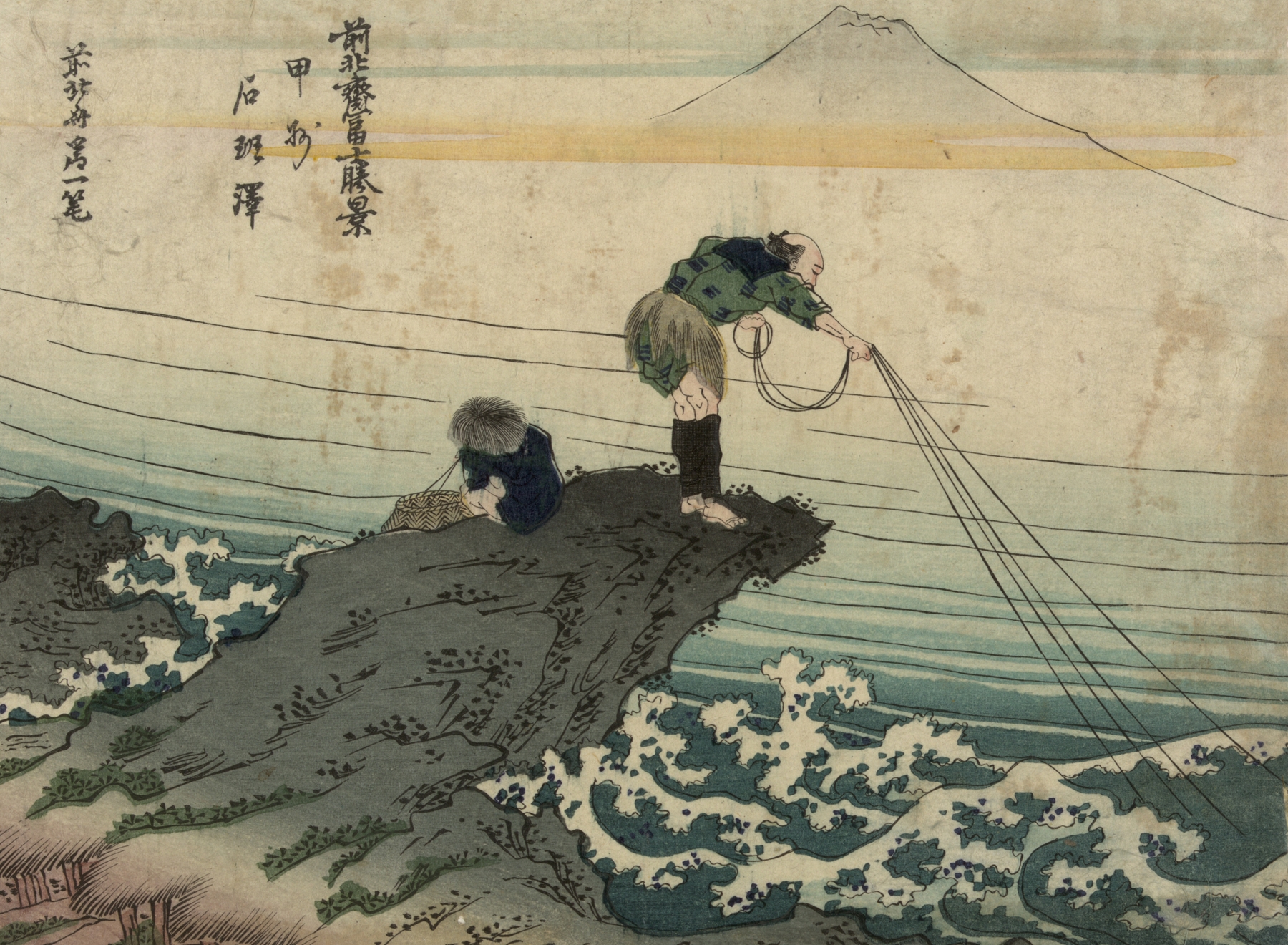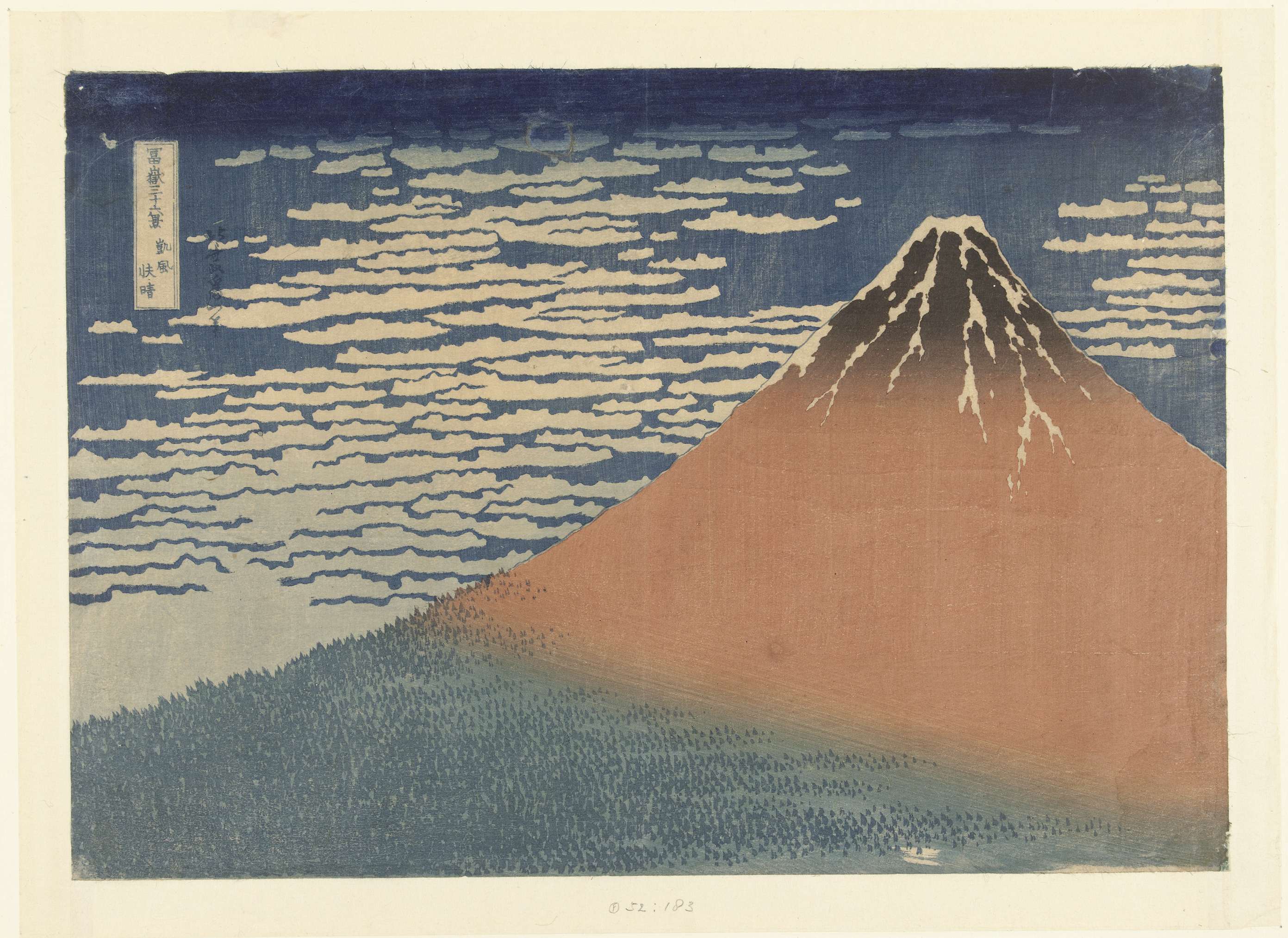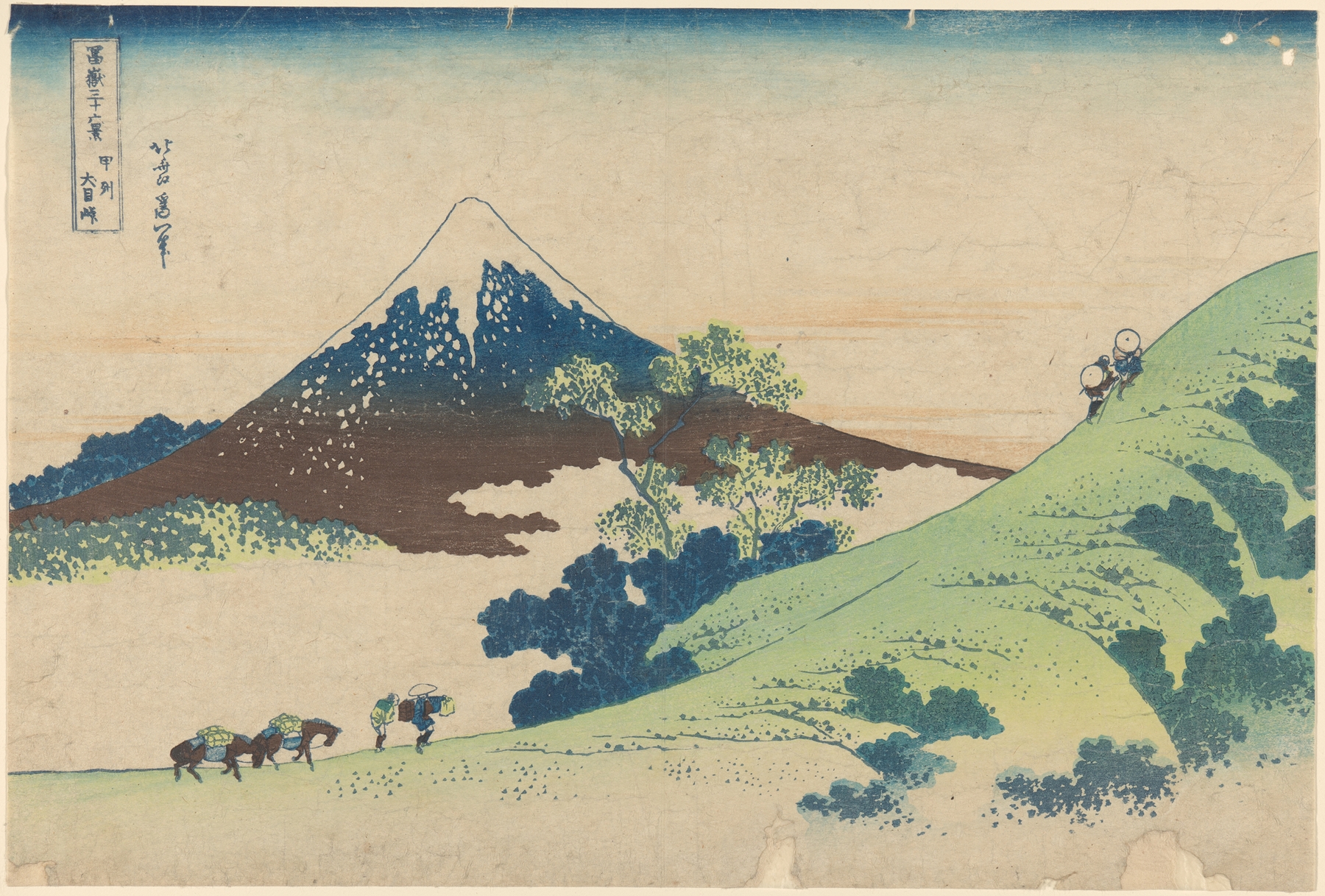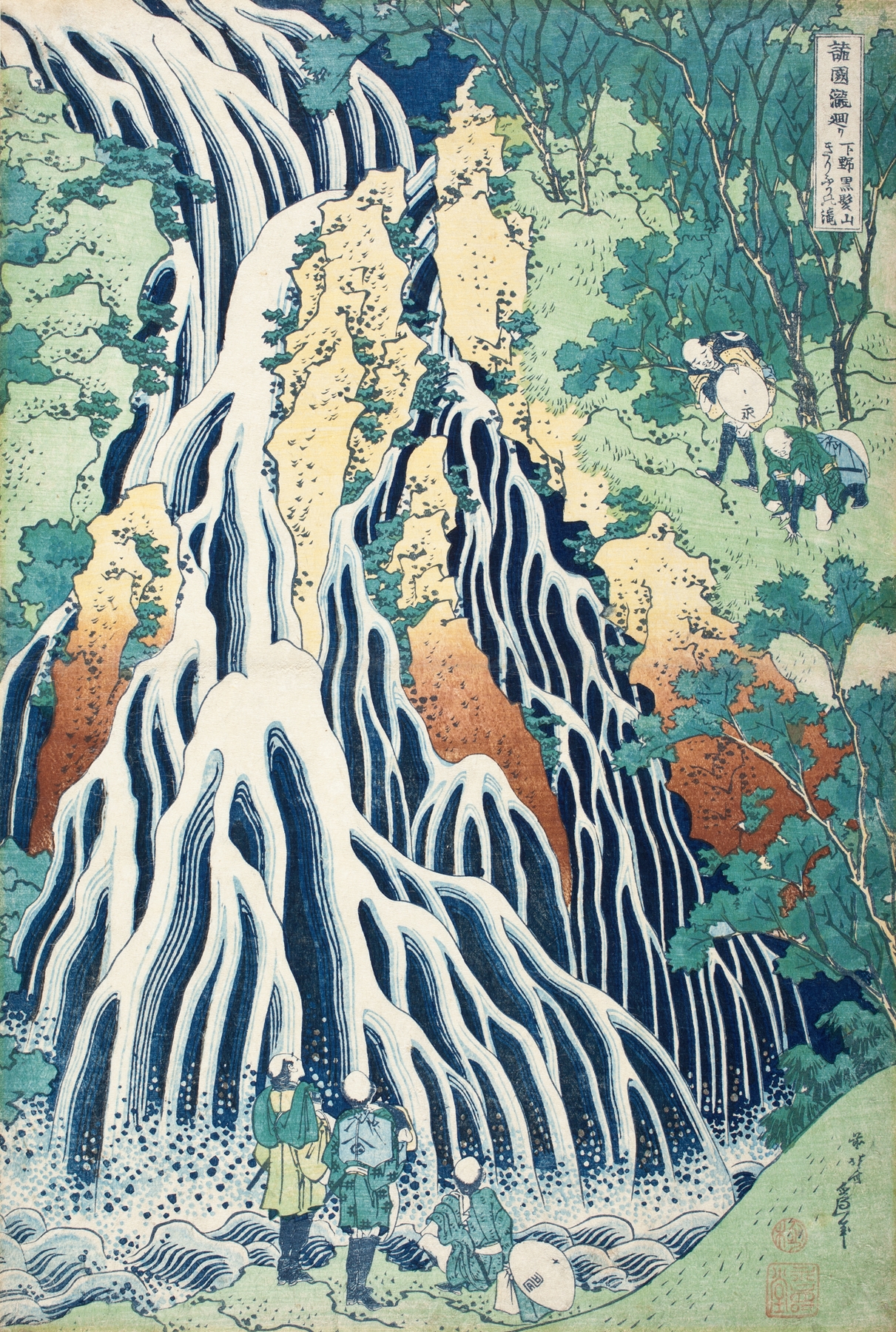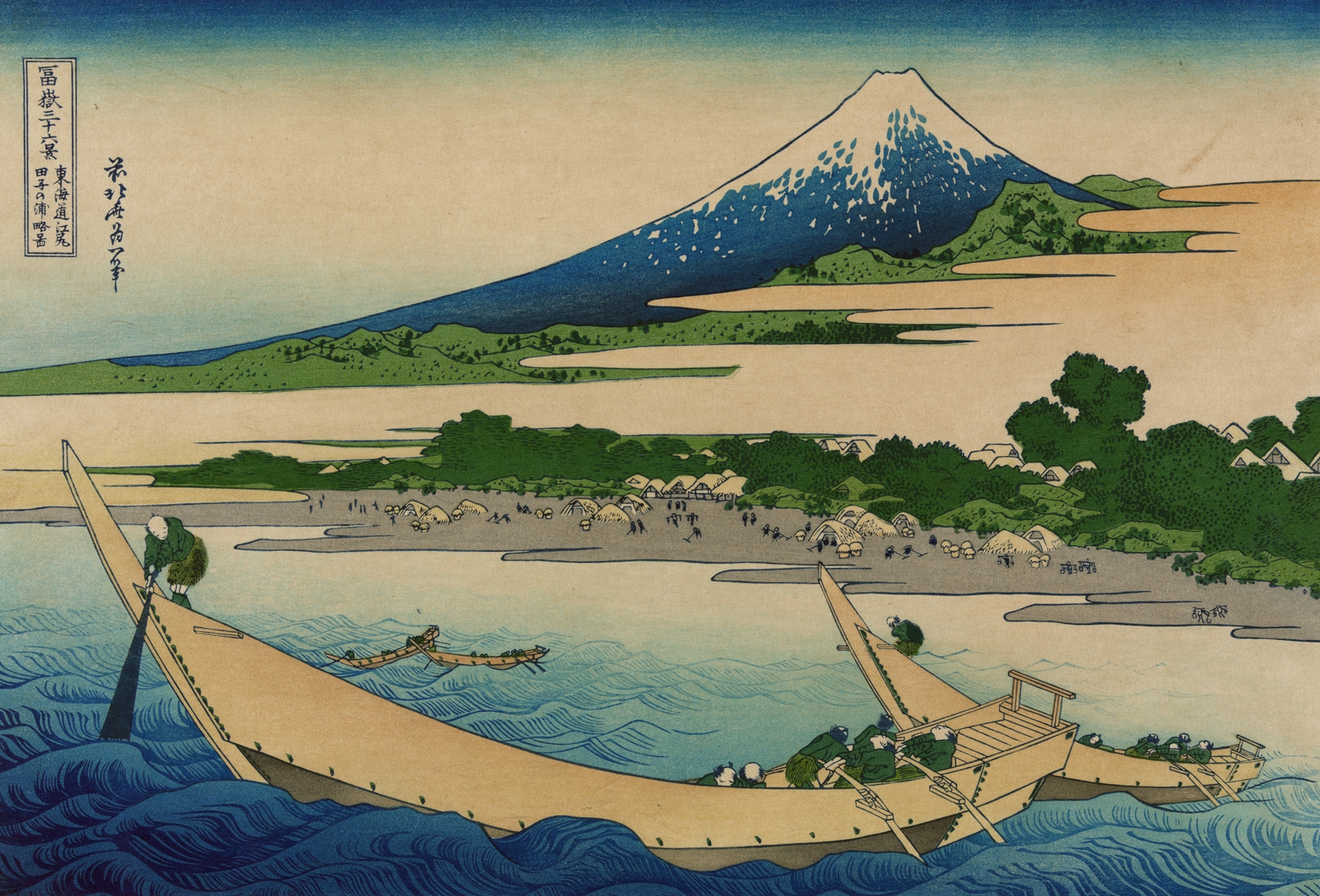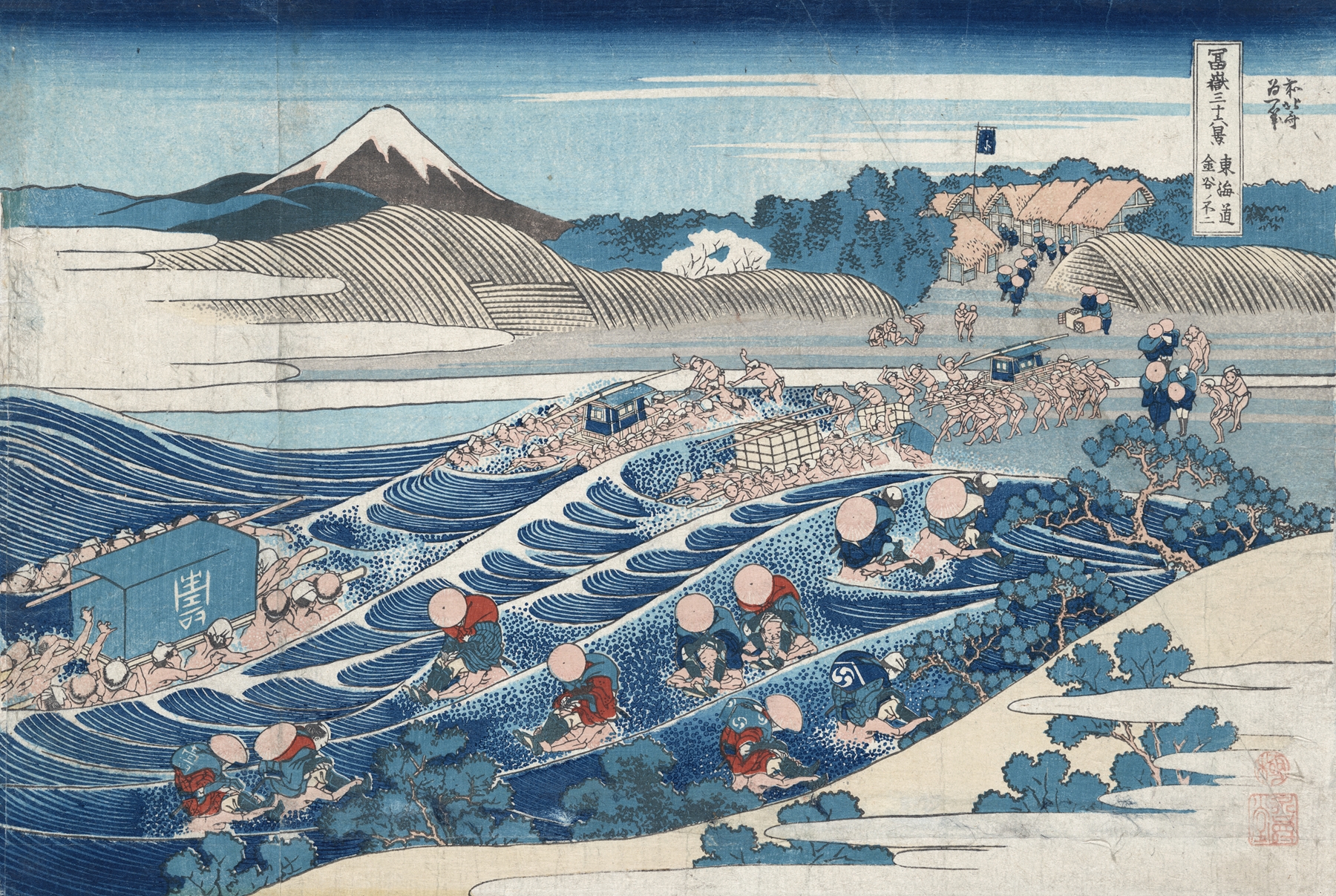
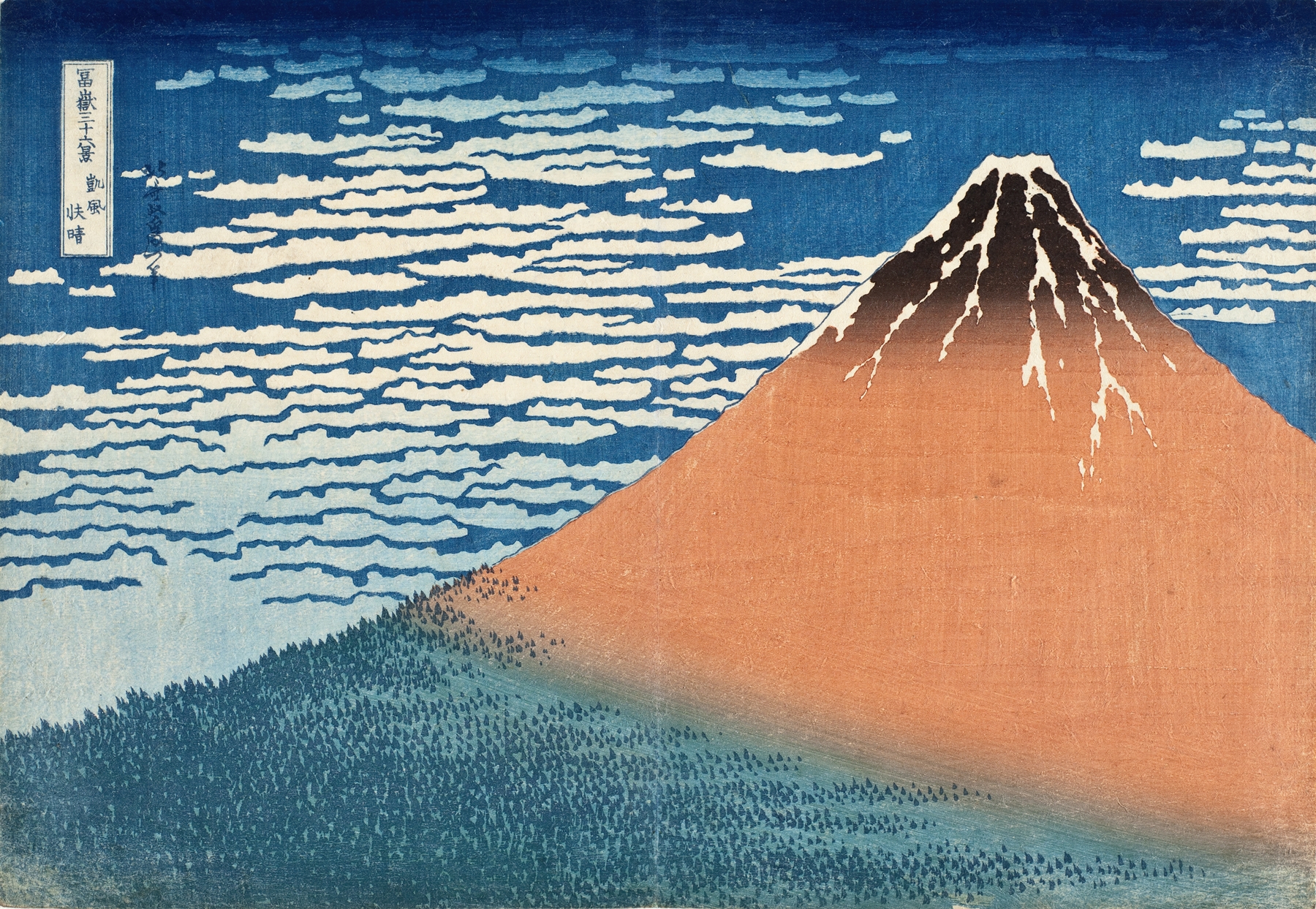
When did color learn to lie? In a world where nature's hues blend seamlessly into the fabric of life, this piece captures the moment when perception falters, and rebirth emerges from the shadows. Focus on the deep indigo waves that dance at the bottom, their strength contrasting with the delicate, soft pastels of the distant landscape. Notice how the outlines of Mount Fuji rise majestically against the sky, its silhouette bold yet tranquil. The gradient of colors—from vibrant blue to serene pink—pulls your gaze upward, where the heavens meet the earth, creating a sense of harmony that is both captivating and unsettling. Each stroke of color suggests the passage of time, resonating with the cyclical nature of existence. Beneath the serene surface lies a tension between permanence and impermanence. The mountain, a timeless sentinel, represents stability, while the ephemeral clouds hint at the fleeting moment of beauty and life. The juxtaposition of lively waves and the stillness of the mountain speaks to the eternal dance of creation and dissolution, where each element holds its own significance in an intricate balance. This visual dialogue invites you to ponder the deeper meanings of rebirth and transformation, urging you to find beauty in both the transient and the eternal. In the early 1830s, when this artwork was created, Katsushika Hokusai was living in Edo, Japan, during a period marked by a flourishing of art and culture. Hokusai was already a well-established artist, deeply influenced by the ukiyo-e movement, which sought to capture the beauty of everyday life and landscapes. This era was also characterized by increasing Western influence on Japanese art, prompting Hokusai to explore innovative techniques and themes, allowing him to redefine traditional aesthetics while still honoring his cultural roots.