Toegangsweg van een stad — History & Analysis
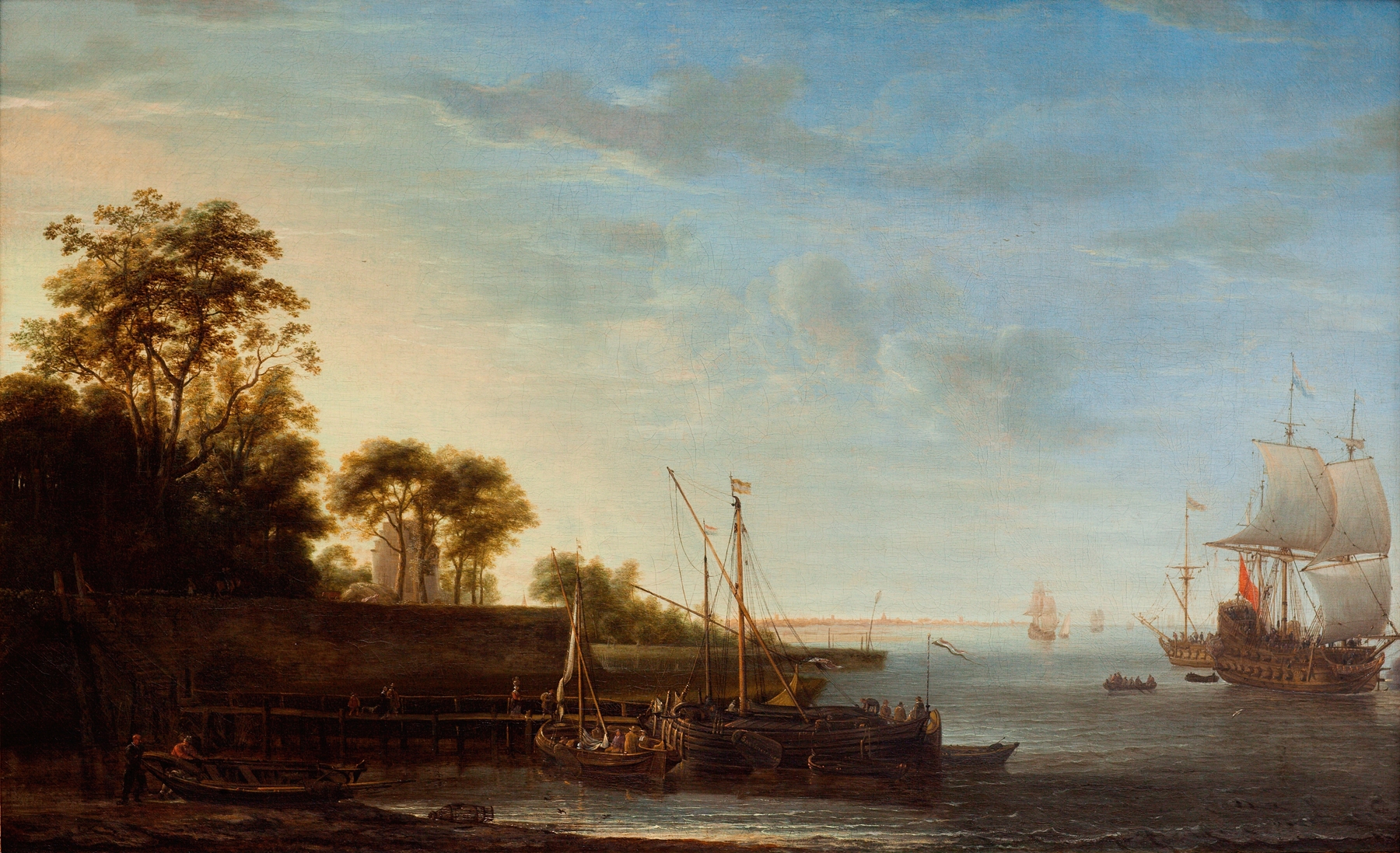
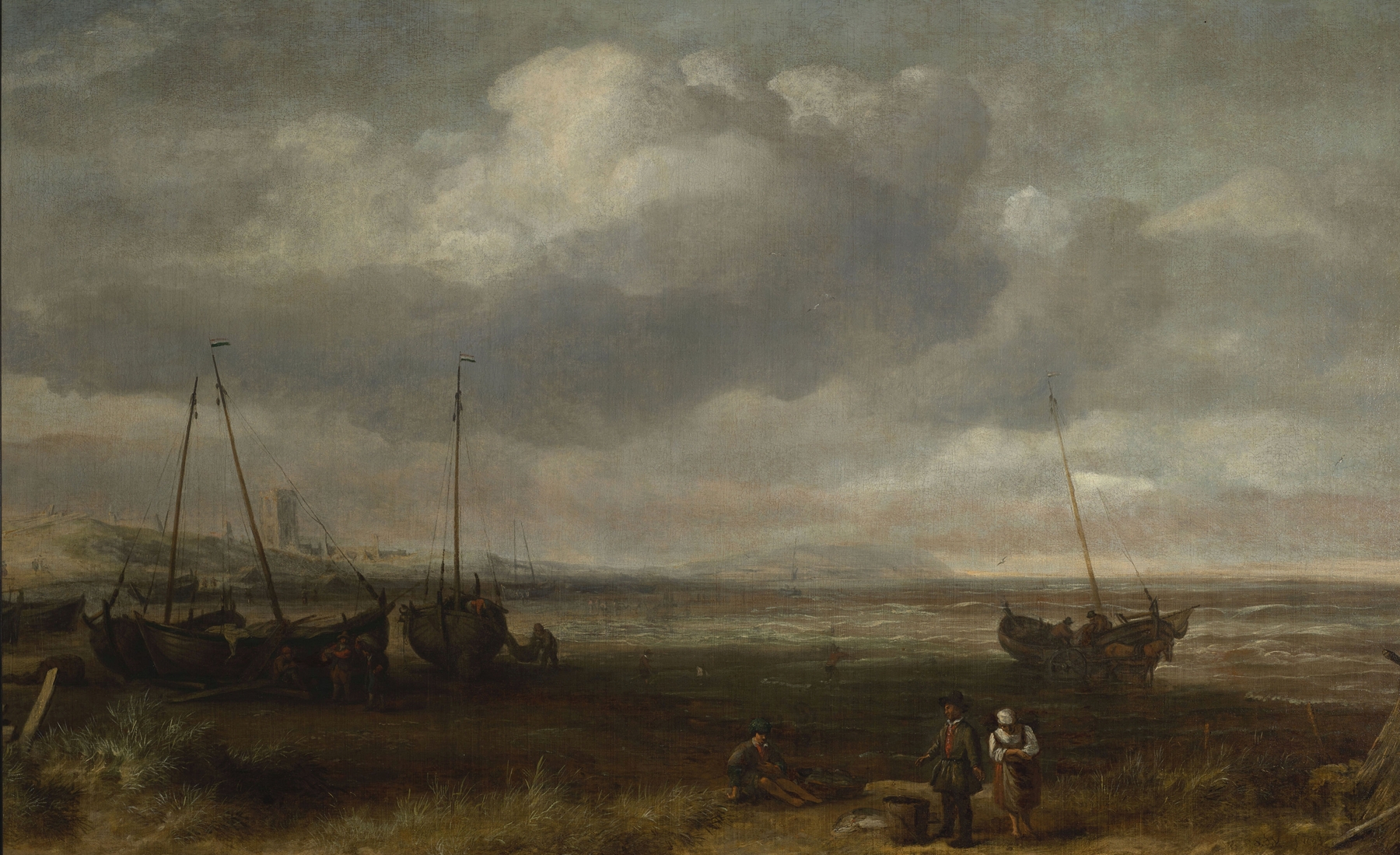
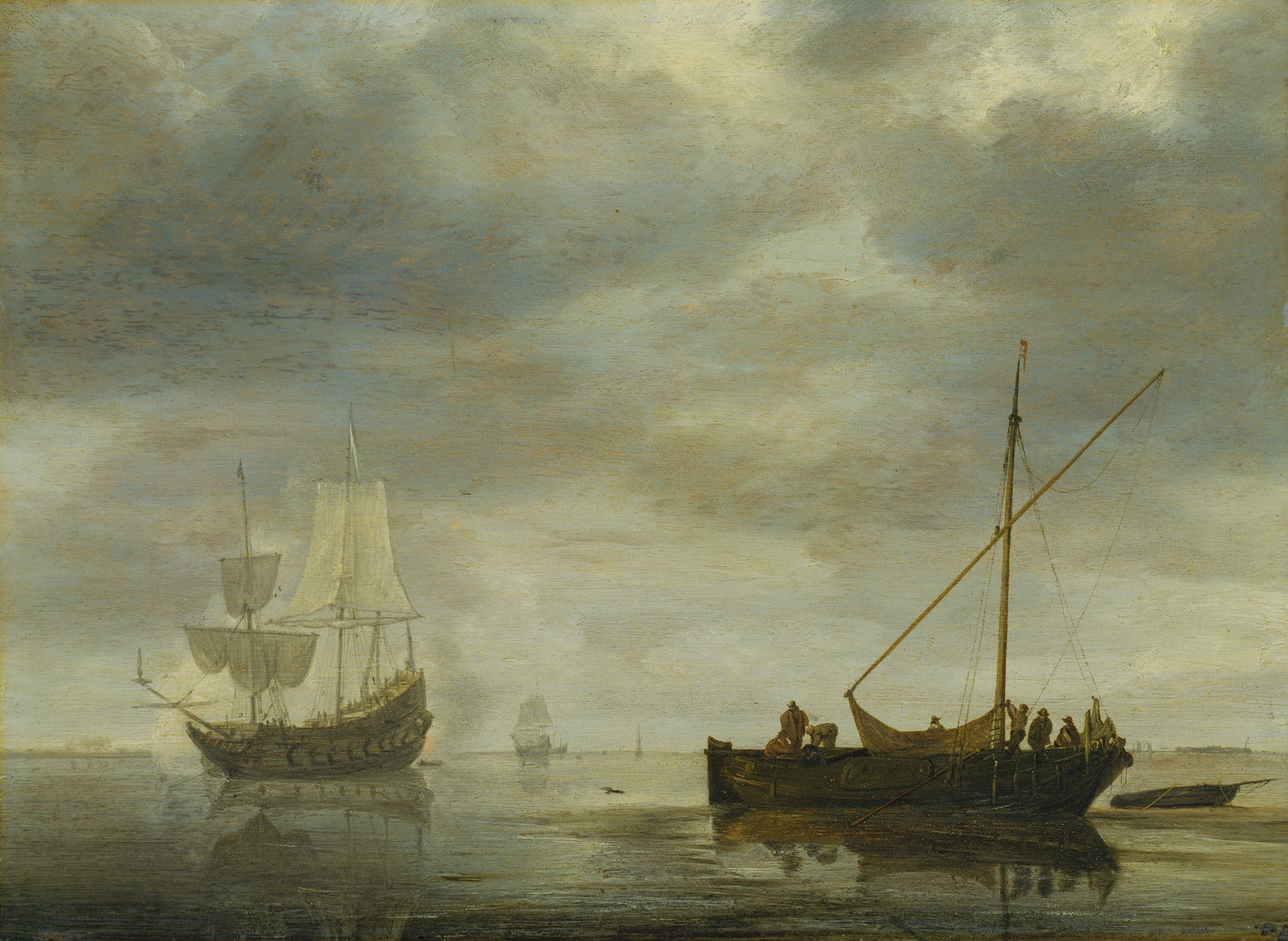
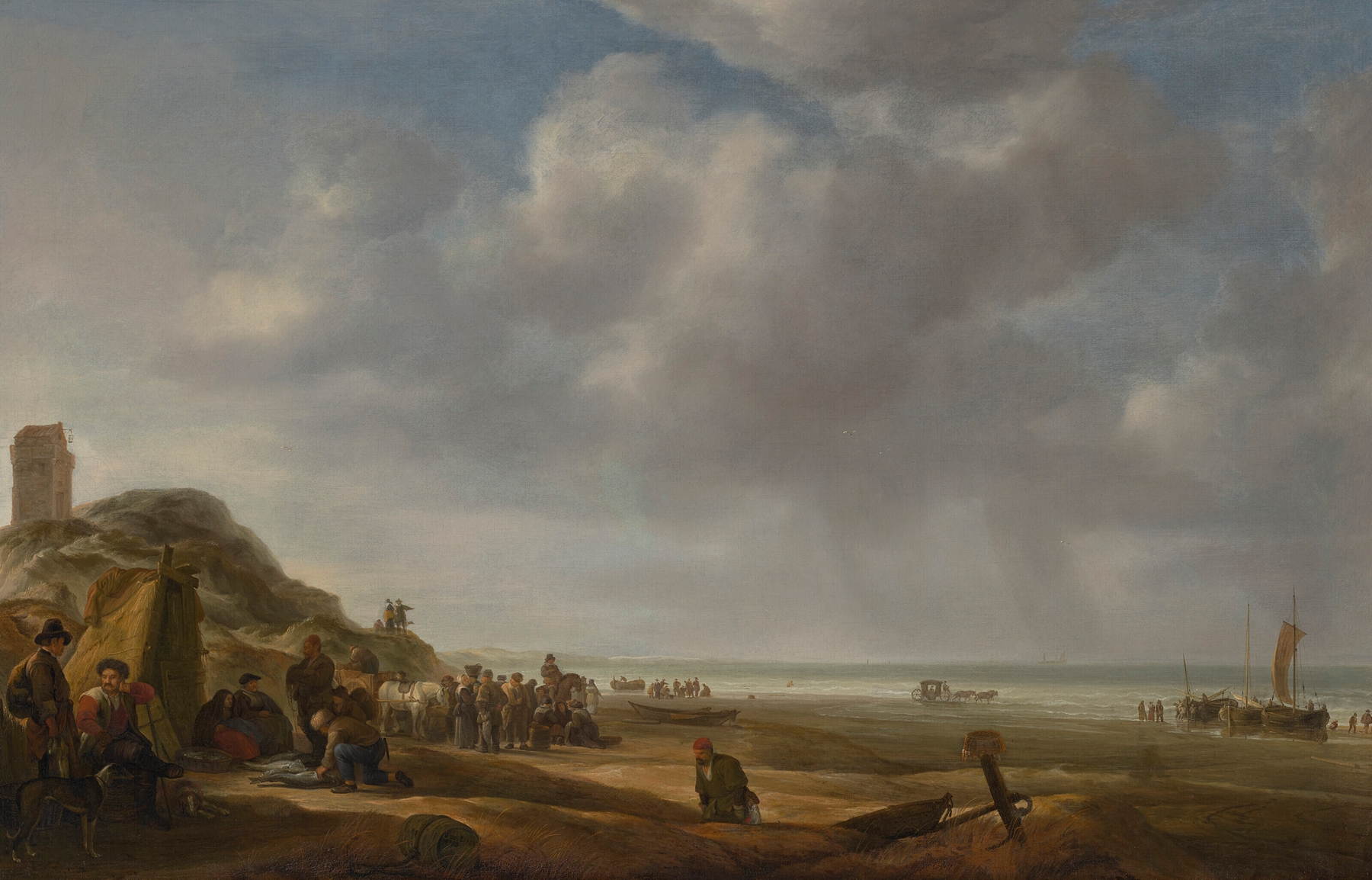
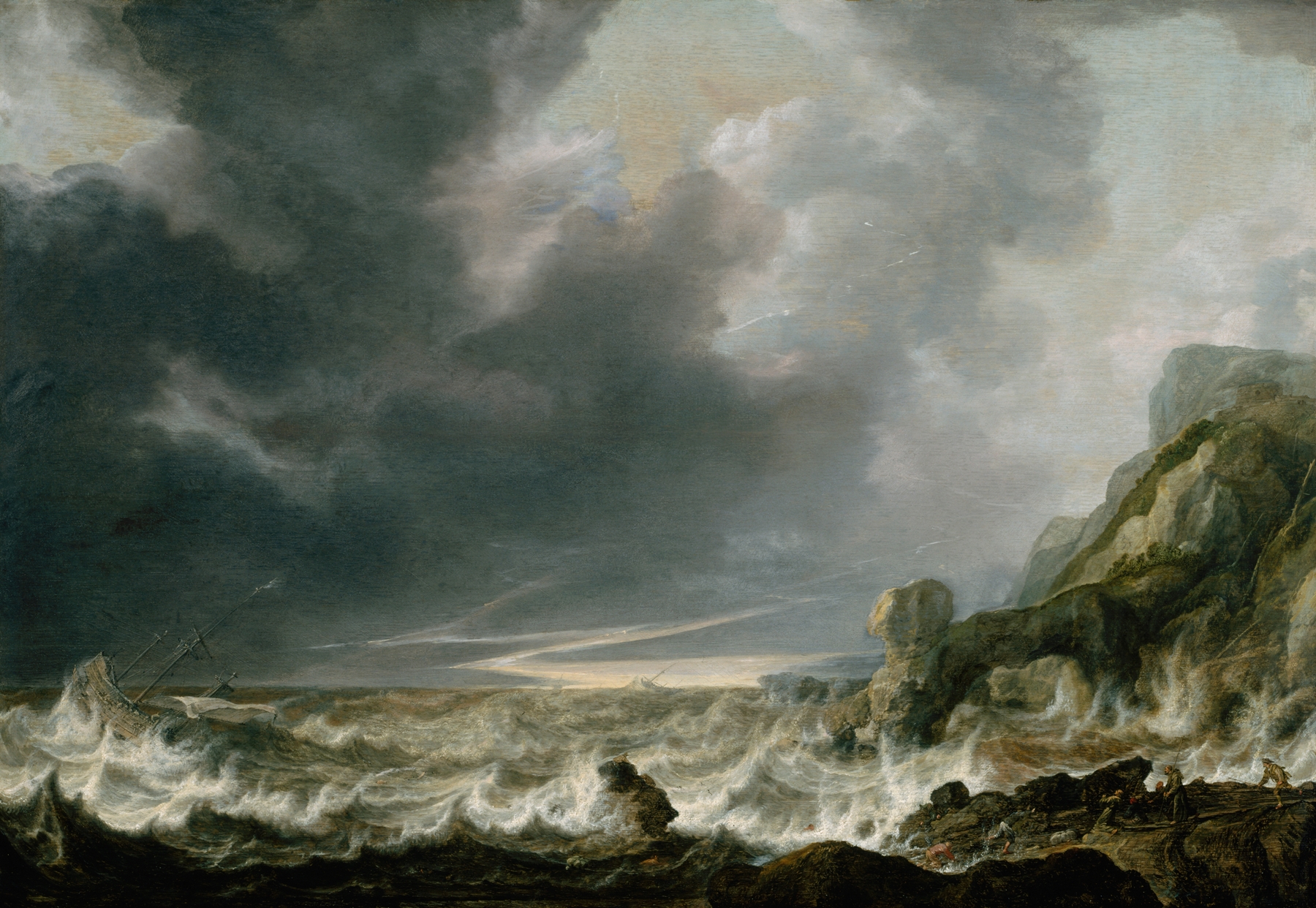
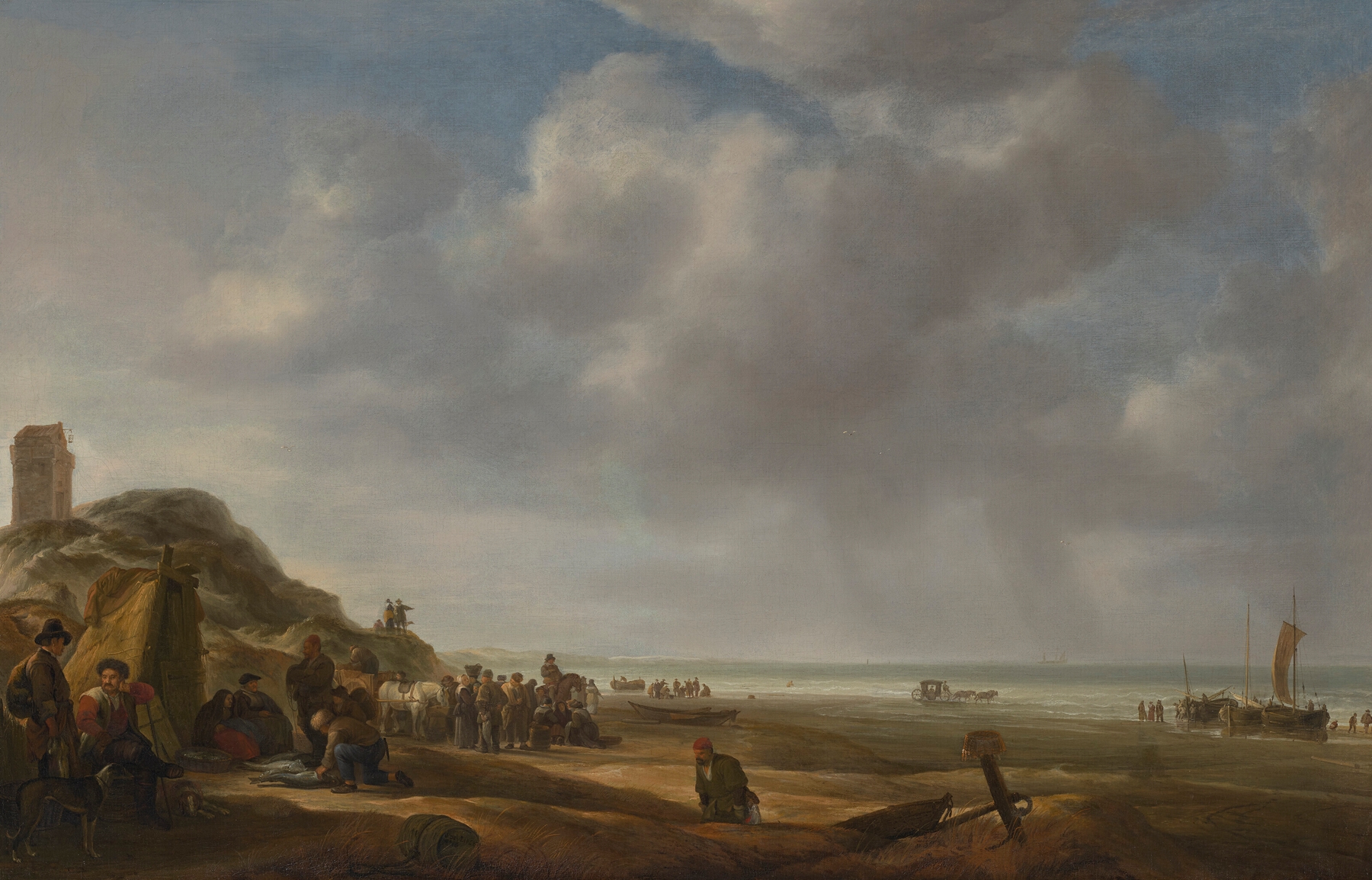
When did color learn to lie? The vivid hues of the landscape whisper stories of madness, where reality dances on the precipice of illusion. Look to the left at the swirling clouds, their deep blues and grays merging with softer whites, creating a sense of impending storm. The pathway, winding through the city, draws your eye towards the structured chaos of the buildings, painted in earthy tones that contrast sharply with the tumult above. Notice how the light seems to spill like molten gold upon the path, inviting yet ominous, leading viewers into a scene laden with both promise and foreboding.
Beneath the tranquil surface, a tension brews. The juxtaposition of calm architecture against the emotional tempest in the sky calls into question the very nature of stability. Is the city a refuge or a prison? The winding road symbolizes a journey, yet the encroaching darkness hints at madness lurking just beyond the threshold.
Each element in the composition plays a role in this psychological landscape, where color and form conspire to challenge our perceptions of reality. Simon de Vlieger painted this work during the early 17th century, amidst a flourishing art scene in the Netherlands. At this time, the Baroque style was taking root, emphasizing drama and emotional expression. De Vlieger, known for his landscapes and marine scenes, crafted Toegangsweg van een stad while navigating the complexities of his own artistic development, reflecting the broader turbulence of society as the Golden Age unfolded.