Toegangsweg van een stad — History & Analysis
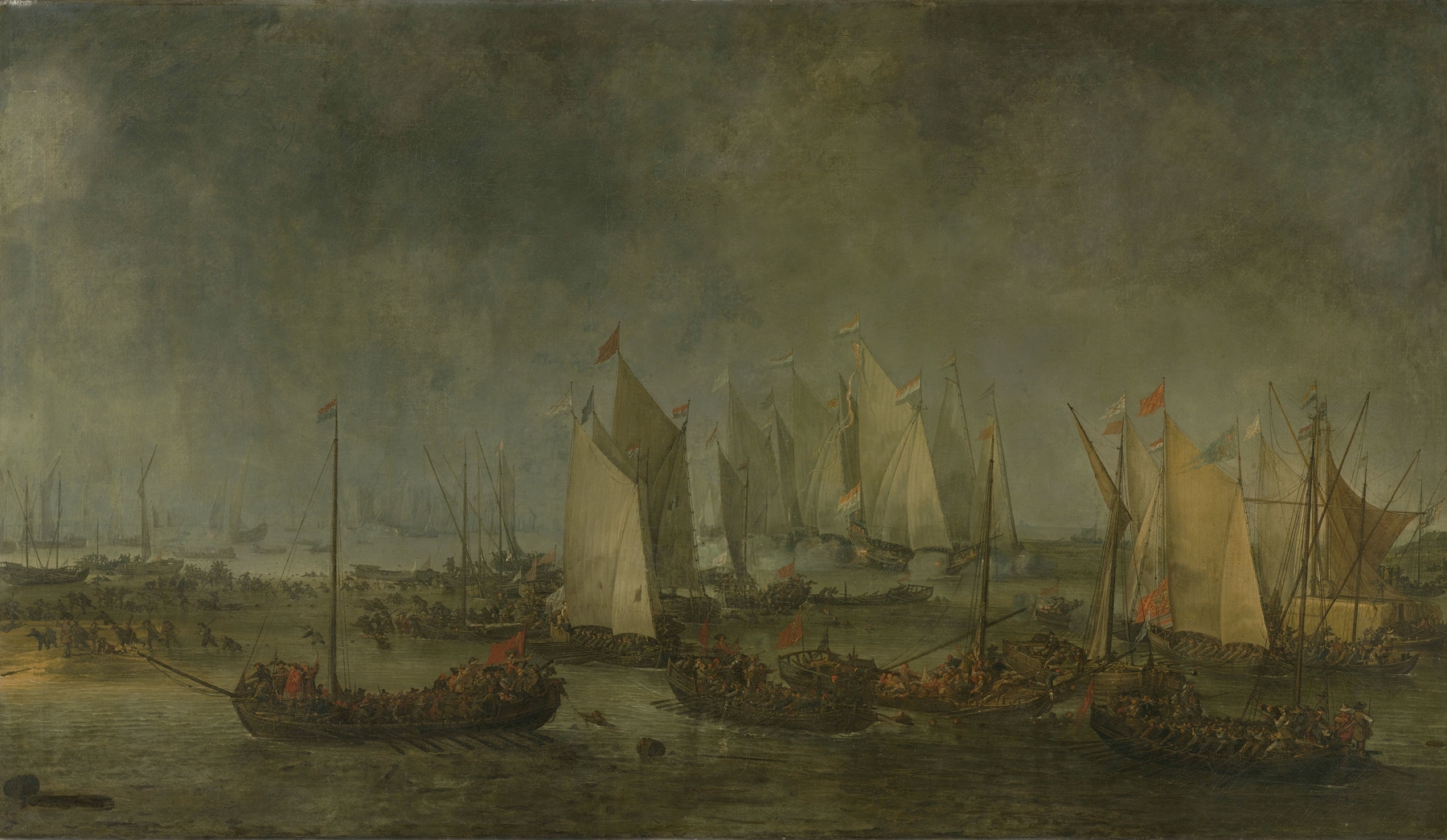
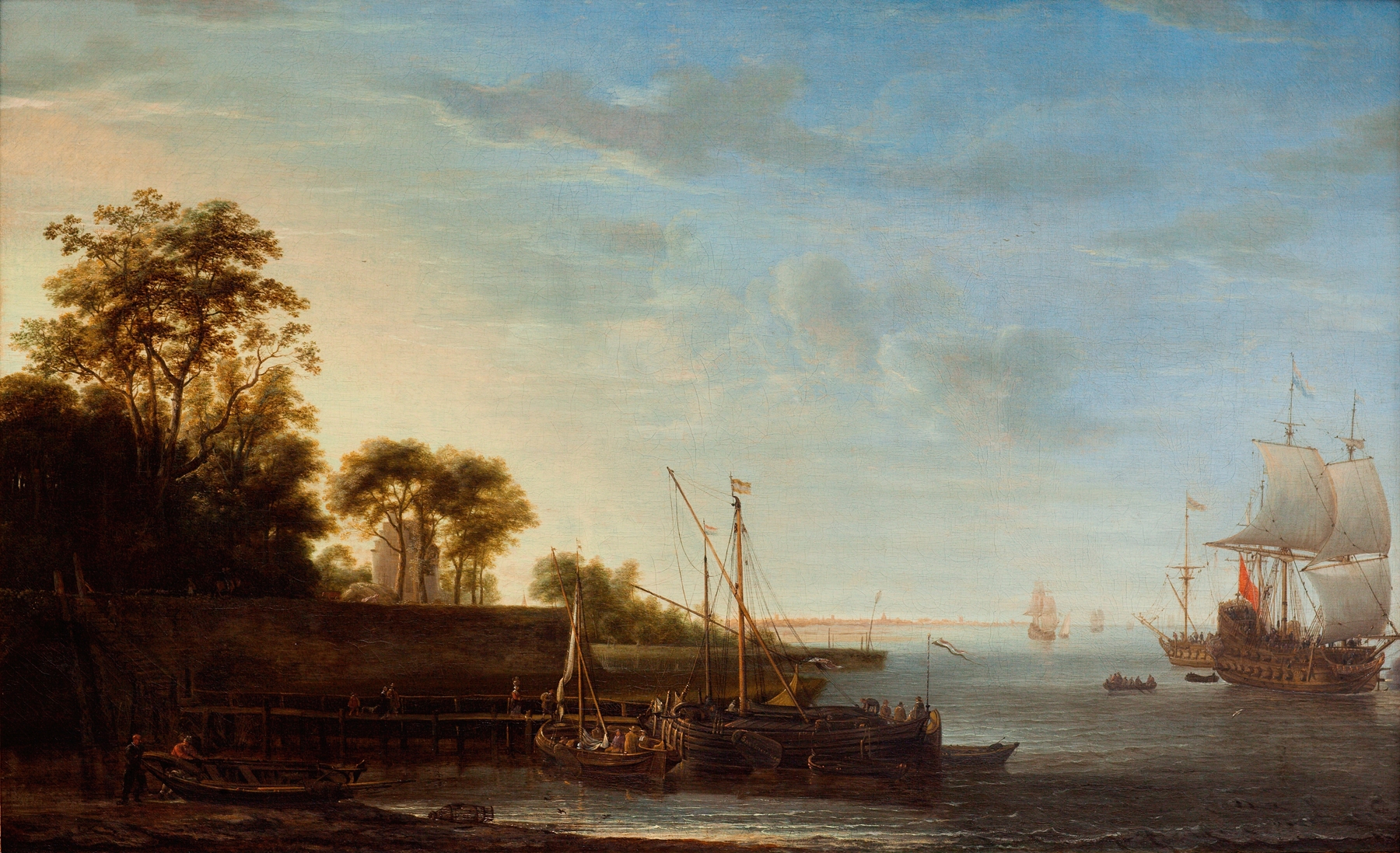
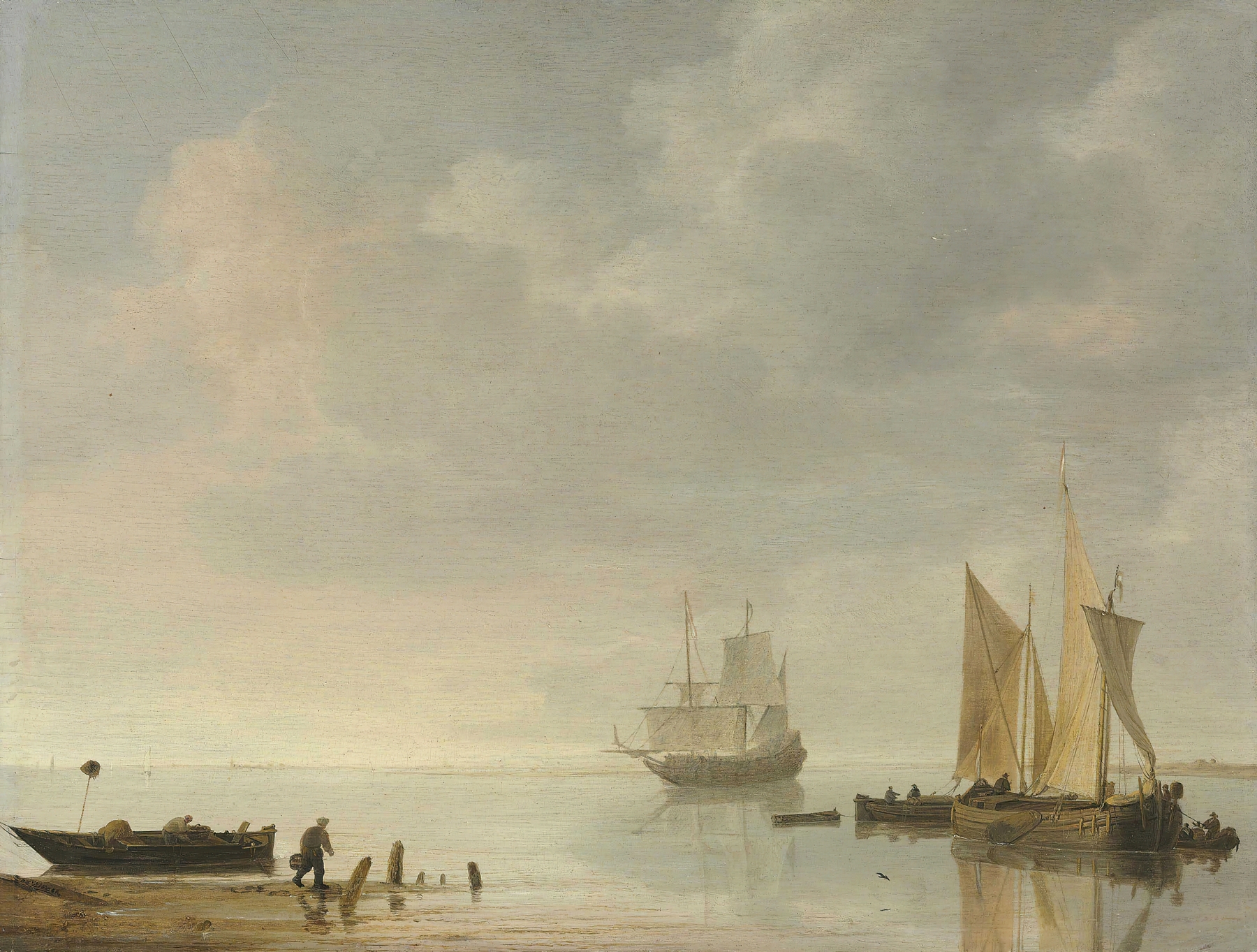
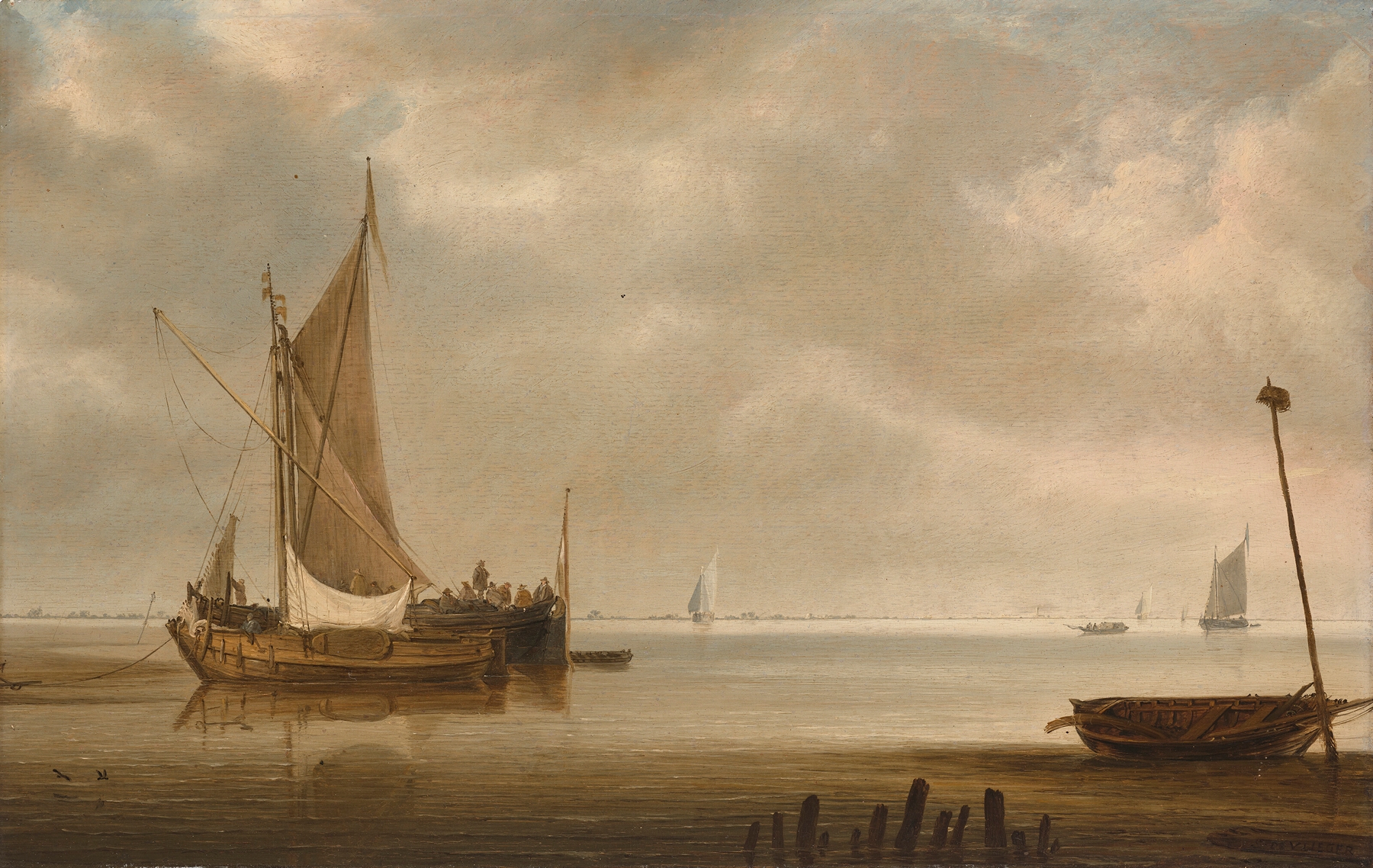
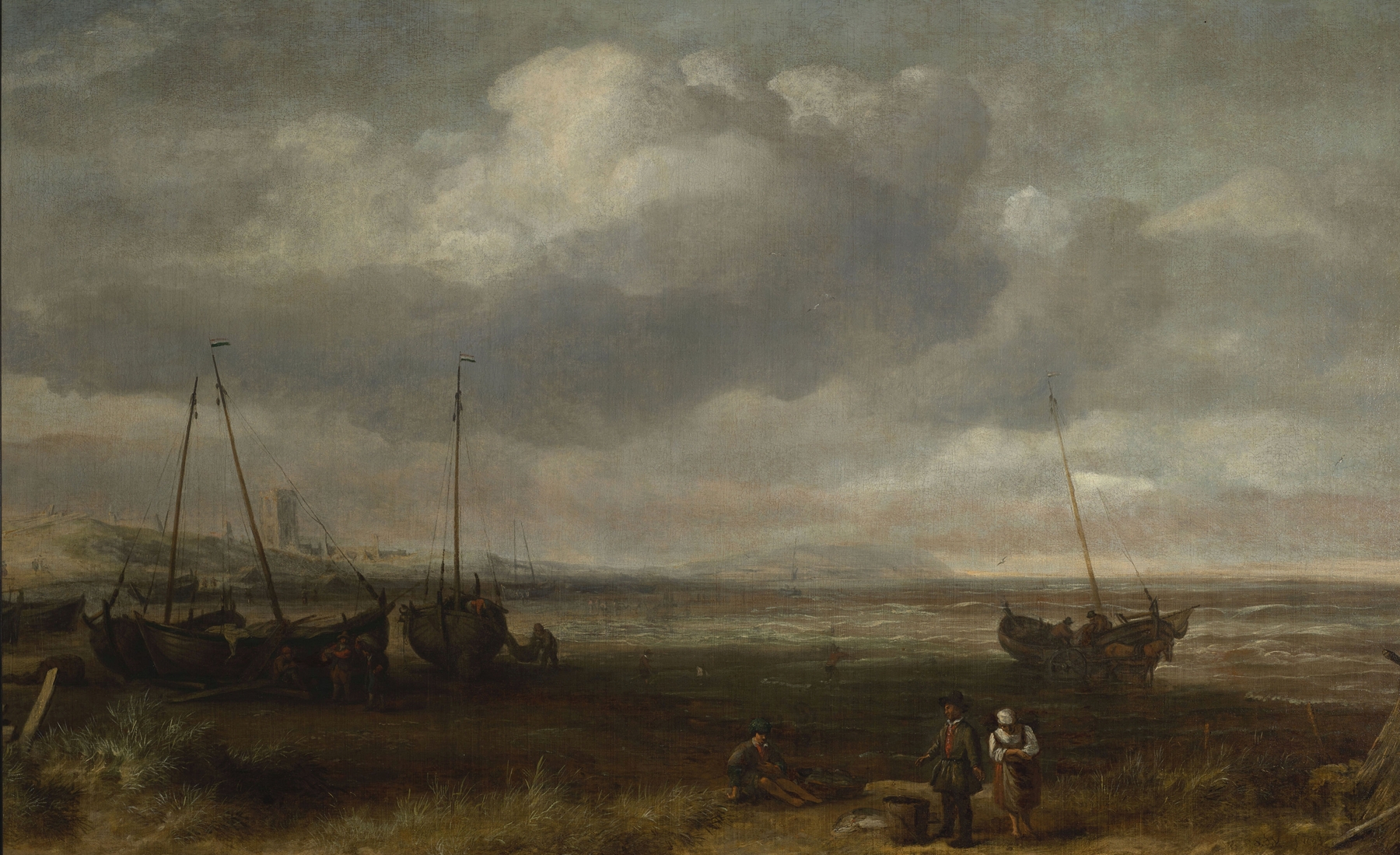
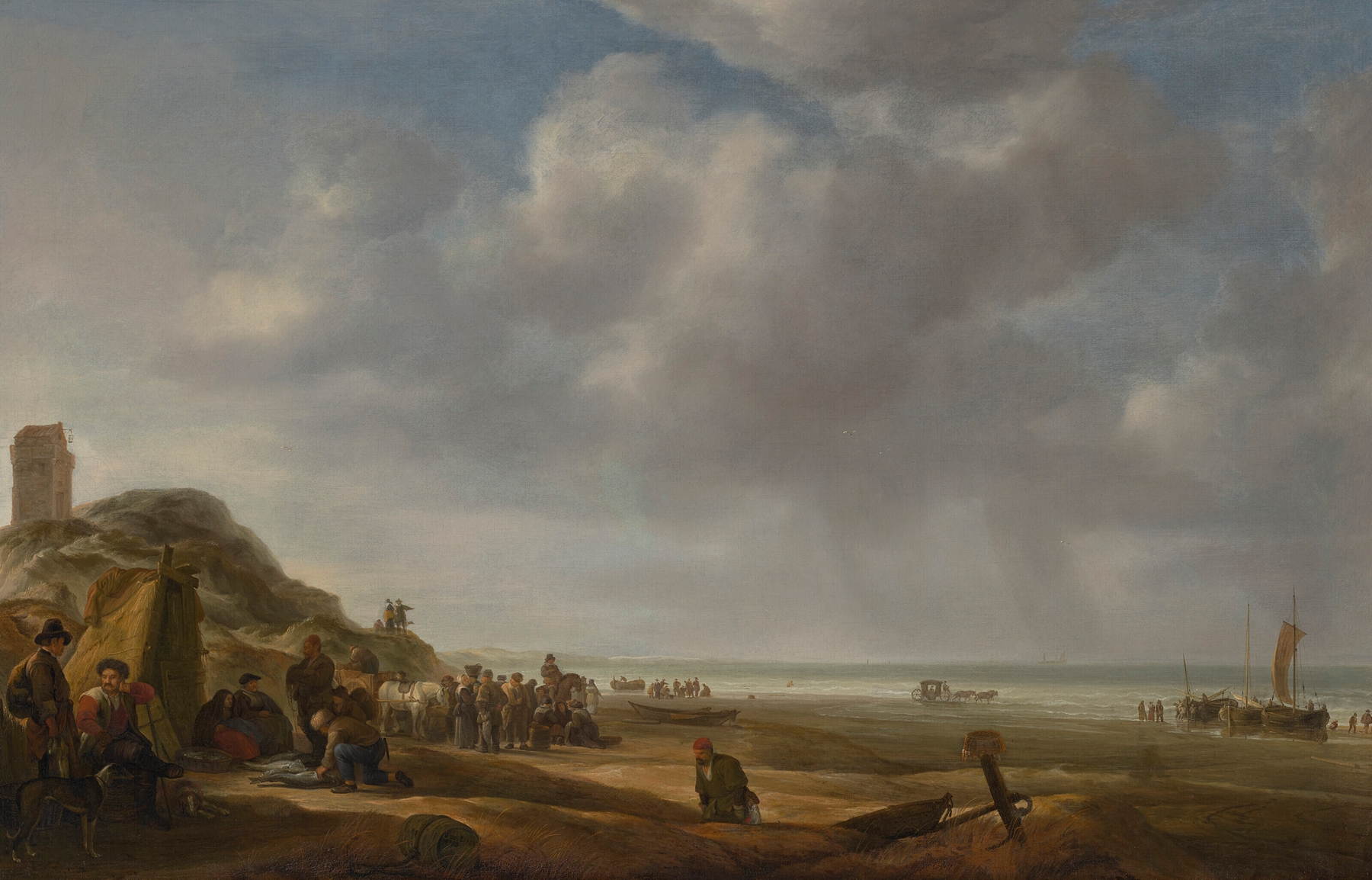
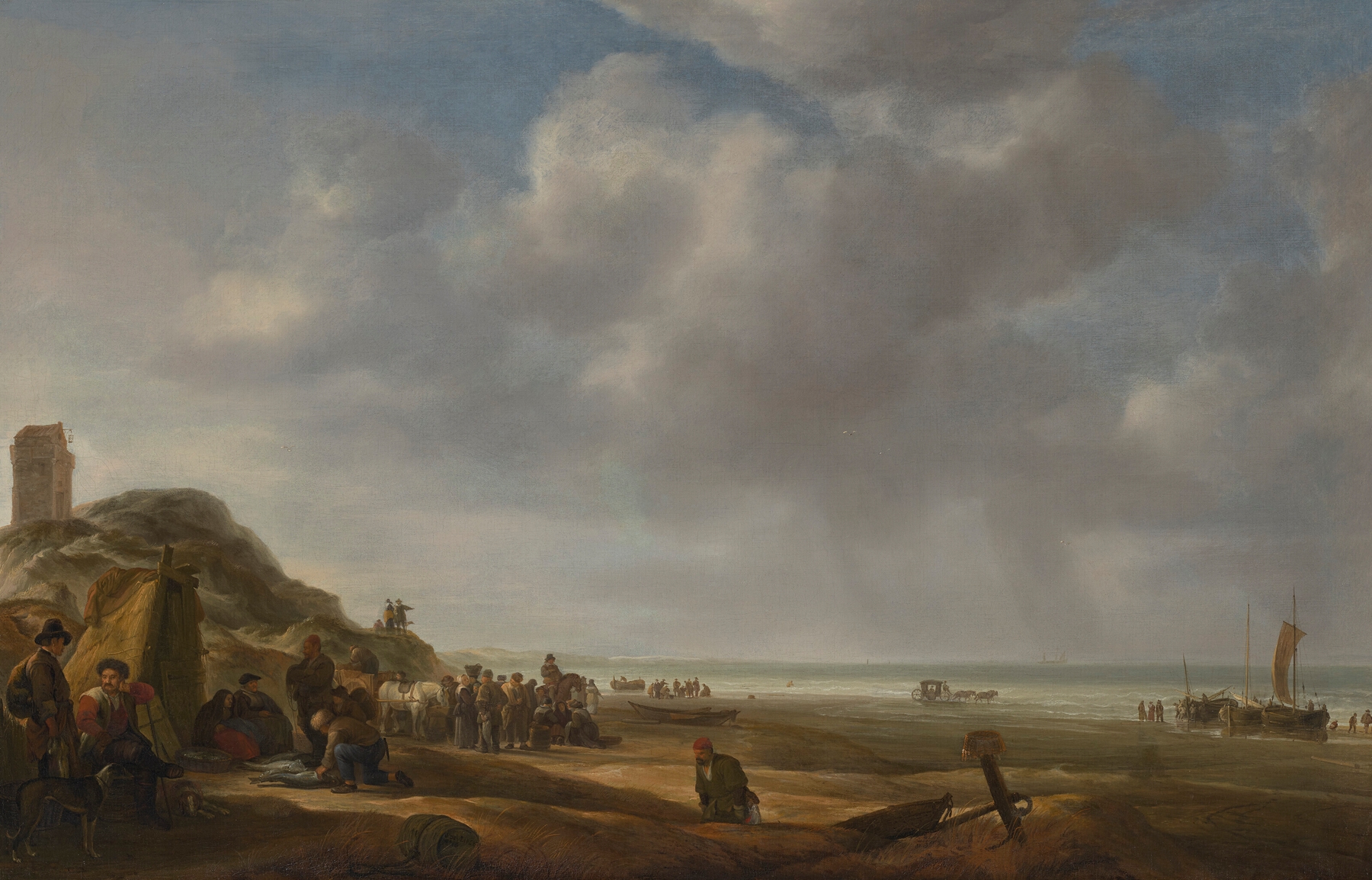
Is this a mirror — or a memory? The image invites you to ponder the fleeting nature of time and the journey into the unknown. Look to the left at the intricate details of the cobblestone pathway that winds into the depth of the painting. Notice how the artist's brushstrokes create a sense of movement; they seem to dance beneath the light, guiding the viewer’s eye toward the horizon.
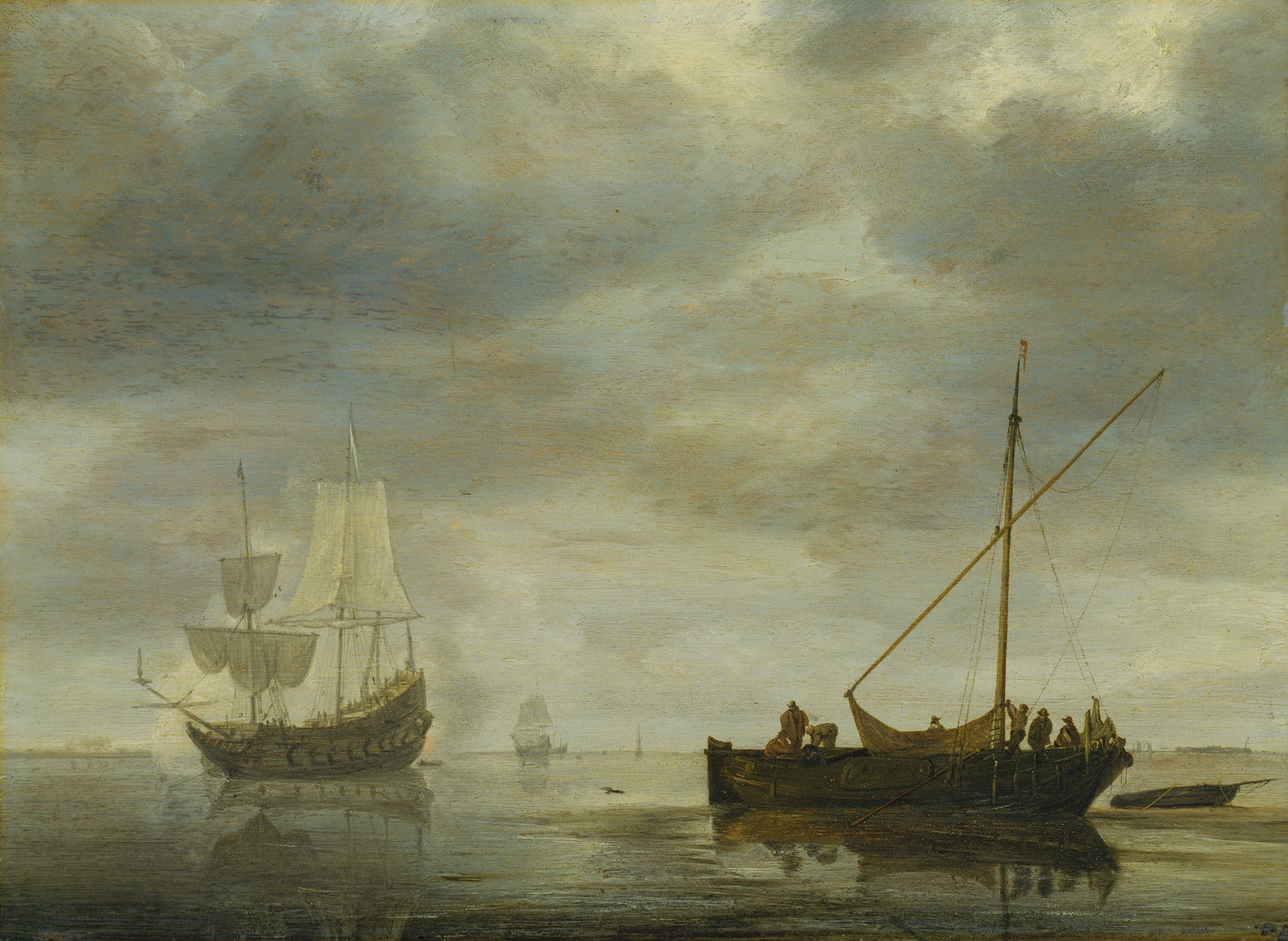
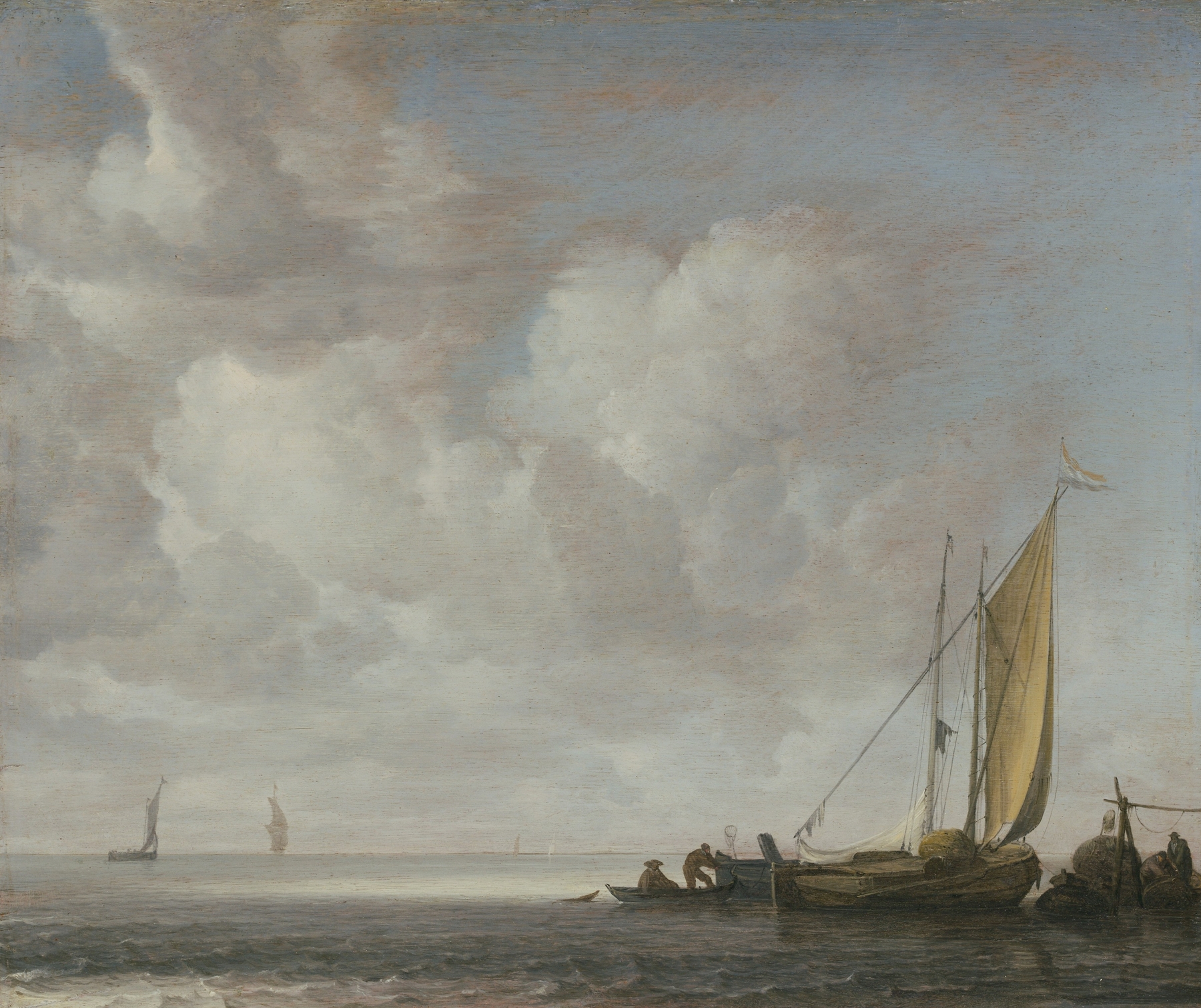
The muted palette of ochres and deep greens evokes a tranquil yet melancholic atmosphere, while soft shadows suggest the presence of unseen figures, hinting at lives once lived along this path. In the foreground, contrasting textures emerge: the smooth surface of the water reflects the sky's hues, while the rugged terrain of the road speaks to persistence and struggle. The light shimmer plays on the water's surface, inviting contemplation of the passage of time. Together, these elements weave a narrative of transition, drawing attention to the tension between stillness and motion, presence and absence.
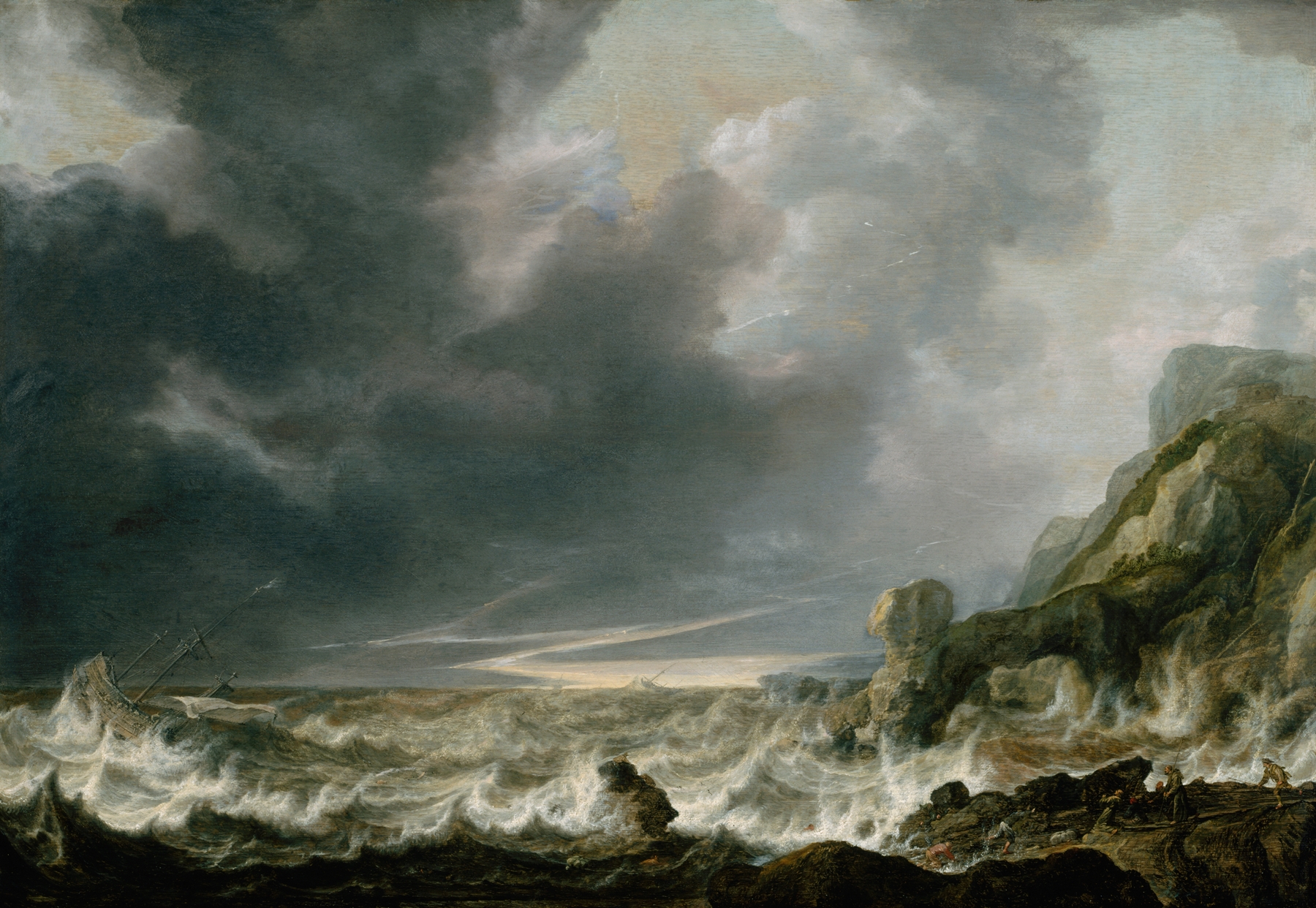
Created between 1610 and 1653, this work emerged during a time when the Dutch Golden Age was flourishing. Simon de Vlieger, influenced by the burgeoning interest in landscapes, painted during a period marked by both artistic advancement and societal change. The exploration of waterways, trade, and connectivity was essential to the Dutch ethos, as the country navigated its own evolving identity amidst a world of possibilities.