Twee grote oorlogsschepen — History & Analysis
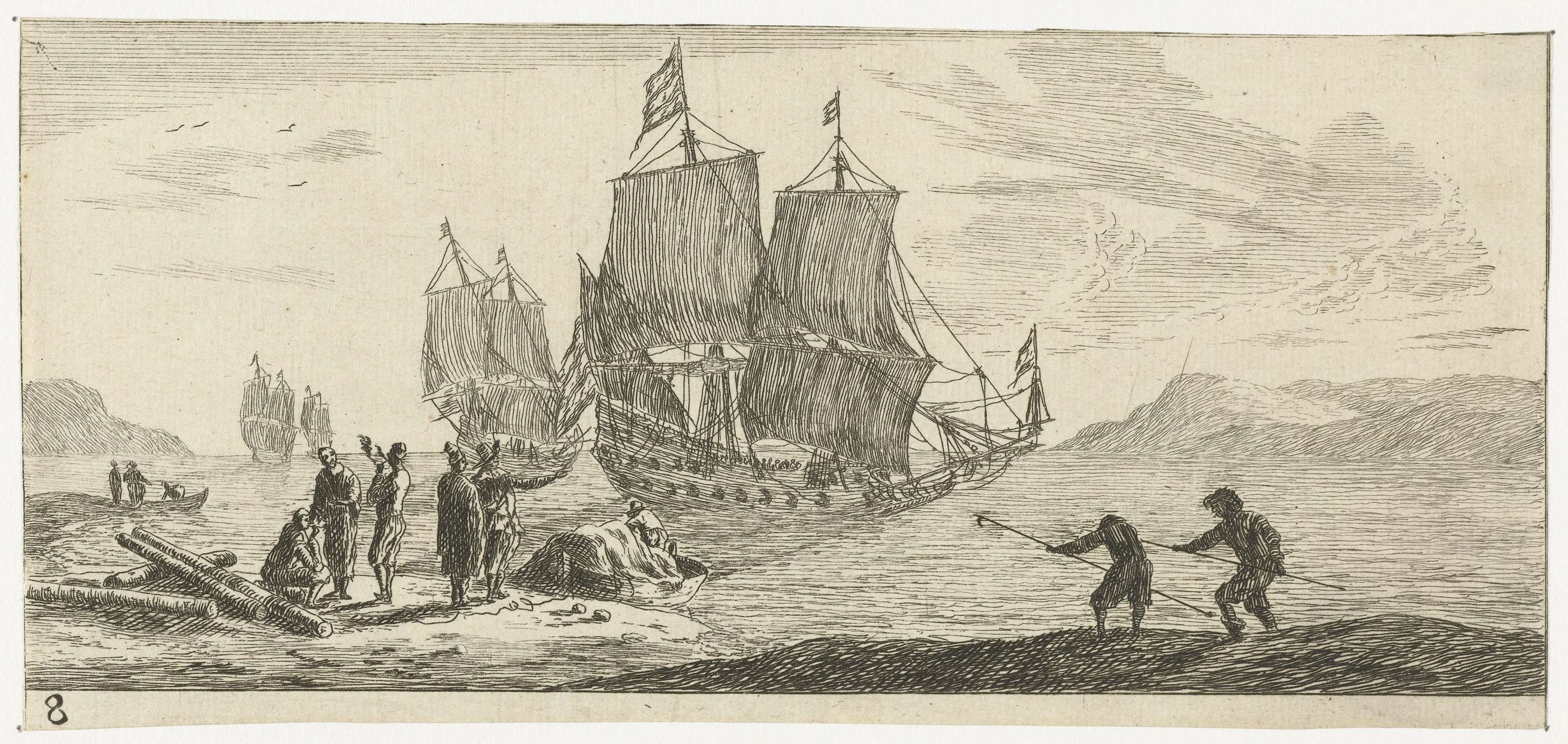
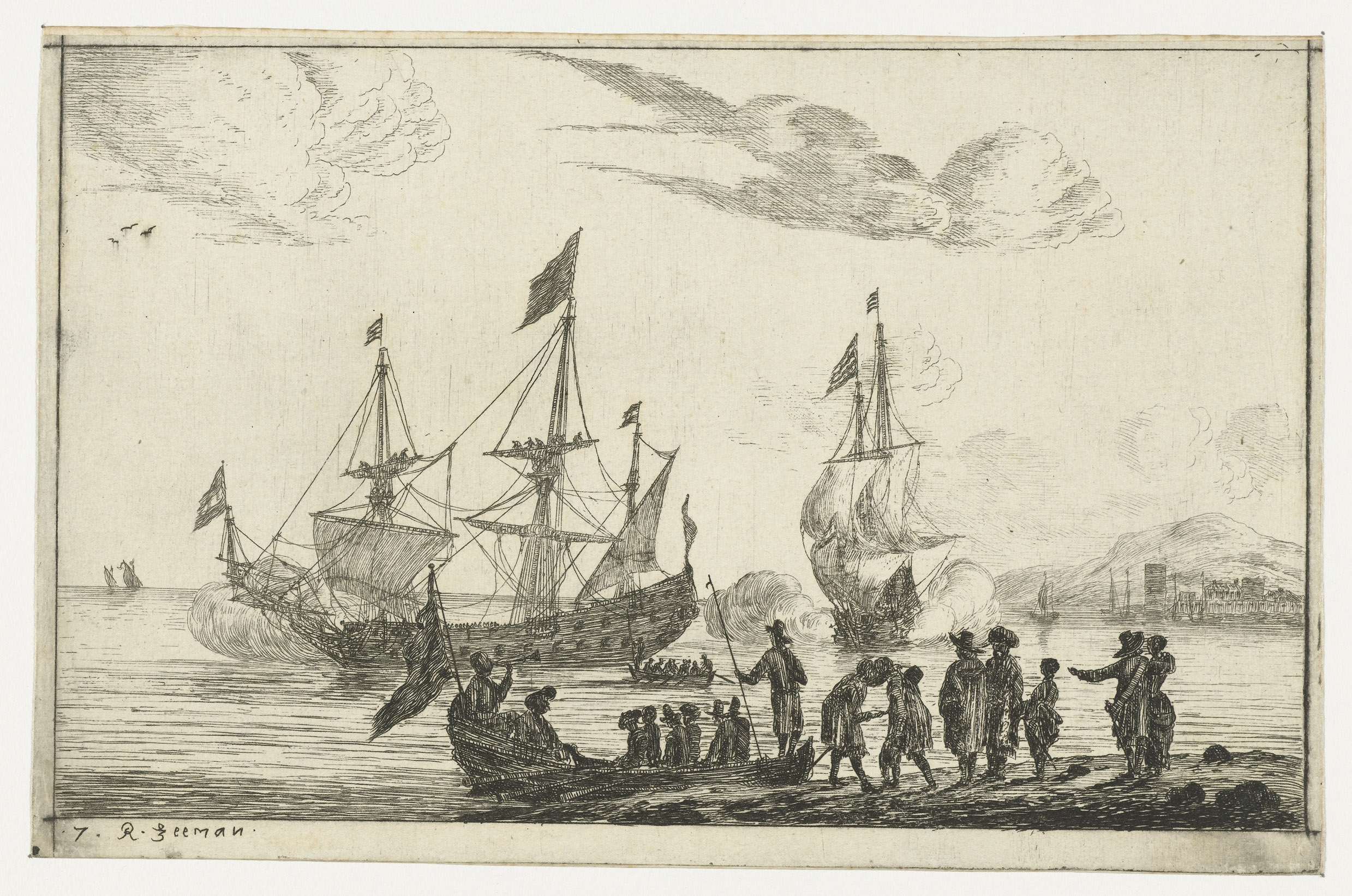
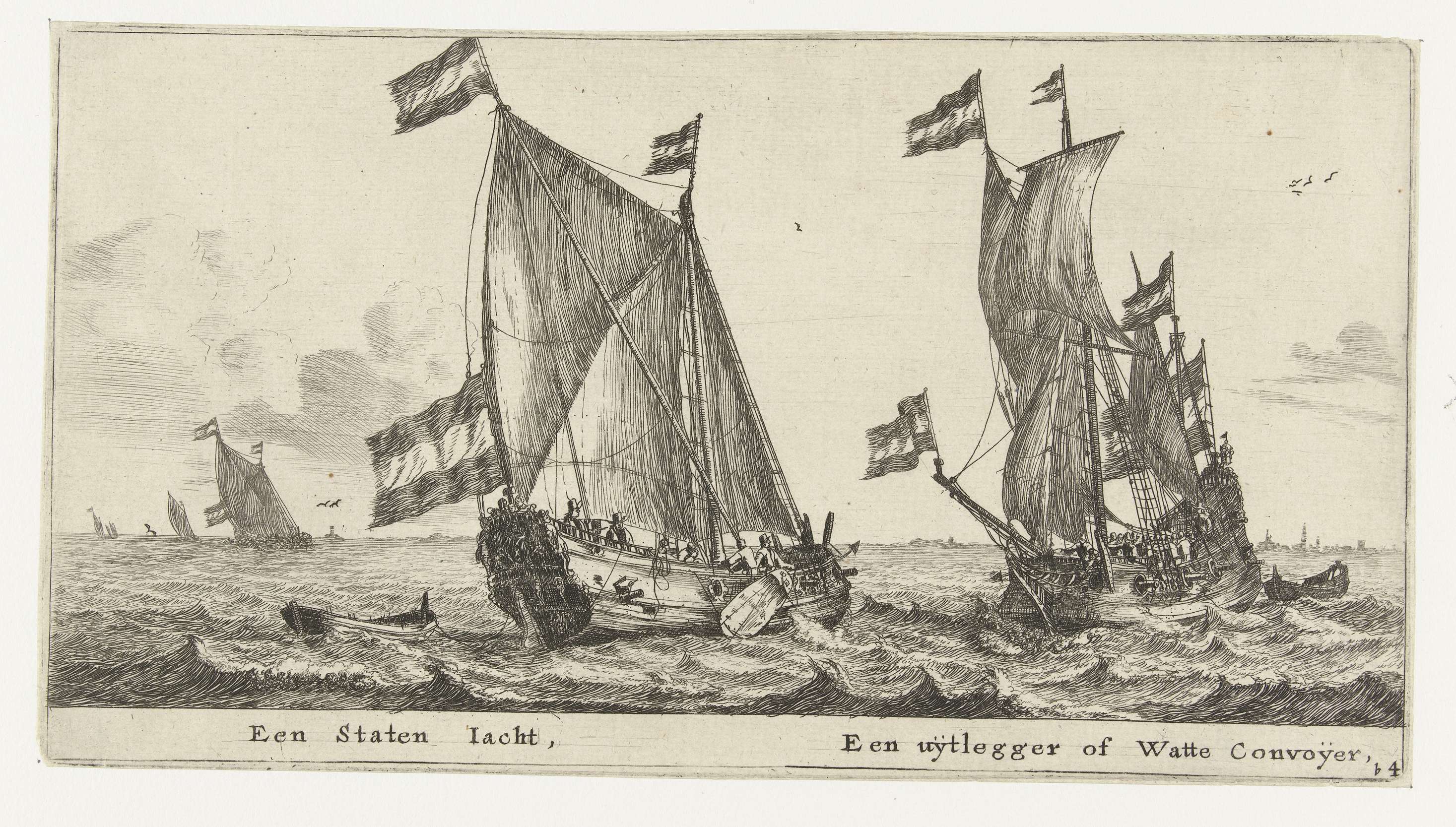
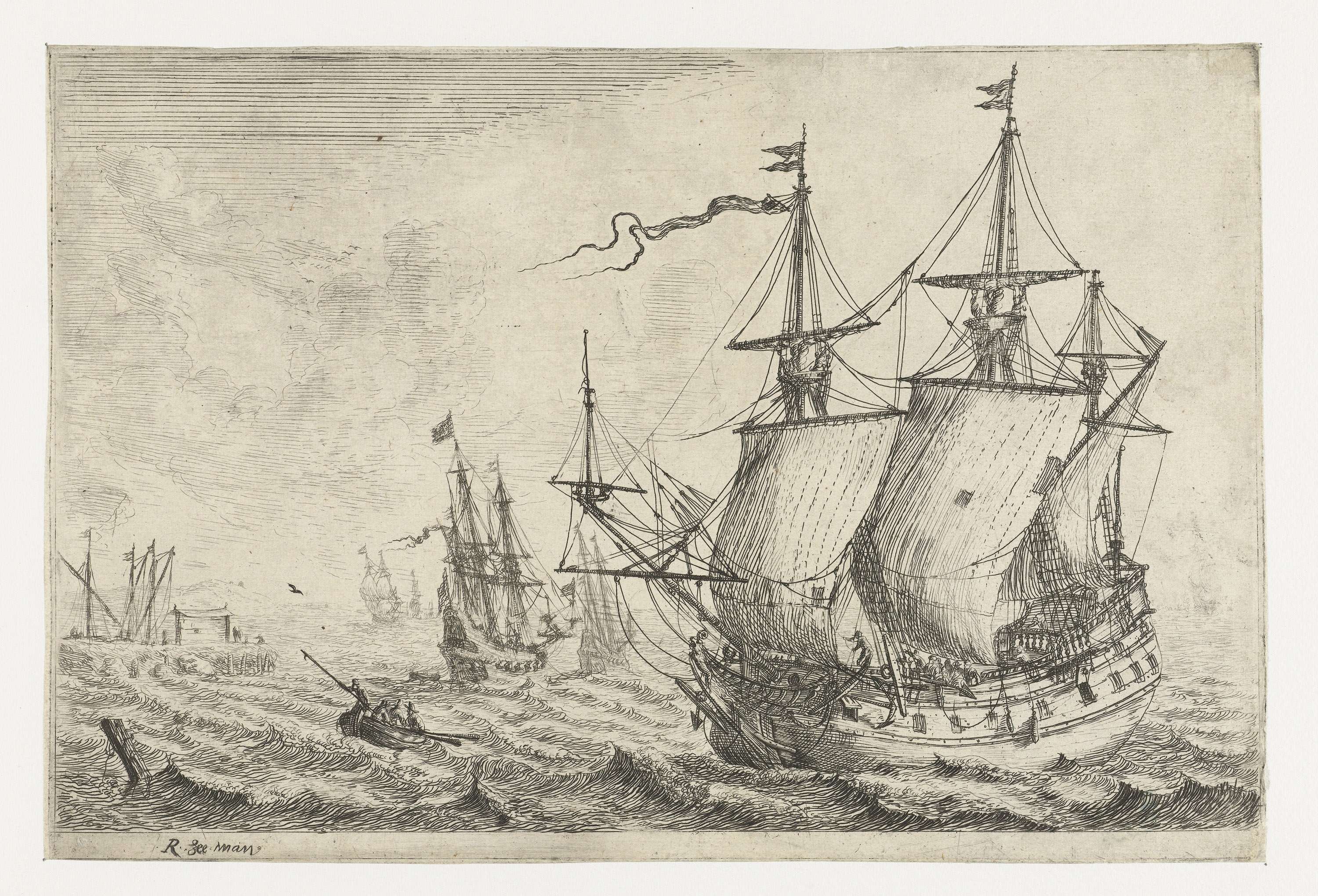
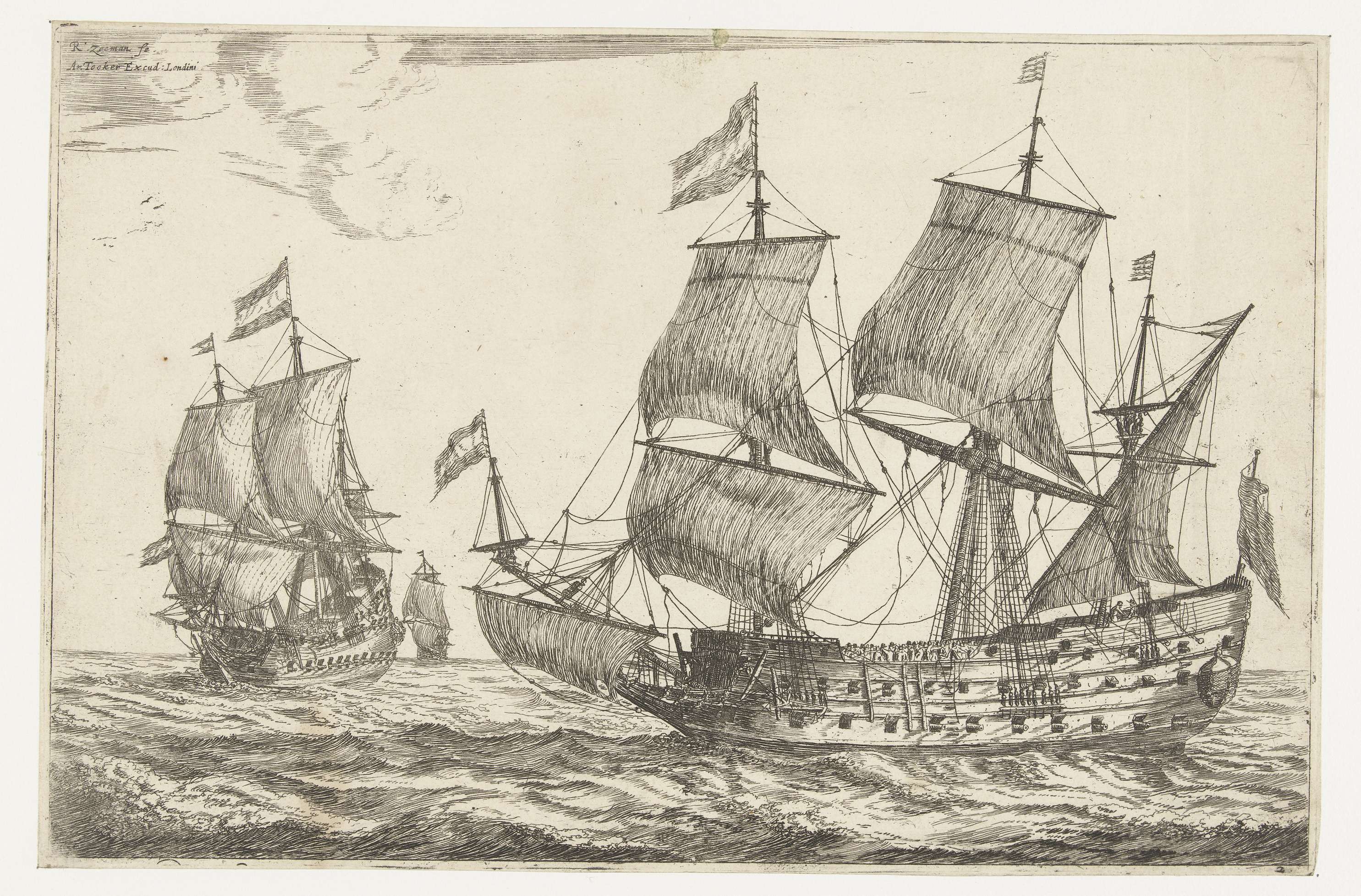
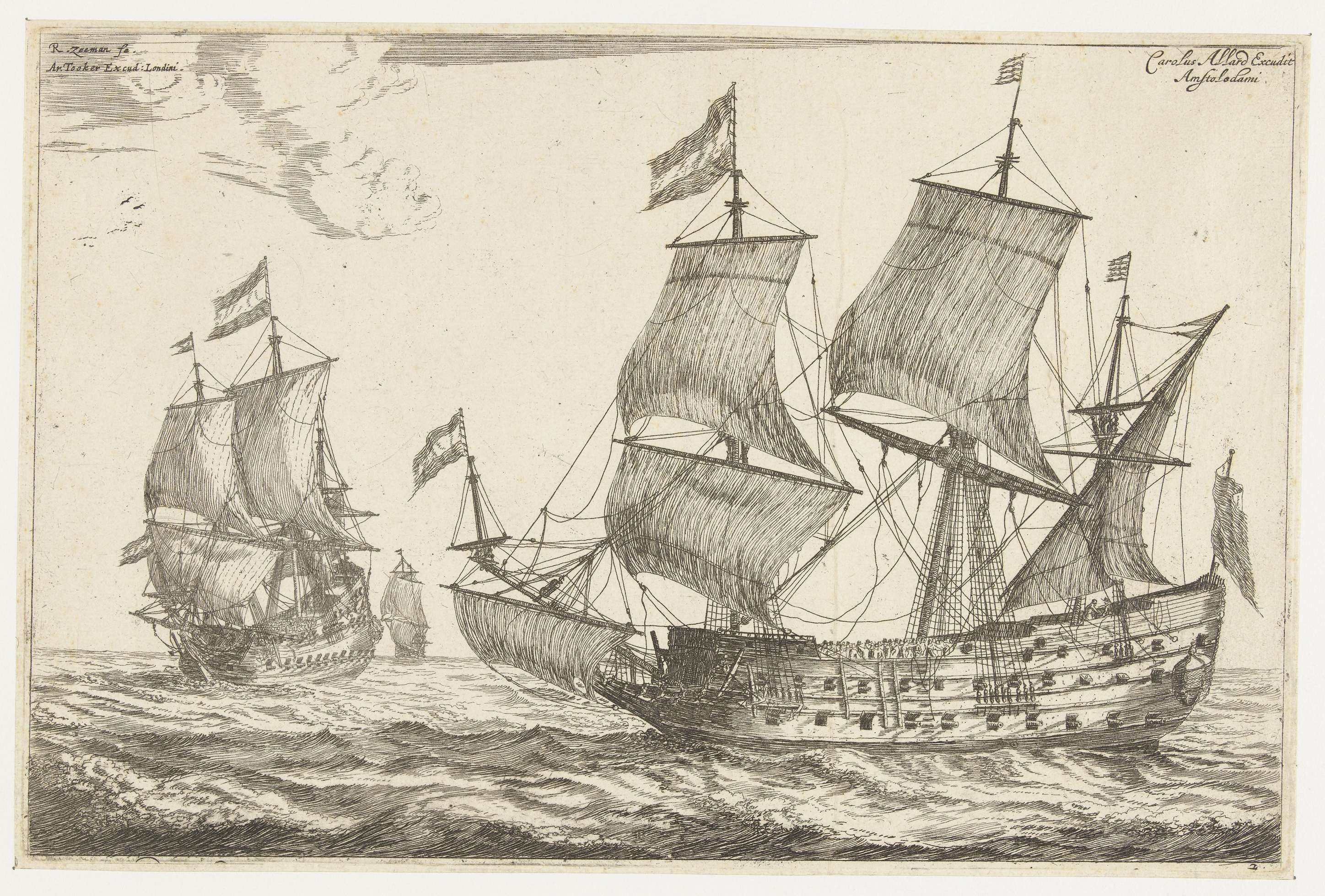
What if beauty was never meant to be finished? This contemplation echoes through the depths of Twee grote oorlogsschepen, where the grandeur of naval power is juxtaposed with an unsettling undertone of fear and uncertainty. Look to the center of the canvas, where two majestic warships loom large against an expansive horizon. The meticulous detail in their billowing sails captures the viewer’s gaze, while the luminous sky, painted in soft blues and whites, contrasts sharply with the dark waters below.
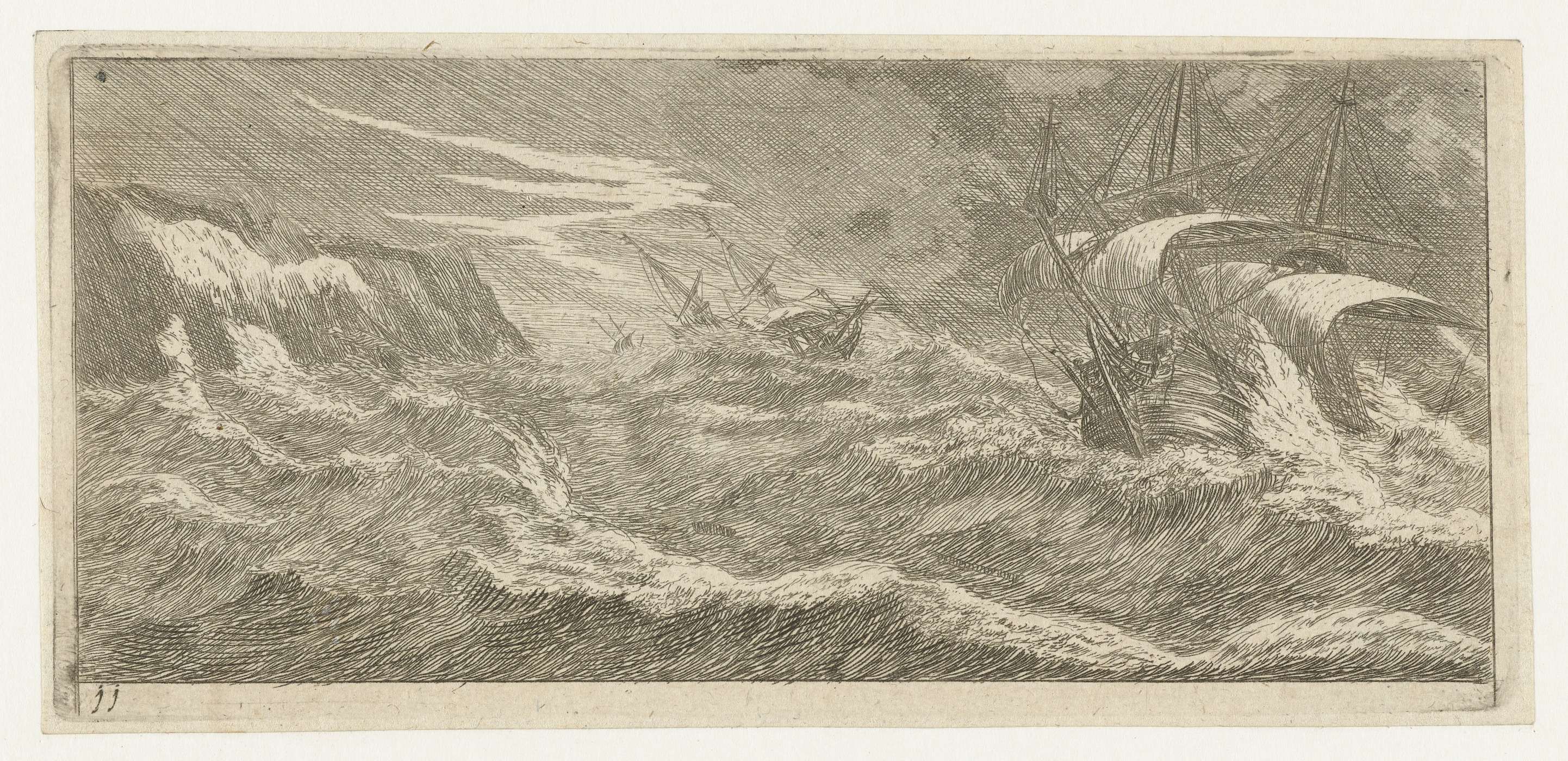
Notice how the strokes of the waves hint at turbulence, the ripples subtly suggesting impending chaos that lies just beneath the surface. As you examine the ships, consider the emotional tension woven into their grandeur. The proud vessels, symbols of strength and dominion, stand on the precipice of conflict, evoking a sense of anxiety. The interplay of light and shadow creates a disquieting atmosphere, suggesting that even in this moment of beauty, a storm is brewing.
The surrounding tranquility is deceptive, inviting reflection on the fragility of peace in a world dominated by ambition and fear. In 1650, at the height of the Dutch Golden Age, Reinier Nooms painted this work amidst a time of naval expansion and conflict. The maritime world was rapidly evolving, reflecting the increasing significance of trade and military prowess. As Nooms captured these mighty ships, he was not only documenting their splendor but also hinting at the underlying tensions that came with power, a narrative deeply woven into the fabric of his era.