Waterdichtmaken van de rompen van drie fluitschepen — History & Analysis
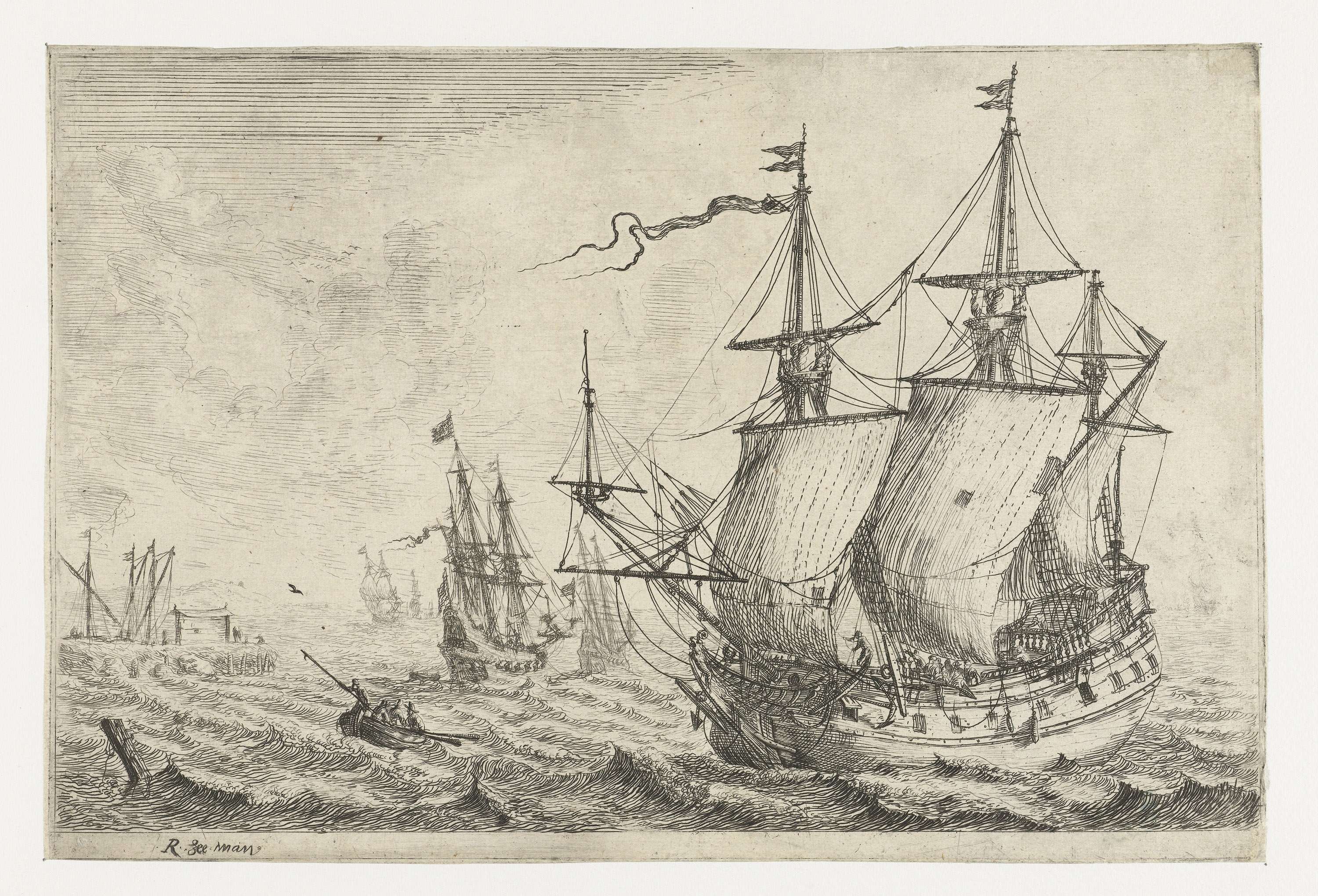
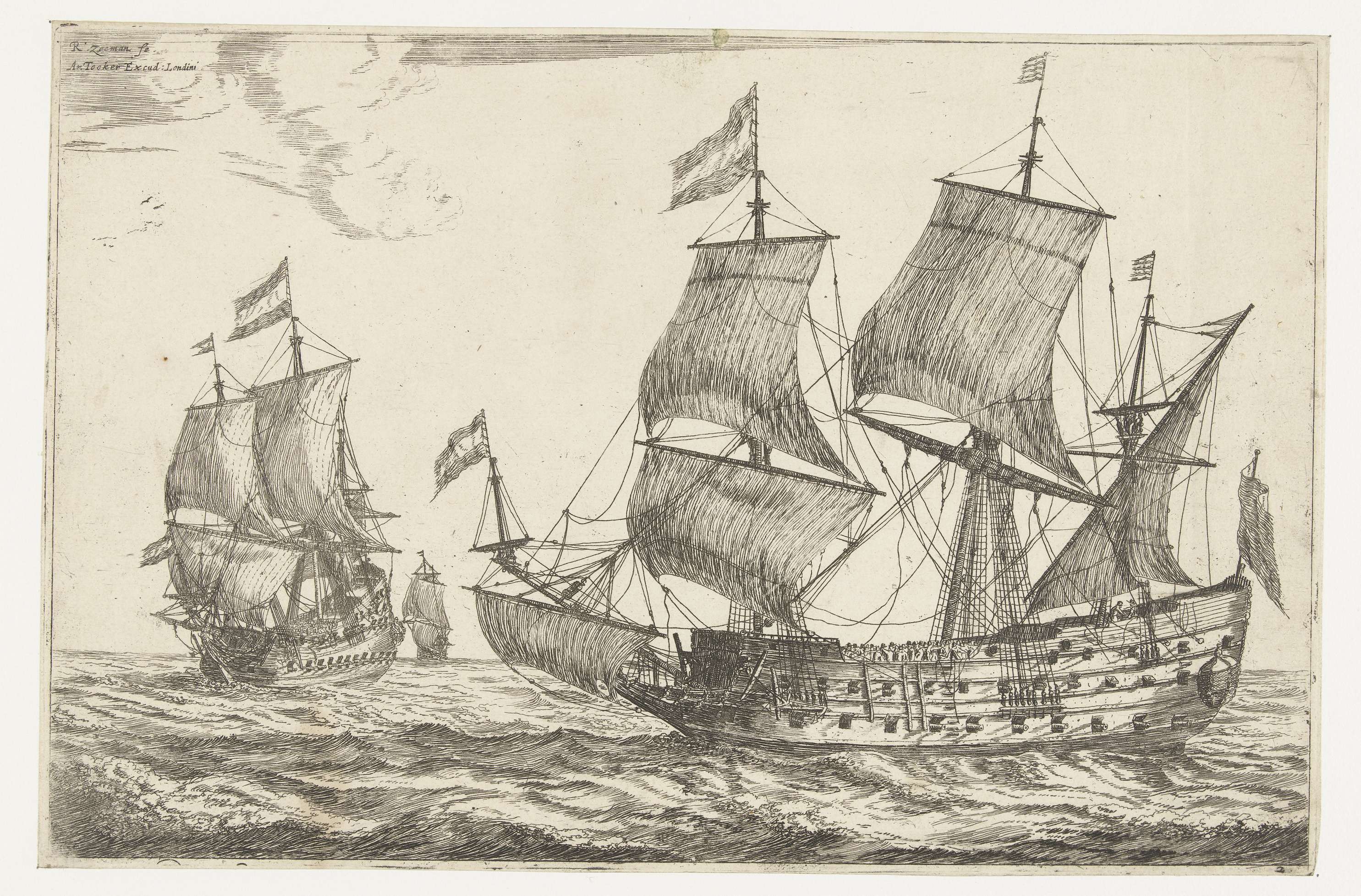
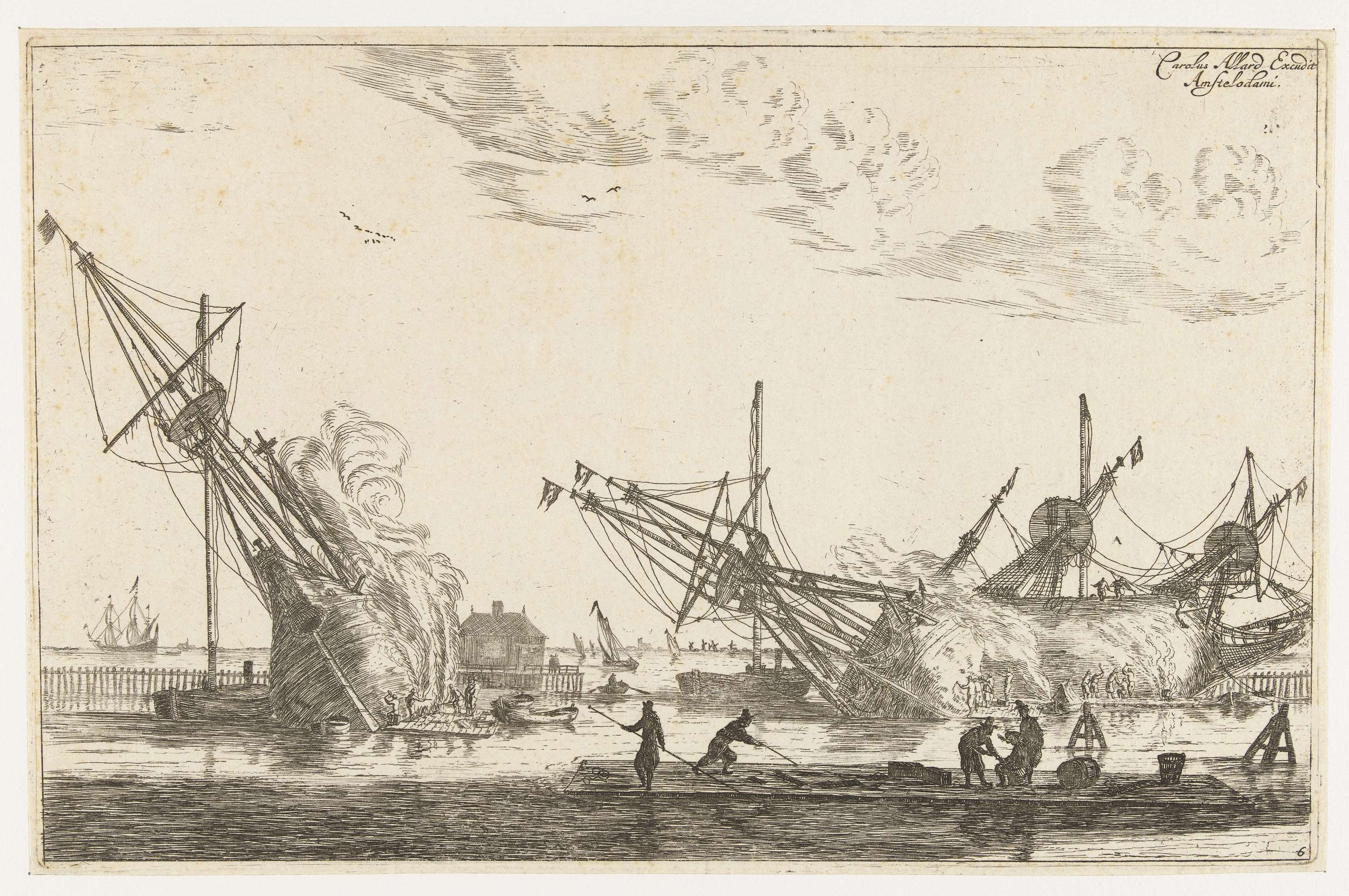
Can paint confess what words never could? In the delicate strokes of Waterdichtmaken van de rompen van drie fluitschepen, the ephemeral nature of dreams blends with the tangible world of shipbuilding. Look closely at the left side of the canvas where the artisans are immersed in their labor. The sunlight glistens off the freshly applied tar, accentuating the deep blacks and warm browns, a stark contrast against the cool blue of the water. The ships loom large against the backdrop of a clear sky, their hulls partially submerged, suggesting both vulnerability and strength.
Every detail, from the textured sails to the meticulously painted ropes, draws the viewer's gaze, inviting them into the heart of maritime craftsmanship. Beneath this portrayal lies a narrative of ambition and determination. The act of sealing the ships can be seen as a metaphor for resilience, an assertion against the uncertainties of the sea. The three vessels, lined up in their readiness, evoke a sense of unity and purpose, yet the subtle differences in their dimensions hint at individual stories.
Each craftsman’s careful gesture whispers the unsung challenges of their trade, encapsulating both the labor and the longing that define their existence within this maritime world. Reinier Nooms created this work around 1650 during a period when the Dutch Republic was thriving as a maritime power. The artist, known for his detailed ship scenes, played a pivotal role in capturing the essence of this bustling industry as it transformed into a symbol of national pride. This was a time of exploration and trade, when commerce flourished, and the art of shipbuilding became intertwined with the identity of a nation.