Zeilschepen in een zeestorm — History & Analysis
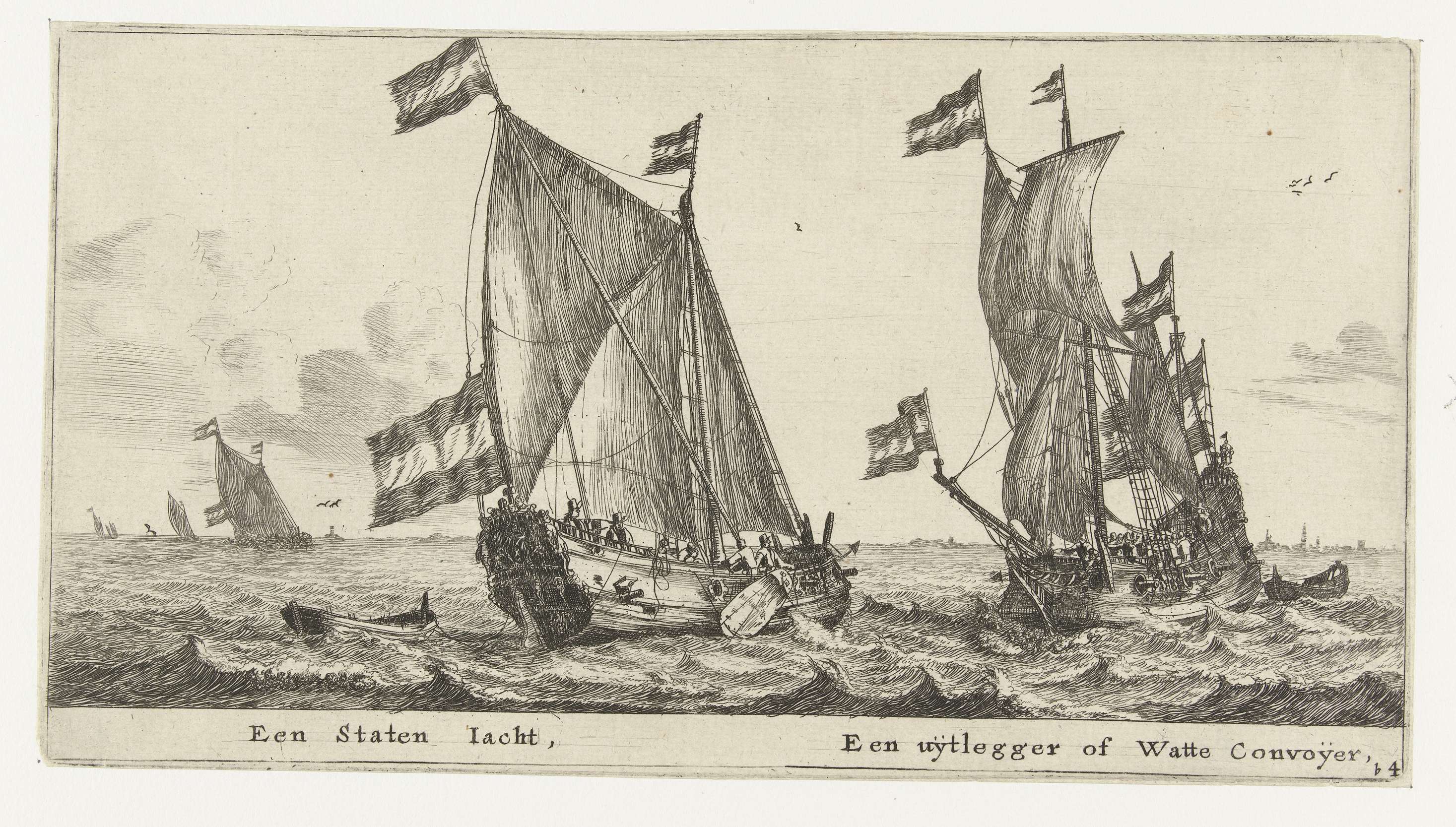
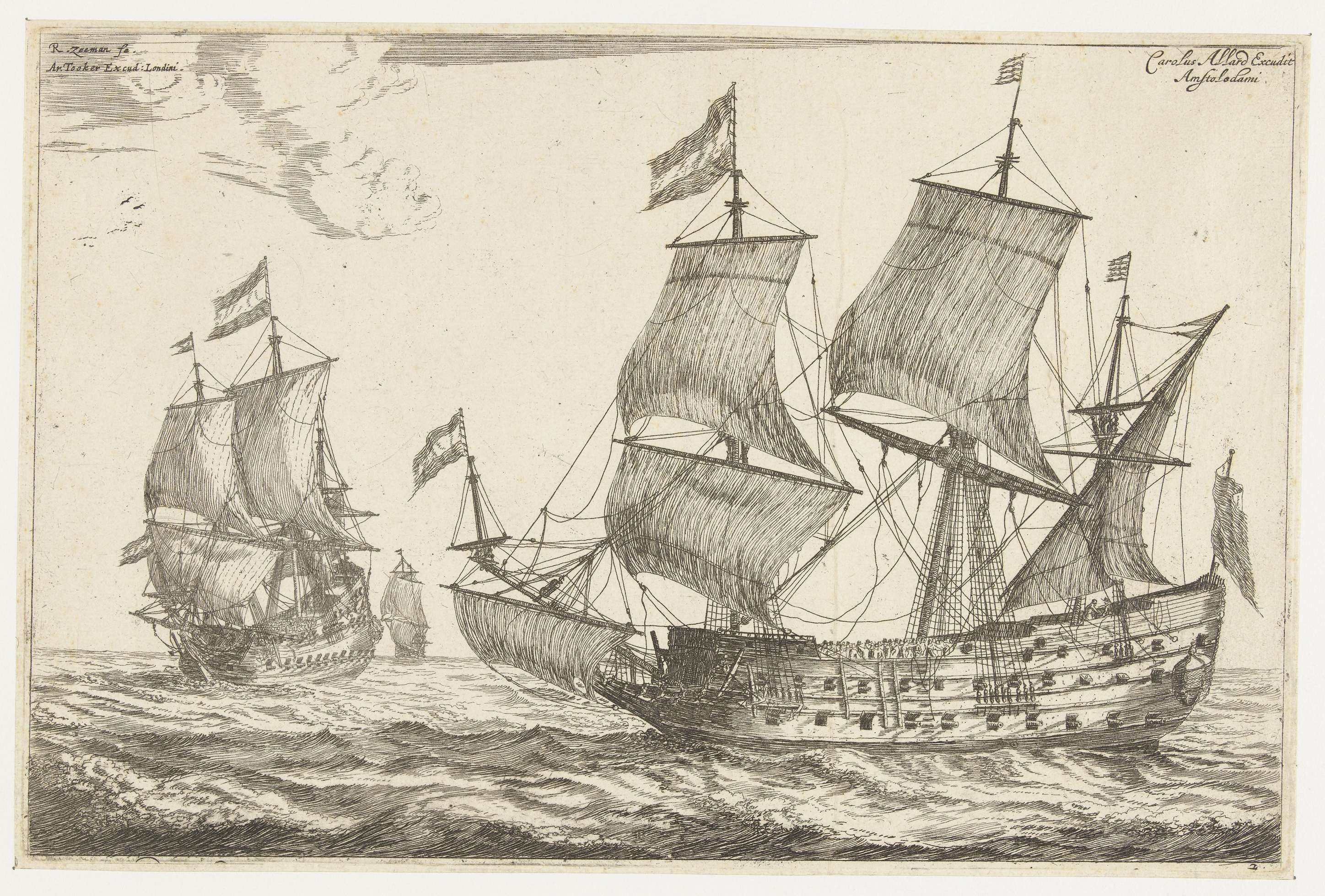
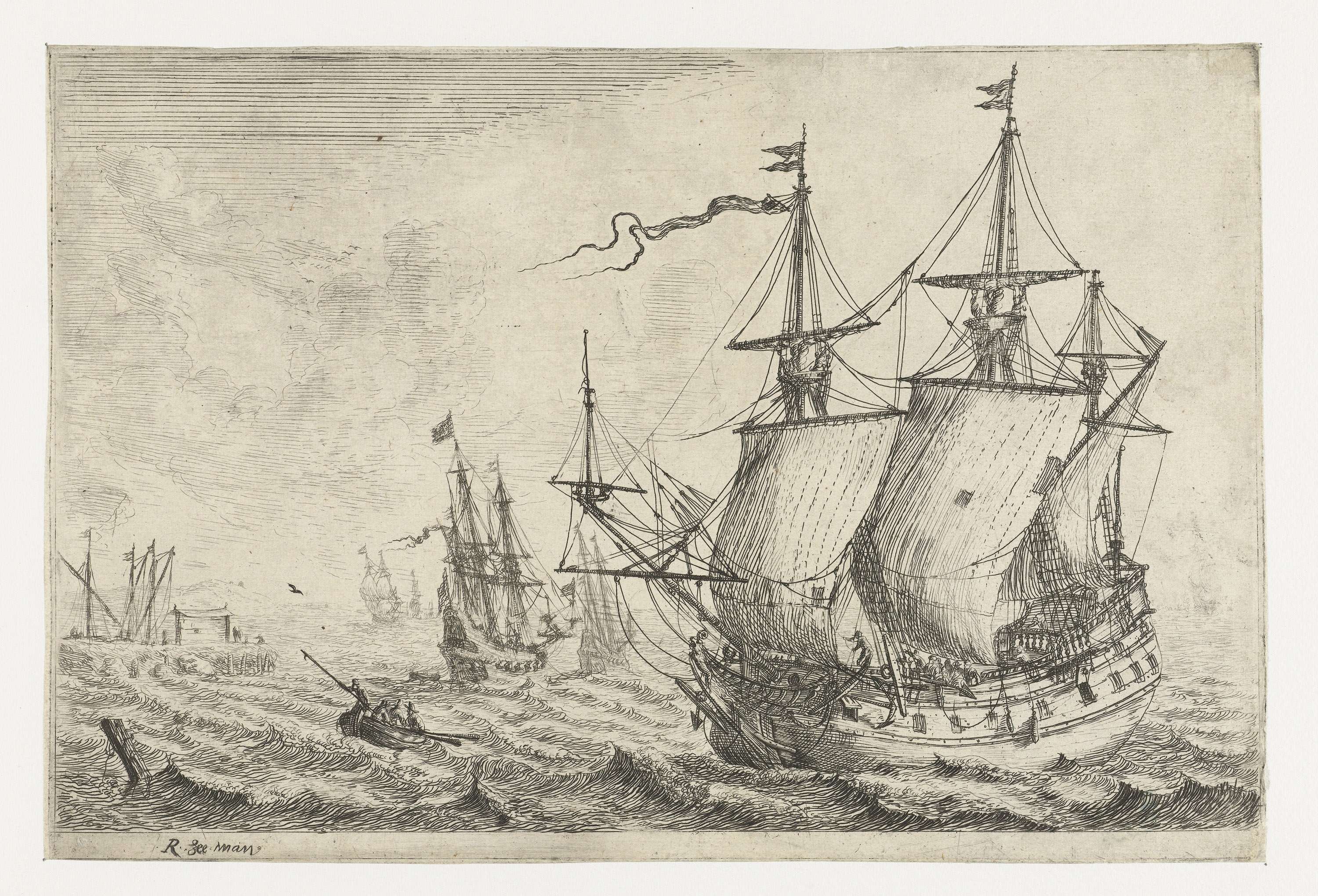
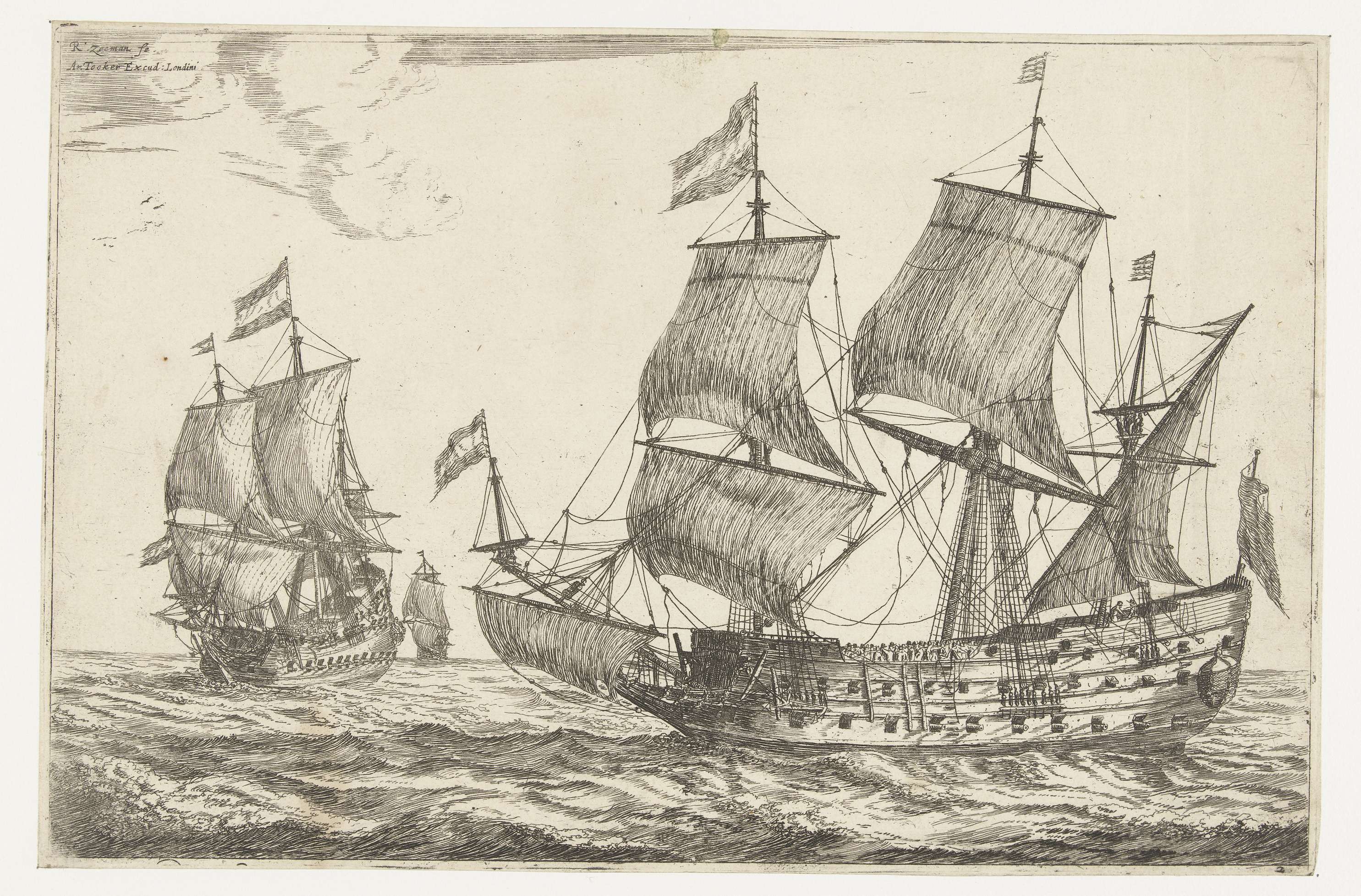
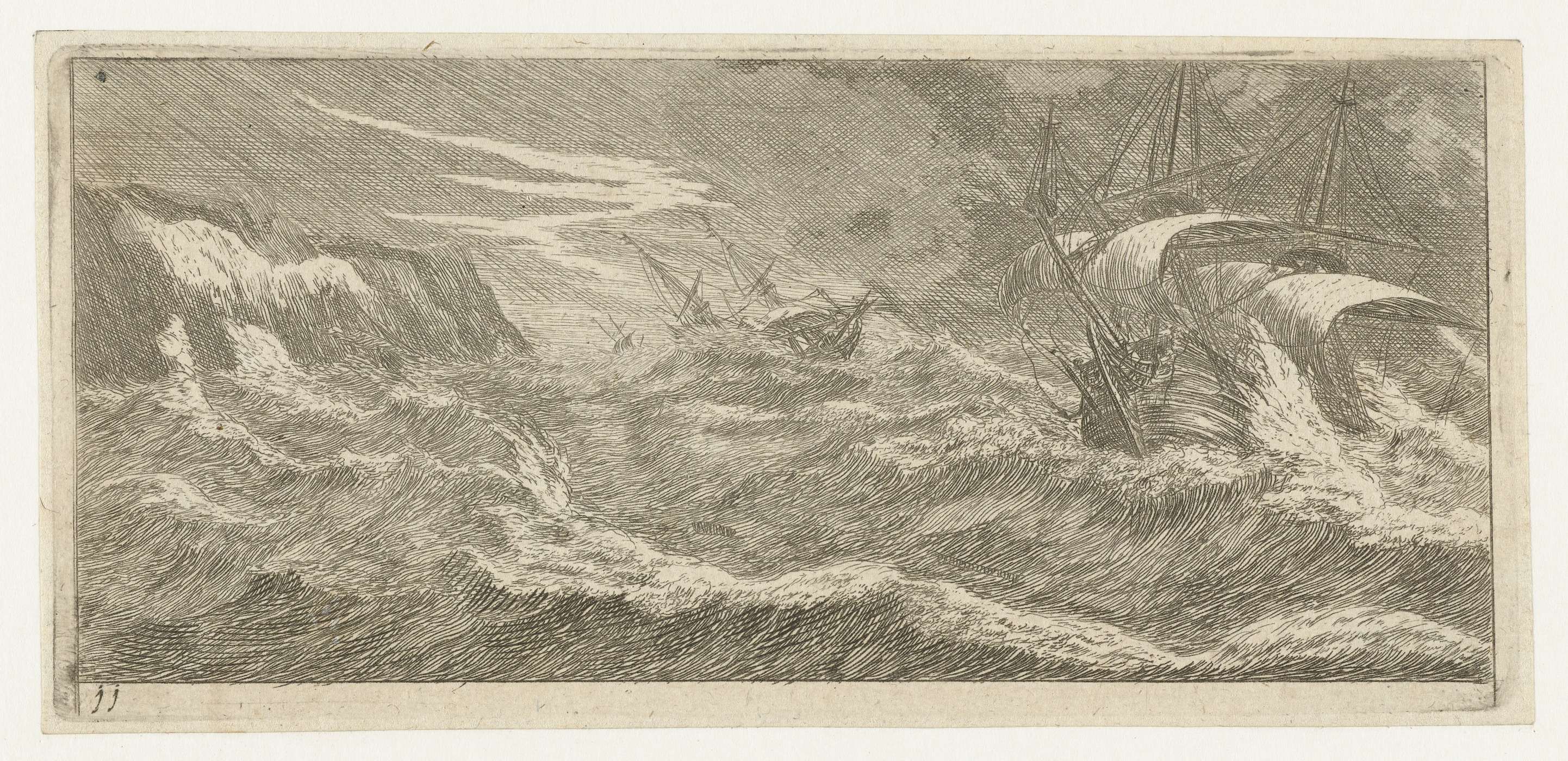
What if silence could speak through light? In Zeilschepen in een zeestorm, the tumultuous interplay of darkened skies and radiant waves echoes the grief of those caught in nature’s fierce embrace. Each brushstroke whispers the weight of loss, allowing viewers to feel the absence of calm amidst chaos. Look to the left at the massive, cloud-laden horizon where ominous blues and grays converge. The ships, majestic yet vulnerable, stand bravely against towering waves, their sails taut and ready for the tempest.
Notice how the light breaks through the dark clouds, illuminating the crests of the waves—a fleeting moment in the storm that hints at hope amidst despair. The skillful use of chiaroscuro not only captures the chaotic movement of the sea but also amplifies the emotional gravity of the scene, inviting reflection on human fragility. Delve deeper into the contrasting elements within the painting. The clash of fragile ships against the relentless ocean mirrors human resilience in the face of overwhelming grief. The turbulent waters evoke a sense of impending loss, while the rays of light suggest that even in the most dire circumstances, there exists a glimmer of solace.
This tension between chaos and serenity encapsulates the artist’s exploration of the duality of existence. Reinier Nooms painted this work between 1651 and 1652, during a period of profound transformation in the Dutch Golden Age. As maritime power flourished, Nooms sought to capture the awe and vulnerability of seafaring life. His focus on dramatic marine scenes reflected both his personal journey and the broader societal shifts, exploring themes of human endurance against nature’s majesty, loss, and hope.