Het veer naar Naarden — History & Analysis
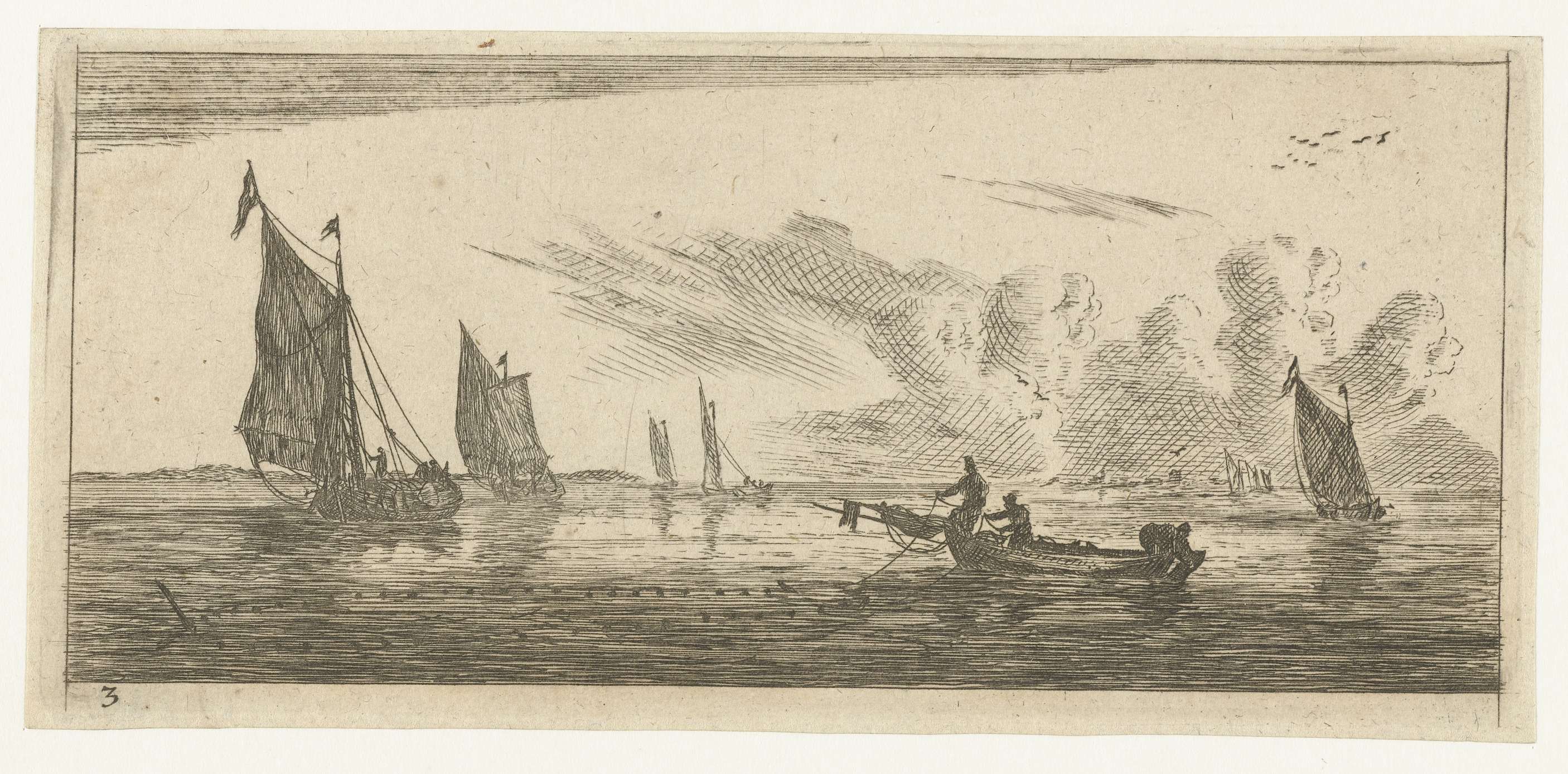
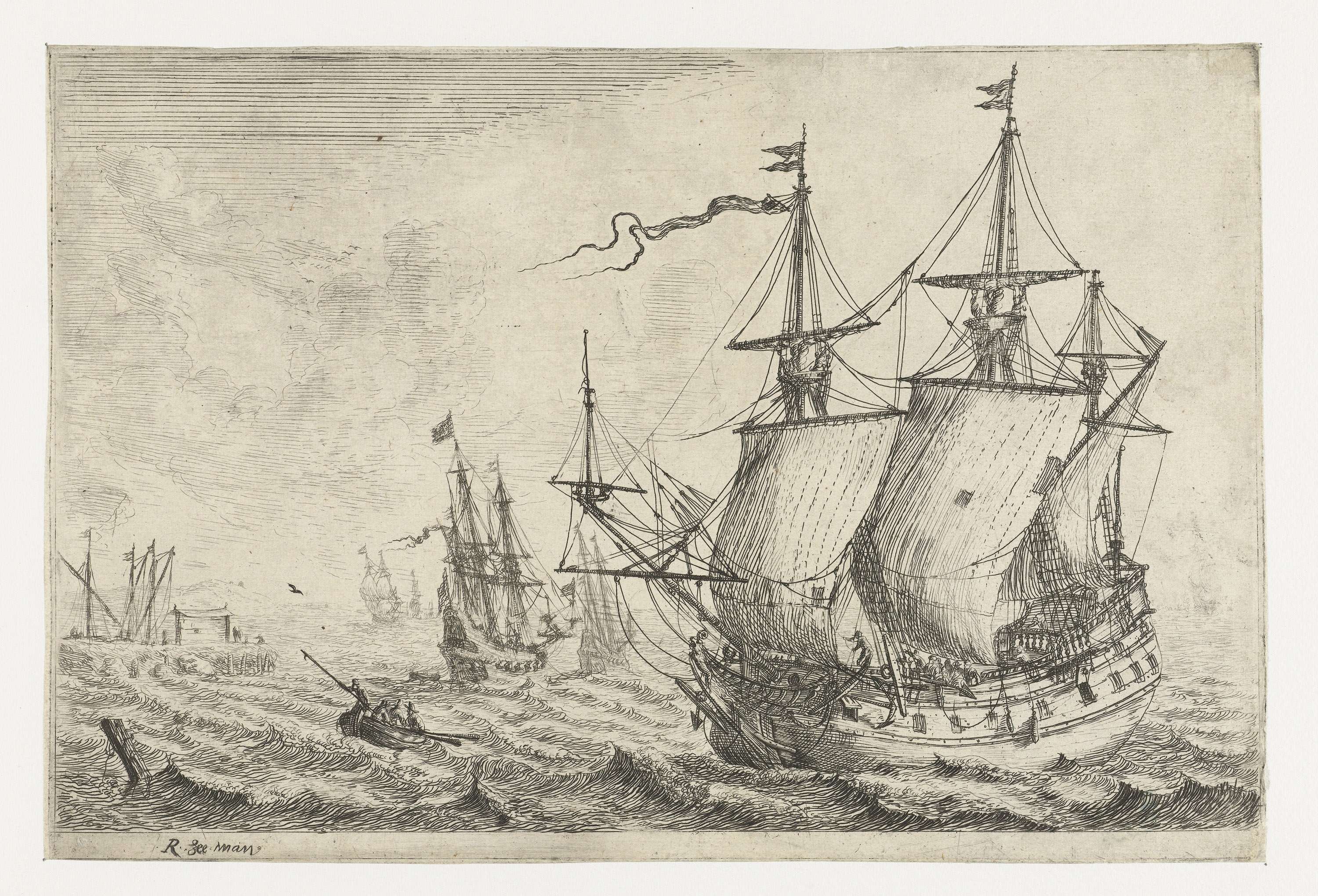
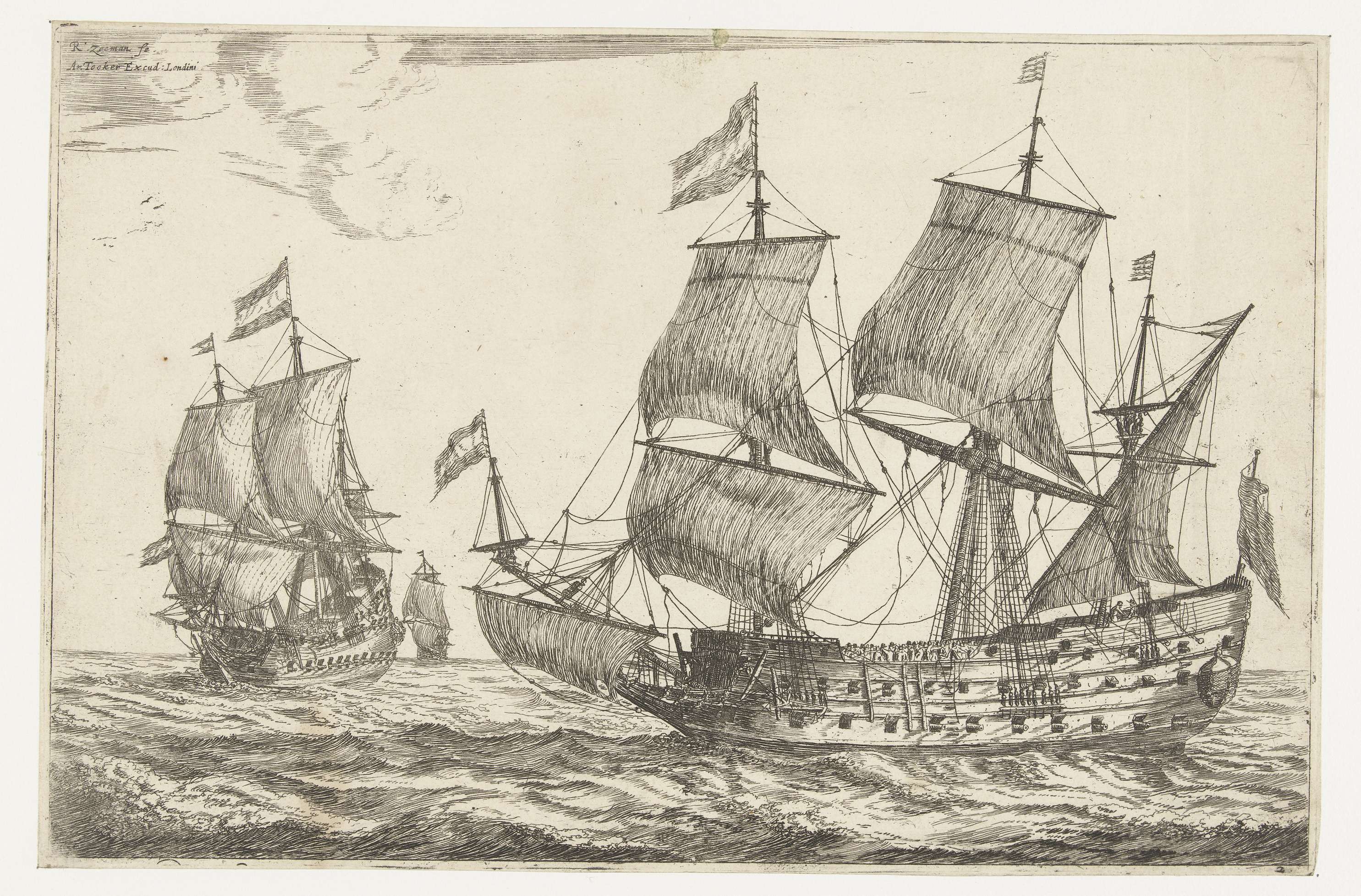
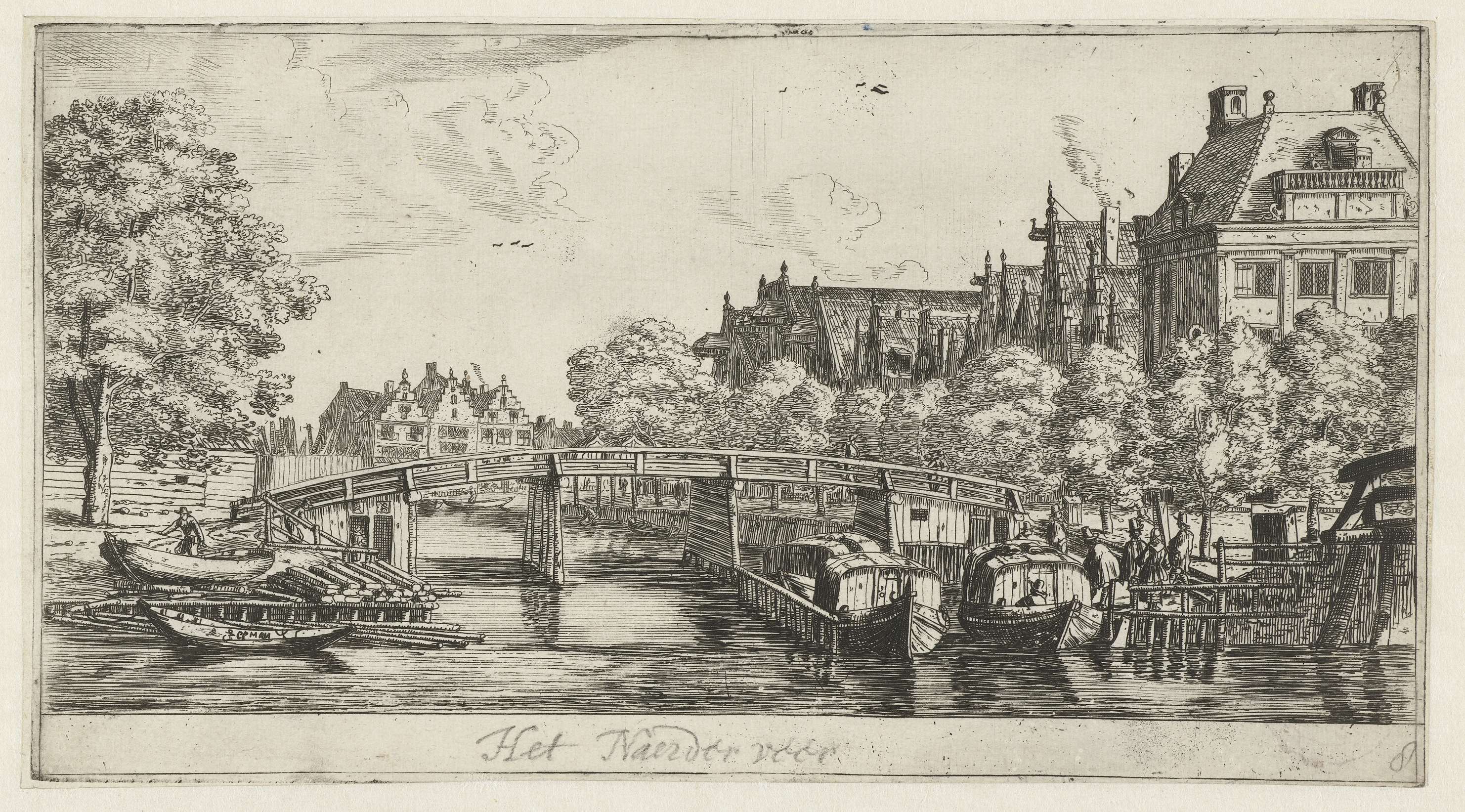
What secret hides in the quiet of the canvas? In the stillness of Het veer naar Naarden, destiny lingers just beyond the surface, whispering tales of journeys taken and those yet to unfold. Focus on the gentle curve of the river, where the soft, reflective water invites the viewer’s gaze. Notice how the light dances across the surface, illuminating the small boats that punctuate the tranquil scene. The muted palette of earthy greens and browns enhances the serene atmosphere, while the distant silhouettes of trees and the fortress town provide a sense of grounded stability in the ever-changing landscape.
Each element, from the ripples in the water to the shadows cast by the boats, is meticulously rendered, revealing a masterful command of technique and composition. Yet, beyond its serene beauty lies an undercurrent of longing and potential. The boats, poised at the river's edge, suggest both movement and pause, representing the tension between the past and future, between departure and arrival. The horizon, a thin line of light, promises new beginnings while reminding us of the uncertainties that lie ahead. Each ripple in the water carries the weight of choice, a reminder that every journey is shaped by the decisions made in those fleeting moments.
Reinier Nooms painted this work between 1657 and 1662, during a time when the Dutch Golden Age was flourishing. As maritime trade expanded, artists were increasingly drawn to themes of navigation and exploration. Living in Amsterdam, Nooms became known for his intricate seascapes and river views, capturing the essence of his era's cultural and economic transformation. This painting stands as a testament to both his skill and the rich tapestry of life surrounding him.