Ugo no yube (Evening after rain) — History & Analysis
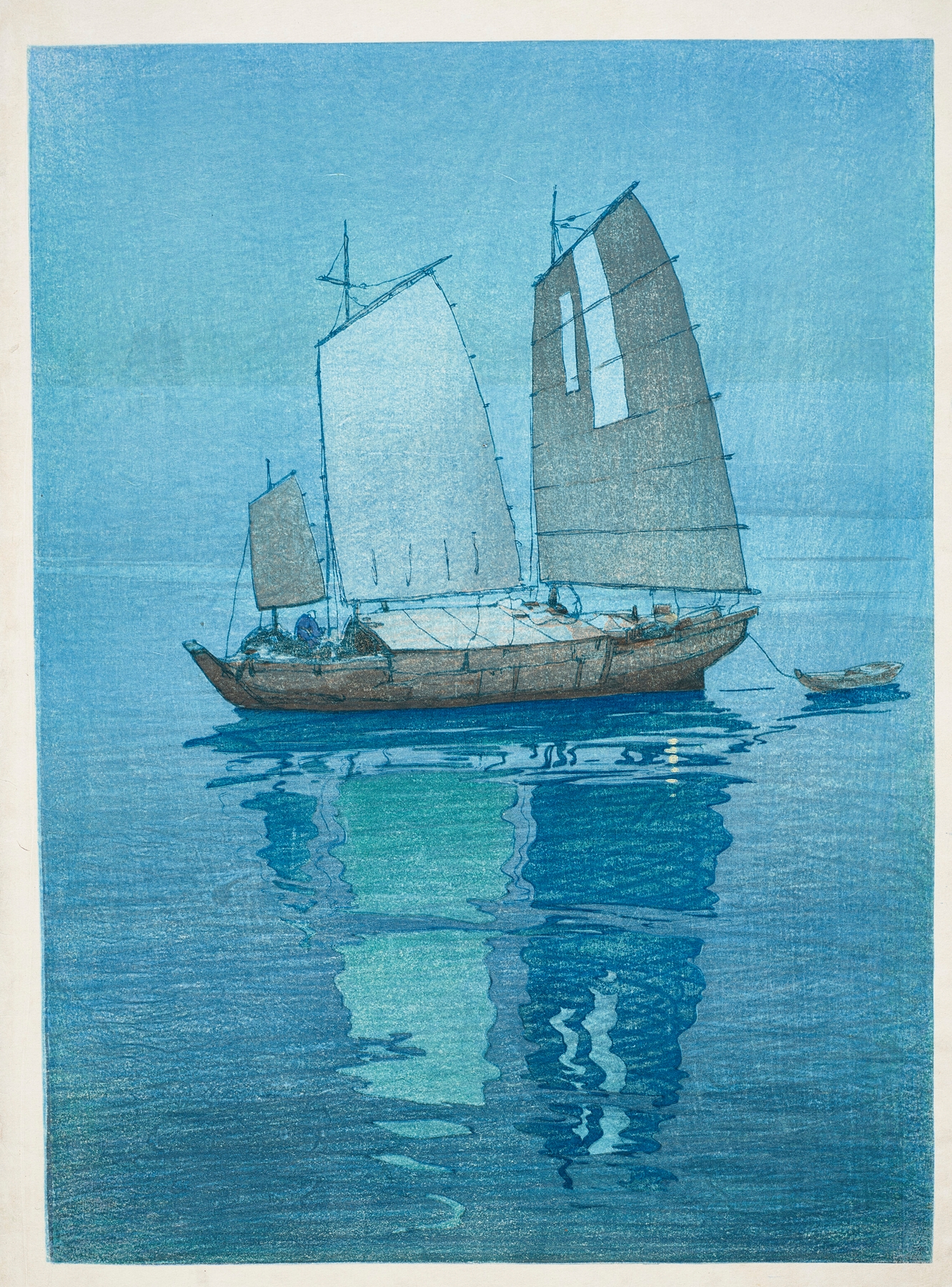
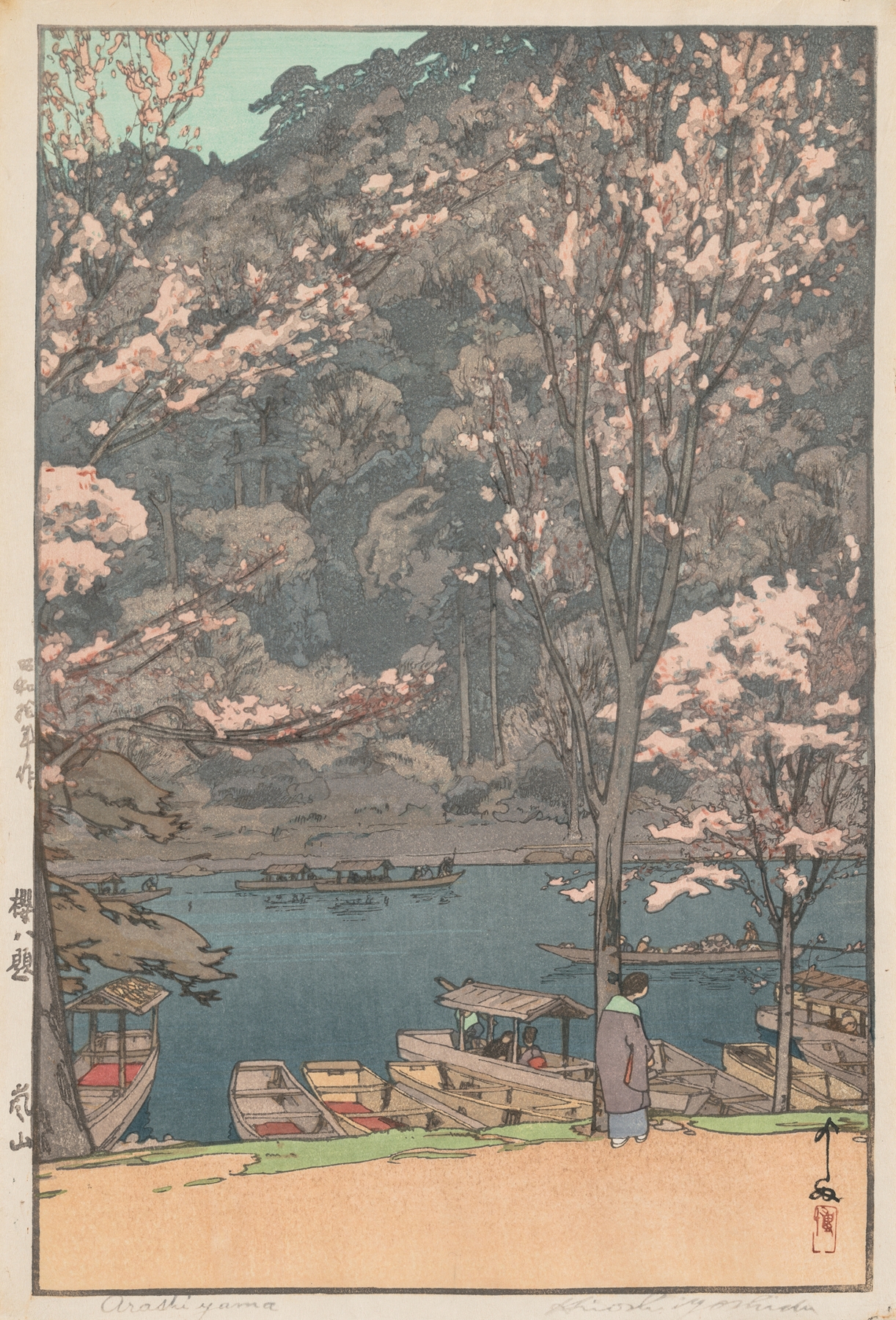
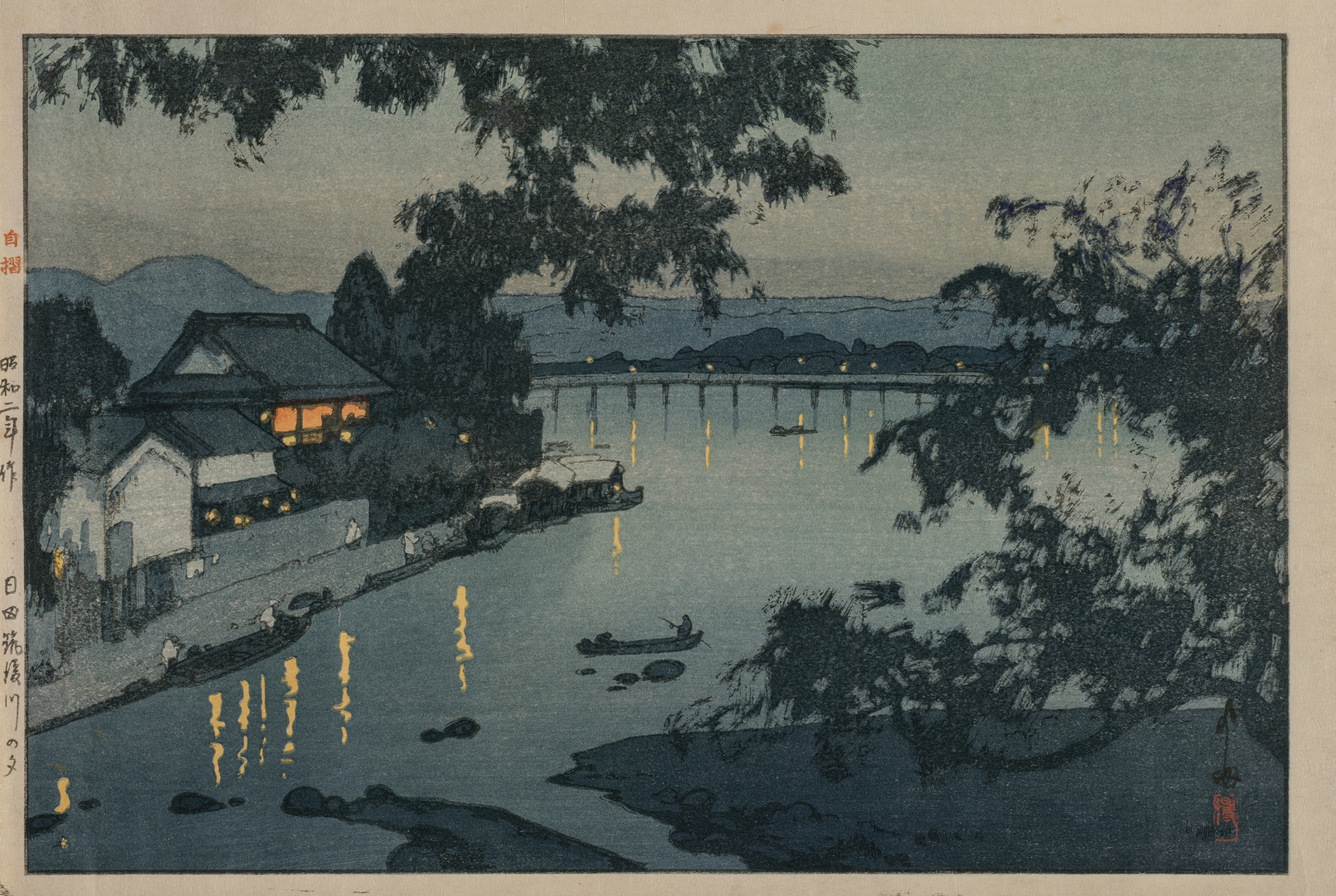
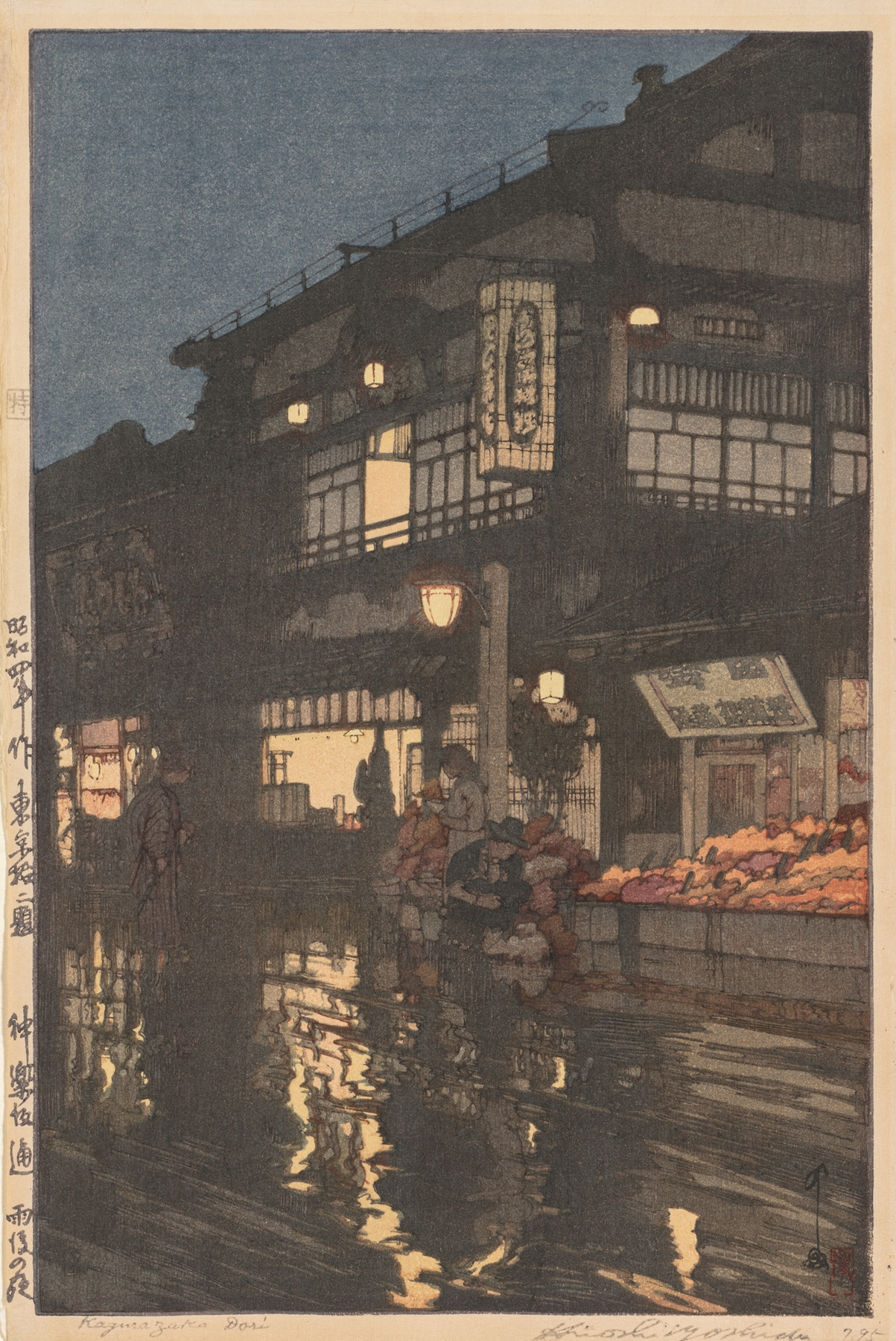
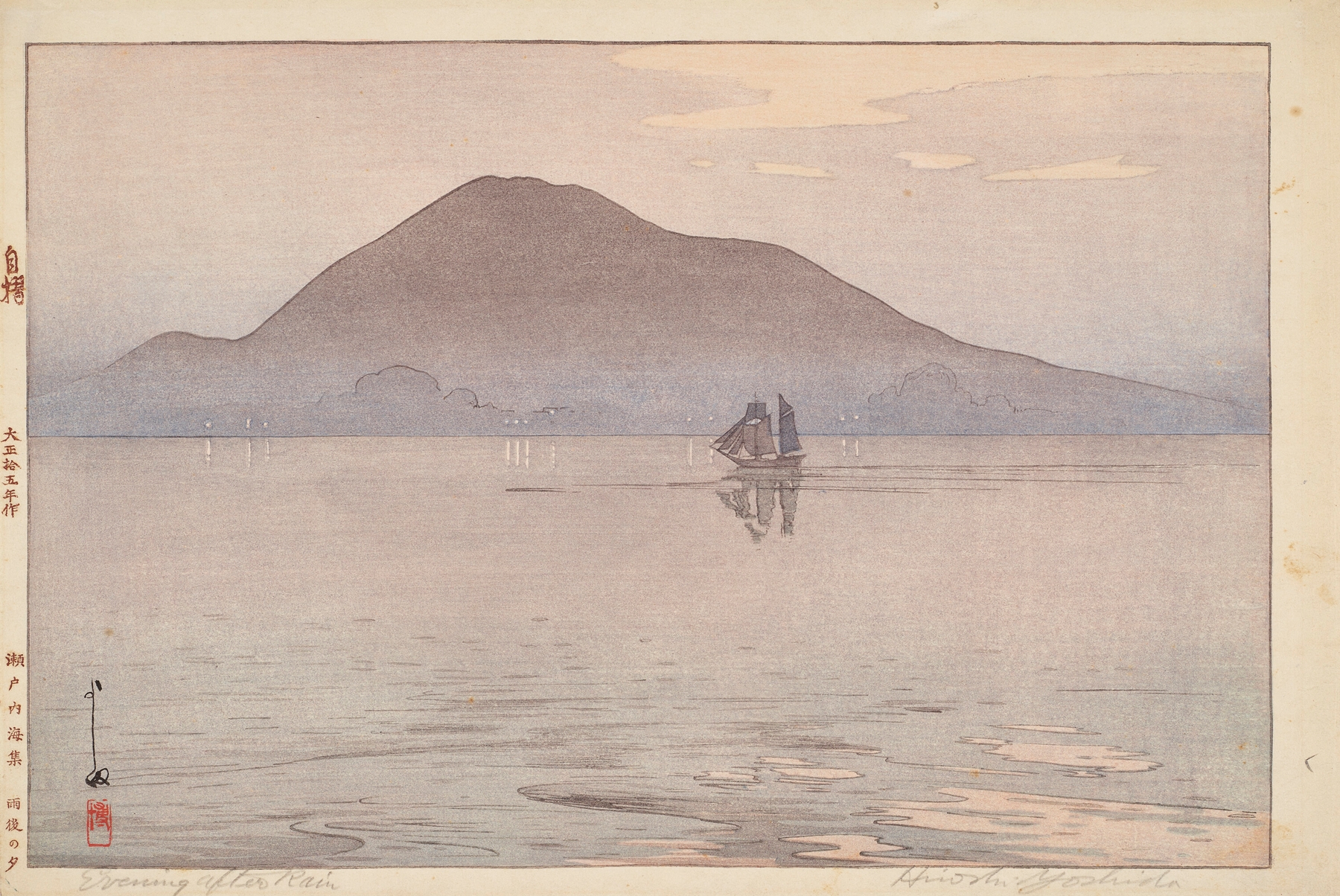
“To paint is to remember what time wants us to forget.” In Ugo no yube, the essence of fleeting moments is captured, revealing an indelible faith in the persistence of beauty amid the impermanence of life. Look closely at the gentle hues of the twilight sky melding into deep blues and soft purples; the artist’s masterful use of color evokes a serene atmosphere. Notice how the wet streets glisten with a reflective sheen, illuminating the delicate balance between light and shadow. The silhouettes of distant mountains stand resolute, framing the scene, while the delicate outlines of trees whisper the stories of nature reclaiming its peace after the rain.
Beneath the tranquil facade lies a tension of renewal and reflection. The stillness of the landscape suggests a moment of pause, inviting contemplation on the cyclical nature of existence. The interplay between the slick pavements and the encroaching night hints at a lingering melancholy, underlining the artist's belief that beauty often emerges from moments of struggle. Hiroshi’s choice of traditional woodblock printing techniques further emphasizes this connection to history and memory, imbuing the scene with a timeless quality.
In 1926, while residing in Japan, the artist was deeply influenced by the shifting cultural landscape of his time, where modernization met tradition. This period was marked by a resurgence of interest in natural motifs, as many artists sought to capture the evolving identity of Japan in a rapidly changing world. Hiroshi embraced this challenge, creating works that reflect both personal introspection and broader societal transitions, ensuring that each piece, like Ugo no yube, resonates with enduring faith in the beauty of the everyday.