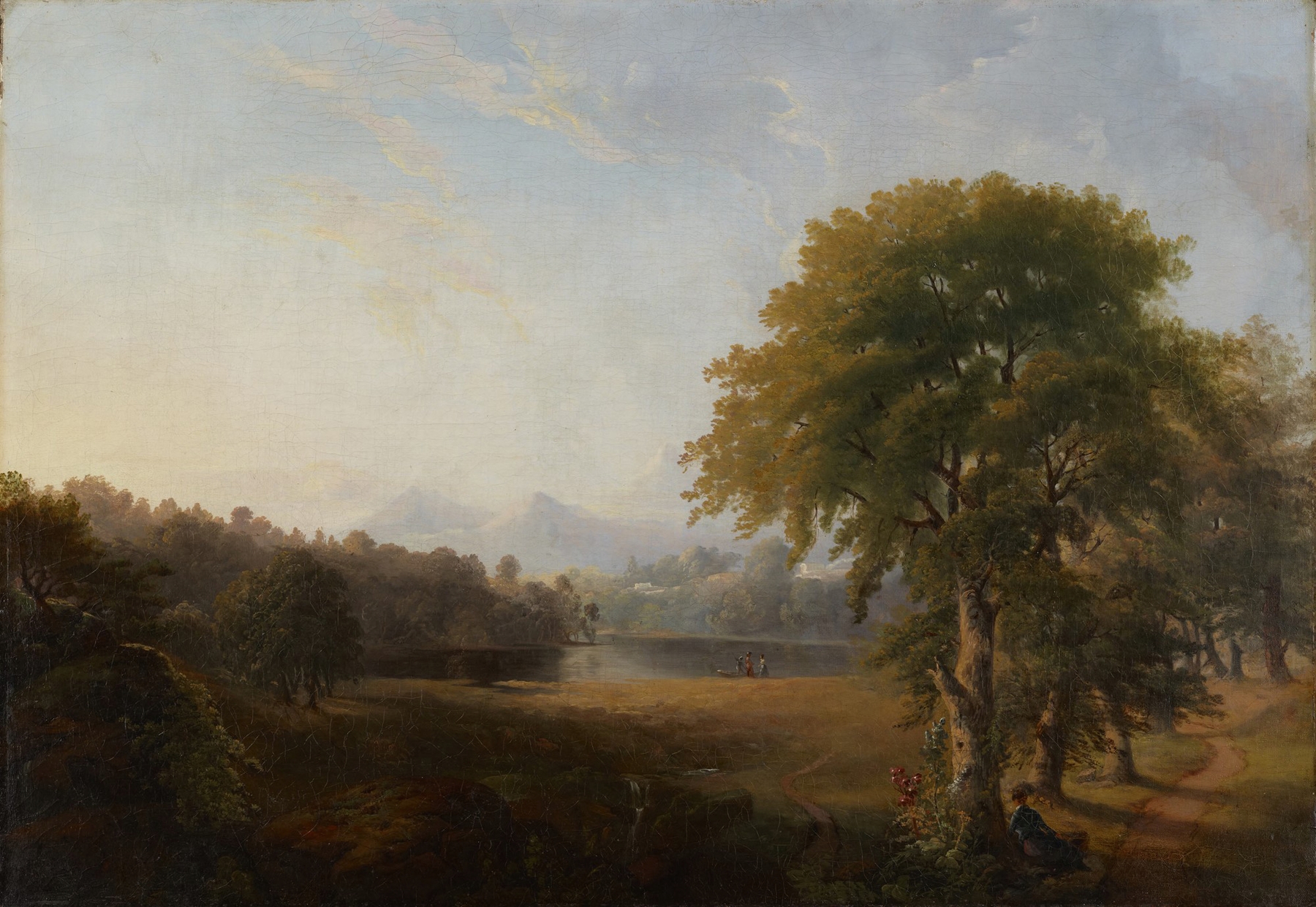
Uncle Tom and Little Eva — History & Analysis
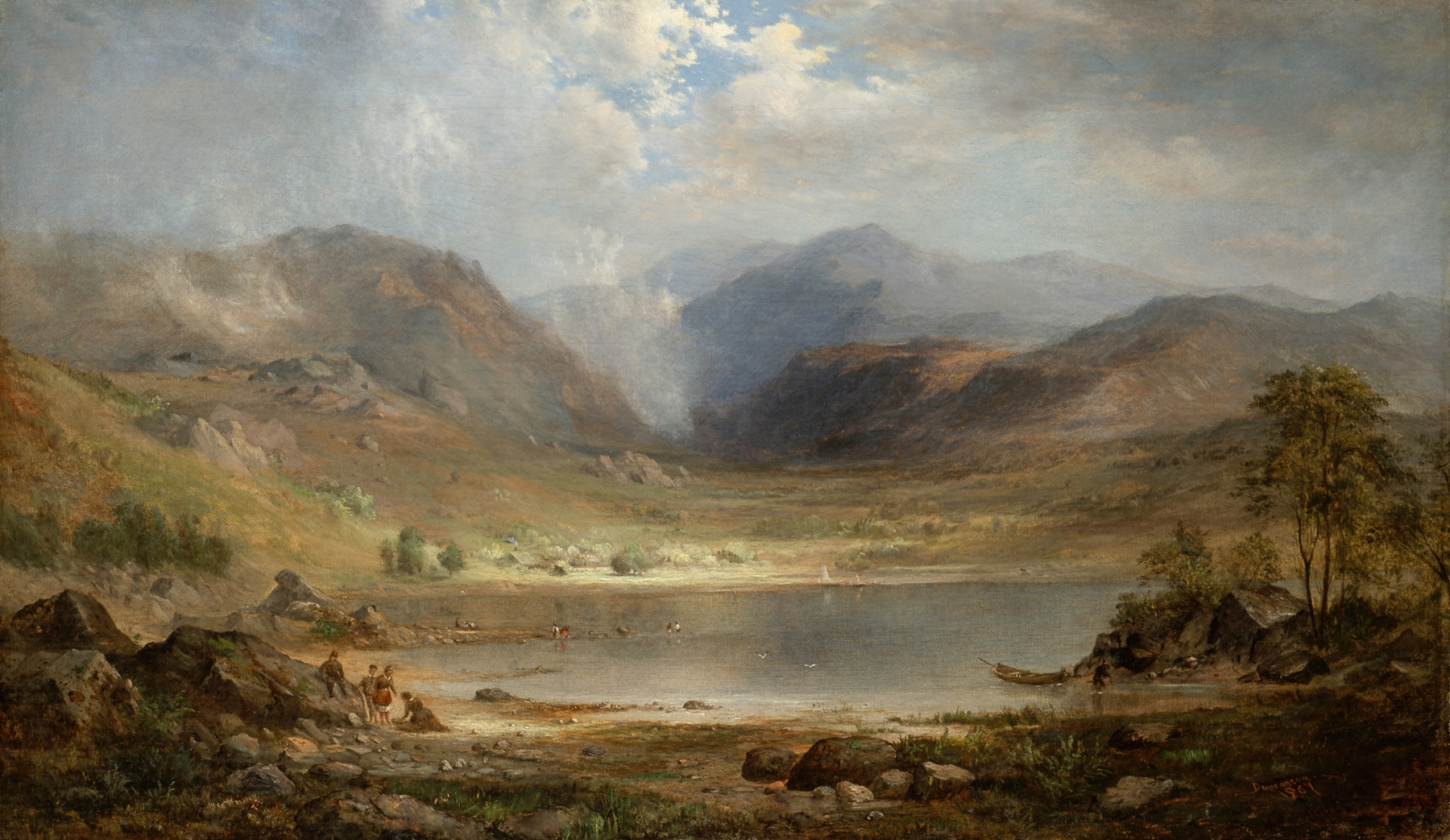
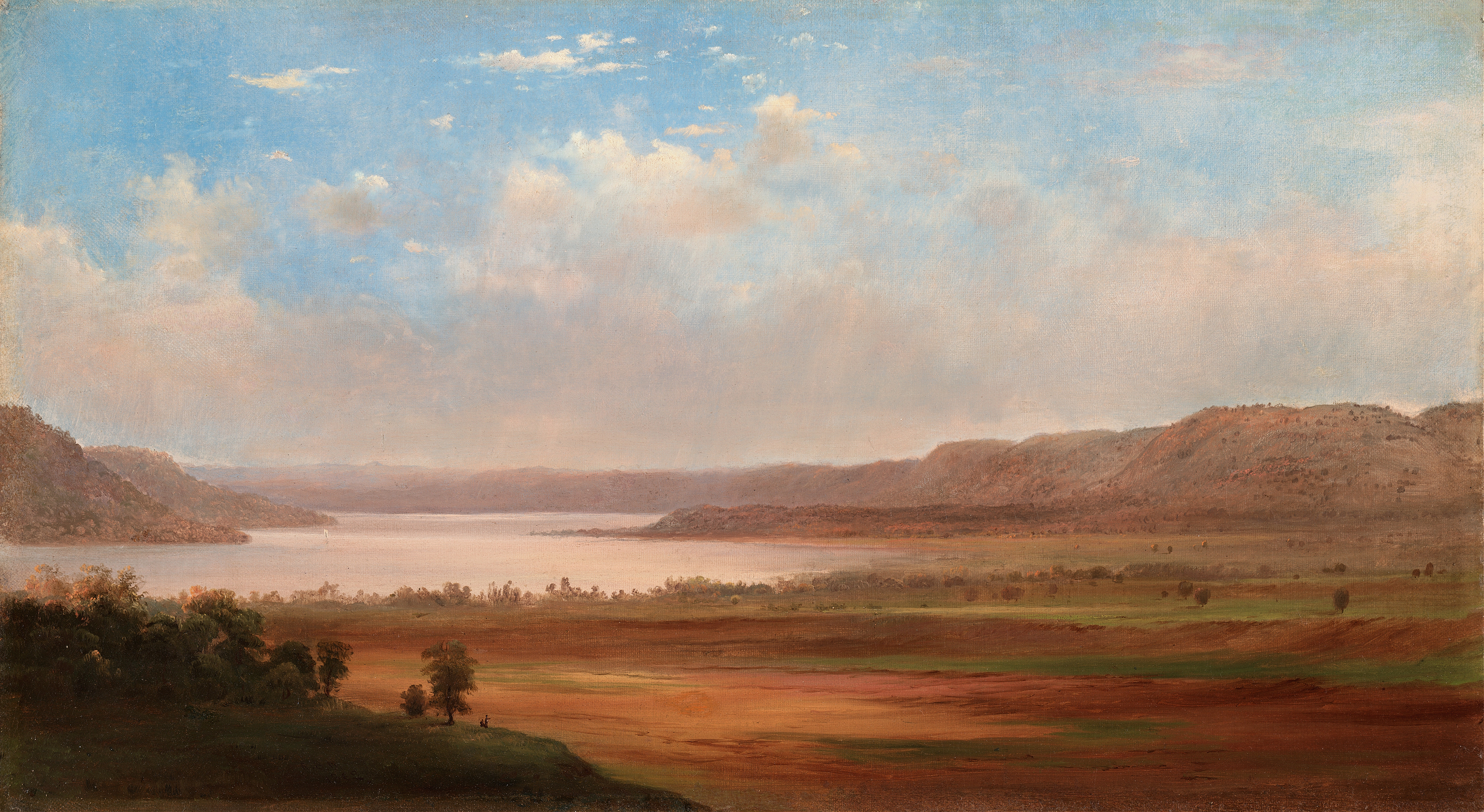
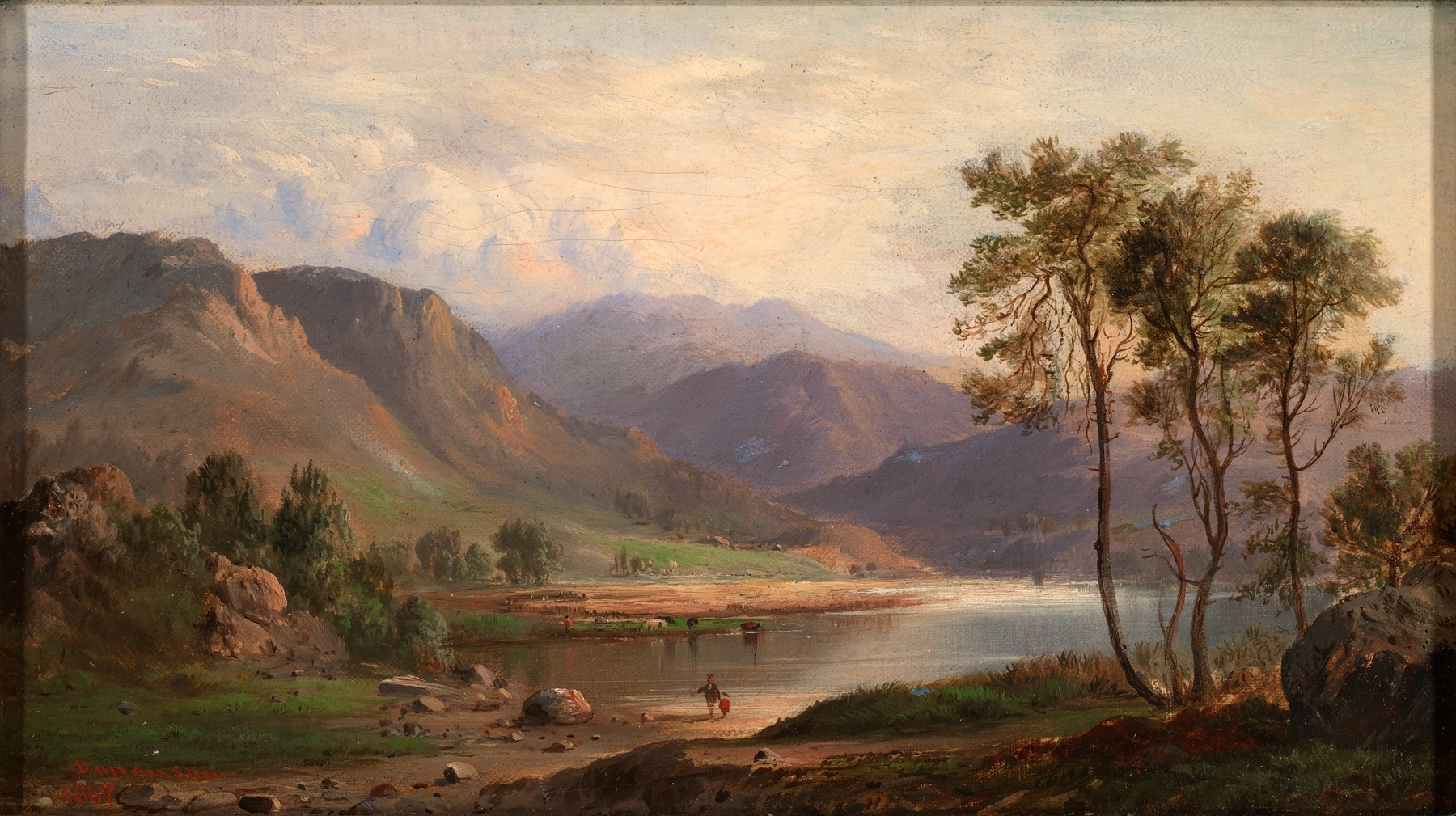
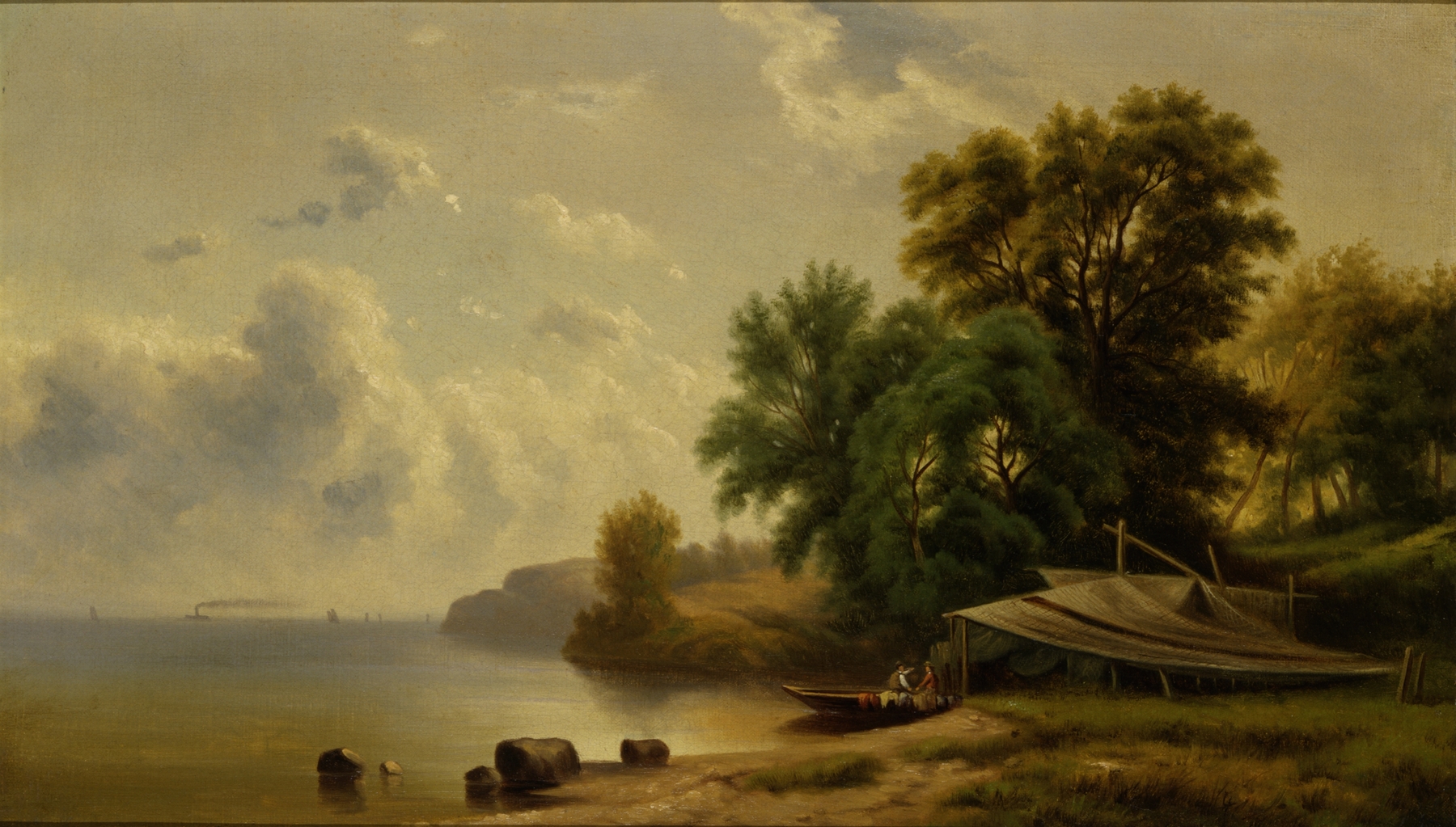
“To paint is to remember what time wants us to forget.” In the heart of each brushstroke lies a yearning for connection, a longing that transcends the barriers of time and circumstance. Look to the tender interaction between Uncle Tom and Little Eva, the focal point of the composition. Their expressions reveal a profound bond, illuminated by a gentle light that bathes the scene in warmth. Notice the delicate play of shadows that enhances their features, drawing you into their world—a moment suspended, filled with both hope and sorrow.
The soft, earthy palette unites the figures with their surroundings, creating an intimate atmosphere that speaks to the heart. As you delve deeper, consider the contrasts at play: the innocence of youth juxtaposed against the weight of adult burdens, the kindness in Uncle Tom’s gaze reflecting his unwavering spirit amidst oppression. The lush greenery surrounding them symbolizes nature’s embrace of this fragile moment, while the subtle details in the figures’ clothing hint at the societal constraints they navigate. Each element captures a story of resilience and tenderness, revealing the emotional depth that Duncanson so masterfully conveys.
In 1853, Robert S. Duncanson created this poignant work during a time when America was grappling with the complexities of race and identity. Living in Cincinnati, he was recognized as one of the foremost African American painters of his era, and his work often sought to explore themes of freedom and humanity. Amidst the turbulence of the pre-Civil War period, Uncle Tom and Little Eva emerged as a powerful reflection on the bonds that endure even in the face of adversity.