Valley Pasture — History & Analysis
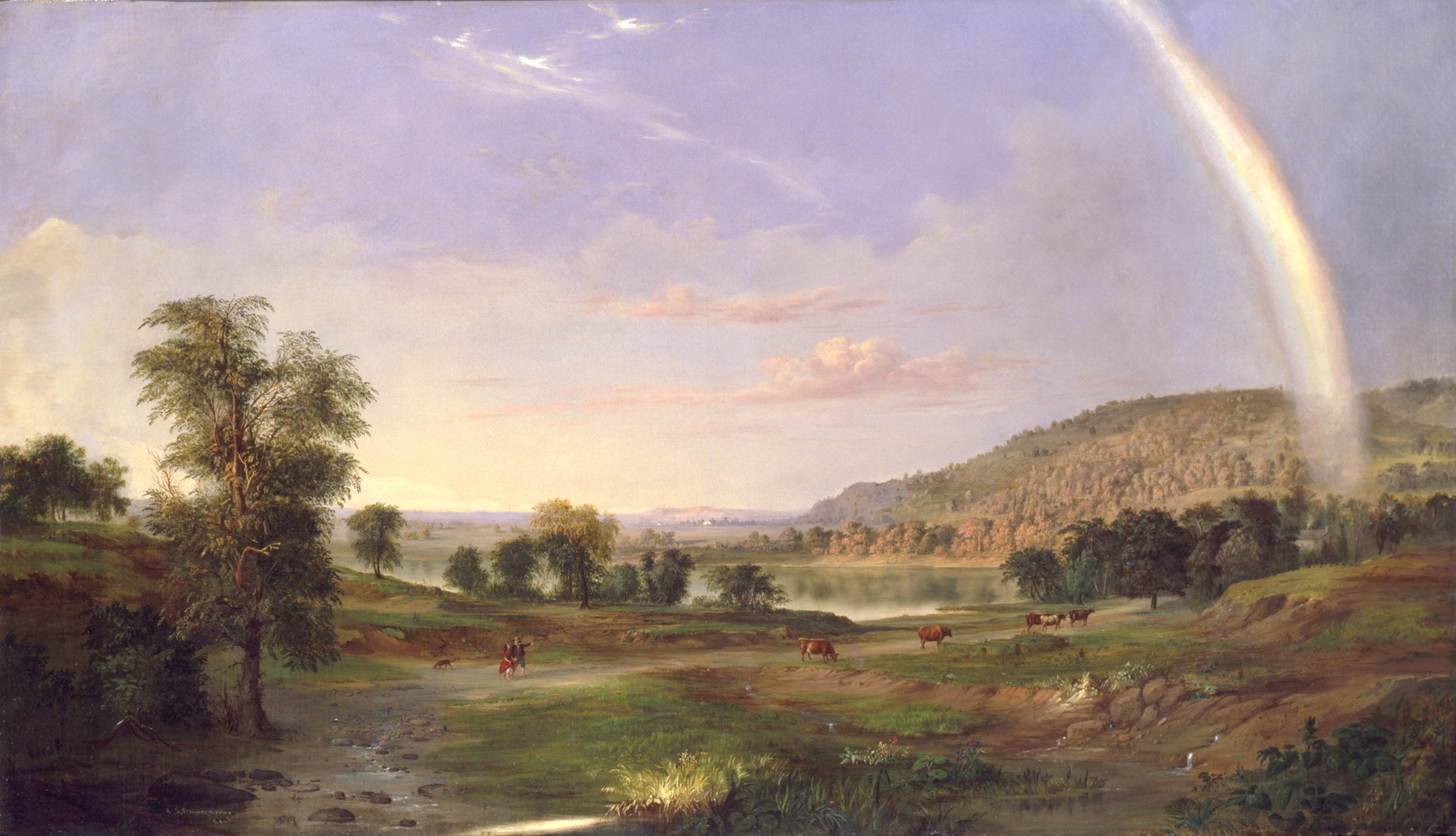
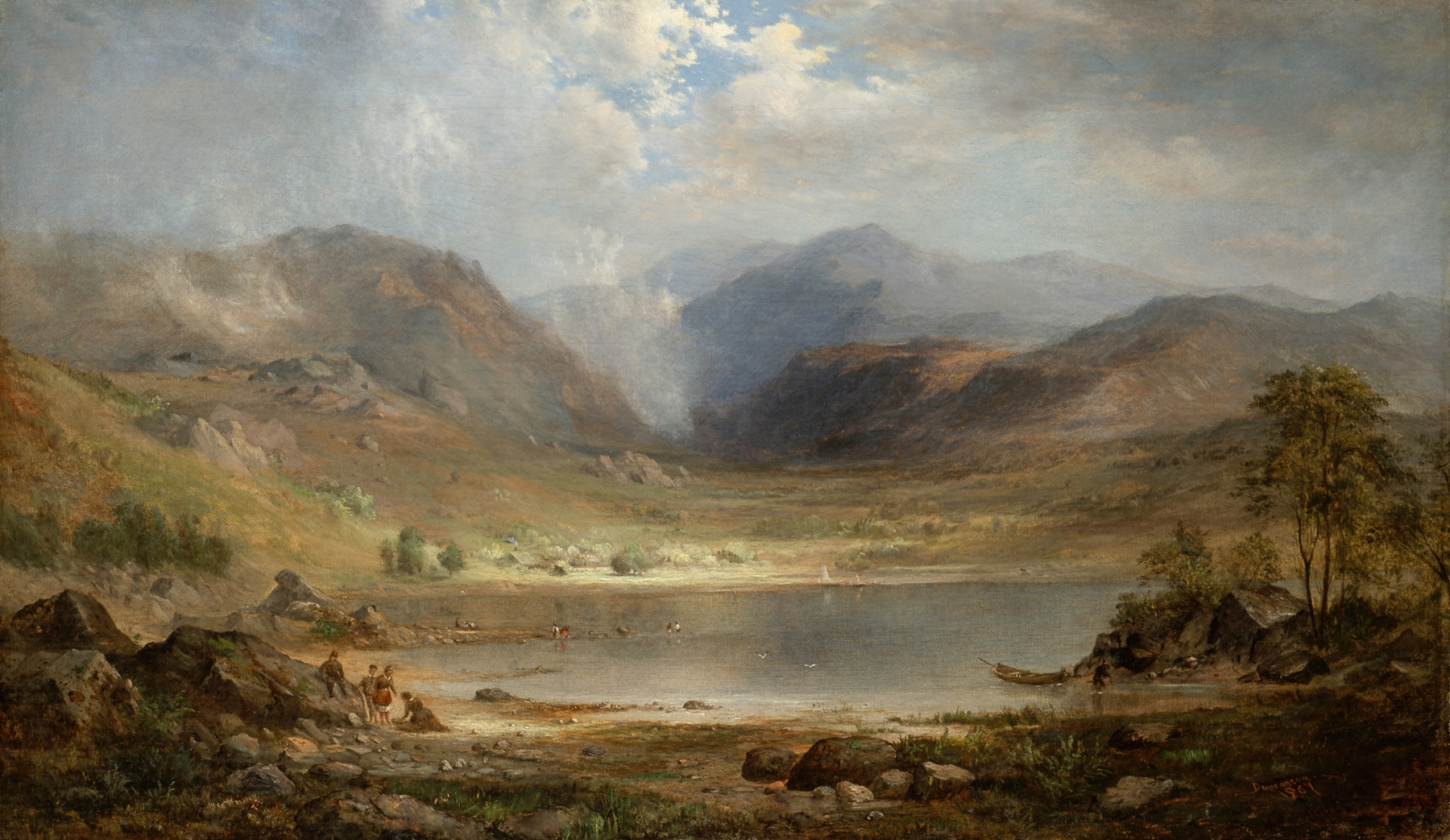
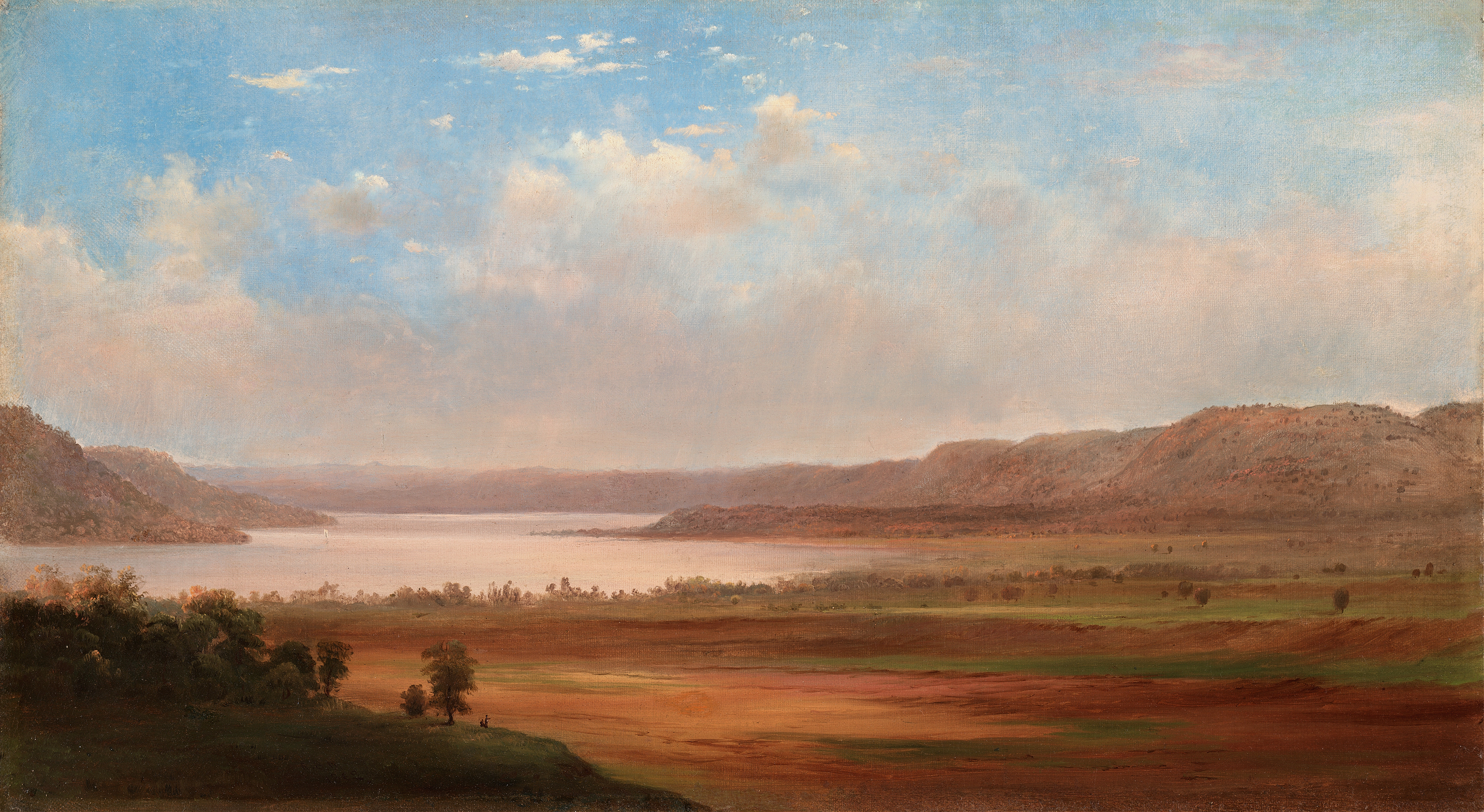
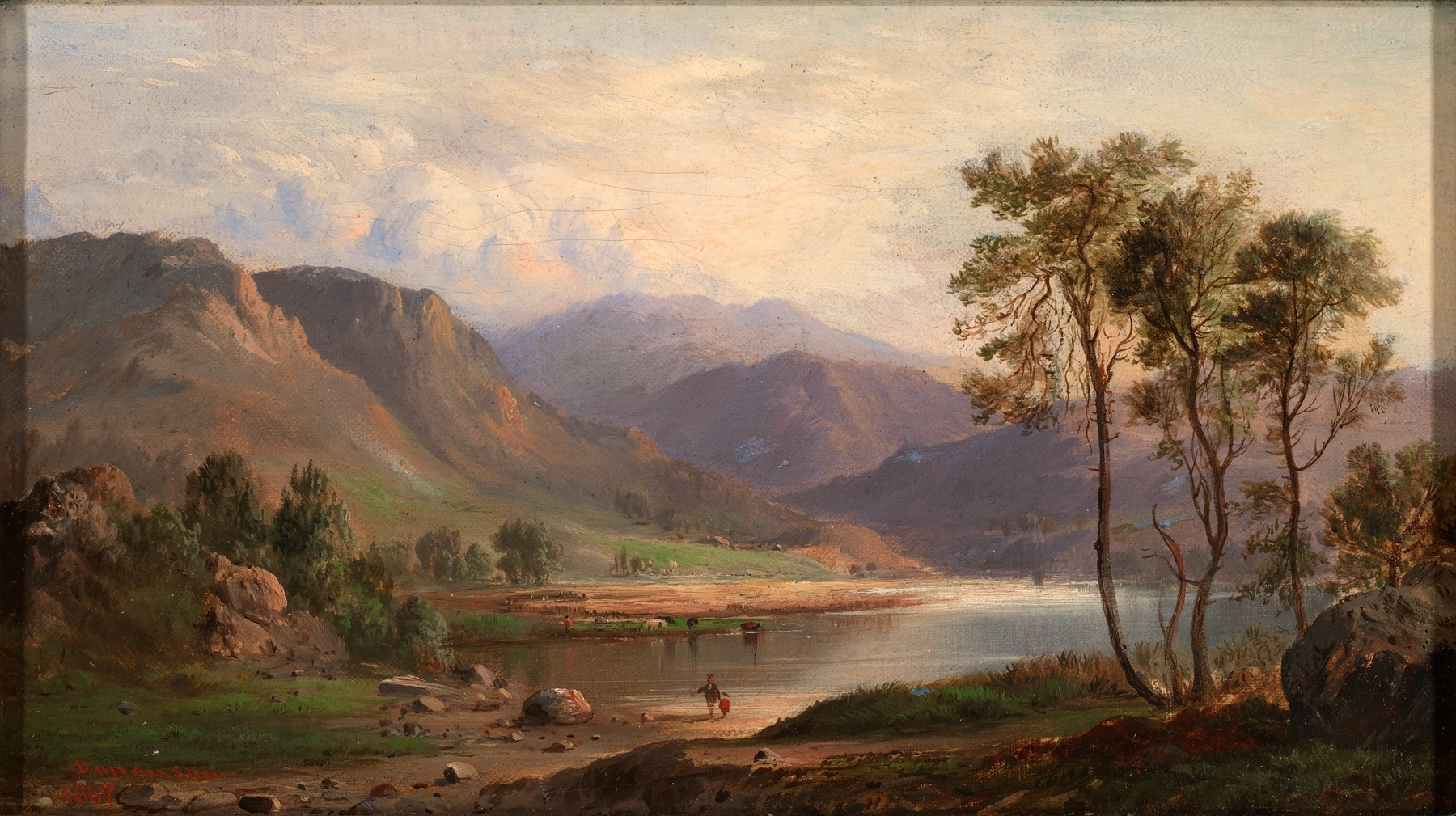
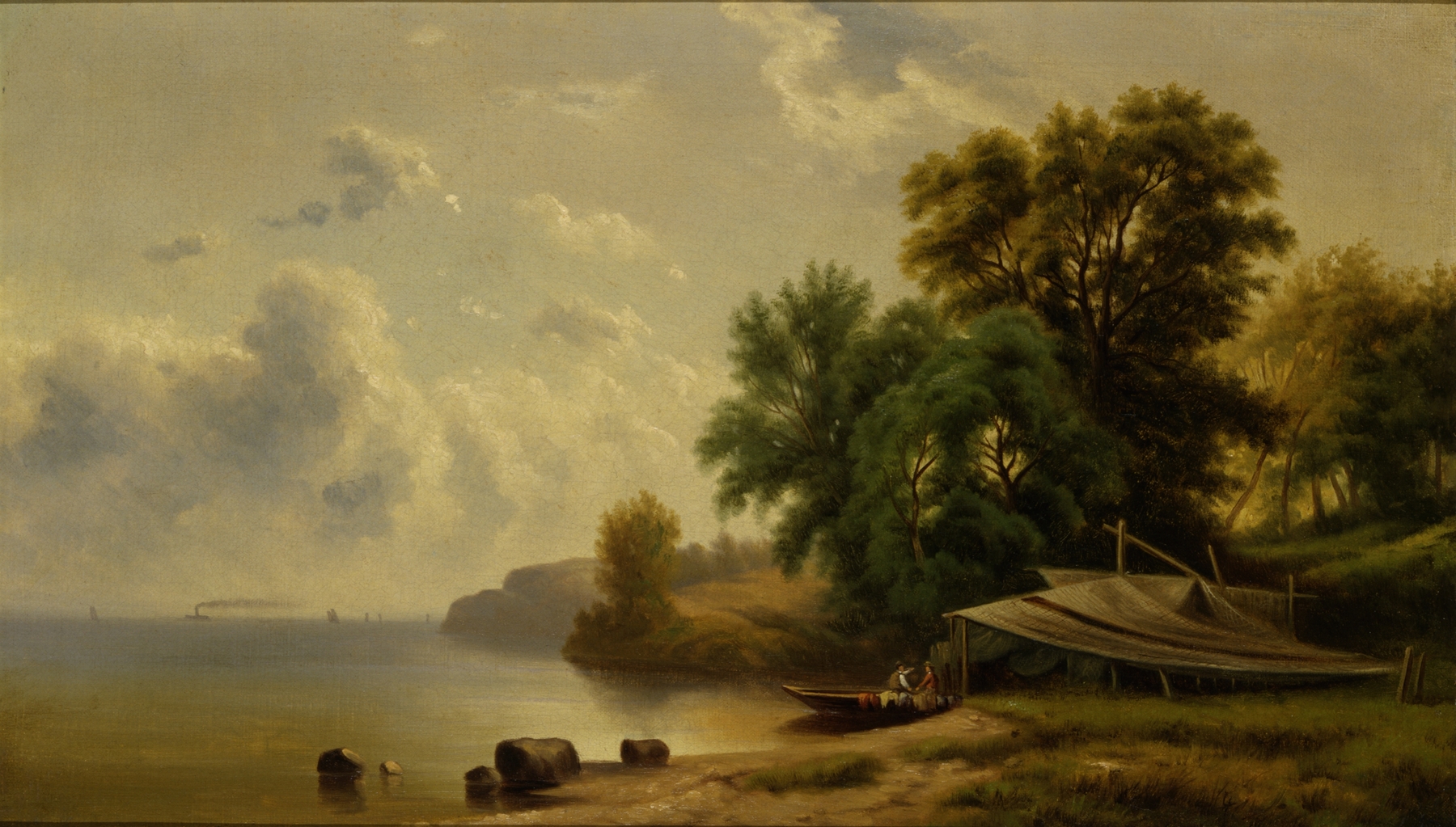
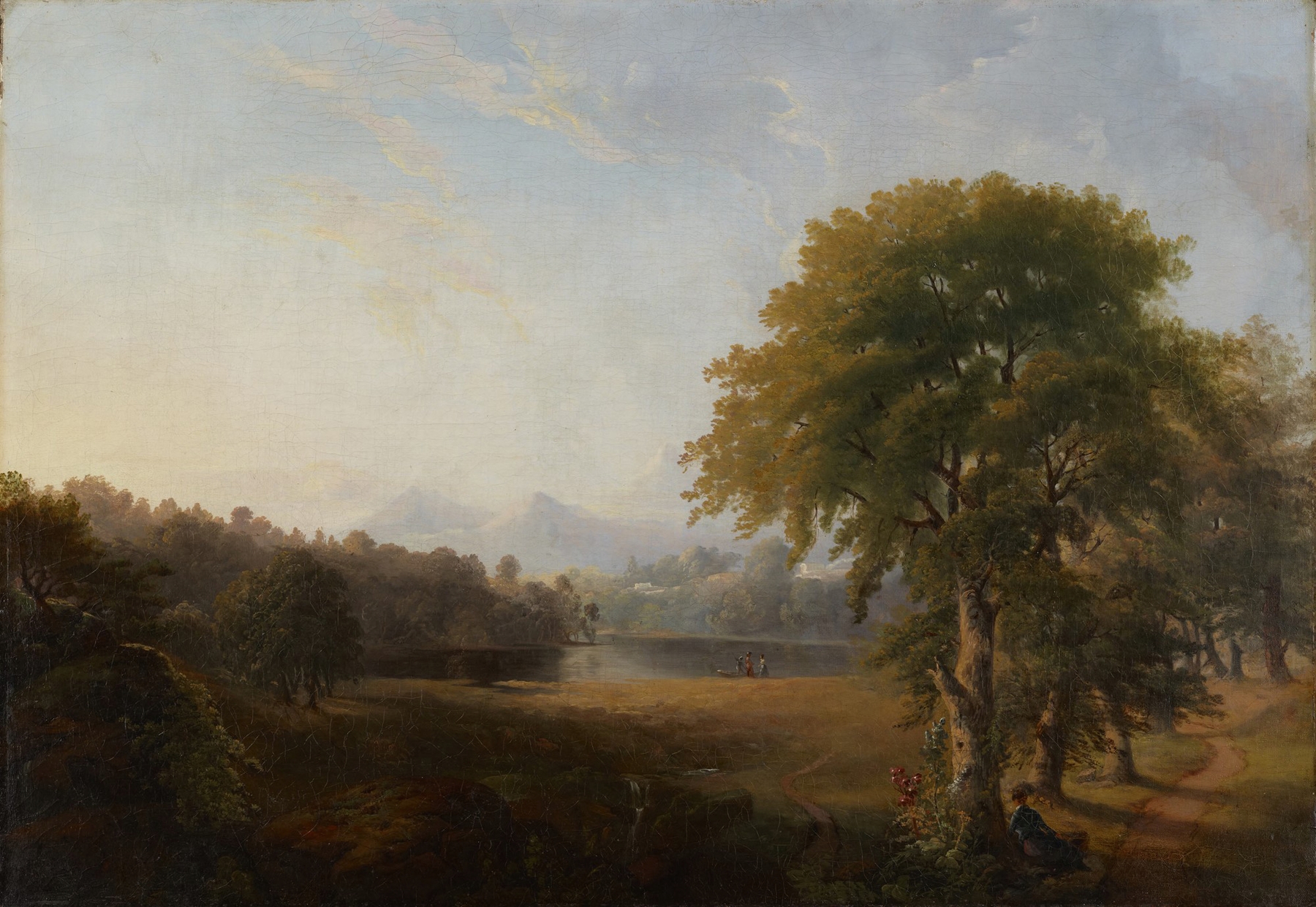
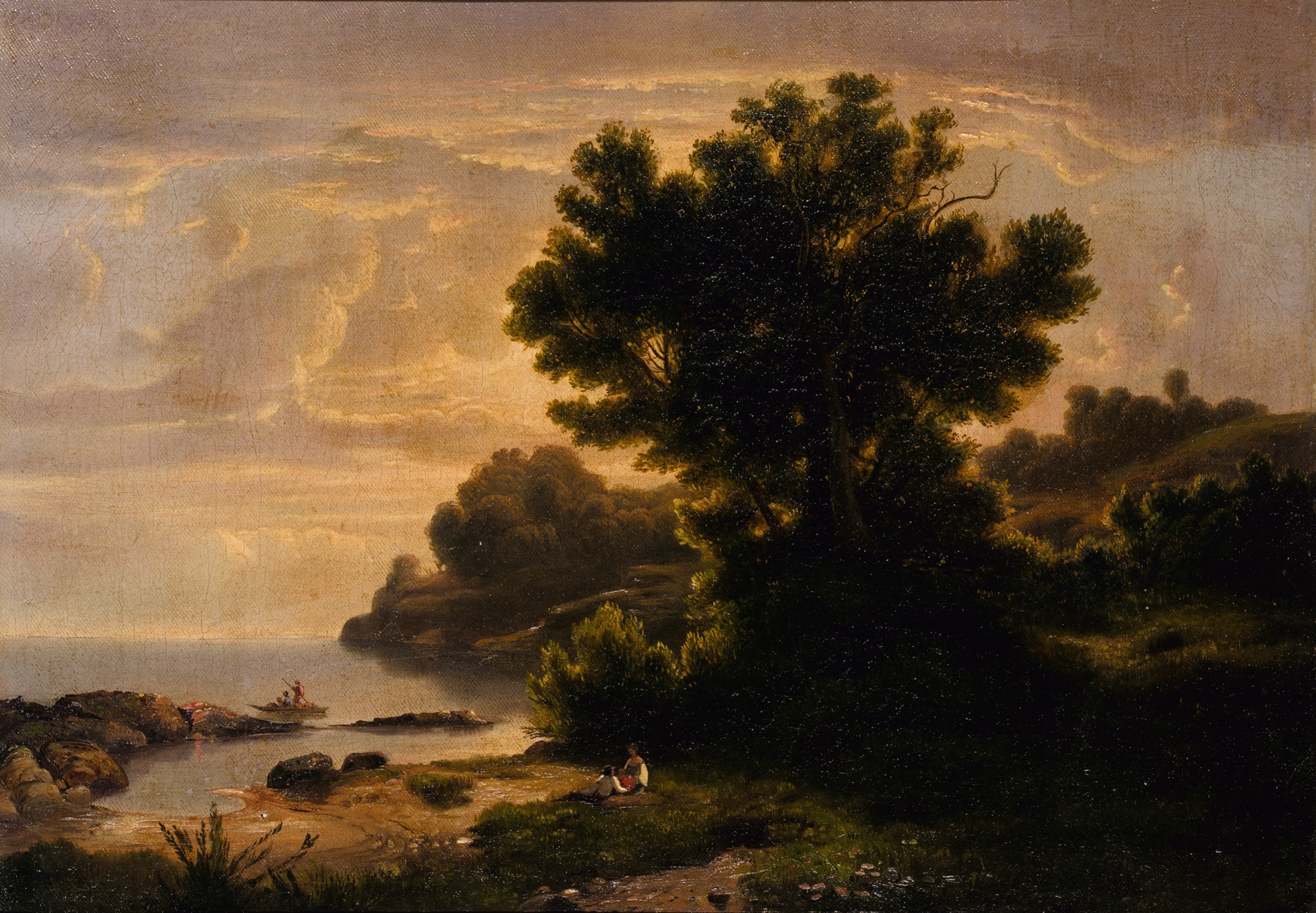
Where does light end, and longing begin? This question lingers in the air, echoing the emotional depth captured in the fields of lush green and soft, warming hues. In Valley Pasture, the artist draws us into a serene landscape that whispers tales of nature's beauty and the human heart’s yearning for connection. Look to the foreground, where the gentle curves of the rolling hills beckon your gaze. Each blade of grass reflects a dappled sunlight, creating a delicate interplay of light and shadow.
Notice how the horizon rises softly in the distance, a promise of more to discover just beyond the frame. The palette is a harmonious blend of emerald greens and soft golds, evoking a tranquil yet vibrant atmosphere that suggests an idyllic moment suspended in time. Yet, within this pastoral bliss lies a tension between peace and solitude. The expansive sky, painted in tender blues, feels both inviting and isolating, hinting at the vastness of the world outside the viewer's reach. Each stroke of the brush conveys a sense of longing, as if the landscape itself yearns for companionship.
The play of light signifies not just the beauty of the scene but also an emotional depth that resonates with anyone who's sought solace in nature. This work emerged from the brush of Robert S. Duncanson during a time when he was gaining recognition as one of the few African American landscape painters in the mid-19th century. Working in a post-Civil War America, he navigated a complex social landscape while drawing inspiration from the natural world around him, capturing the quiet yet profound emotional undertones of the American experience.