Valley with a River and a Town with Four Towers — History & Analysis
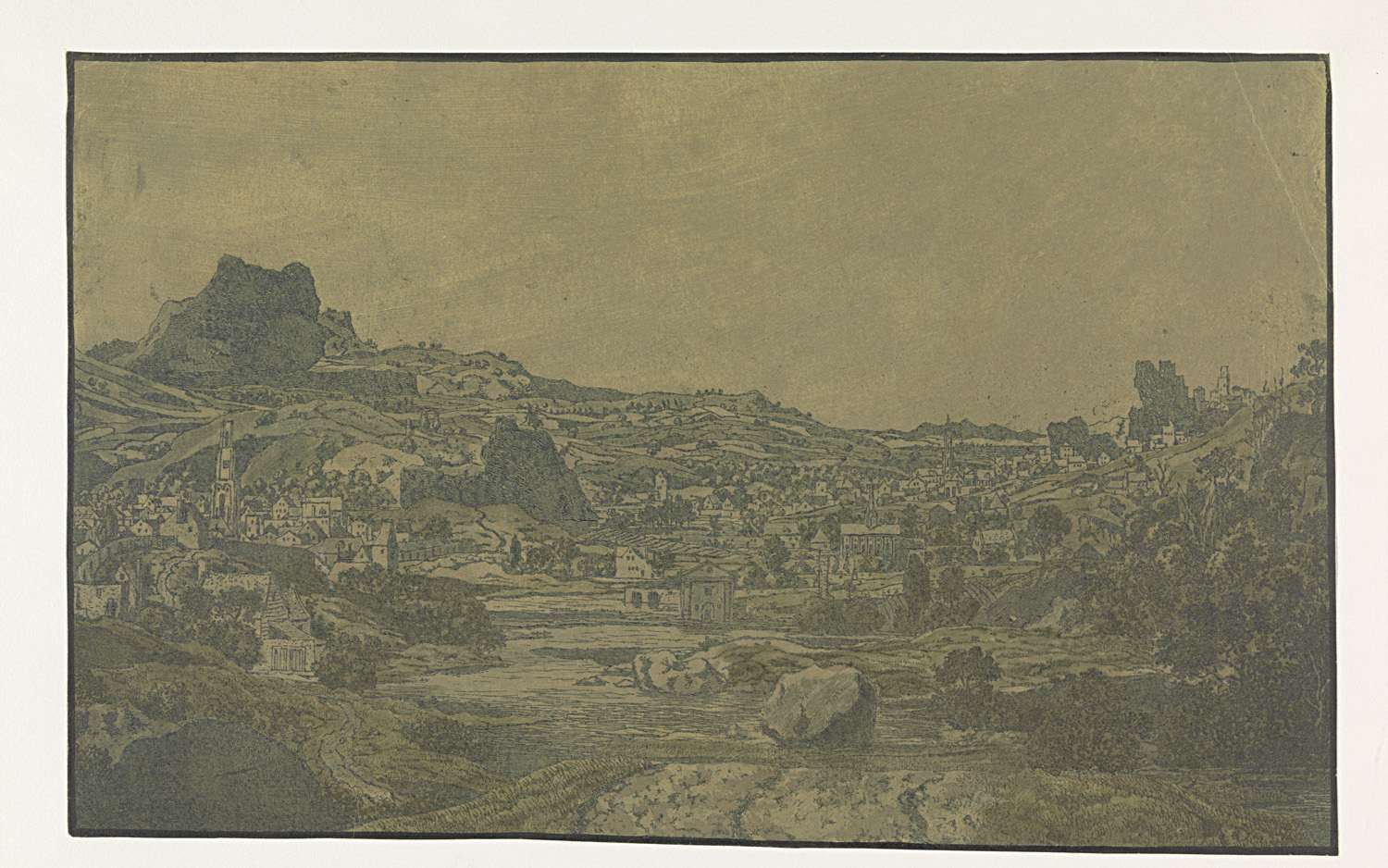
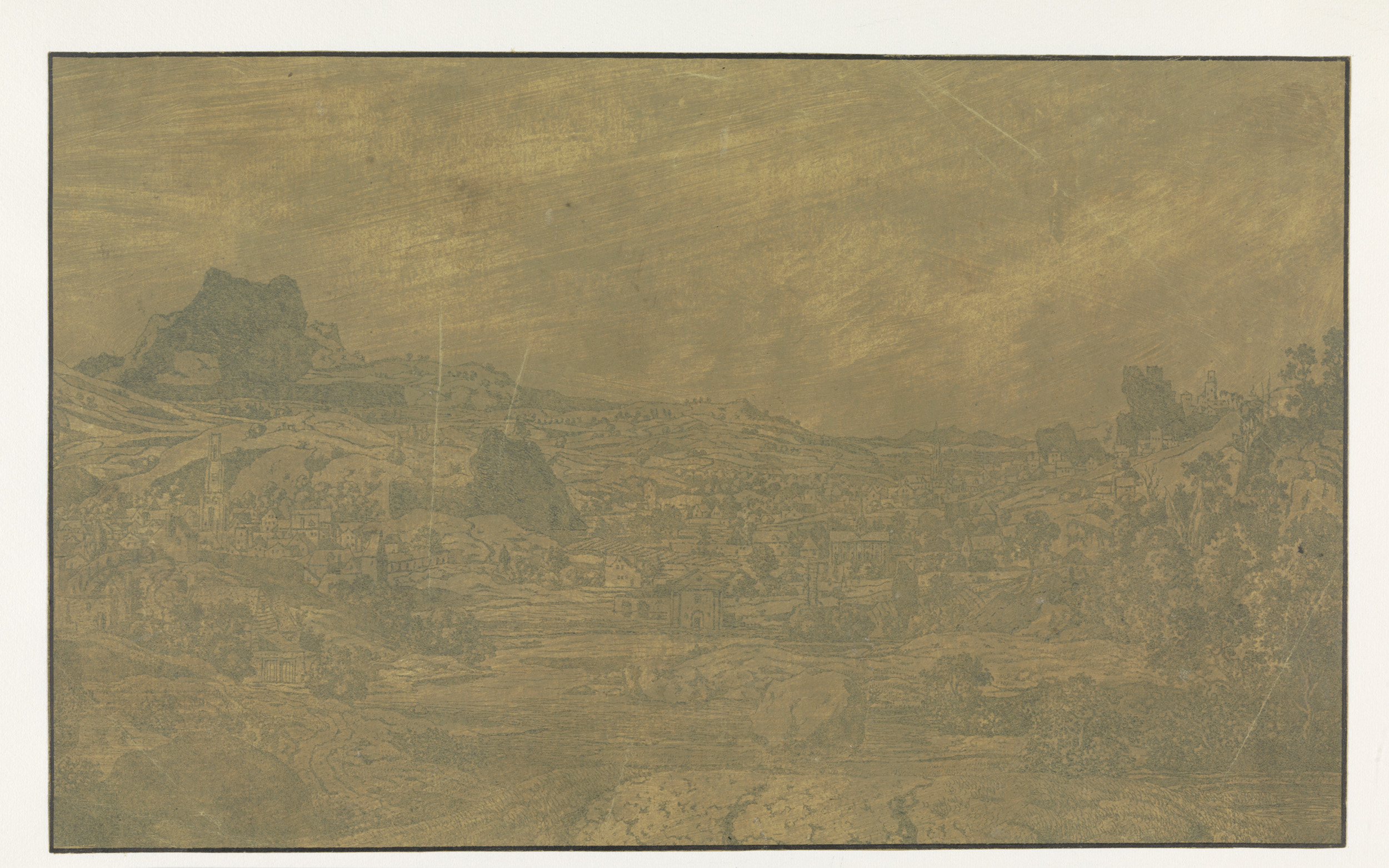
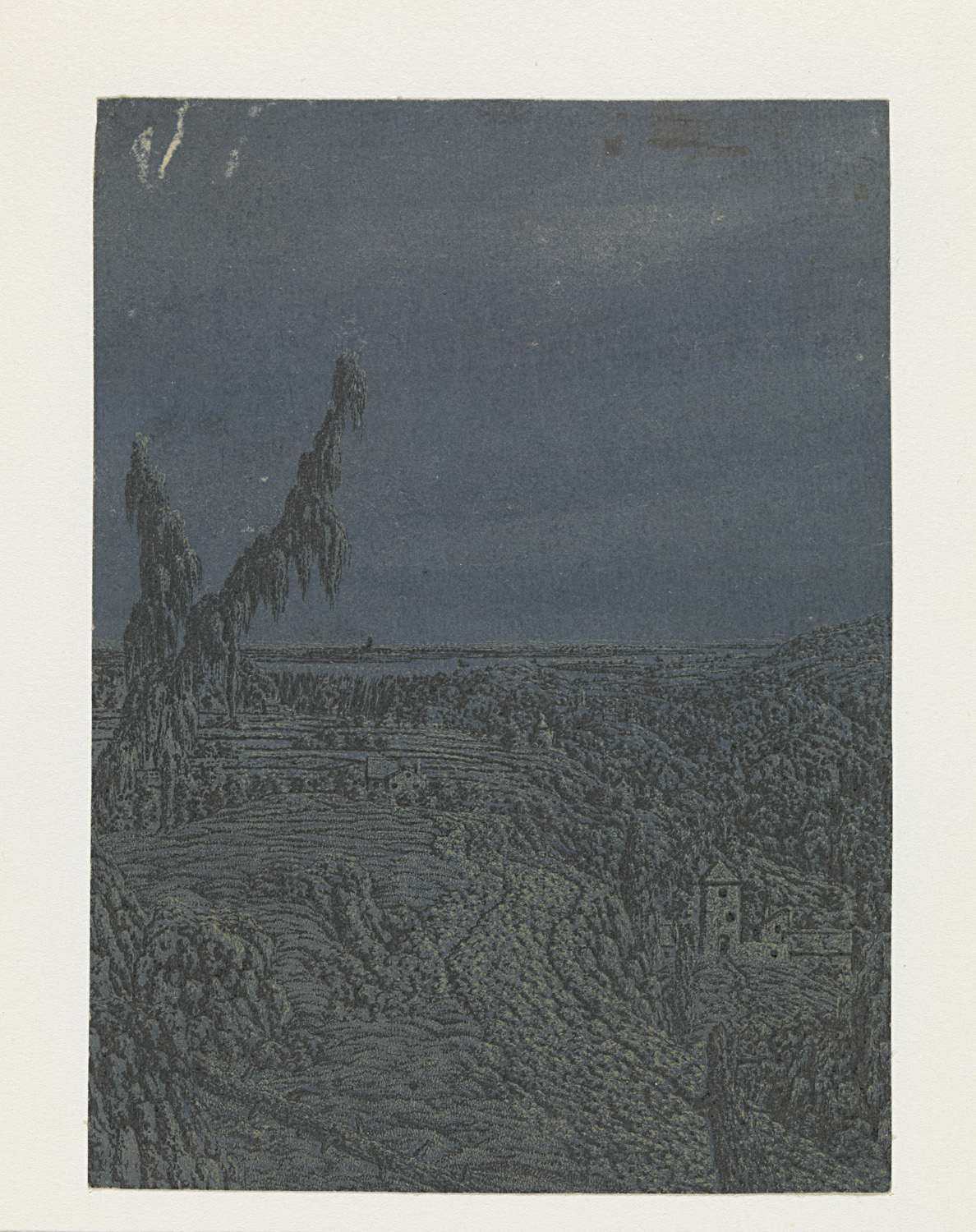
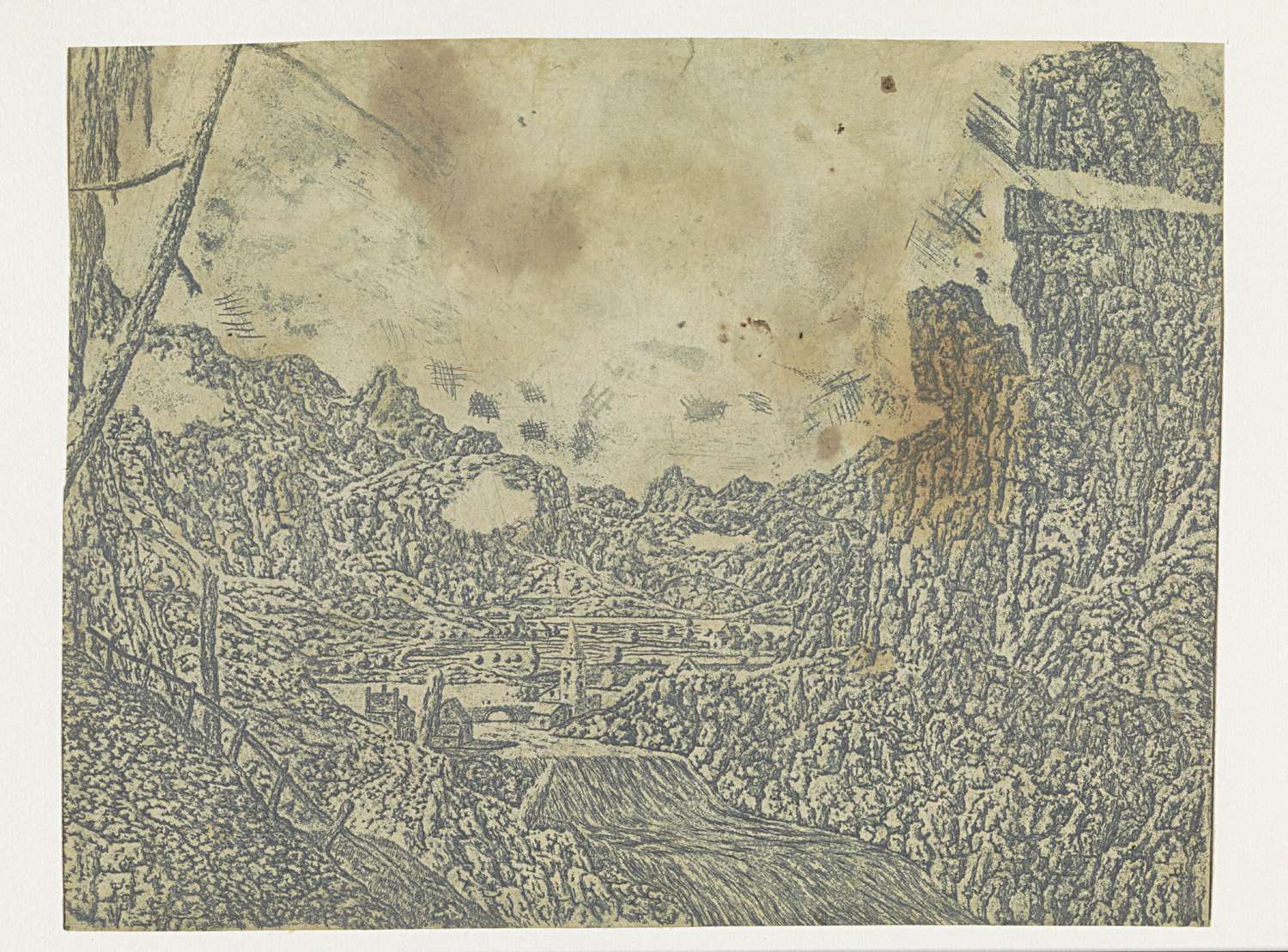
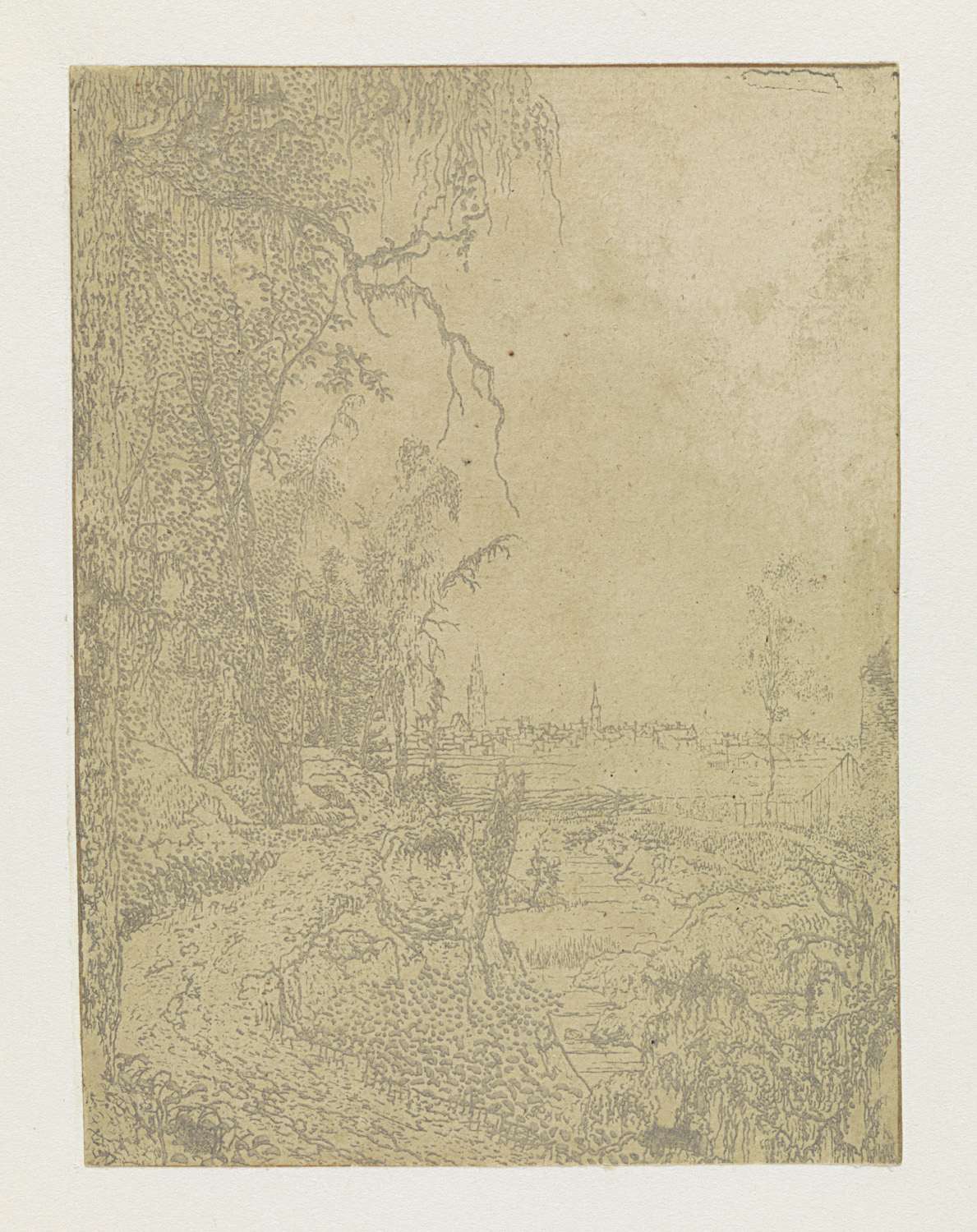
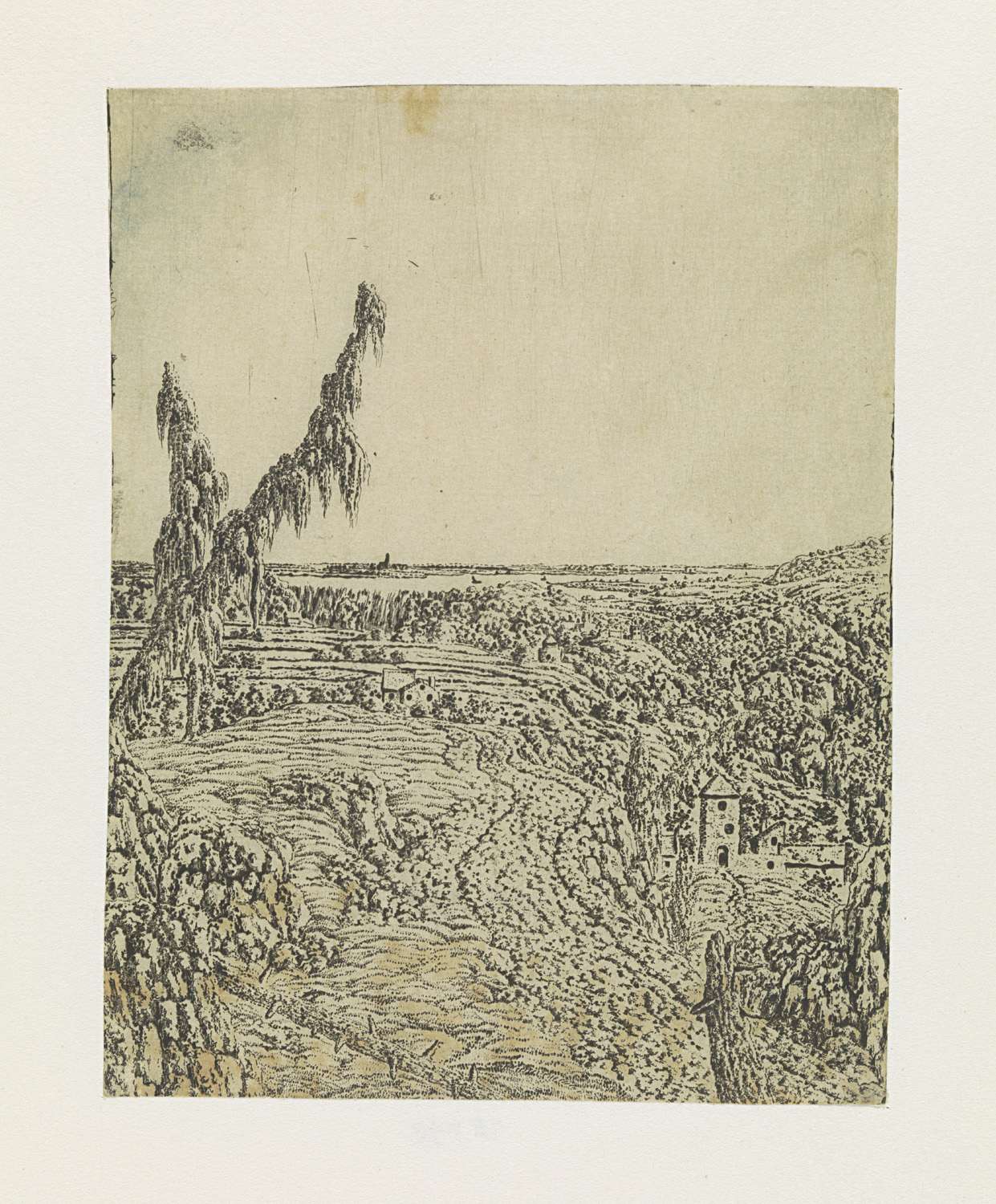
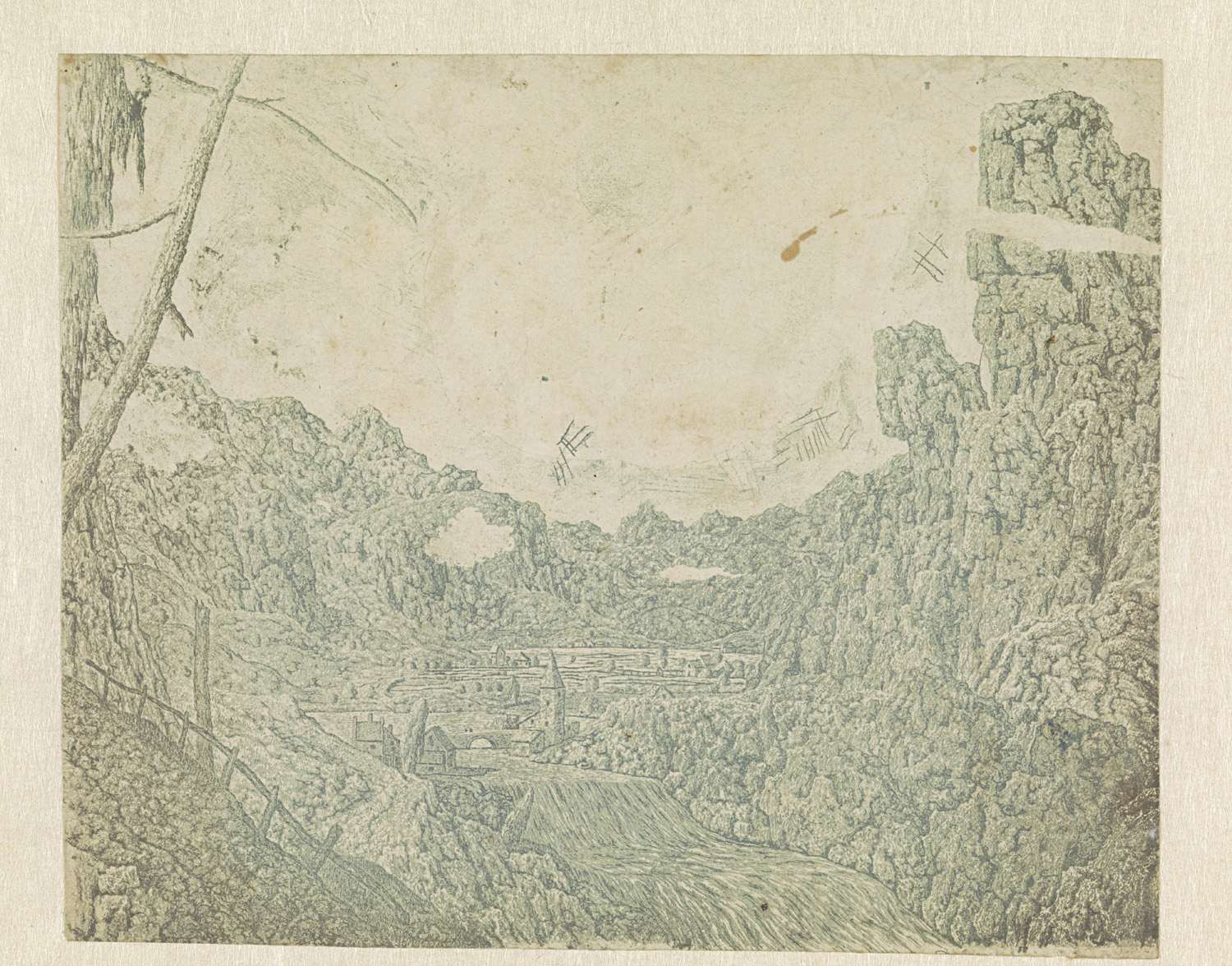
Is this a mirror — or a memory? The landscape before you invites the viewer into a world that oscillates between reality and imagination, evoking an obsession with the beauty of nature and human existence intertwined. Focus on the gentle curves of the river snaking through the valley, its reflective surface capturing the sky's soft hues. Notice how the towering structures of the town rise majestically against the horizon, each tower uniquely defined but collectively harmonizing with the landscape.
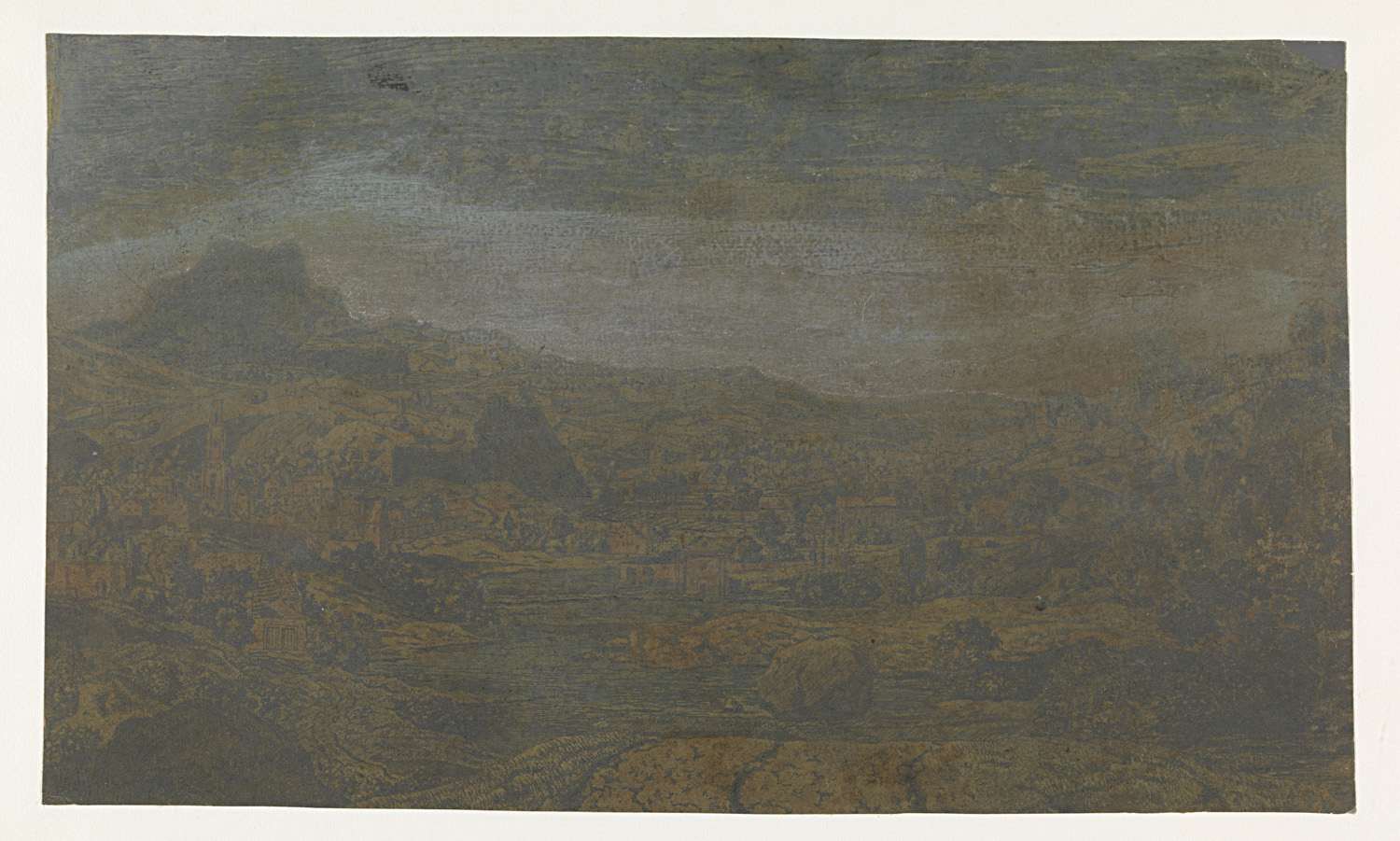
Segers masterfully employs a muted color palette, allowing the viewer to feel the tranquil yet somber atmosphere that envelops the scene. The delicate brushwork draws the eye along the contours of the land, leading to a contemplation of what lies beyond the visible. Within this serene landscape lies a profound tension between the natural and the constructed, a reminder of humanity's fragile place within the vastness of nature. Each tower may symbolize aspiration, while the river suggests the passage of time — a relentless flow that sees all but erases nothing.
The subtle interplay of light and shadow hints at the emotional weight of this setting, where beauty coexists with a sense of isolation, provoking thoughts on the impermanence of our pursuits. In the early 1620s, amidst a burgeoning interest in landscape painting, Hercules Segers created this work as he settled into his unique artistic voice in the Netherlands. This period was marked by personal struggles, including financial hardship and an increasing preoccupation with the natural world. His innovative techniques and use of light reflected a shift in artistic focus during a time when the landscape genre began to flourish, bridging the gap between the pastoral and the profound.