Venetian View I — History & Analysis
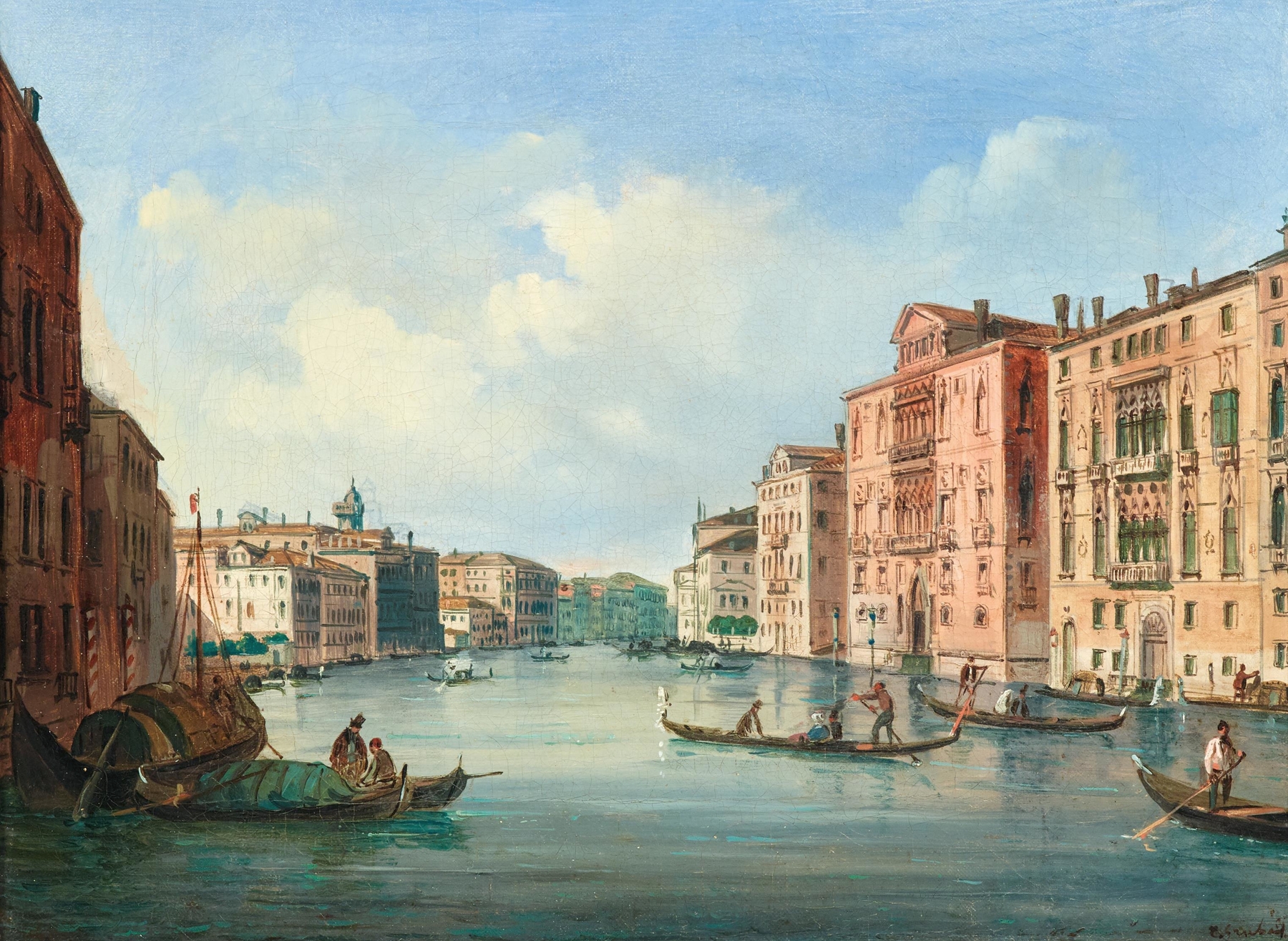
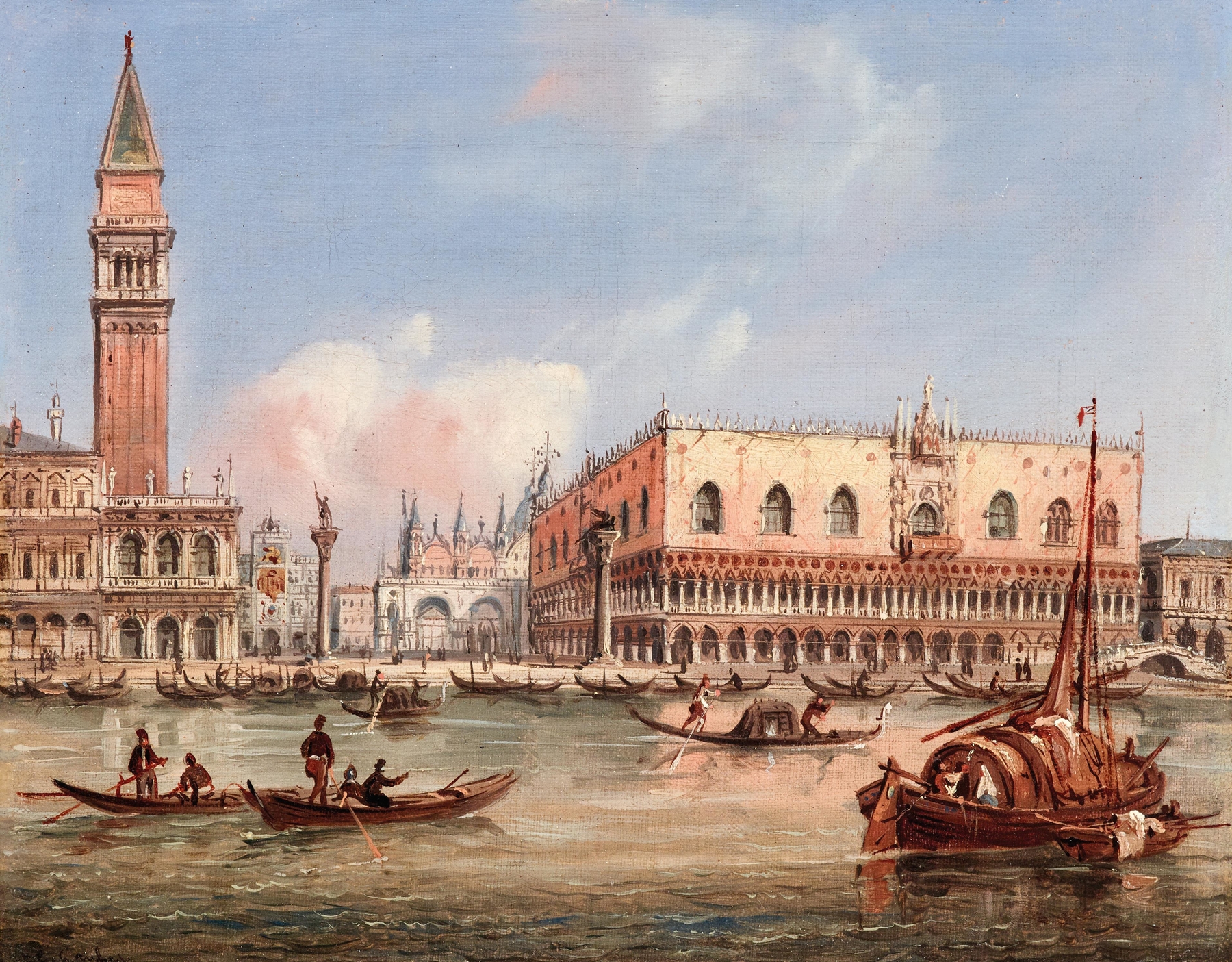
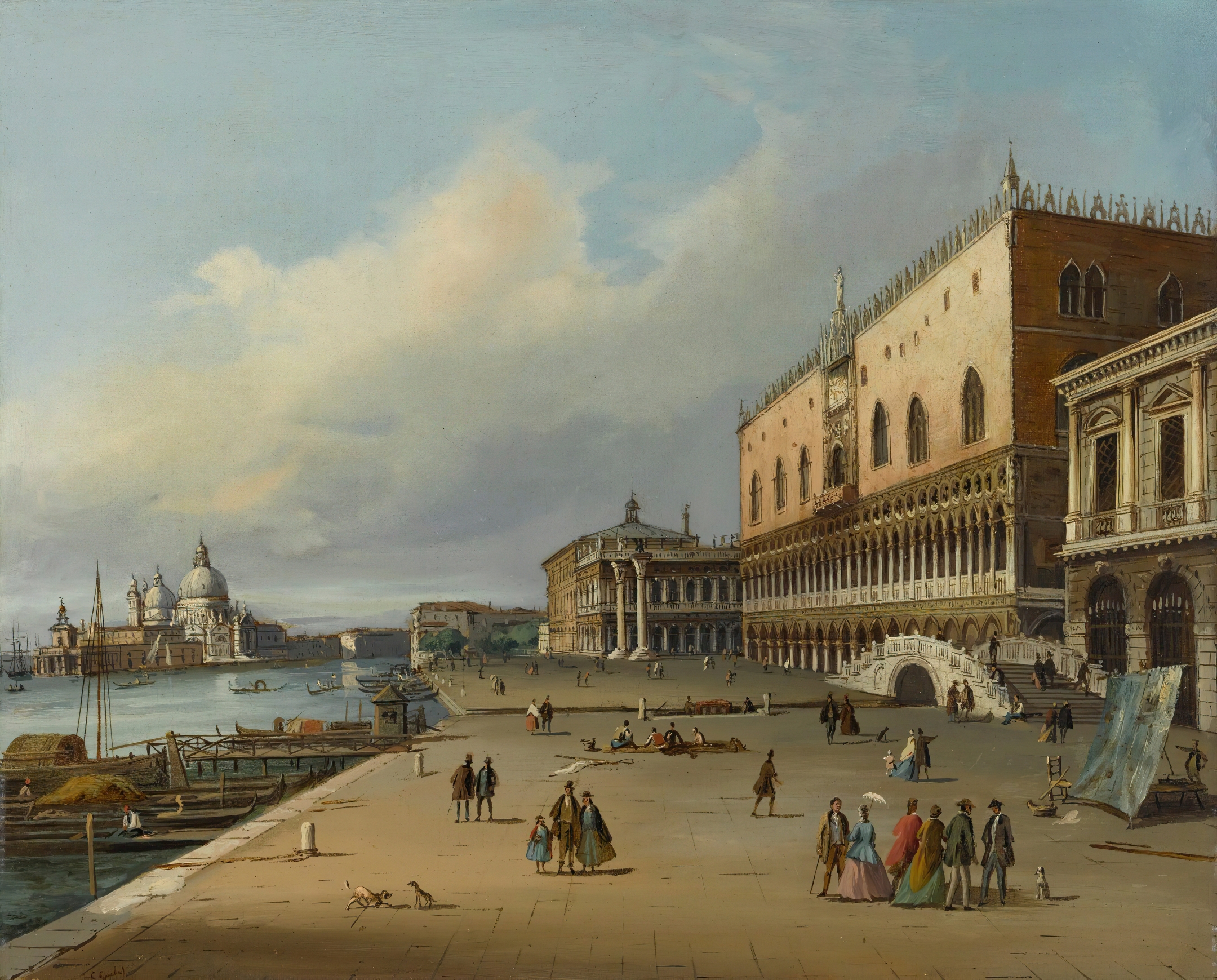
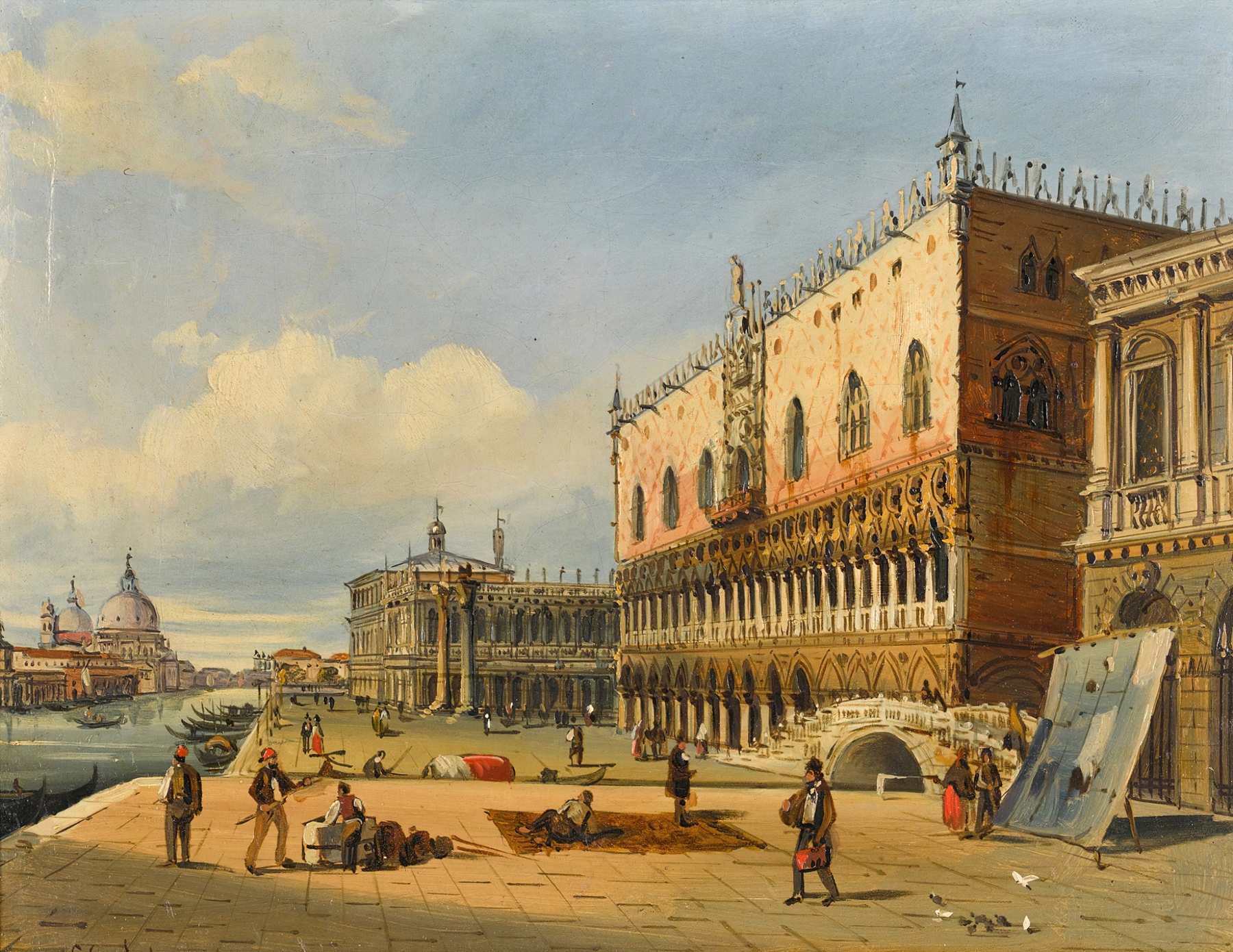
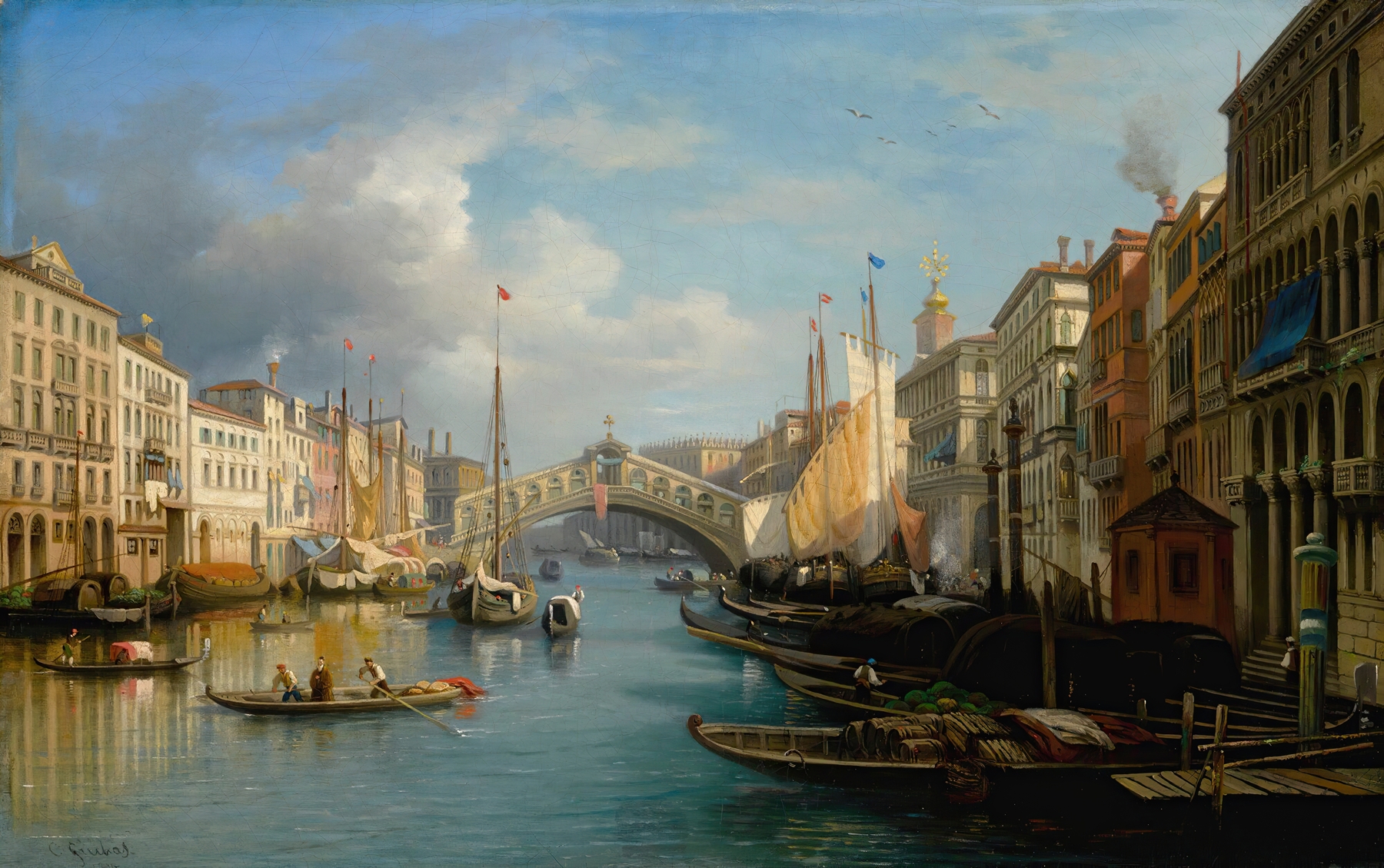
What if silence could speak through light? In the stillness of a moment captured on canvas, memories of a place linger, inviting you to listen. Look to the left at the delicate play of shadows and reflections cast upon the water. The gentle hues of blue and green blend seamlessly, creating a tranquil atmosphere that draws your eye to the shimmering surface, alive with light.
Notice how the buildings rise majestically in the background, their warm tones contrasting the coolness of the canal, merging both structure and nature in a harmonious embrace. Each brushstroke seems intentional, constructing a world where time pauses, allowing the viewer to revel in its beauty. Amidst this serene vista, there lies an unspoken tension between permanence and transience. The enduring architecture of Venice stands resolute against the fleeting moment of sunlight.
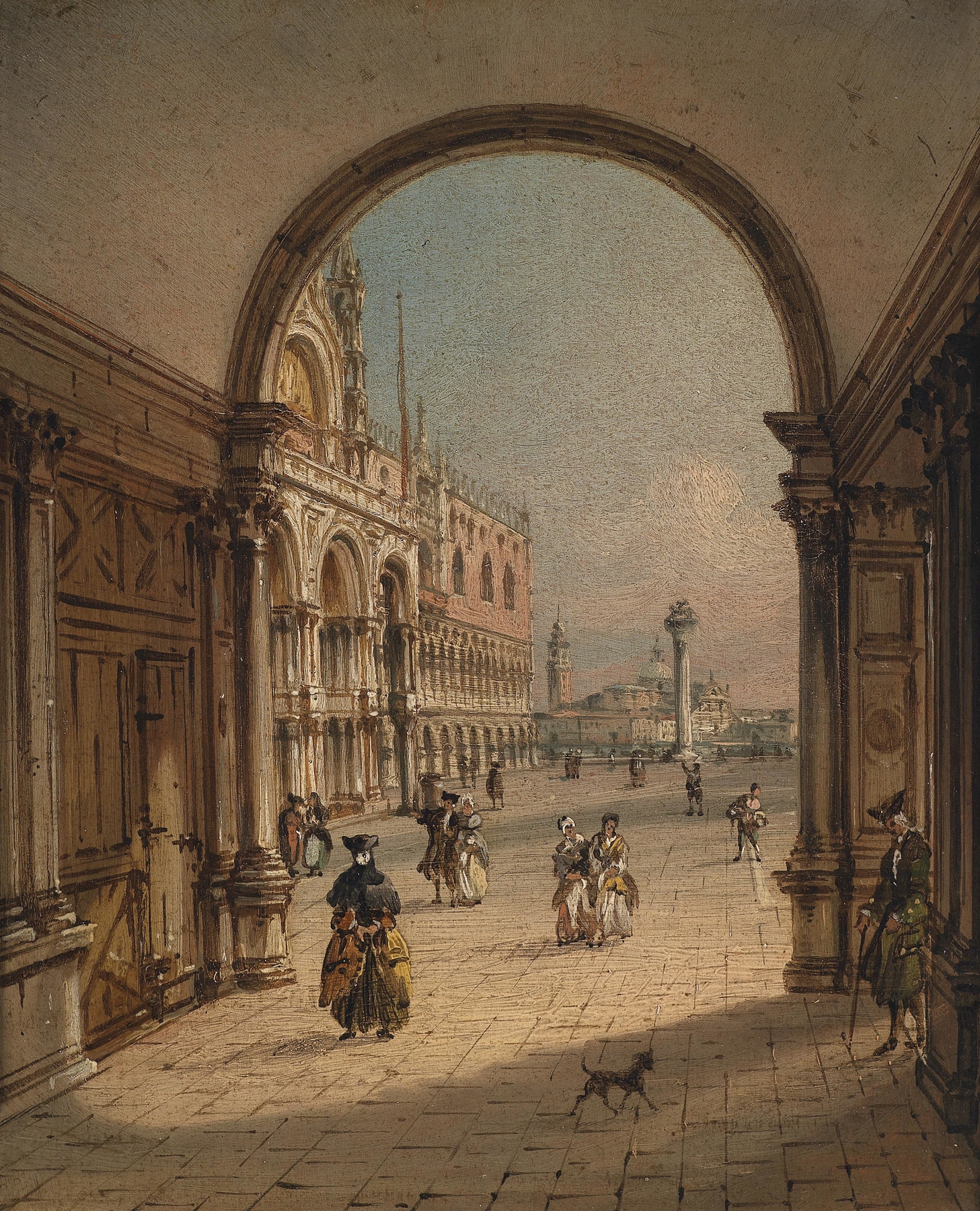
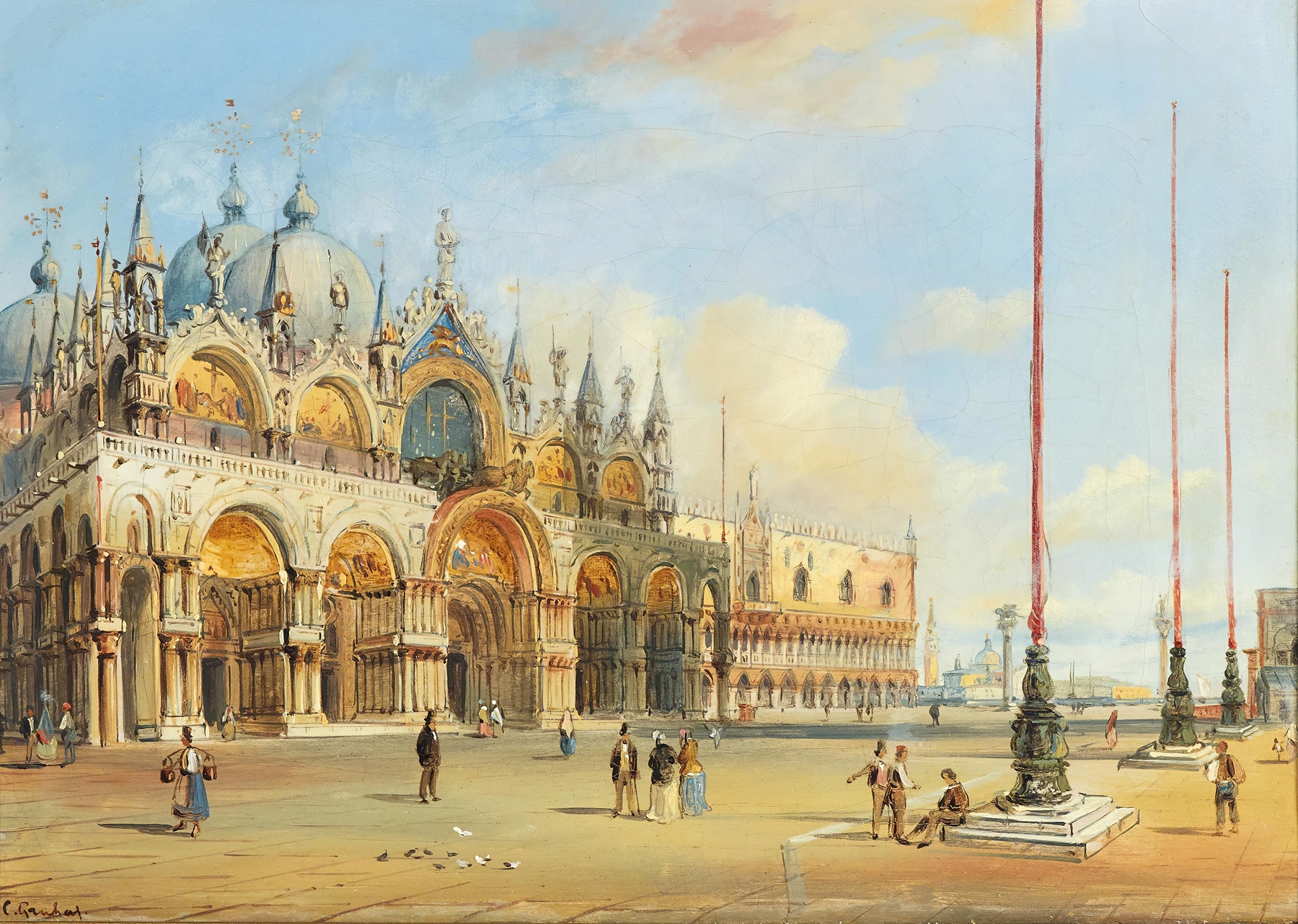
Small details, like a single gondola drifting quietly, evoke a sense of nostalgia and longing, alluding to the stories that unfolded along these waterways. These elements intertwine memory and reality, creating a space where the past resonates within the present. During the period when this piece was crafted, Carlo Grubacs was deeply influenced by the romantic allure of Venice—a city marked by its rich history and vibrant life. Although the exact date remains unknown, his work reflects the late 19th century, a time when painters were drawn to capture the essence of landscapes in an evolving world of art, embracing both impressionistic techniques and a reverence for their surroundings.