Venetian View II — History & Analysis
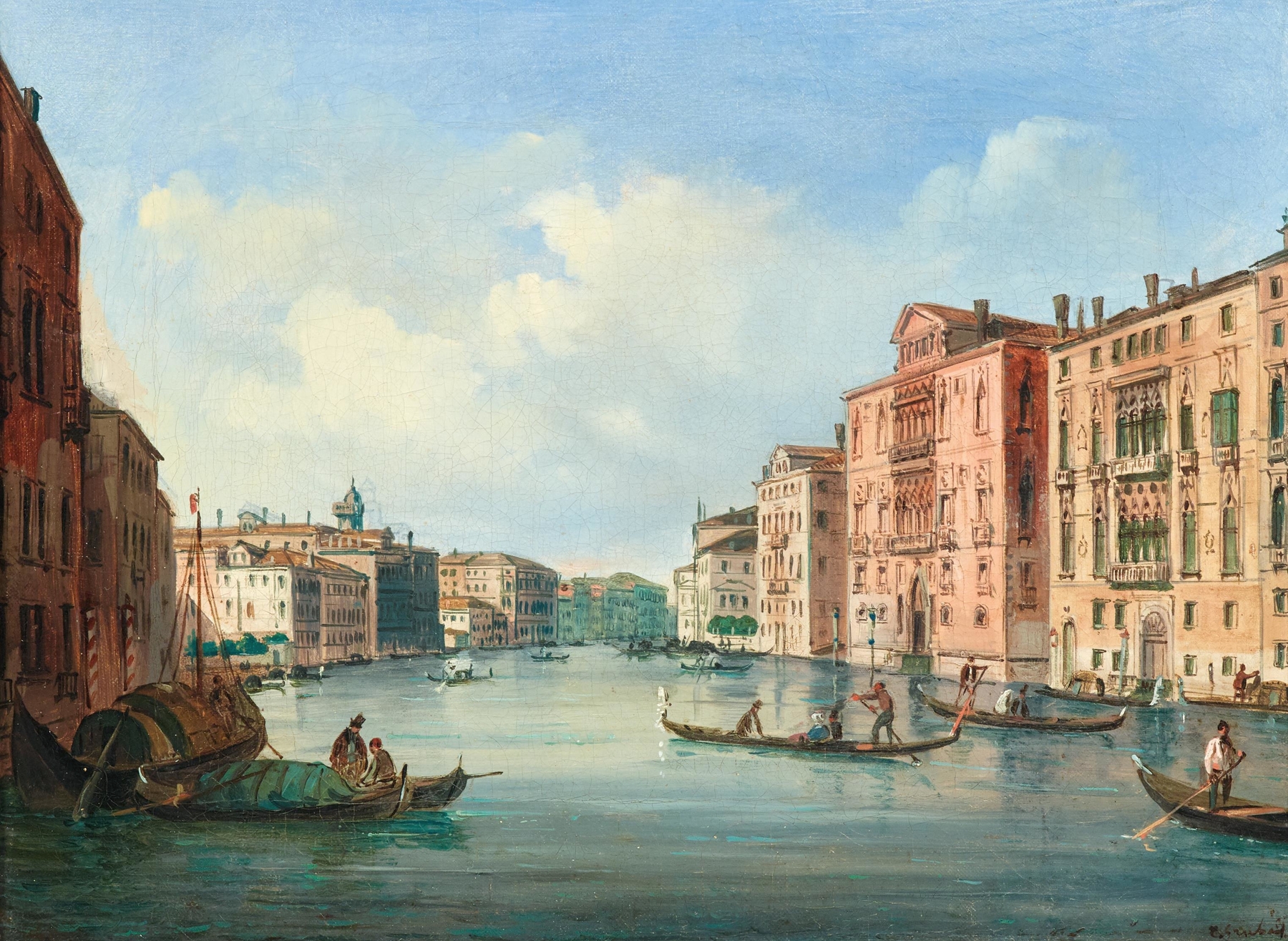
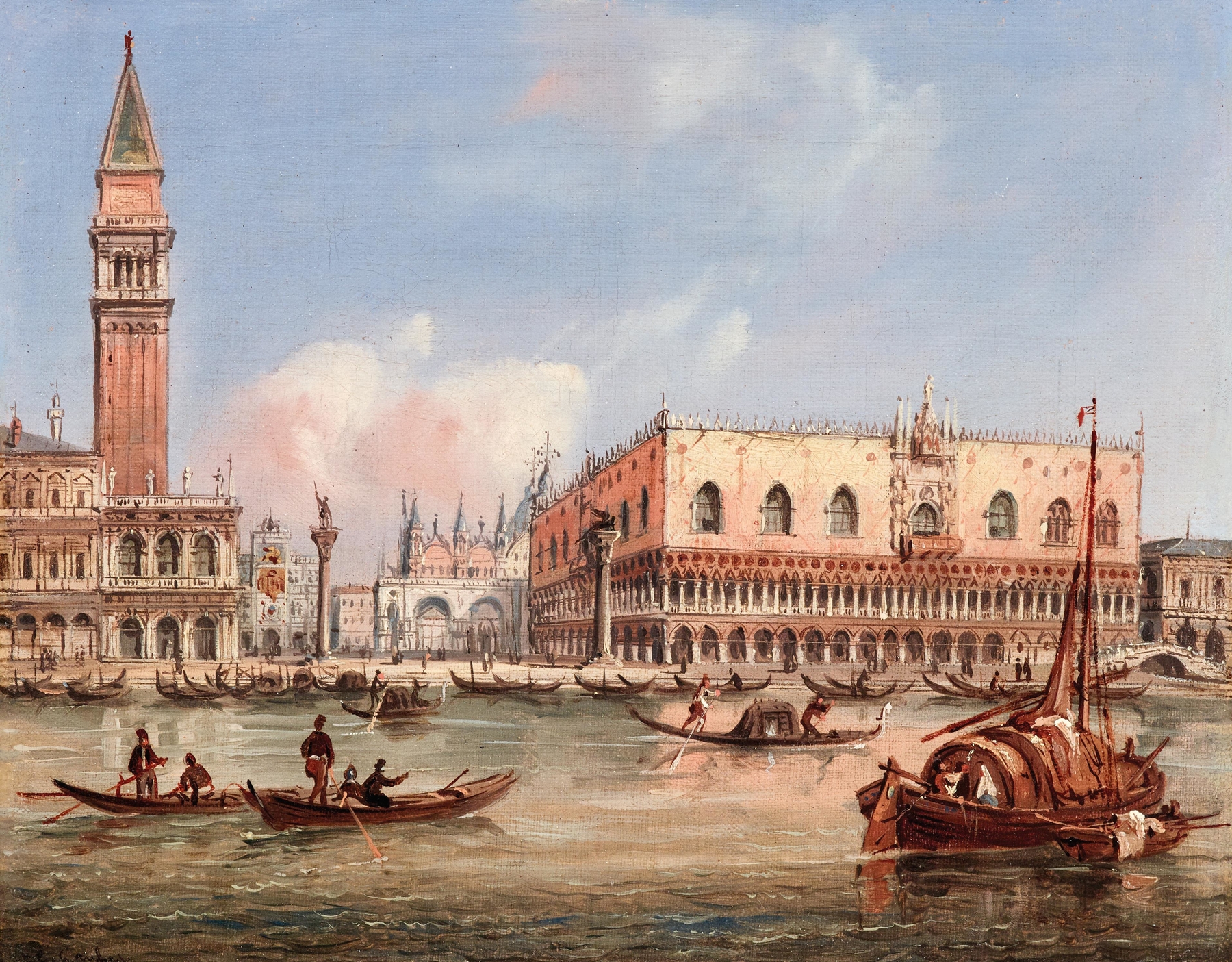
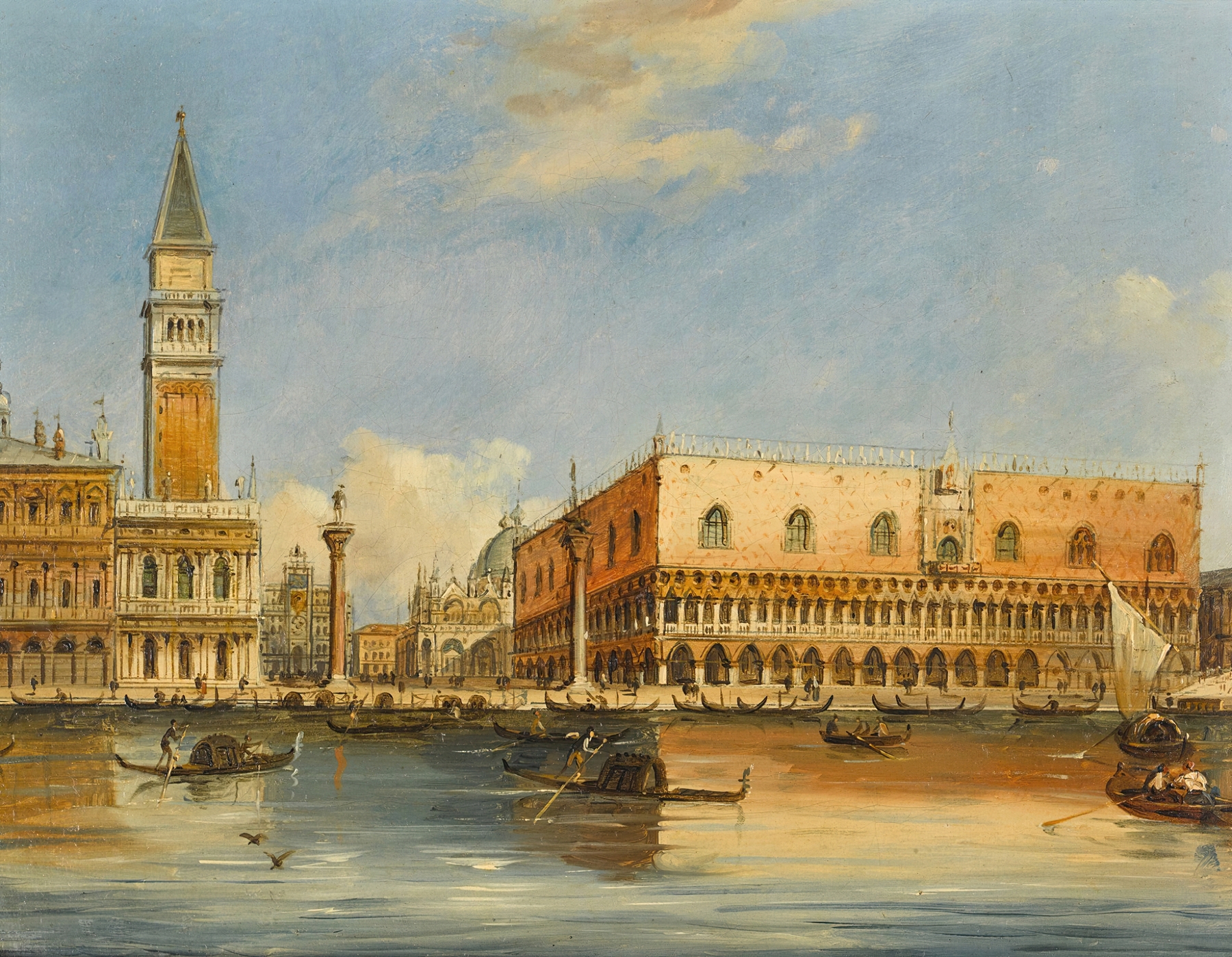
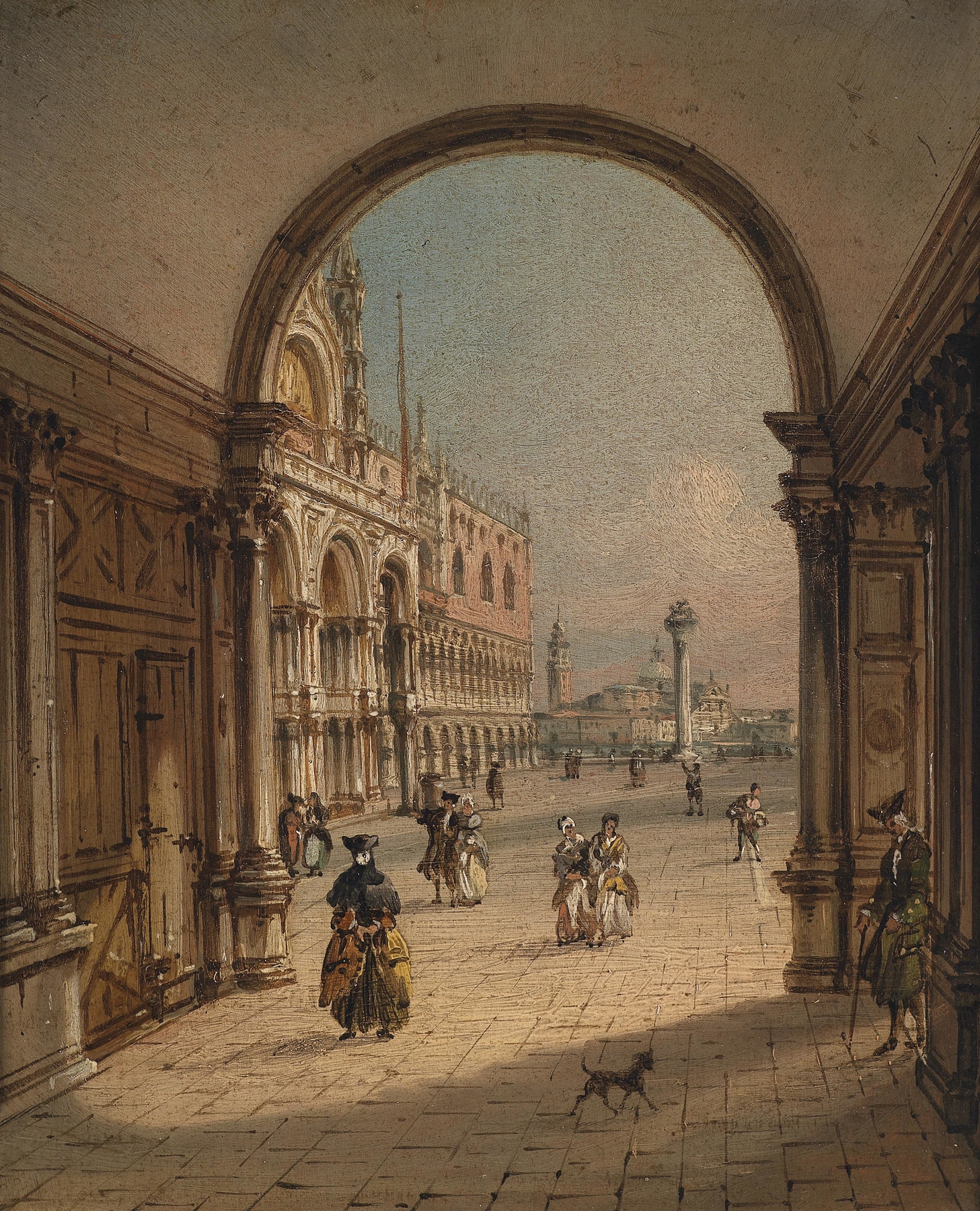
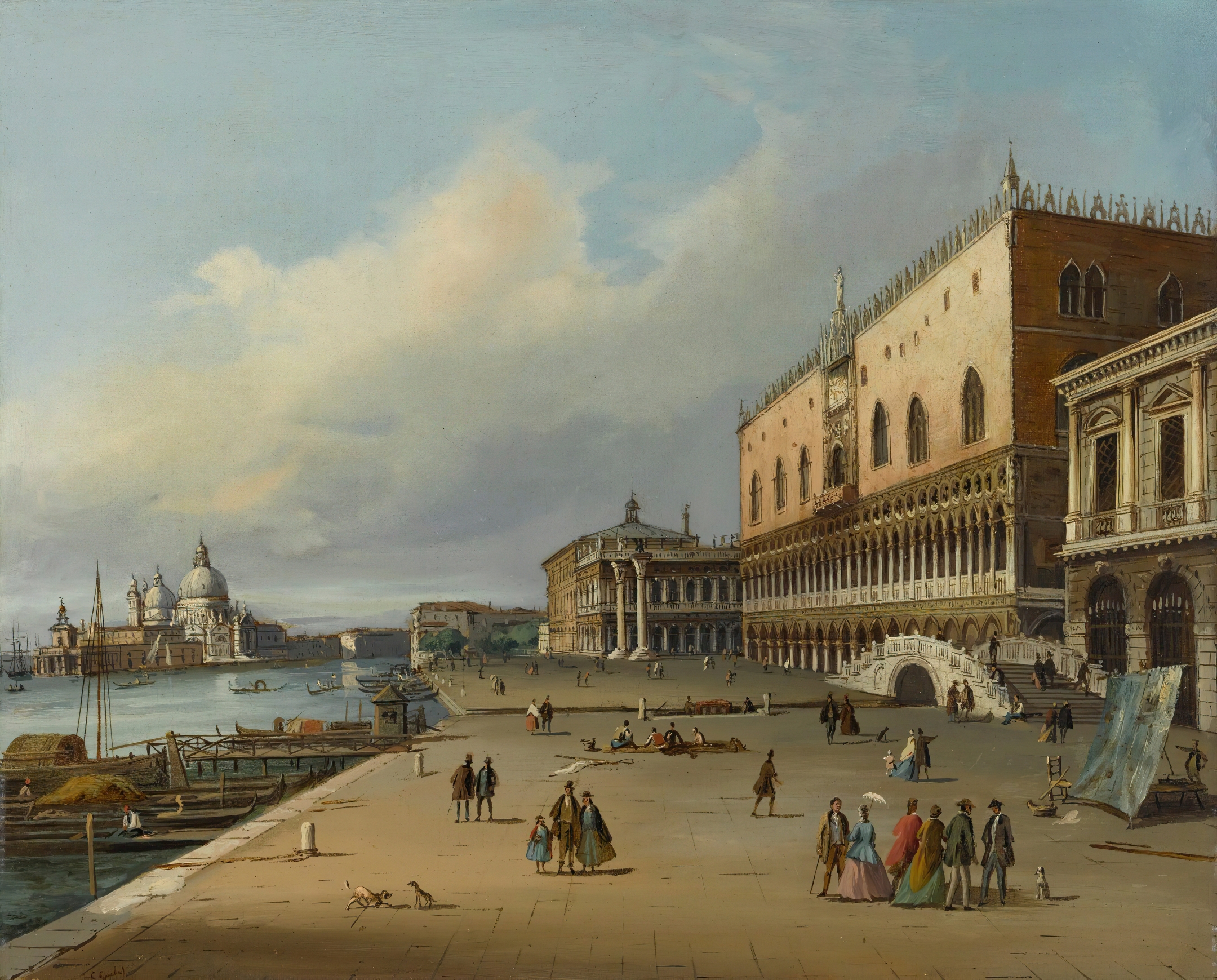
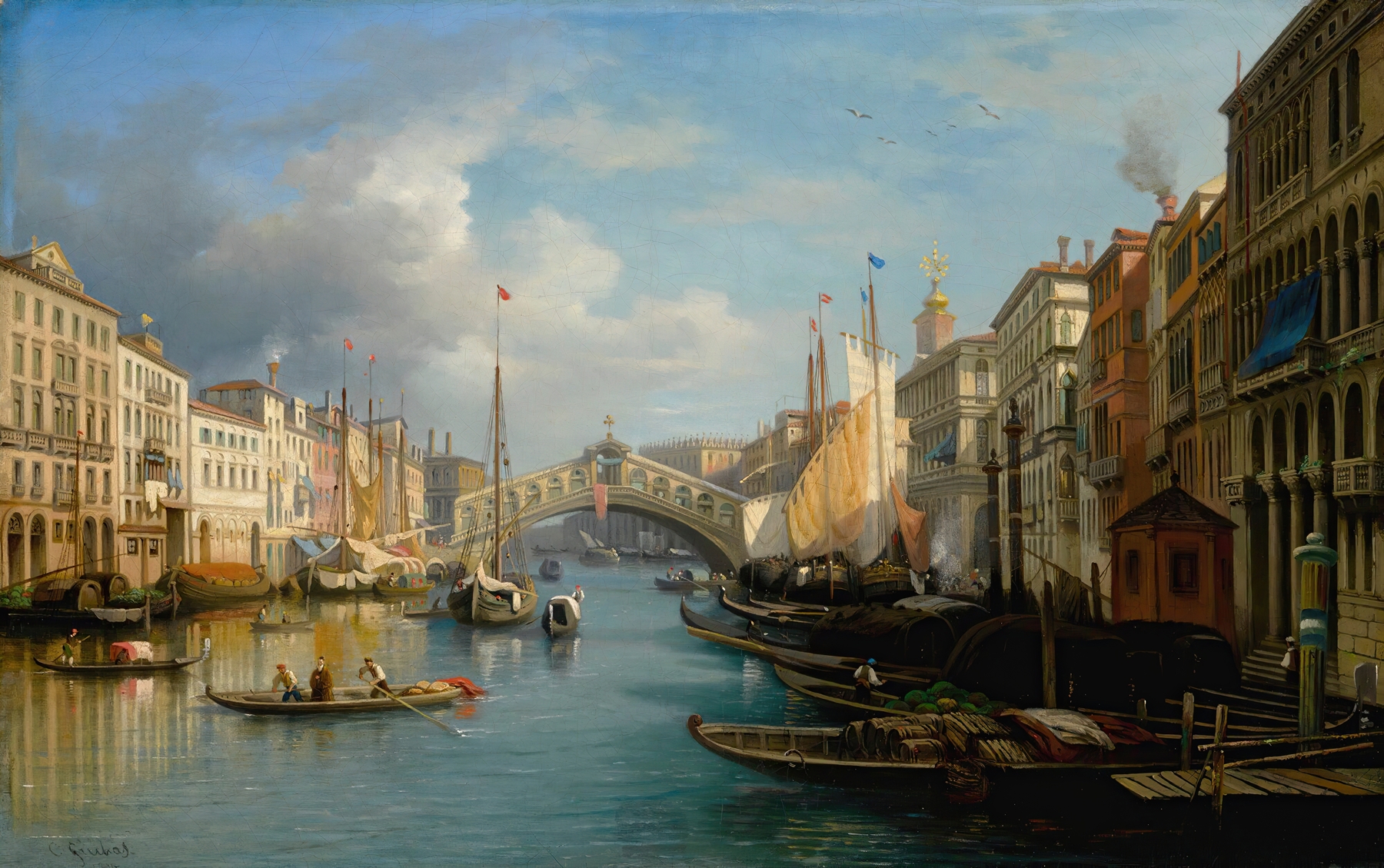
What if silence could speak through light? In Venetian View II, a hush envelops the ethereal landscape, where the shimmering reflections of a tranquil canal whisper untold stories of time and beauty. Look to the left at the delicate interplay of warm golden hues where the sun kisses the water’s surface, igniting each ripple with a sense of life. The soft brushwork draws the eye toward the graceful architecture lining the canal, each building a sentinel of history drenched in pastel shades.
Notice how the artist employs a harmonious palette to create an aura of serenity, with gentle blues and greens balancing the sunlit warmth, inviting a moment of reflection. In this serene depiction, the tension between stillness and the vibrant essence of life unfolds. The absence of human presence speaks to a longing for connection, suggesting that beauty exists even in solitude. The subtle details, like the drifting clouds mirrored in the water, hint at the passage of time—each moment suspended in a perfect state of grace, transcending the ordinary.
Created during a period of exploration in the late 19th century, Grubacs painted this piece amidst a flourishing interest in Romanticized landscapes. Living in Venice, he was influenced by the city’s unique light and atmosphere, which captivated many artists of his time. The artwork reflects not only his personal journey but also the broader movement toward capturing the ephemeral beauty of nature in an era marked by rapid change.