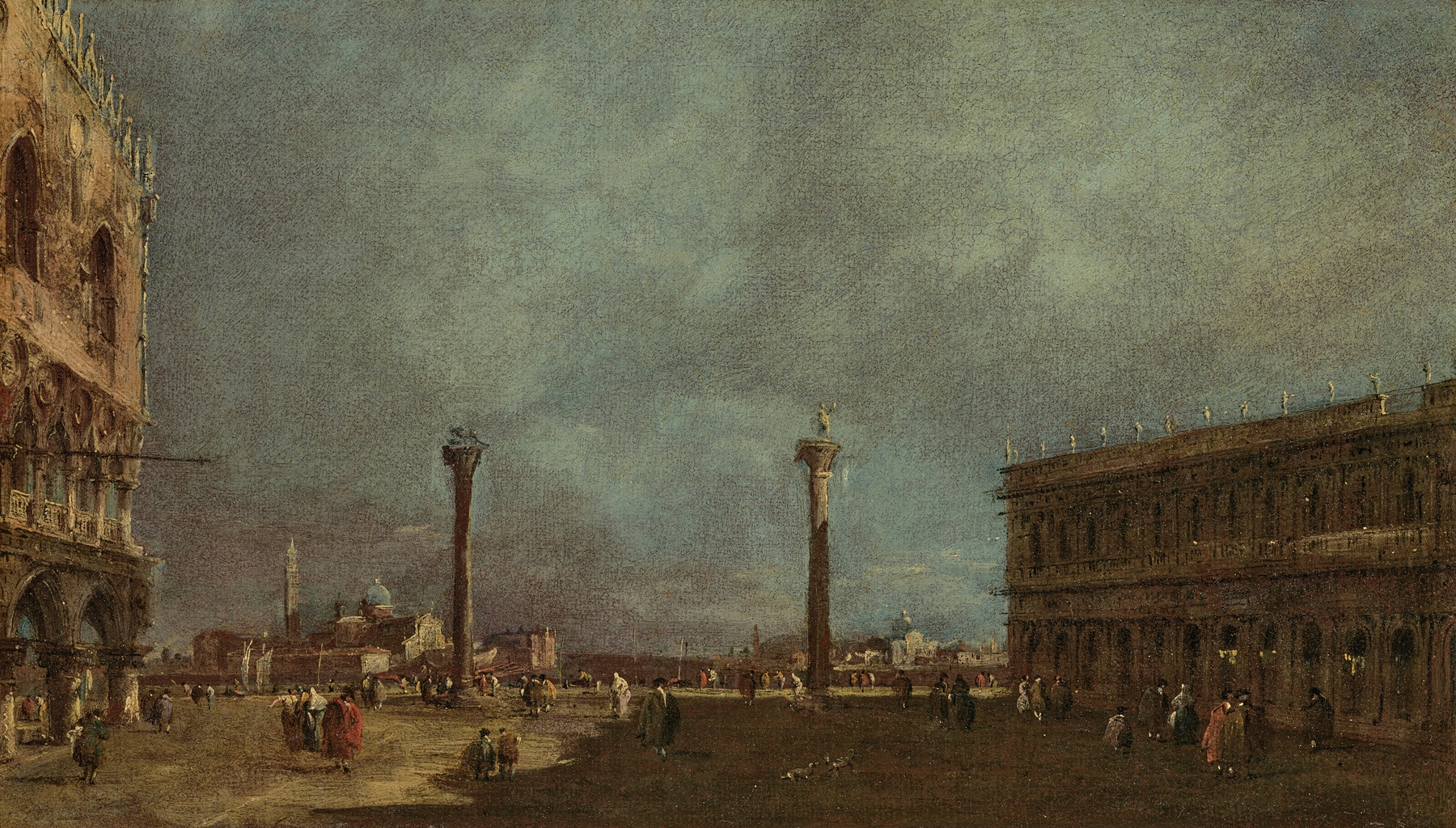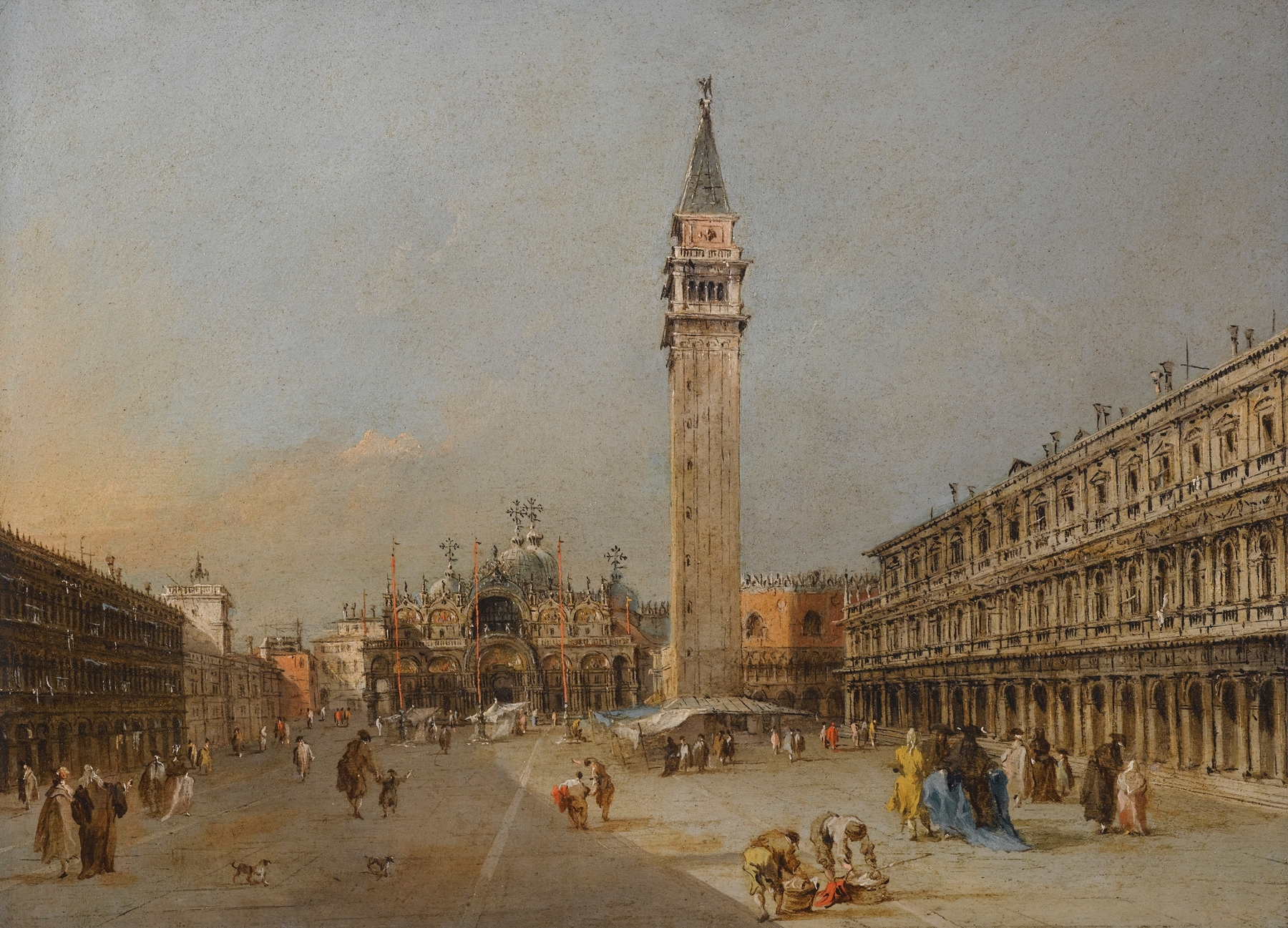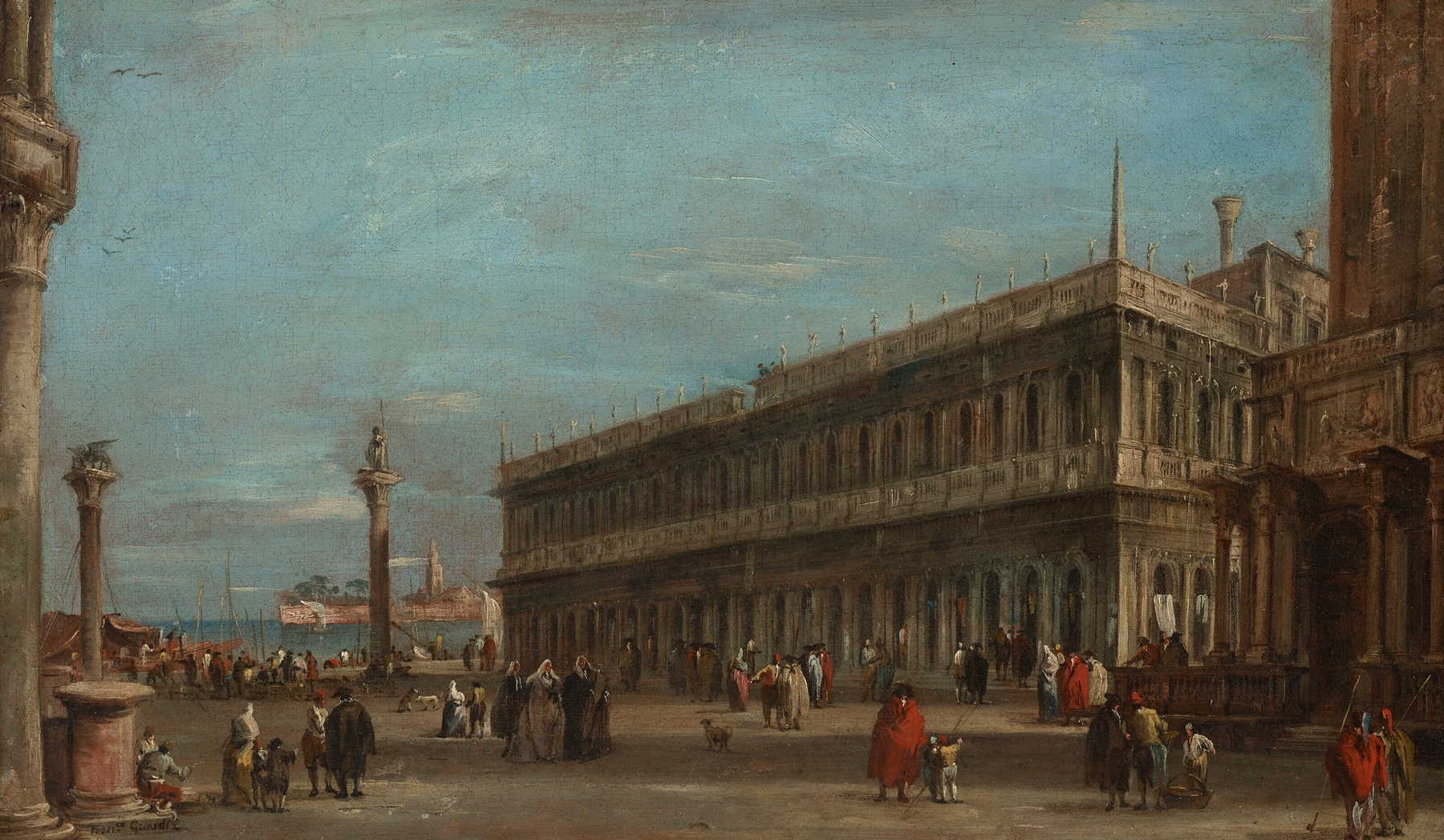
Venice, a view of the Piazzetta toward the Libreria, with the eastern tip of the Giudecca beyond — History & Analysis
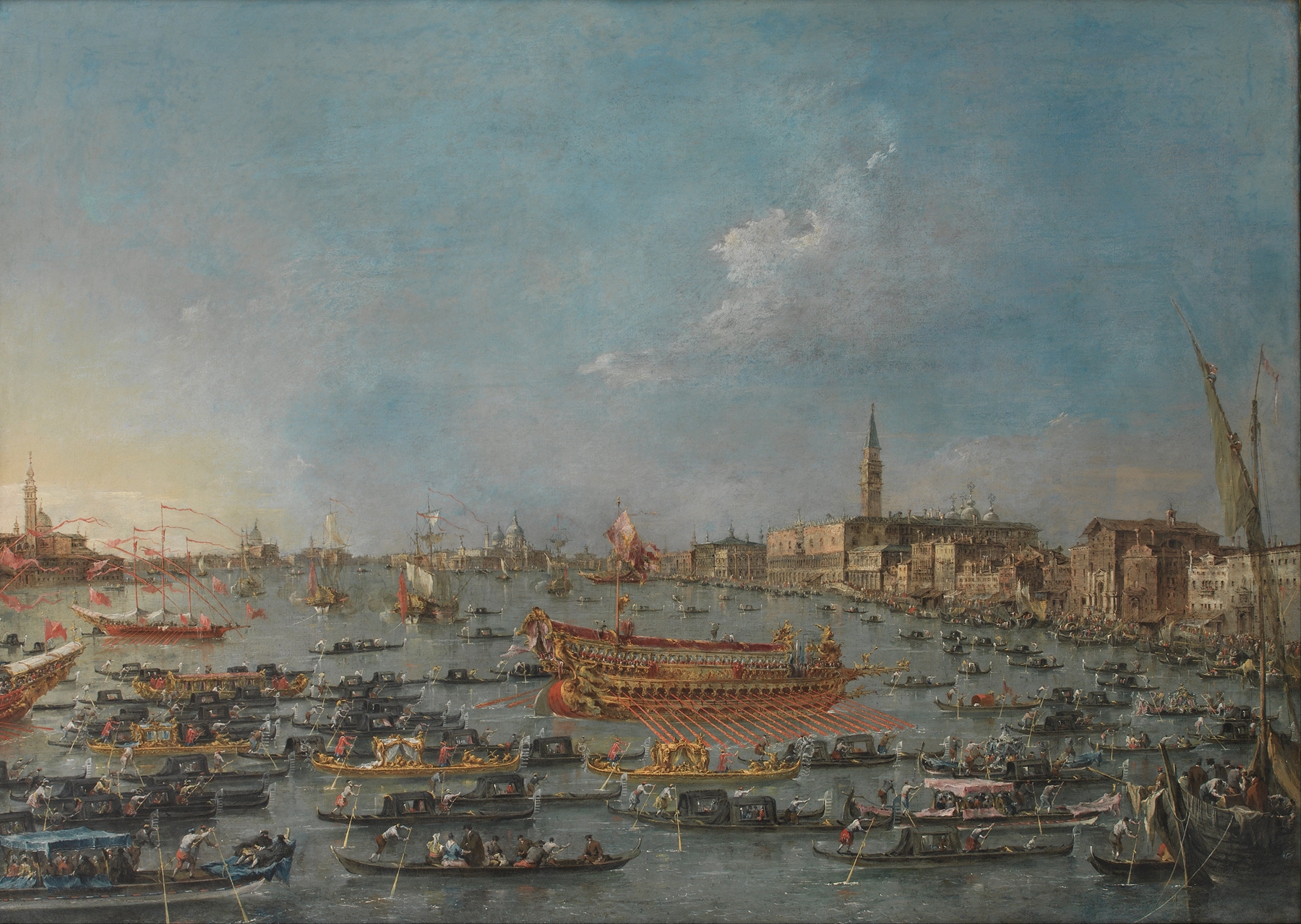
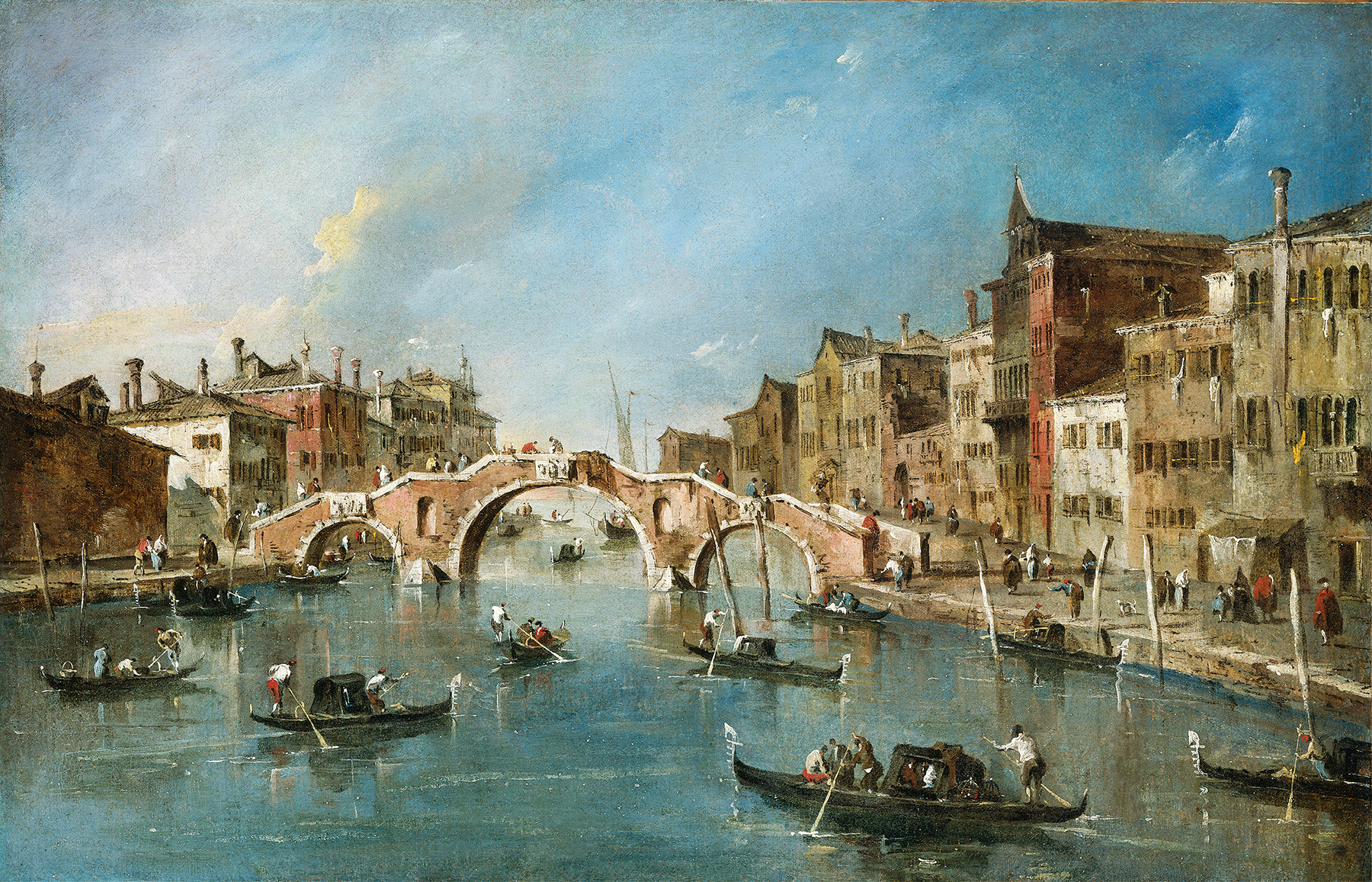
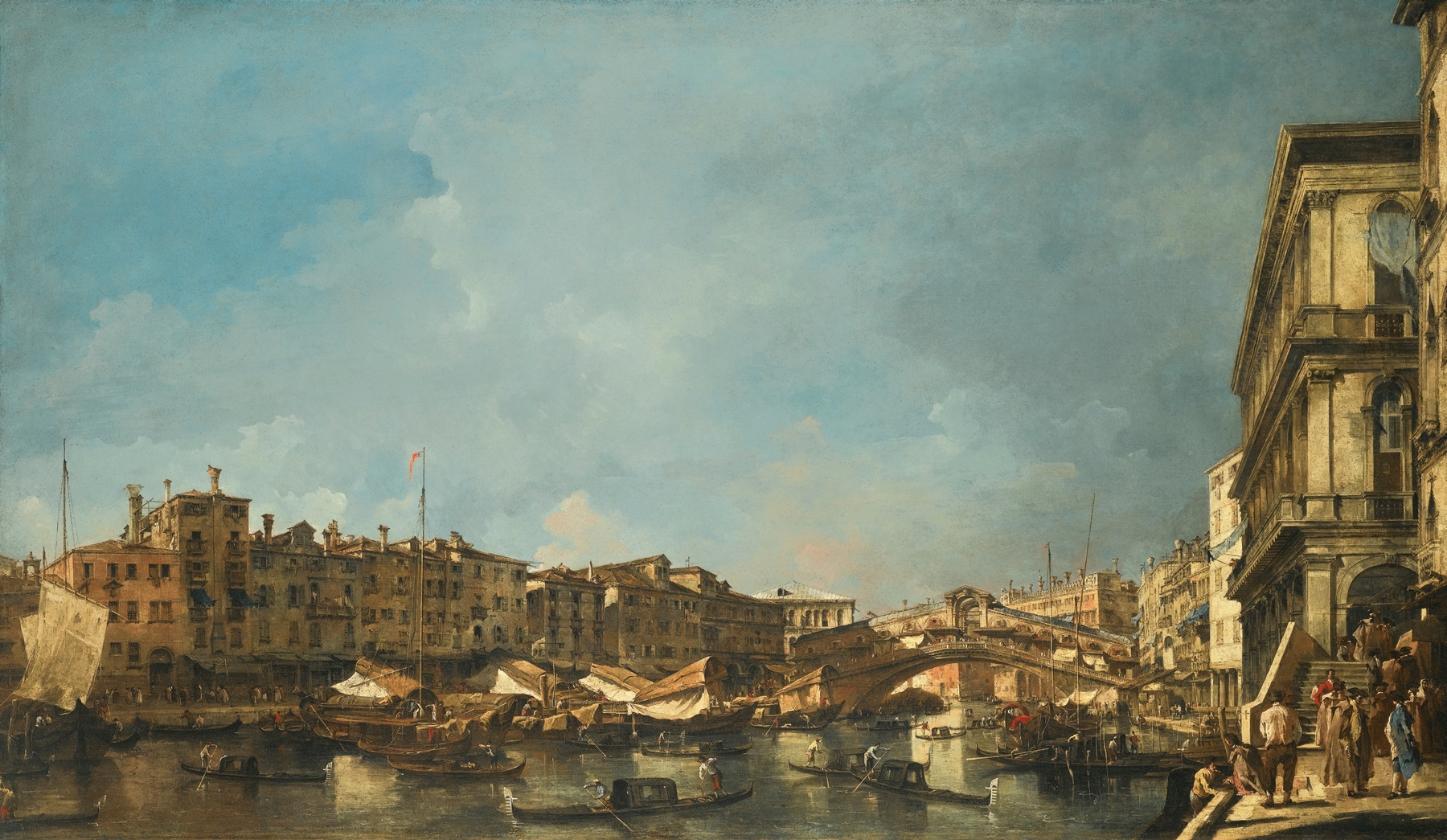
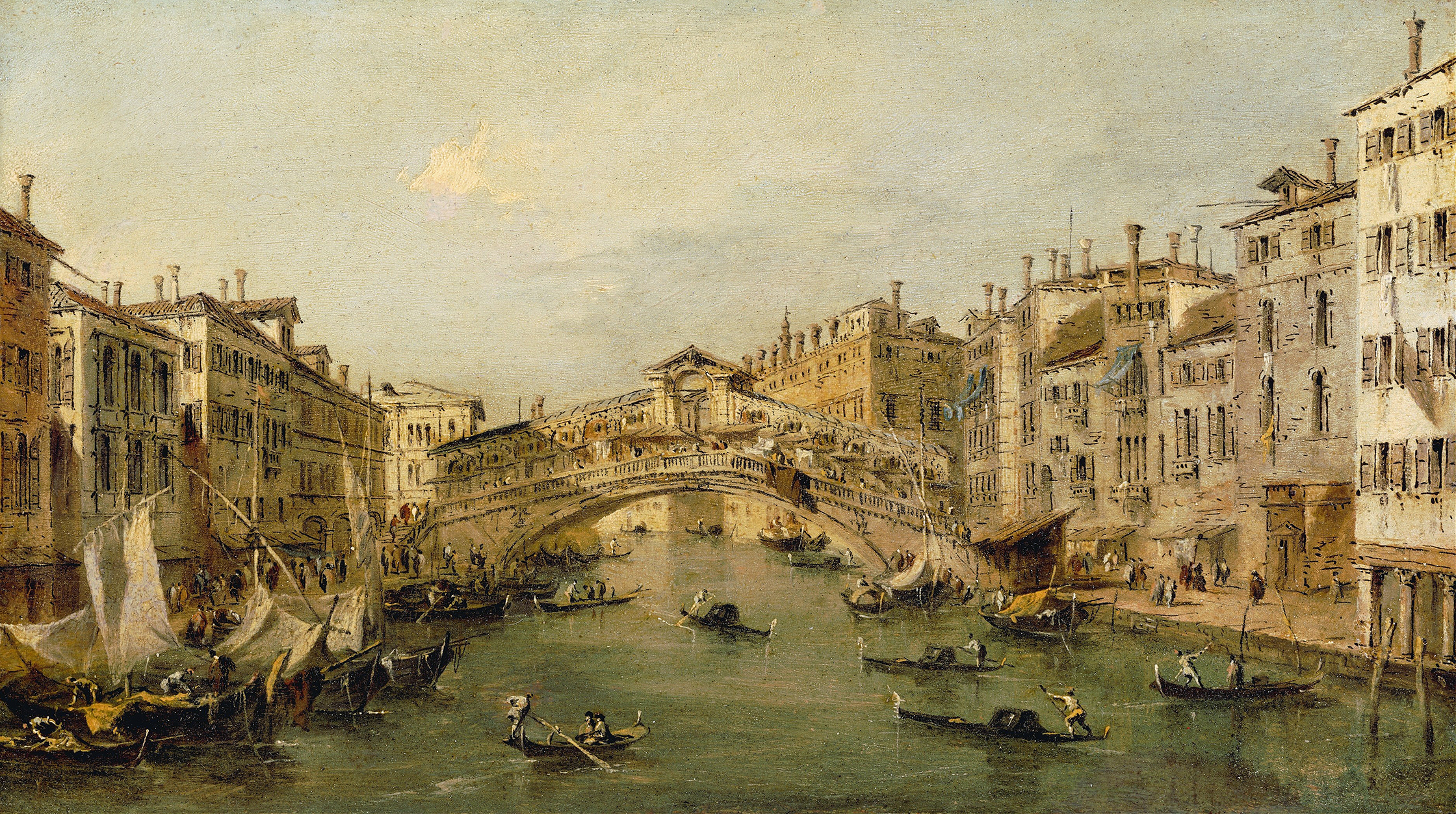
“Every silence here is a confession.” In the stillness of Venice, a view of the Piazzetta toward the Libreria, with the eastern tip of the Giudecca beyond, revelations linger, longing to be uncovered amidst the reflections on the water. Focus initially on the light that dances across the canvas, bathing the scene in a warm, golden glow. To the left, the elegant Libreria stands, its details rendered with intricate brushstrokes that evoke both grandeur and intimacy. Let your eyes wander to the soft ripples in the foreground, mirroring the sky's pastel hues.
Note how the play of shadow and light creates a sense of depth, subtly guiding the viewer’s gaze toward the distant Giudecca, seamlessly blending architecture with the serene waterway. Within this composition lies a delicate tension between the bustling life of Venice and the almost haunting stillness of its architecture. The figures dotting the scene appear cloaked in contemplation, some caught mid-gesture, embodying a quiet introspection. The juxtaposition of vivid colors against the soft tones of the background suggests a narrative unfolding; the viewer becomes a silent participant in the dialogue of this tranquil moment, grasping at the essence of a city rich in history yet perpetually alive.
During an unspecified period in the late 18th century, when Francesco Guardi painted this scene, Venice was experiencing a transition. The city, once a vibrant center of trade and culture, was grappling with political changes and economic decline. Guardi, amidst this backdrop, sought to capture the lingering beauty and atmospheric qualities of Venice, establishing a unique style that embraced both realism and romanticism in art.