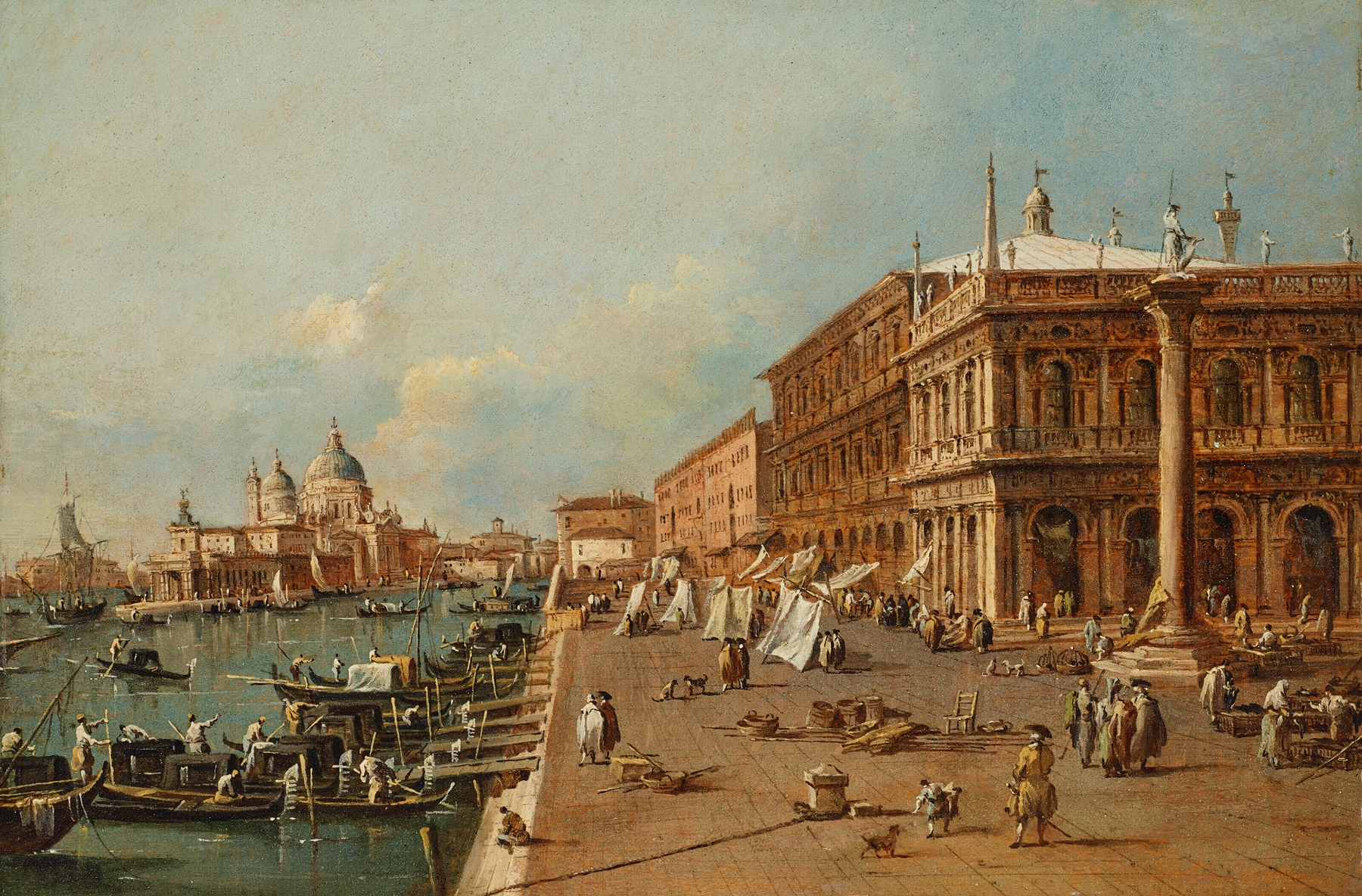
Venice; The Molo with the Libreria, the Punta della Dogana and Santa Maria della Salute — History & Analysis
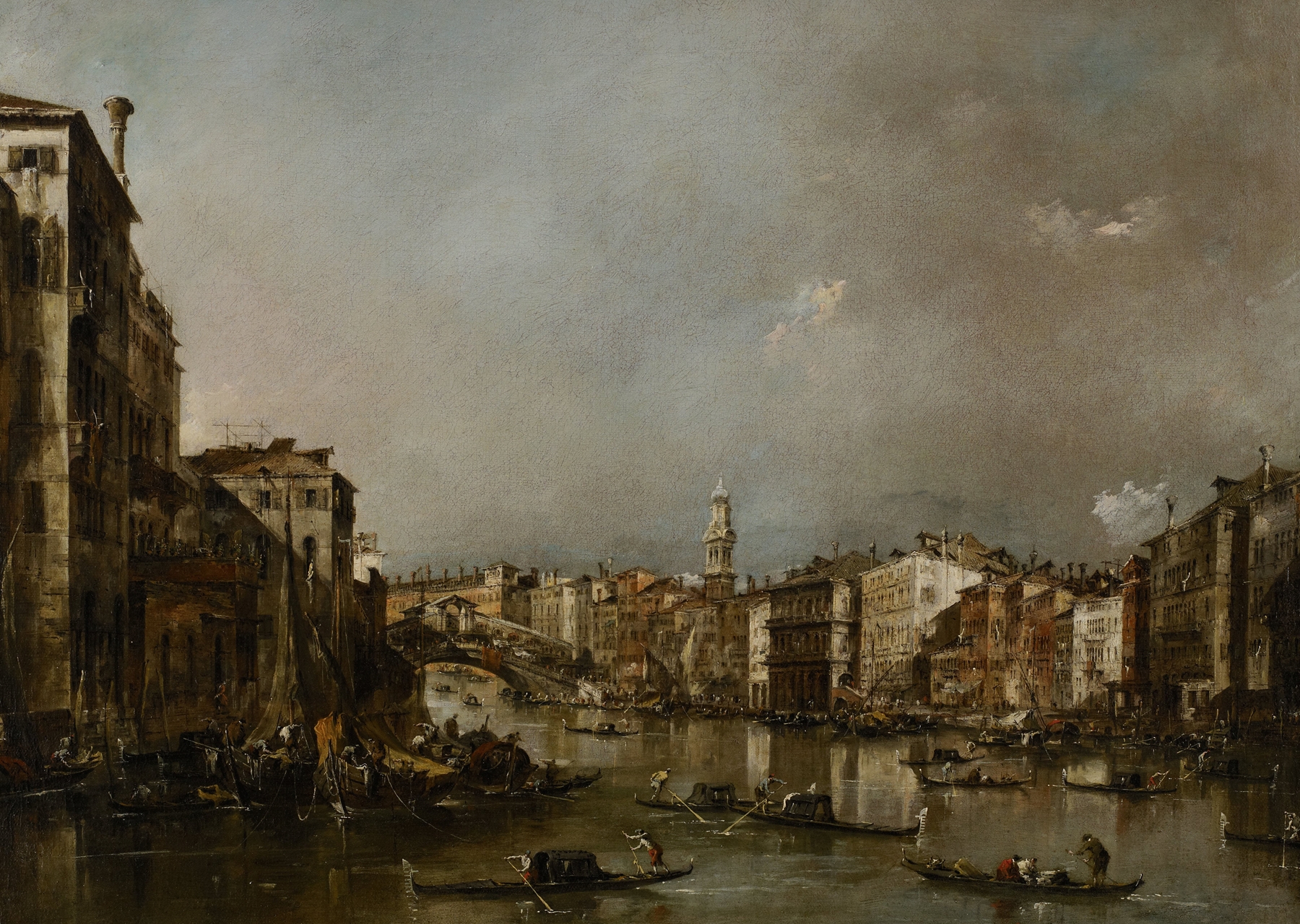
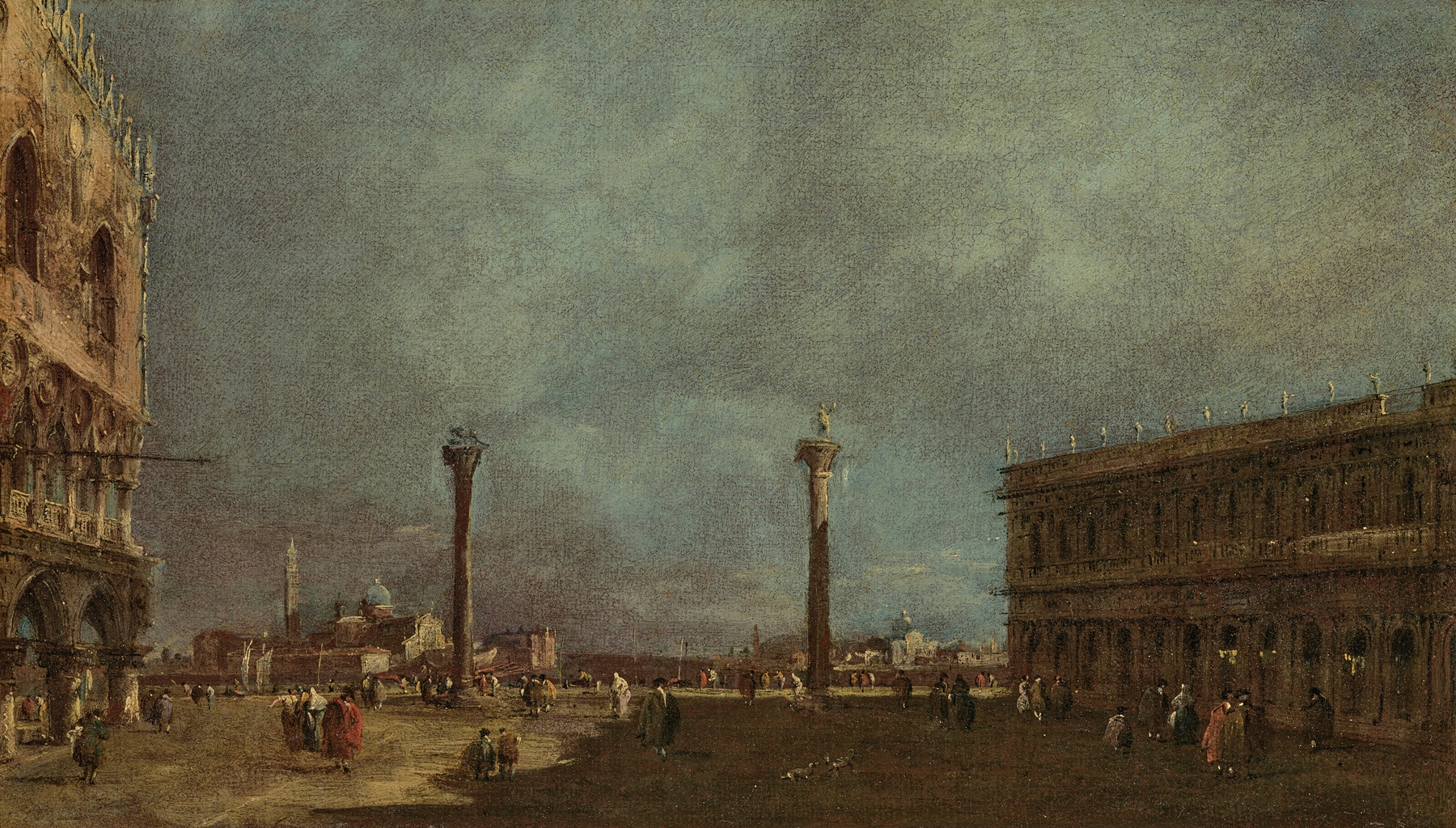
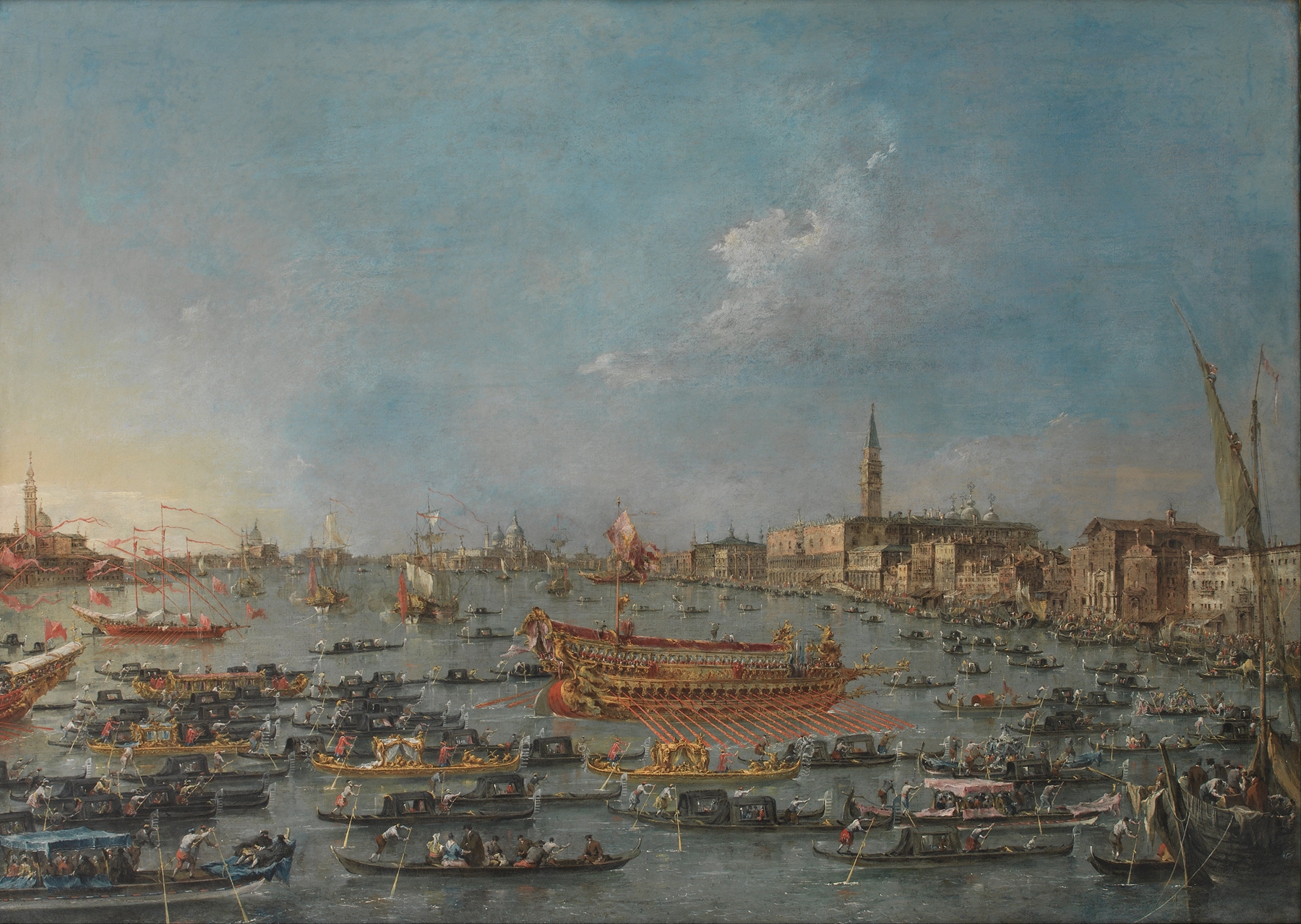
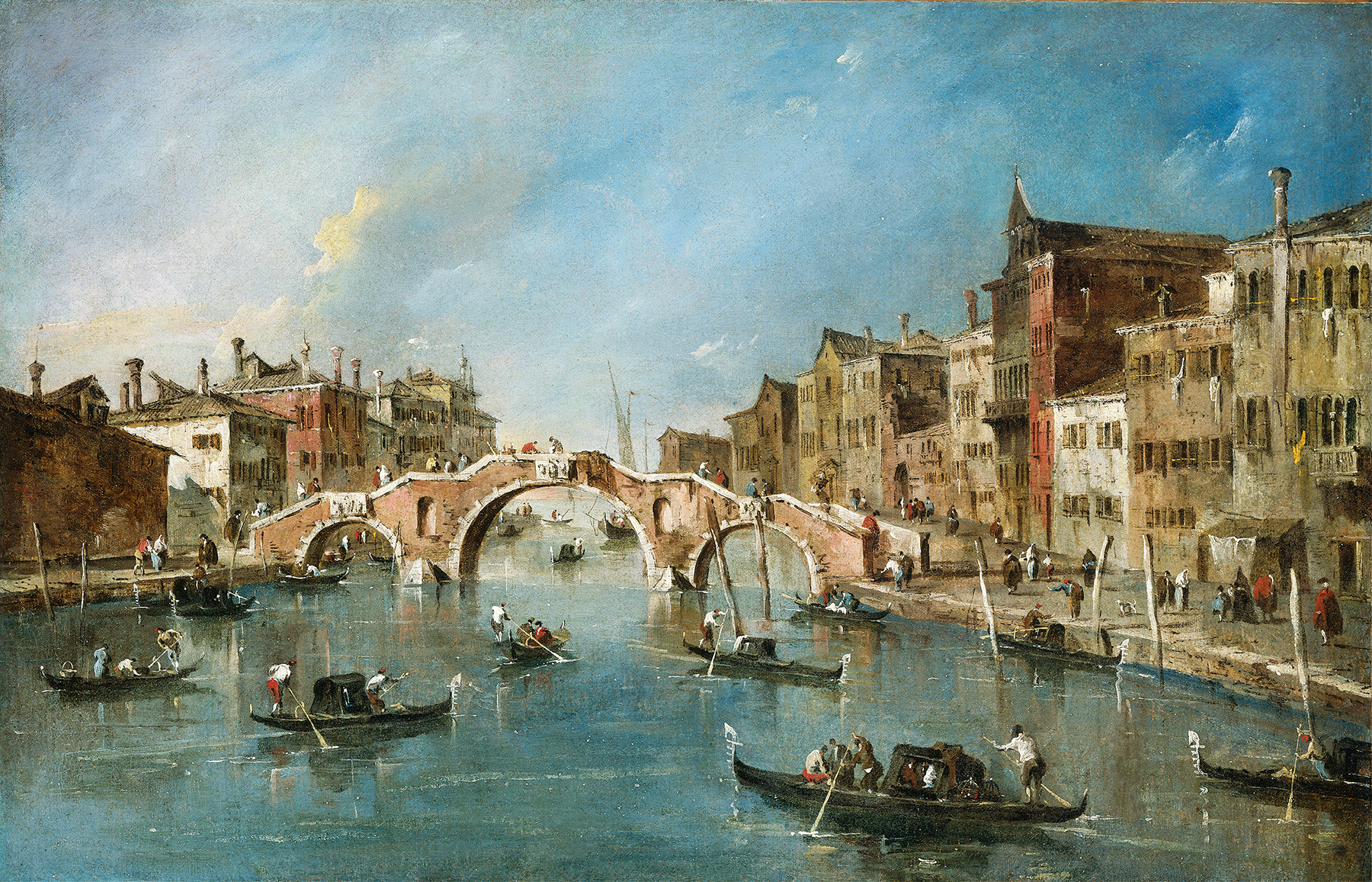
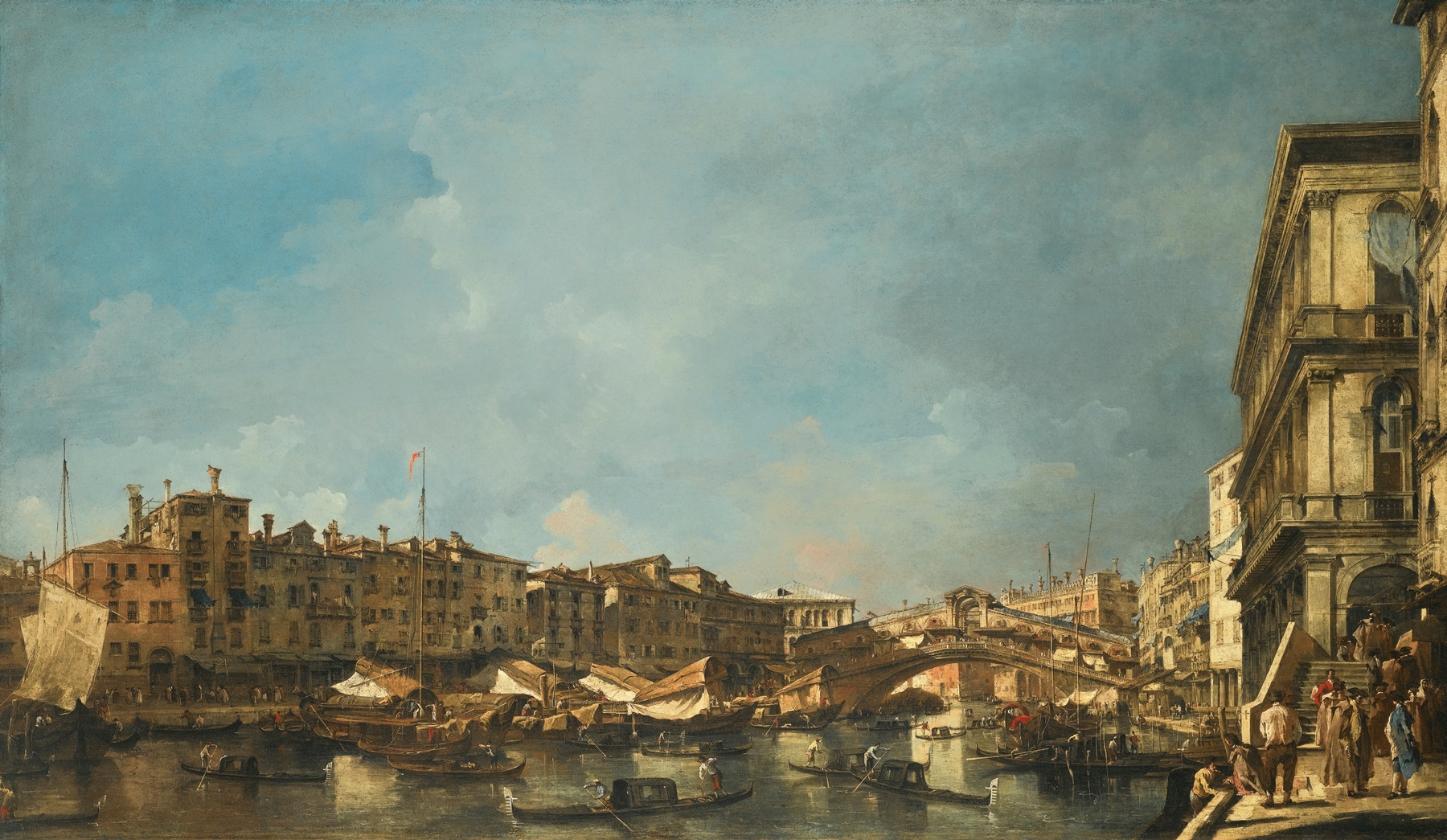
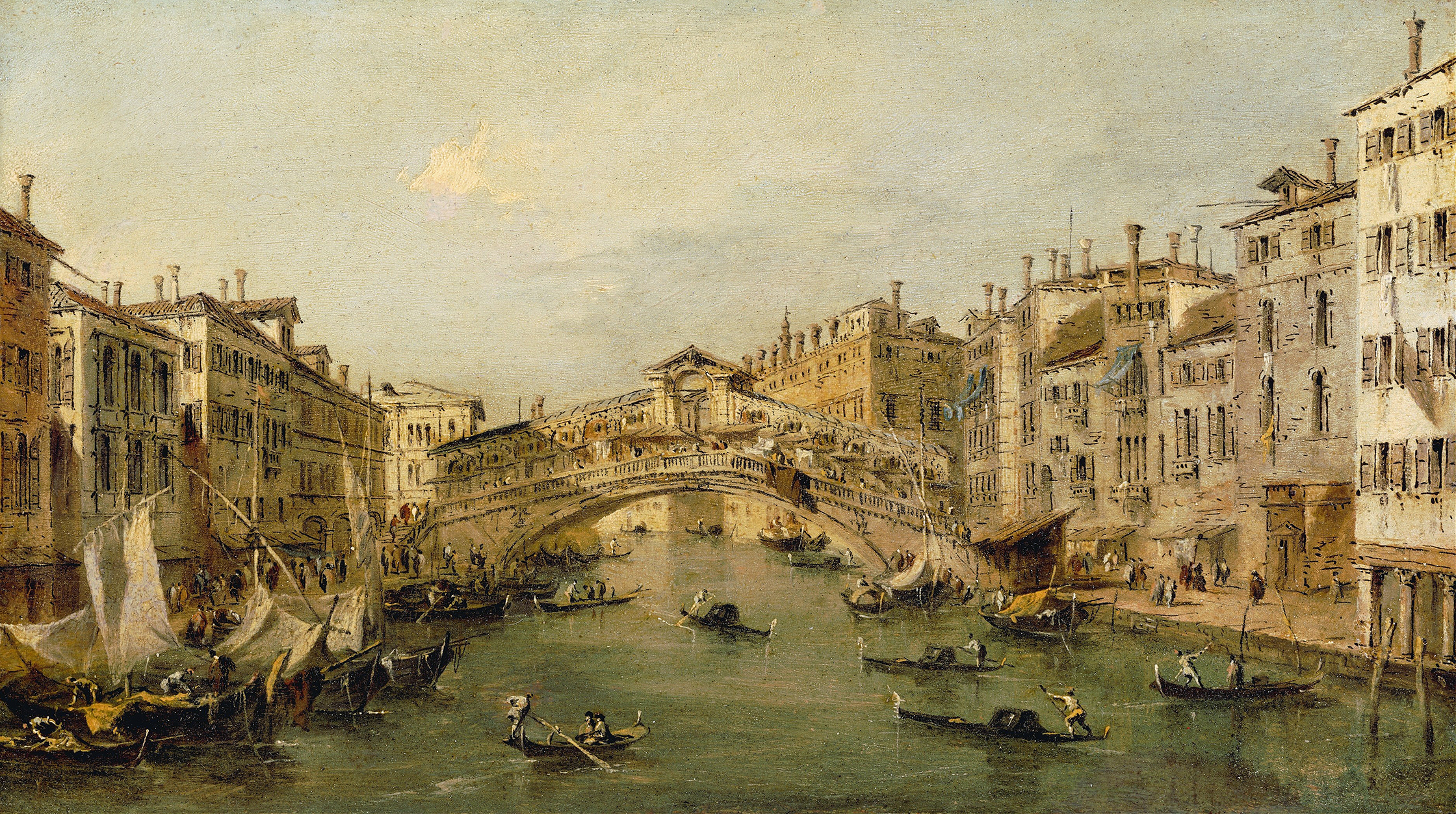
“Sometimes beauty is just pain, disguised in gold.” In the intricate play of light and shadow, we find a whispered truth about the ephemeral nature of existence. Beneath the grandeur of Venice, the complexities of life and memory intertwine, beckoning us to look deeper. Focus first on the luminous sky, where shades of warm ochre and cool azure dance together. Notice how the light seeps through the billowing clouds, casting gentle shadows on the water below.
The strokes are loose yet defined, capturing the fleeting essence of the moment, while the boats, swaying softly on the waves, draw the eye towards the distant figures moving along the Molo. Such details reveal the artist’s mastery of atmosphere, allowing the viewer not only to observe but to feel the tranquility that underlies the bustling scenery. The interplay of light and shadow reveals emotional undercurrents that evoke nostalgia and longing. The shadows cast by the architectural marvels of the Libreria, the Punta della Dogana, and the ethereal Santa Maria della Salute introduce a sense of depth, suggesting that the beauty of Venice is layered with stories untold.
Each shadow hints at the passage of time, reminding us that beneath the charm lies a history of both joy and sorrow, interwoven like the tides that lap against the city’s foundations. Created during a period when Guardi was deeply engaged in capturing the essence of Venetian life, this work reflects his shift towards a more impressionistic style in the late 18th century. Living in a time when the art world was evolving, and the grandeur of the Baroque was giving way to a more delicate sensibility, he sought to immortalize the ephemeral spirit of his beloved city amidst a changing artistic landscape.