Venus and Cupid — History & Analysis
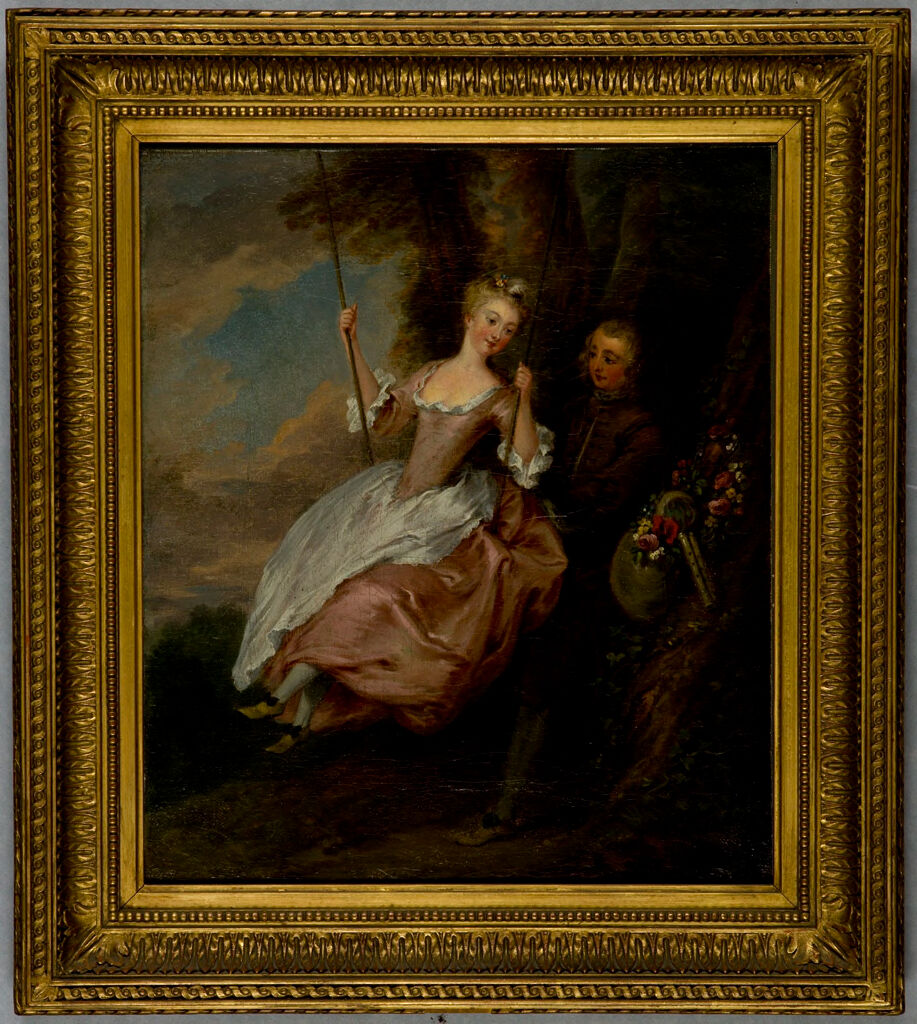
“To paint is to remember what time wants us to forget.” In this delicate exploration of ecstasy, the boundaries between love and longing blur, inviting viewers into a world suspended between desire and memory. Focus on the elegant figures entwined at the center, where Venus, draped in soft, ethereal fabric, exudes a serene yet passionate aura. Notice how the light caresses her skin, illuminating the gentle contours of her face and the subtle smile that hints at her inner thoughts. Cupid, with his playful demeanor and mischievous grasp on a bow, mirrors the softness of the goddess, creating a tender contrast with his youthful exuberance.
The palette, awash with warm golds and muted pastels, cultivates an atmosphere of harmony, beckoning the viewer to linger in this moment of bliss. Hidden within this seemingly idyllic scene lies a tension between innocence and longing. The juxtaposition of Venus’s calm figure and Cupid’s playful mischief suggests the complexities of love—how joy can coexist with a hint of melancholy. The ornate background, with its lush foliage, embodies both beauty and entrapment, reflecting the dual nature of desire.
Each brushstroke serves as a reminder that ecstasy is often fleeting, a whisper of an emotion that can both uplift and haunt us. Created in the 16th century, this piece remains anonymous, yet it reflects the ideals of the Renaissance, a time when the exploration of human emotions and classical themes flourished in art. As the world transitioned into a period of discovery, the artist captured a quintessential moment where beauty and love intertwine, embodying the era's dual fascination with both earthly pleasures and divine ideals.