View from the Lime-kilns in Copenhagen — History & Analysis
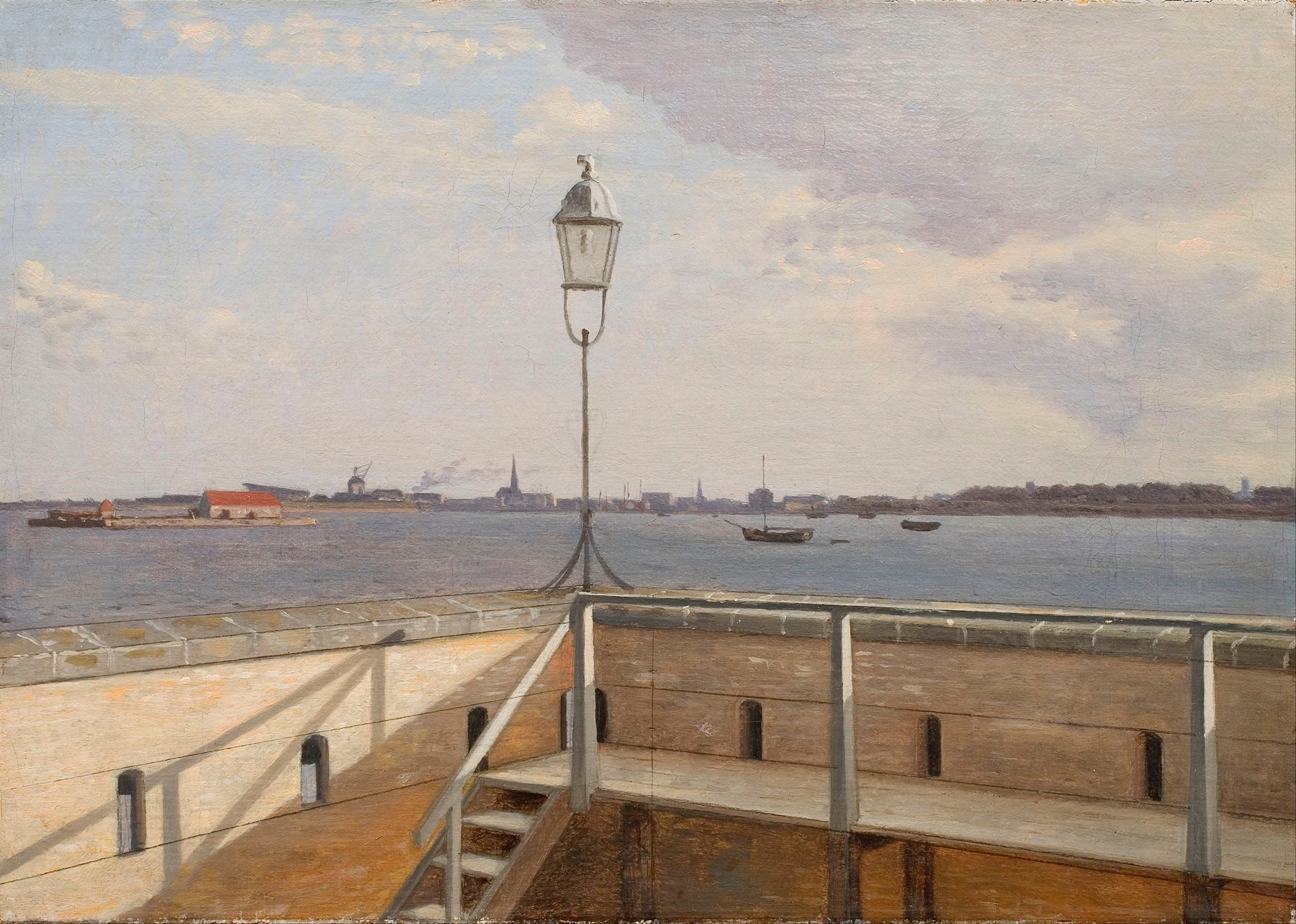
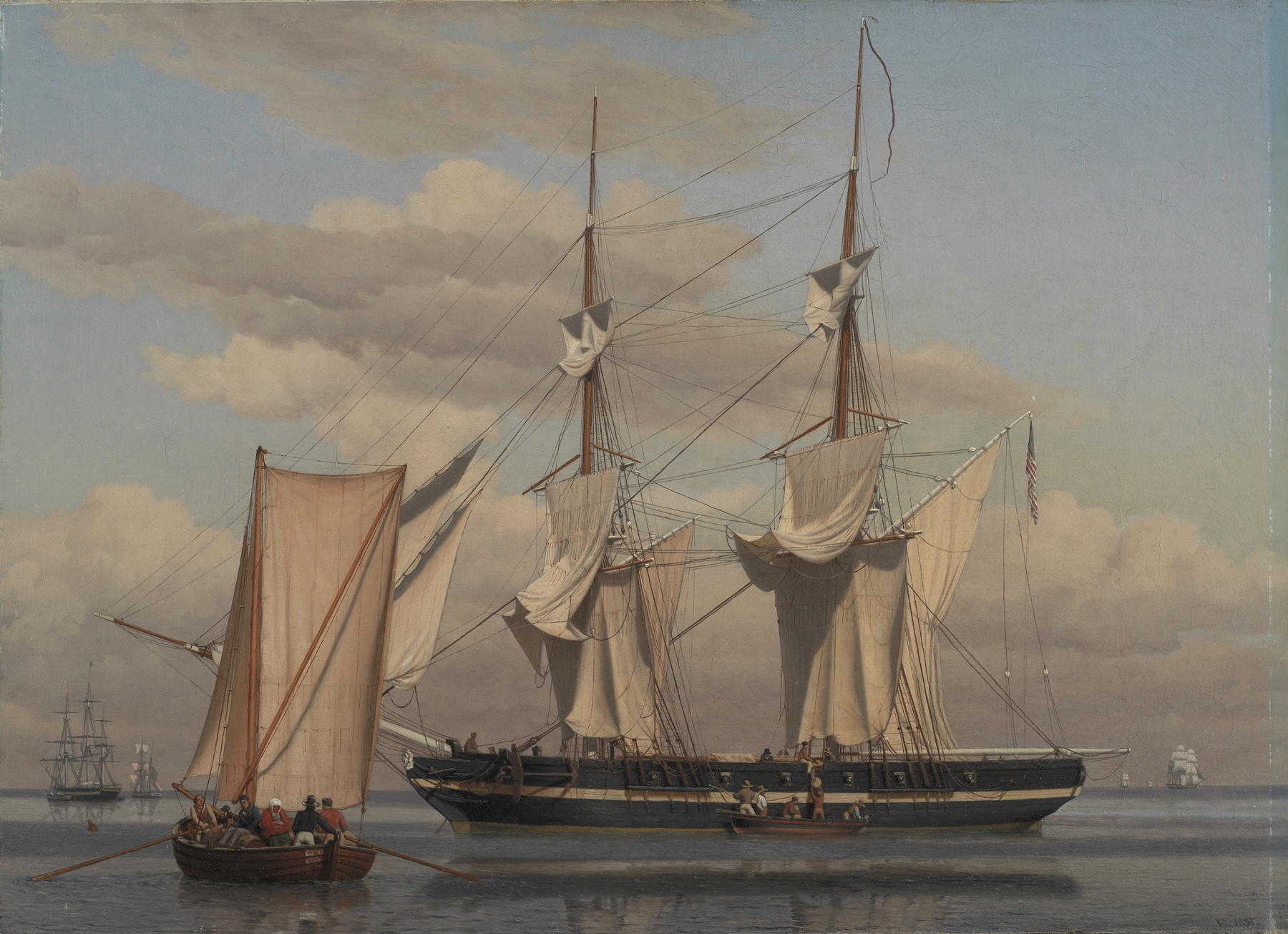
“Every silence here is a confession.” In the stillness of View from the Lime-kilns in Copenhagen, a sense of transcendence envelops both the observer and the landscape, inviting reflection on the nature of labor and the fleeting moments of beauty amid toil. Look to the foreground, where the lime kilns rise like sentinels against the soft blue sky. The warm hues of ochre and ivory contrast with the cool tones of the distant water, creating a visual harmony that beckons the viewer's gaze. Notice how the smoke delicately wafts upward, catching the light and almost whispering of the human effort that shaped this scene.
The meticulous brushwork reveals the artist's dedication to capturing not just the physicality of the landscape, but also the essence of an industrious yet tranquil existence. Beneath the surface, hidden meanings unfold. The lime kilns symbolize the unyielding spirit of labor, yet they stand serene, suggesting a juxtaposition between the harshness of work and the beauty of nature. The gentle ripples in the water and the faint silhouettes of boats remind us of the inevitability of change, while the expansive sky hints at a broader universe beyond the immediate scene.
Each element serves as a meditation on the passage of time and the moments of grace we find within our daily grind. Eckersberg painted this work in 1825, during a period when Denmark was undergoing significant social and artistic transformations. Living in Copenhagen, he was at the forefront of the Danish Golden Age, a time marked by a growing national pride in the arts and sciences. His focus on the interplay between man and nature in this piece reflects both his personal journey and the shifting currents of a society embracing modernity while honoring its roots.