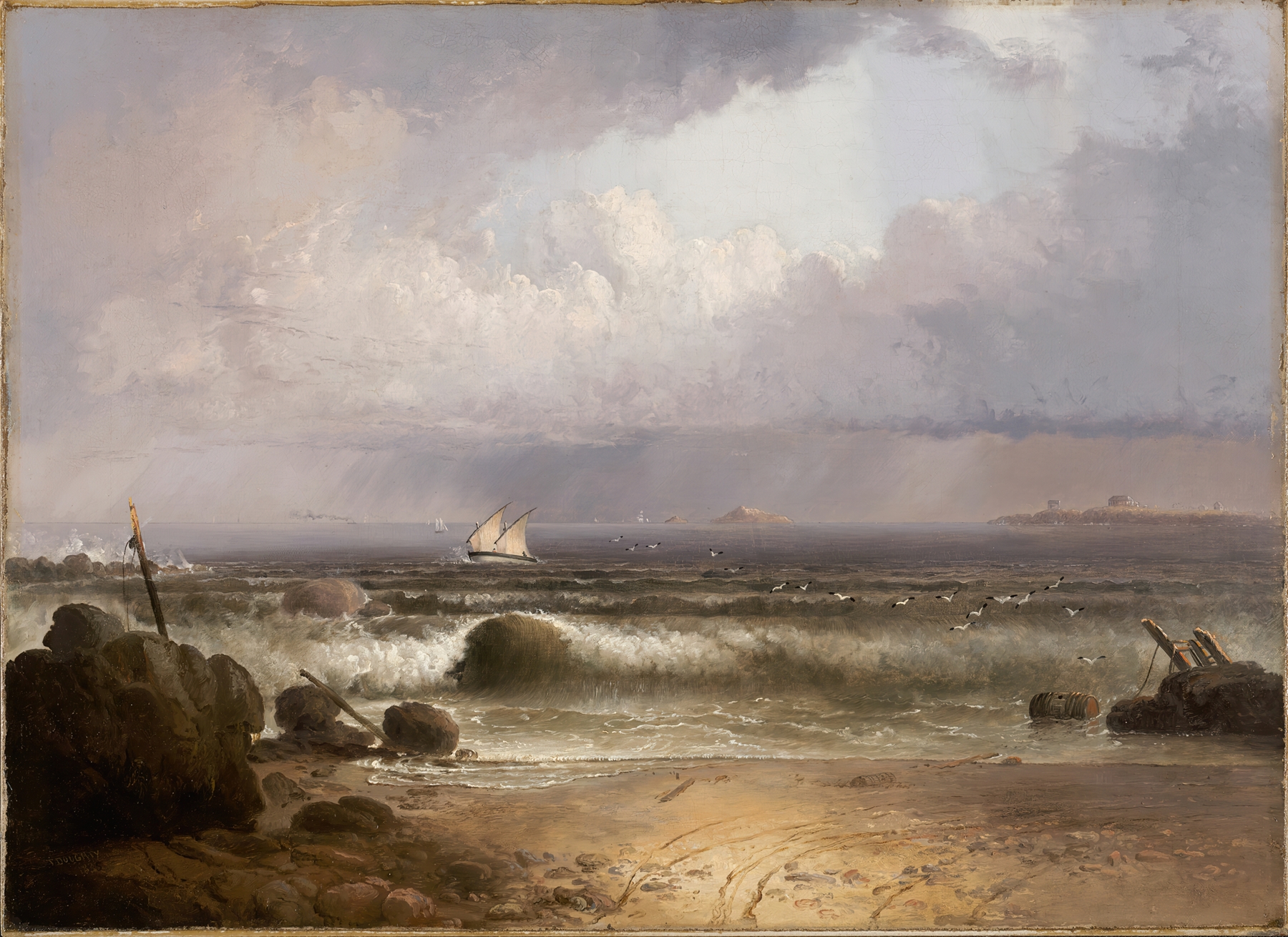
View of a Lake — History & Analysis
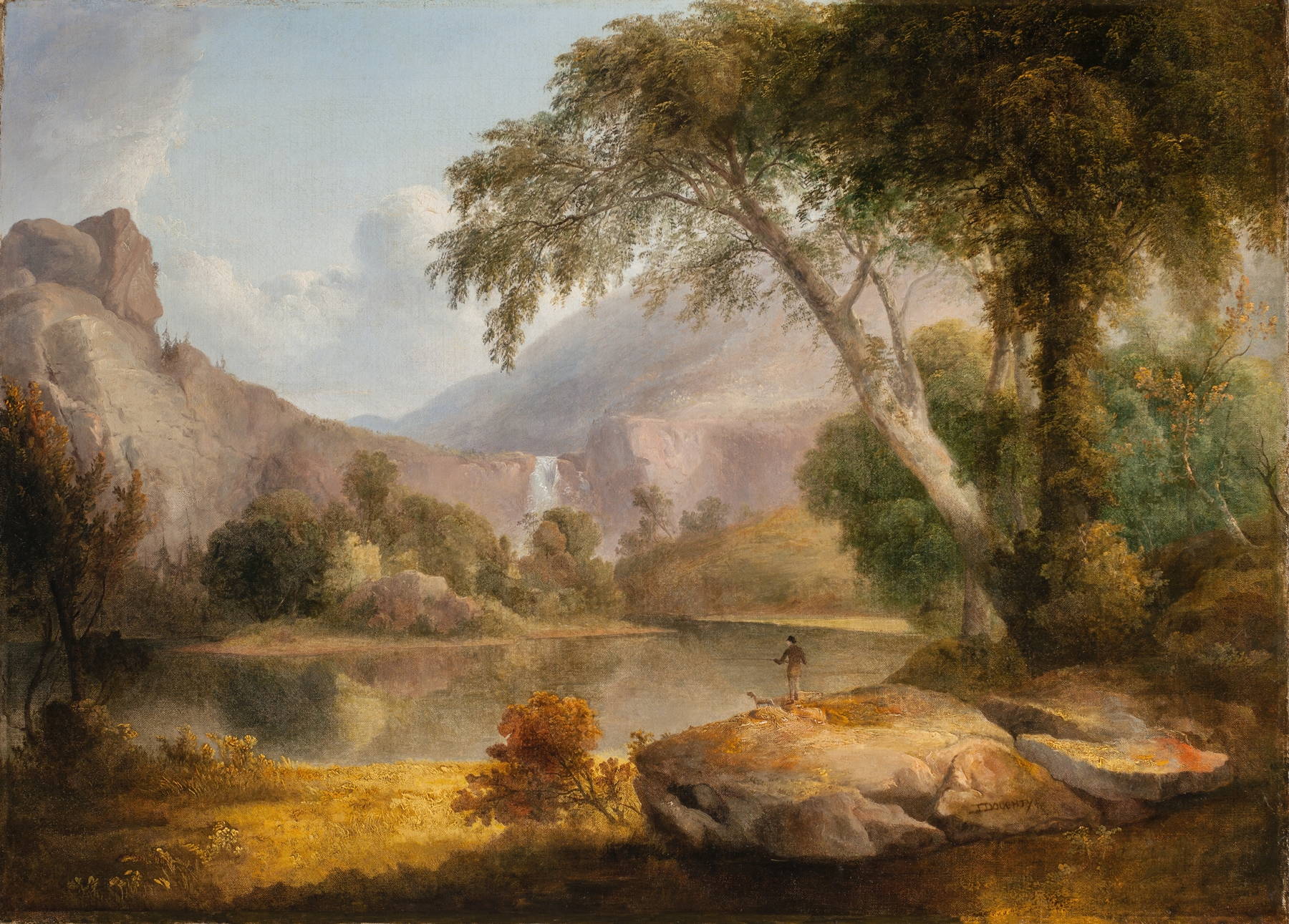
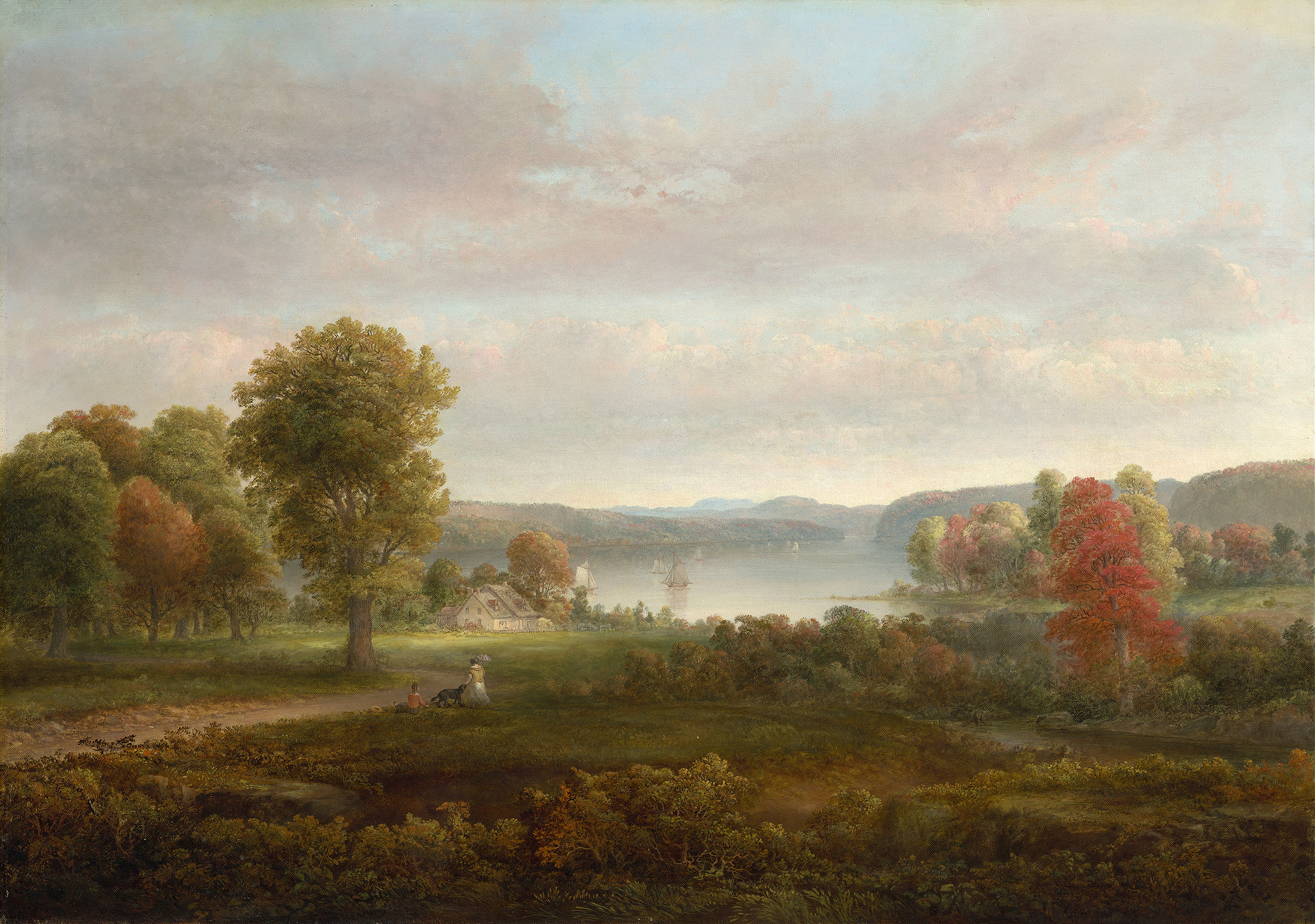
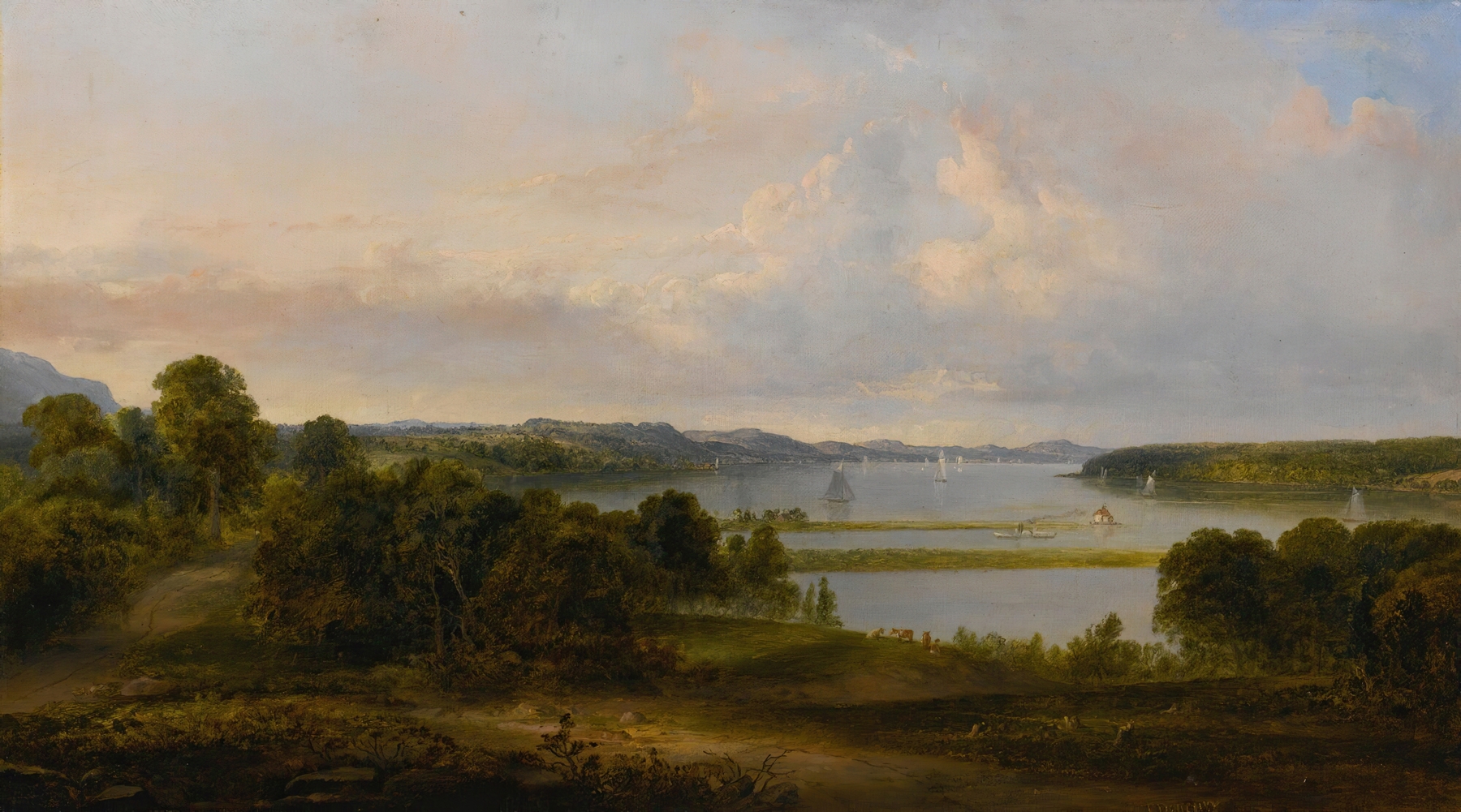
Can paint confess what words never could? In the gentle embrace of tranquility, a landscape reveals the pure ecstasy of nature, inviting viewers into a world where serenity resides. Look to the foreground, where a serene lake mirrors the soft hues of a fading sky, its surface shimmering with hints of lavender and gold. The delicate brushwork captures the ripples on the water, while clusters of trees frame the scene, their leaves painted in rich greens and autumnal oranges, suggesting the passage of seasons.
The distant hills rise softly against the horizon, gently guiding the eye deeper into this idyllic moment. In this composition, Doughty contrasts the stillness of the lake with the dynamic play of light, suggesting the fleeting nature of beauty. The interplay between shadow and illumination evokes a lingering sense of calm while hinting at the underlying impulse of change—the passage of time. Each stroke invokes emotions that ebb and flow, much like the water itself, drawing viewers into a meditative state where personal reflections arise from the depths of the painting.
In the 1830s, as he created this work, Doughty was firmly situated in the burgeoning American landscape movement, where artists sought to celebrate the beauty of the natural world. Influenced by the Romantic ideals of the time, he found inspiration in the Hudson River Valley, a region emblematic of America's untamed wilderness. This period marked a significant shift in how artists approached nature, as burgeoning nationalism coalesced with personal expression, ultimately shaping the landscape genre in American art.