View of Delphi with a Procession — History & Analysis
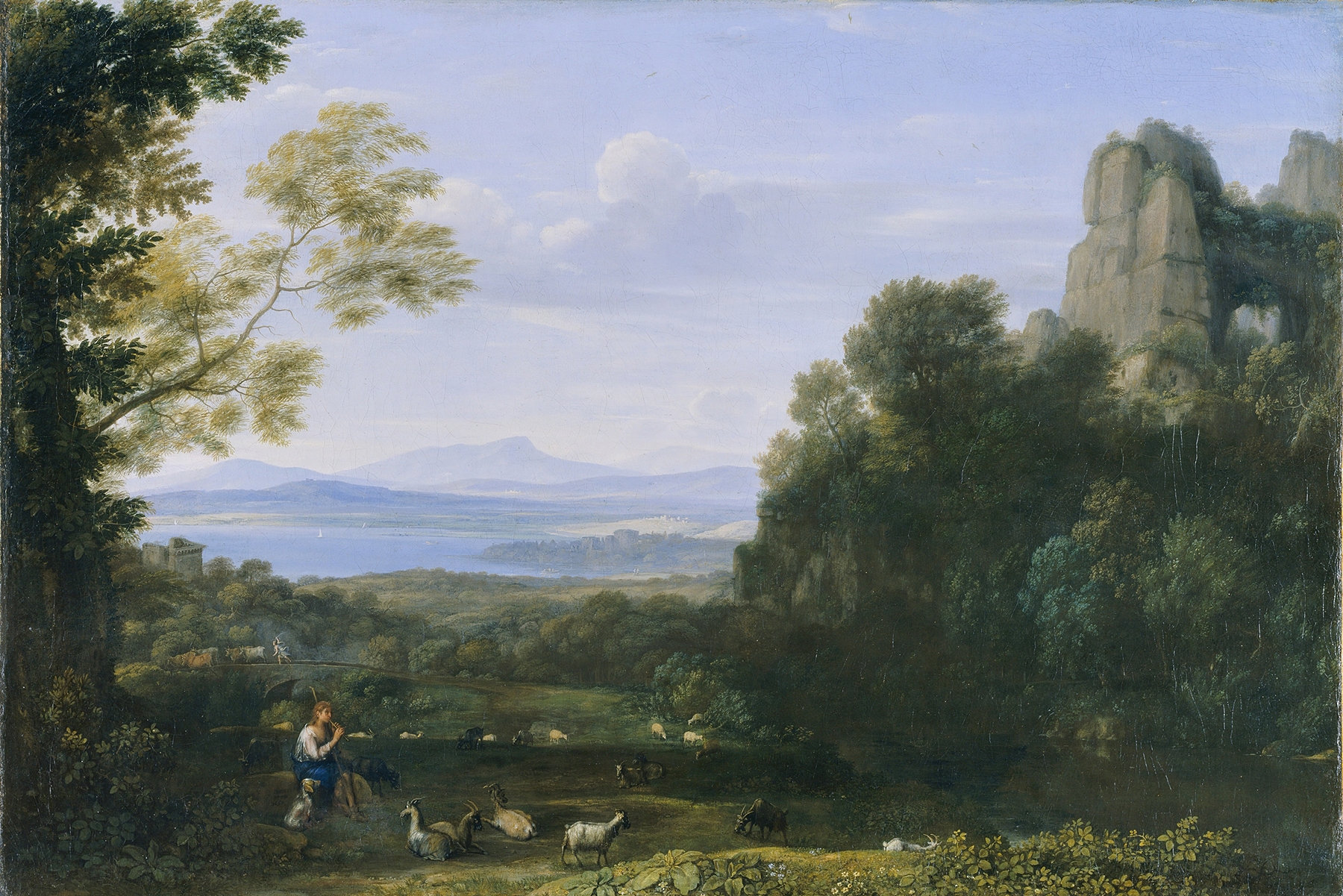
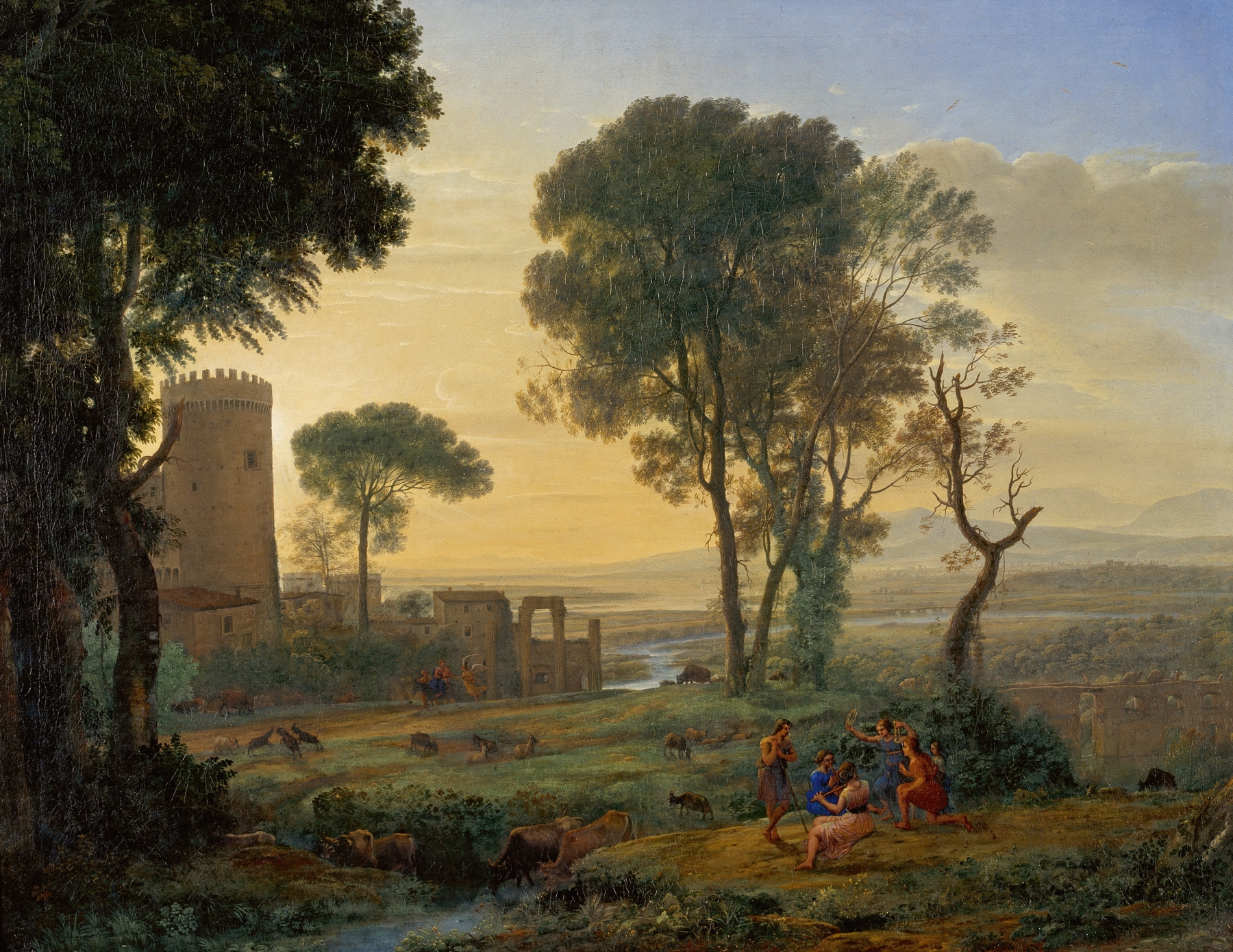
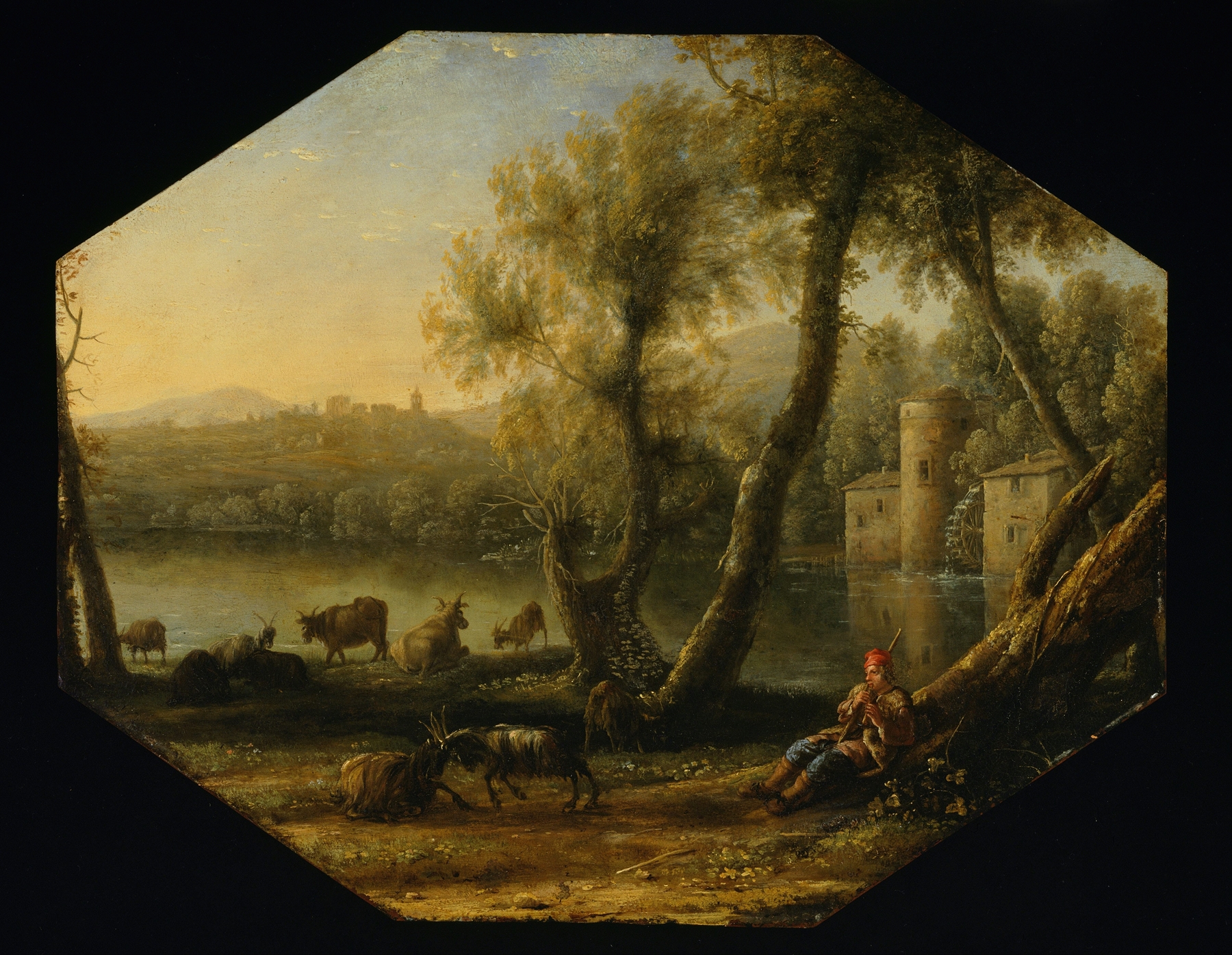
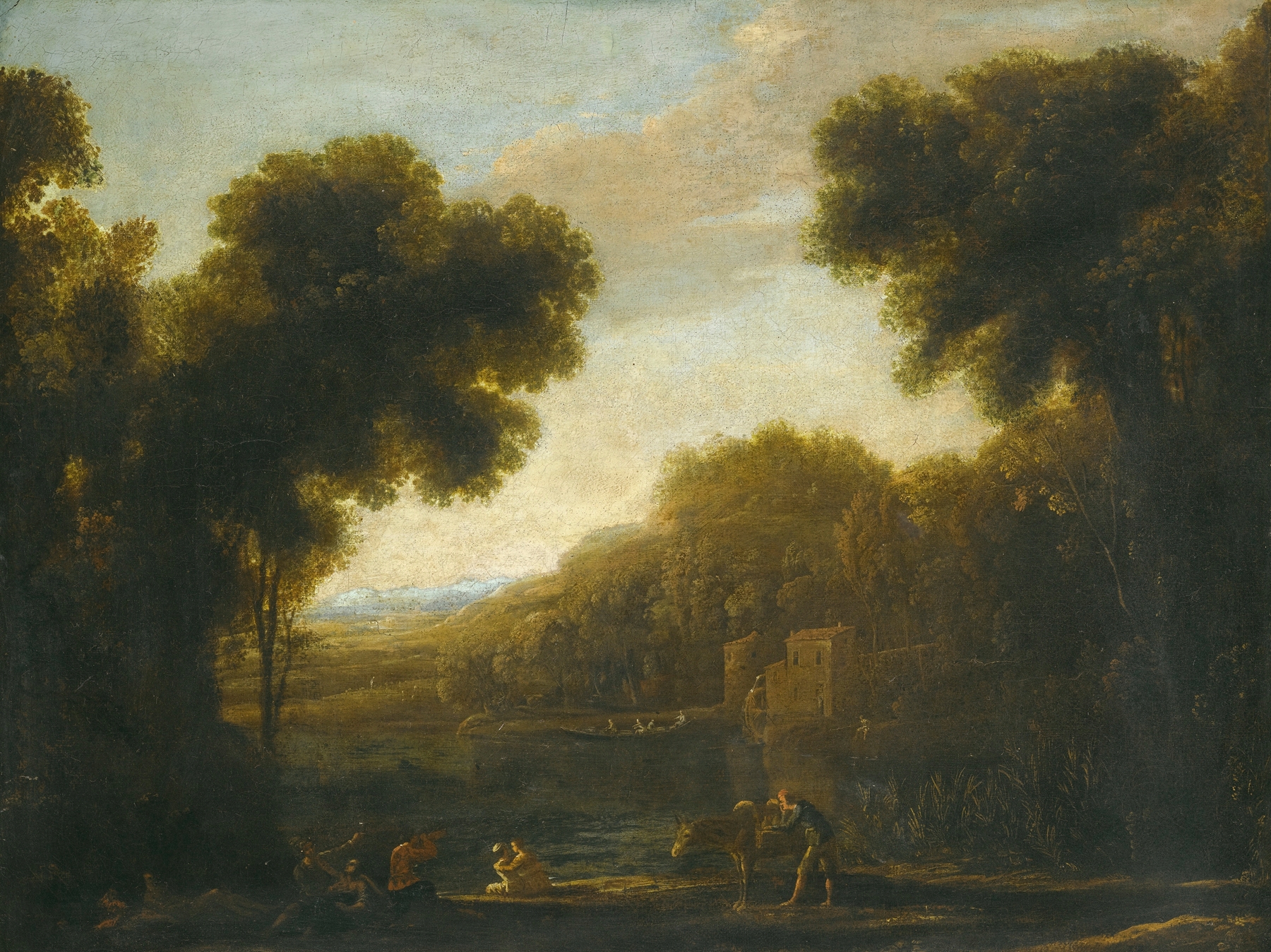
A golden dawn breaks over the ancient landscape, casting a warm glow on the towering cliffs of Delphi. A procession winds its way through the verdant valley, figures clad in flowing robes moving in harmony, their gestures animated yet solemn. The air is imbued with a palpable sense of anticipation and reverence, underscored by the distant echo of flutes, suggestive of both celebration and an unspoken farewell. Look to the left, where the procession emerges, its vibrant colors contrasting against the stark, rocky terrain.
The figures, painted with exquisite detail, draw the eye toward the temple that looms on the horizon, its architectural grandeur a testament to human aspiration amidst nature's majesty. Notice how the soft, diffused light bathes the scene, illuminating the faces of participants with a tender touch, while shadows deepen the crevices of the landscape, hinting at the mysteries that lie beyond the visible. As you delve deeper, the juxtaposition of hope and loss becomes apparent. The festival signifies a moment of unity and celebration, yet a lingering melancholy echoes in the shadows of the cliffs, perhaps a reminder of the transient nature of glory.
The procession itself embodies humanity's endless search for meaning, as if acknowledging that even the most joyful moments are intertwined with an awareness of inevitable farewell. In 1673, Claude Lorrain was painting in Rome, amidst a flourishing period of classical landscape painting. Influenced by the ideals of the Grand Tour, artists of this era sought to evoke the sublime beauty of nature, entwined with cultural heritage. Lorrain’s work reflects his mastery in merging reality with an idealized vision, capturing not only the physical landscape but the emotional undercurrents that connect humanity to its past.