View of the Church of San Lorenzo fuori le Mura — History & Analysis
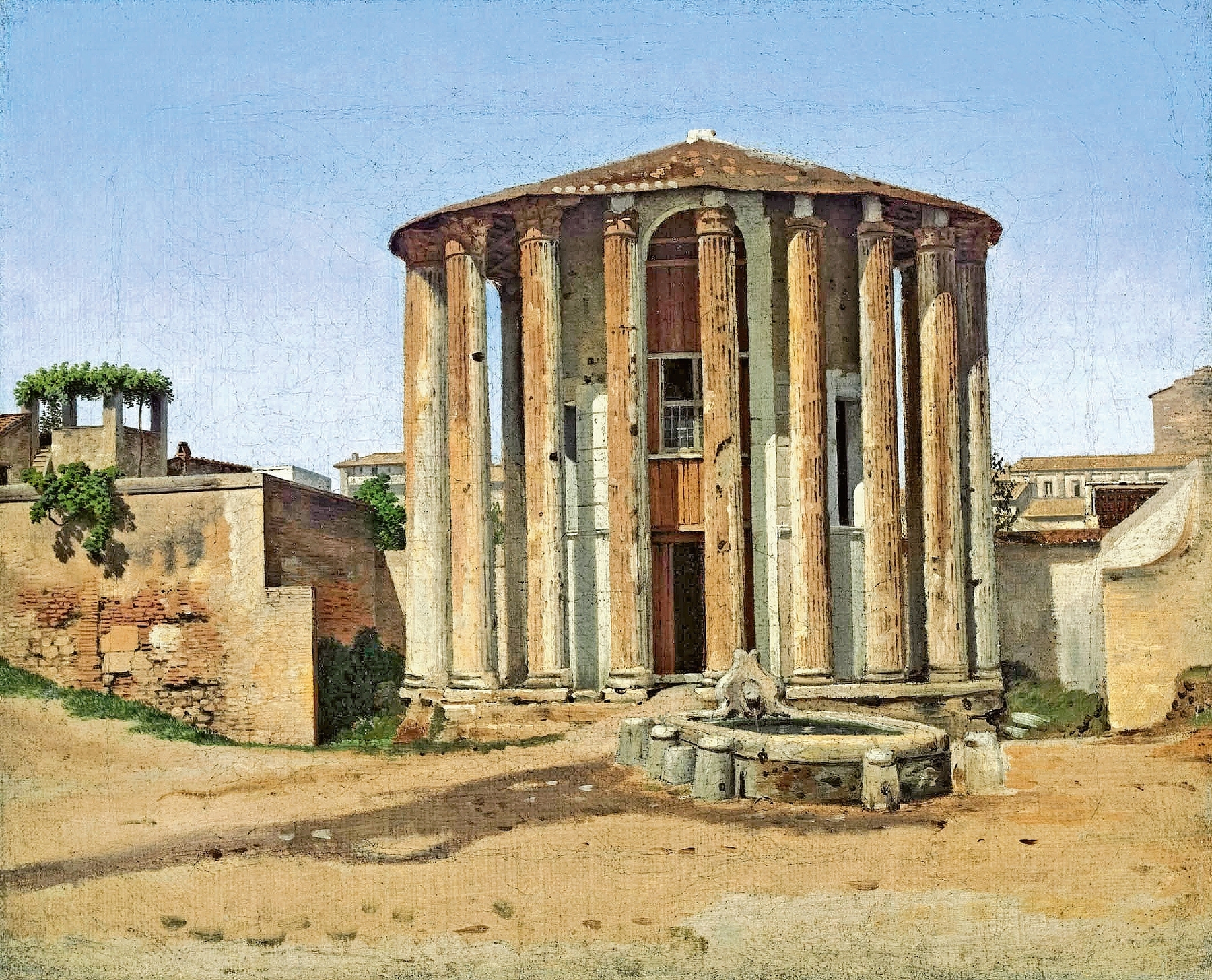
“Every silence here is a confession.” In a world adorned with beauty, there are moments when the harmony of life is punctured by the undercurrents of violence, unspoken yet ever-present. Look to the foreground of View of the Church of San Lorenzo fuori le Mura, where the soft, muted earth tones of the surrounding landscape invite you in. The church stands proudly, but notice how the light catches the weathered bricks, casting long shadows that evoke a sense of foreboding. The delicate, fluttering leaves in the trees create a stark contrast to the stillness of the structure, suggesting that even nature holds its breath in contemplation of the past.
In this painting, the church symbolizes refuge amidst a landscape marked by historical and personal turmoil. The contrast between the serene architecture and the chaotic brushstrokes of the sky creates a tension that hints at stories of conflict and resilience. Pockets of darkness linger, echoing the violence that has shaped both the land and its people, suggesting that peace is often hard-won, and silence can be as charged as any explosion.
Christoffer Wilhelm Eckersberg painted this piece in 1815, during a time when Europe was grappling with the aftermath of the Napoleonic Wars. Living in Copenhagen as a key figure in the Danish Golden Age, Eckersberg was influenced by both the tension of his surroundings and the burgeoning Romantic ideals. His work often reflected a keen awareness of the interplay between nature and human emotion, making this depiction of a church not just a tribute to architecture, but a silent witness to the complexities of the human experience.