View of the St. Anne’s River — History & Analysis
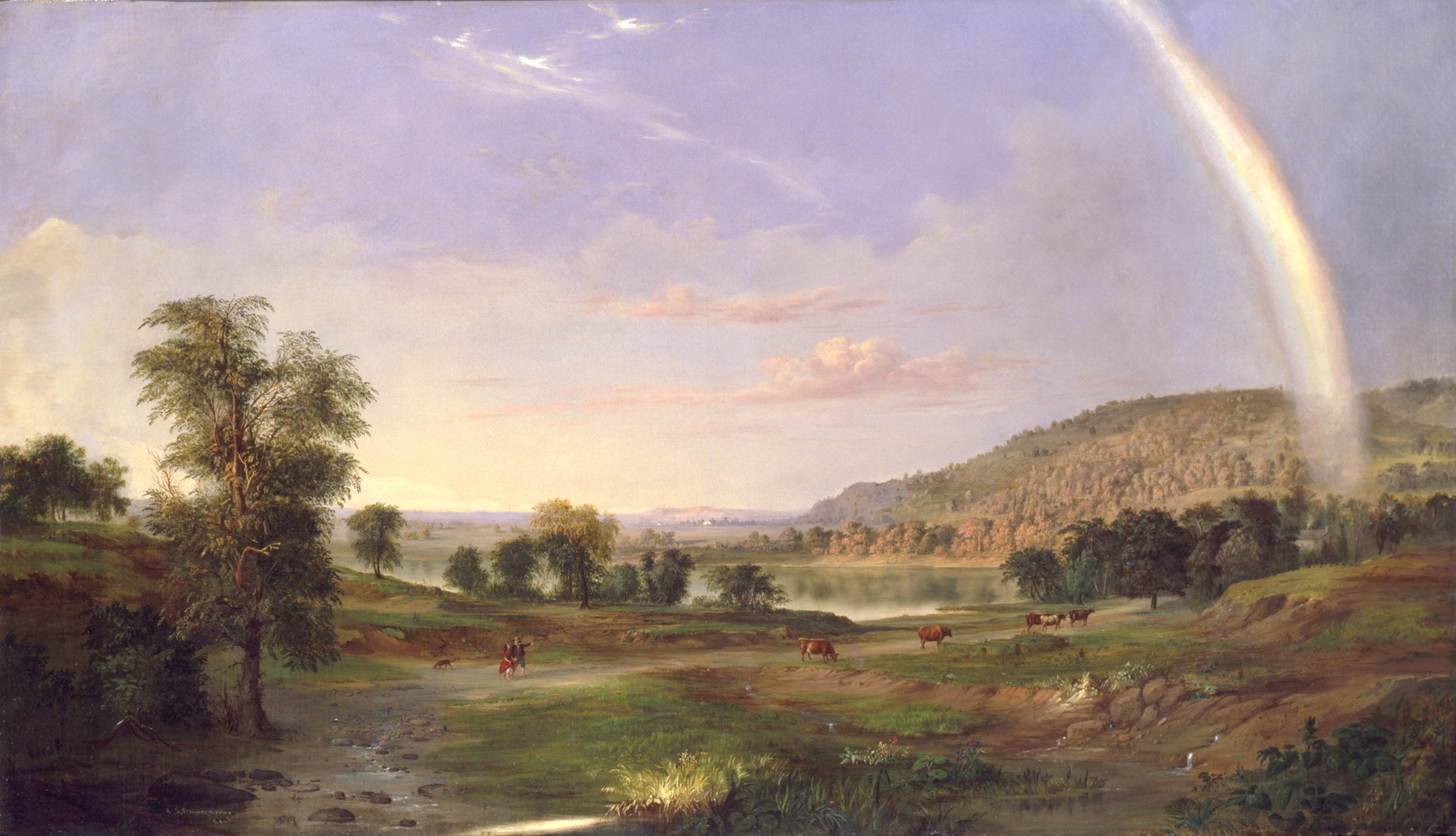
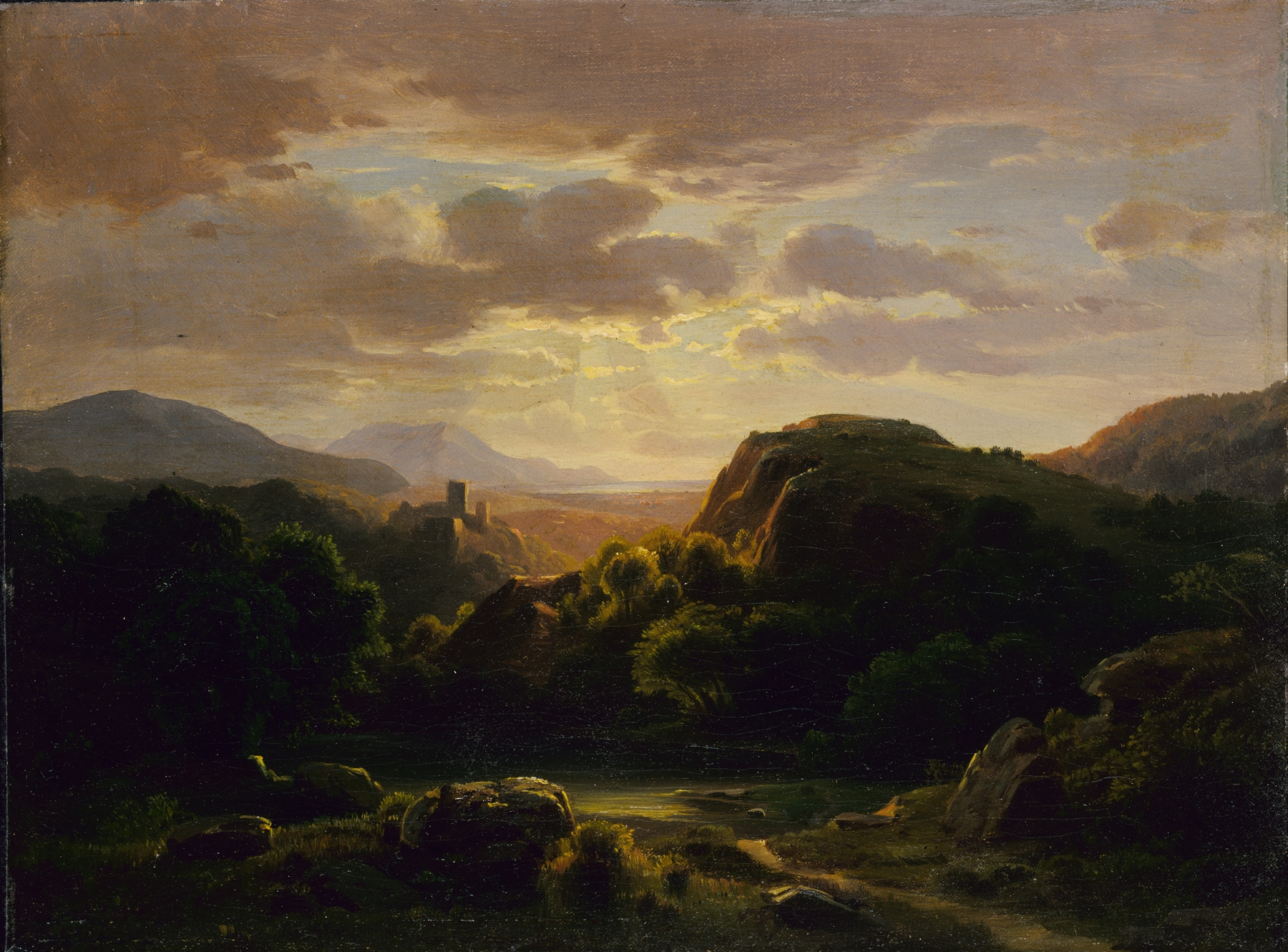
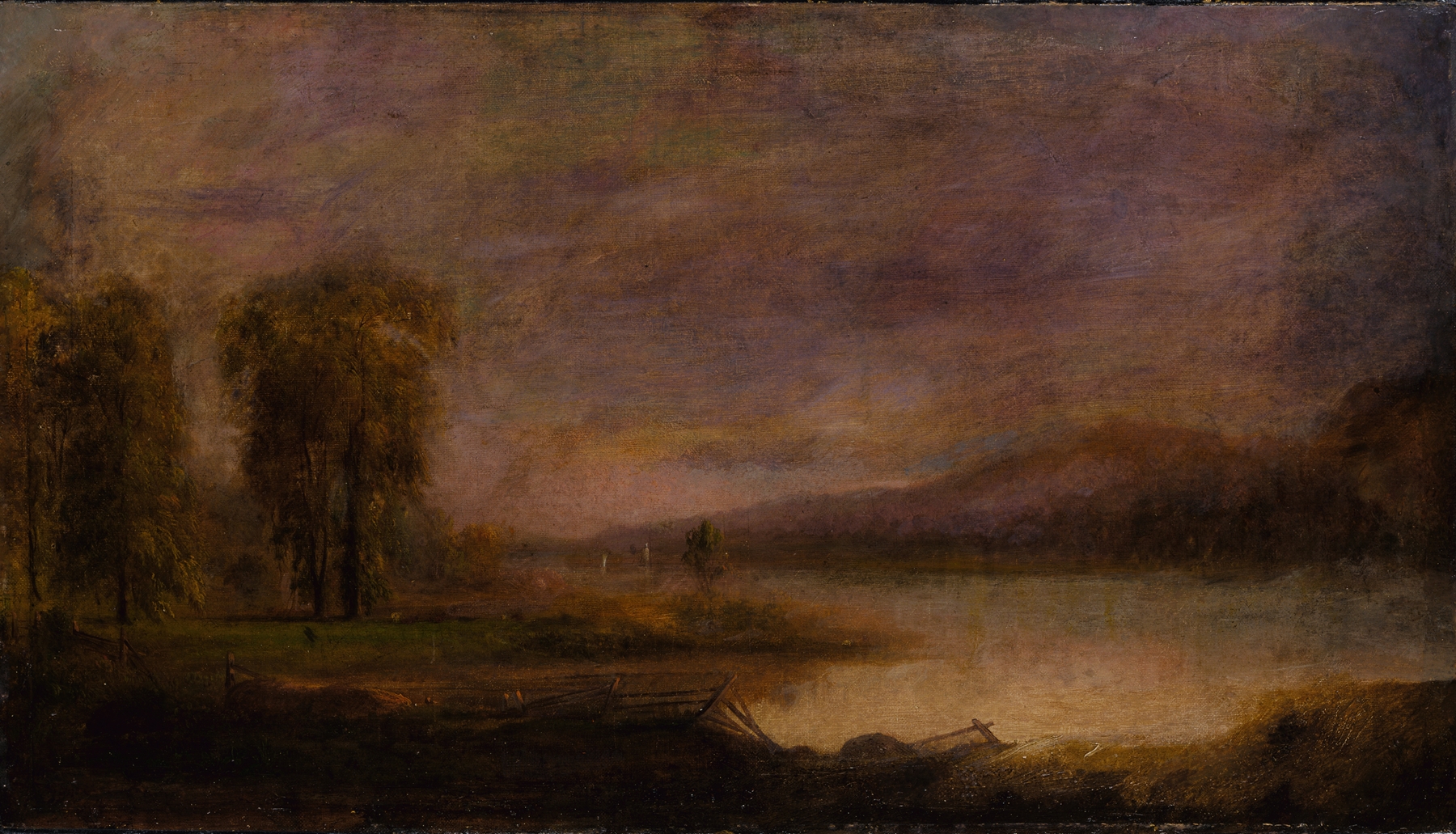
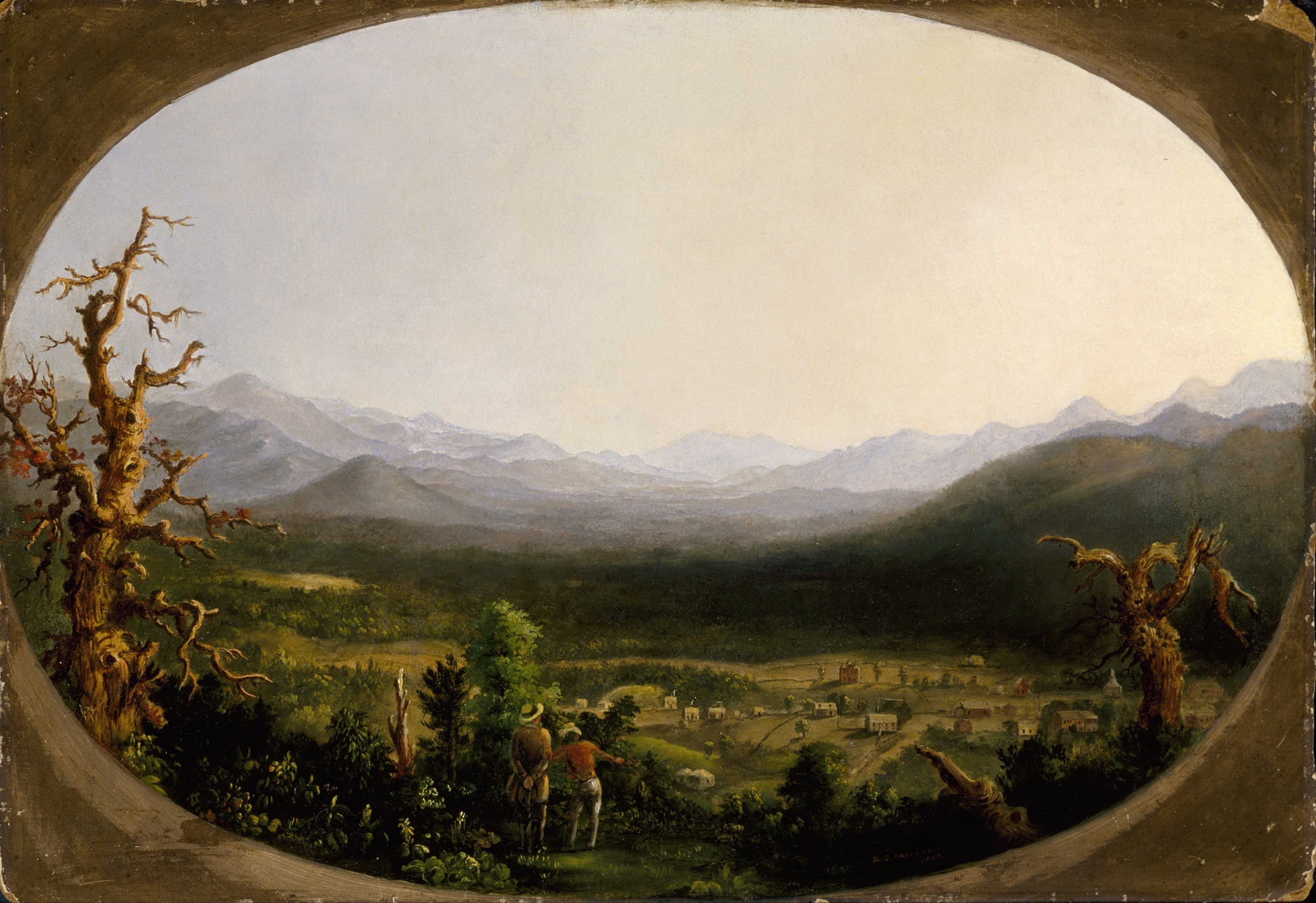
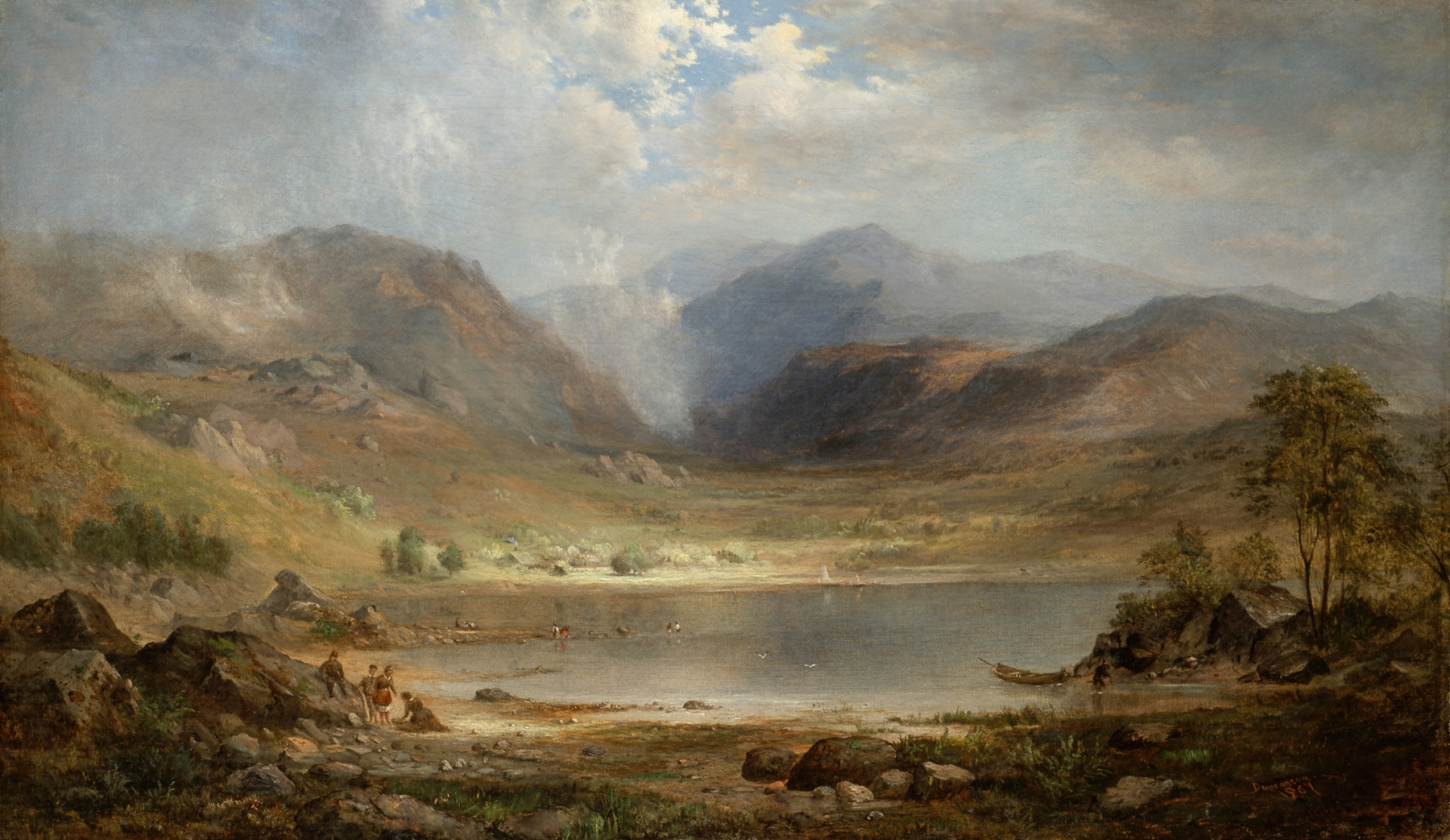
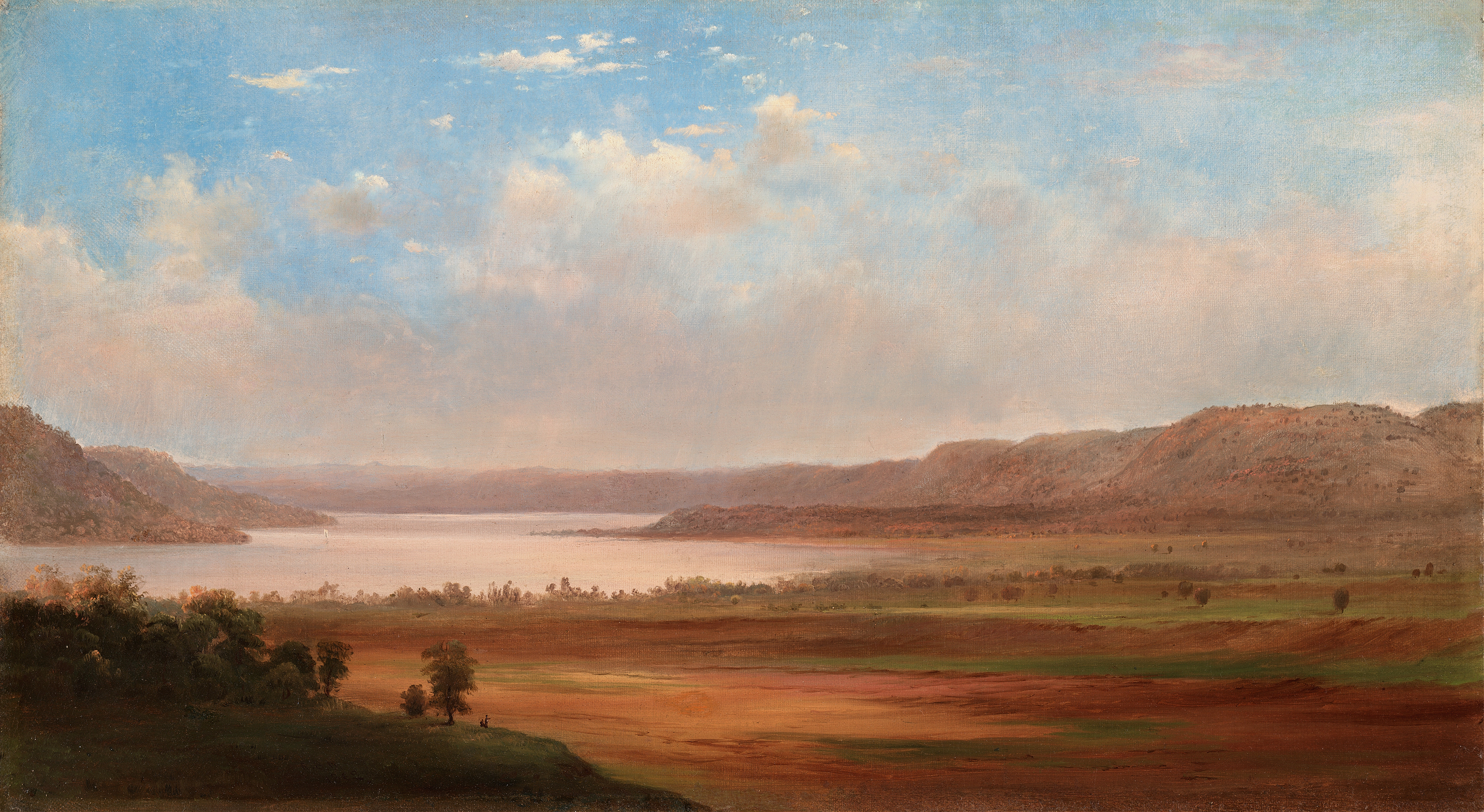
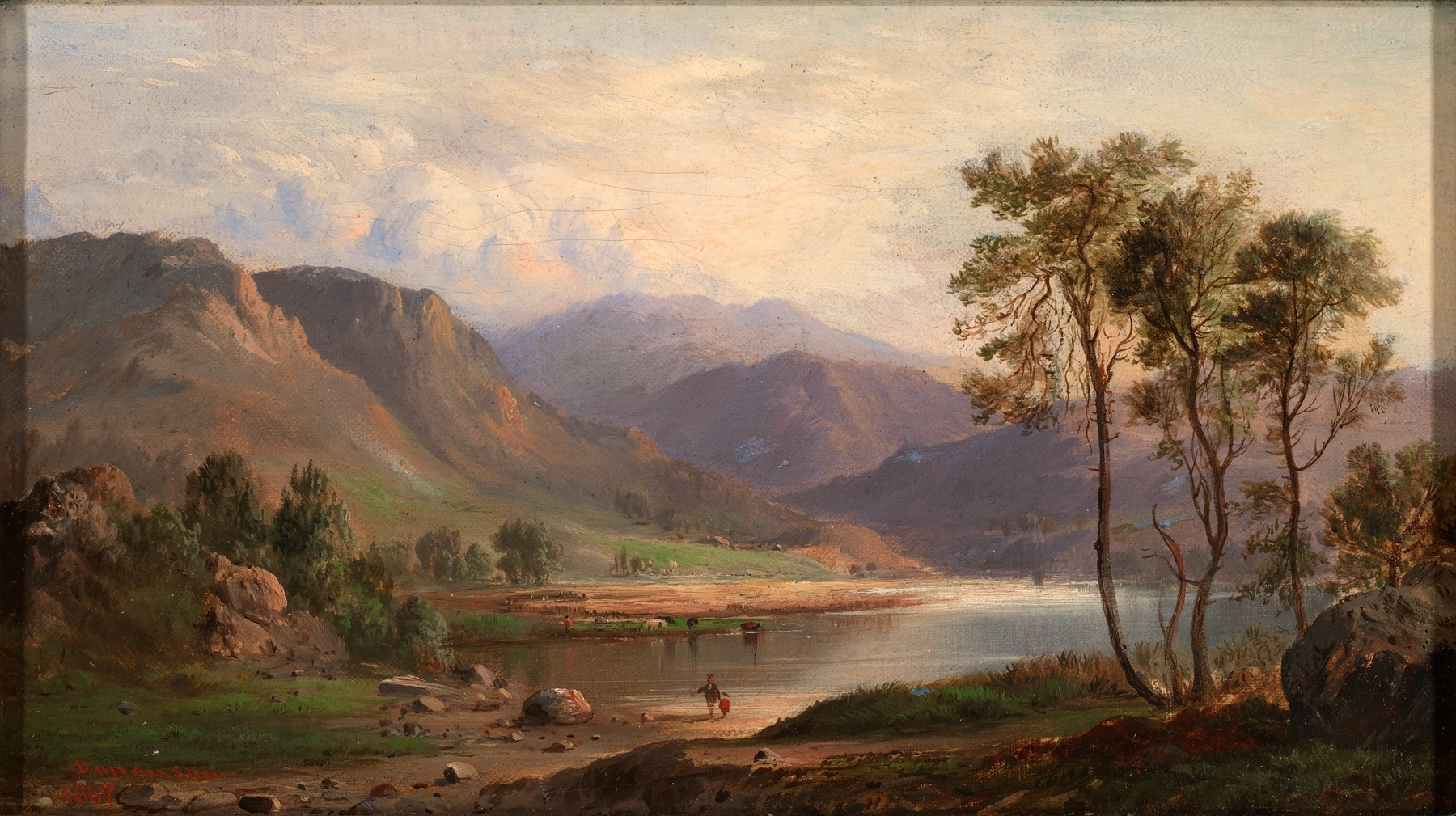
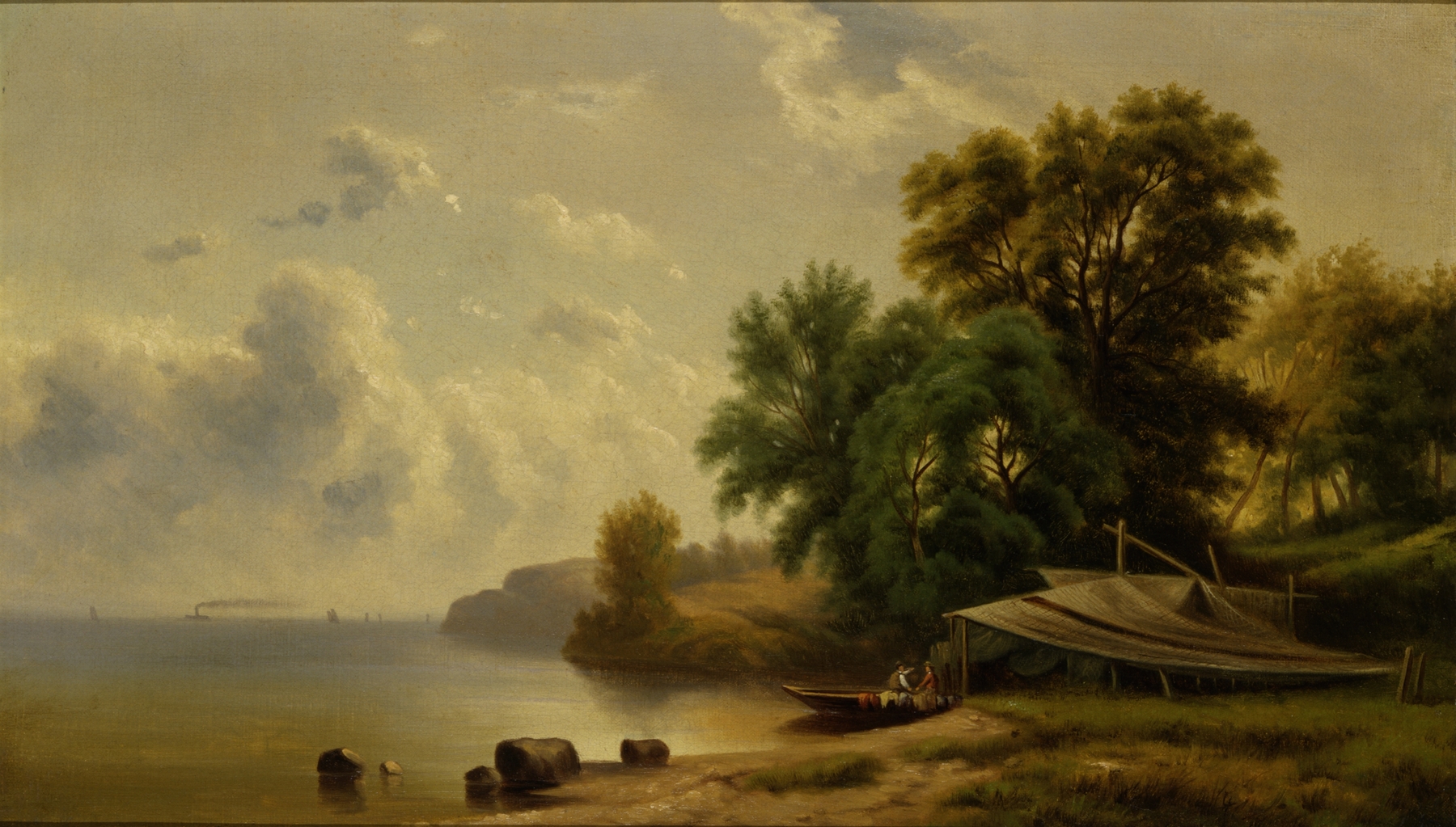
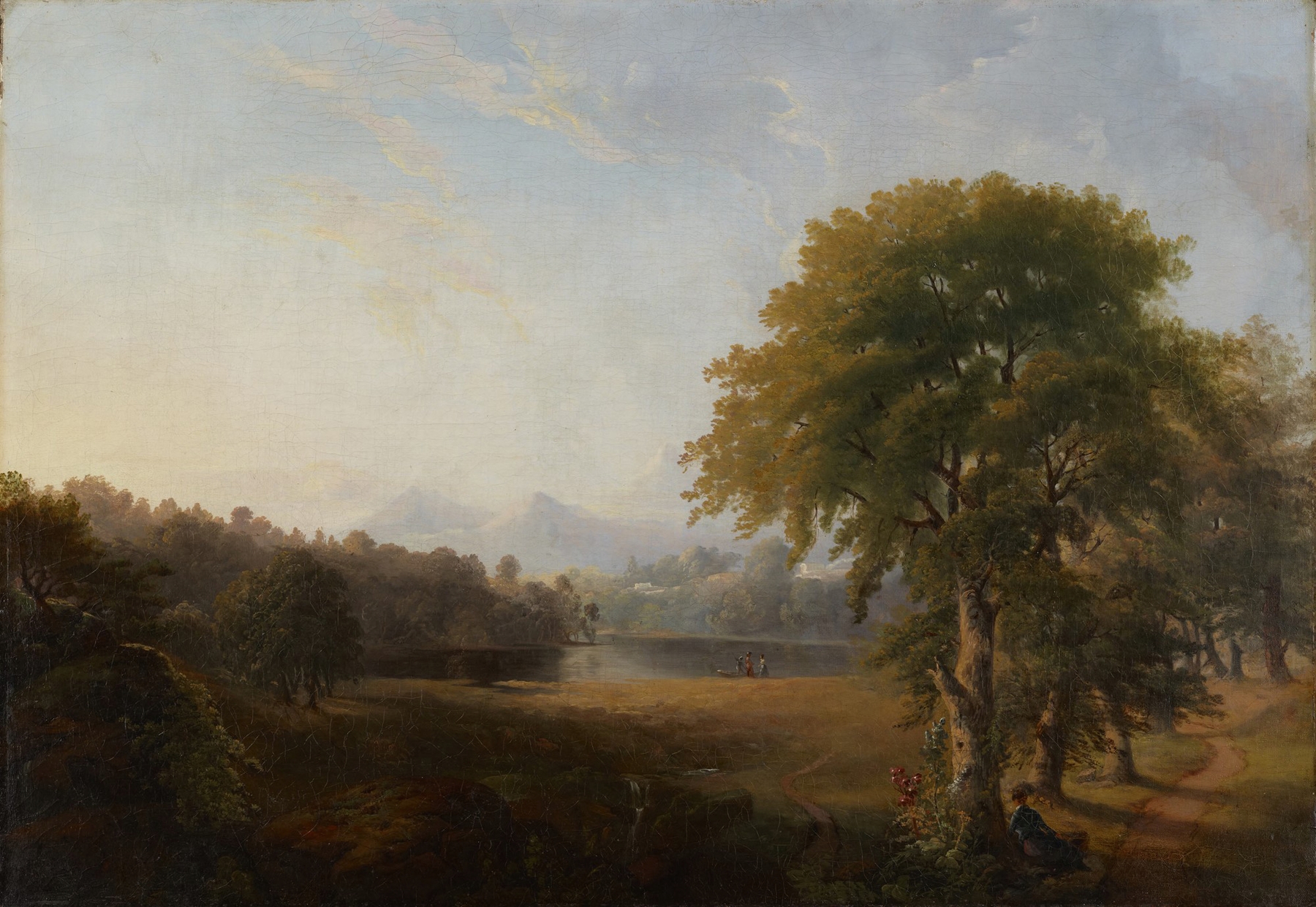
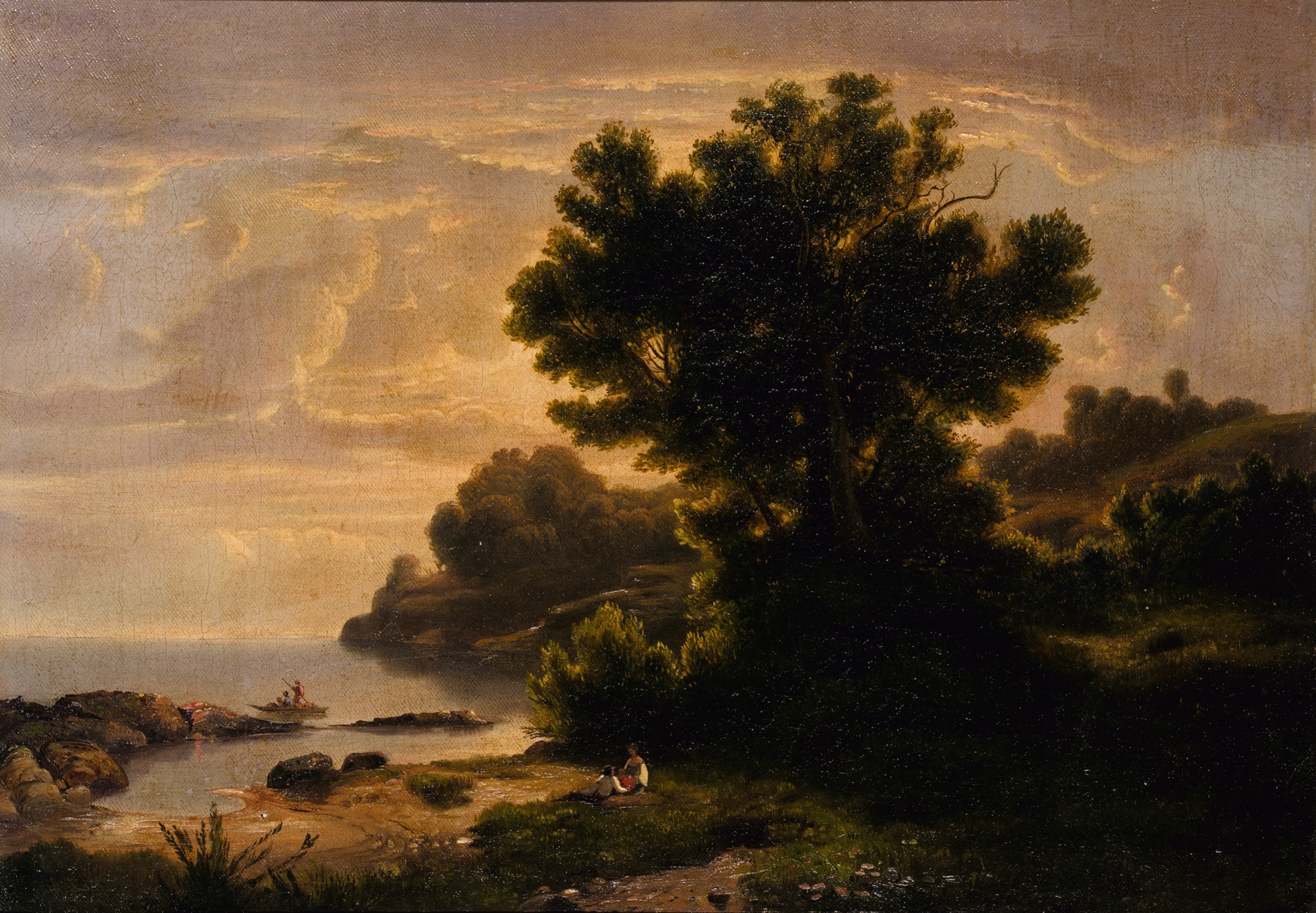
“Under the brush, chaos becomes grace.” In the serene landscape of View of the St. Anne’s River, natural beauty transforms into a poetic reflection of existence. The painting invites a deep contemplation of harmony amid discord, encouraging us to ponder what lies beneath the surface of tranquility. Look to the left where the river winds gently through the verdant landscape, glistening under dappled sunlight. Notice how the artist employs a rich palette of greens and blues, the layers of paint creating a textured surface that seems to ripple like water itself.
The trees stand proud on the riverbank, their reflections merging with the water, suggesting an interconnectedness that blurs the lines between earth and sky. This interplay of light and color not only captivates the eye but also evokes a sense of calm that draws viewers into the scene. As you explore the details, consider the juxtaposition of the serene river and the chaotic underbrush surrounding it. The shimmering waters represent stillness, while the dense foliage surrounding the riverbank hints at life's inherent complexity. Duncanson's choice to present the reflection with clarity emphasizes the duality of nature—the peaceful surface masking the tumultuous life below, evoking a feeling of introspection about the balance between chaos and tranquility.
Created in 1870, this work reflects Robert S. Duncanson's established reputation as a leading African American landscape painter. Living in Cincinnati during a period of artistic growth, he was influenced by the Hudson River School and sought to capture the beauty of the American landscape. The painting arrived during a time when Duncanson was gaining recognition for his ability to merge personal identity with the wider natural world, allowing his art to resonate with a diverse audience.