Villa In Florence — History & Analysis
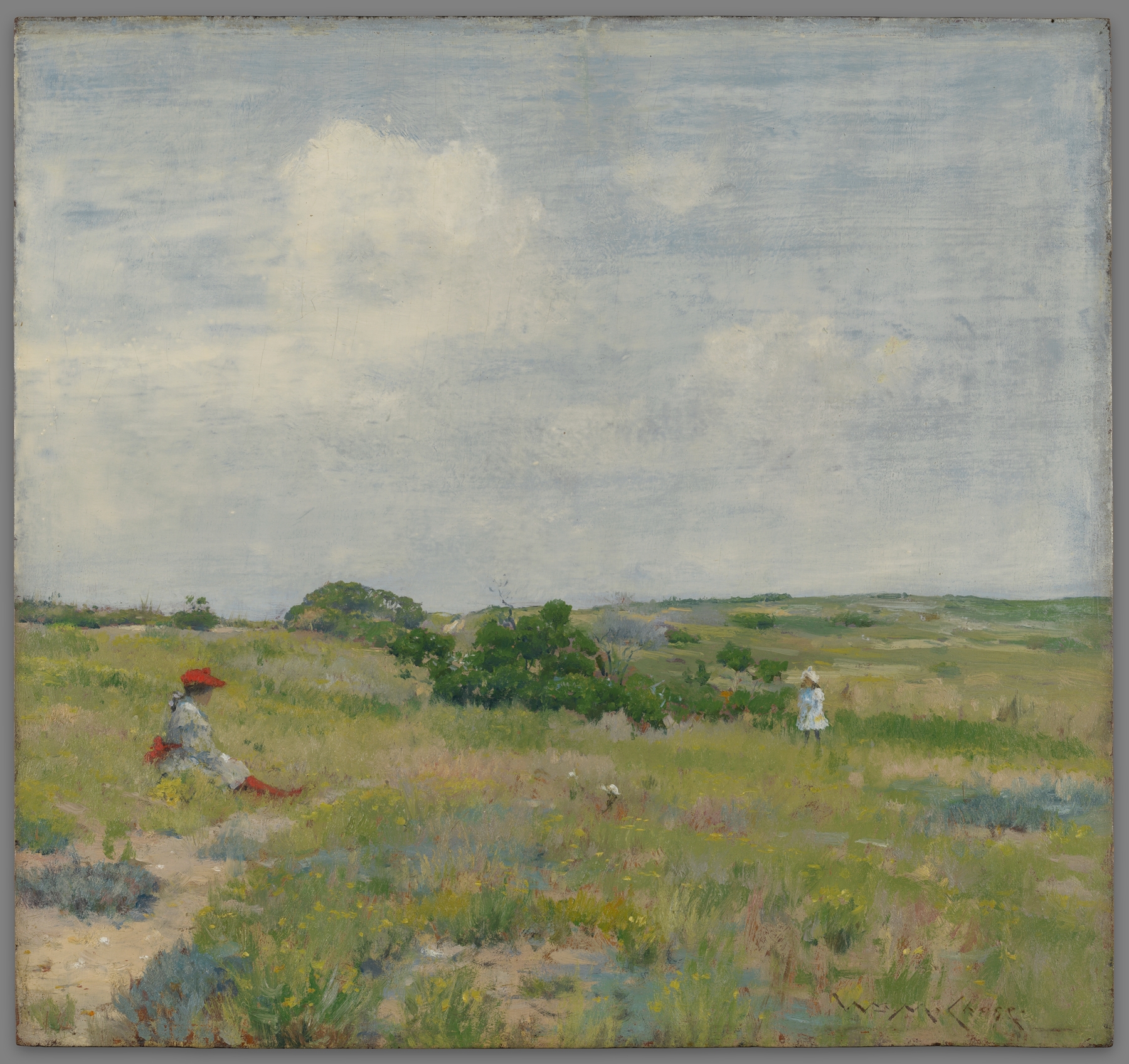
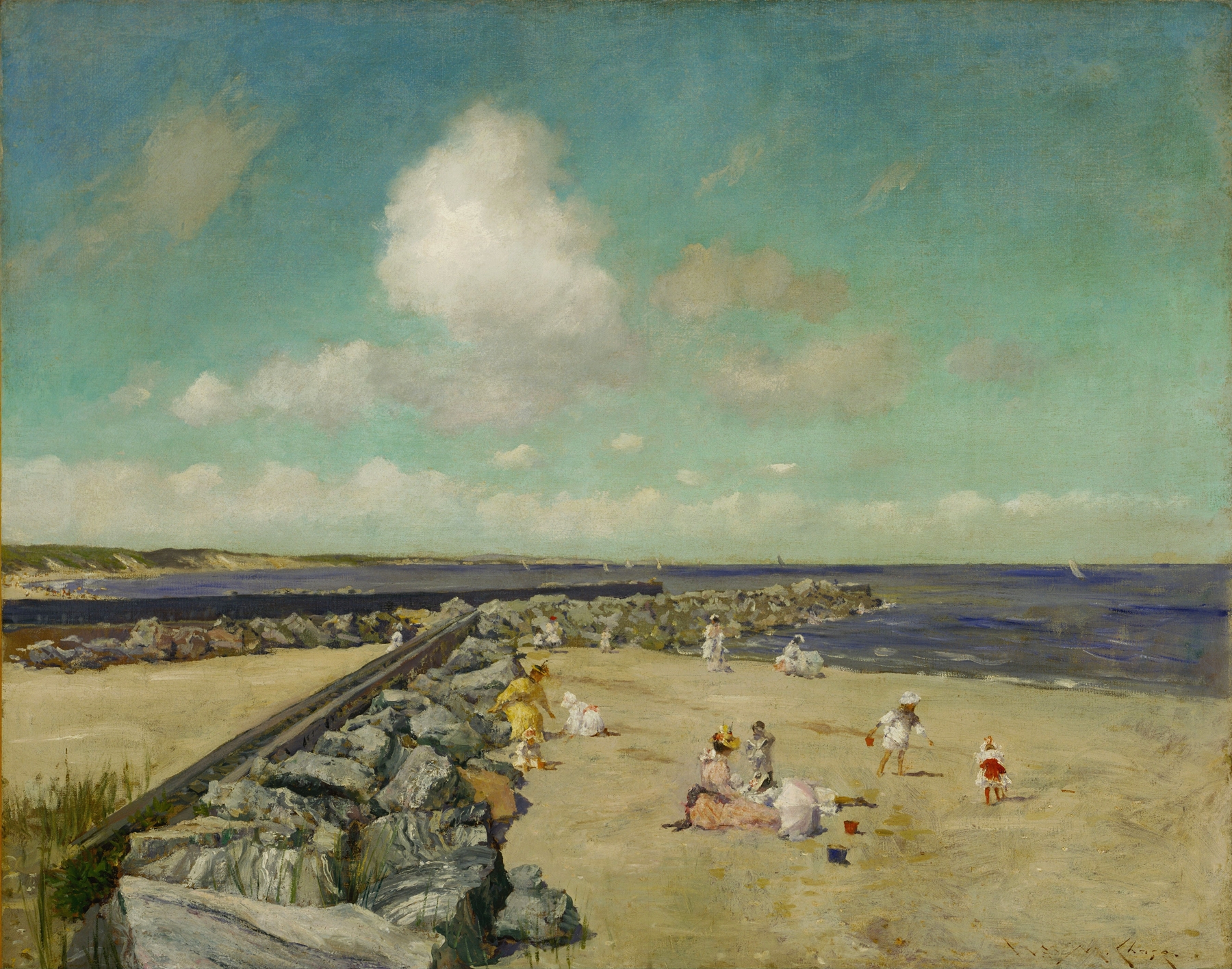
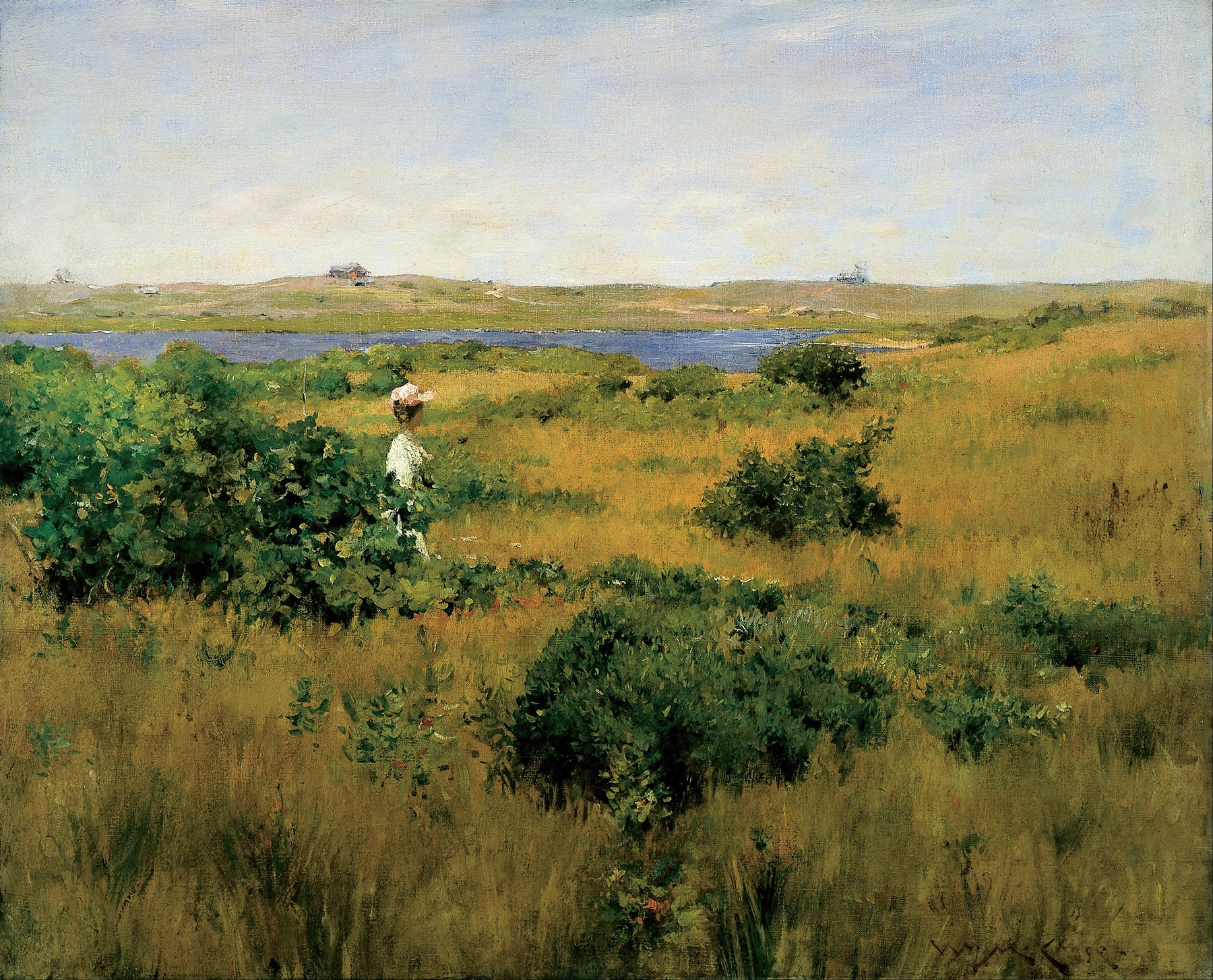
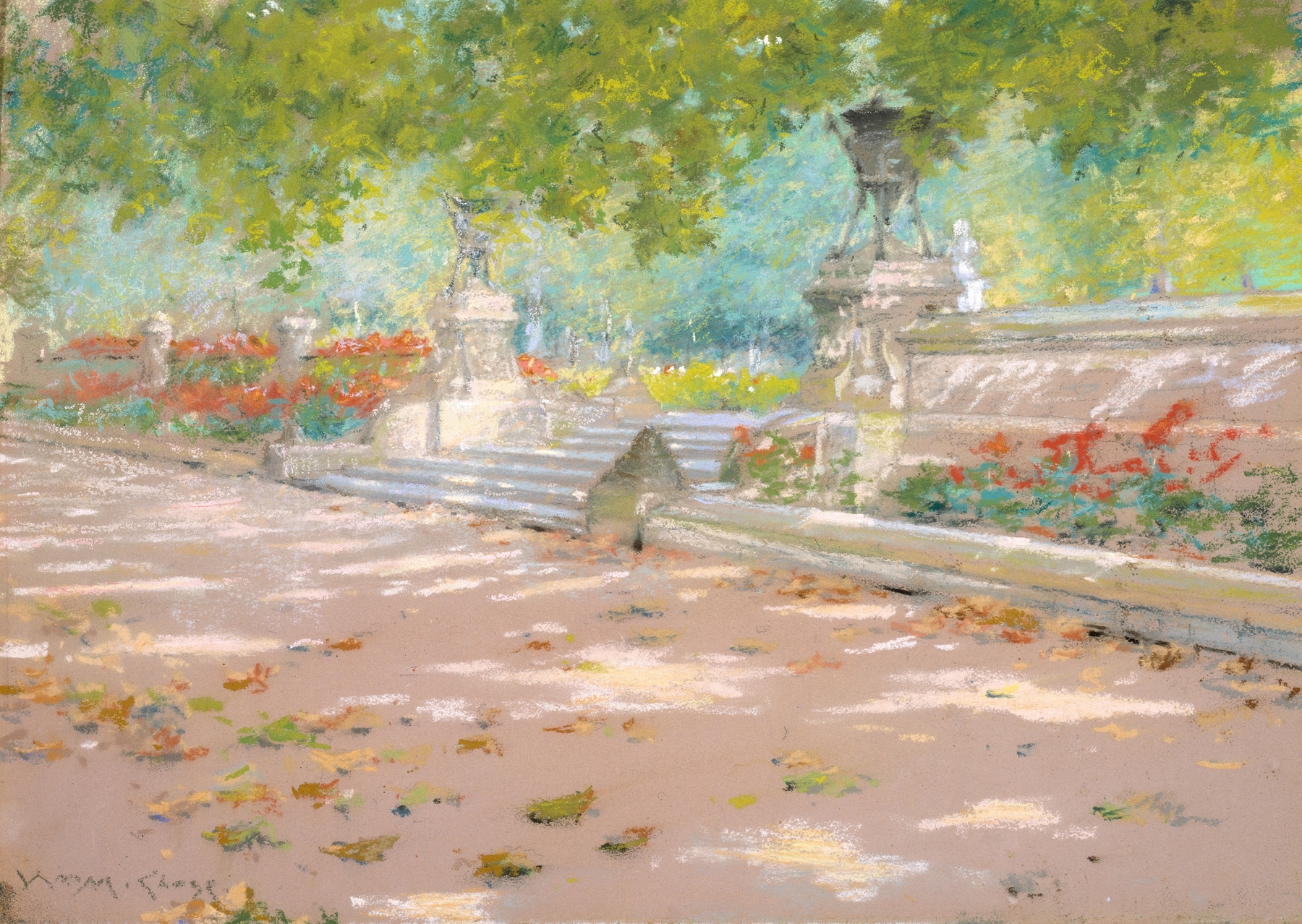
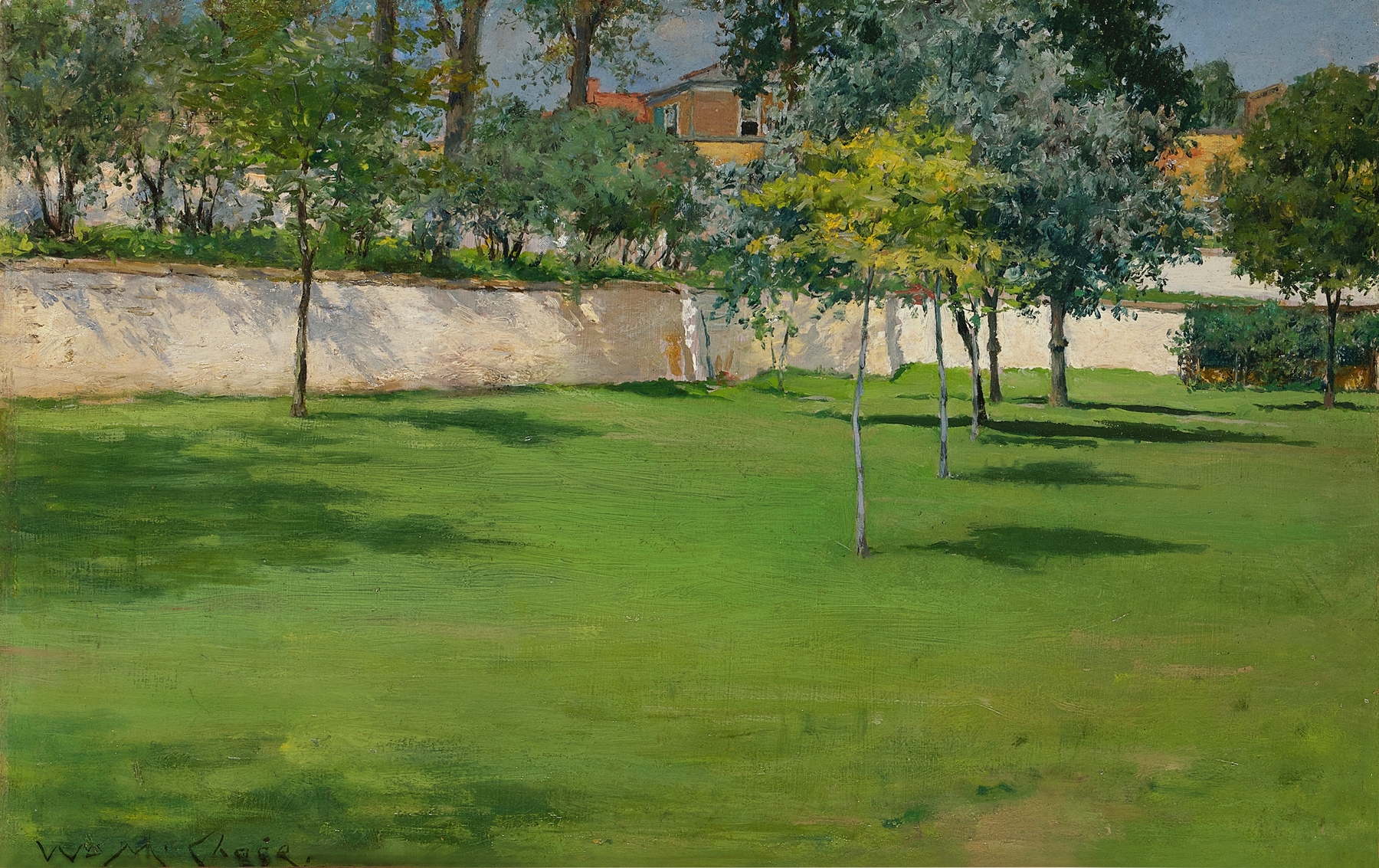
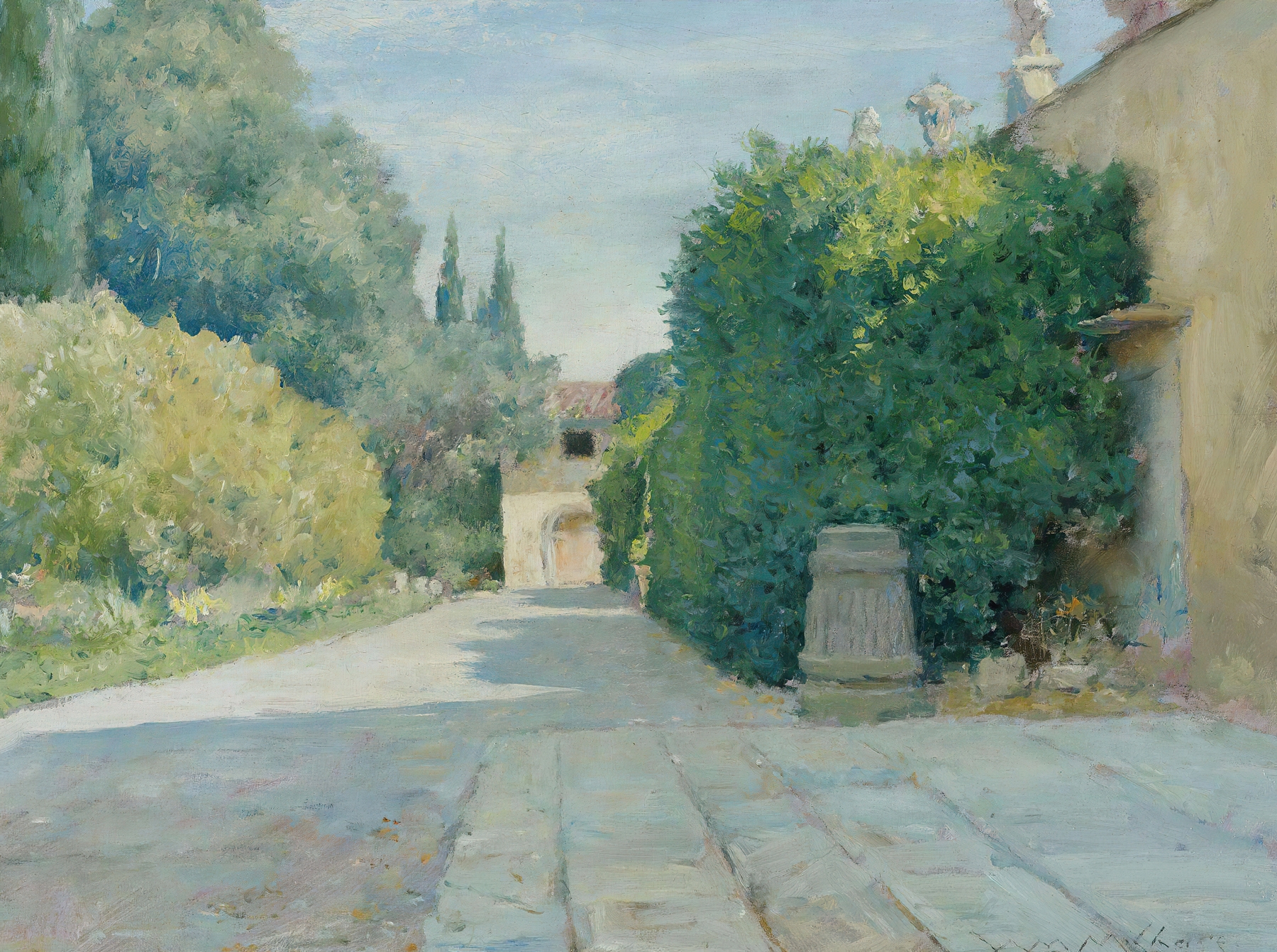
Who listens when art speaks of silence? In the stillness of Villa In Florence, moments freeze into serene landscapes where the eye wanders and the heart finds pause. Focus on the luminous sky, where soft blues gradually meld into warm golds at the horizon. The villa, a charming testament to Italian architecture, stands proudly amidst the lush greenery, inviting your gaze to explore its intricacies.
Notice how Chase employs a delicate brushwork technique that captures the shimmering quality of light, enhancing the vibrancy of the colors surrounding it, creating a harmonious balance between structure and nature. Hidden within this tranquil scene lies a tension between man and nature, the villa’s solid form juxtaposed against the ephemeral beauty of its surroundings. The carefully placed shadows suggest the passage of time, while the gently swaying foliage seems to whisper secrets of the past. This contrast evokes a sense of awe, drawing the viewer into a contemplative space where time stands still and the world feels both vast and intimate.
In 1909, during the height of the American Impressionism movement, the artist found himself in Florence, immersed in a culture steeped in history and beauty. This period marked a pivotal time in his career, as he sought to merge his American sensibilities with European influences, establishing a unique voice that resonated with the evolving art world. The painting reflects not only his artistic growth but also a deep appreciation for the serene landscapes that defined his later works.