Village de Poujal-sur-Orb — History & Analysis
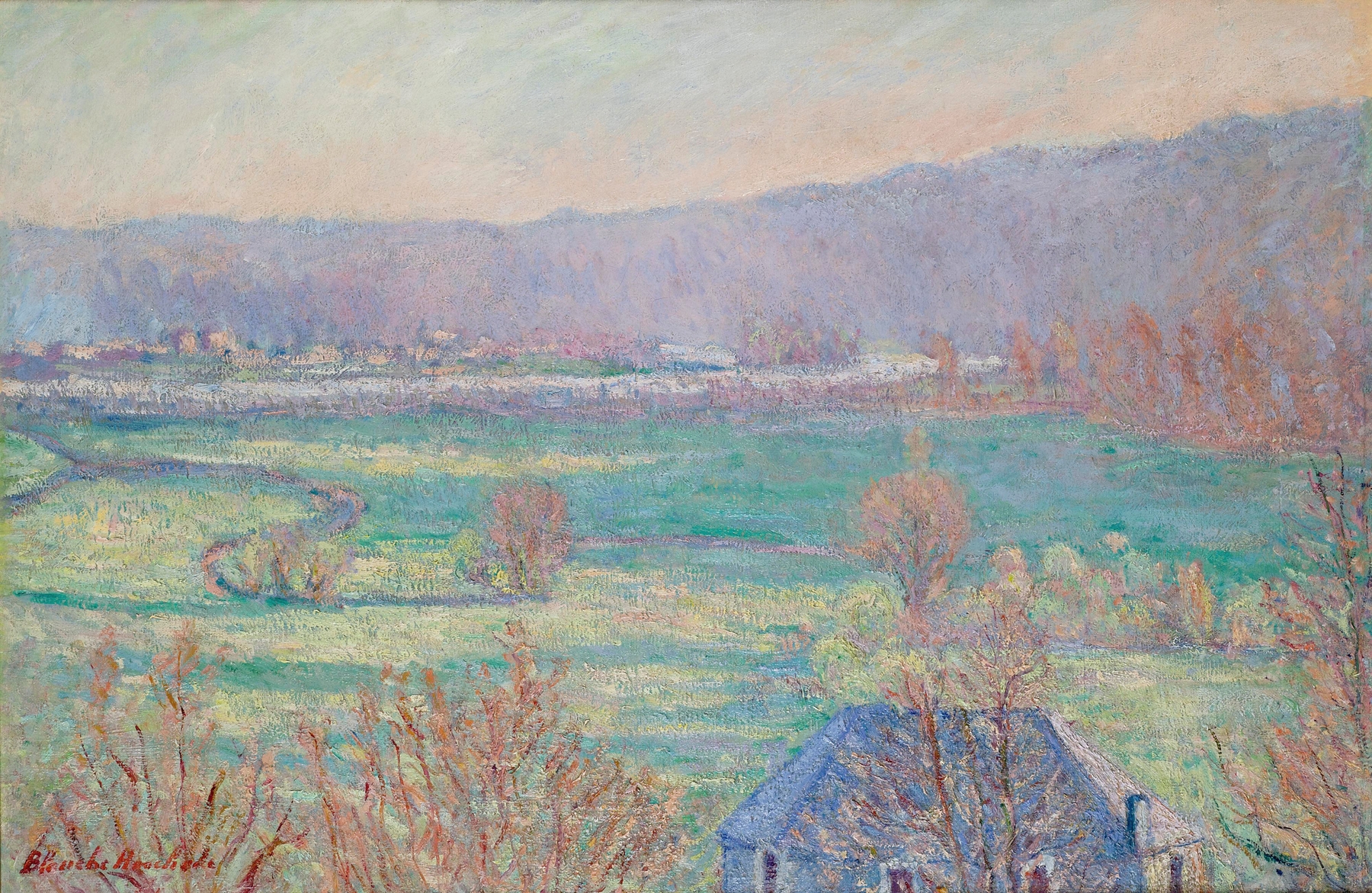
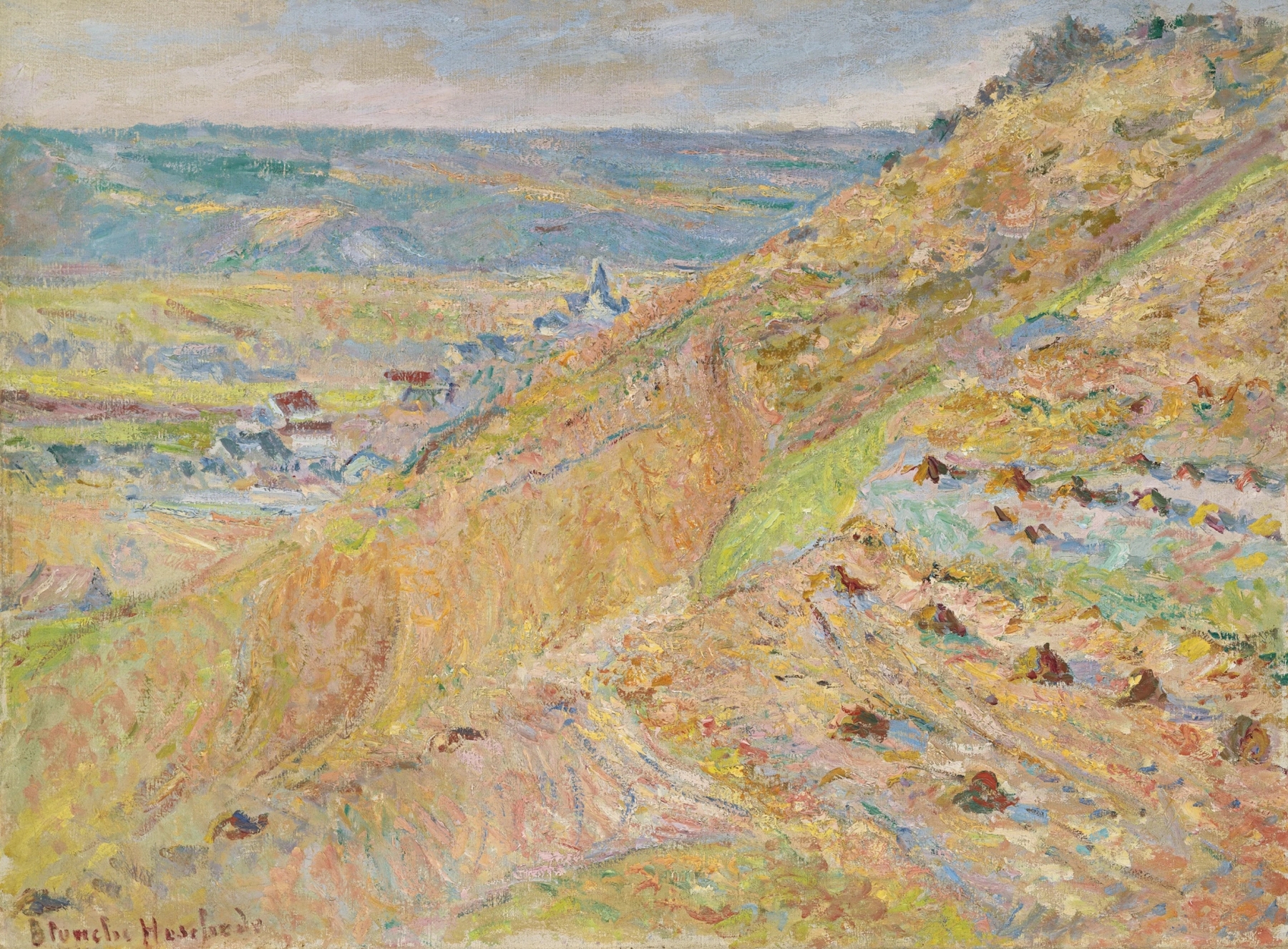
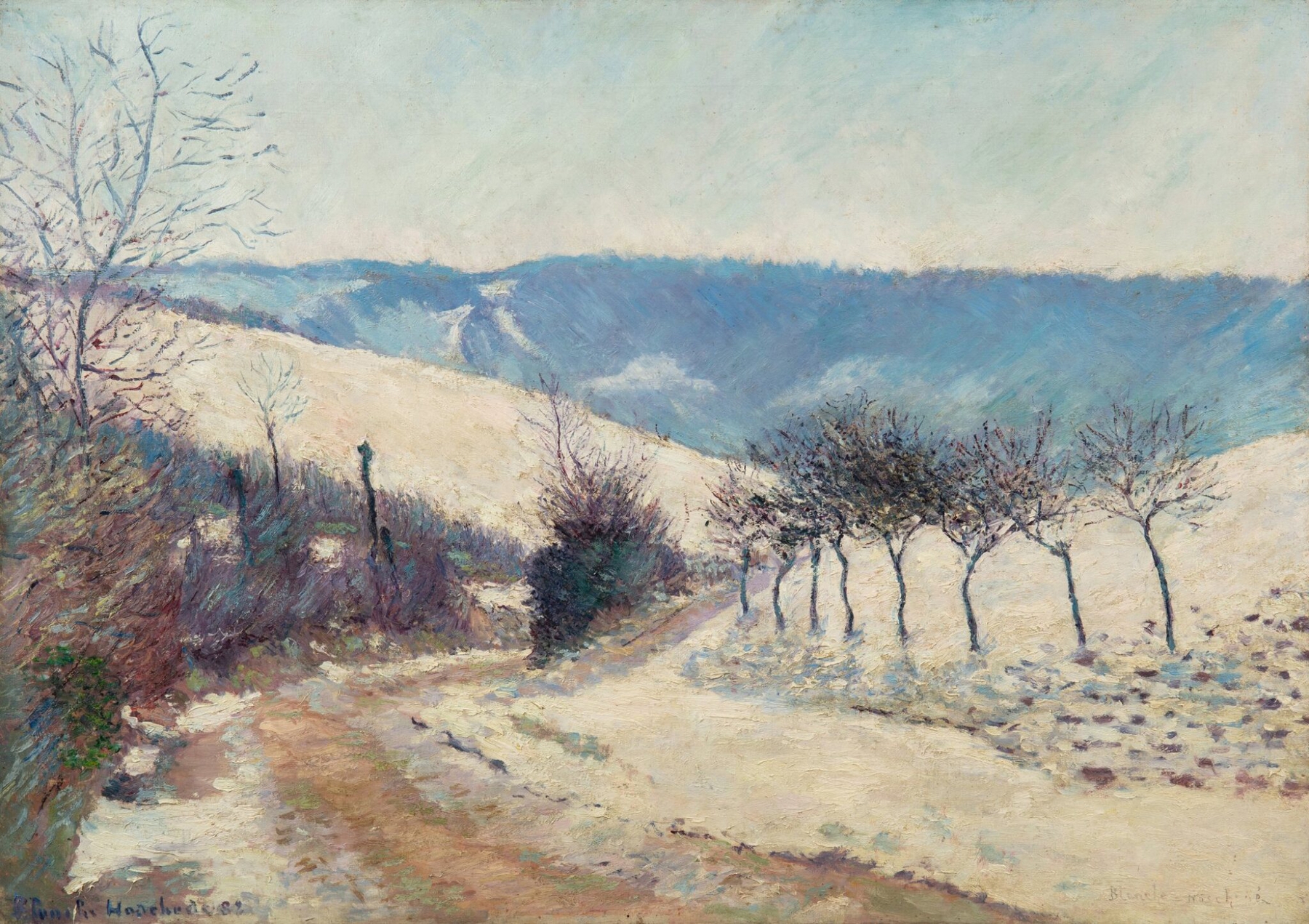
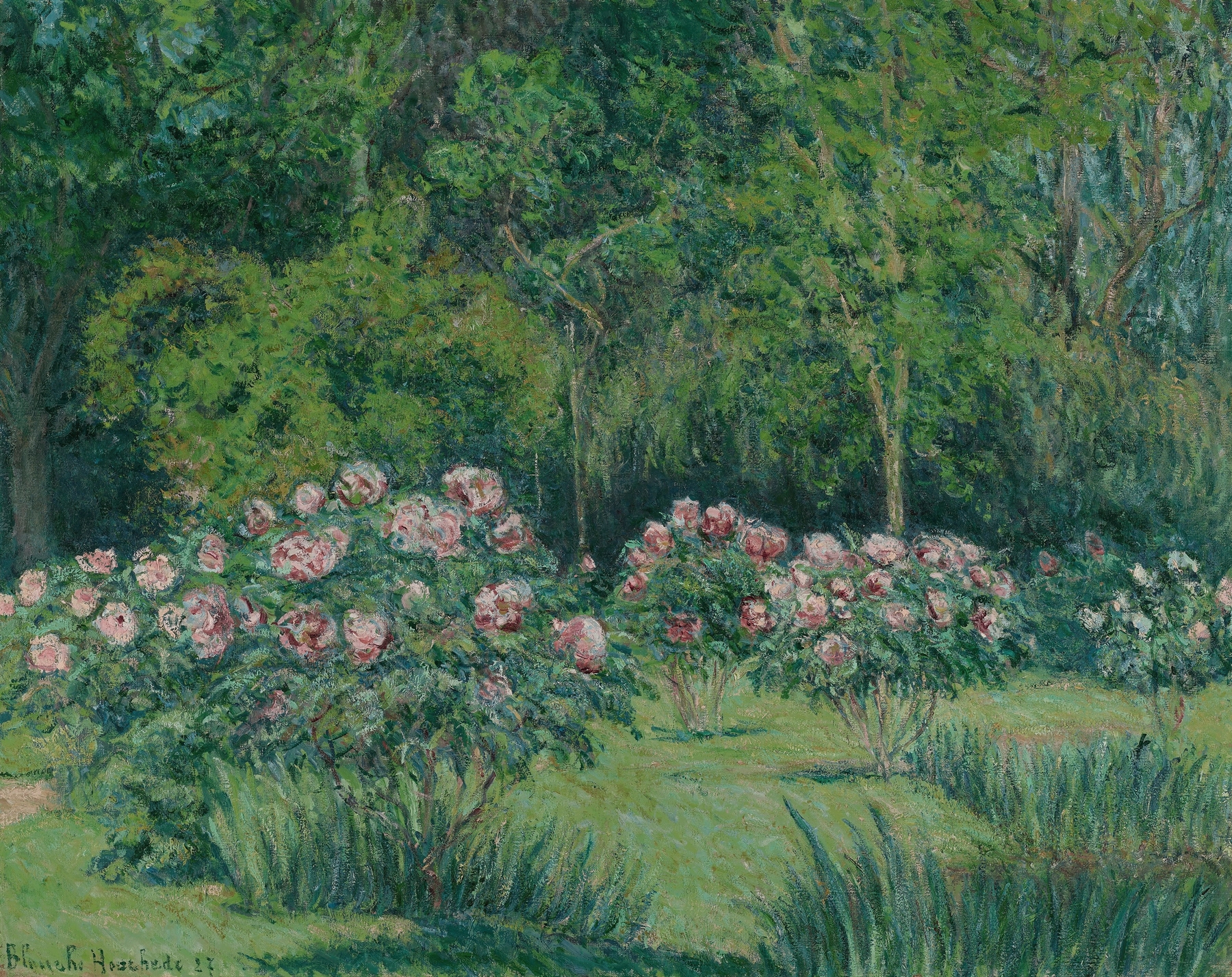
Could a single brushstroke hold eternity? In the delicate world of Village de Poujal-sur-Orb, the passage of time reverberates through vibrant hues and gentle decay, inviting contemplation on life’s transience. Look closely at the horizon, where soft pastels of orange and pink blend seamlessly with the serene blue sky. The gentle strokes form a hazy backdrop that cradles the village nestled below, revealing a tapestry of warm earth tones and lush greens. Notice how the interplay of light dances across the rooftops, illuminating the scenes of rural life while casting soft shadows that hint at the encroaching dusk.
Each brushstroke weaves together a sense of nostalgia, creating a palpable connection to a moment suspended in time. Yet, it is in the details that deeper meanings emerge. The fading colors and the depiction of rustic architecture speak to the village’s aging, suggesting the inevitable decay of human endeavors against nature's unfaltering persistence. The juxtaposition of vibrant life within the landscape and the subtle hints of deterioration evokes an emotional tension, prompting reflections on both beauty and loss.
Here, the artist captures not only a moment but also the ephemeral nature of existence. Blanche Hoschedé-Monet painted Village de Poujal-sur-Orb during a summer stay in Hérault in the late 19th century, a period marked by her association with the Impressionist movement. As the daughter-in-law of Claude Monet, her work emerged amidst a burgeoning appreciation for capturing fleeting moments of light and atmosphere. During this time, she navigated her identity as both an artist and a mother, channeling her experiences into her evocative landscapes.