Waterfall on Mont-Morency — History & Analysis
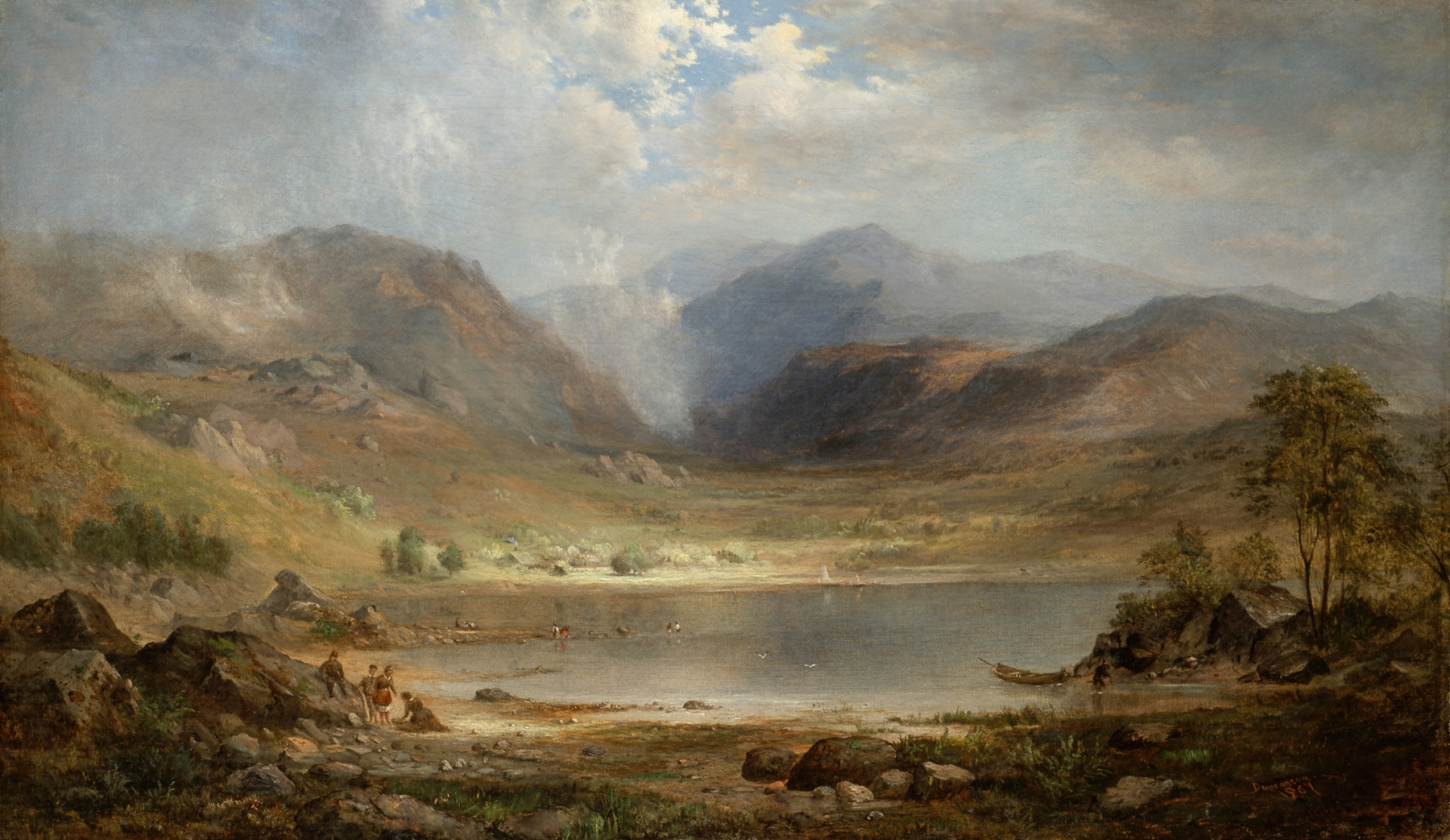
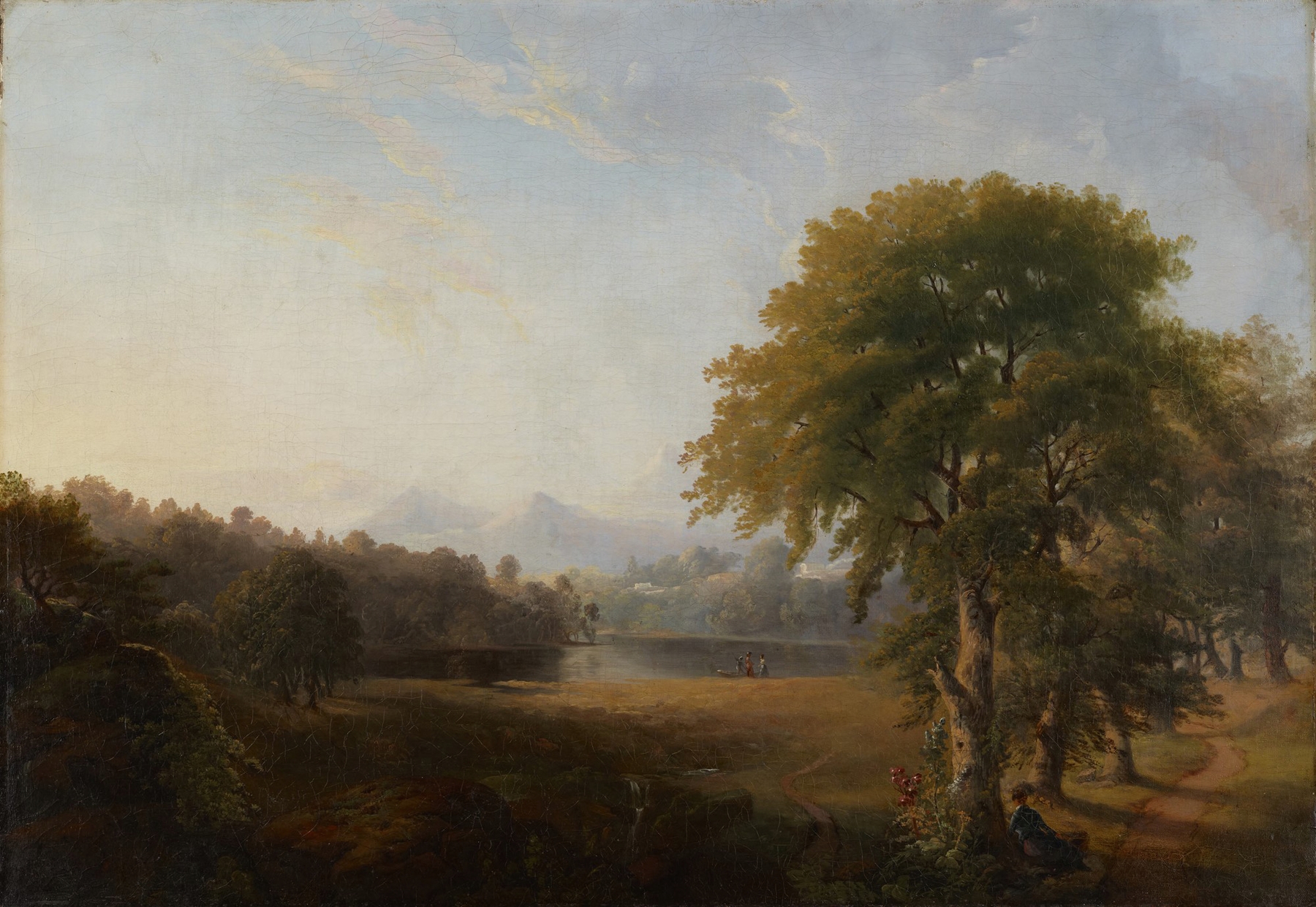
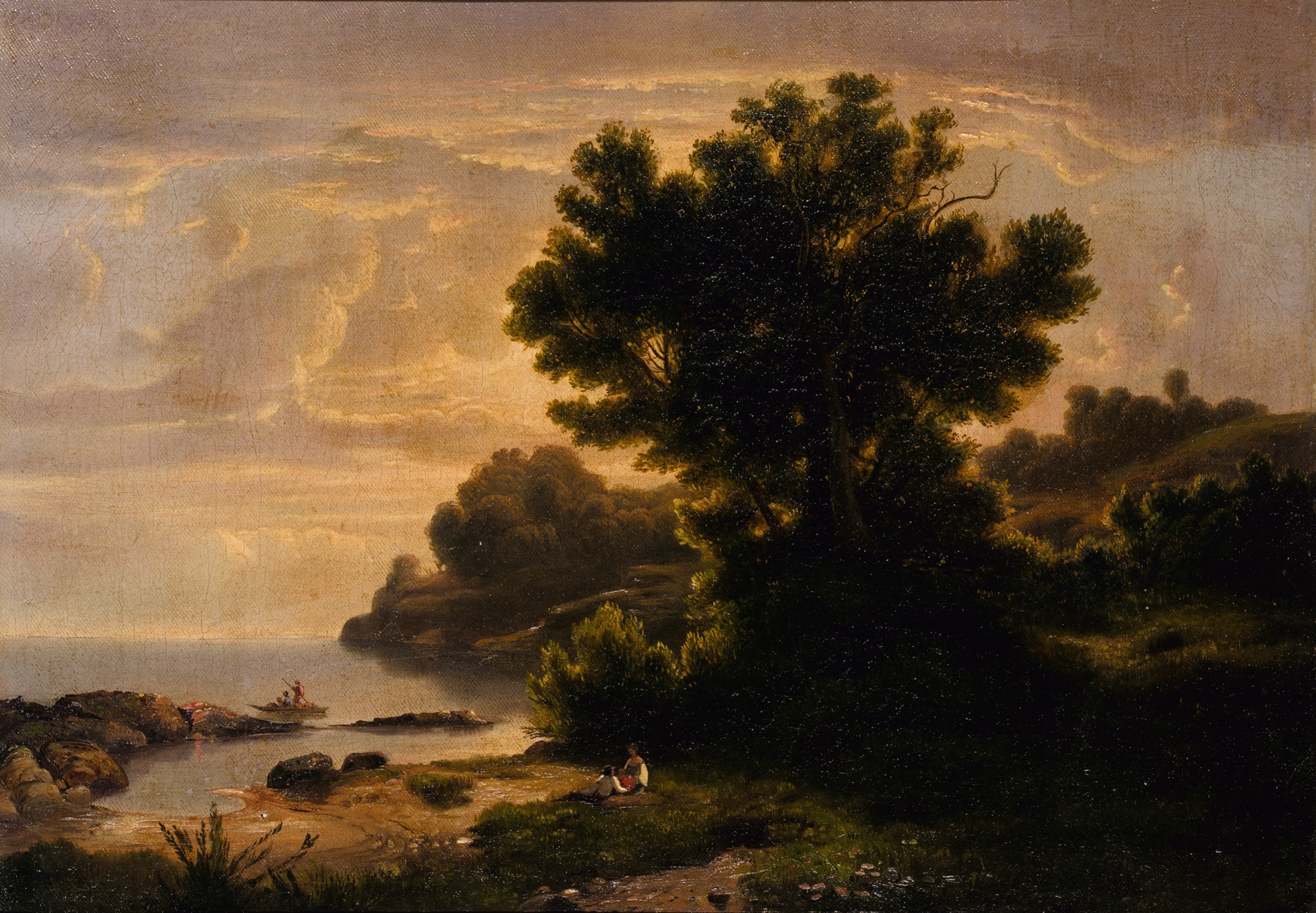
Who listens when art speaks of silence? In Waterfall on Mont-Morency, the stillness envelops the powerful rush of water, whispering stories of decay and renewal. Look to the left at the delicate cascade, where water spills over rocks, glistening like liquid crystal in the soft light. Notice how the vibrant greens of the surrounding foliage contrast with the earthy browns of the cliffs, creating a harmony that both soothes and stirs. The meticulous brushwork captures the texture of each leaf and crevice, inviting you to trace the contours of nature’s embrace.
Here, Duncanson's mastery of chiaroscuro is evident, as chiaroscuro deepens the shadows beneath the spray, giving the scene a sense of depth and movement even in its stillness. As you observe, consider the interplay of life and decay inherent in the scene. The vibrant waterfall symbolizes the relentless passage of time, yet the rugged cliffs wear the marks of erosion, a reminder of nature's slow decay. The intimate connection between water and stone conveys a poignant reflection on the fragility of beauty, evoking emotions that dwell in the liminal space between permanence and transience.
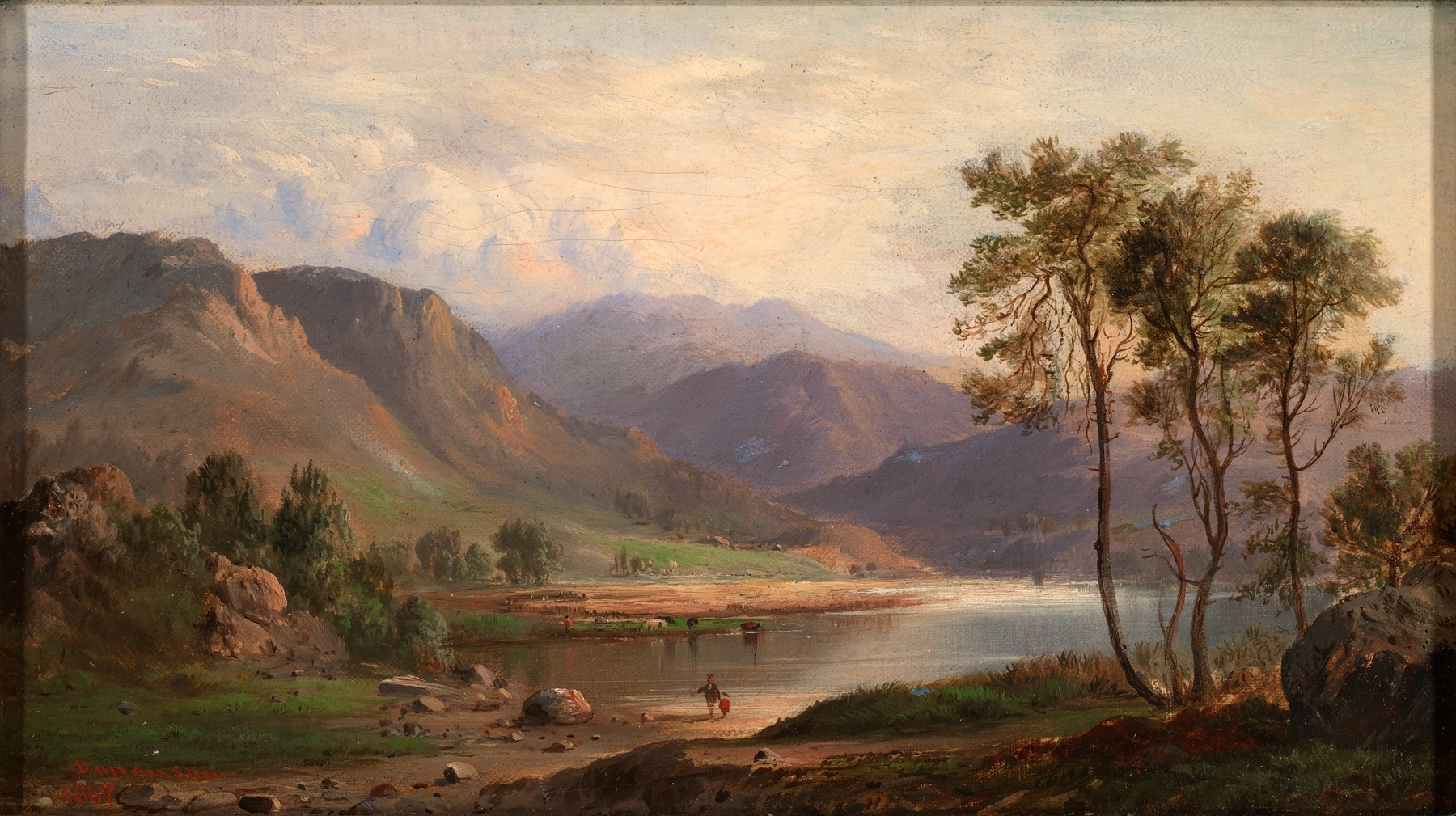
In 1864, Robert S. Duncanson painted this masterpiece during a period of personal growth and artistic exploration in his career. Residing in the United States, he was emerging as a significant figure in the Hudson River School, a movement that celebrated landscape painting. Despite the societal challenges facing African American artists of the time, Duncanson's work began to gain recognition, carving a space for himself in the evolving narrative of American art.