Waxenstein Peaks, Garmisch-Partenkirchen — History & Analysis
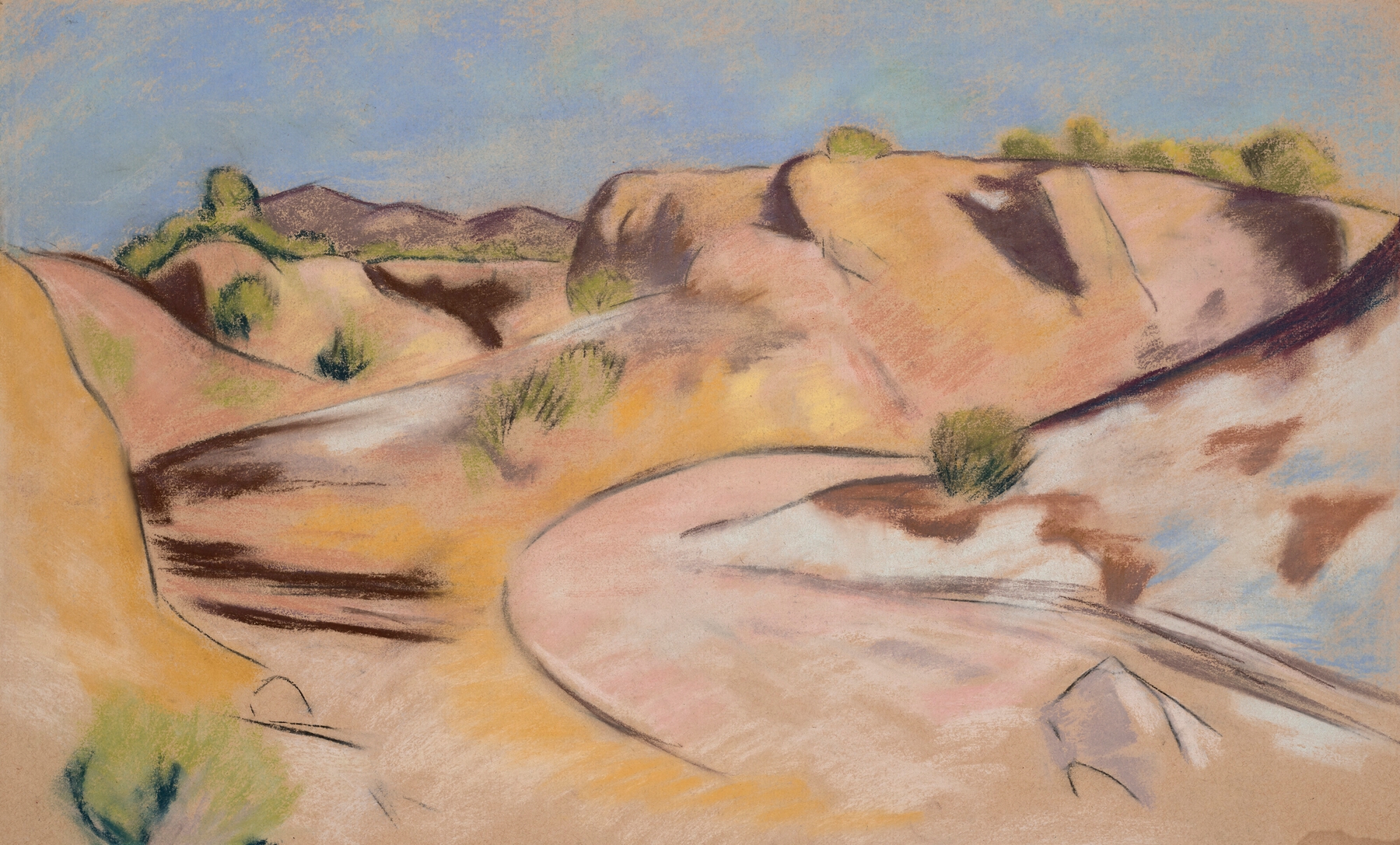
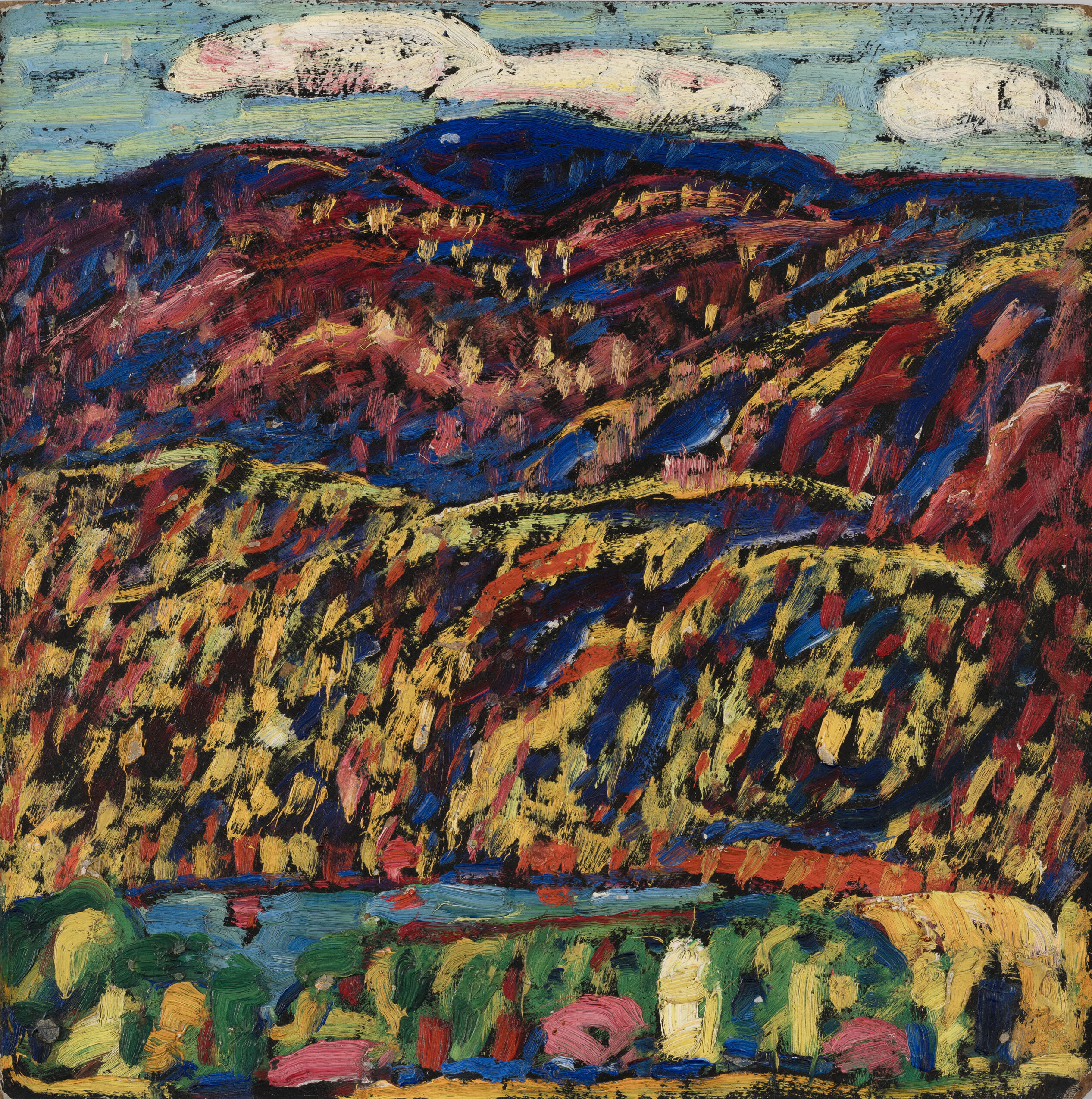
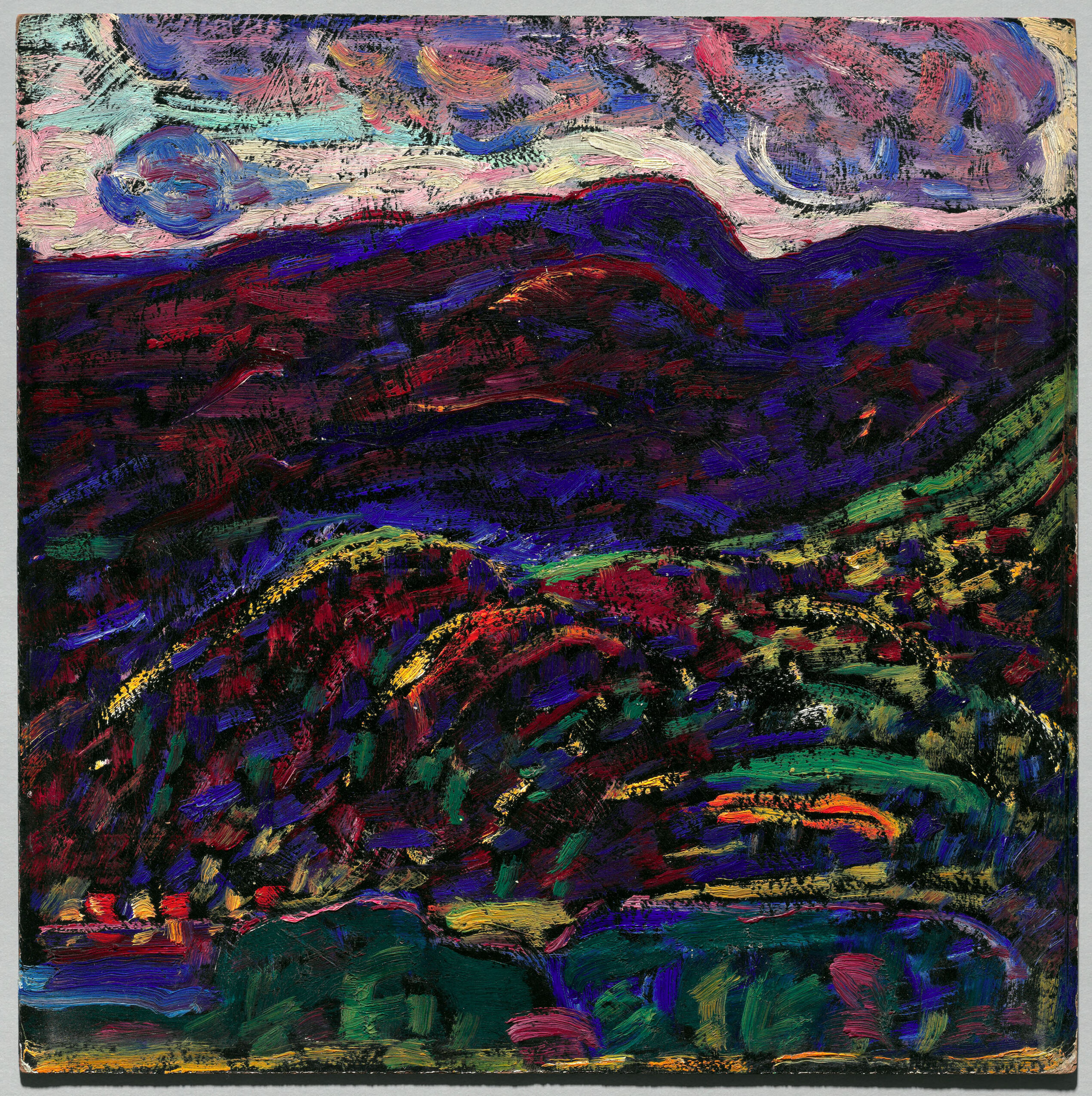
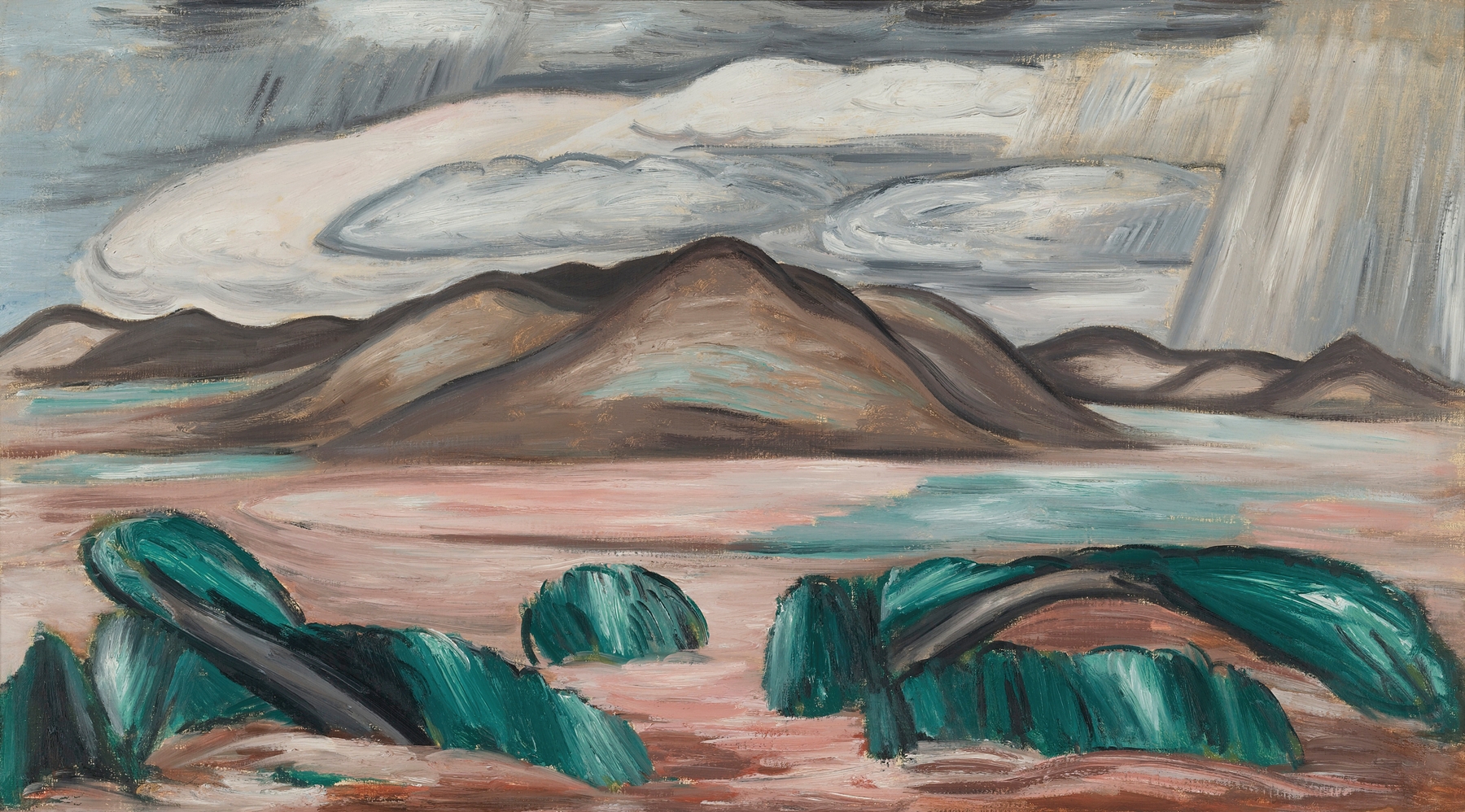
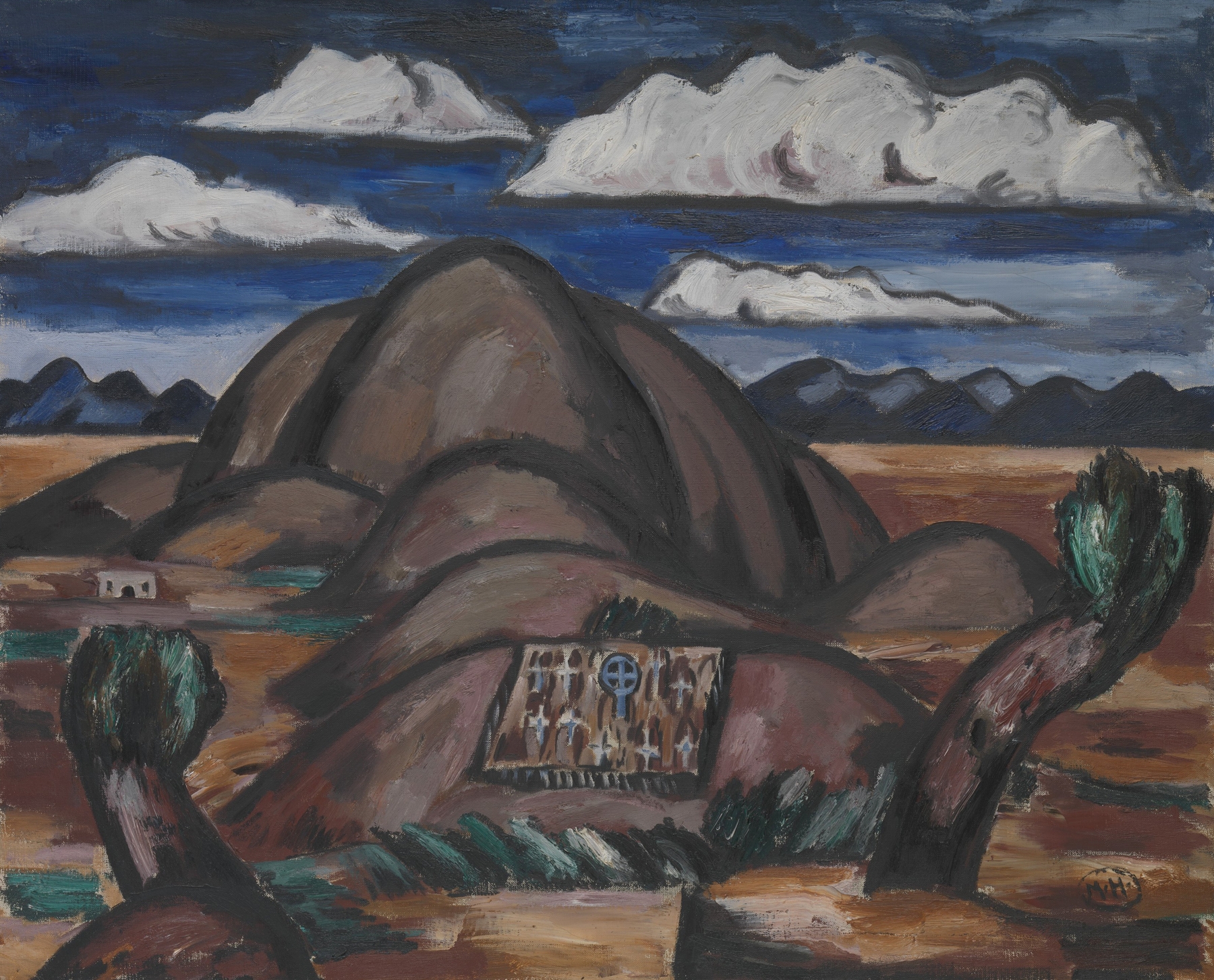
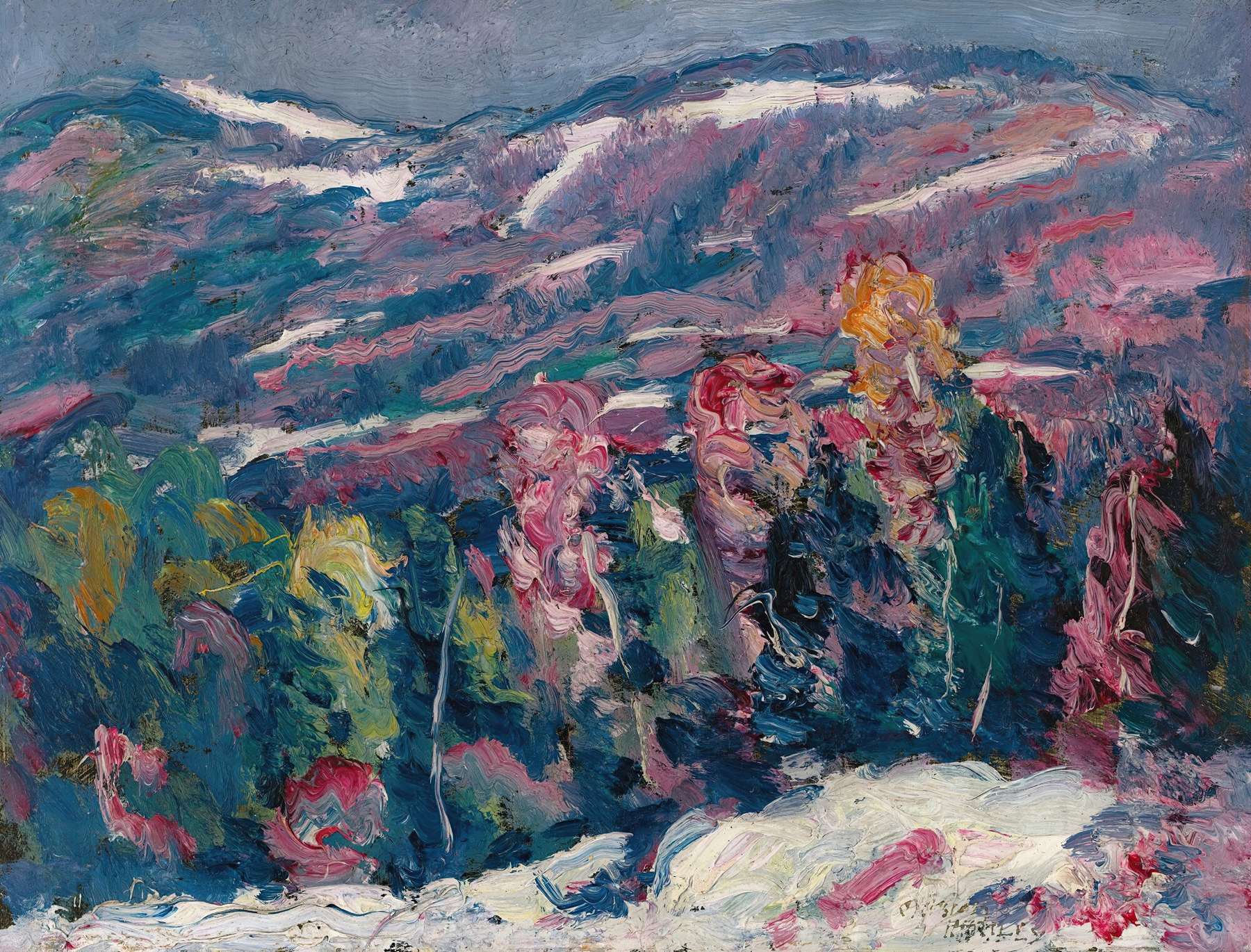
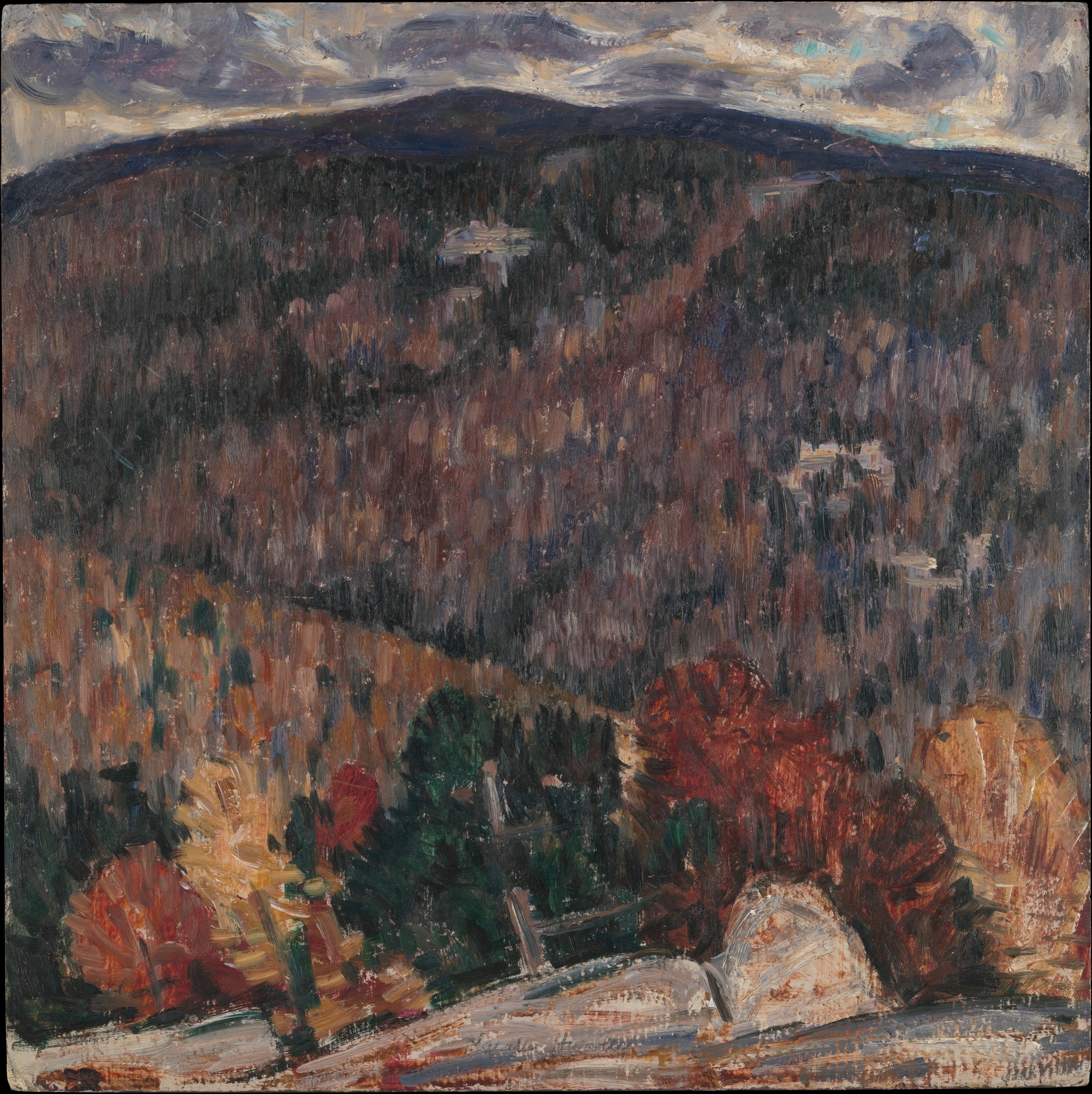
When did color learn to lie? In the embrace of Marsden Hartley's Waxenstein Peaks, fragility is masterfully cloaked in vibrant hues, inviting introspection and wonder. Focus on the interplay between the peaks and the sky; the bold blues and soft whites create a dialogue that dances across the canvas. Notice how the jagged lines of the mountains contrast with the fluidity of the clouds, evoking a sense of both strength and vulnerability.
The thick application of paint gives a tactile quality to the surface, while the color palette oscillates between cool serenity and heated passion, capturing the dual nature of existence itself. Delve deeper, and you’ll find the subtle tension between the monumental and the ephemeral. The peaks rise majestically, yet they are rendered in a manner that hints at their fragility, as if they could crumble under the weight of their own beauty. The luminous quality of the colors suggests a fleeting moment, emphasizing nature’s transient essence.
Each brushstroke seems to whisper stories of permanence while simultaneously acknowledging impermanence, mirroring the human experience of resilience amid vulnerability. Created during the early 1930s, this piece reflects Hartley’s exploration of the American landscape and his search for identity after a period of personal turmoil. Living in Maine and grappling with the shifting art movements of his time, he sought to express deep emotions through his reverent depictions of nature. In Waxenstein Peaks, he combines a vibrant palette with a profound sense of place, revealing both the strength and delicacy of the world around him.