White Birches — History & Analysis
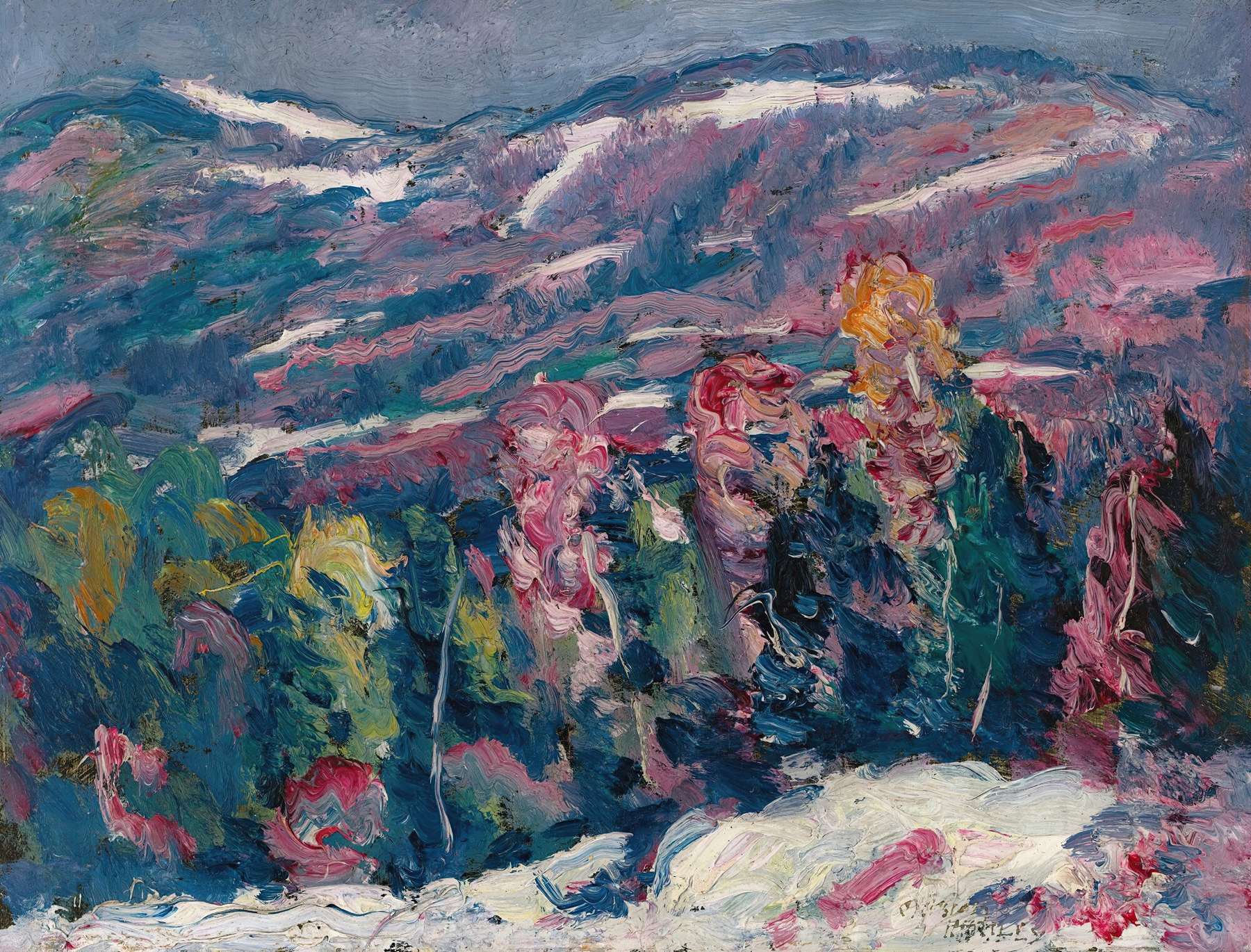
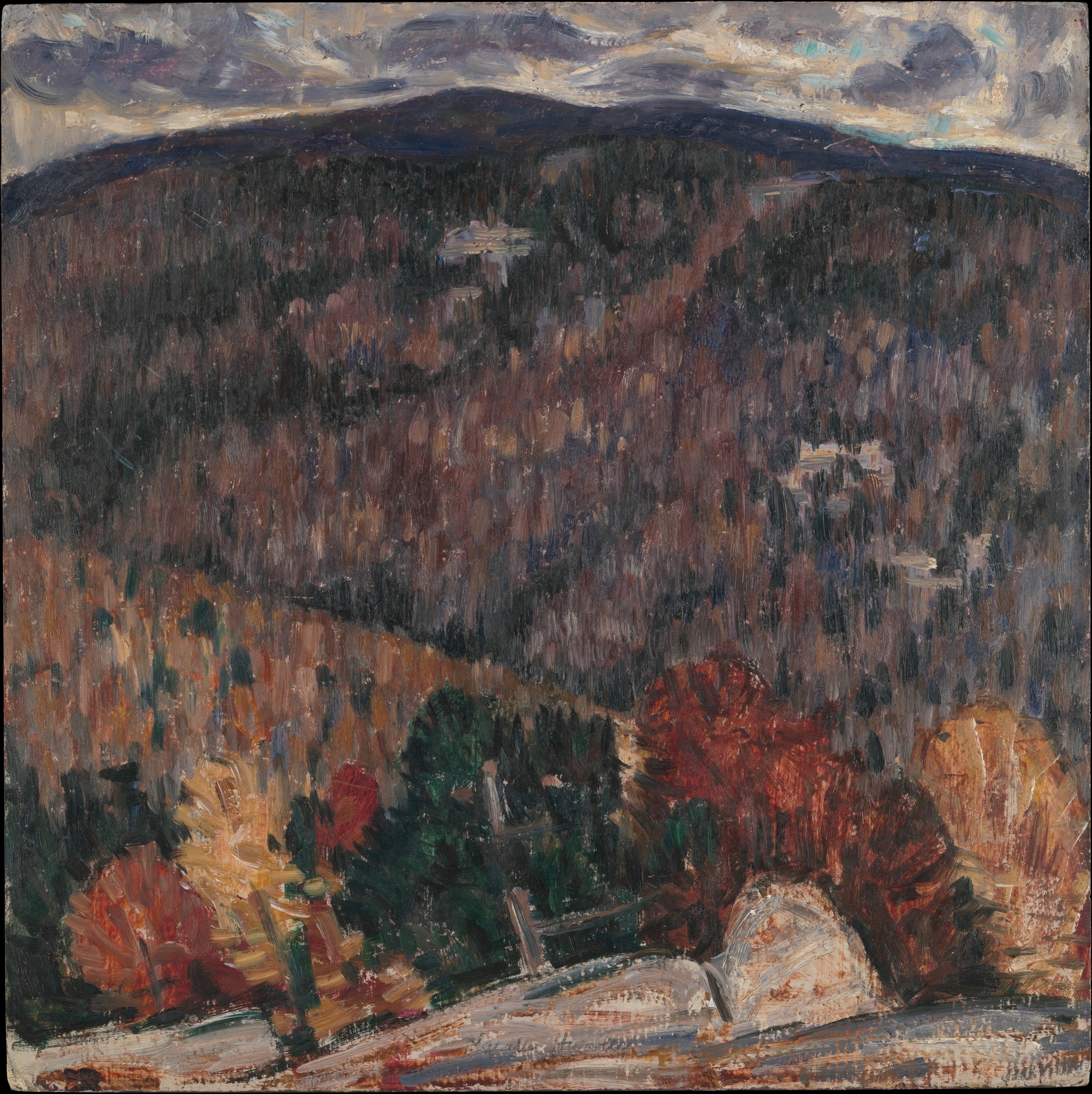
Is this a mirror — or a memory? In White Birches, the canvas invites you to reflect on the solitude that resides within nature and the self. The stark beauty of the birches stands tall and proud, yet they evoke an overwhelming sense of isolation that resonates deeply within the viewer's heart. Look to the center where the white, towering trees emerge against a backdrop of muted earth tones. Notice how the painter has applied thick brushstrokes, giving texture to the bark that seems to pulse with life while simultaneously illustrating fragility.
The play of light and shadow dances across the trunks, highlighting their ghostly whiteness and the deep, somber greens that cradle them. This contrast engages the eye, guiding you to ponder the relationship between the ethereal birches and their surrounding shadows. Within the stillness lies a profound tension between existence and absence. The bare branches reach outwards, a silent yearning for connection, while the ground remains shrouded in darkness, suggesting a deeper emotional landscape of loneliness. The composition itself evokes a sense of detachment, as if the trees are witnesses to an unspoken story, embodying both the beauty and the isolation of the natural world.
This interplay hints at the human condition, where moments of solitude can foster reflection, yet also encompass despair. Marsden Hartley painted White Birches around 1908, during a period of exploration and experimentation in the art world. Living in the United States, he was influenced by the burgeoning modernist movement while grappling with his own sense of identity and belonging. This piece emerged as a visual dialogue between the artist's inner turmoil and the landscape surrounding him, capturing a fleeting moment in time where nature becomes a silent confessor of human emotion.