Wind-Swept Sands — History & Analysis
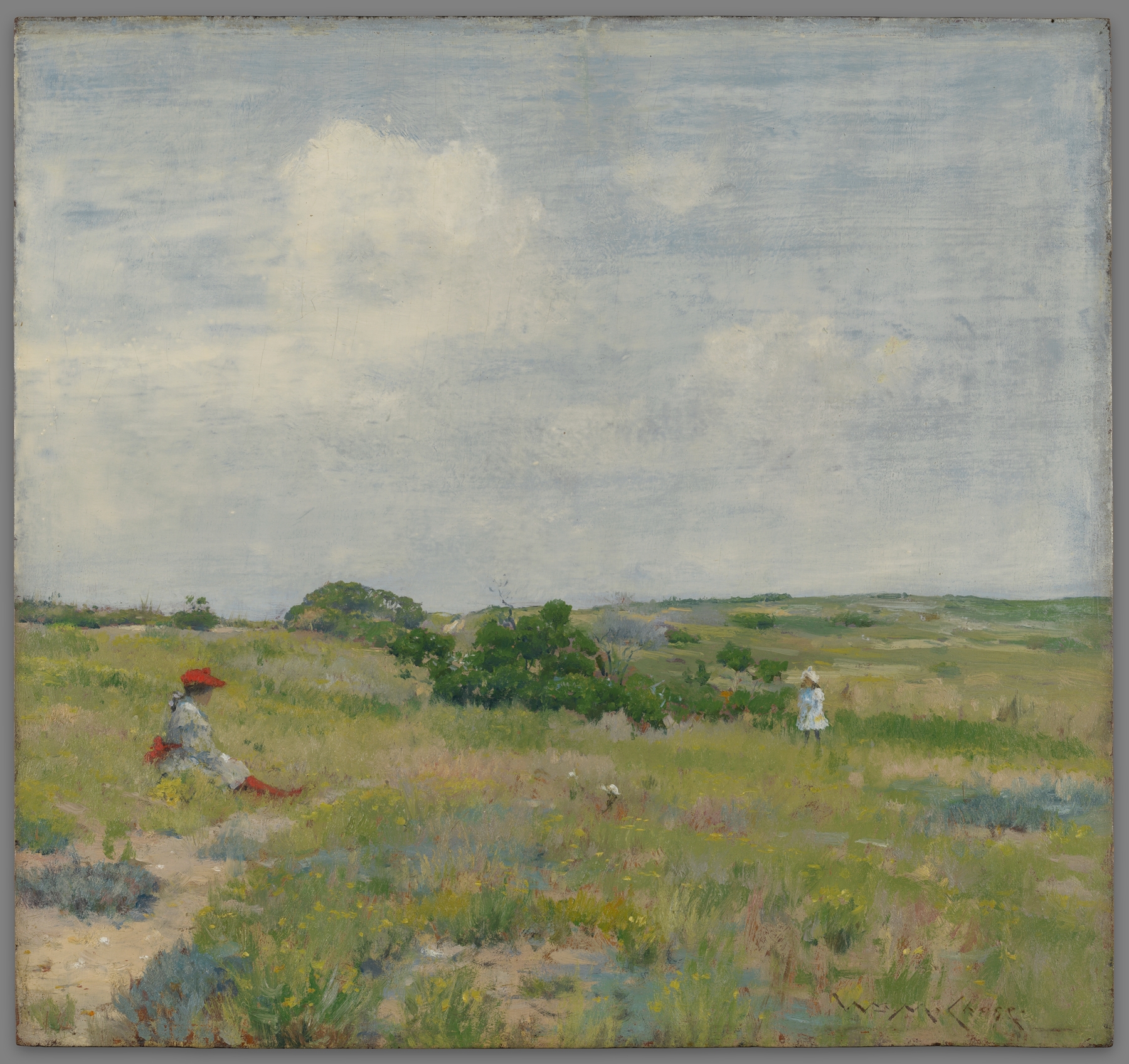
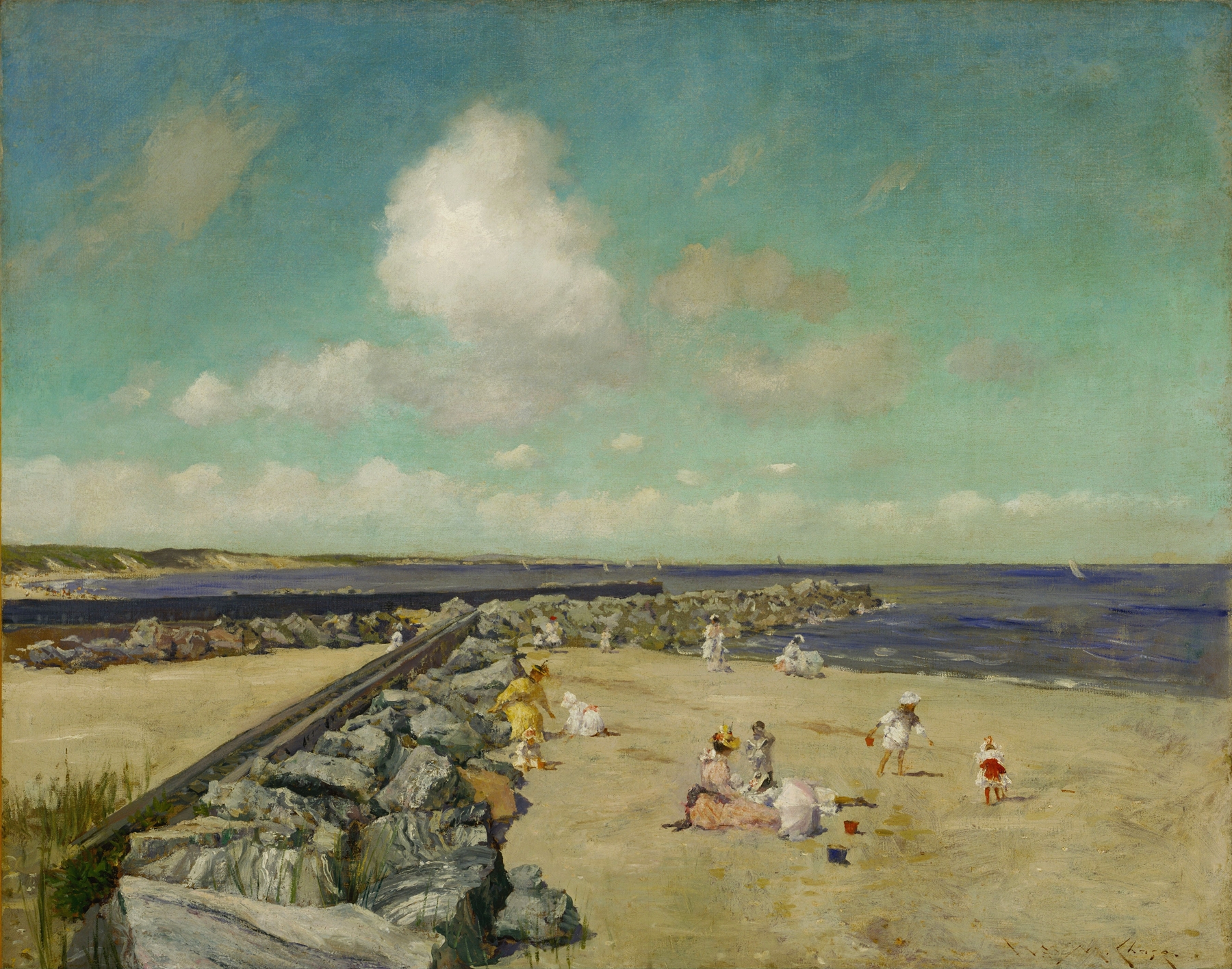
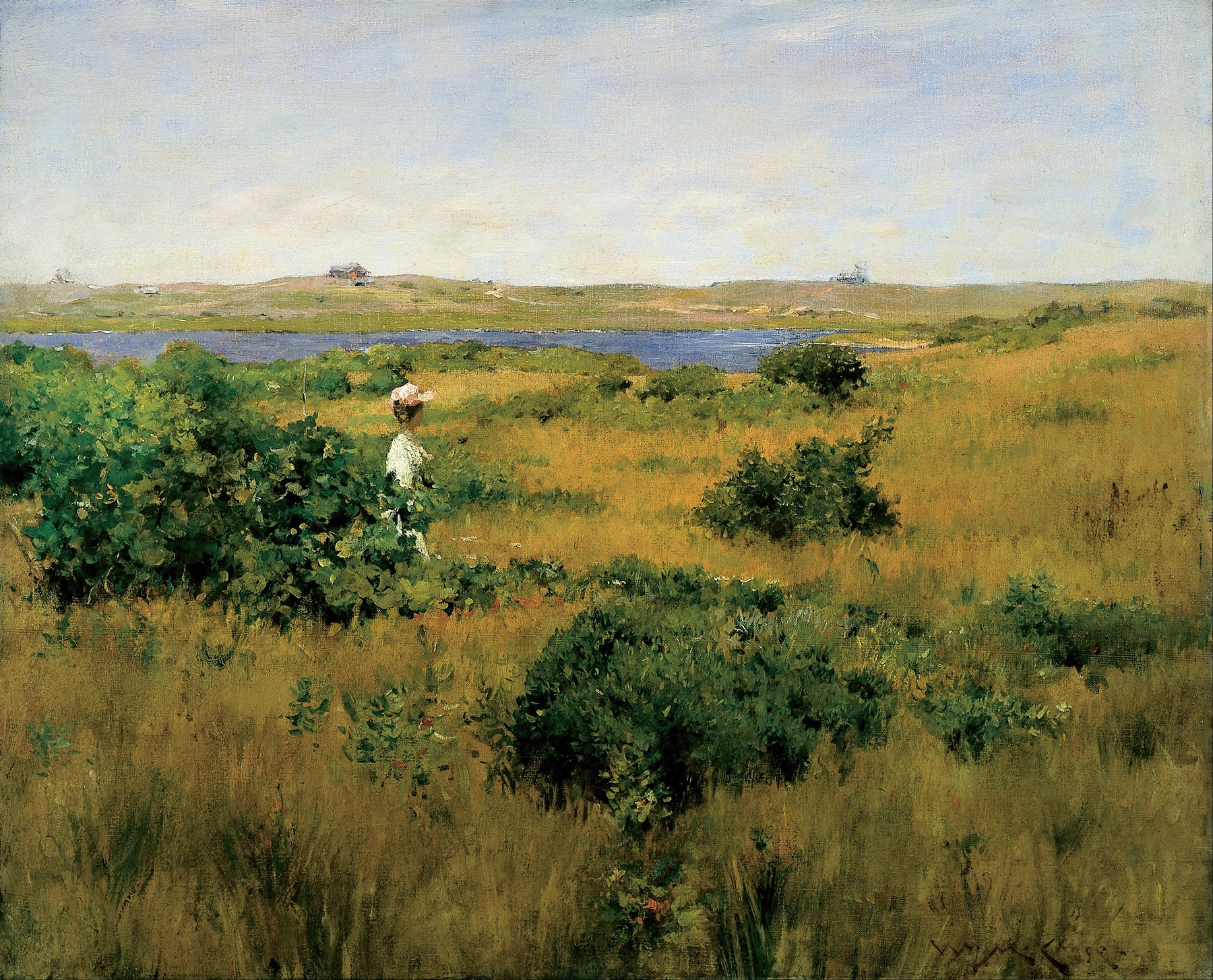
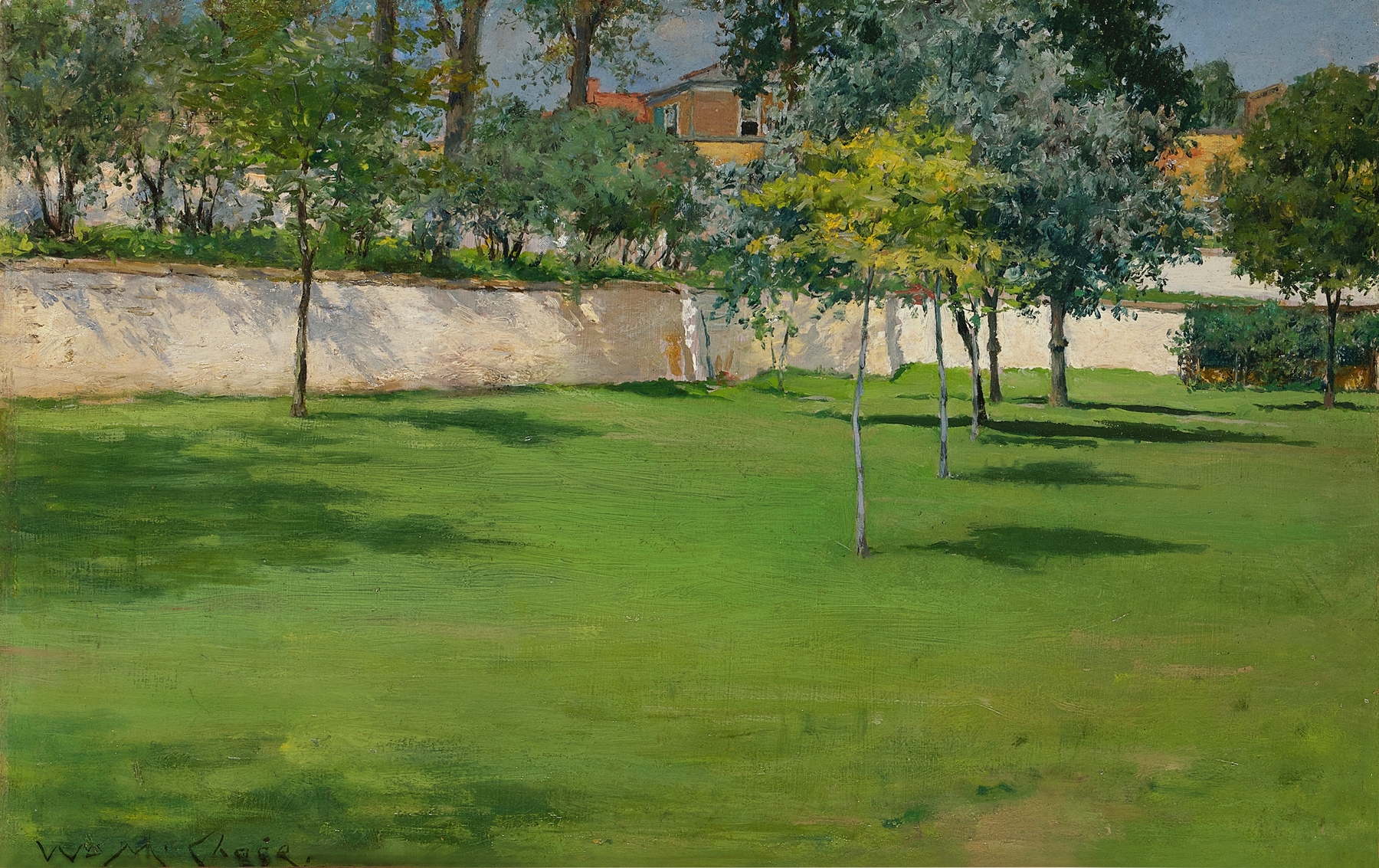
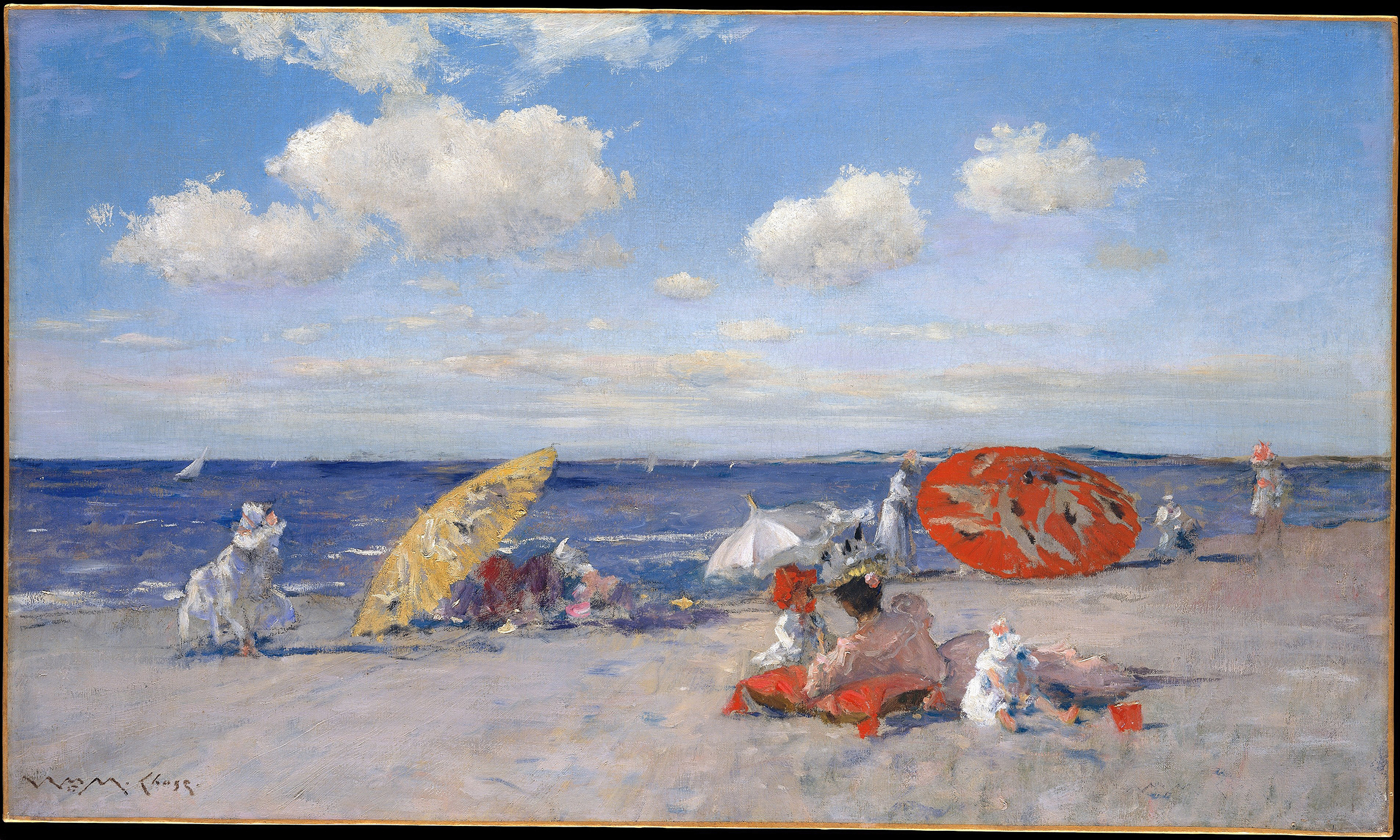
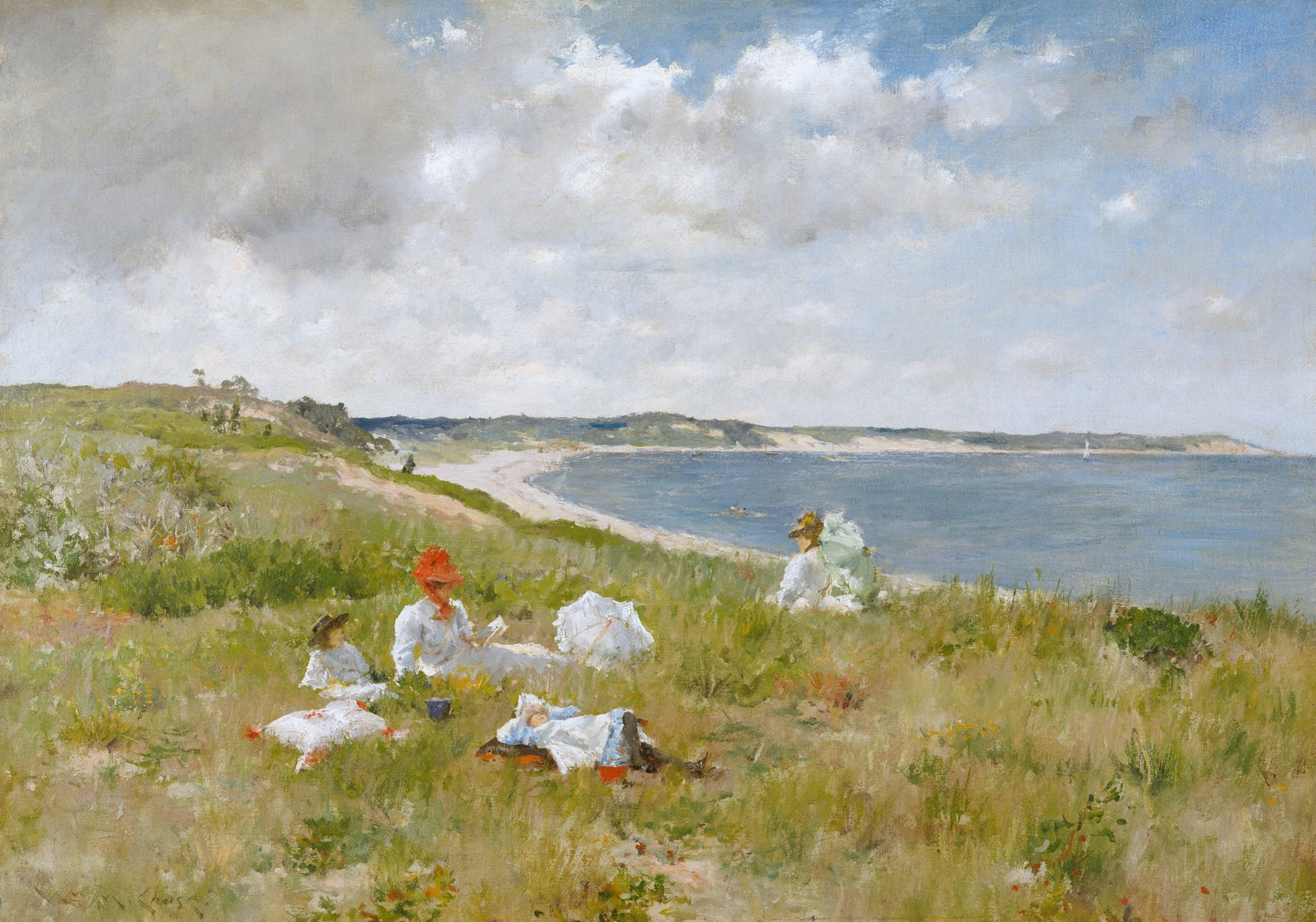
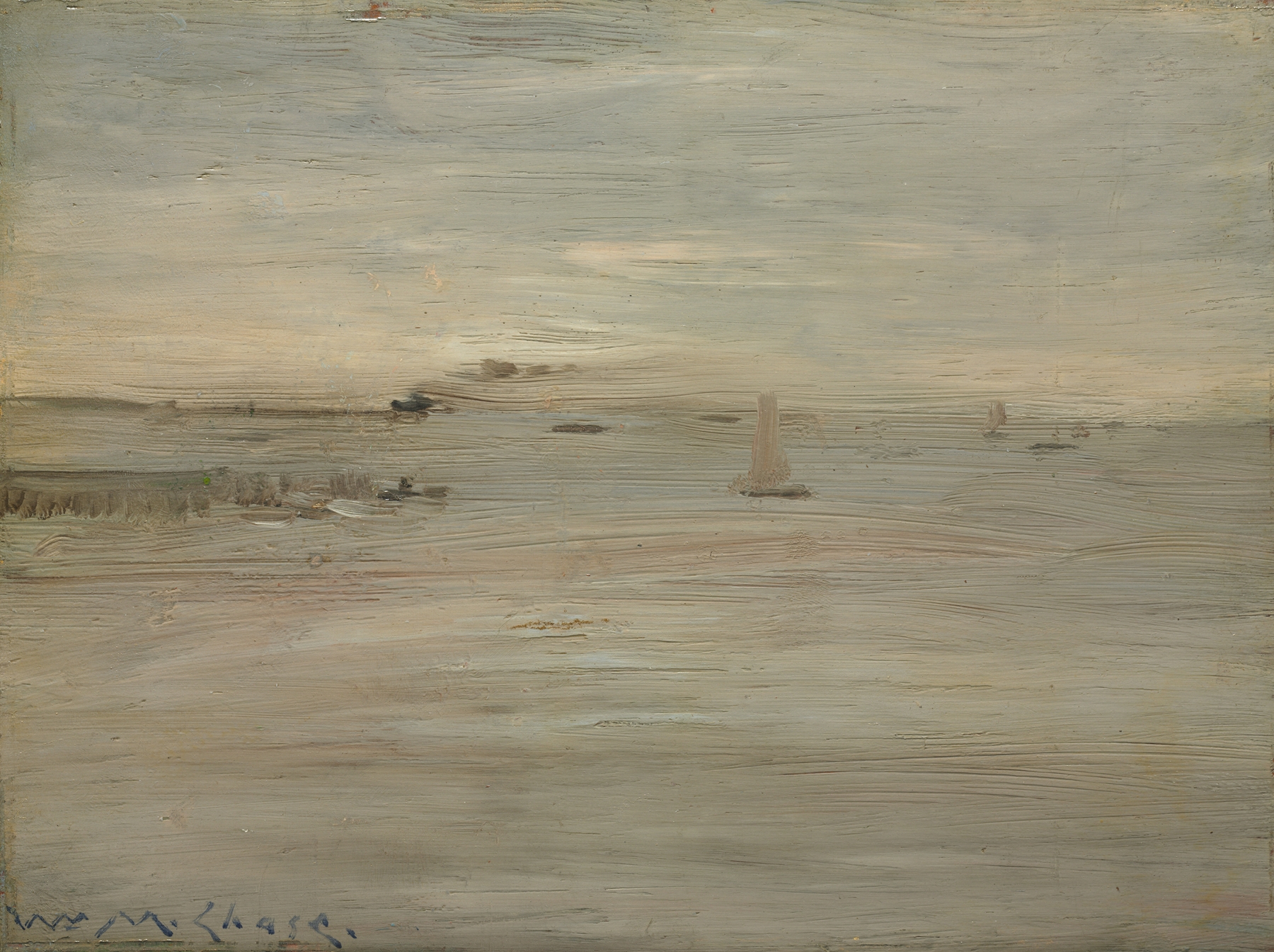
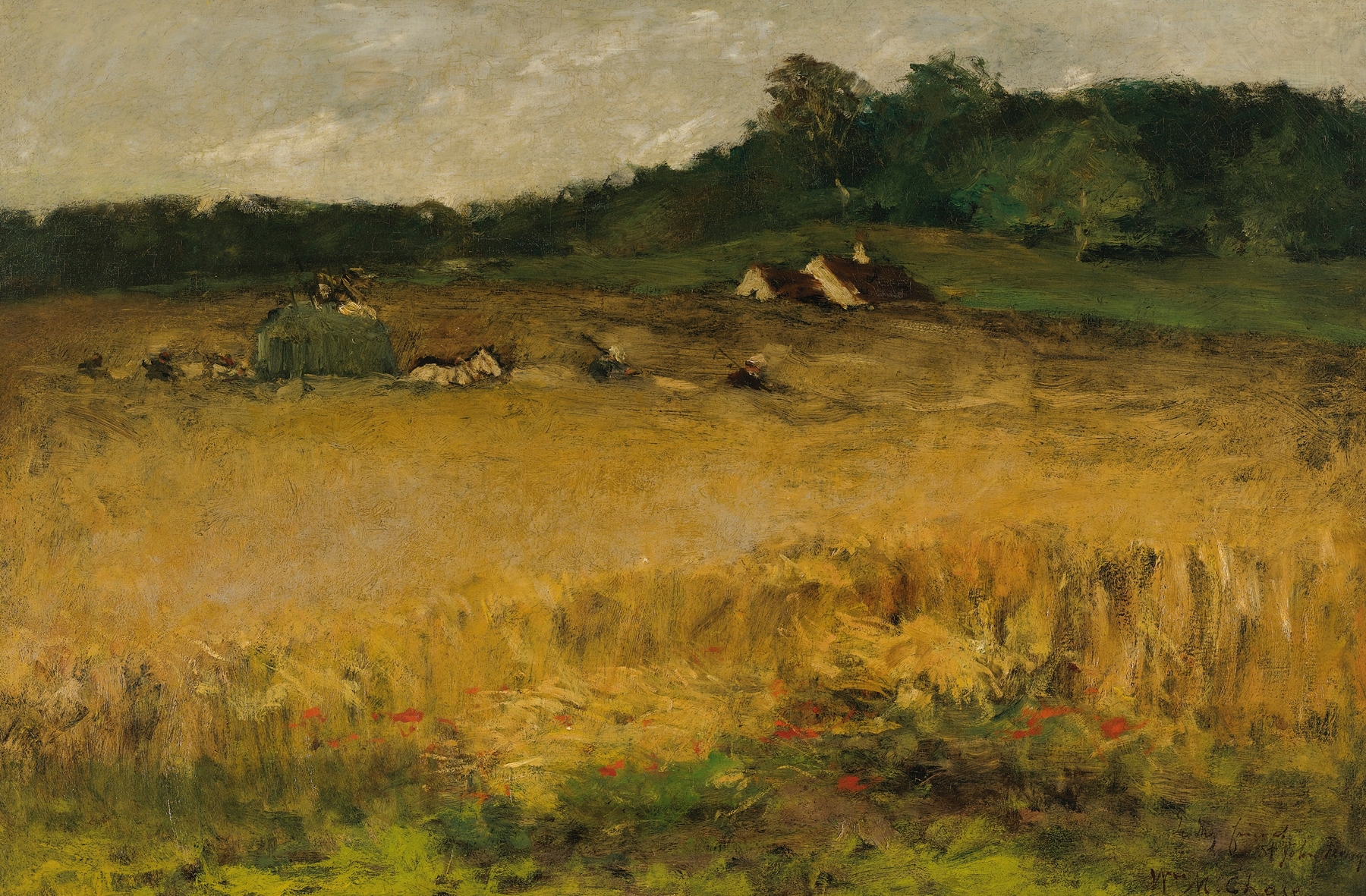
When did color learn to lie? In Wind-Swept Sands, a delicate tension unfolds between the vibrancy of hues and the inherent fragility of the moment captured. Here, the landscape whispers of both beauty and transience, inviting the viewer to question the permanence of such scenes. Focus on the horizon, where the gentle gradient of blue meets the warm, sandy browns. Notice how the brushwork dances across the canvas, each stroke alive with movement, suggesting the wind's playful embrace of the grains below.
The interplay of light and shadow creates a dynamic composition, as sunlight bathes the dunes, evoking warmth while hinting at the impermanence of the scene. Yet, beneath the surface, a deeper narrative simmers. The rippling sands hold the memories of countless footsteps, each mark a reminder of human presence fleeting against nature's vastness. The vibrant colors juxtaposed with the softness of the landscape create an emotional resonance, exploring themes of nostalgia and the ephemeral nature of beauty itself.
This tension between vibrancy and delicacy echoes a universal truth: all beauty is fleeting. In 1894, William Merritt Chase painted this evocative scene during a period marked by a shift in American art towards impressionism. Working in the coastal town of Shinnecock, New York, he embraced both the immediacy of his surroundings and the broader context of a changing artistic landscape. At this time, Chase was deeply involved in the push to capture natural light and color, reflecting not only his personal journey but also the evolving ethos of his contemporaries in the art world.