Winter in de haven — History & Analysis
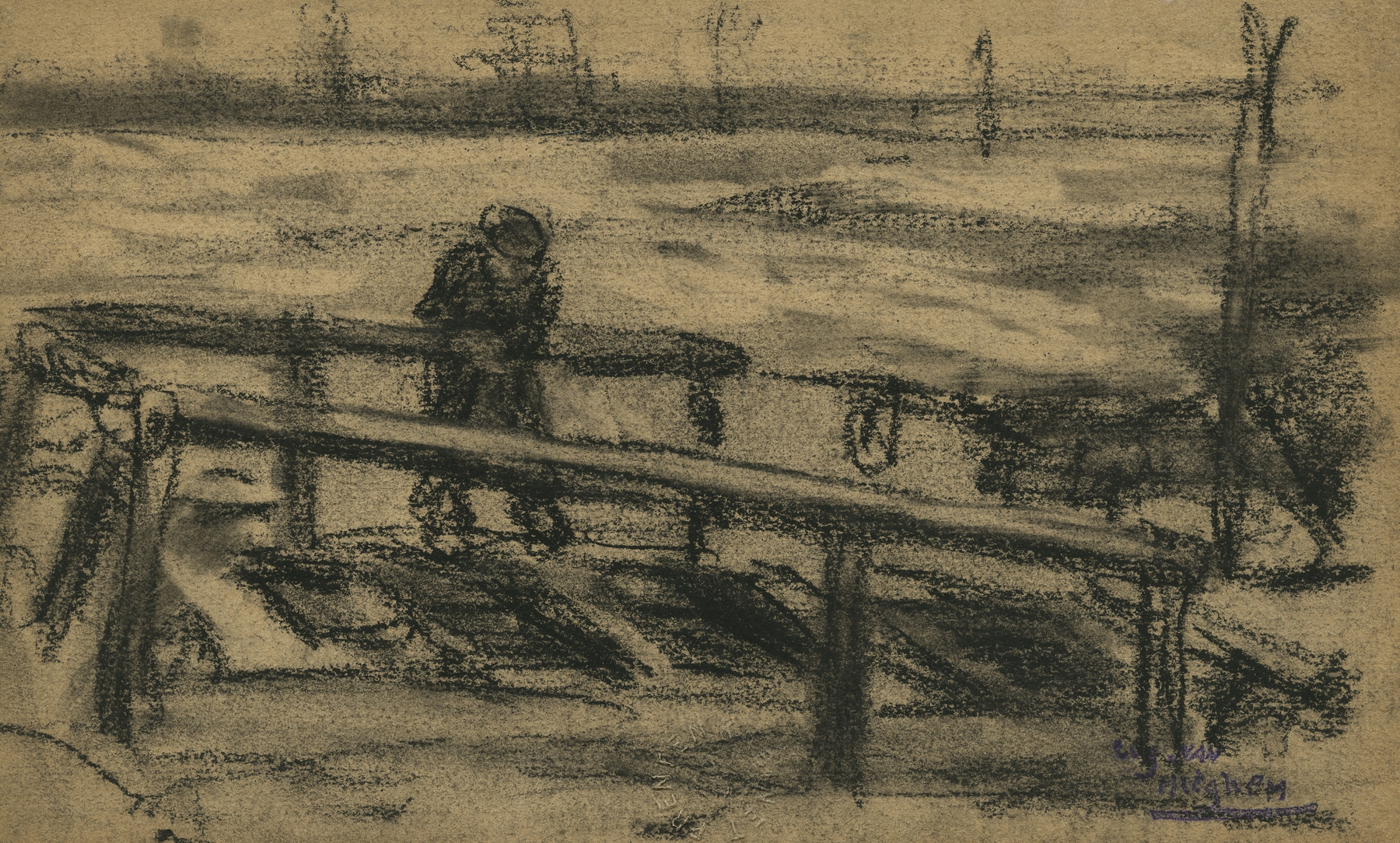
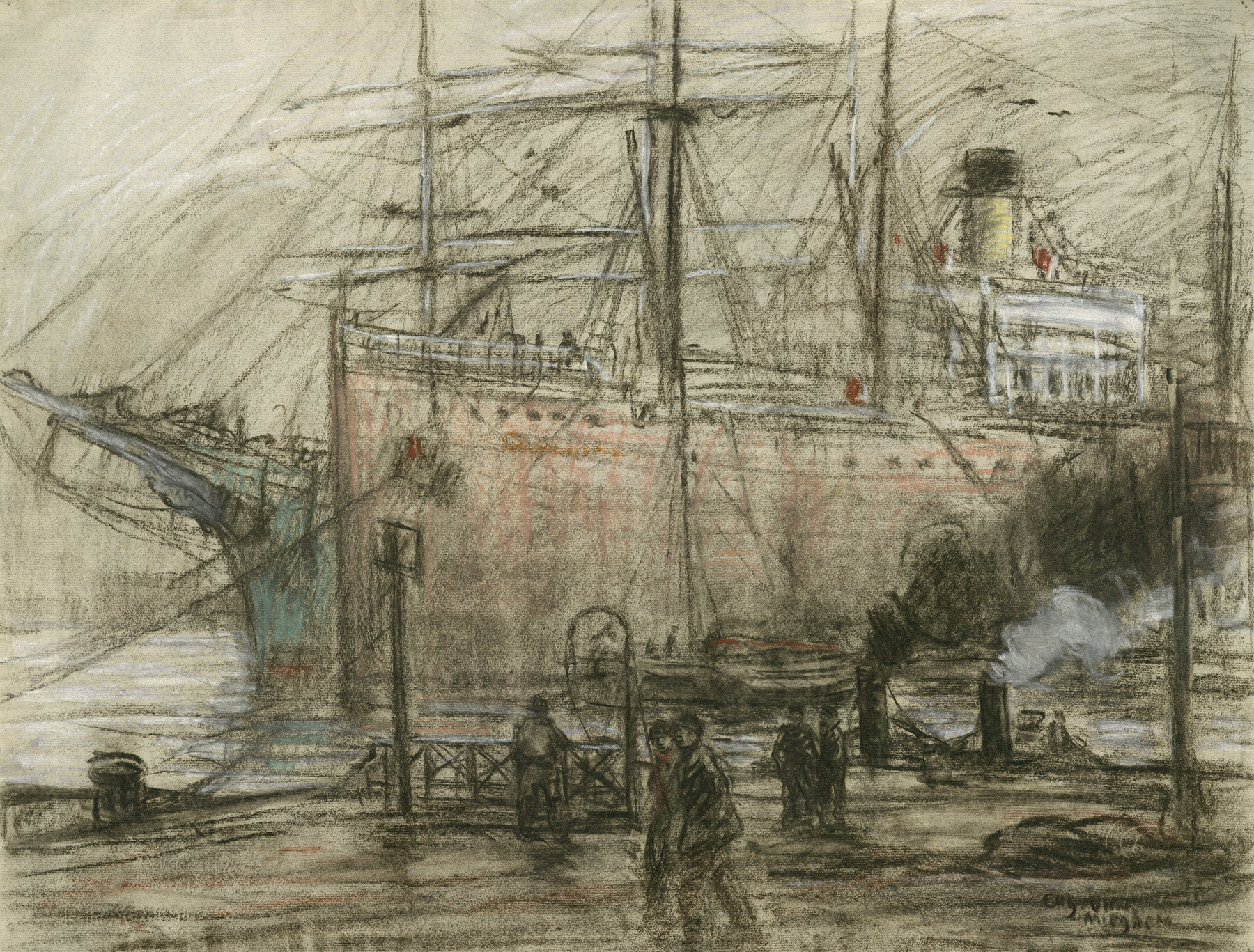
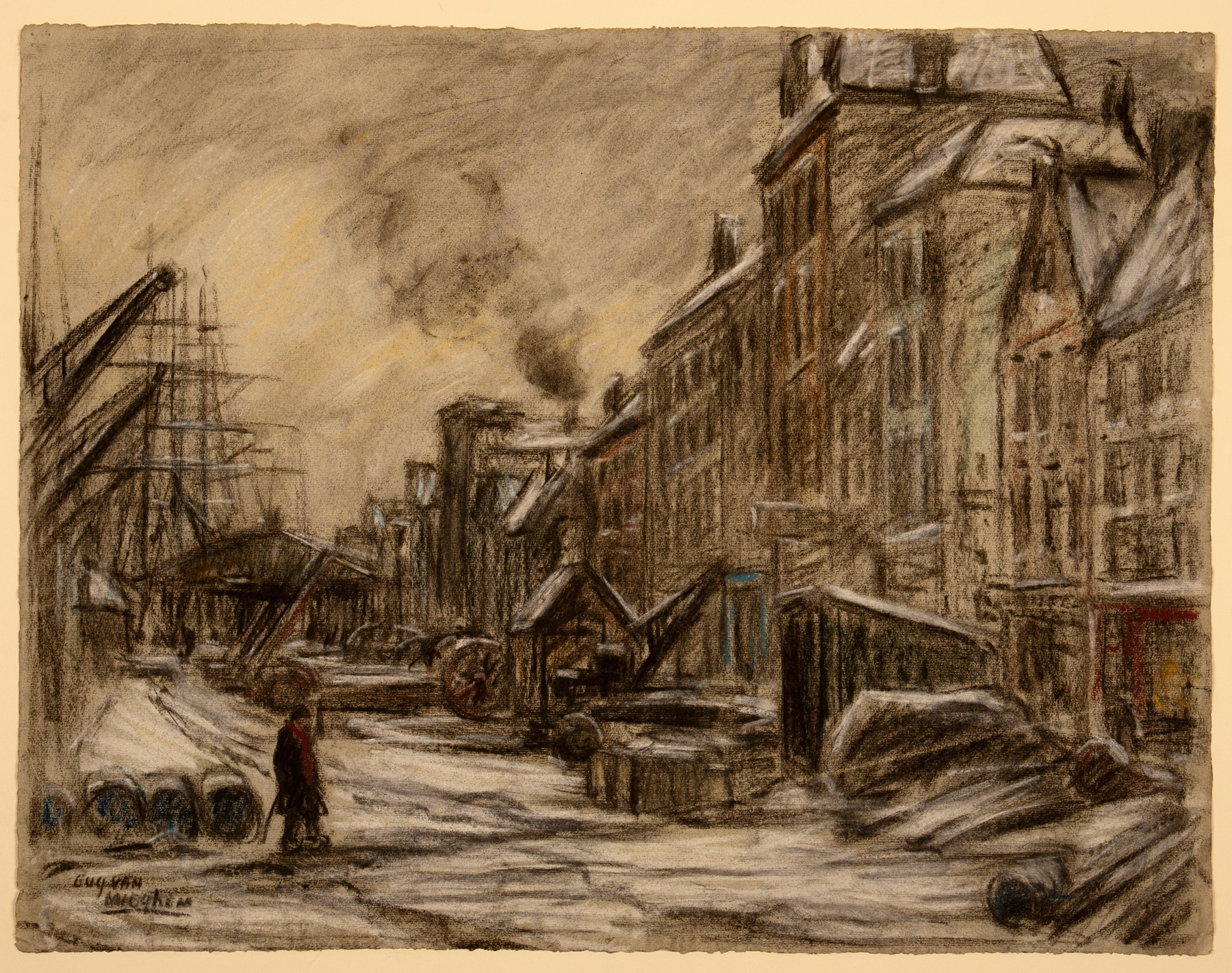
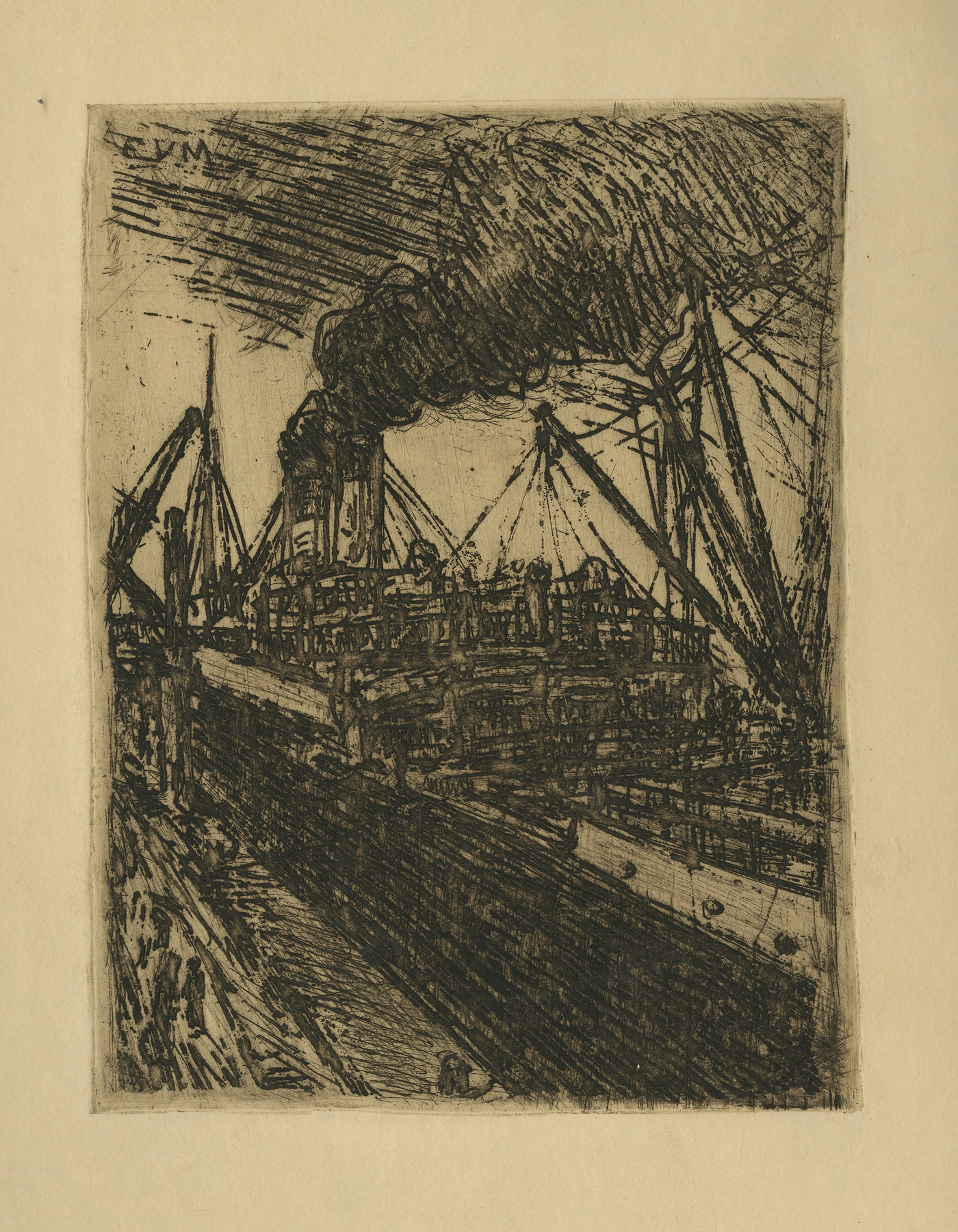
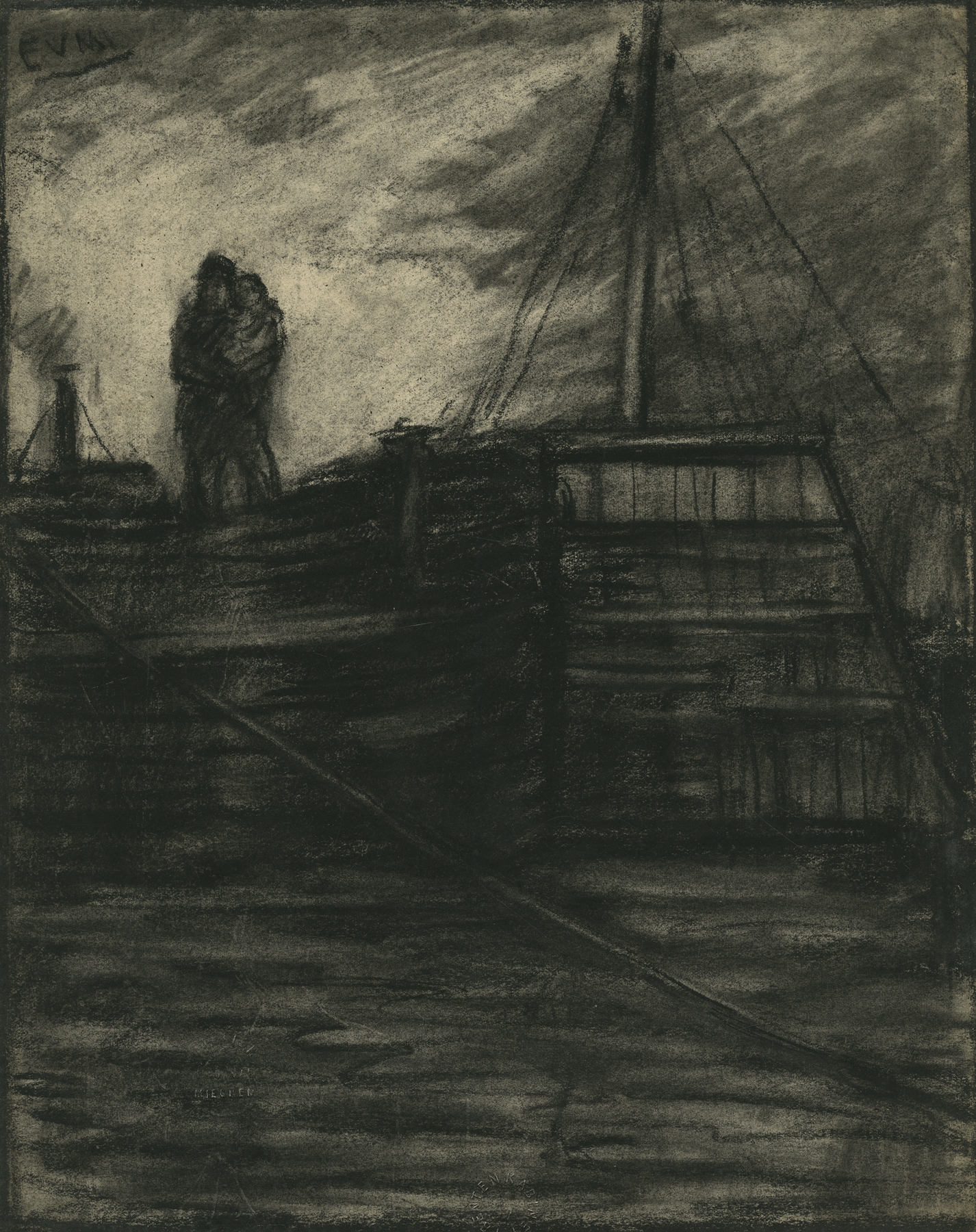
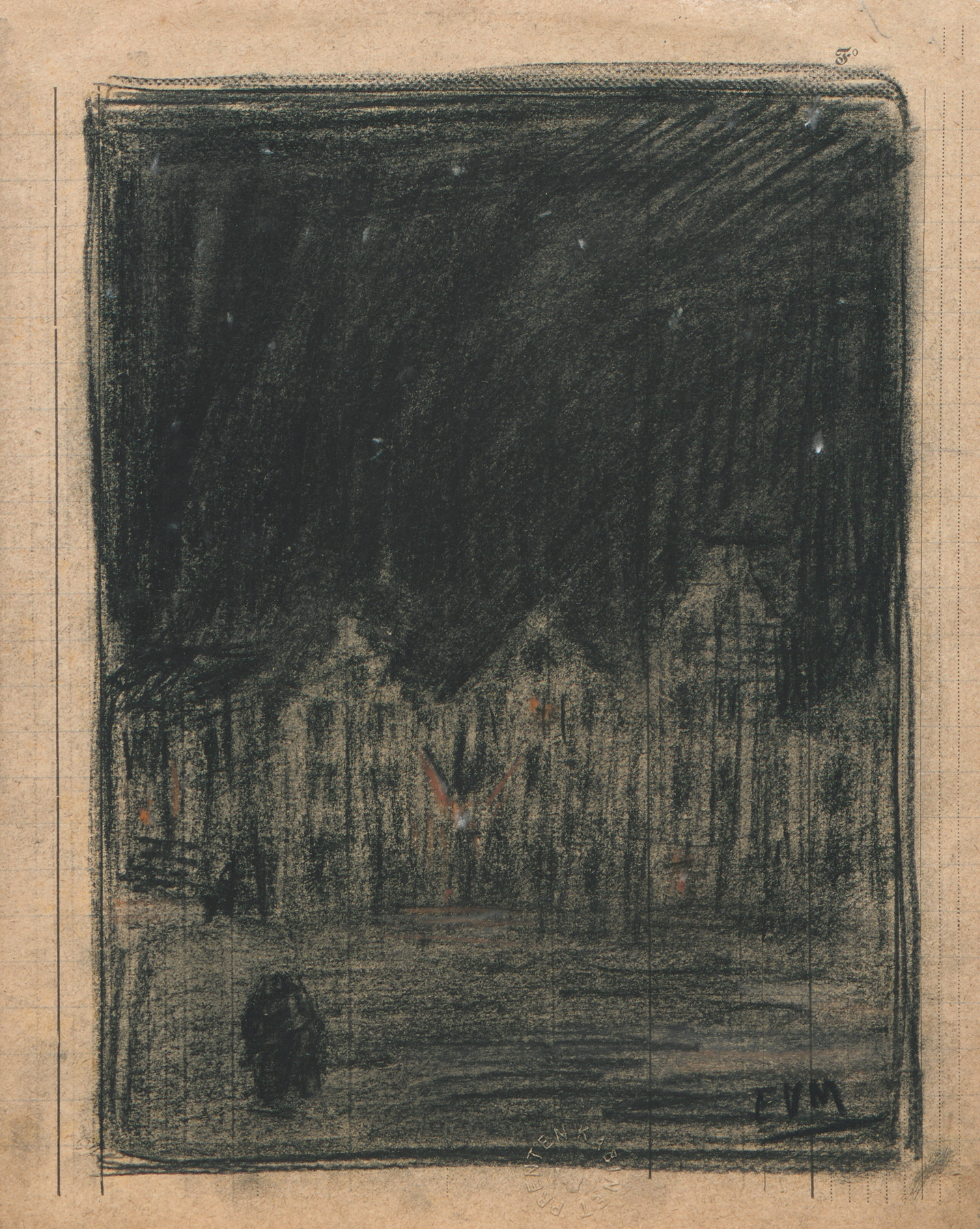
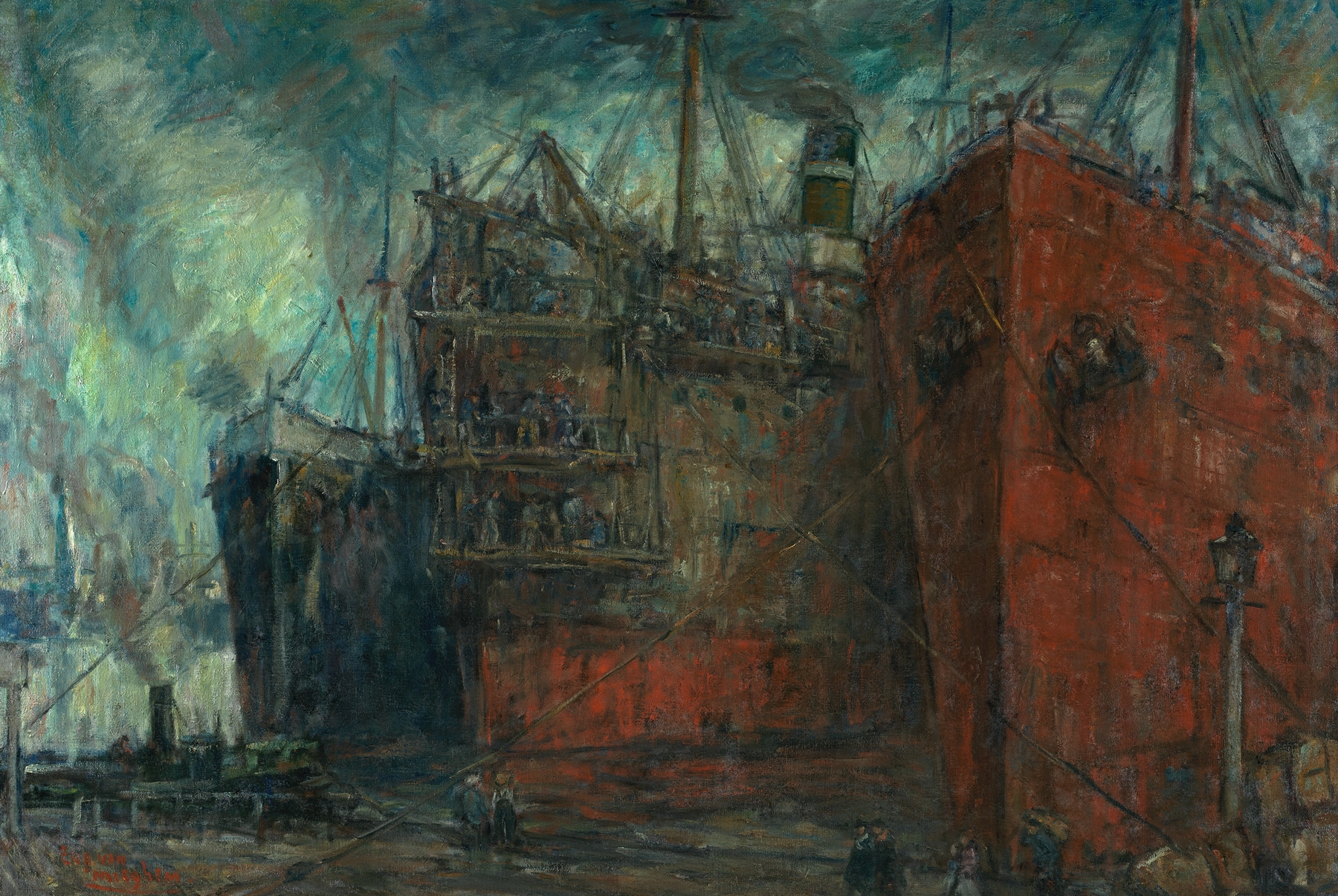
“The canvas doesn’t lie — it simply waits.” In the stillness of time, layers of decay whisper stories of forgotten moments, yearning to be heard anew. Look to the foreground, where muted hues of gray and brown dominate the scene, suggesting a cold, lifeless harbor. The stark outlines of skeletal boats emerge from the mist, their weathered surfaces echoing years of neglect. Notice how the light struggles to penetrate the dense atmosphere, casting a somber glow over the desolate landscape, making every brushstroke feel like an elegy to lost vitality.
Delve deeper into the work, and you'll uncover the emotional tension inherent in the juxtaposition of beauty and deterioration. The crumbling structures, while devoid of life, invite contemplation on the passage of time and the inevitable decay that accompanies existence. Each element, from the water’s stillness to the empty docks, speaks of abandonment, yet hints at resilience — the harbor, while quiet, remains a vessel of memories.
In 1912, Eugeen Van Mieghem painted this piece amid a tumultuous period in Belgium, marked by industrial growth and societal shifts. Living in Antwerp, he was immersed in the throes of urban transformation, where the old world met the new, reflected poignantly in this harbor scene. As artists wrestled with modernity, his focus on the melancholic beauty of decay captured a truth that resonated deeply within the changing landscape of art and life.