Enjoying the Ice near a Town — History & Analysis
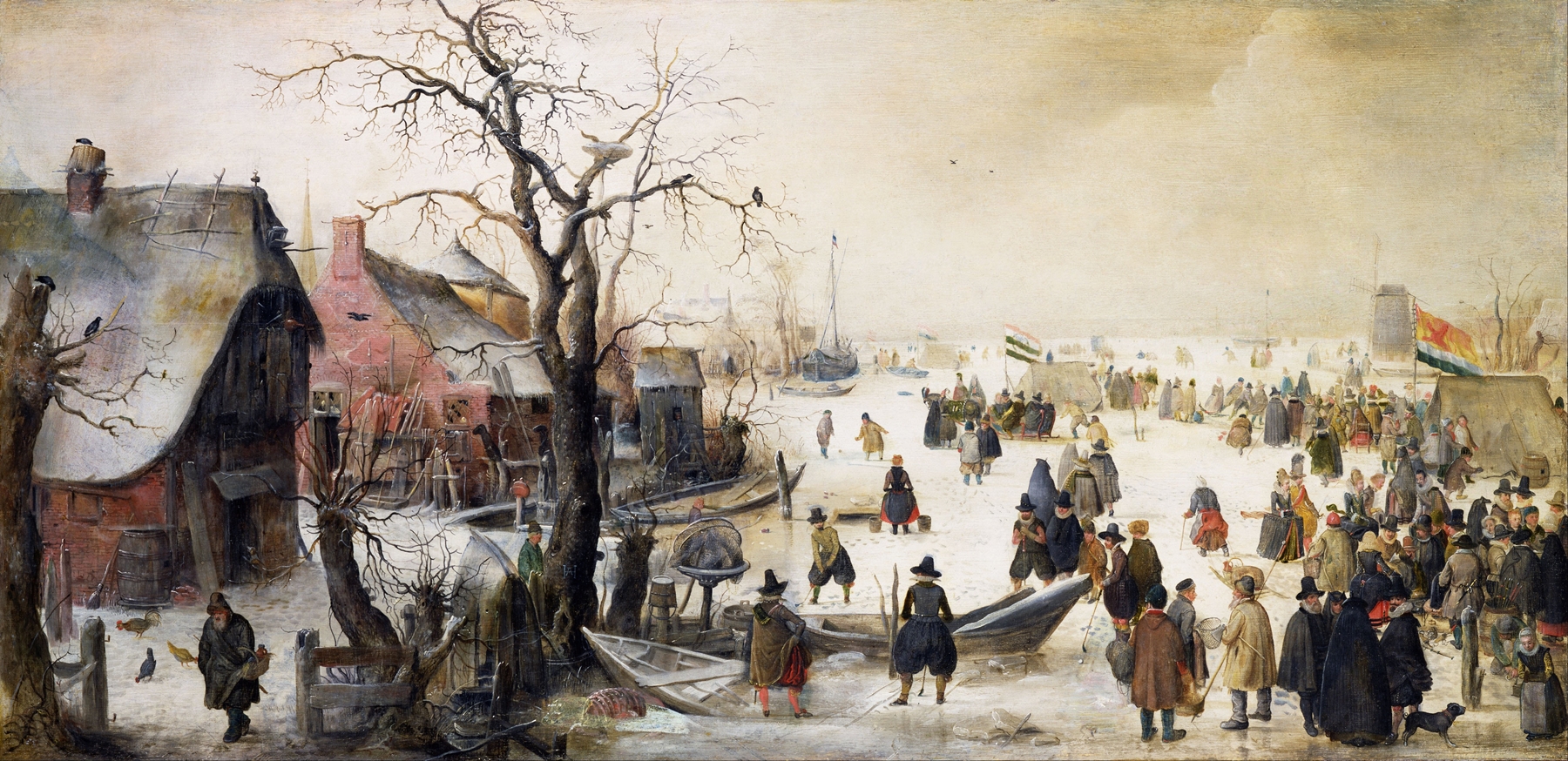
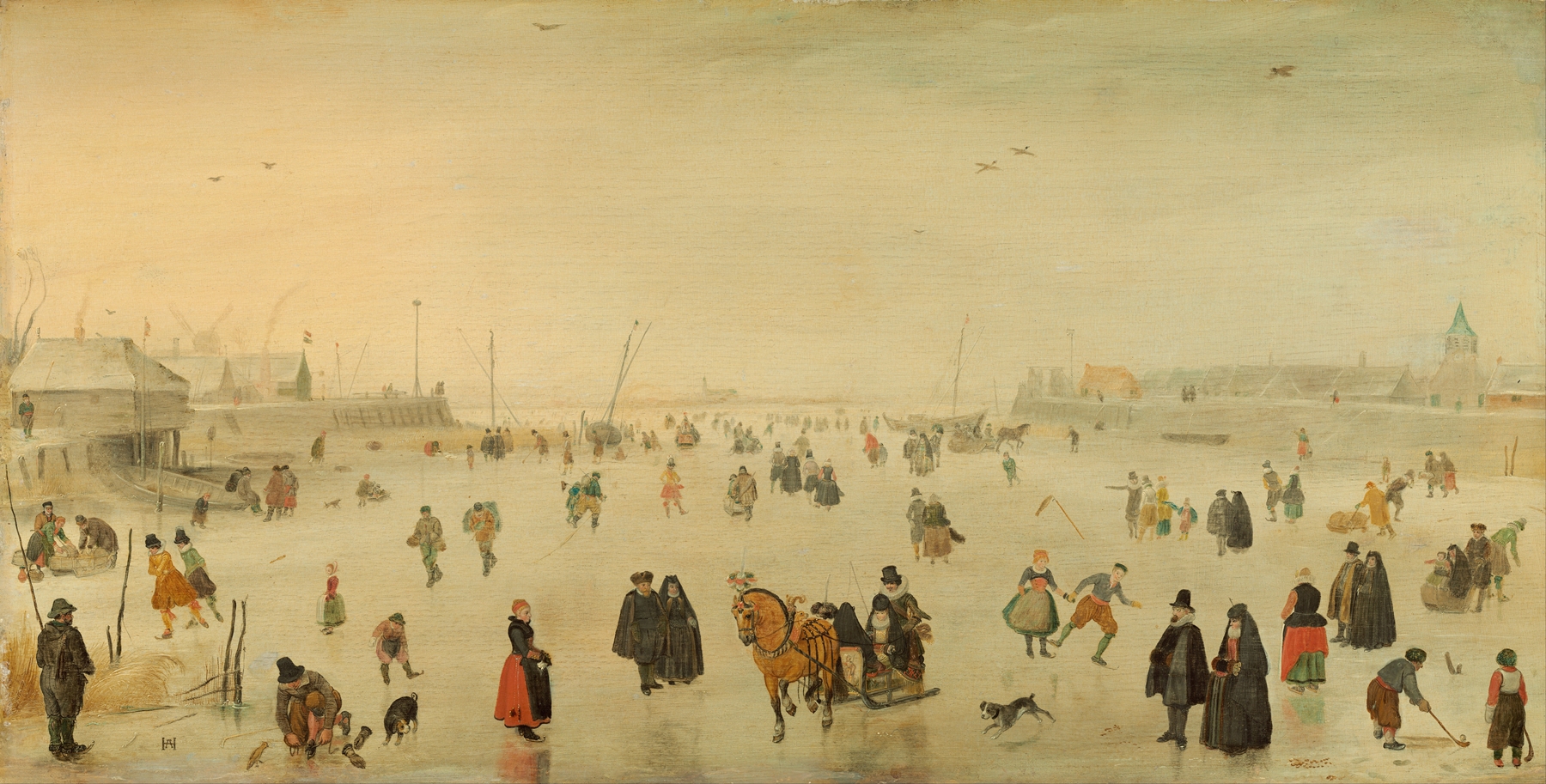
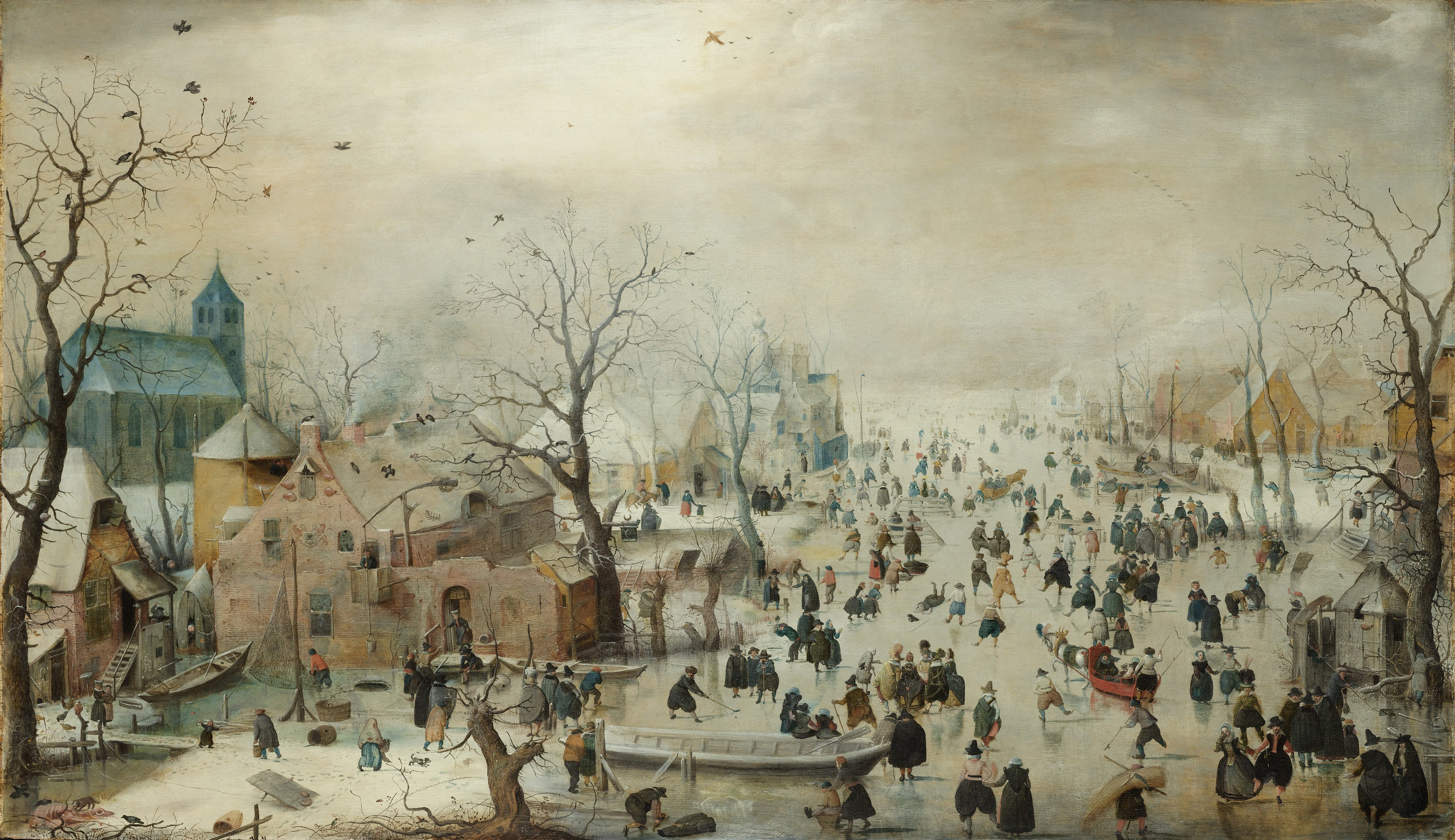
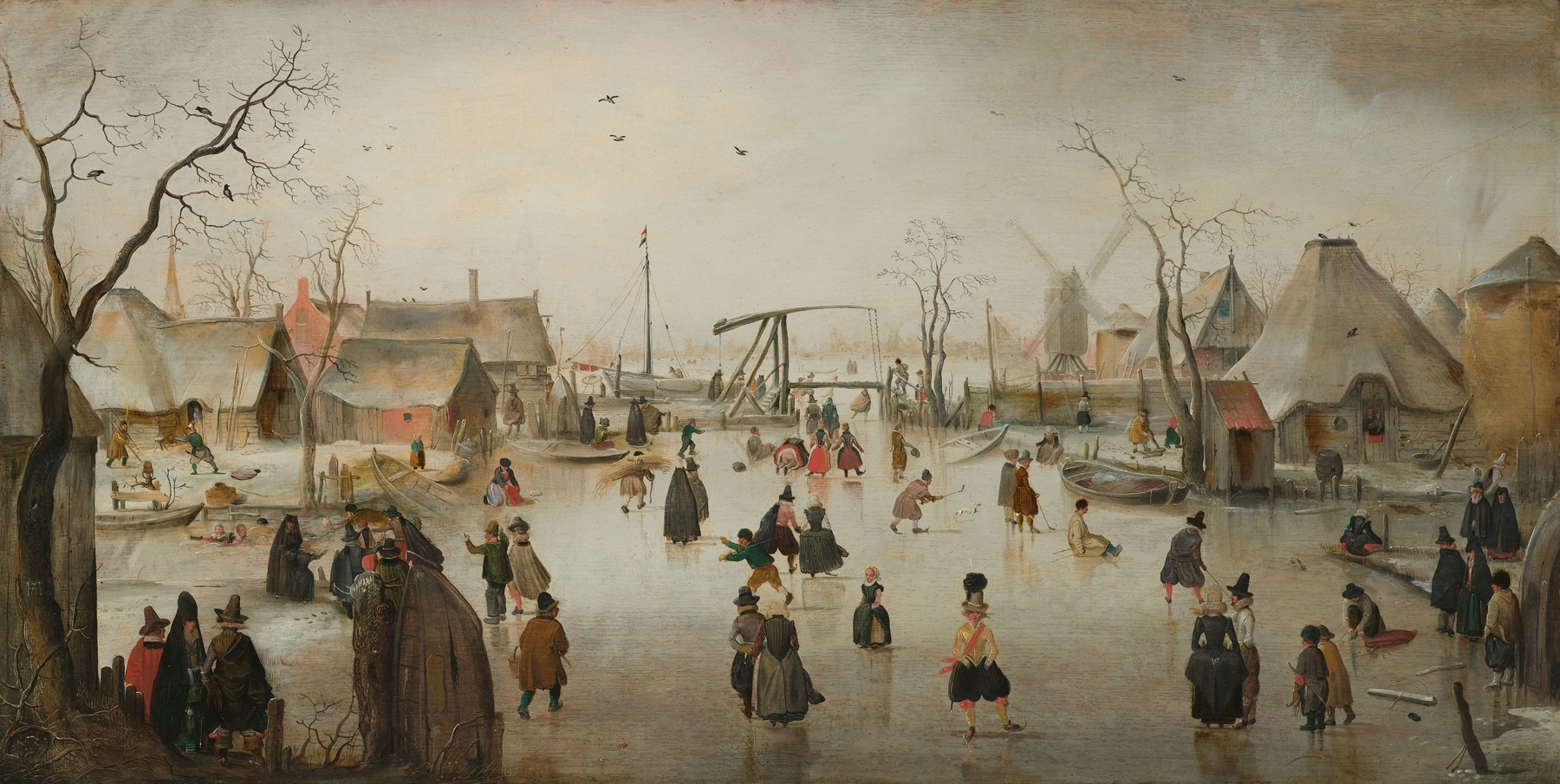
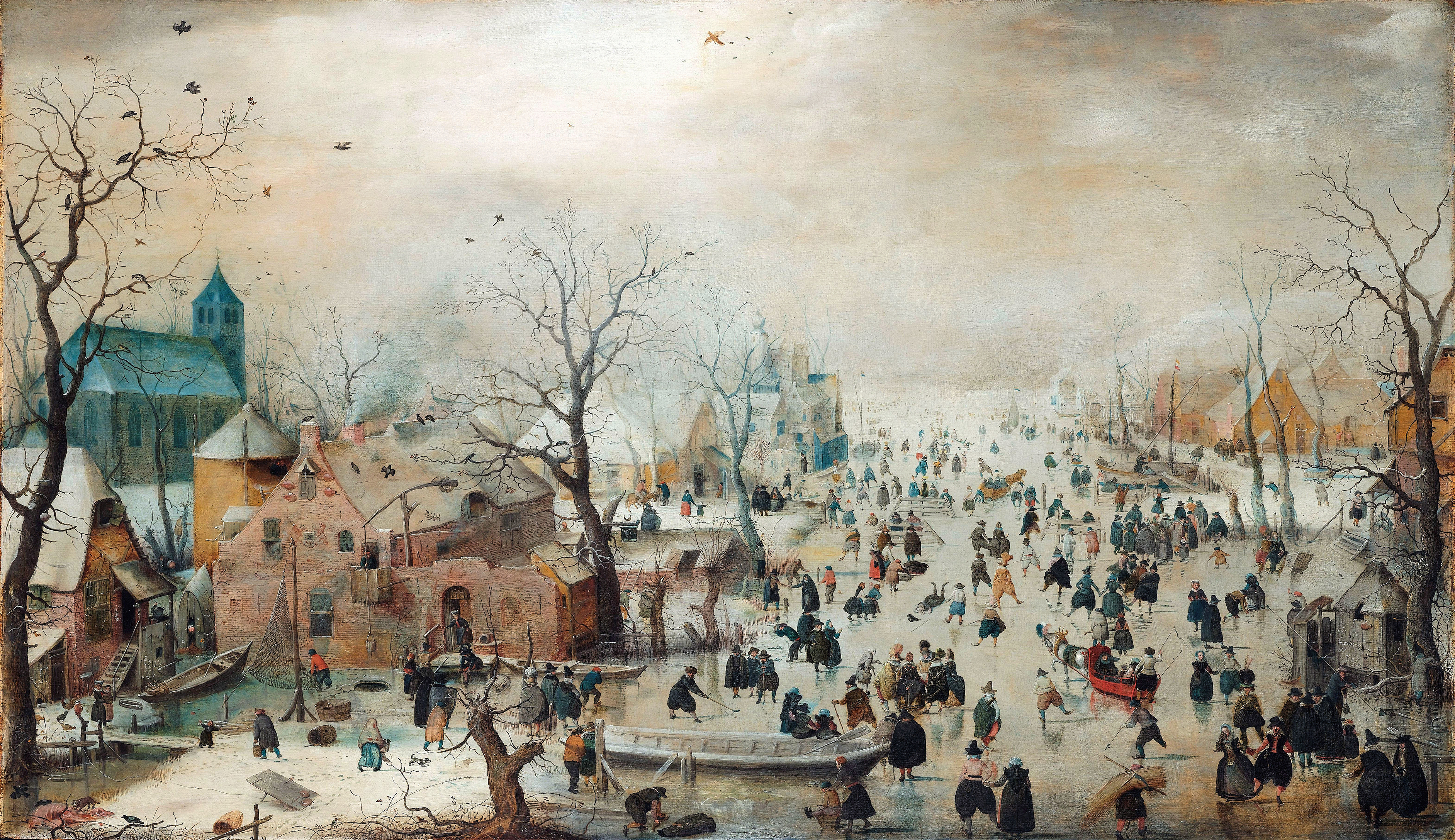
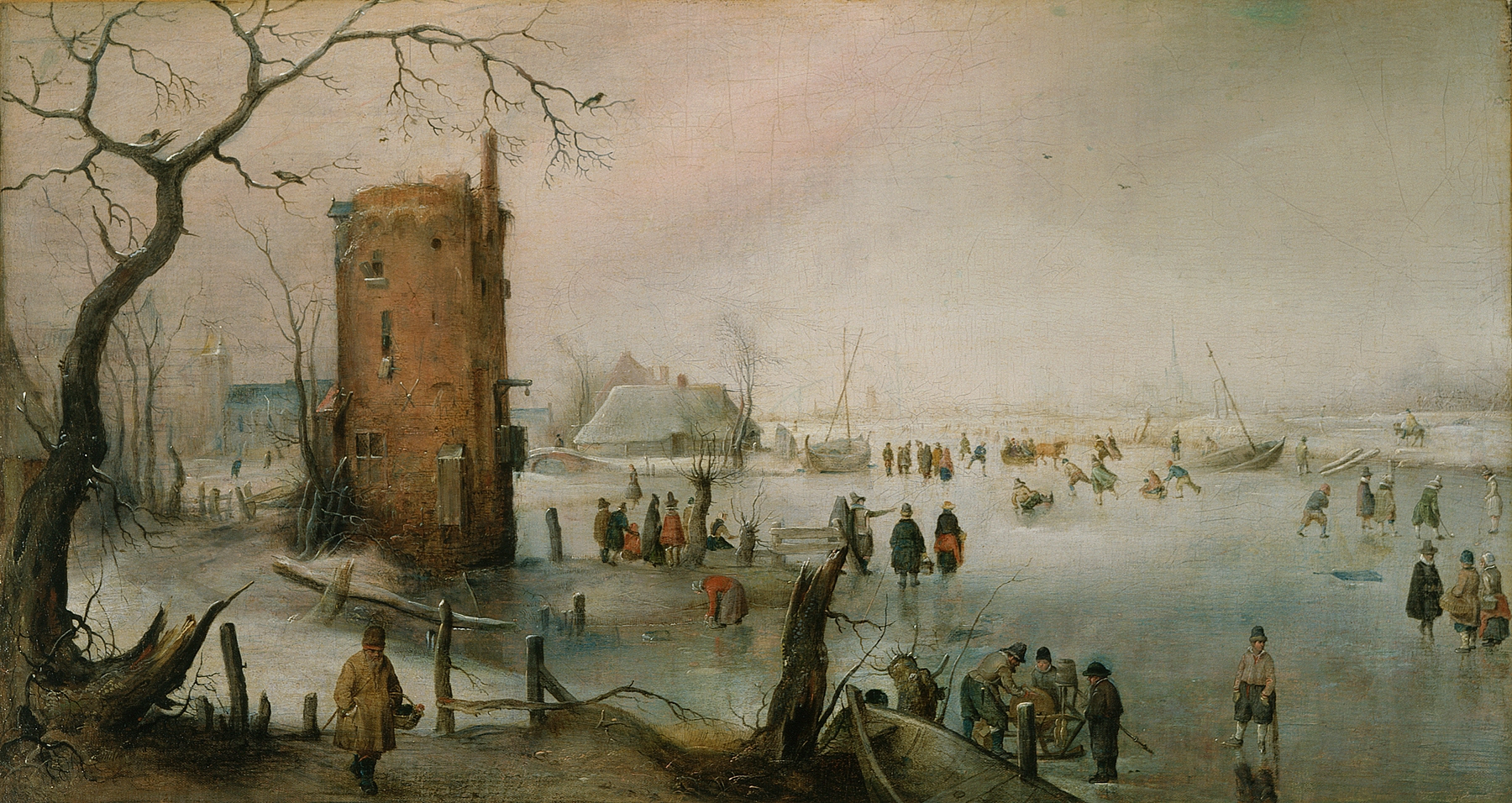
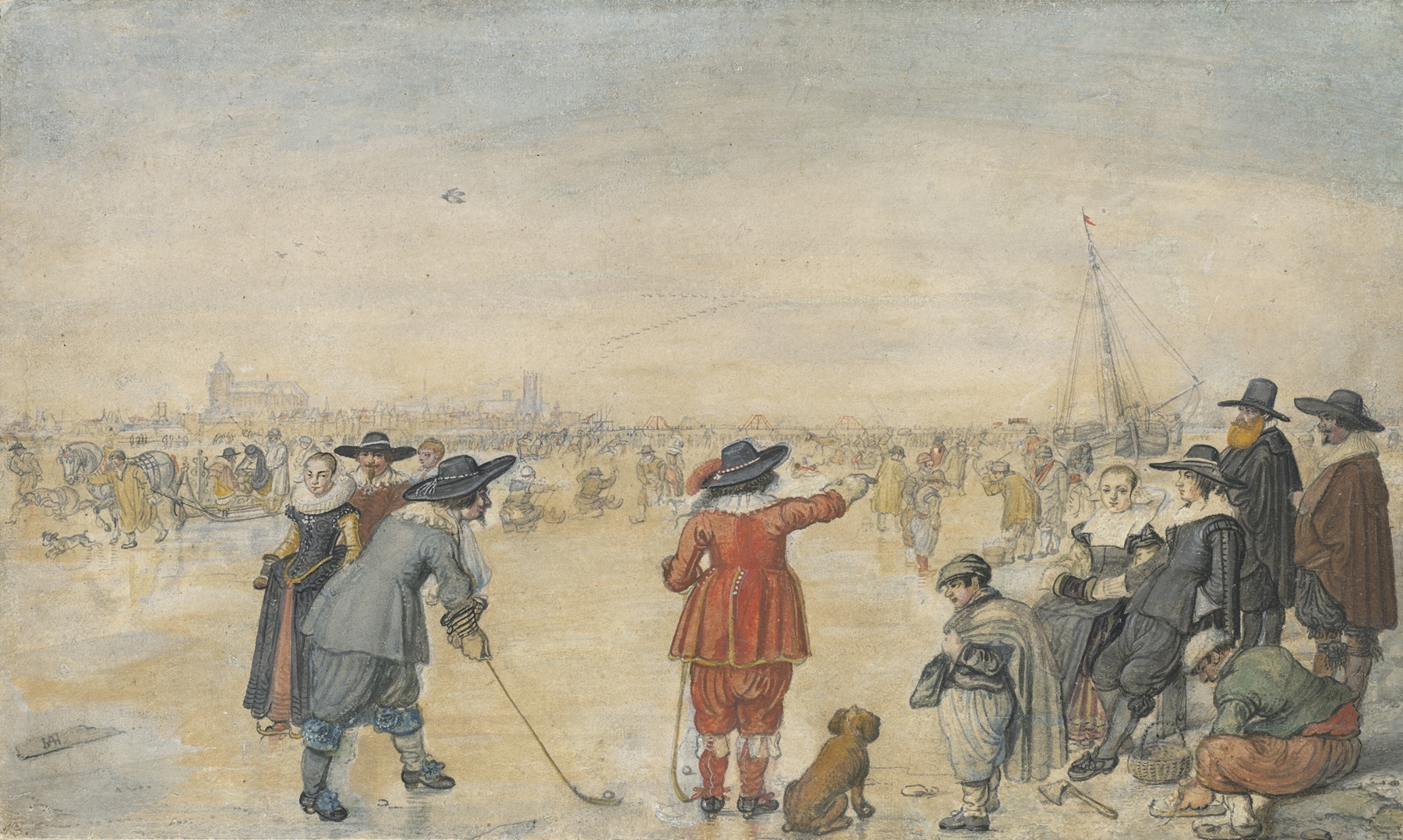
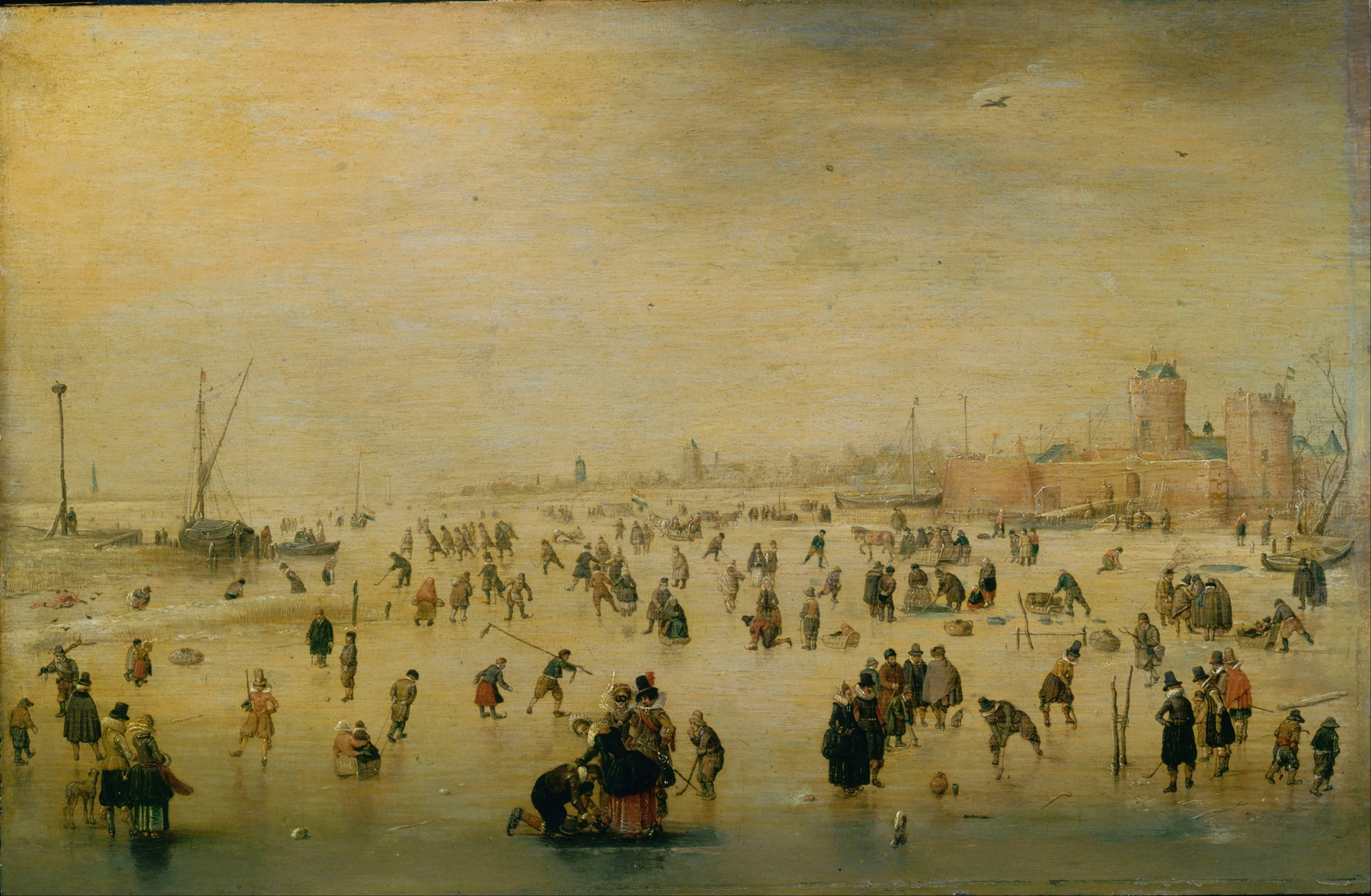
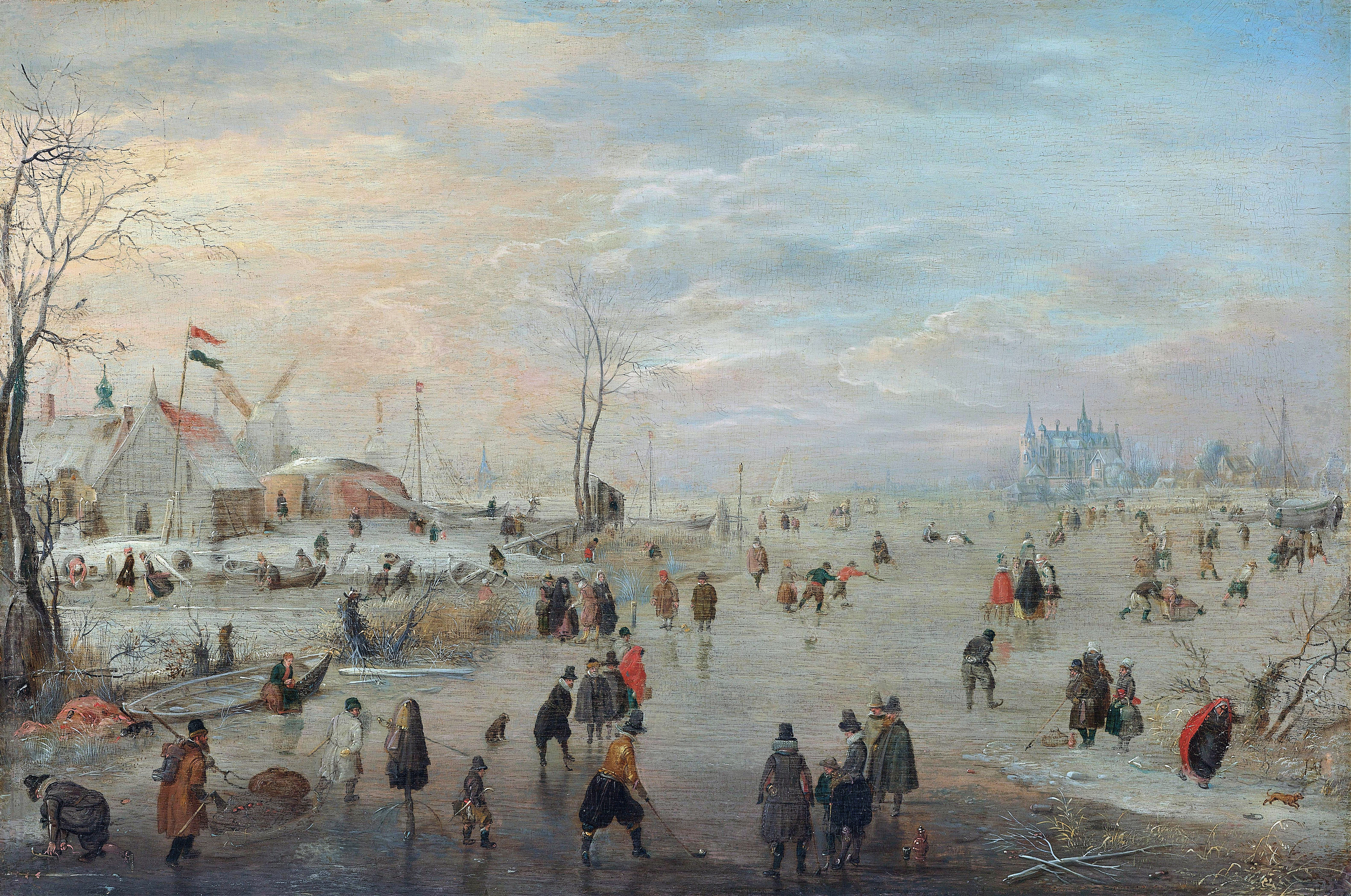
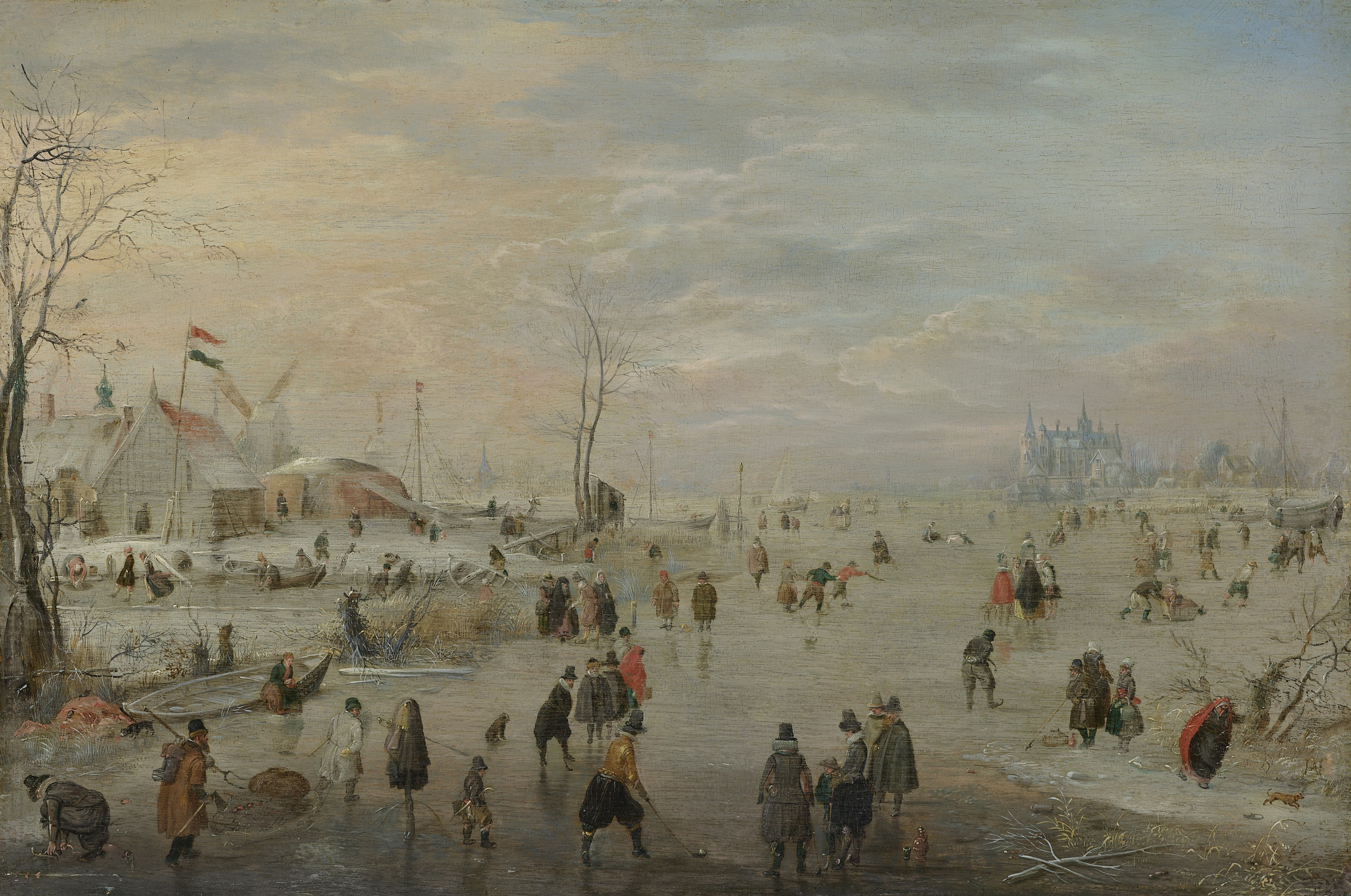
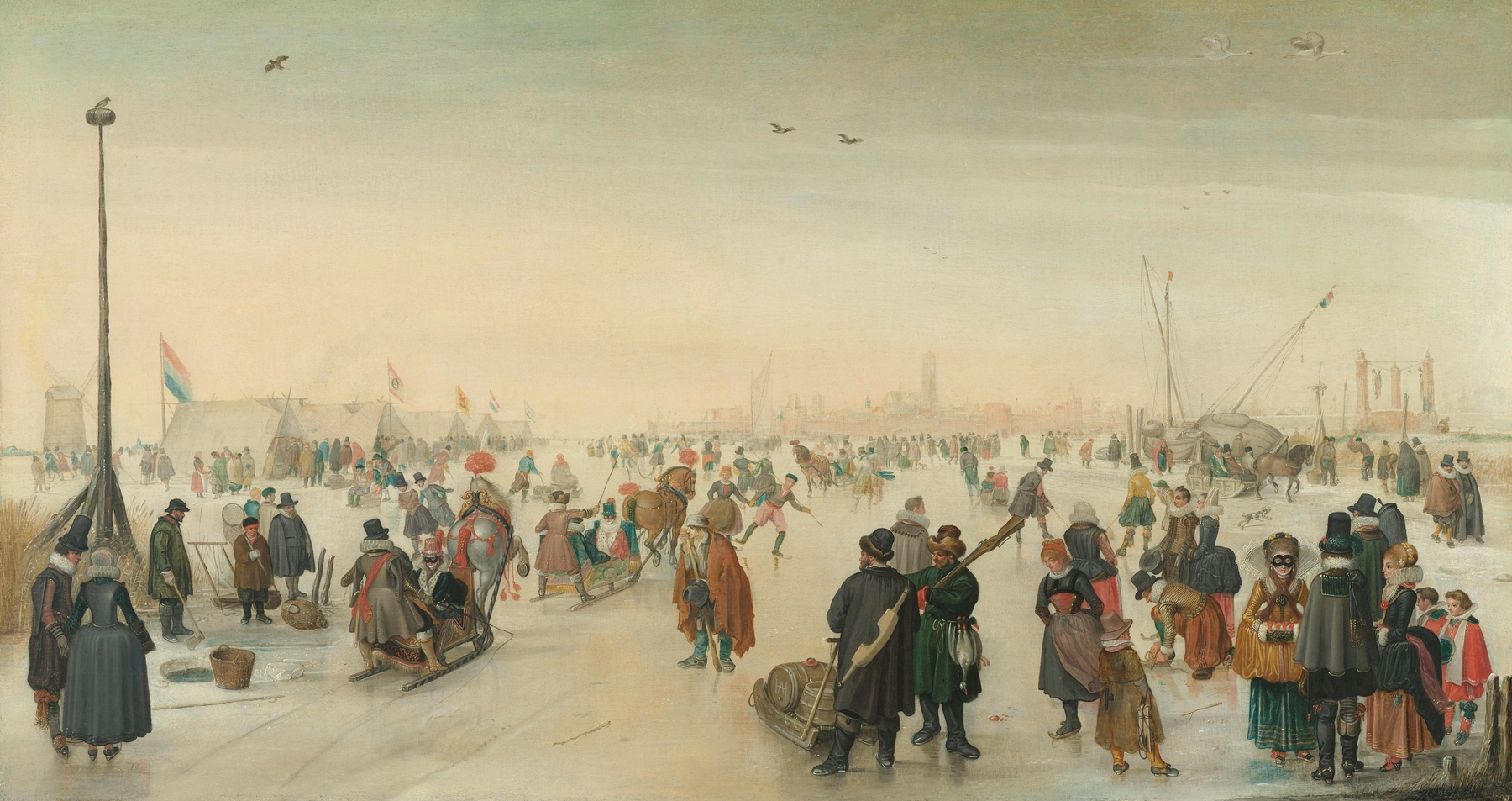
“Art reveals the soul when the world turns away.” In Enjoying the Ice near a Town, the madness of winter's embrace captures not just the joy of leisure but the uncontrollable chill of existence itself. Look closely at the vibrant patchwork of figures that dance across the canvas. The viewer's gaze is drawn to the cheerful chaos of skaters spiraling in joyous abandon, their laughter almost palpable. Note how the artist contrasts the crisp whites of the snow with the earthy tones of the town's buildings and spectators, creating a dynamic interplay of warmth and cold.
The carefully crafted strokes convey movement, as if even the ice itself breathes underfoot. Delve deeper to uncover the emotional tension that lies beneath the surface. The figures, though engaged in merriment, each carry a hint of solitude; they are lost in their own worlds amidst the liveliness of the scene. The distant town stands as a silent witness, suggesting a community that thrives despite the isolation of winter.
The painting encapsulates a fleeting moment of joy, layered with the bittersweet reminder of life’s unpredictability and fragility. Hendrick Avercamp created this work around 1620, a period marked by the Dutch Golden Age's exploration of genre scenes. Living in Amsterdam, he was influenced by the bustling urban life around him as well as the harsh realities of the cold northern climate, reflecting both the vibrancy and solitude present in his work. The painting serves as a testament to how leisure and madness can coexist, echoing the complexities of human experience during this rich artistic era.