Winter Scene on a Frozen Canal — History & Analysis
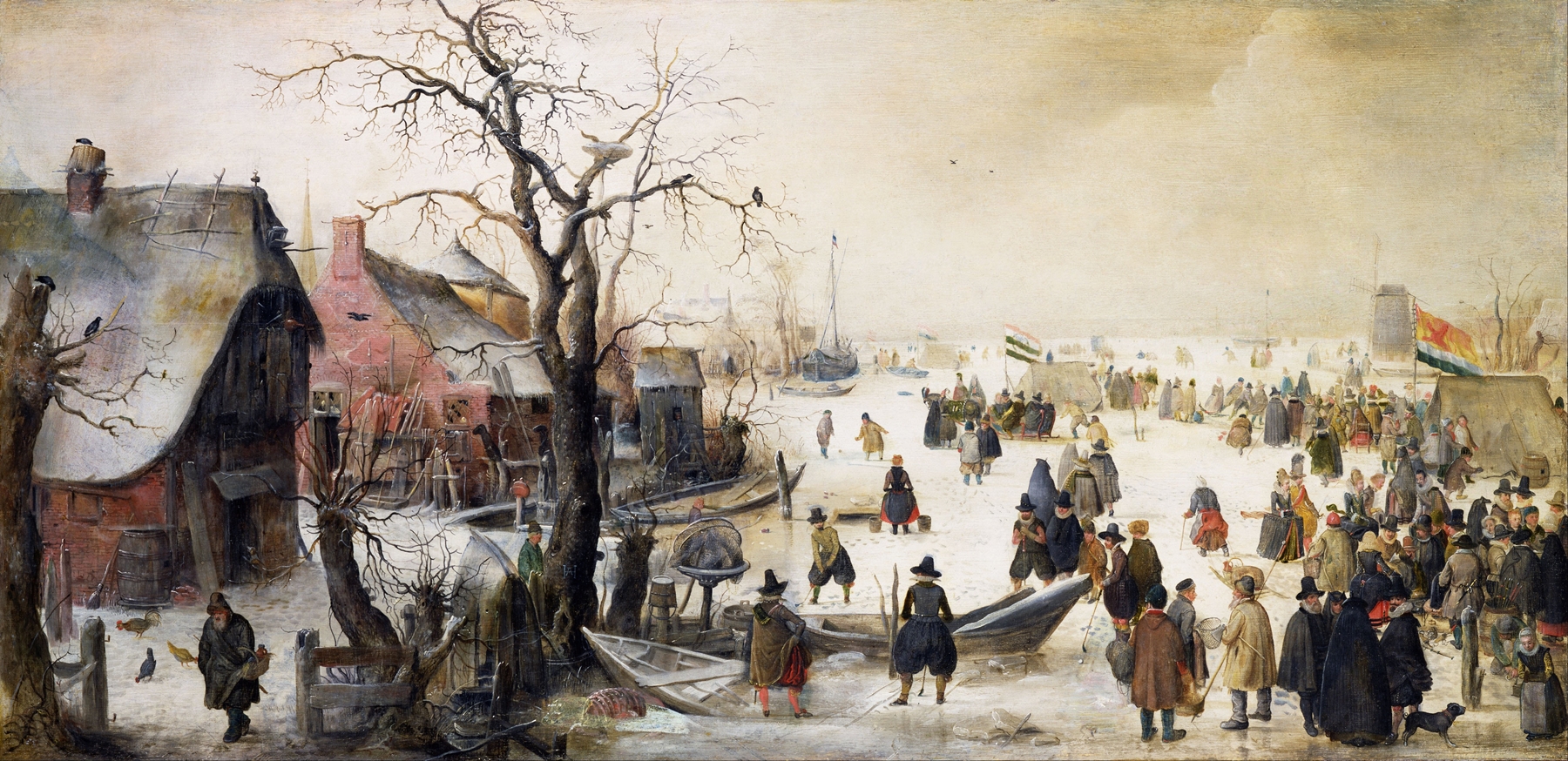
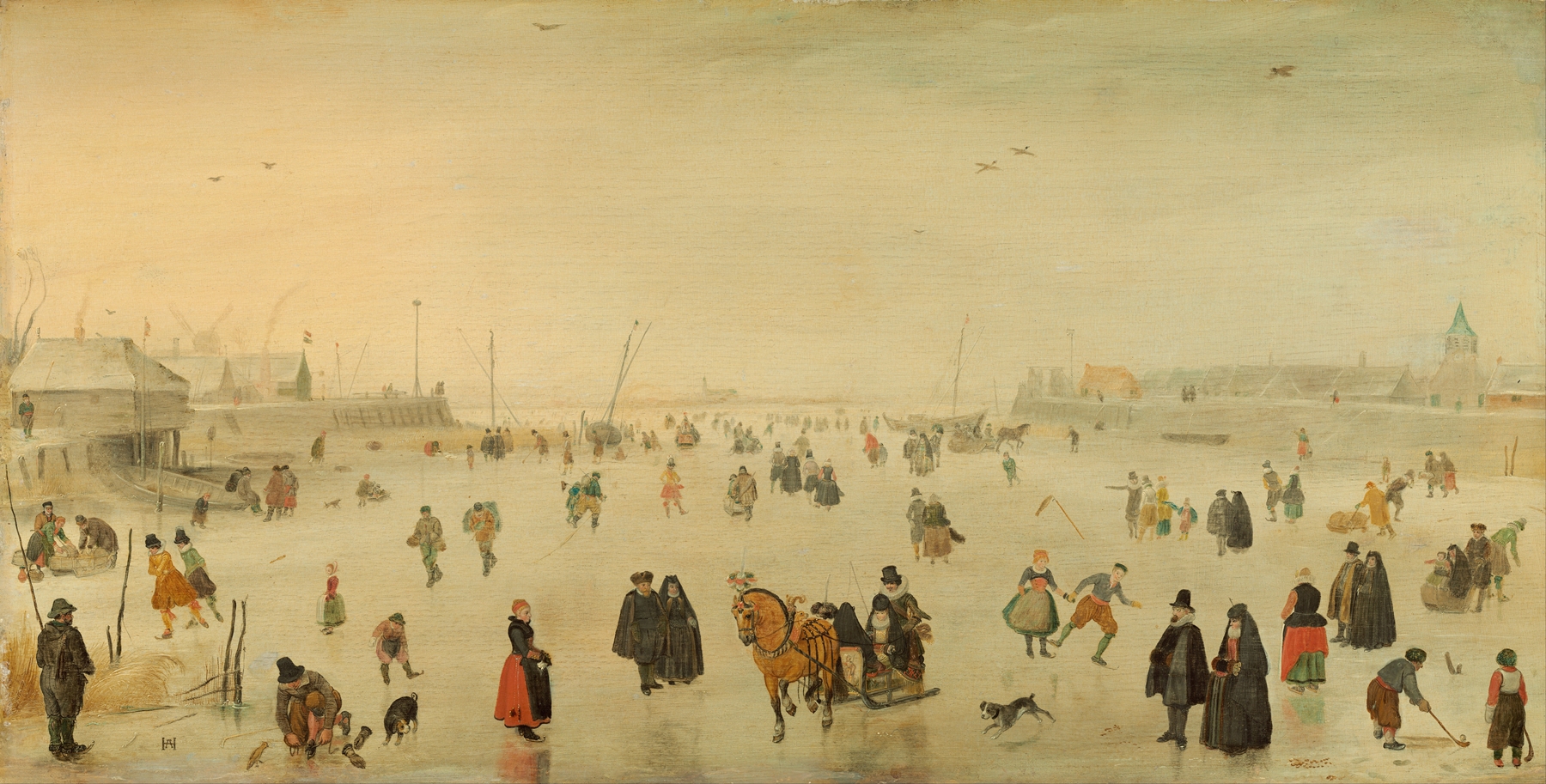
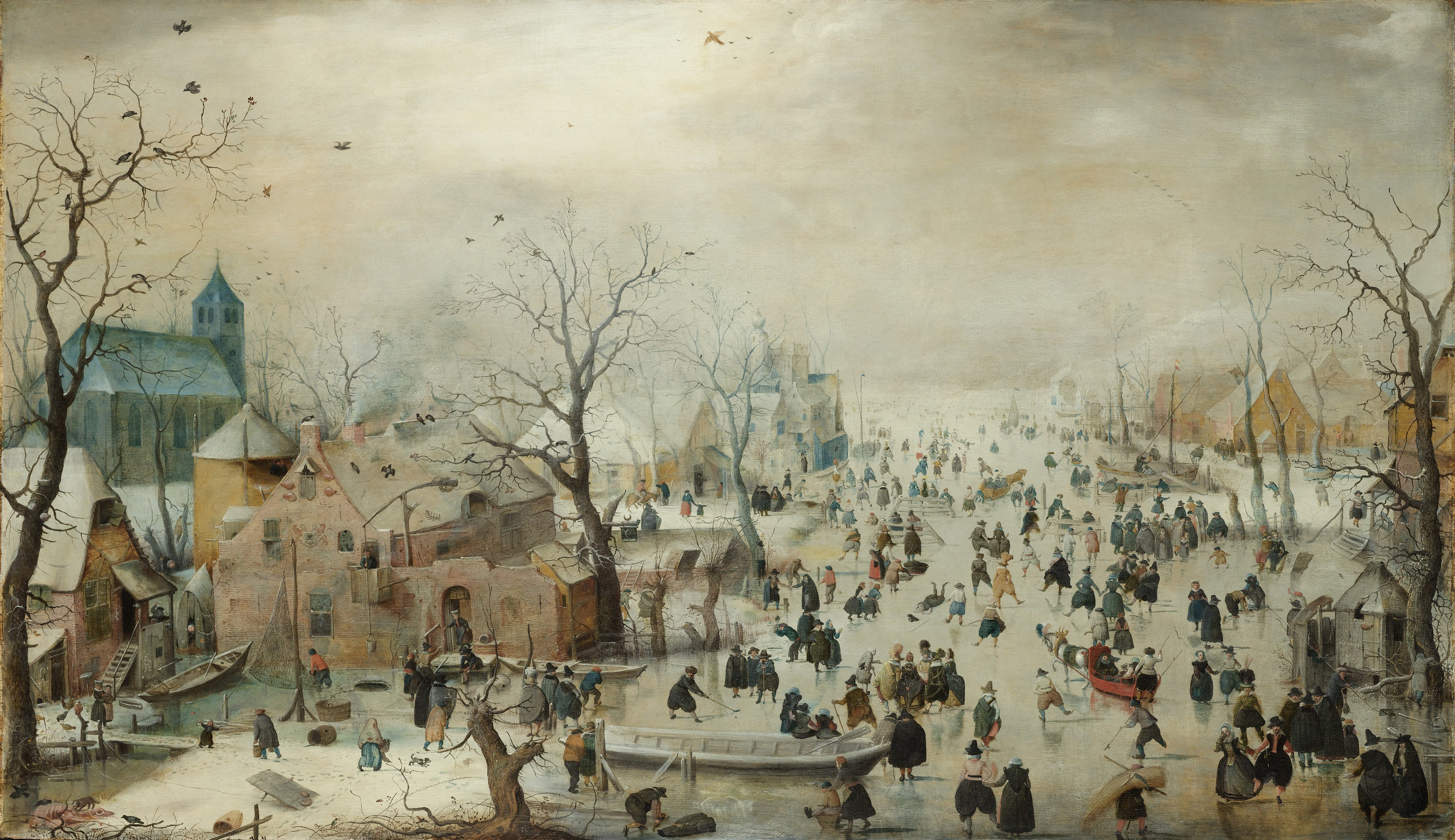
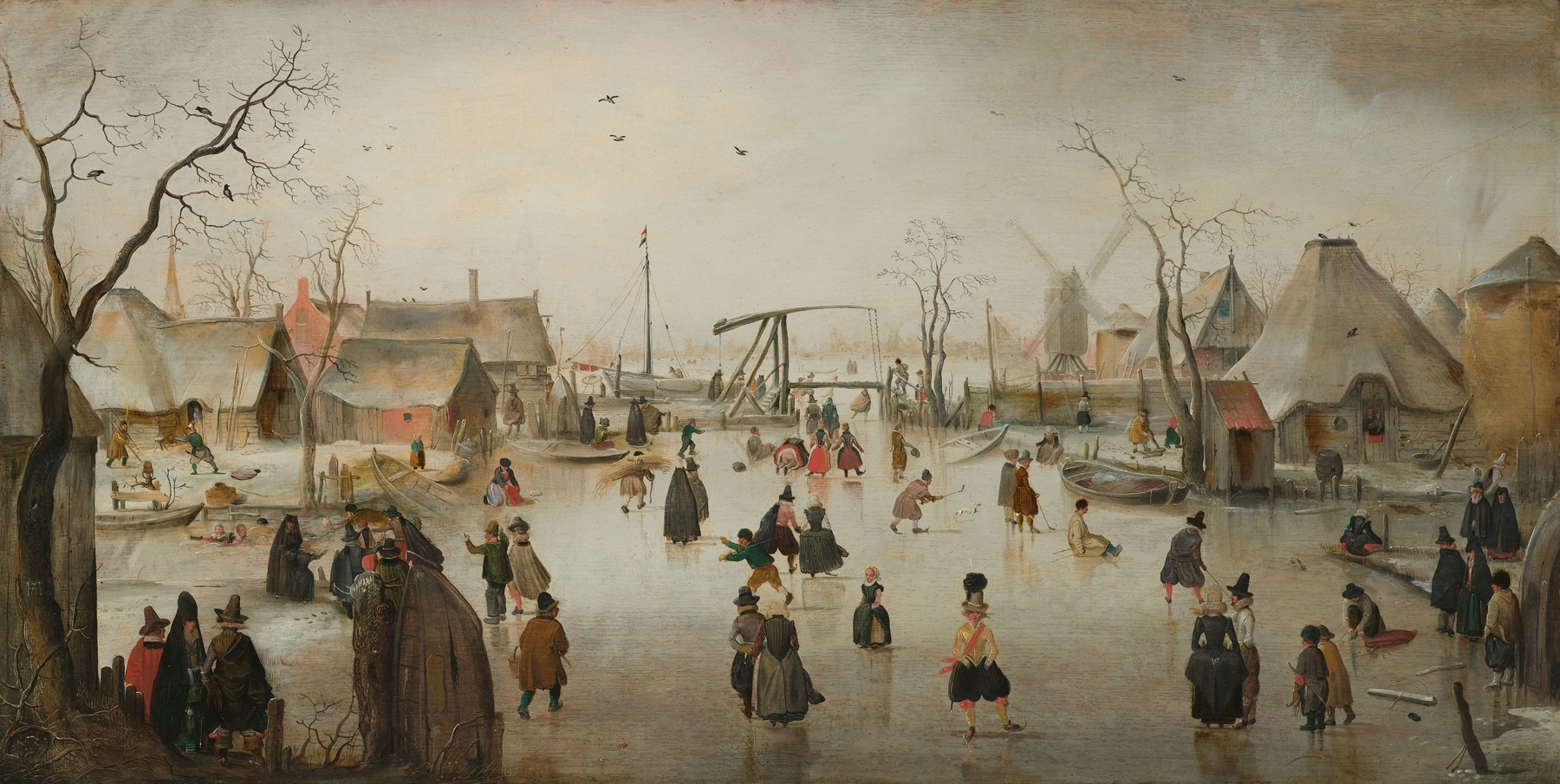
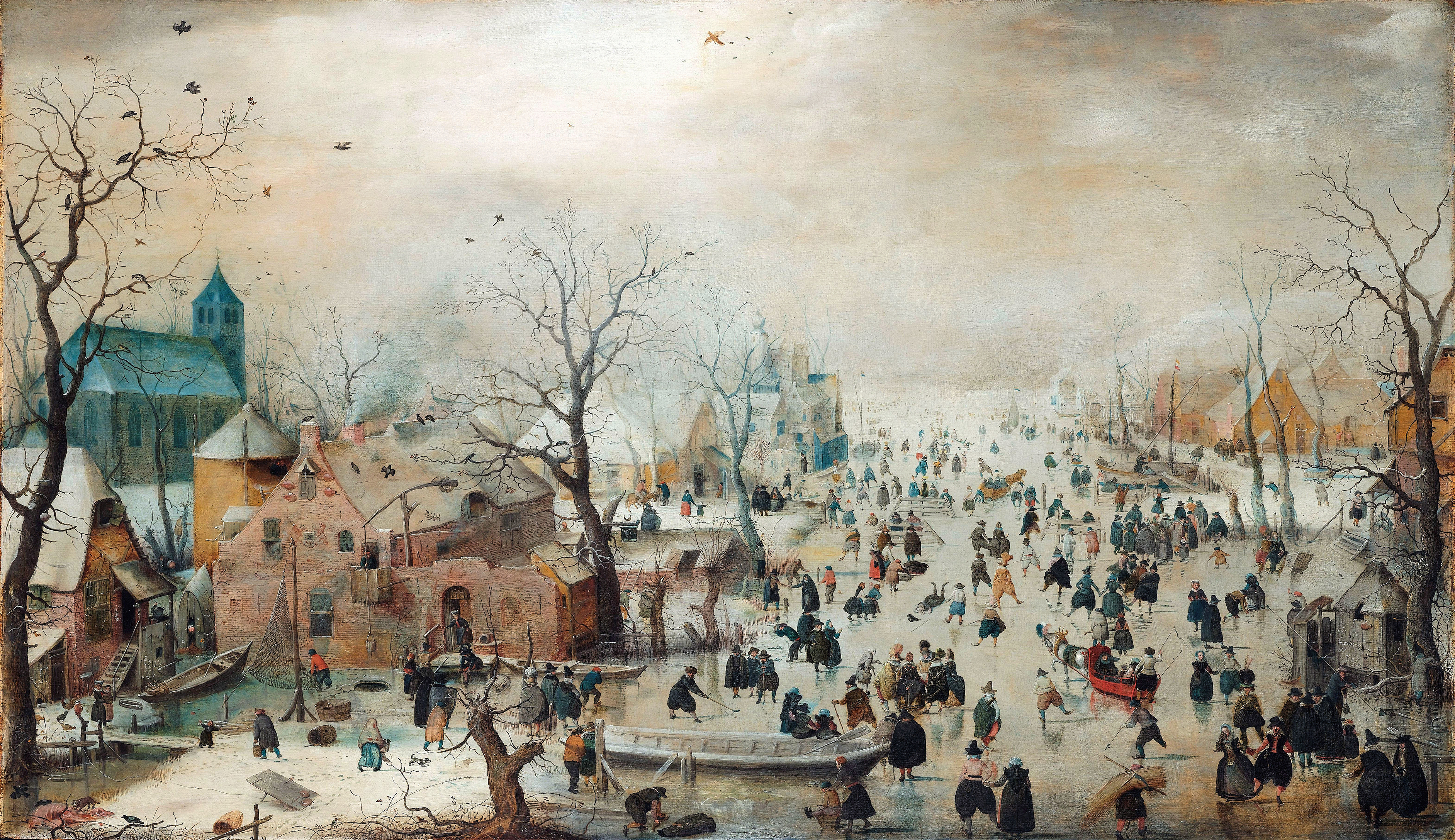
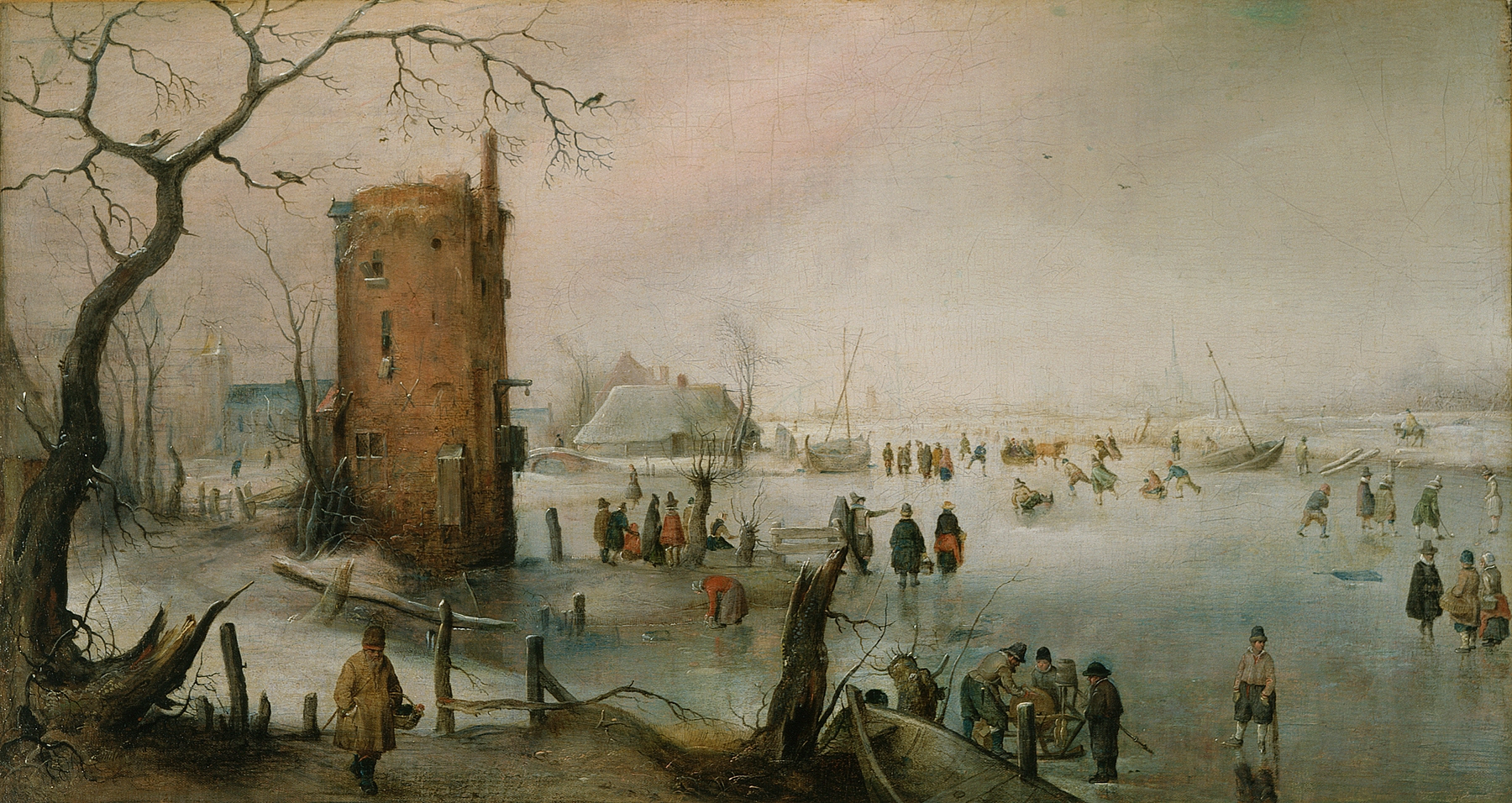
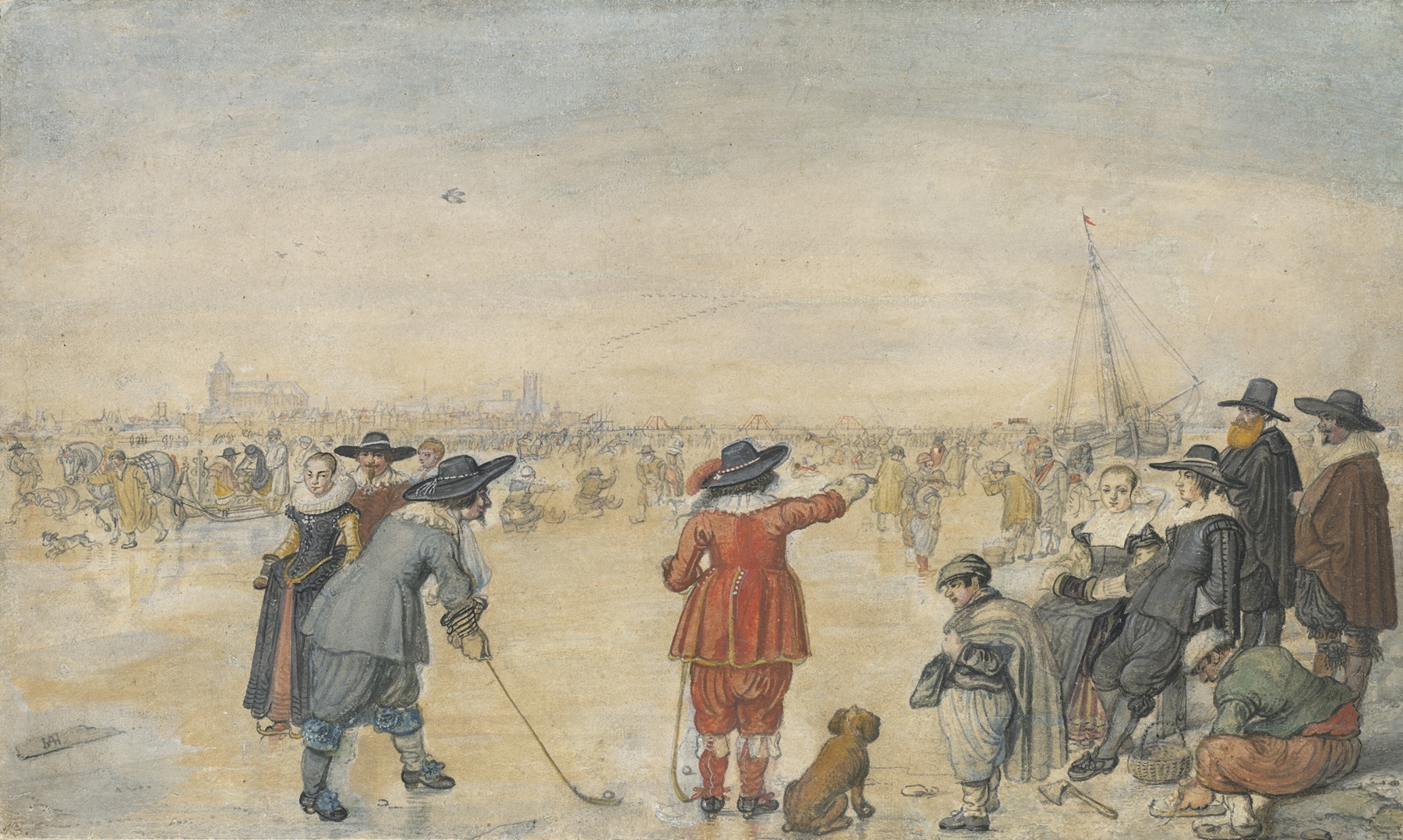
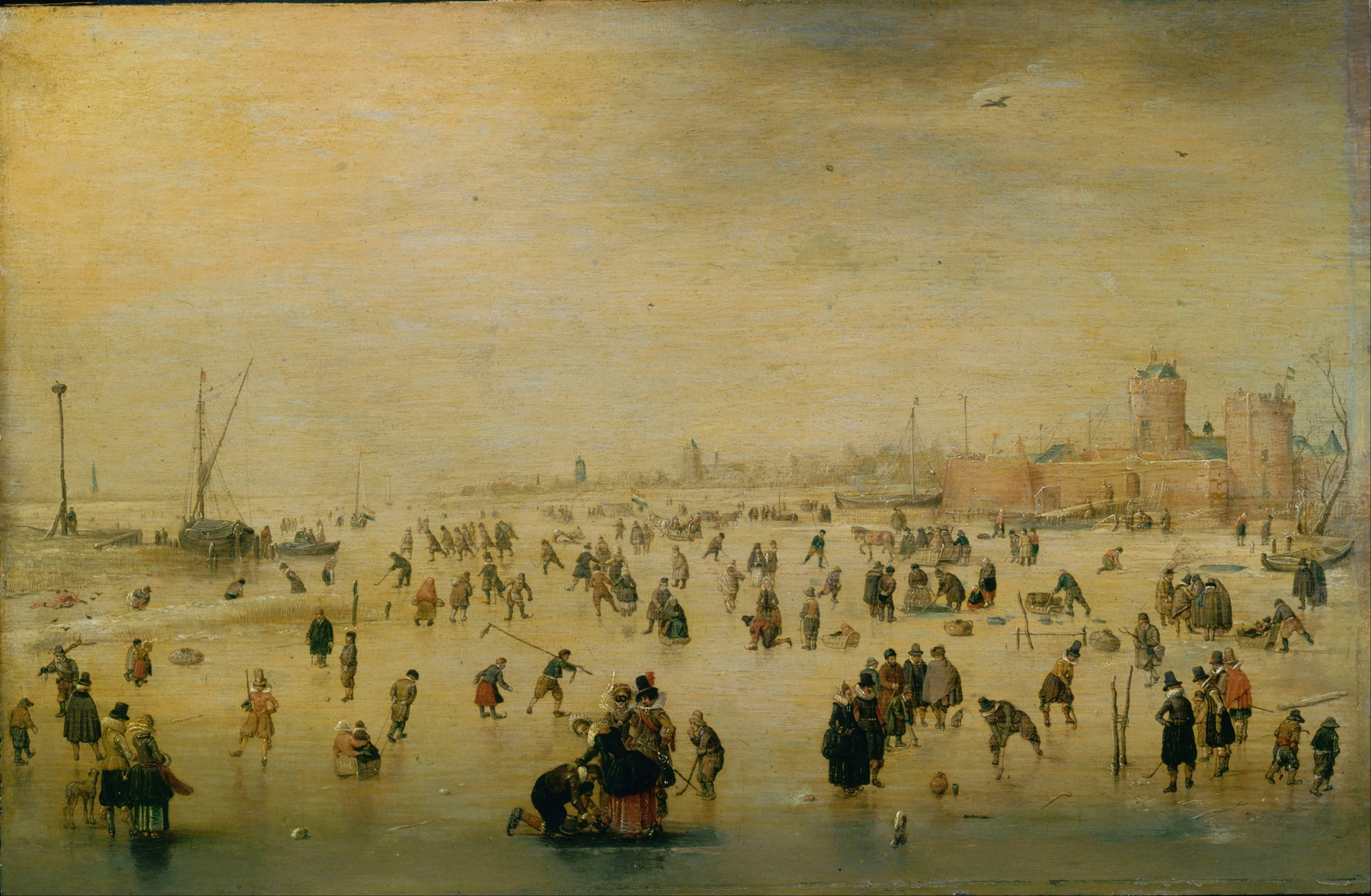
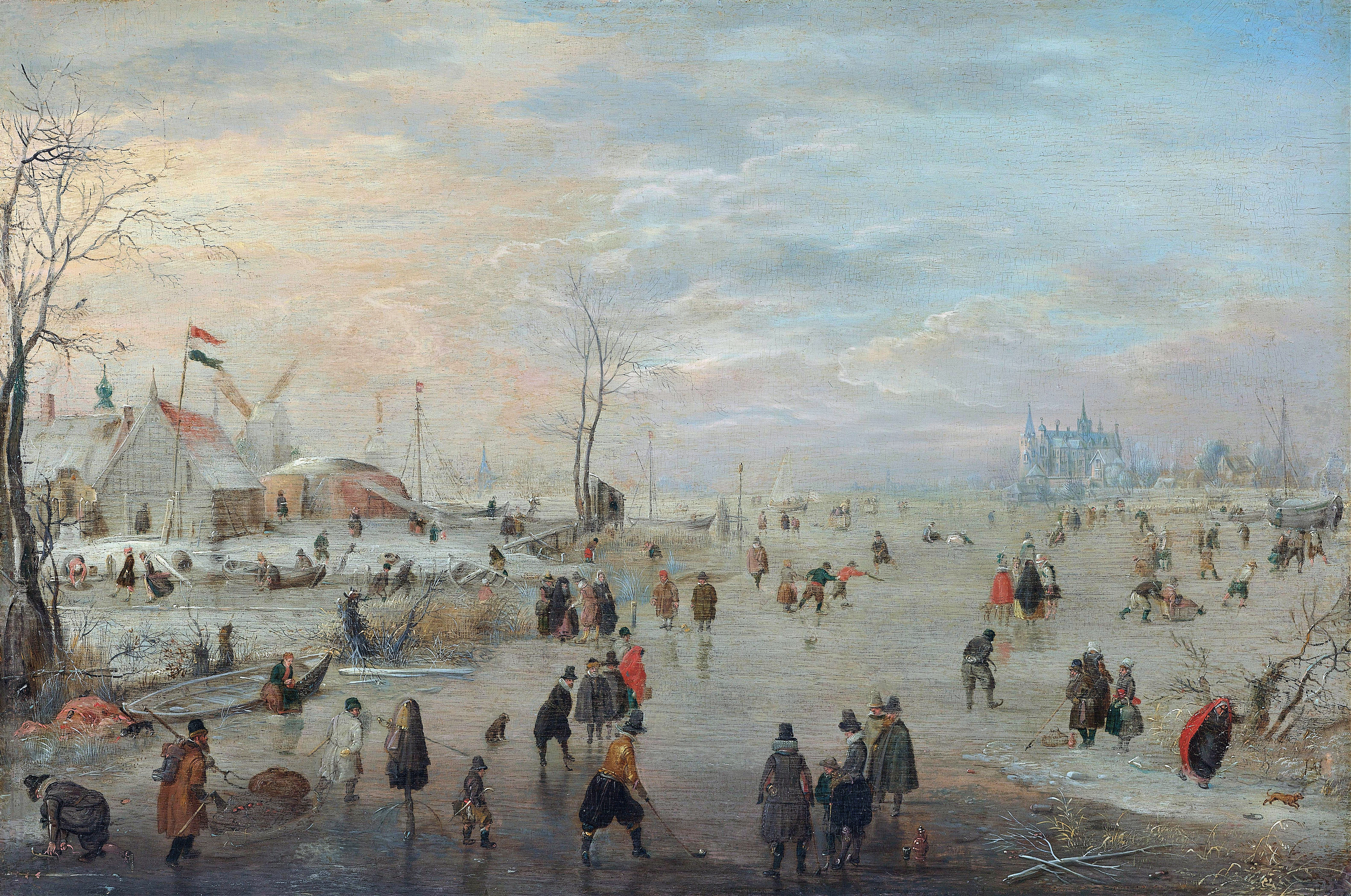
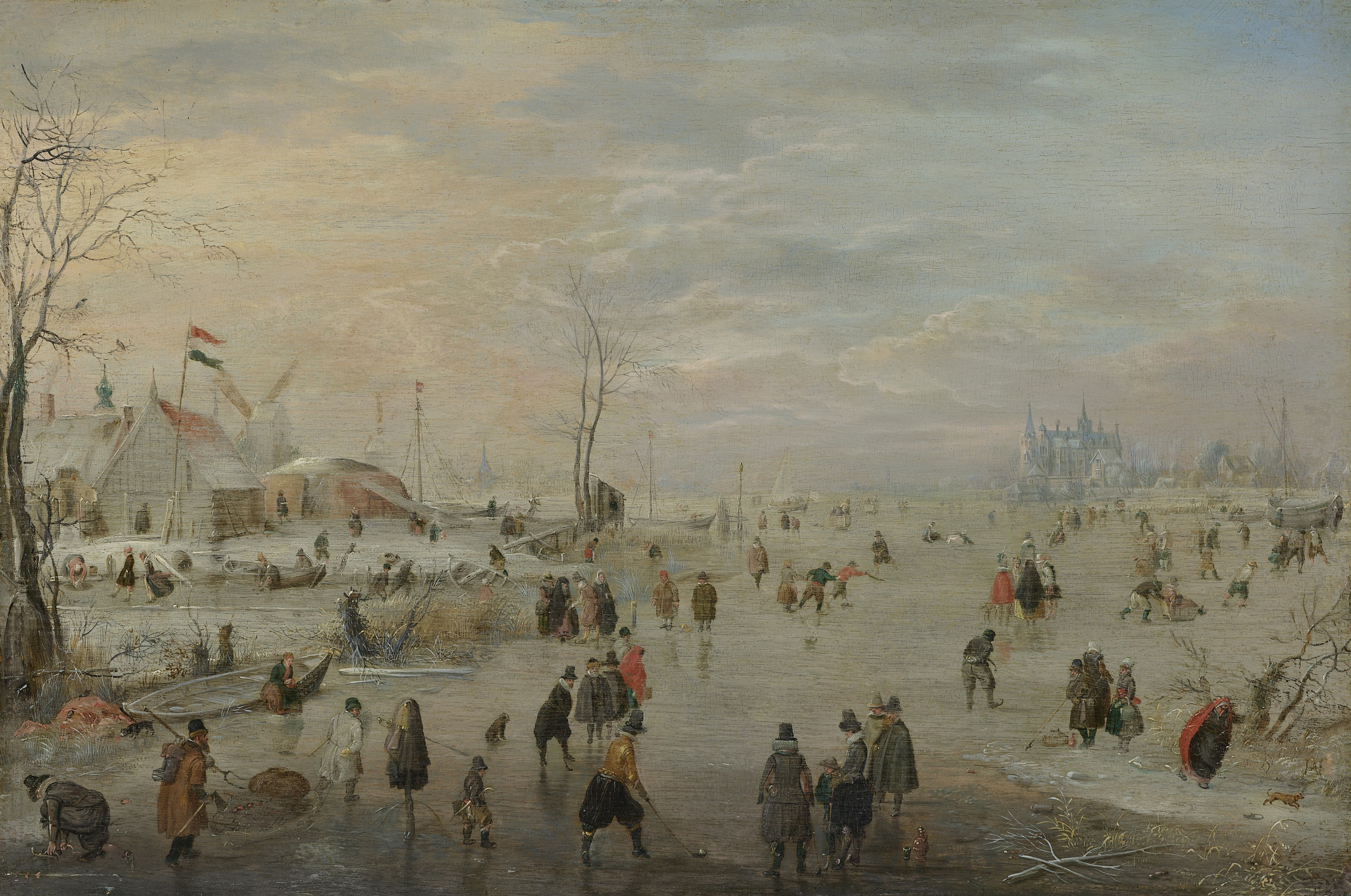
Can beauty exist without sorrow? In Winter Scene on a Frozen Canal, the juxtaposition of joyous winter activities against a backdrop of cold stillness invites this profound reflection. Look to the left where figures skate gracefully across the ice, their vibrant clothing a striking contrast to the muted whites and grays of the frozen landscape. Notice how the soft, diffuse light captures the frosty air, illuminating the details of their motion, while shadows hint at the chill surrounding them.
The composition draws our gaze to the bustling activity on the canal, yet the quiet houses in the background stand as silent witnesses, their windows darkened, perhaps symbolizing the isolation often felt in winter’s embrace. In this scene, Avercamp weaves contrasts between revelry and desolation. The dynamic gestures of skaters express delight, yet the looming bare trees and stillness of the water evoke a melancholic calm. The absence of a sunlit sky further intensifies this duality—while the people create warmth and laughter, the environment whispers of solitude, suggesting that one cannot fully exist without the other.
This subtle interplay resonates with deeper emotional truths about the human experience. Hendrick Avercamp painted this work around 1620 in the Netherlands, during a time when the Dutch Golden Age was flourishing. The nation was experiencing both artistic revolution and political tension, with landscapes reflecting the societal shifts of the era. As Avercamp captured the essence of winter, he not only celebrated life amidst the cold but also subtly acknowledged the underlying struggles of his time.