Wivenhoe Park,Essex — History & Analysis
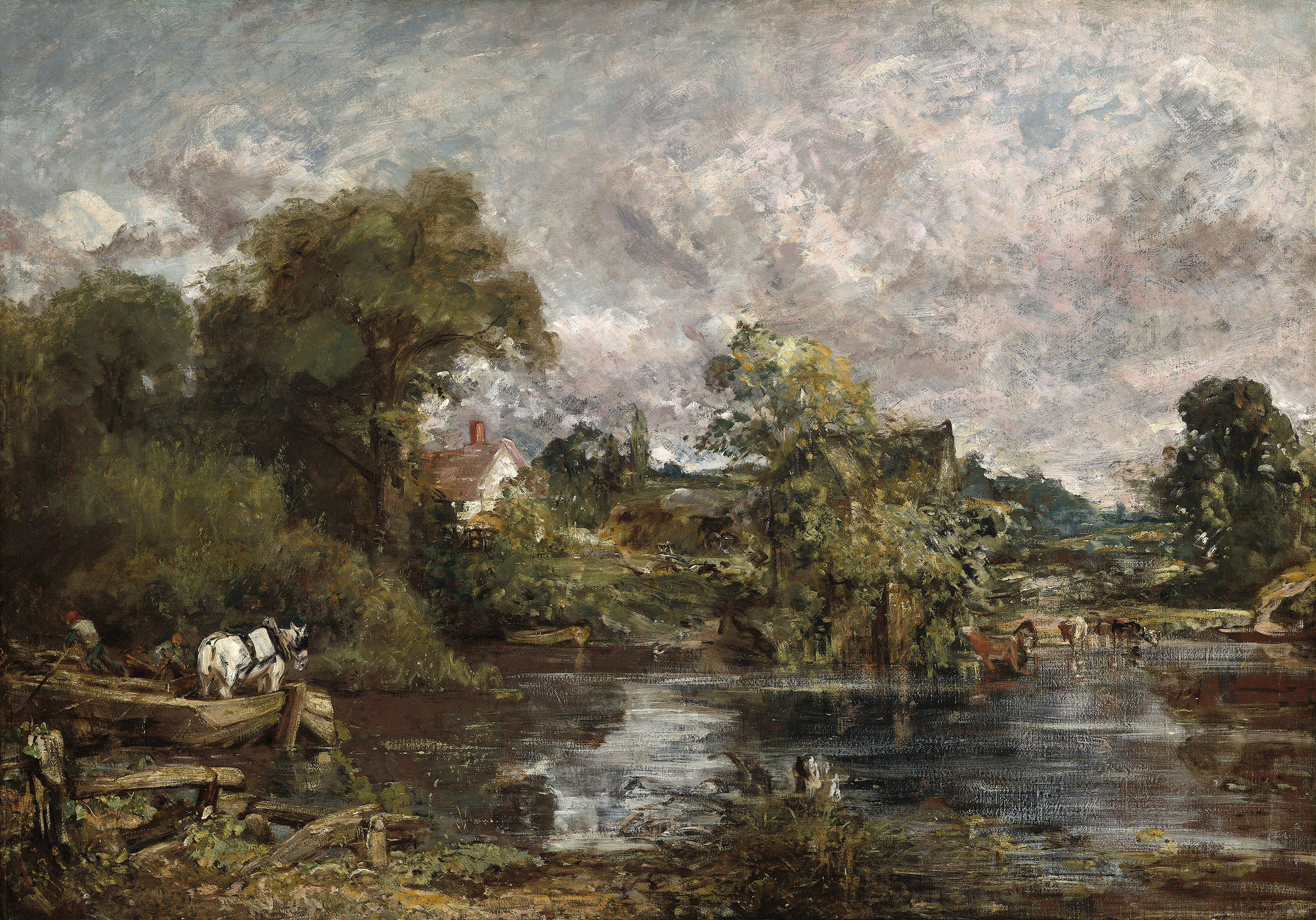
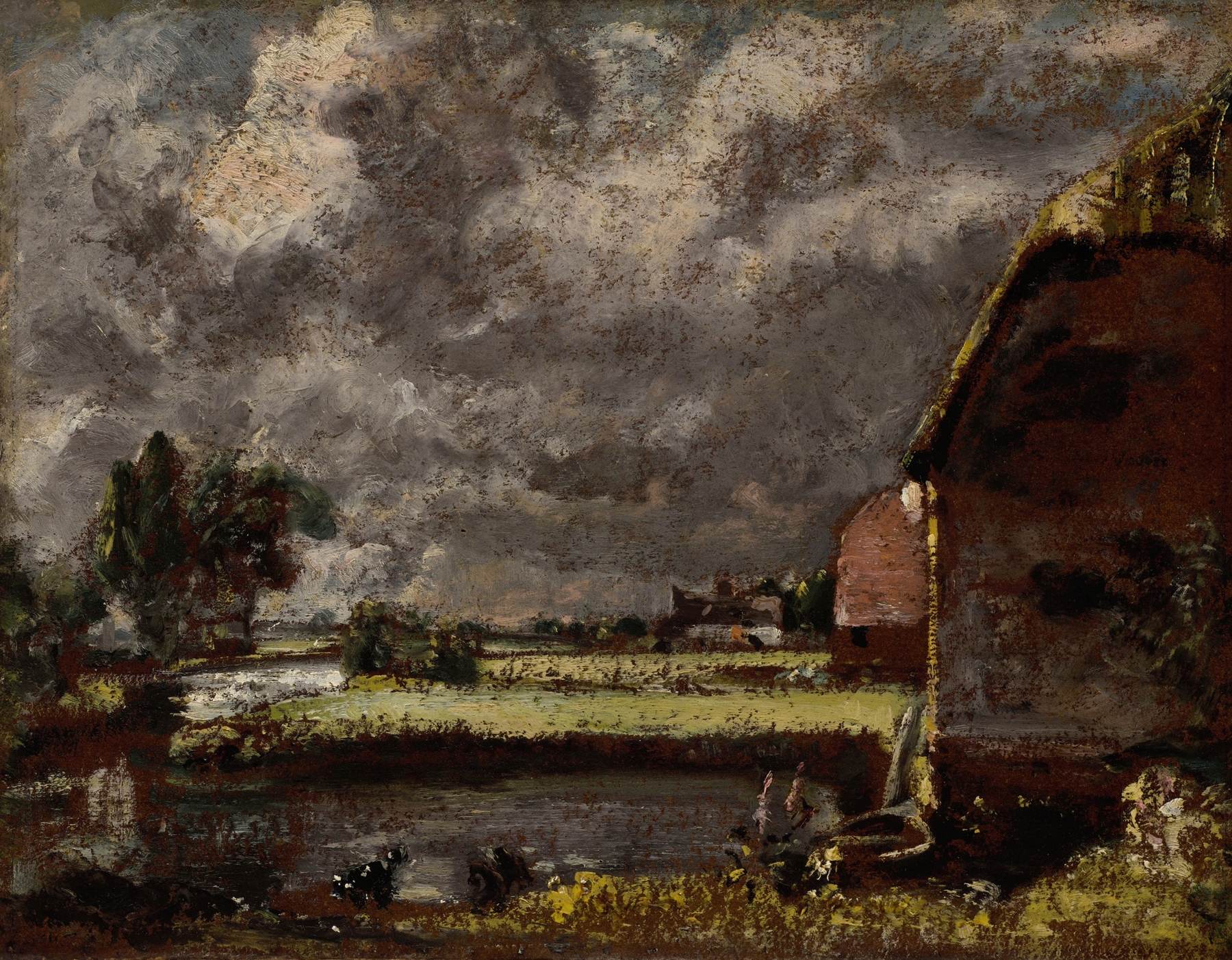
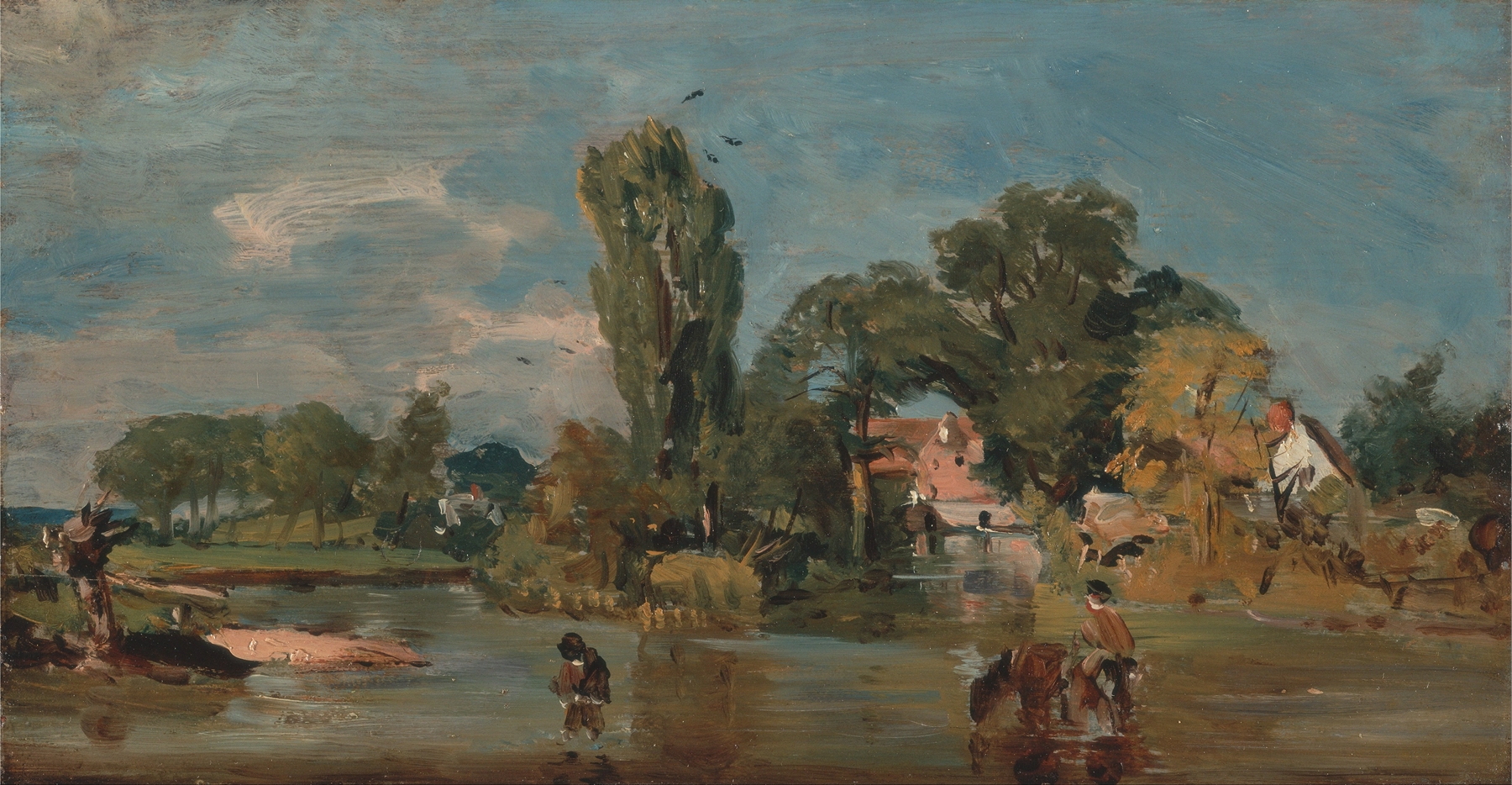
When did color learn to lie? In the world of art, the answer lies in the delicate balance between illusion and reality. Look to the center of the canvas where the expansive sky unfurls, scattered with wispy clouds that seem to dance in the gentle breeze. The rich greens of the field invite your gaze, punctuated by the darker foliage at the edges, creating a rhythmic harmony with the horizon.
Notice how the sunlight bathes the scene, casting soft shadows that play with the texture of the grass, revealing Constable’s skilled brushwork and his deep understanding of light's transformative power. As your eyes wander, consider the subtle contrasts in the painting: the calmness of the water reflects the tranquil skies above, yet it carries an undercurrent of movement that hints at nature's relentless change. The rustic charm of the farmhouse stands sentinel, embodying the coexistence of human life with the pastoral landscape, suggesting themes of harmony and fragility. Each element in this carefully constructed composition conveys a narrative of creation, a celebration of nature’s beauty interwoven with the passage of time.
John Constable created Wivenhoe Park, Essex in 1816 while living in a period of significant artistic evolution. This was a time when Romanticism was challenging the conventions of neoclassicism, placing emphasis on emotion and the sublime in nature. Constable’s own life was marked by personal struggles, yet his dedication to capturing the essence of the English landscape resonated deeply, influencing generations of artists who came after him.