Wolken — History & Analysis
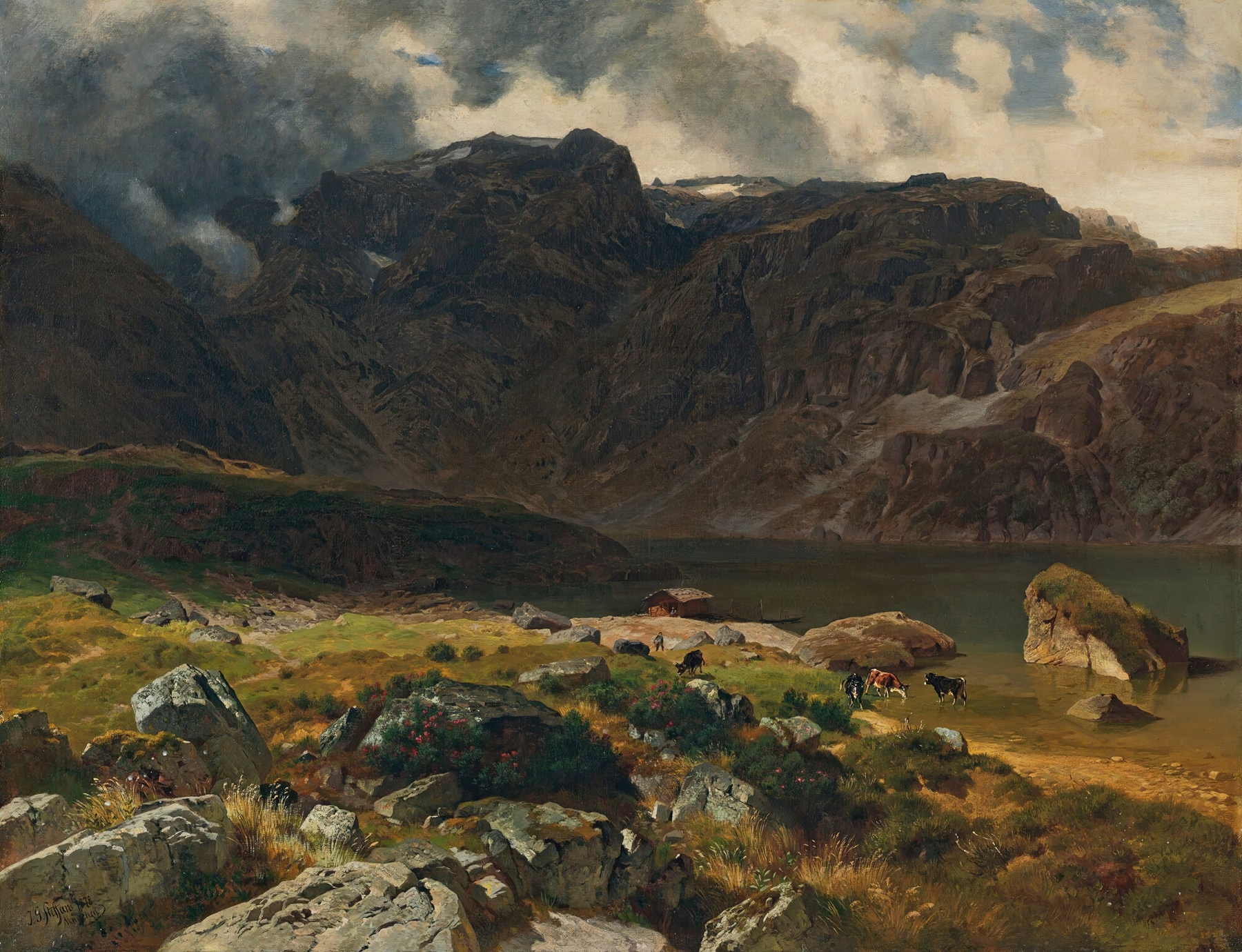
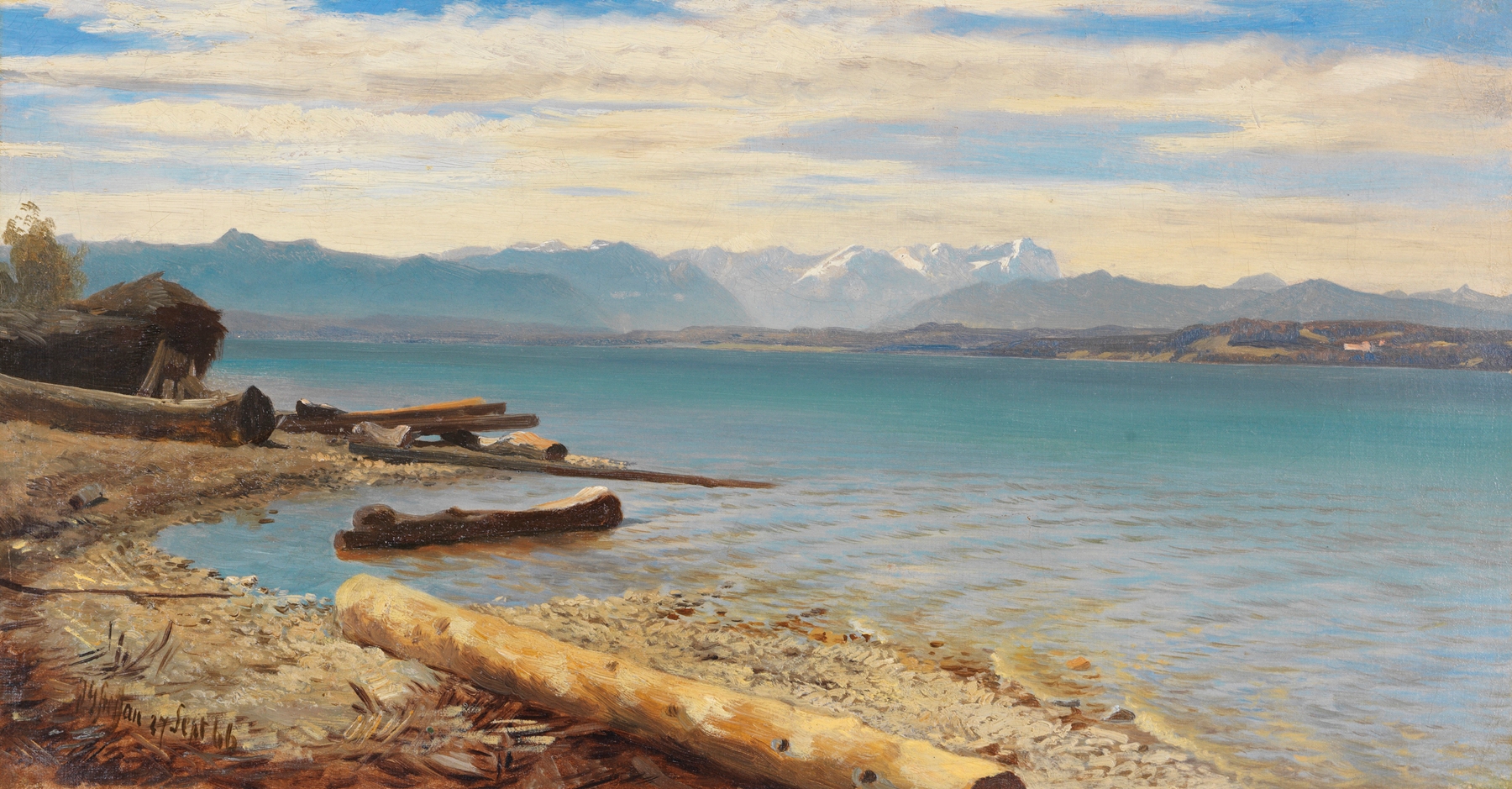
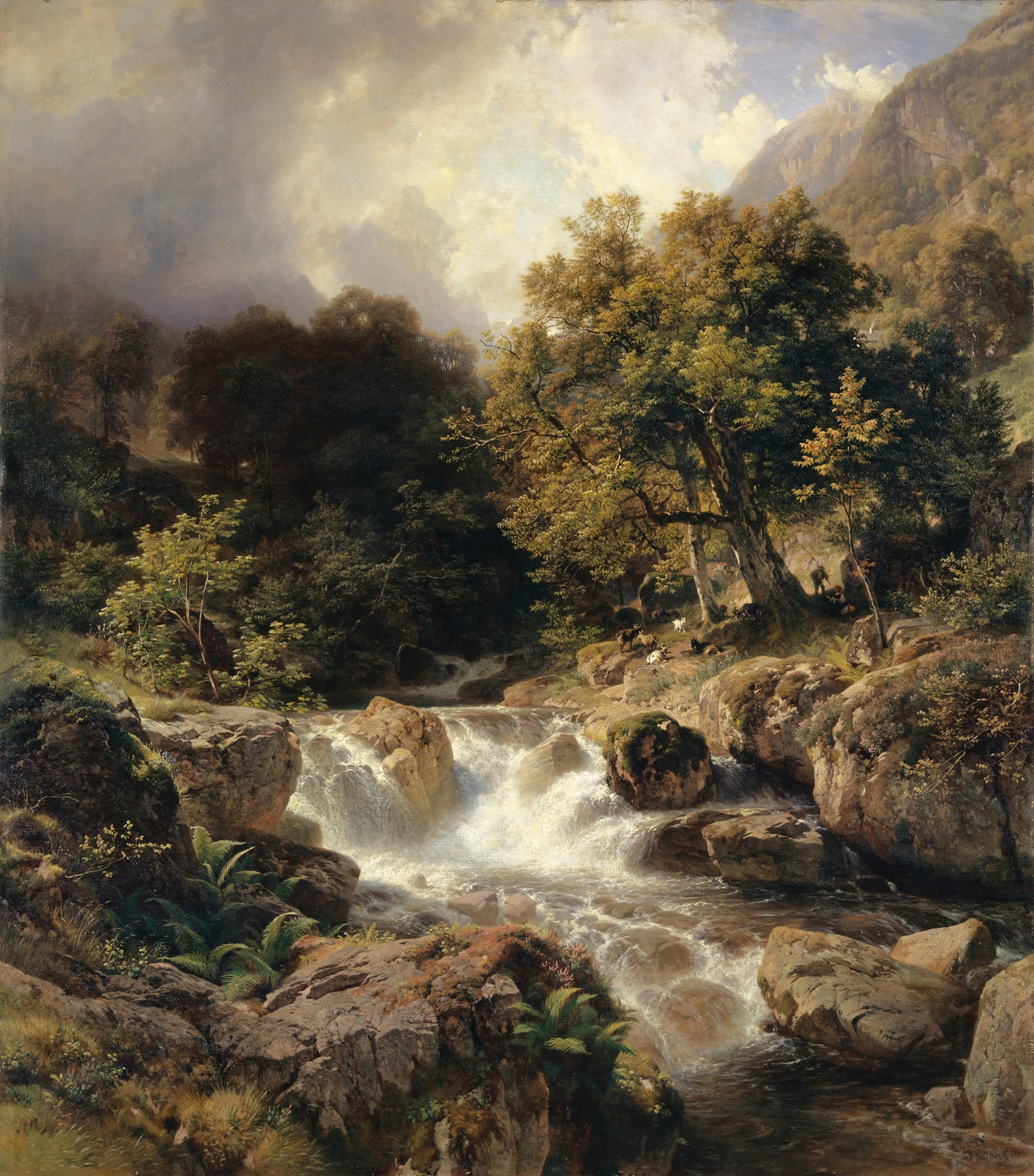
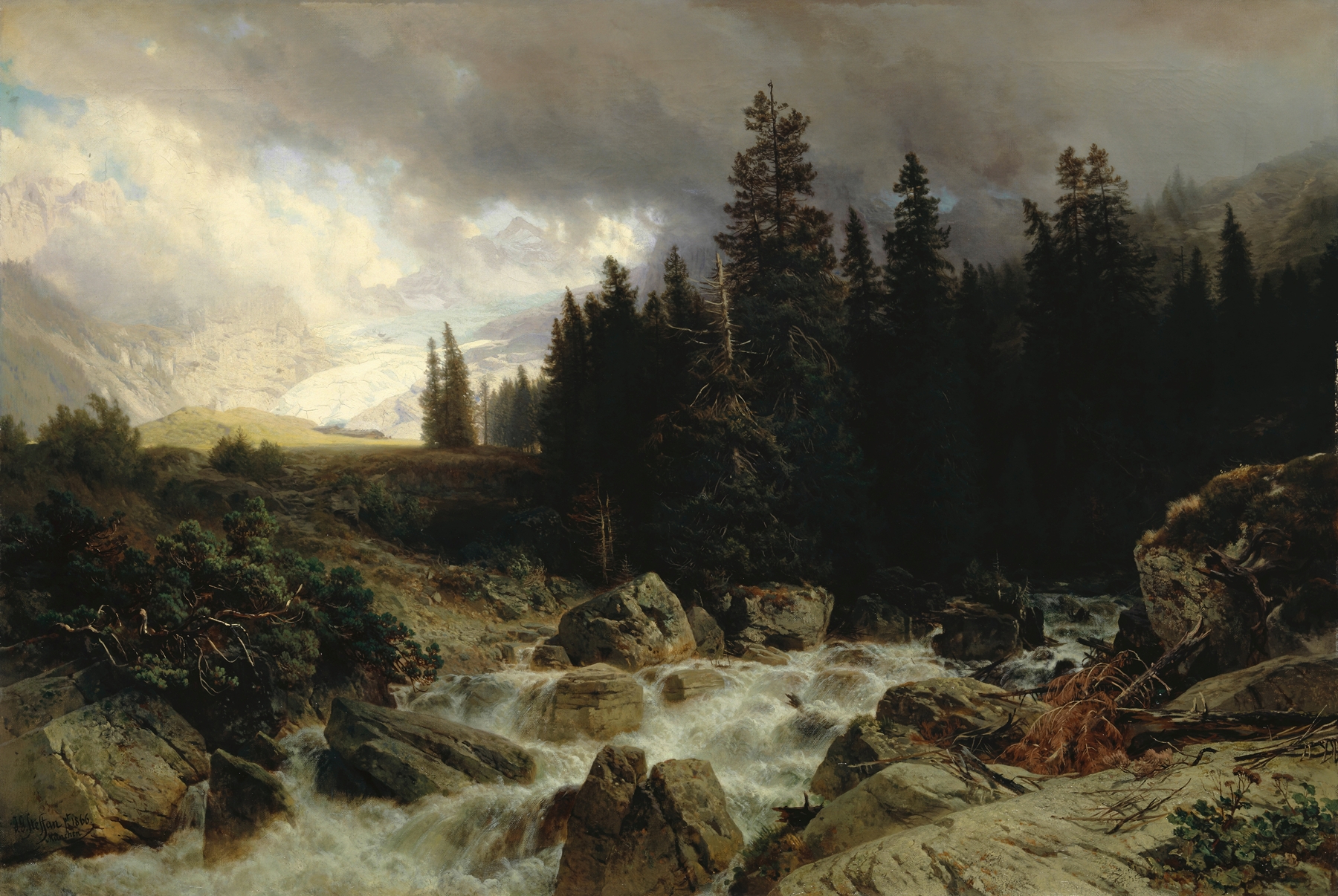
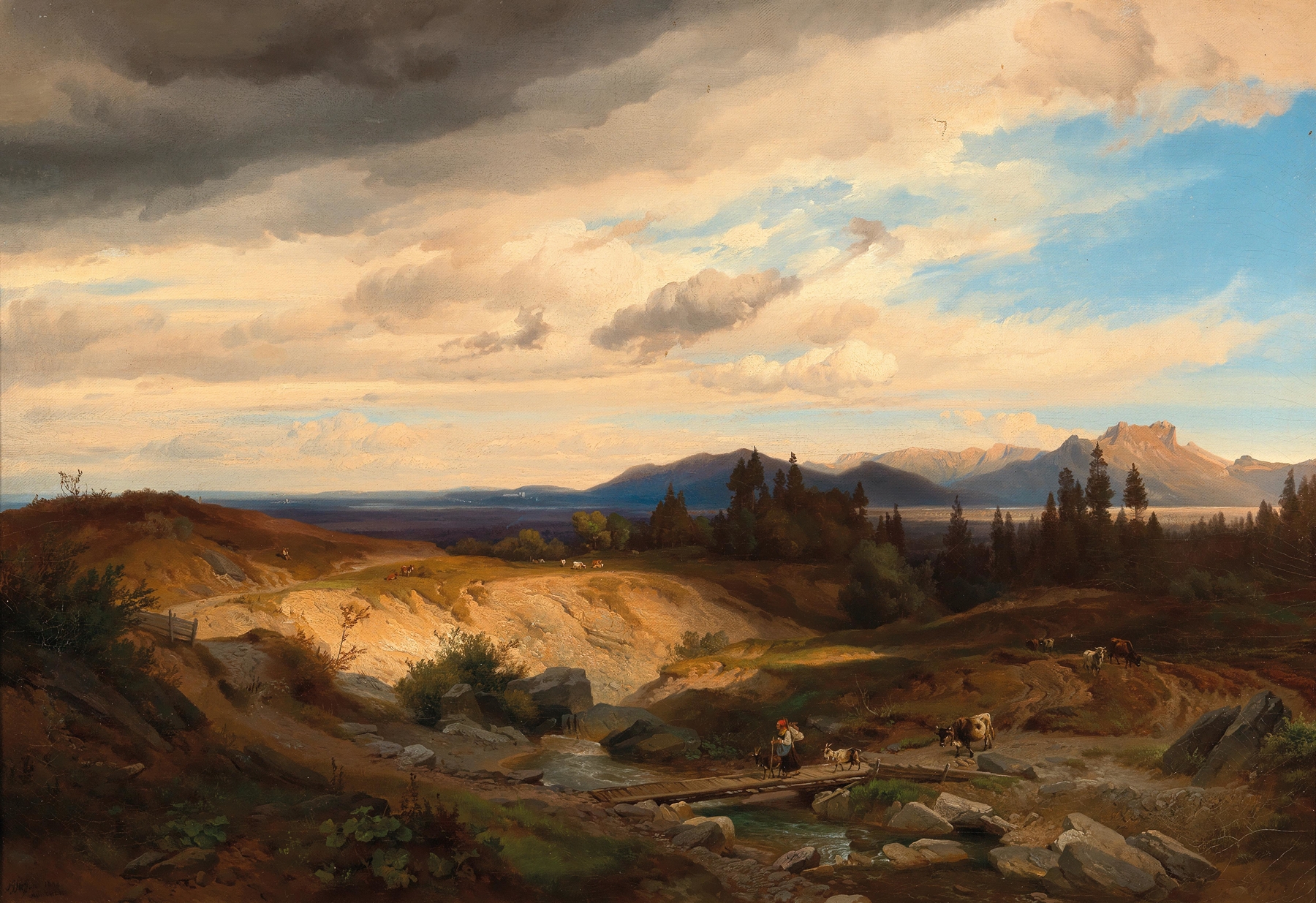
When did color learn to lie? The vast expanses of Wolken challenge our perceptions, drawing us into a world where hues seem to whisper secrets of void and existence. Focus on the sweeping clouds that dominate the canvas, where vivid whites and grays dance together in a symphony of movement. Notice how the artist meticulously layers these colors, creating a palpable sense of depth and atmosphere.
The play of light, as it filters through the clouds, evokes a tension between serenity and chaos, inviting the viewer to explore the ever-changing nature of the sky. In the details lie poignant contrasts: the stillness of the landscape below versus the tumultuous energy above, hinting at the duality of existence itself. The clouds, while beautiful, also suggest a looming emptiness, a void that stirs unease. The delicate brushwork reveals the artist's mastery in capturing ephemeral moments, reminding us that beauty often exists alongside uncertainty.
Johann Gottfried Steffan created Wolken in 1880, during a period of artistic transition in Europe. At this time, Romanticism was giving way to Modernism, and artists were increasingly exploring new techniques and concepts. Steffan, influenced by the changing tides of his surroundings, painted this work amidst an evolving landscape of ideas that questioned humanity's relationship with nature, evoking a sense of introspection that resonates even today.