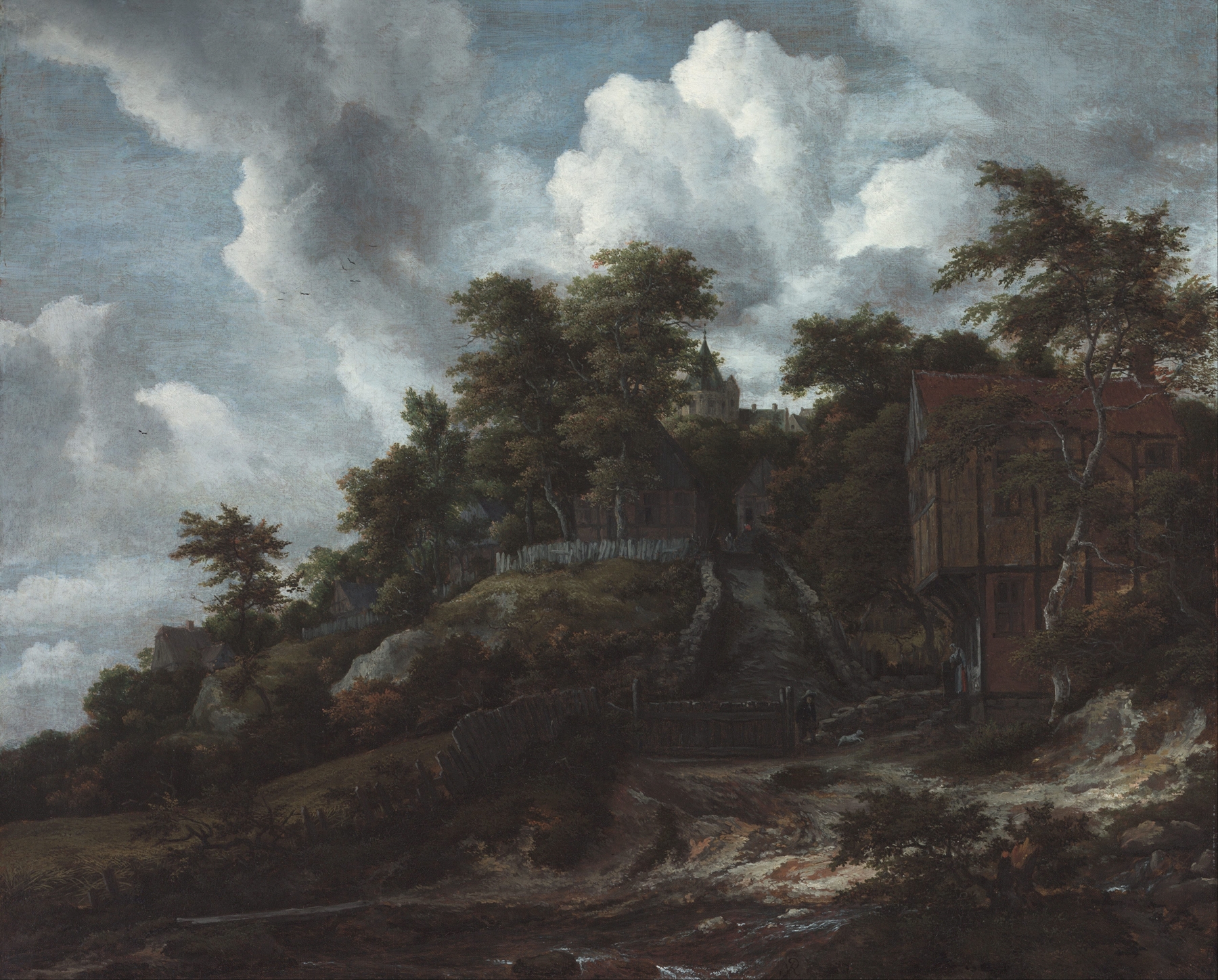
Wooded hillside with a view of Bentheim Castle — History & Analysis
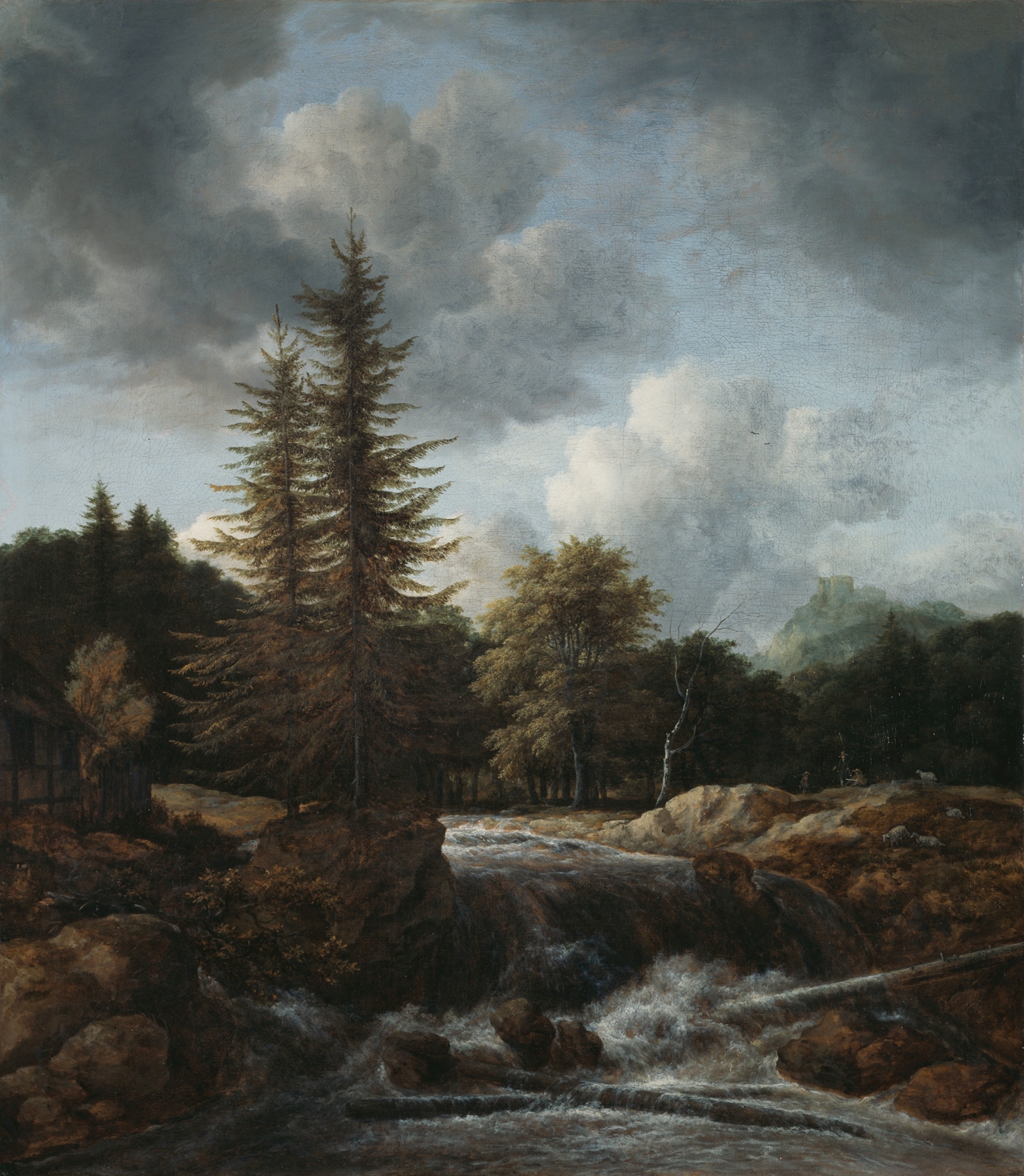
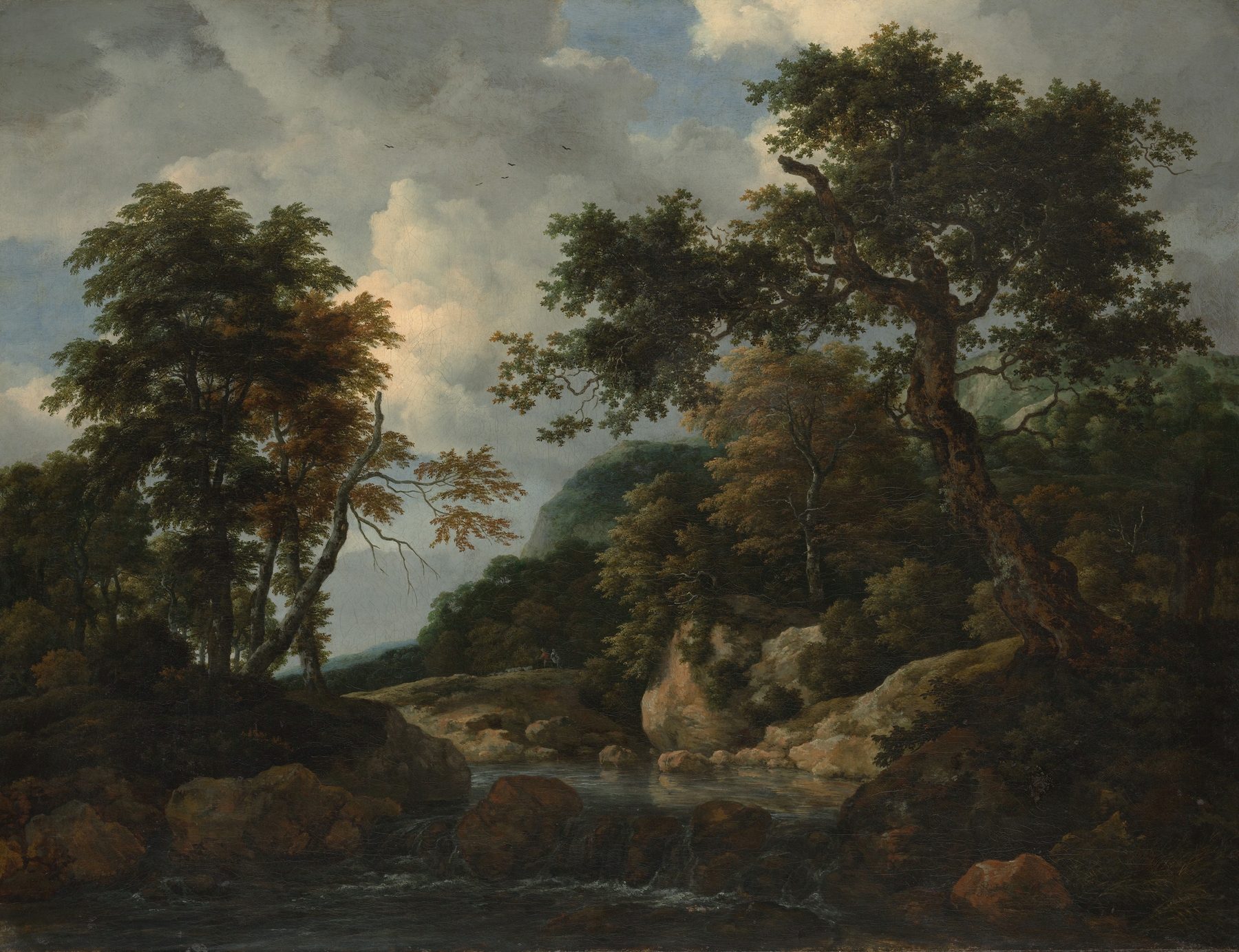
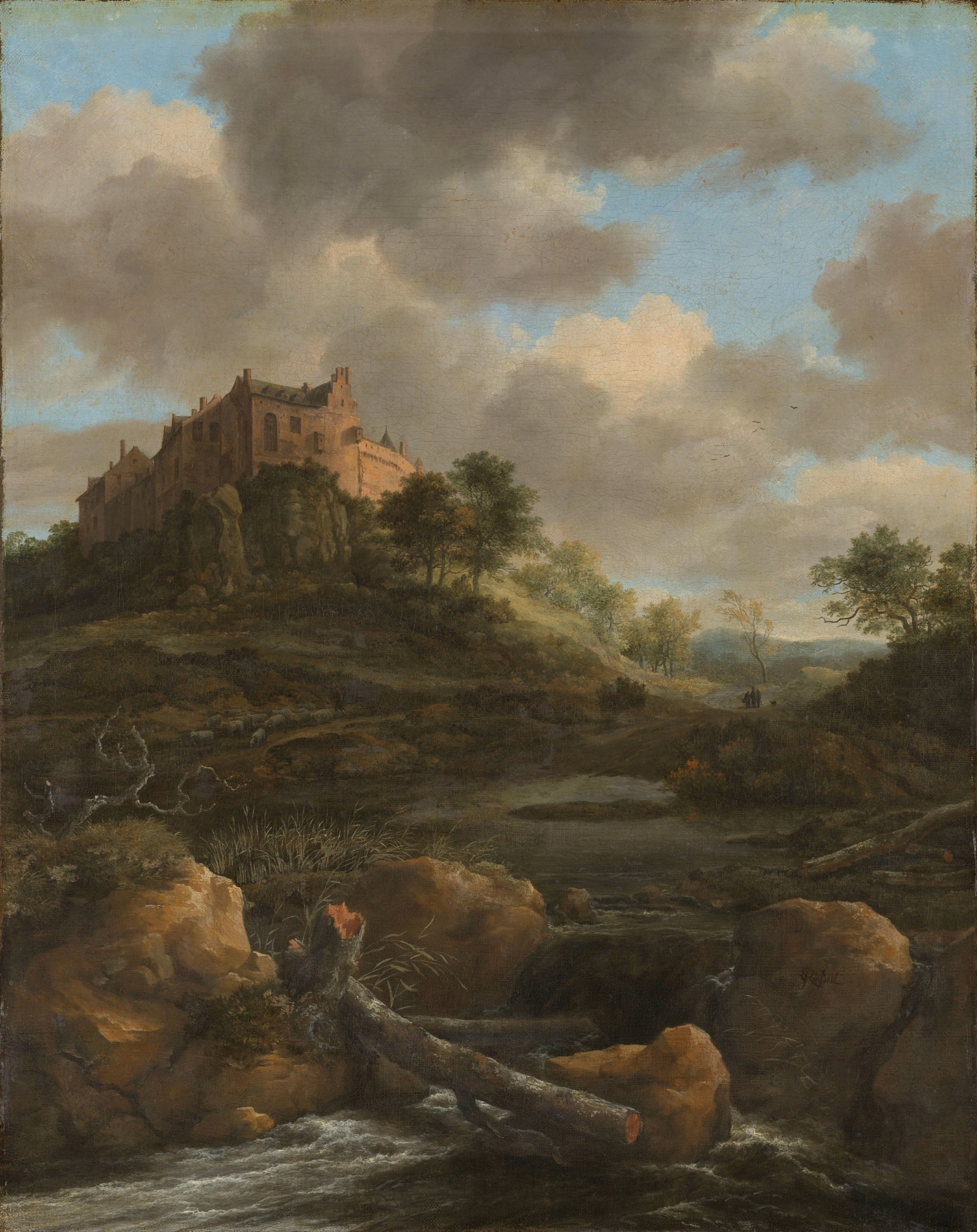
Can paint confess what words never could? In Wooded hillside with a view of Bentheim Castle, the silence of nature speaks volumes, carrying the weight of legacy through the rustling leaves and distant stone walls. Look to the center, where the castle stands resolute against the backdrop of a sprawling, verdant hillside. The artist employs rich greens and earthy browns, bringing the landscape to life with a vivid texture that draws the viewer into its embrace. Notice how the light bathes the castle in a warm glow, contrasting it with the cool shadows of the trees, creating a dialogue between man-made and natural beauty.
The composition invites the eye to wander through the layers of foliage, revealing intricate details that evoke both peace and contemplation. Yet, beneath the serene surface lies a profound tension. The towering trees seem to guard the castle, suggesting a protective legacy that also hints at isolation. This duality reflects the historical context of the castle itself—a symbol of power and memory amidst the vastness of nature.
The clouds overhead, tinged with a hint of tempest, suggest the fleeting nature of human endeavors, reminding us that even the mightiest structures are subject to the passage of time and the encroachment of nature. During the years from 1655 to 1660, Jacob van Ruisdael was deeply immersed in the Dutch landscape tradition, striving to capture the interplay of light, atmosphere, and emotion. Working in Haarlem, he was influenced by the growing appreciation for naturalism and the picturesque, crafting scenes that resonate with both beauty and melancholy. This painting, like many of his works, reflects a moment in history when artists sought to connect humanity's legacy with the timelessness of the earth.