Wooded Landscape — History & Analysis
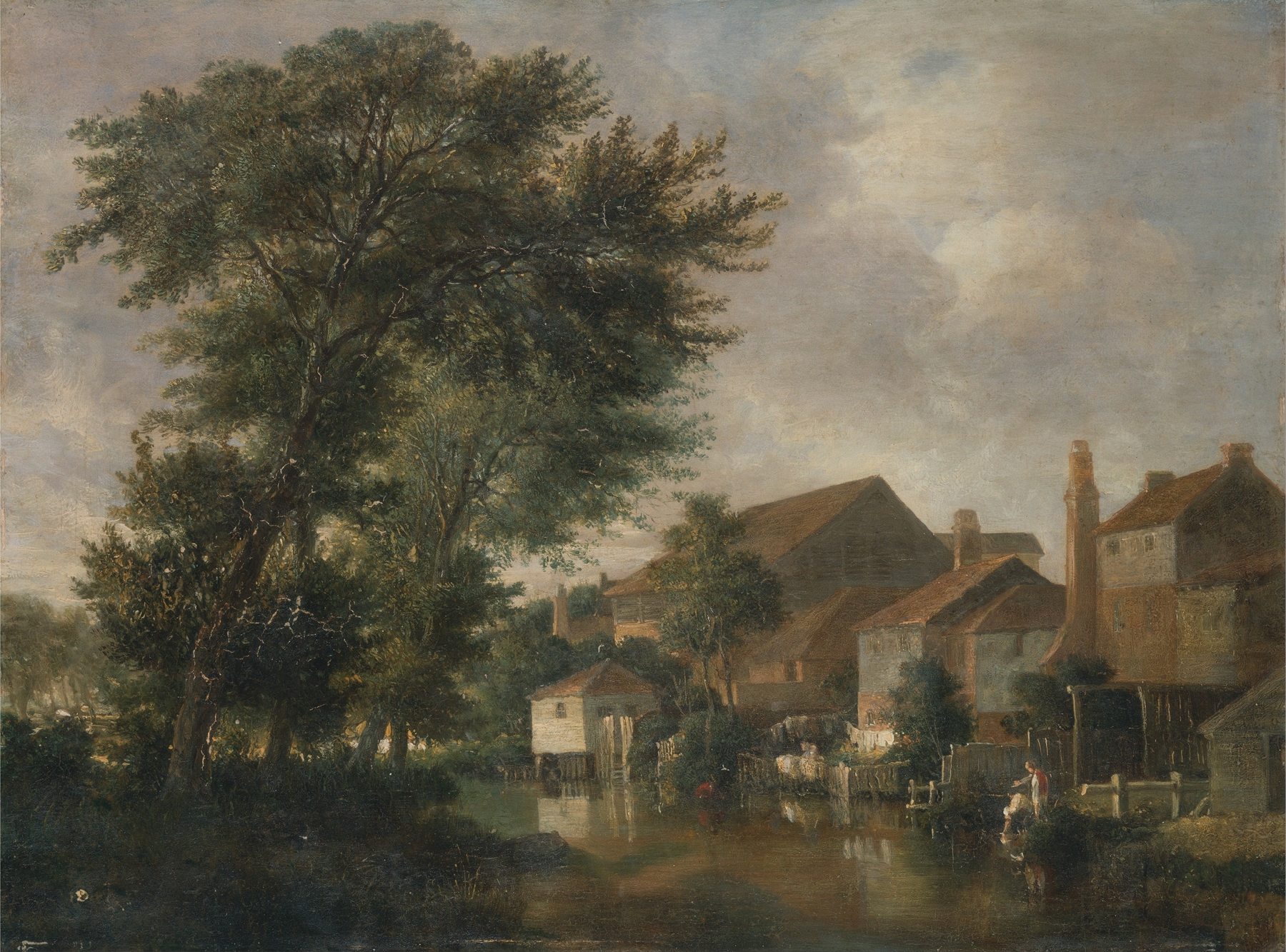
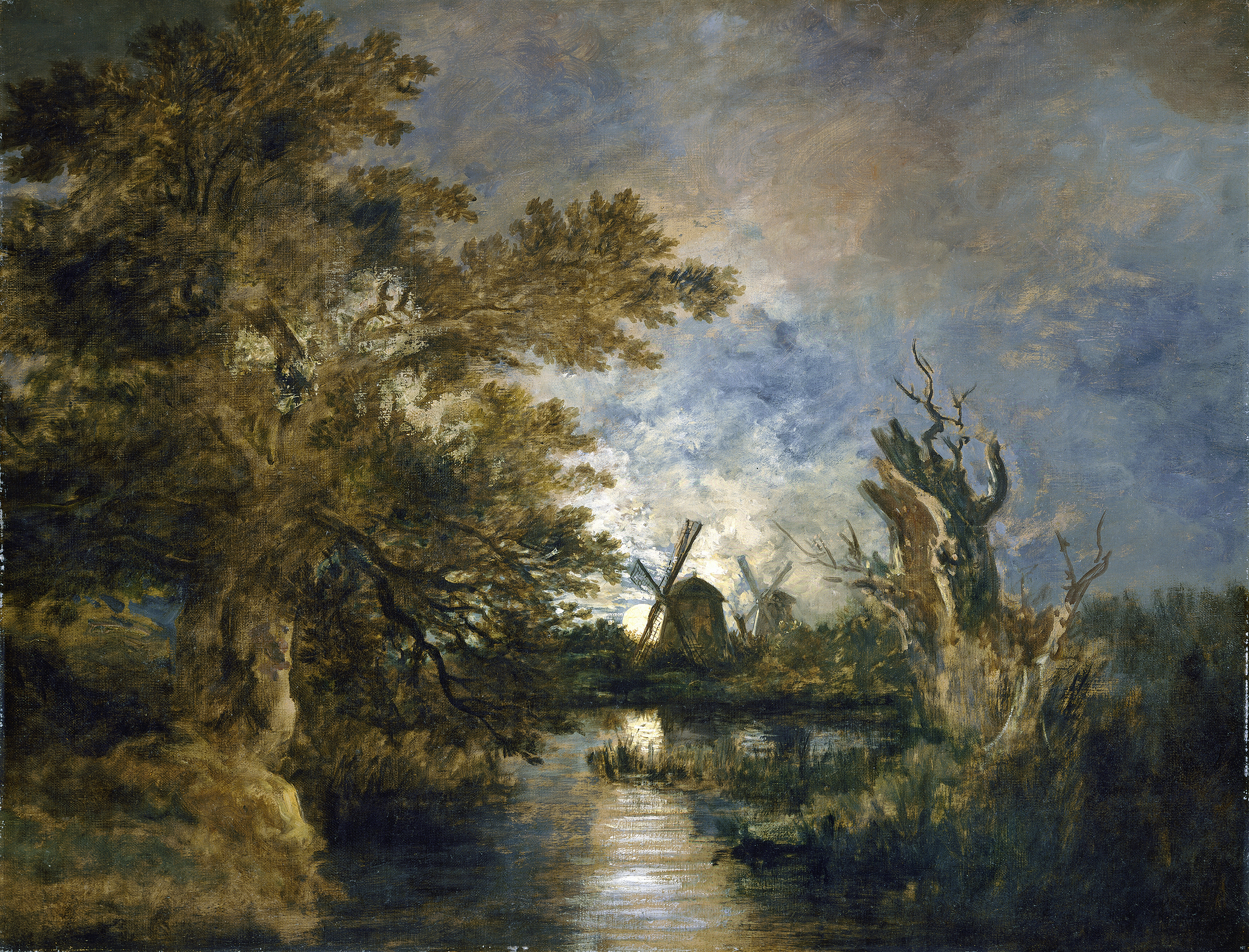
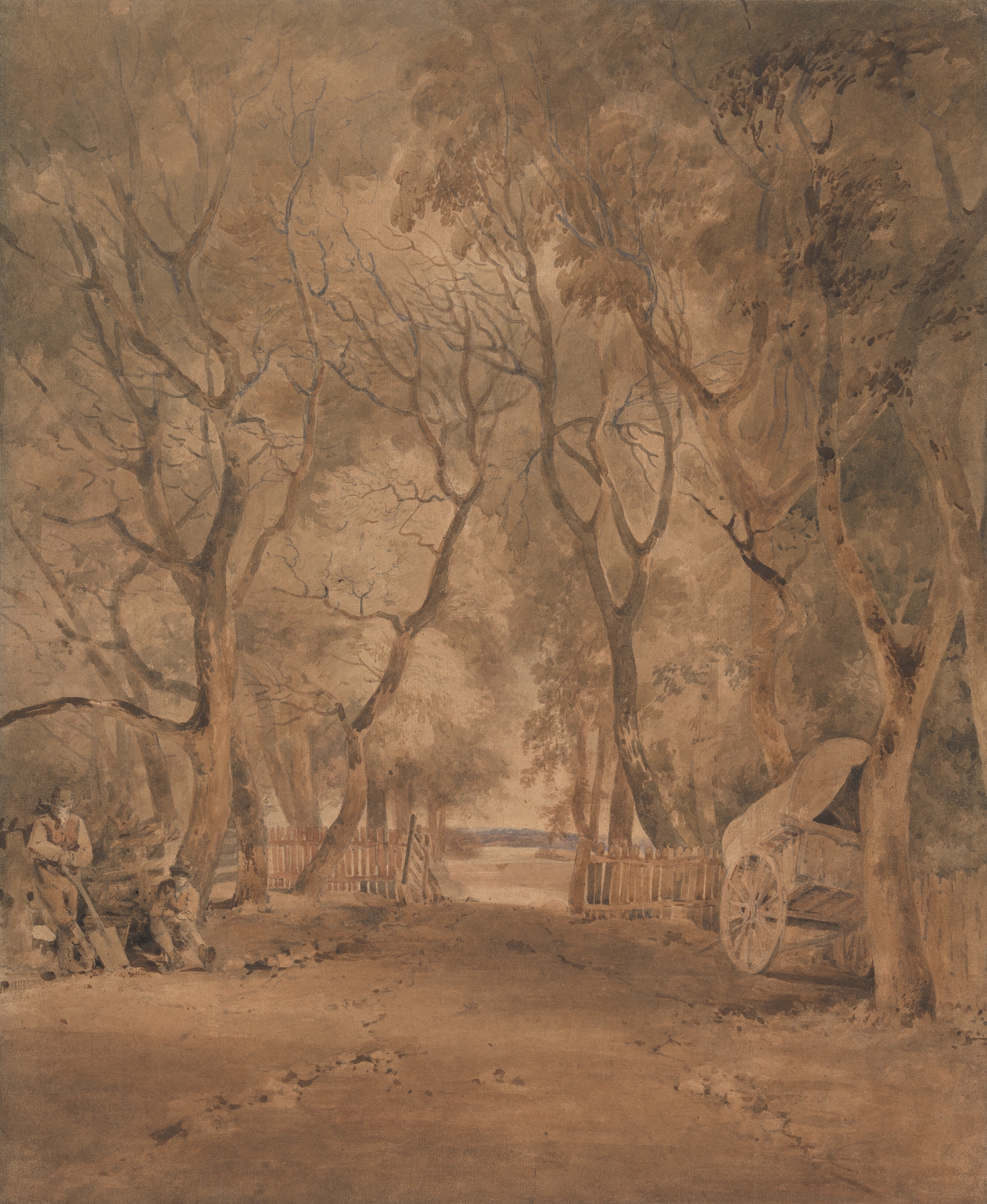
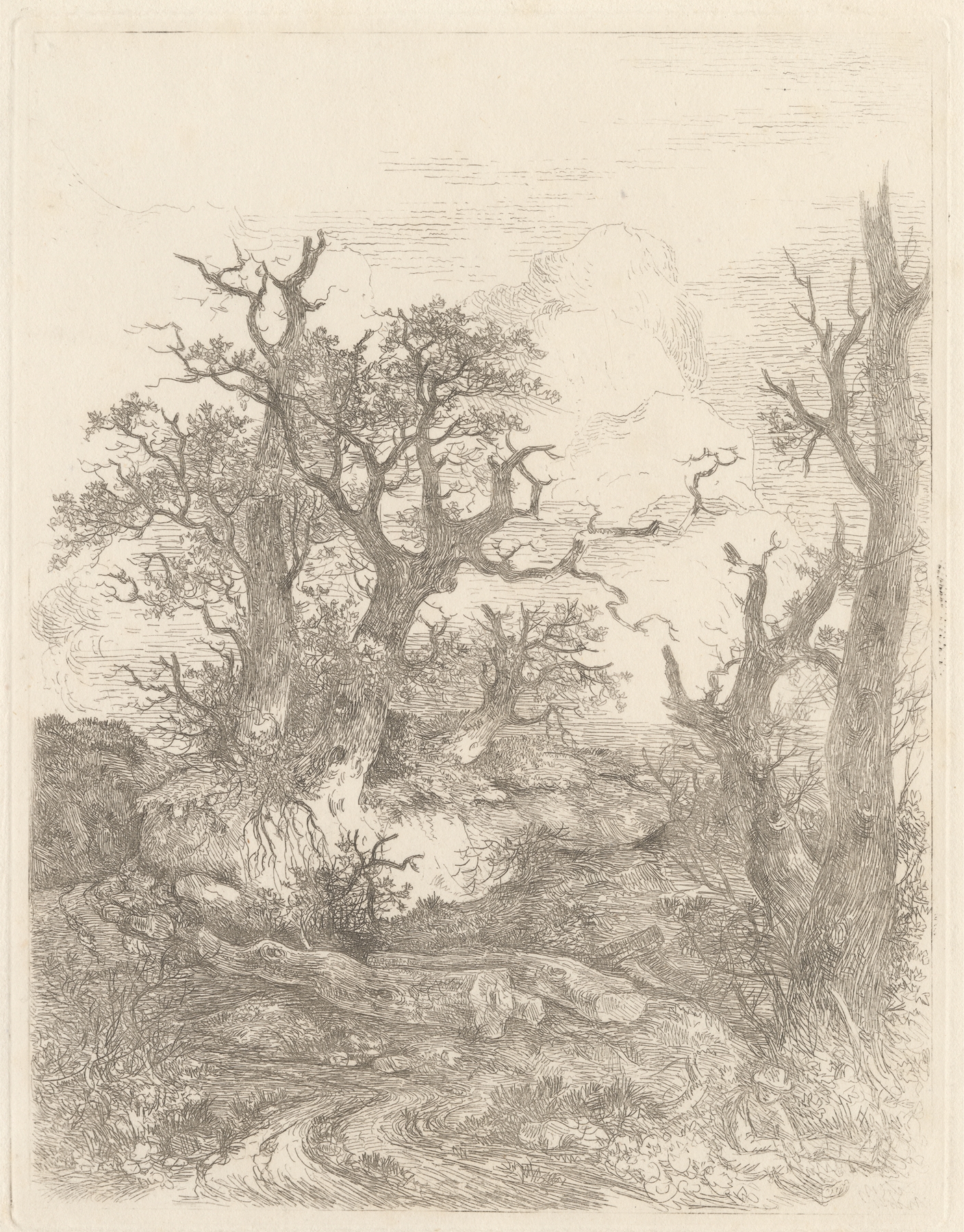
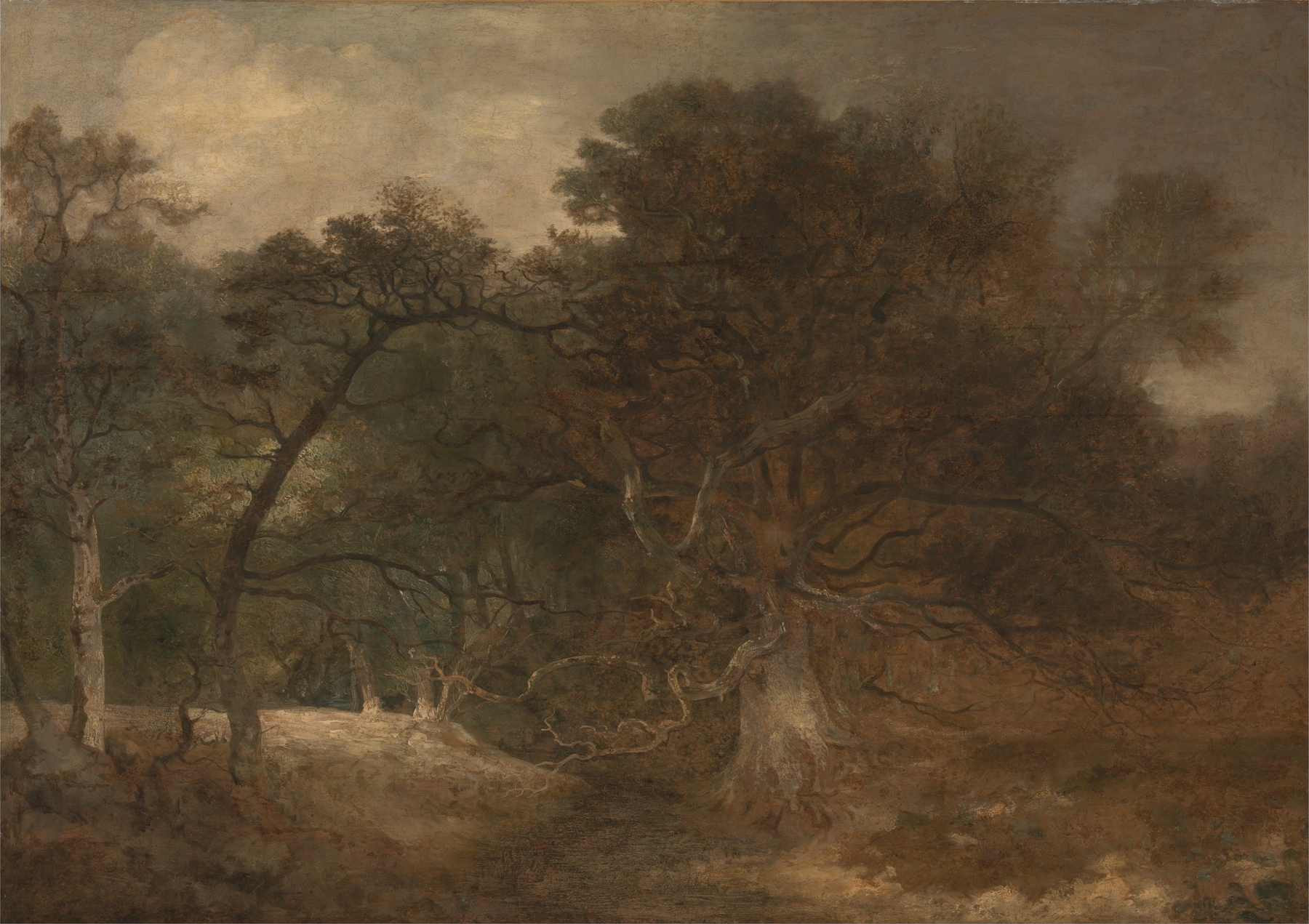
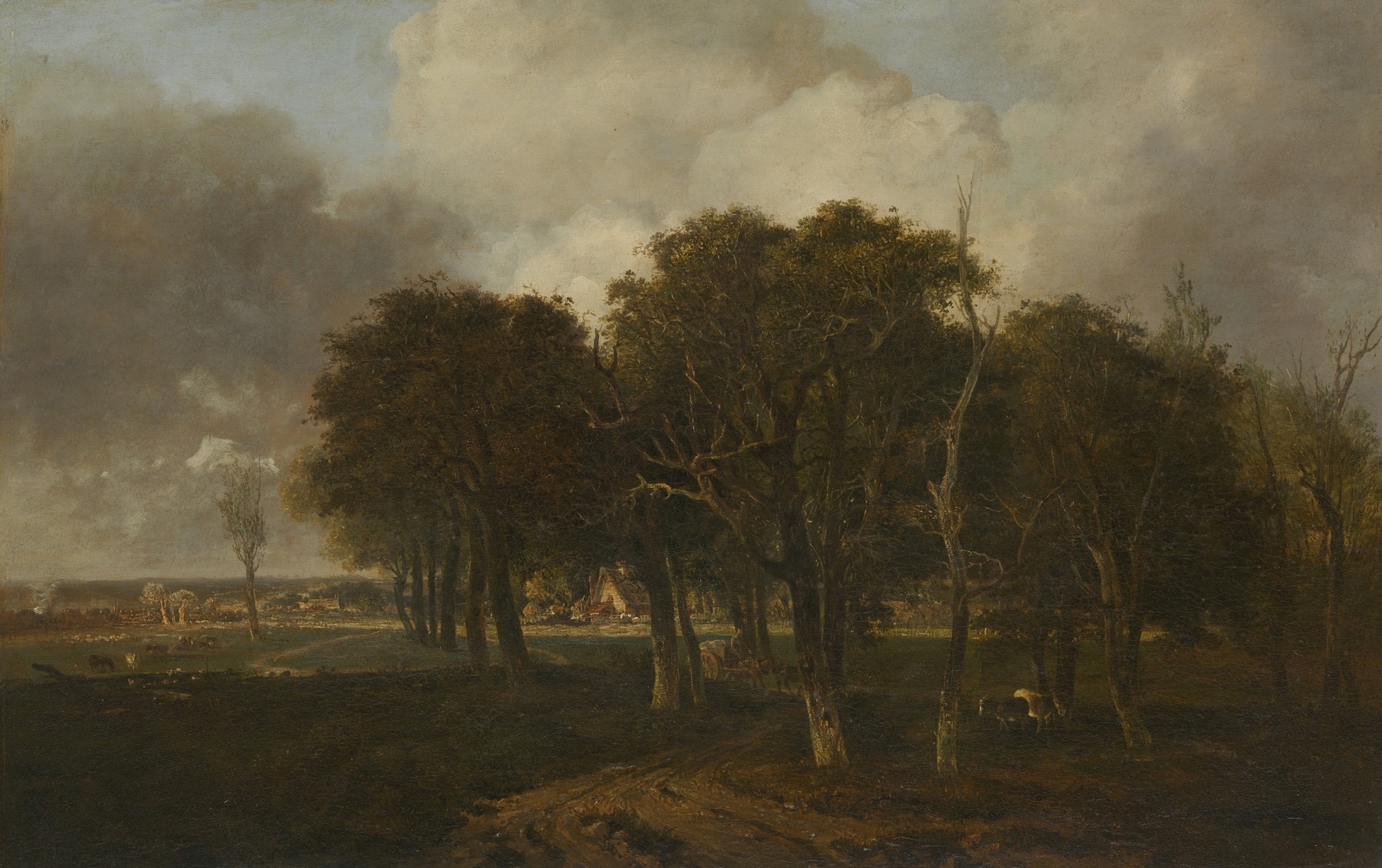
Could beauty survive in a century of chaos? In a world where turmoil reigns, the silent strength of nature stands as a testament to resilience and awe. Look to the left, where towering trees stretch skyward, their branches forming a delicate lace against the soft, golden light filtering through the foliage. The vibrant greens and earthy browns are punctuated by the gentle whispers of autumn, as fallen leaves cradle the forest floor.
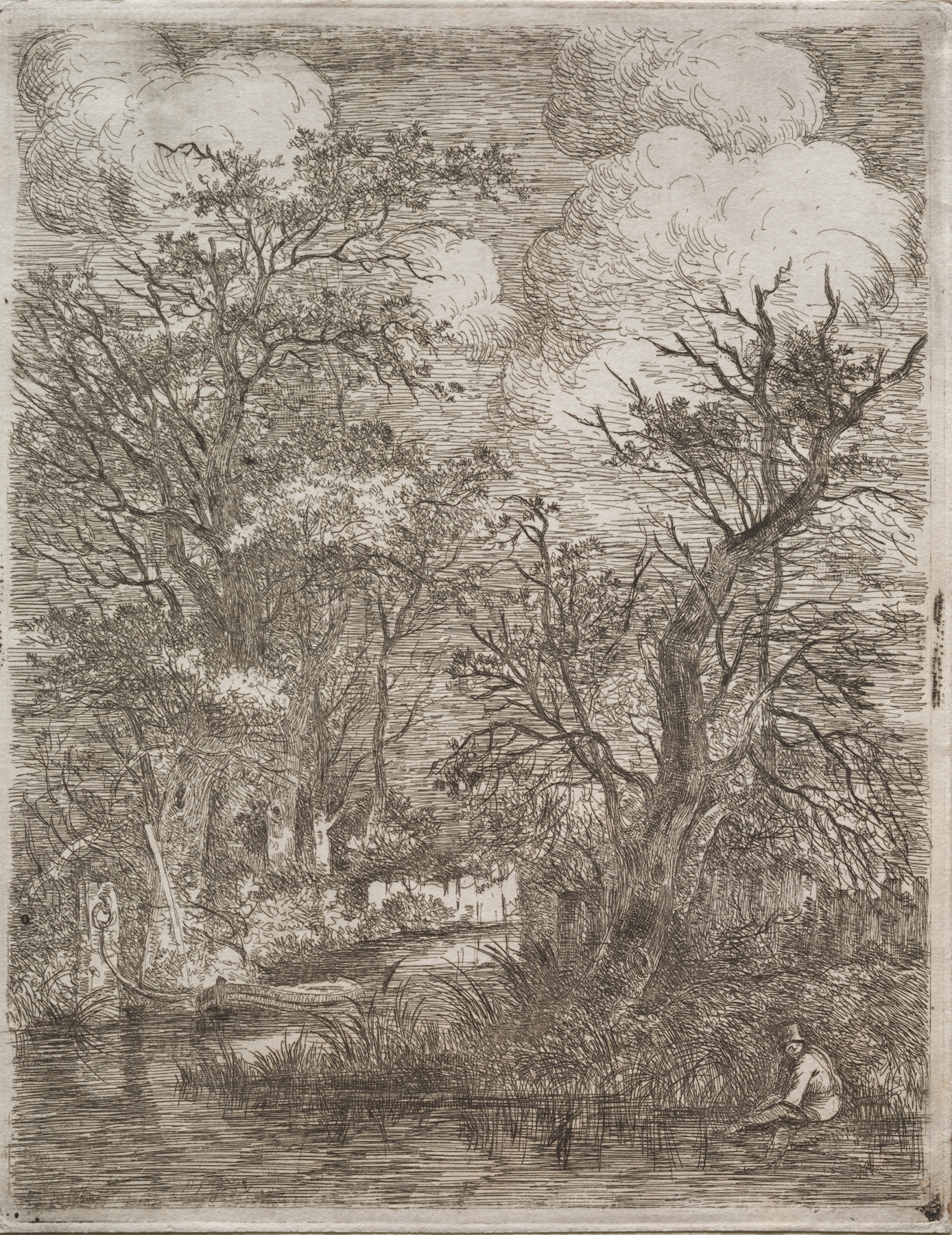
Notice how Crome’s brushstrokes create a harmonious meld of impressionism and realism, inviting the viewer to wander deeper into this serene embrace of nature. Yet, within this tranquil landscape lies a subtle tension. The interplay of light and shadow speaks to the duality of existence—where serenity coexists with the inevitability of change. The path winding through the woods beckons, offering both invitation and uncertainty, a metaphor for life’s journey.
Each element, from the soft ripples in the water to the distant hills, encapsulates a moment suspended in time, reminding us of the delicate balance between beauty and chaos. In 1812, John Crome painted this work during a period of significant transformation in the art world, marked by the rise of Romanticism and a growing admiration for natural beauty. Living in Norwich, England, he was part of a burgeoning movement that sought to celebrate the English countryside, reflecting the cultural shifts of his time. Amidst the uncertainties of the Napoleonic Wars, Crome found solace and inspiration in the landscape, capturing its timeless allure with thoughtful precision.