Wooded River Scene — History & Analysis
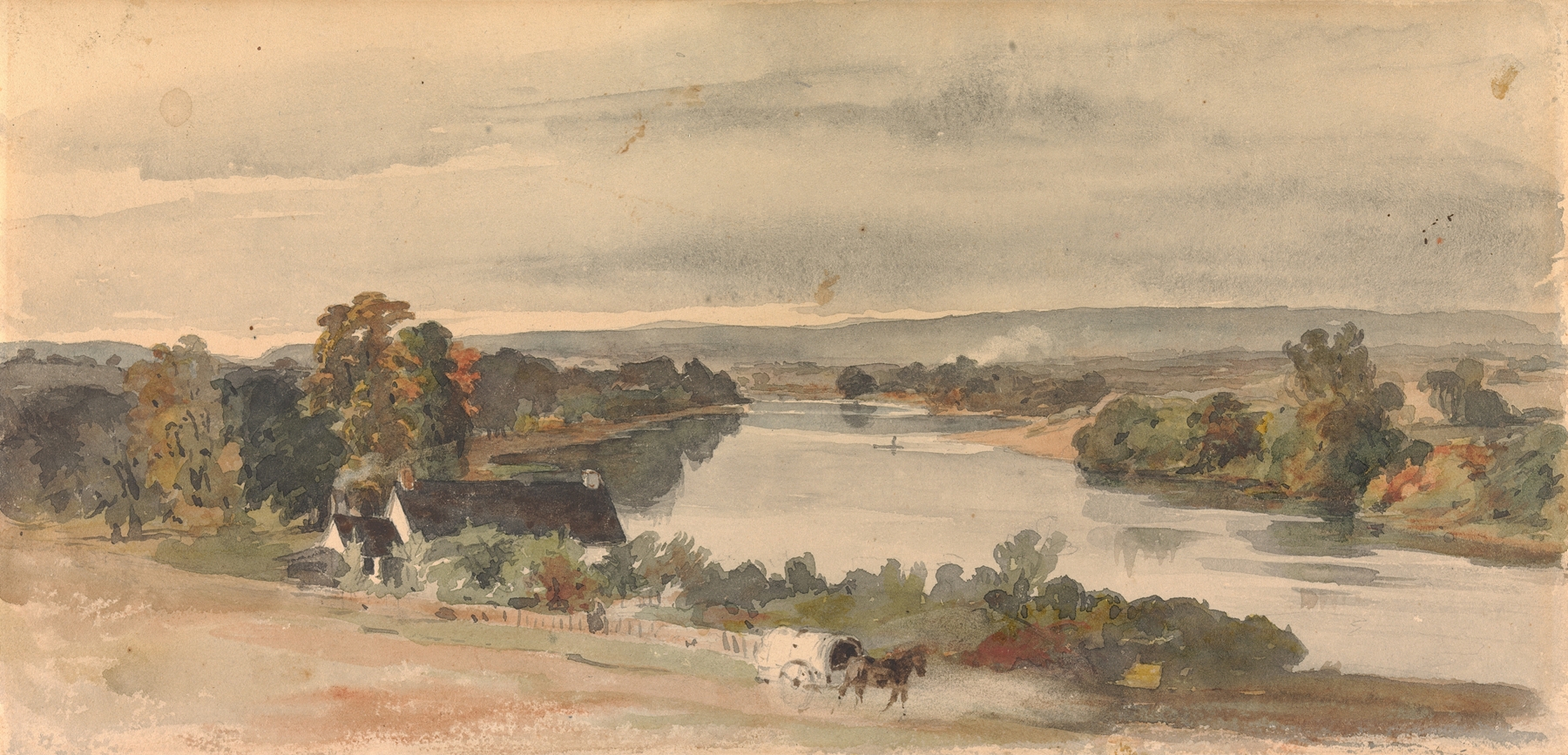
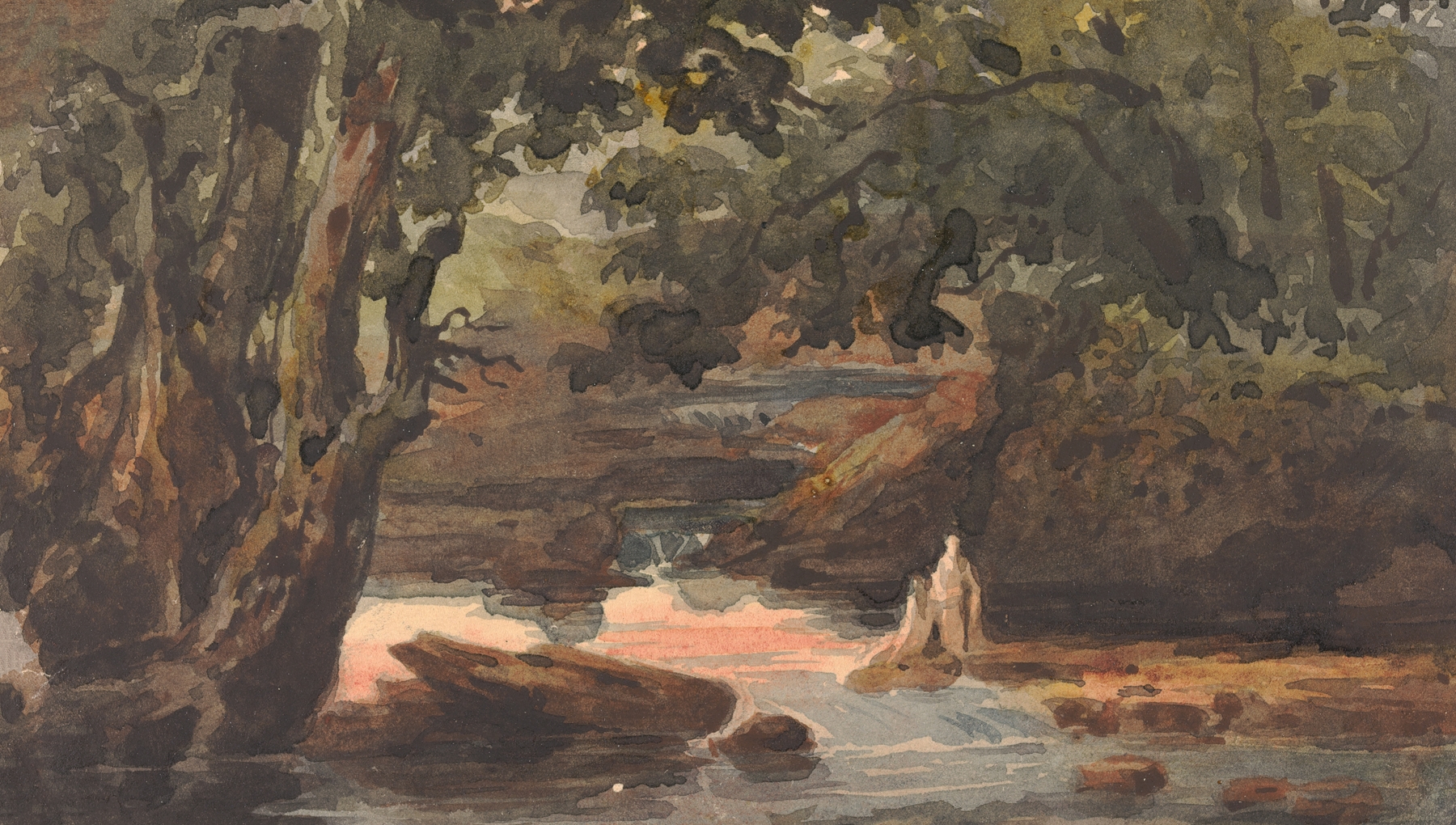
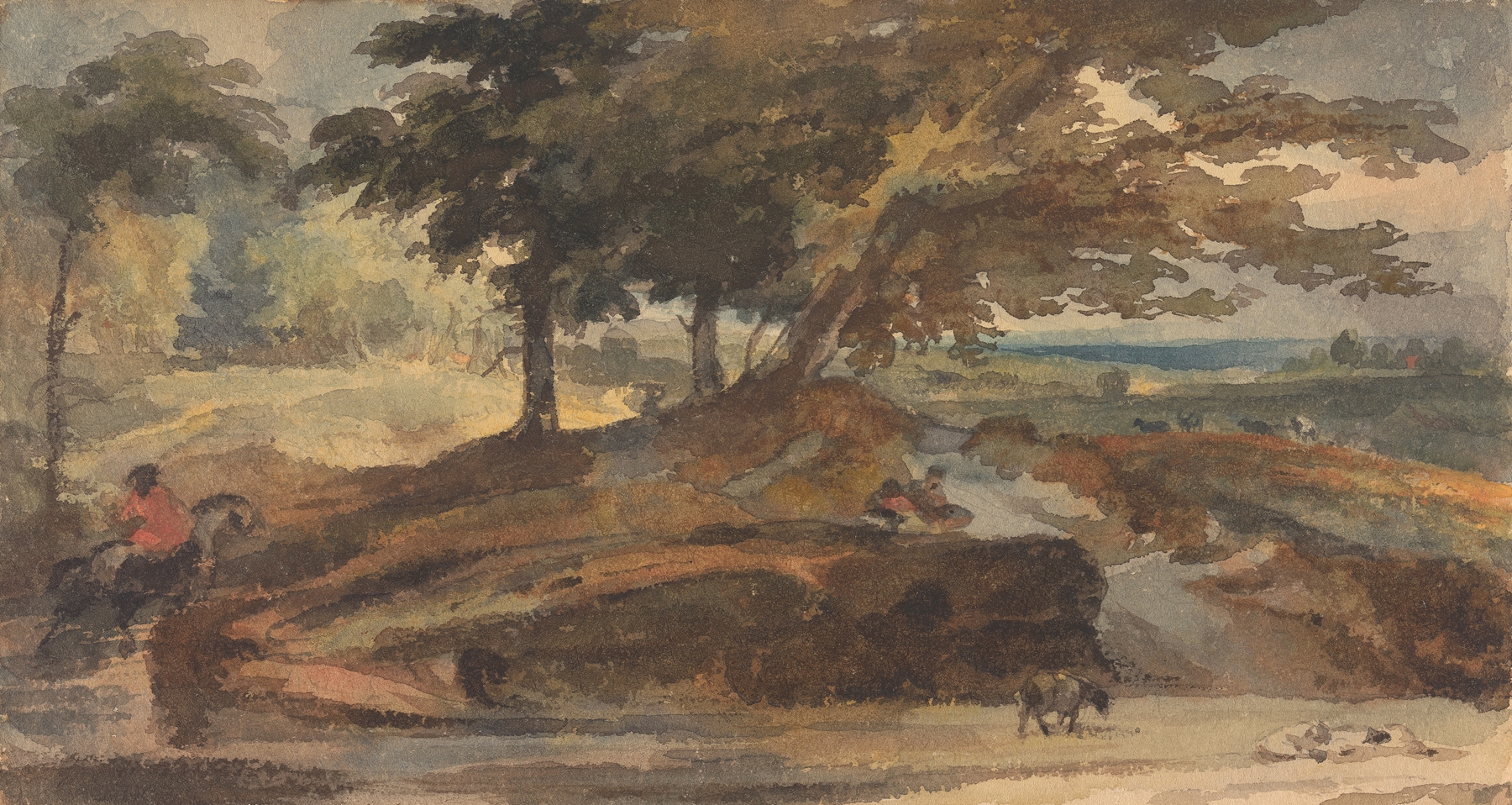
Can paint confess what words never could? In the embrace of a wooded river scene, time flows differently, whispering secrets that linger in the stillness of nature. Focus on the tranquil waters that reflect a canopy of rich greens, where shadows dance between the trees. Notice how the soft light filters through the leaves, creating a mesmerizing interplay of bright highlights and deep, calming tones. Each brushstroke captures the gentle undulations of the river, inviting the viewer to linger and breathe in the serene atmosphere.
The composition draws the eye along the water's path, leading into the depths of the forest, a journey both visual and meditative. As you delve deeper, the contrasts become apparent. The stillness of the water juxtaposes the lively foliage, embodying a harmony between tranquility and vitality. The hidden details, such as a faint ripple or a distant bird taking flight, evoke a sense of fleeting moments that life often presents.
This is a reflection on the passage of time itself, where nature remains ever-present yet constantly evolving—an eternal witness to change. During the period Sully created this work, likely in the early to mid-19th century, he was immersed in America’s Romantic landscape movement, which sought to capture the beauty and majesty of the natural world. This era was characterized by a growing appreciation for nature and its emotional resonance, as artists aimed to convey the sublime through their depictions. Sully’s keen eye for detail and atmospheric nuance was informed by these artistic currents, allowing him to transform the quietude of a river scene into an eloquent meditation on existence.