Zelfportret — History & Analysis
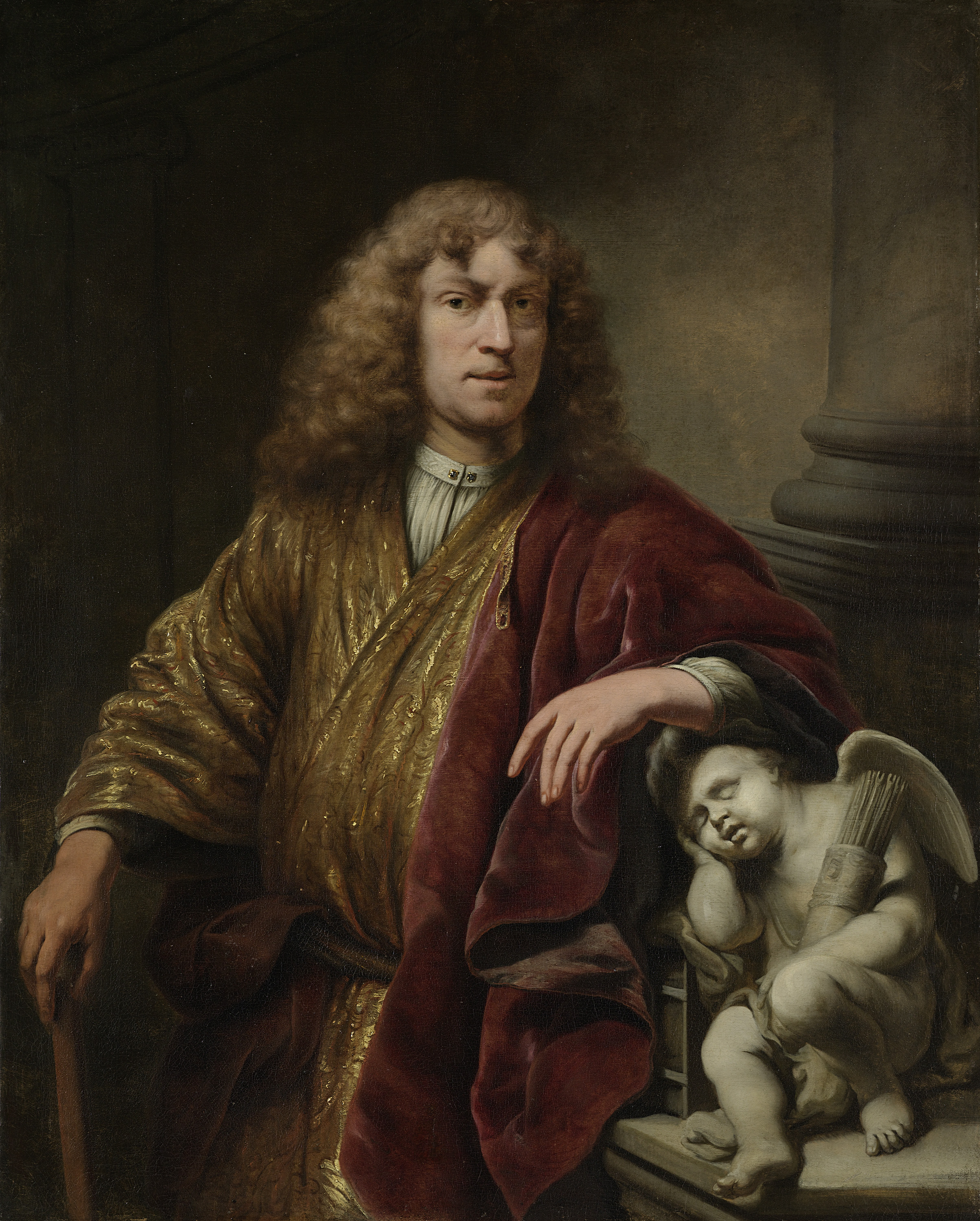
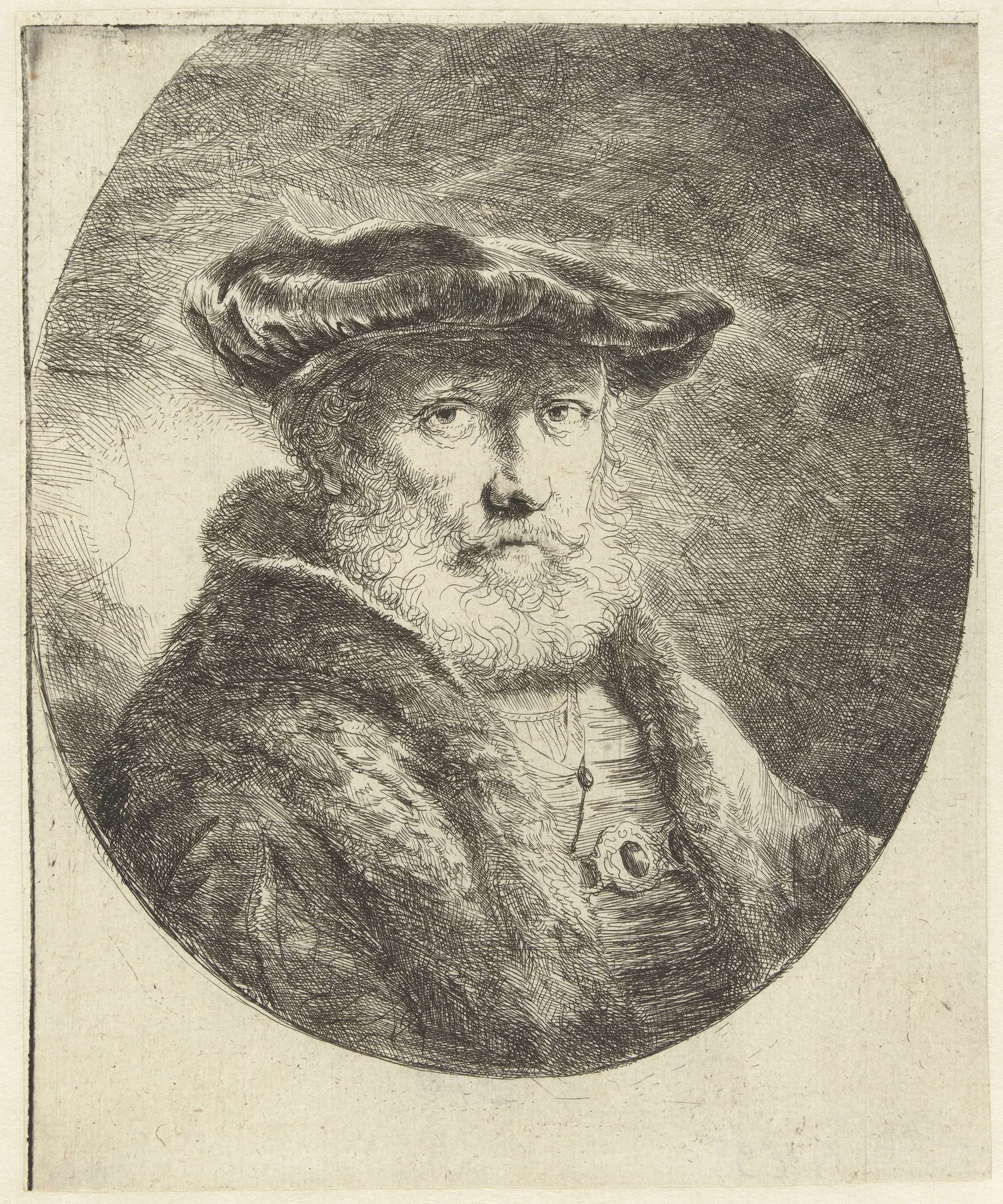
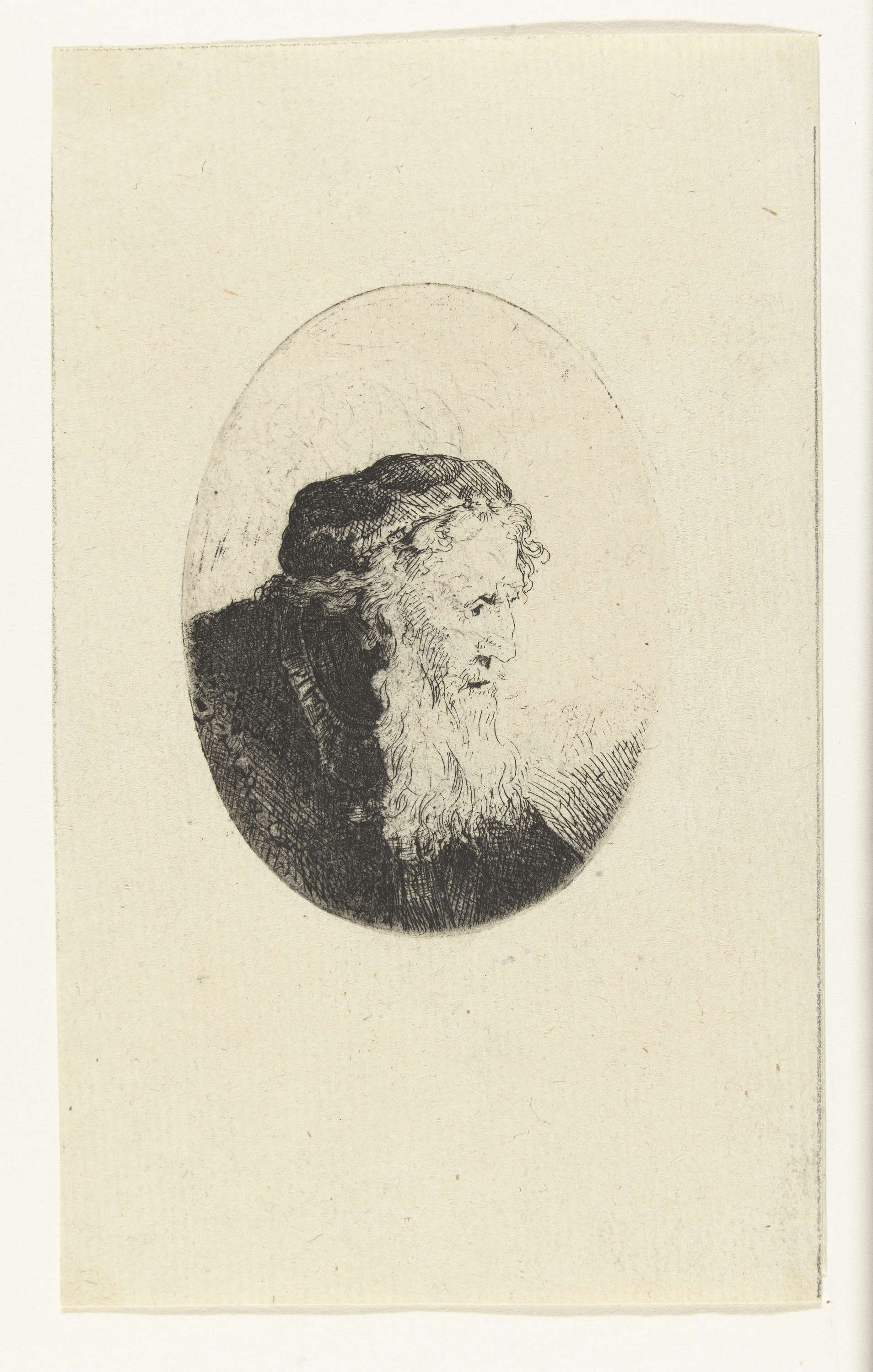
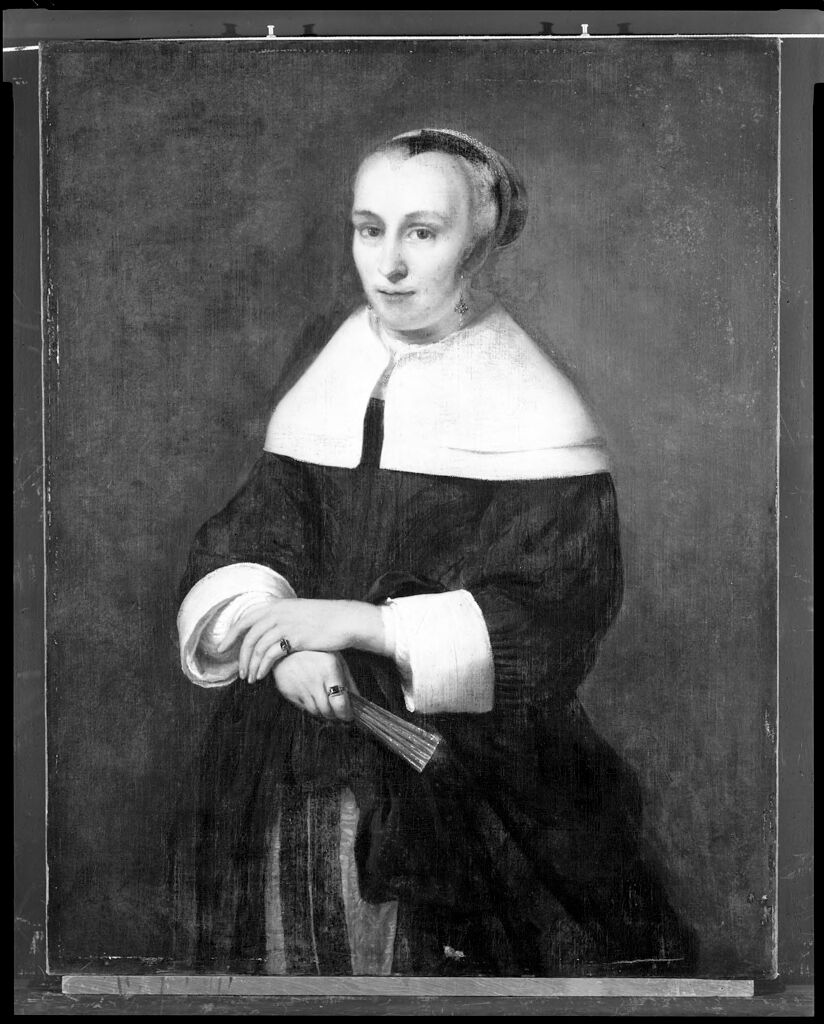
Under the brush, chaos becomes grace. The vibrant interplay of color captures the essence of the human experience, inviting us to reflect on our own multifaceted identities. Look to the left at the deep, rich hues of the cloak, cloaking the figure in authority while softening the edges of his reality. Notice how the play of light dances across his face, revealing both strength and vulnerability, as he gazes directly at the viewer.
The composition is meticulously crafted, with bold contrasts enhancing the contours of his features, drawing you further into the emotional landscape of his self-portrait. Beneath the surface, the painting speaks to the duality of existence. The juxtaposition of shadow and light suggests an inner turmoil, inviting contemplation of the artist’s psyche. The choice of colors not only defines the figure but also echoes the broader narrative of 17th-century Dutch society, where individualism began to flourish.
Each brushstroke seems to whisper secrets about identity, ambition, and the weight of self-representation. In 1642, the artist created this intimate portrayal amidst a flourishing art scene in Amsterdam, where he was influenced by Rembrandt's mastery of light and shadow. Bol was establishing himself as a notable portraitist, navigating the complexities of artistic expression in a rapidly changing world. Zelfportret stands as a testament to his quest for authenticity and his dedication to exploring the depths of human emotion through the lens of color.