
Découvrir des informations sur cette œuvre
The Threatened Swan — Histoire et analyse
Un cygne défend férocement son nid contre un chien. Au cours des siècles suivants, cette lutte a été interprétée comme une allégorie politique : le cygne blanc était censé symboliser le homme d'État néerlandais Johan de Witt (assassiné en 1672) protégeant le pays de ses ennemis. C'était le sens attaché à la peinture lorsqu'elle est devenue la toute première acquisition à entrer dans la Nationale Kunstgalerij (l'ancêtre du Rijksmuseum) en 1800.
Plus d'œuvres de Jan Asselijn
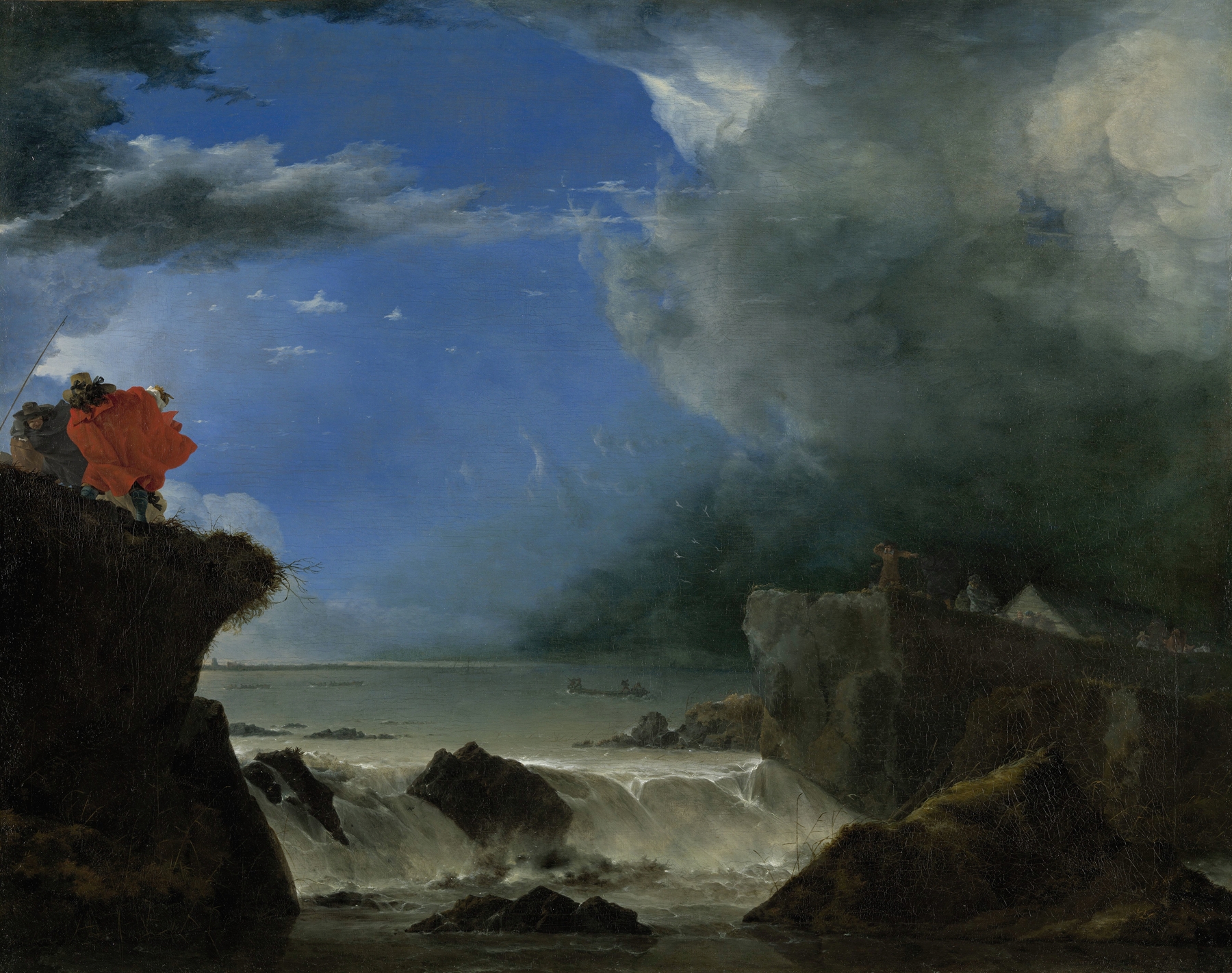
The Breach of the Saint Anthony’s Dike near Amsterdam
Jan Asselijn
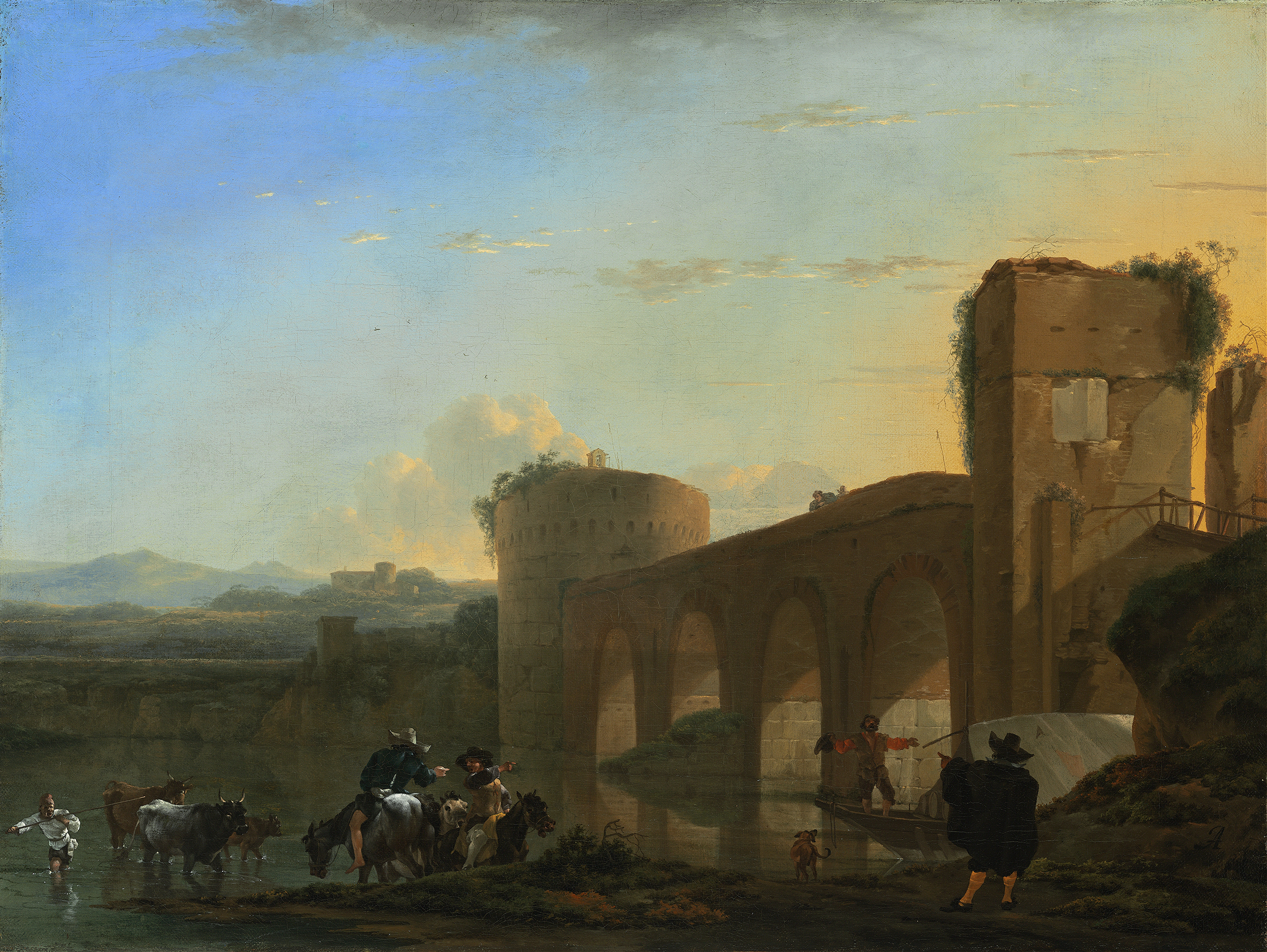
The Tiber River with the Ponte Molle at Sunset
Jan Asselijn
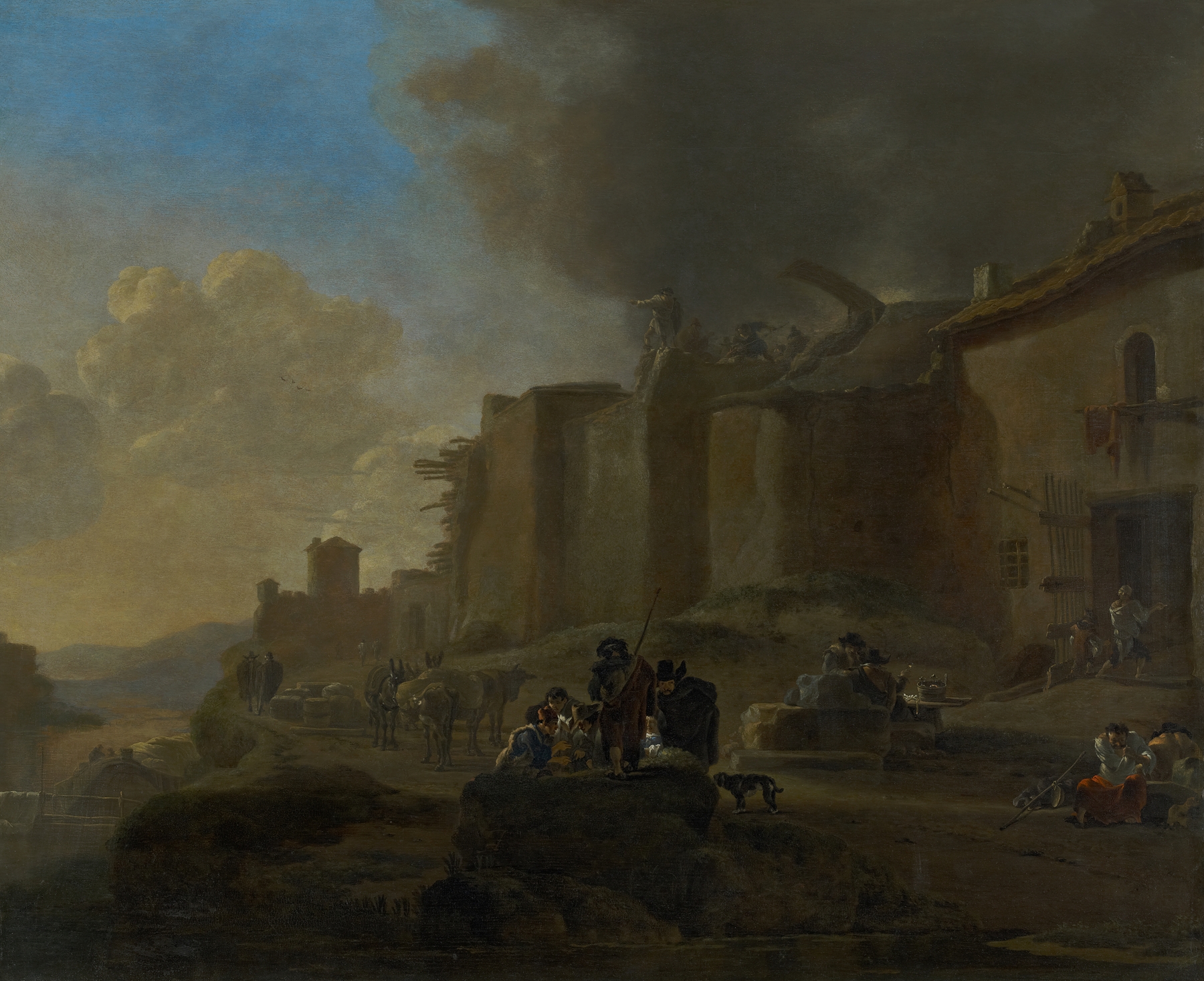
Peasants by a River Bank
Jan Asselijn
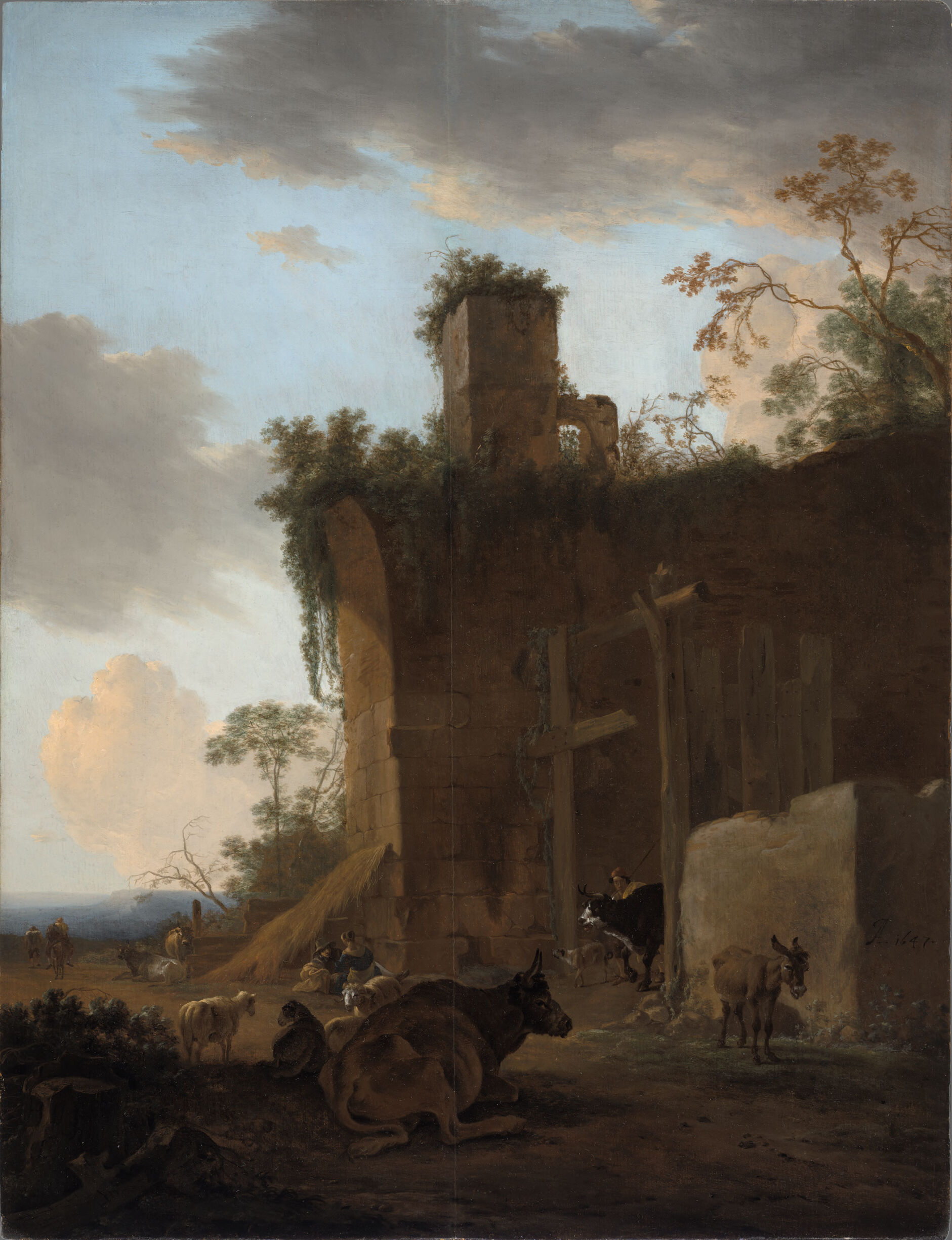
Italianate Landscape with Drovers, Cattle and Sheep beside Ruins
Jan Asselijn
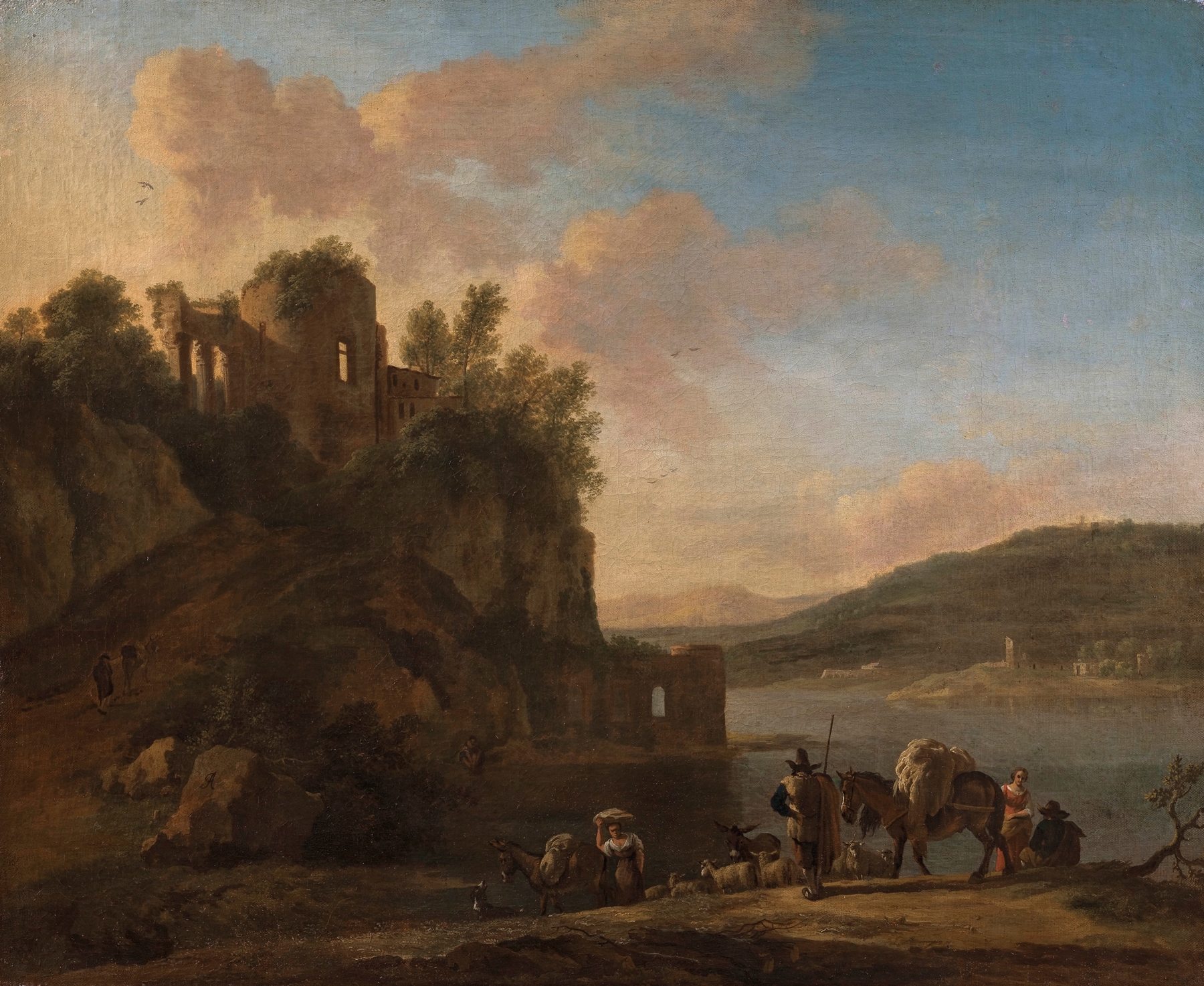
An Italianate River Landscape With Herders On A Path With Their Flock And Donkeys
Jan Asselijn
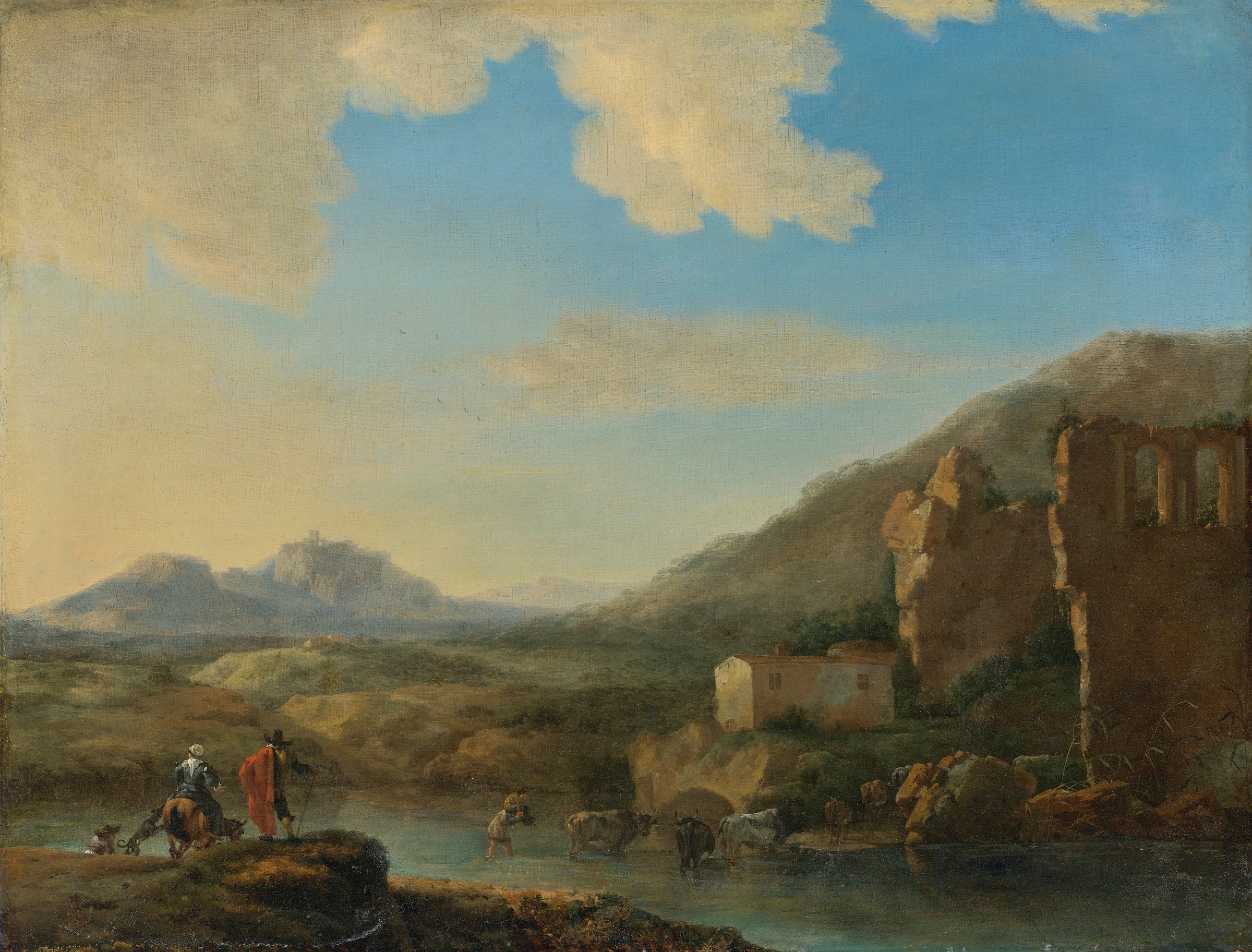
Mountainous Landscape
Jan Asselijn
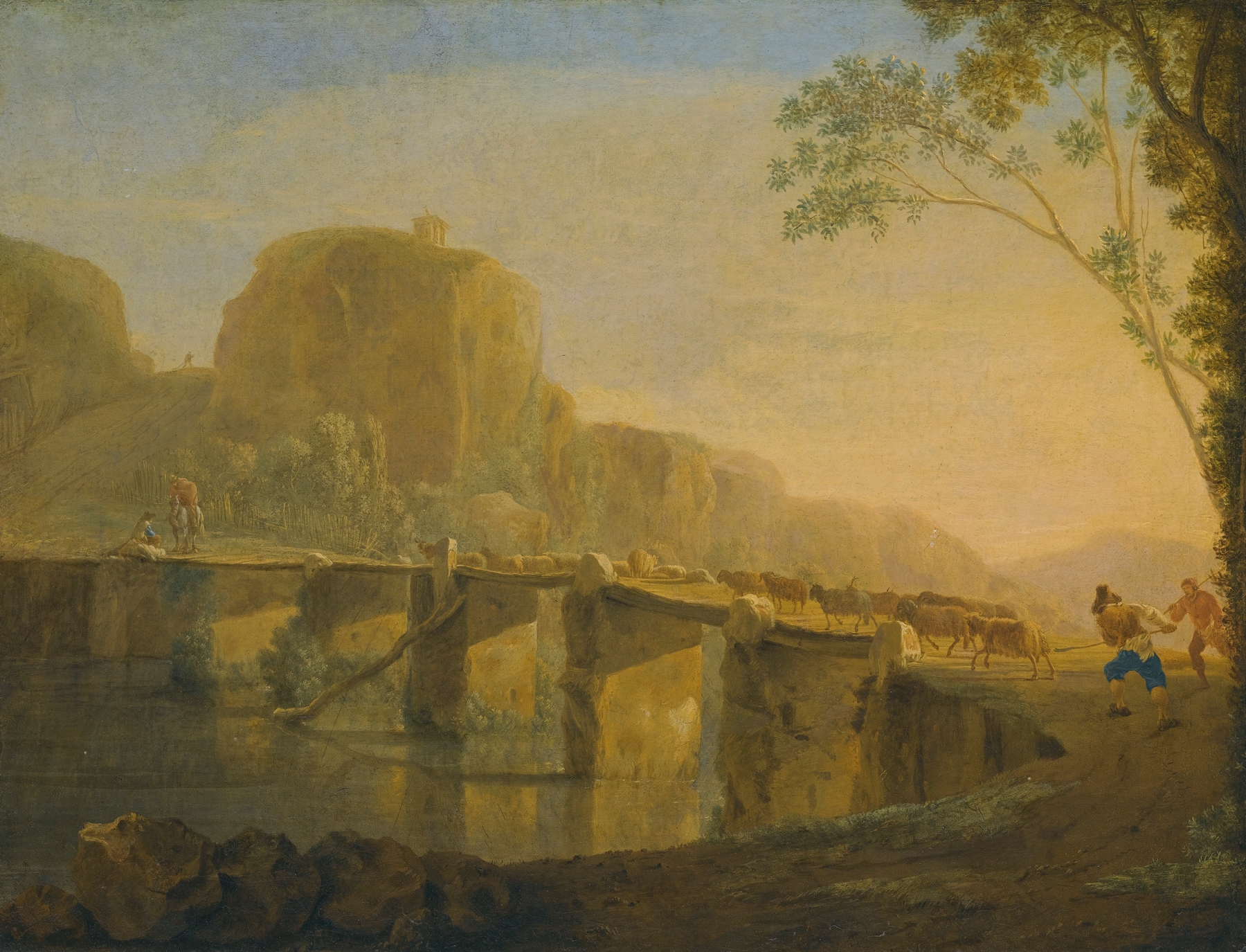
Landscape With Shepherds And Their Flock Crossing The Ponte Acquoria Near Tivoli
Jan Asselijn
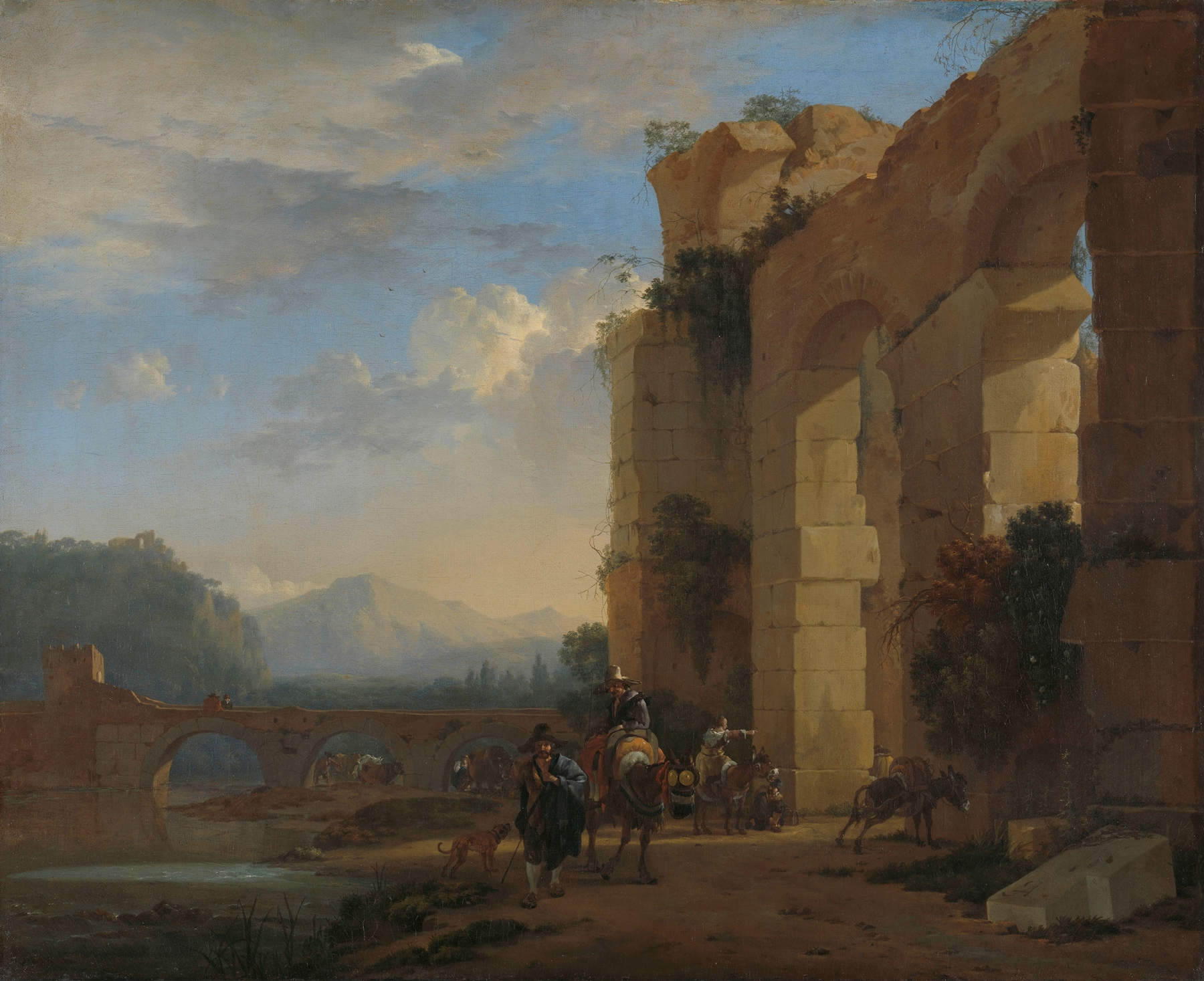
Muleteers beside an Italian Ruin
Jan Asselijn
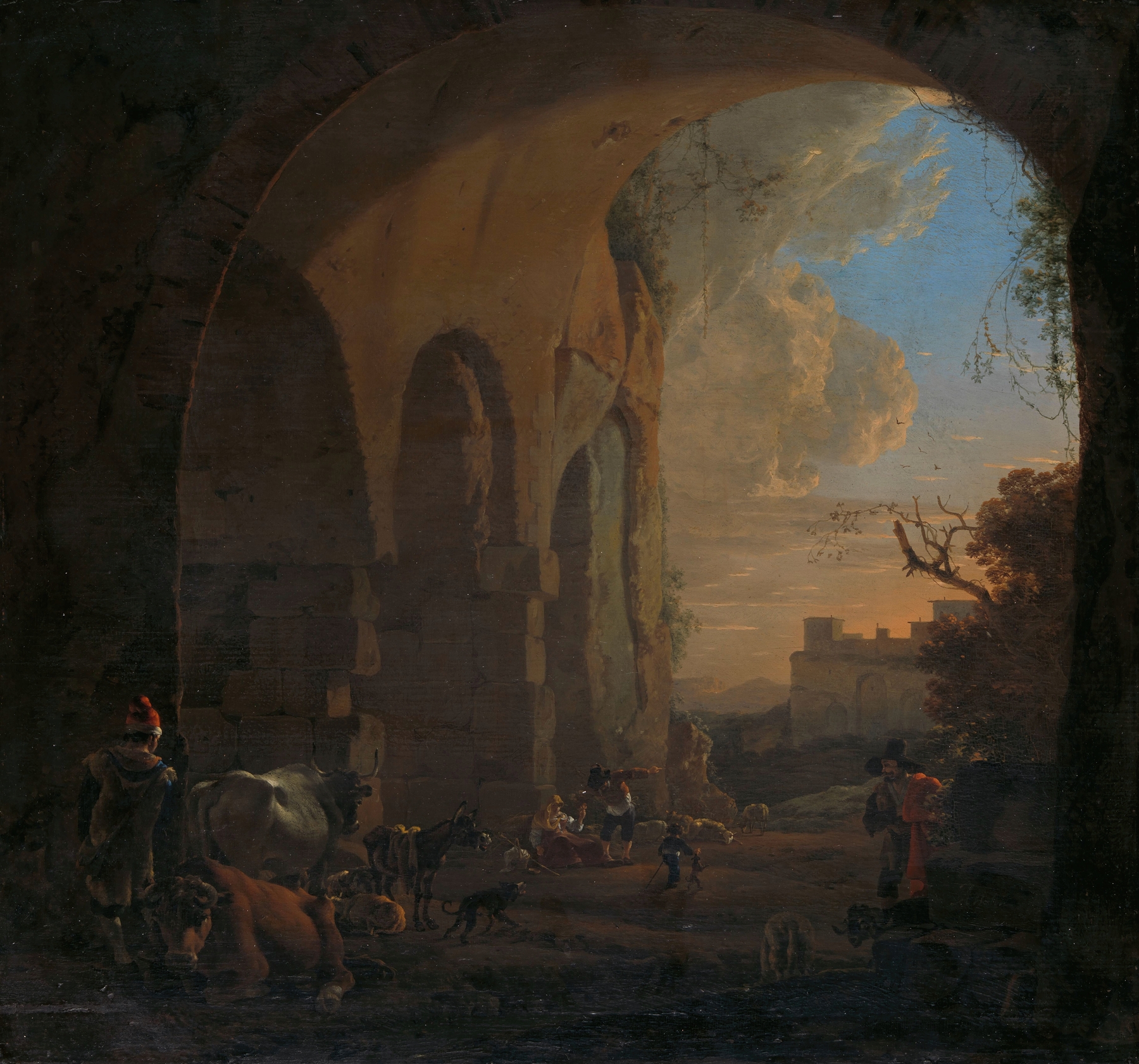
Drovers with Cattle under an Arch of the Colosseum in Rome
Jan Asselijn
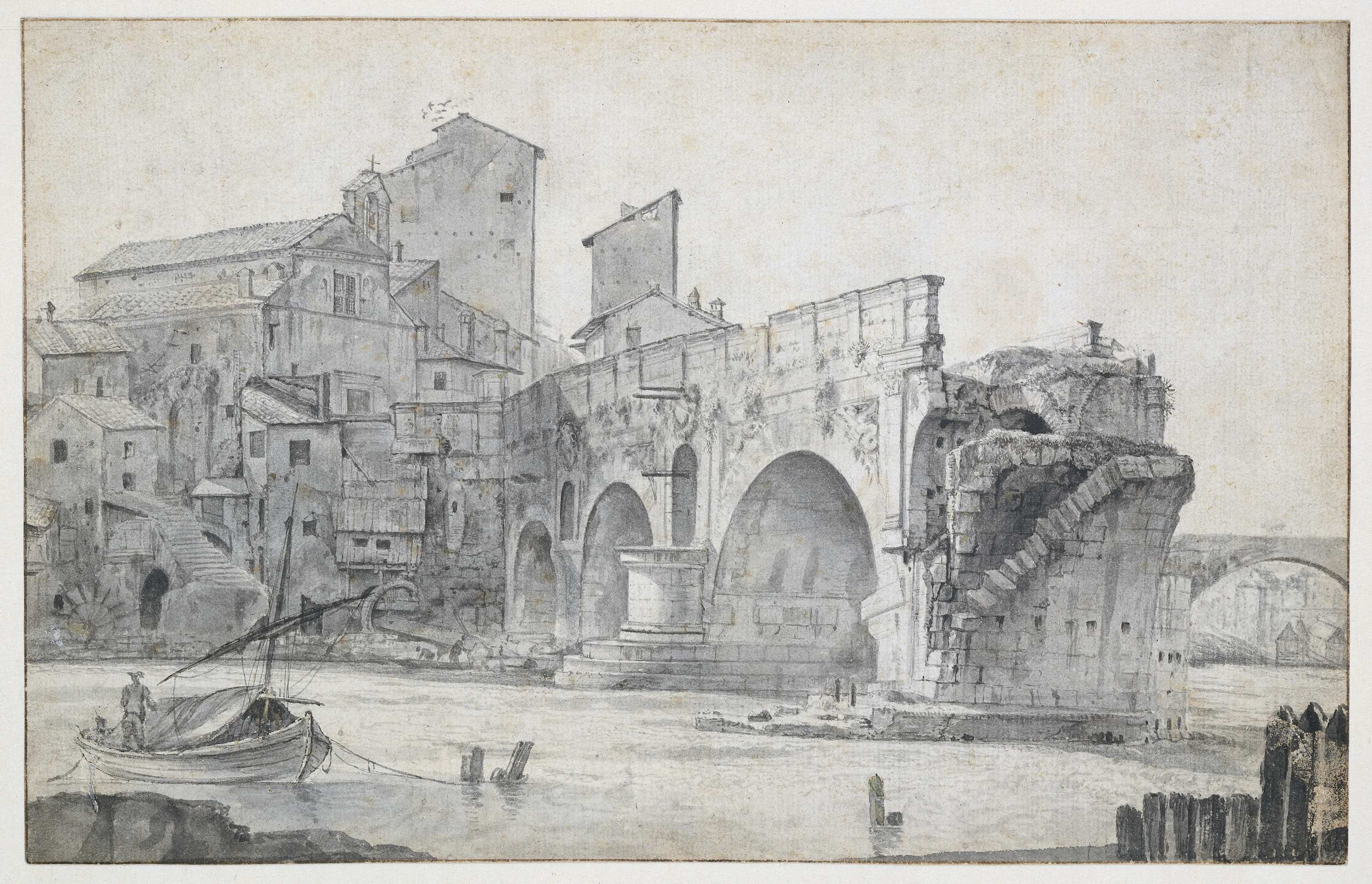
View of the Ponte Rotto in Rome, Seen from the East
Jan Asselijn
Plus d\'art Allégorie
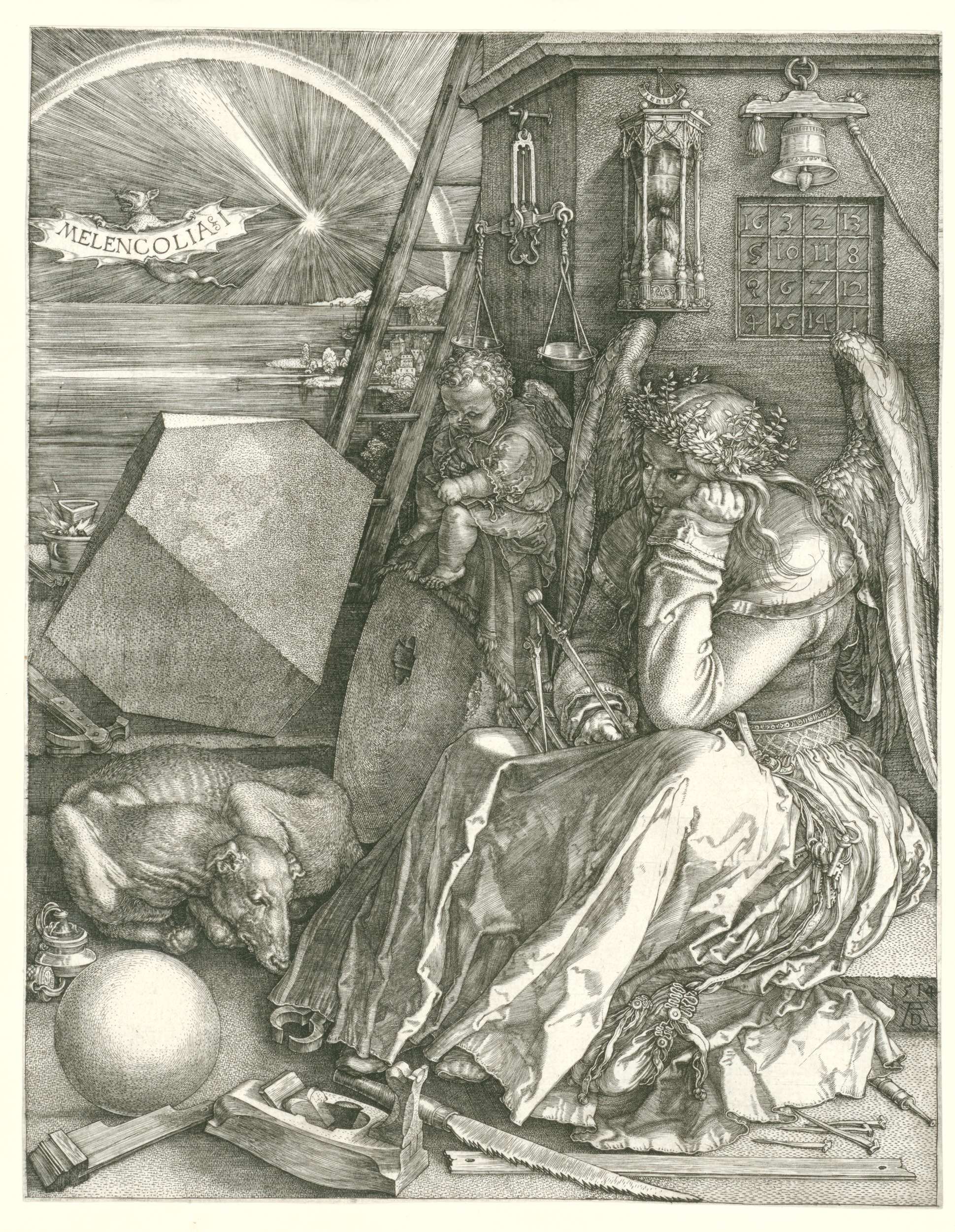
Melancholia
Albrecht Dürer
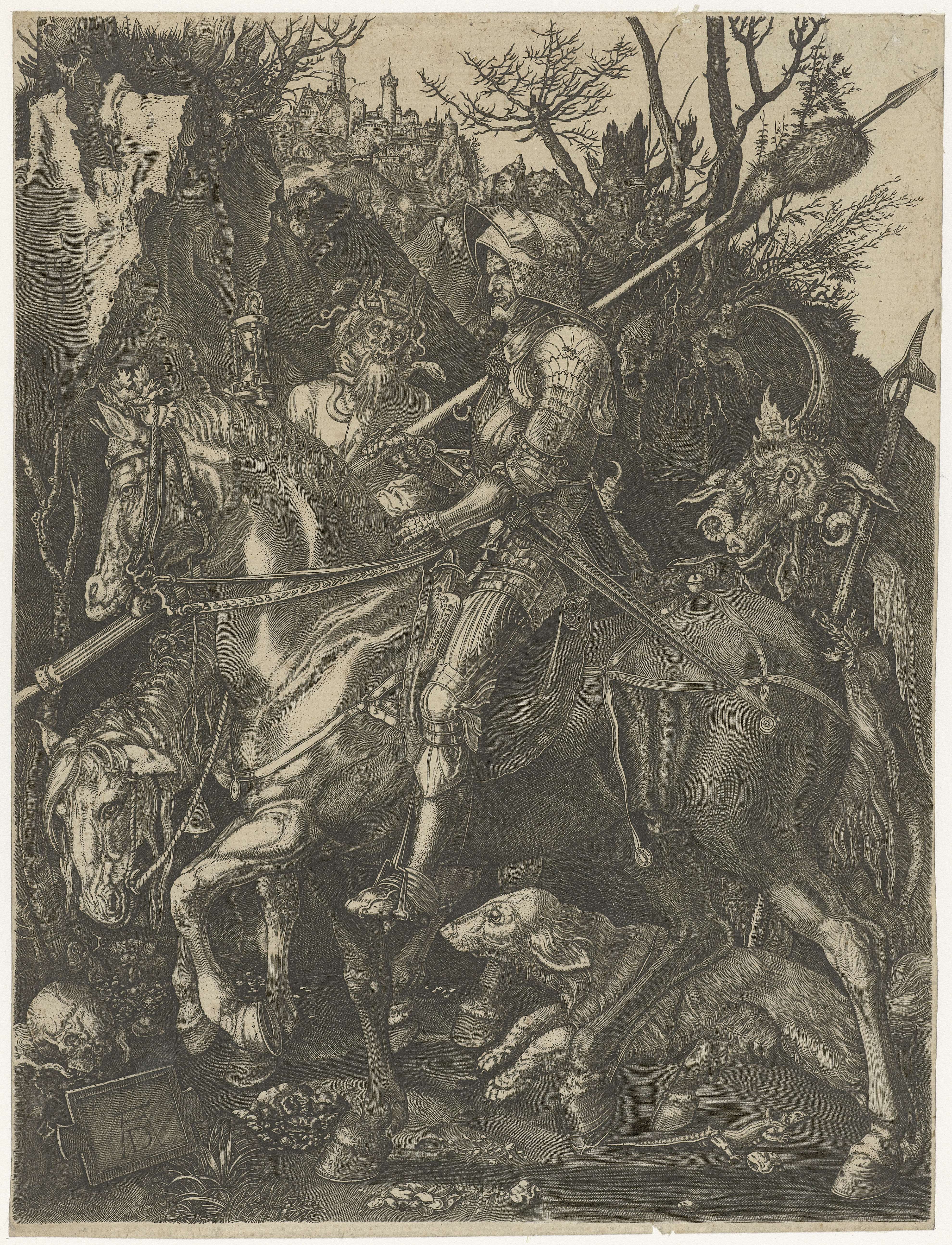
Ridder, Dood en Duivel
Unknown Artist
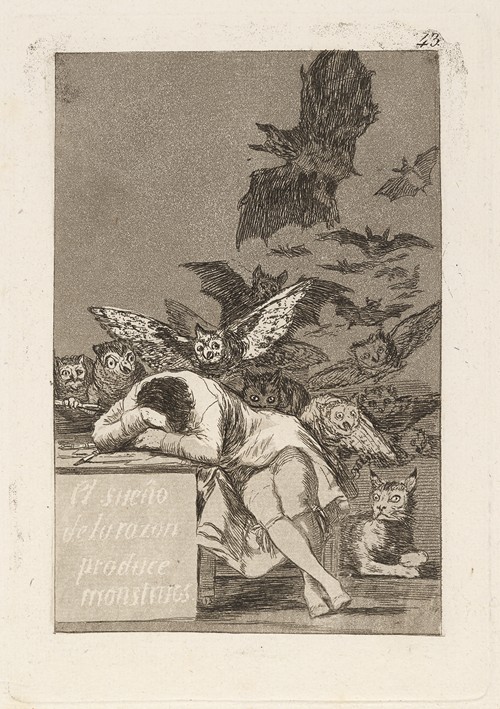
El sueño de la razon produce monstruos. (The sleep of reason produces monsters.)
Francisco de Goya
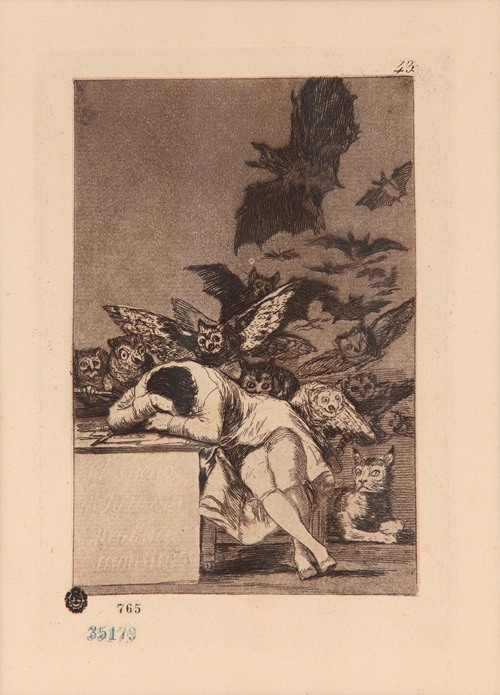
El sueño de la razon produce moustruos (Serie Caprichos)
Francisco de Goya
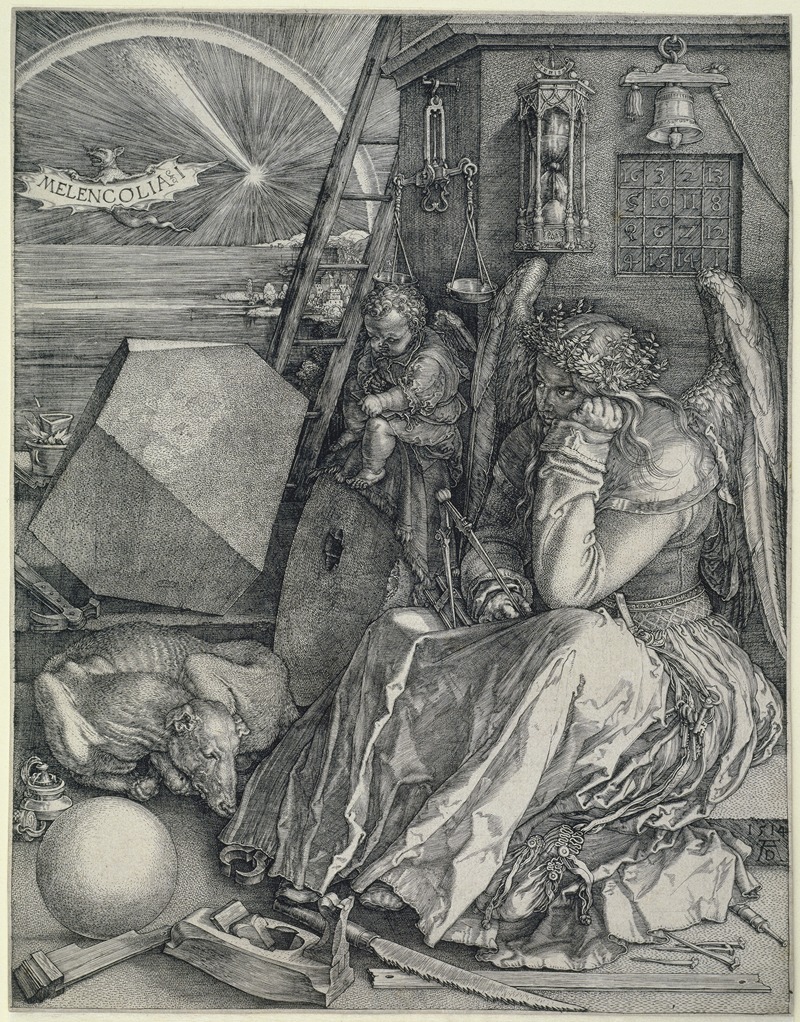
Melencolia I (The Melancholy)
Albrecht Dürer
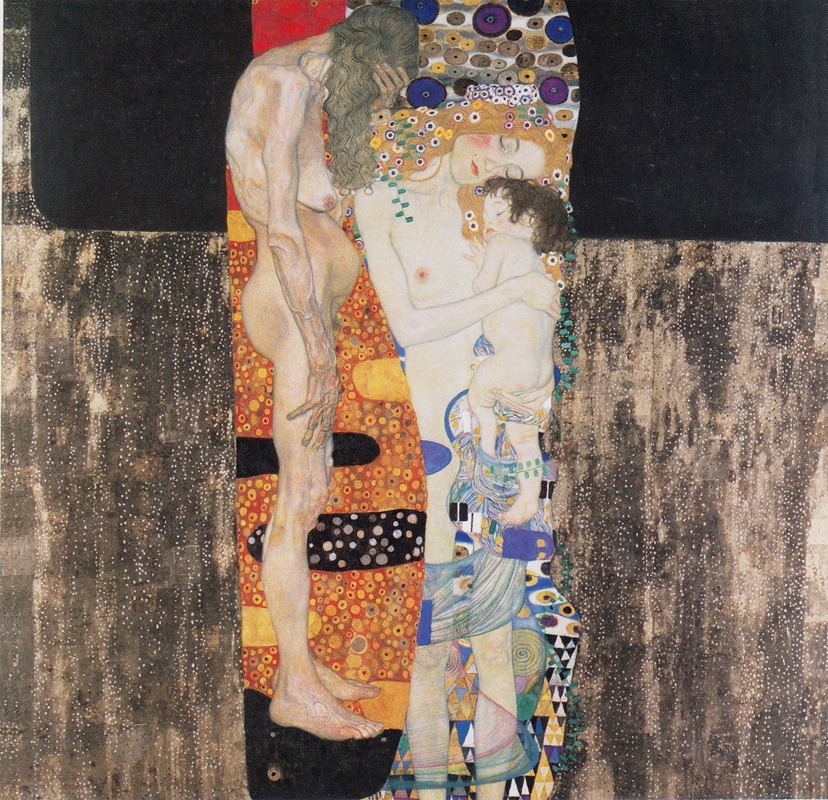
The Three Ages of the Woman
Gustav Klimt