
The Floating Bridge of Dreams (Yume no Ukihashi), Illustration to Chapter 54 of the Tale of Genji (Genji monogatari) — História e Análise
No delicado abraço da cor, uma ponte conecta sonhos à realidade, sussurrando segredos do passado enquanto convida à contemplação do futuro. Este momento etéreo capturado em A Ponte Flutuante dos Sonhos transcende a mera ilustração, chamando-nos a explorar sua paleta vibrante e detalhes intrincados. Concentre-se primeiro na própria ponte, uma fita de pastéis suaves arqueando-se graciosamente sobre águas tranquilas. Os azuis e verdes serenos refletem o céu, enquanto os toques pastéis evocam uma sensação de outro mundo.
À medida que seu olhar vagueia, note as texturas sutis, mas ricas, na folhagem que emoldura a cena. Cada pincelada parece dar vida ao ambiente, criando um equilíbrio harmonioso entre a natureza e a beleza etérea. Mergulhe mais fundo nas correntes emocionais que fluem pela obra de arte. A ponte simboliza uma passagem entre o efêmero e o eterno, sugerindo a natureza transitória dos desejos e sonhos humanos.
As suaves ondulações na água ecoam os momentos fugazes da vida, enquanto os tons suaves evocam nostalgia, lembrando-nos da delicada interação entre anseio e realização. As figuras podem parecer pequenas e distantes, mas elas incorporam a essência da conexão e vulnerabilidade, presas entre dois mundos. Criada durante o período Muromachi, a obra de Tosa Mitsunobu data de 1509-1510. Em uma época marcada pela evolução da arte japonesa, ele foi uma figura proeminente, revitalizando estilos tradicionais enquanto os infundia com uma nova sensibilidade.
Sua posição na corte do xogunato Ashikaga permitiu-lhe fundir temas clássicos com as estéticas emergentes da época, resultando em obras que ressoam profundamente tanto com significados históricos quanto emocionais.
Mais obras de Tosa Mitsunobu
Ver tudo →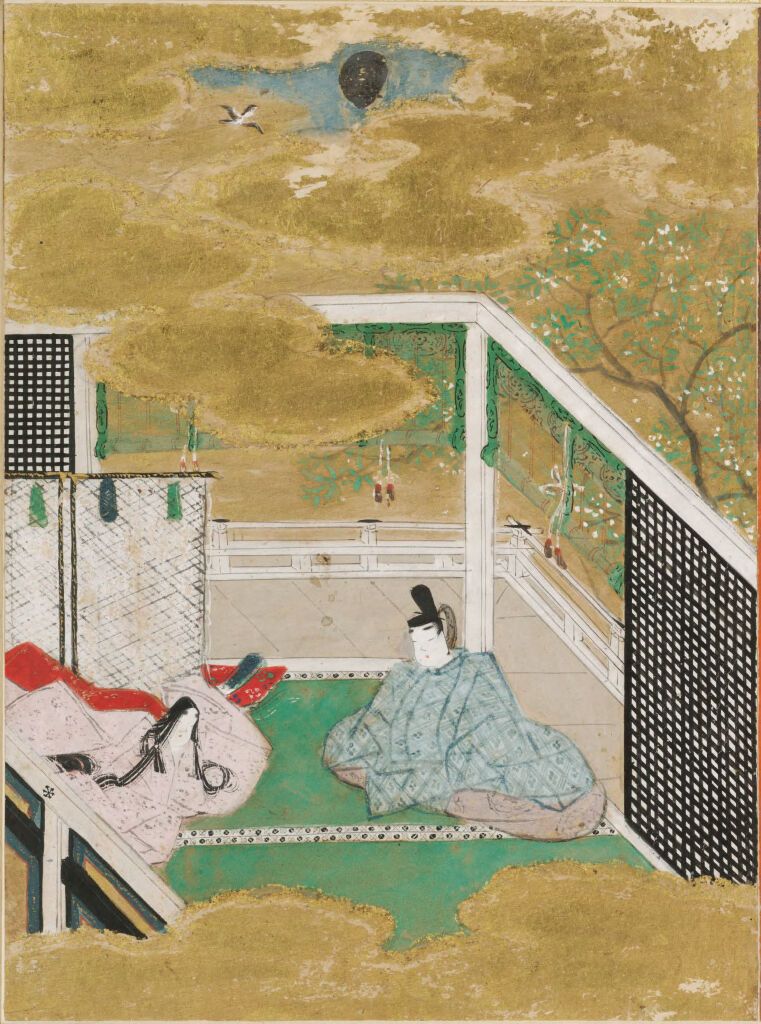
Falling Flowers (Hanachirusato), Illustration to Chapter 11 of the Tale of Genji (Genji monogatari)
Tosa Mitsunobu
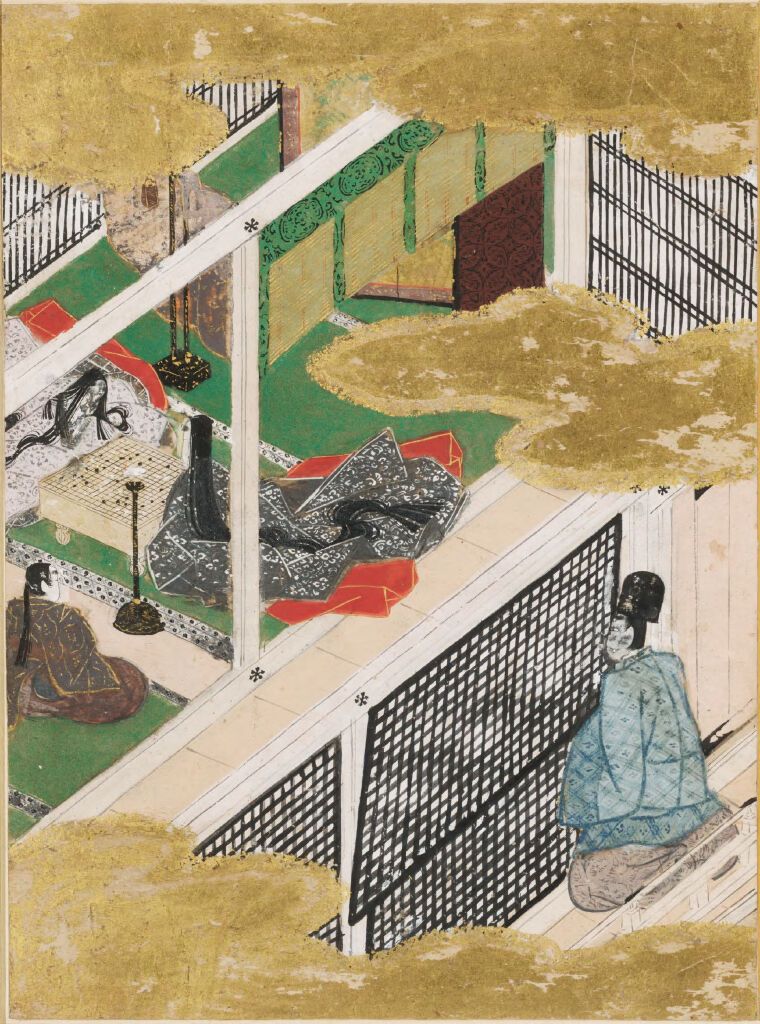
The Cicada Shell (Utsusemi), Illustration to Chapter 3 of the Tale of Genji (Genji monogatari)
Tosa Mitsunobu
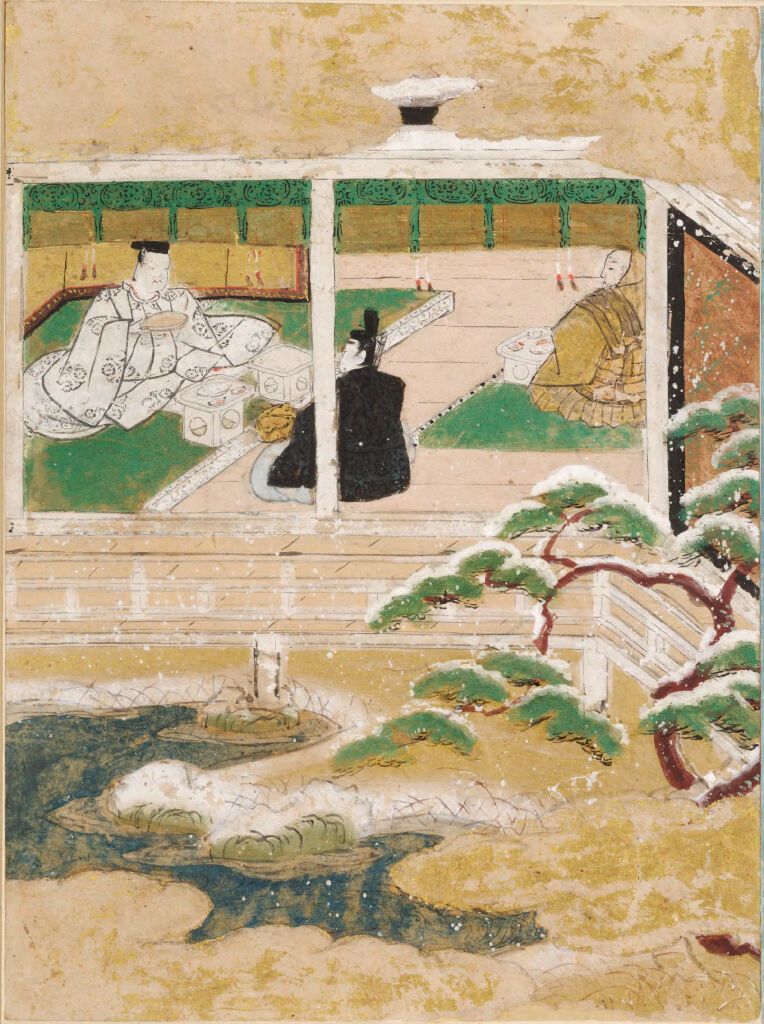
The Seer (Maboroshi), Illustration to Chapter 41 of the Tale of Genji (Genji monogatari)
Tosa Mitsunobu
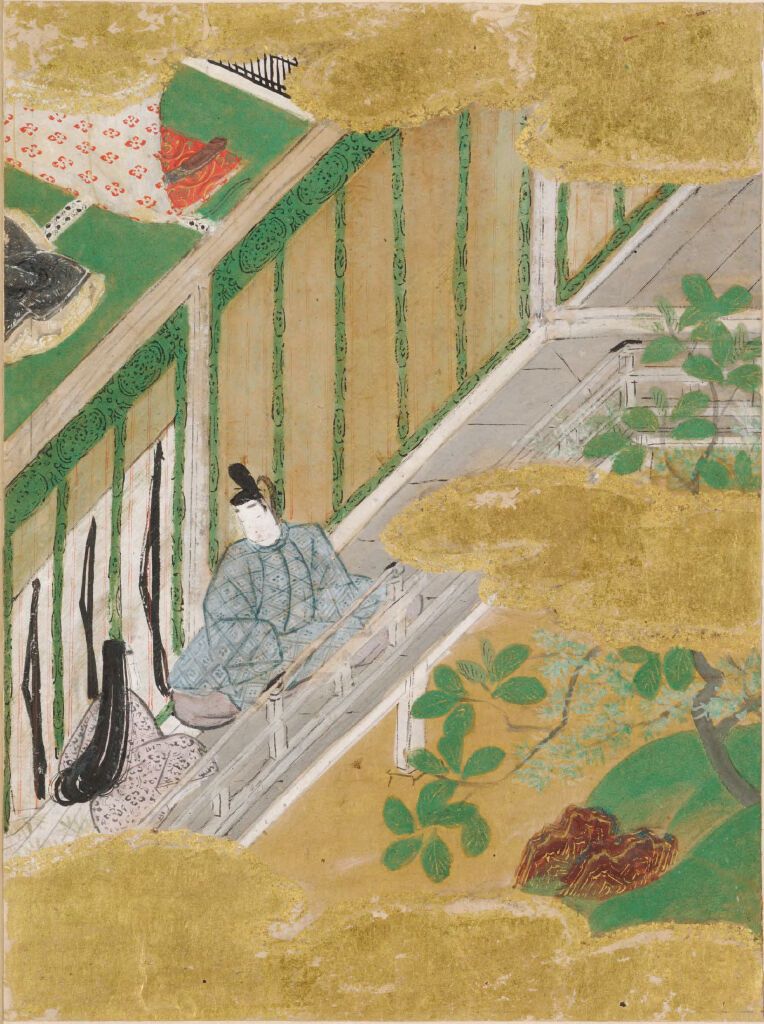
The Oak Tree (Kashiwagi), Illustration to Chapter 36 of the Tale of Genji (Genji monogatari)
Tosa Mitsunobu
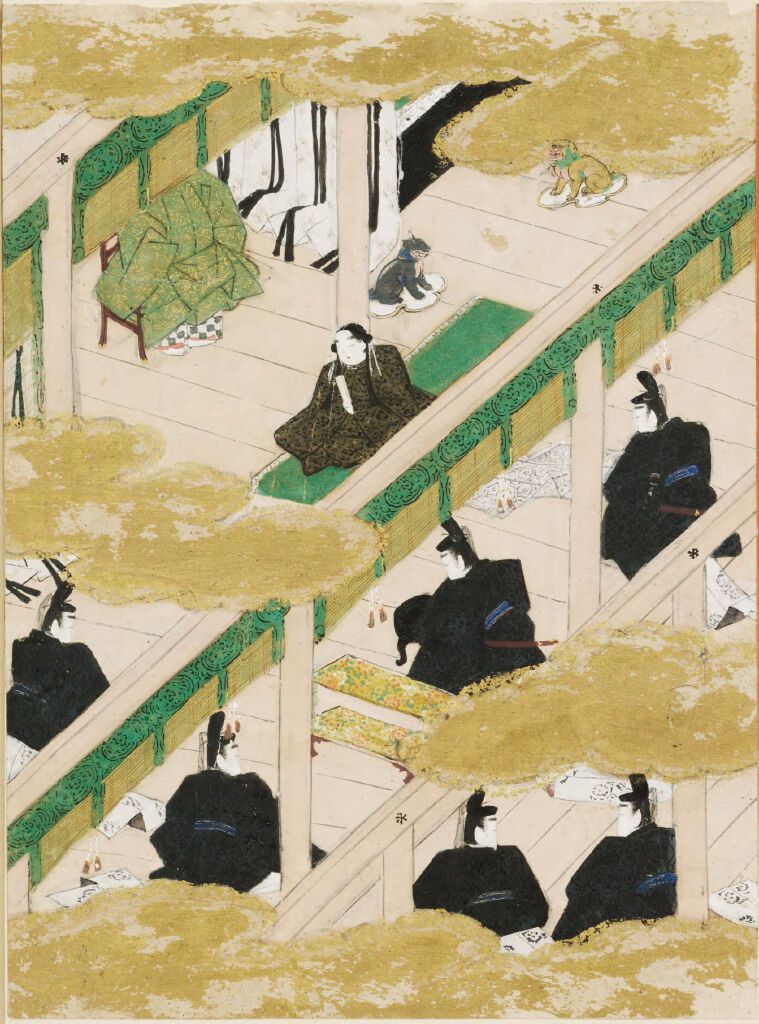
The Paulownia Pavilion (Kiritsubo), Illustration to Chapter 1 of the Tale of Genji (Genji monogatari)
Tosa Mitsunobu
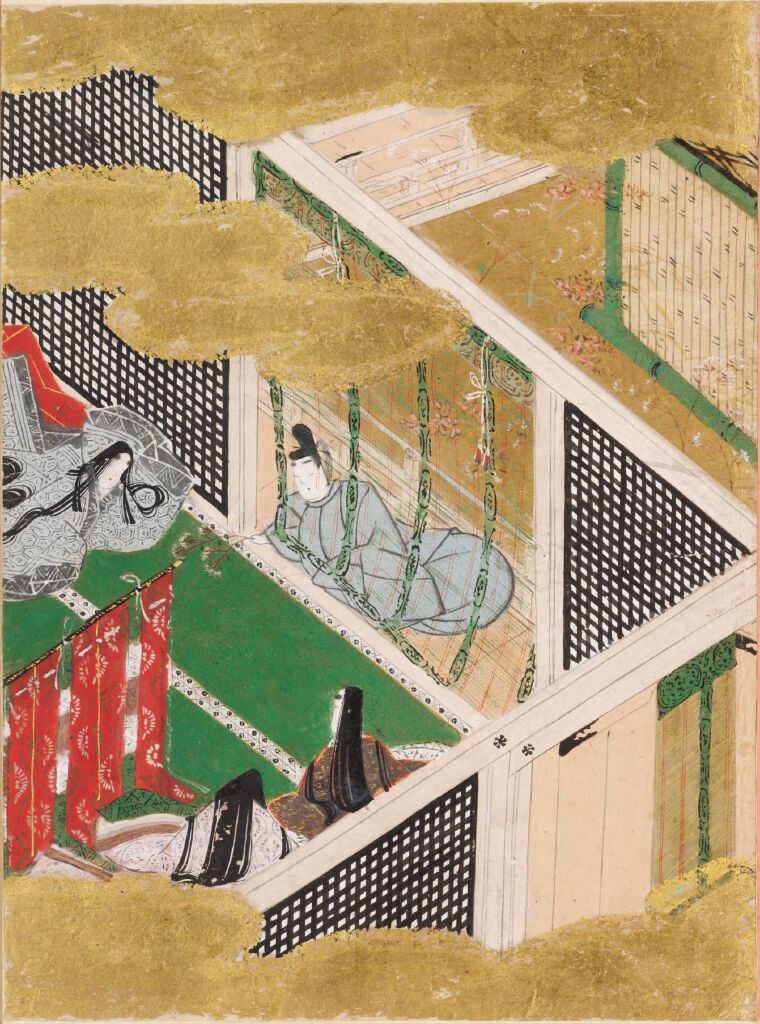
Thoroughwort Flowers (Fujibakama), Illustration to Chapter 30 of the Tale of Genji (Genji monogatari)
Tosa Mitsunobu

Under the Cherry Blossoms (Hana no En), Illustration to Chapter 8 of the Tale of Genji (Genji monogatari)
Tosa Mitsunobu

The Pilgrimage to Sumiyoshi (Miotsukushi), Illustration to Chapter 14 of the Tale of Genji (Genji monogatari)
Tosa Mitsunobu
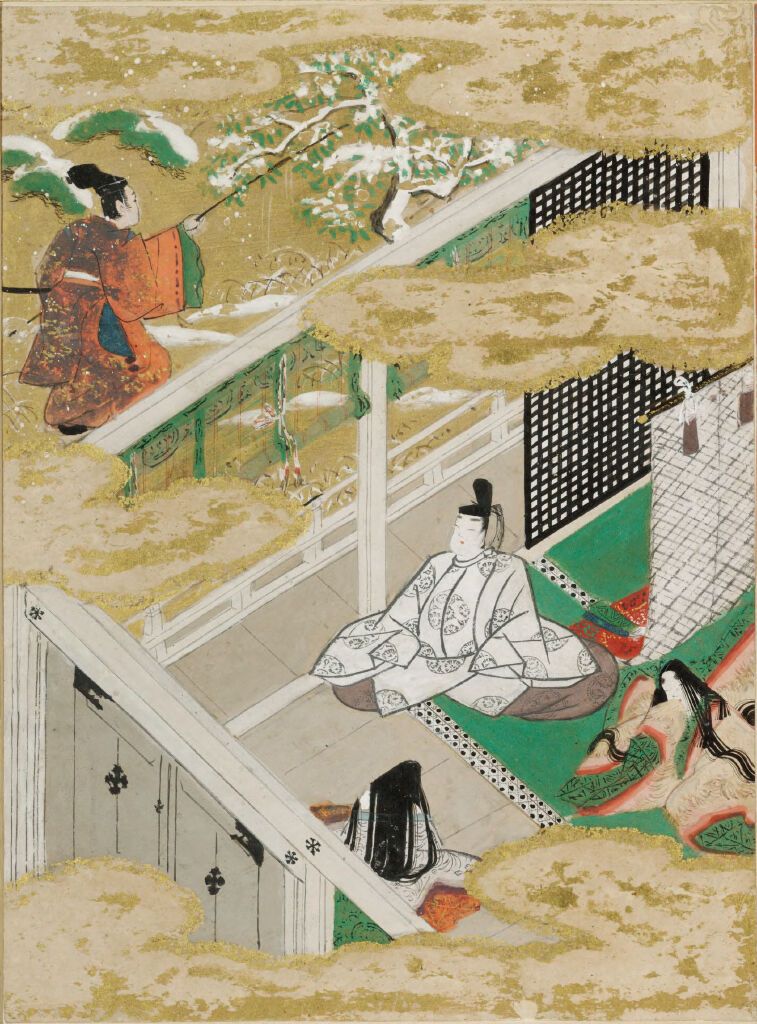
The Safflower (Suetsumuhana), Illustration to Chapter 6 of the Tale of Genji (Genji monogatari)
Tosa Mitsunobu
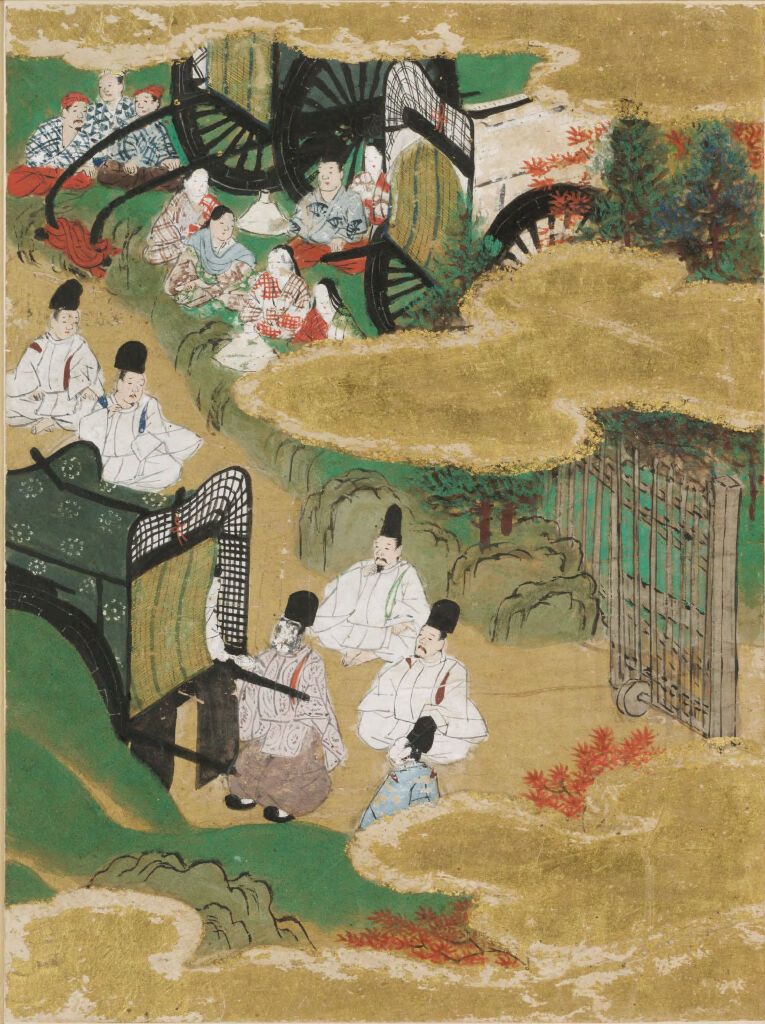
At the Pass (Sekiya), Illustration to Chapter 16 of the Tale of Genji (Genji monogatari)
Tosa Mitsunobu
Mais arte de Ilustração
Ver tudo →Falling Flowers (Hanachirusato), Illustration to Chapter 11 of the Tale of Genji (Genji monogatari)
Tosa Mitsunobu
The Cicada Shell (Utsusemi), Illustration to Chapter 3 of the Tale of Genji (Genji monogatari)
Tosa Mitsunobu
The Seer (Maboroshi), Illustration to Chapter 41 of the Tale of Genji (Genji monogatari)
Tosa Mitsunobu
The Oak Tree (Kashiwagi), Illustration to Chapter 36 of the Tale of Genji (Genji monogatari)
Tosa Mitsunobu
The Paulownia Pavilion (Kiritsubo), Illustration to Chapter 1 of the Tale of Genji (Genji monogatari)
Tosa Mitsunobu
Thoroughwort Flowers (Fujibakama), Illustration to Chapter 30 of the Tale of Genji (Genji monogatari)
Tosa Mitsunobu