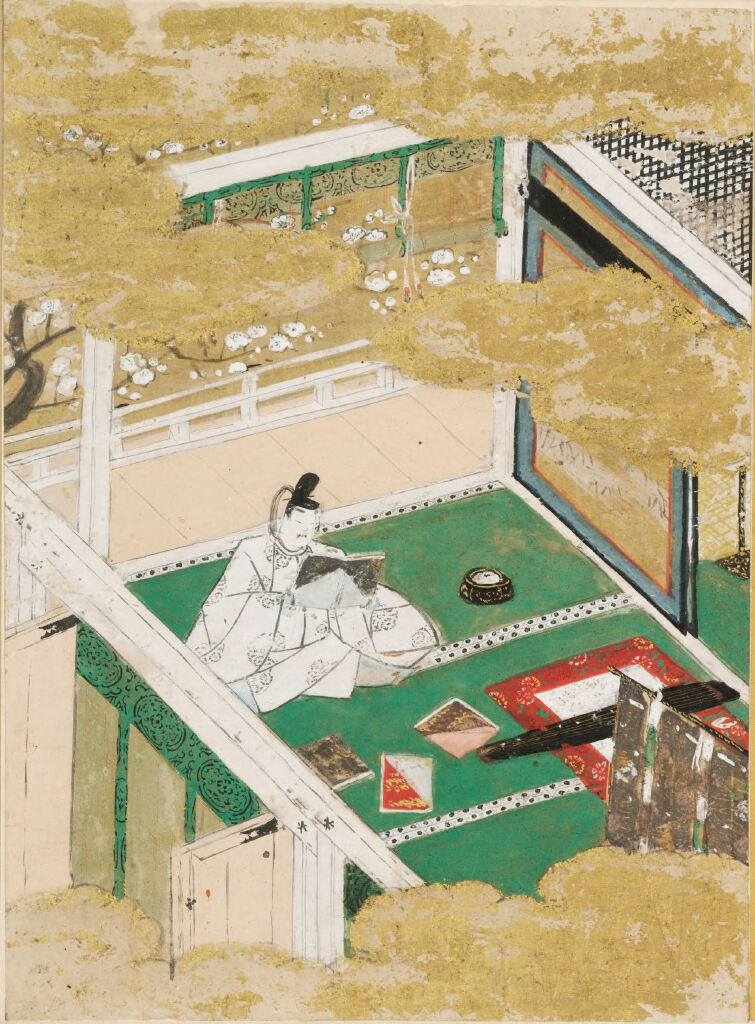
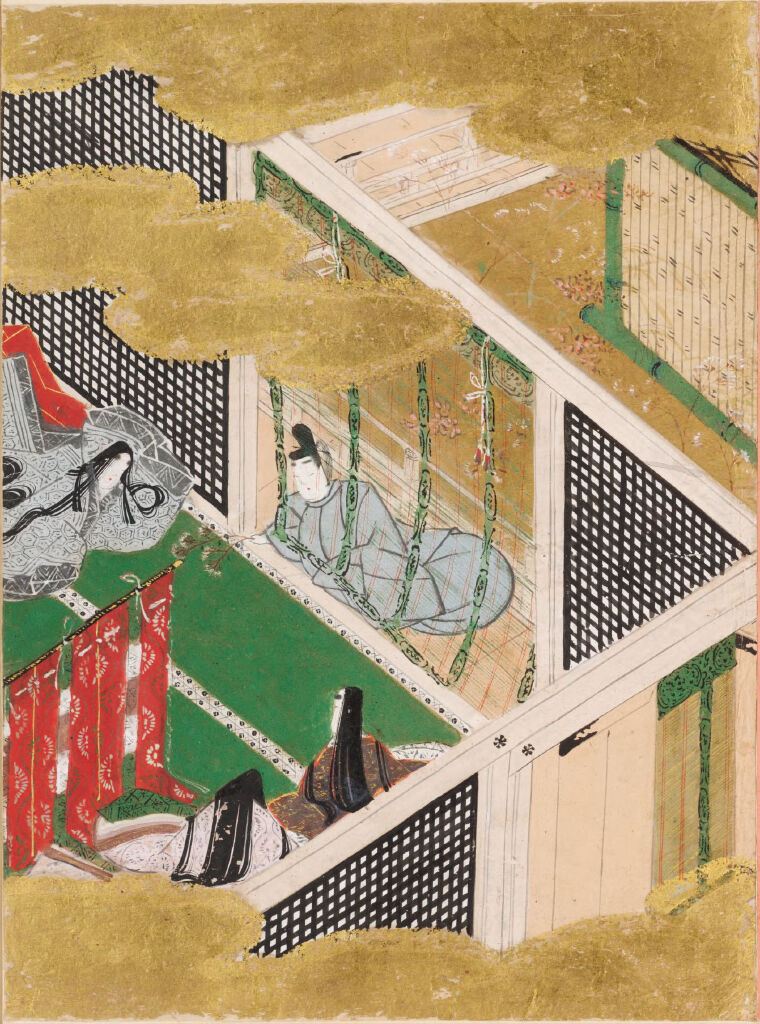
The Floating Bridge of Dreams (Yume no Ukihashi), Illustration to Chapter 54 of the Tale of Genji (Genji monogatari) — History & Analysis
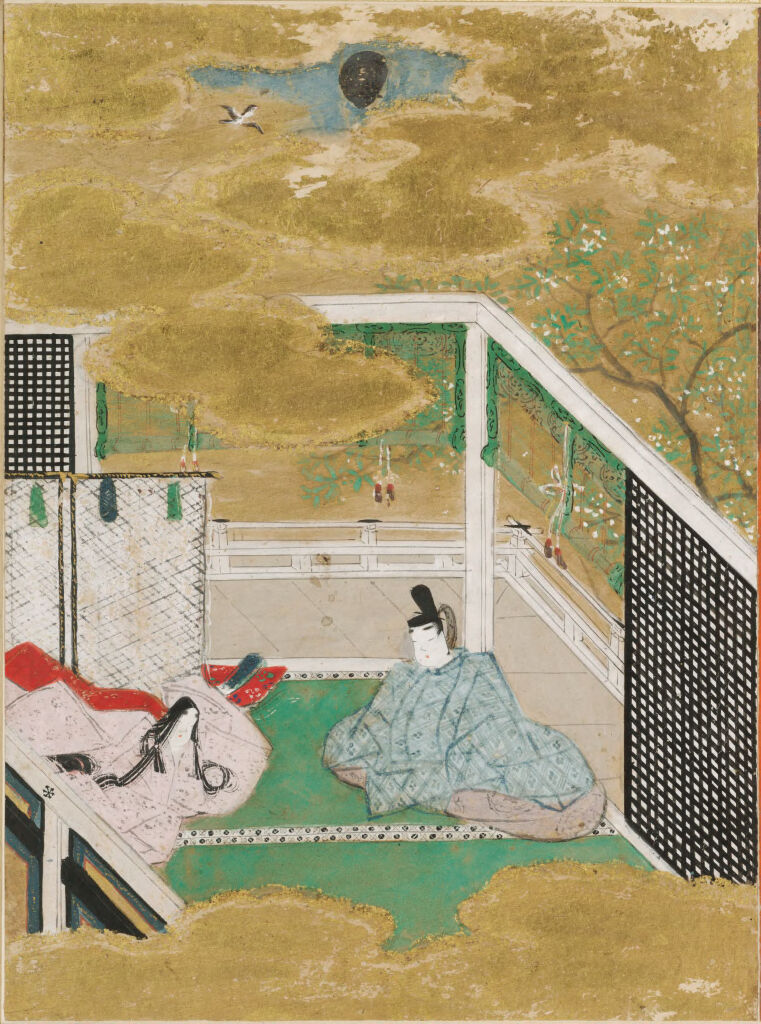
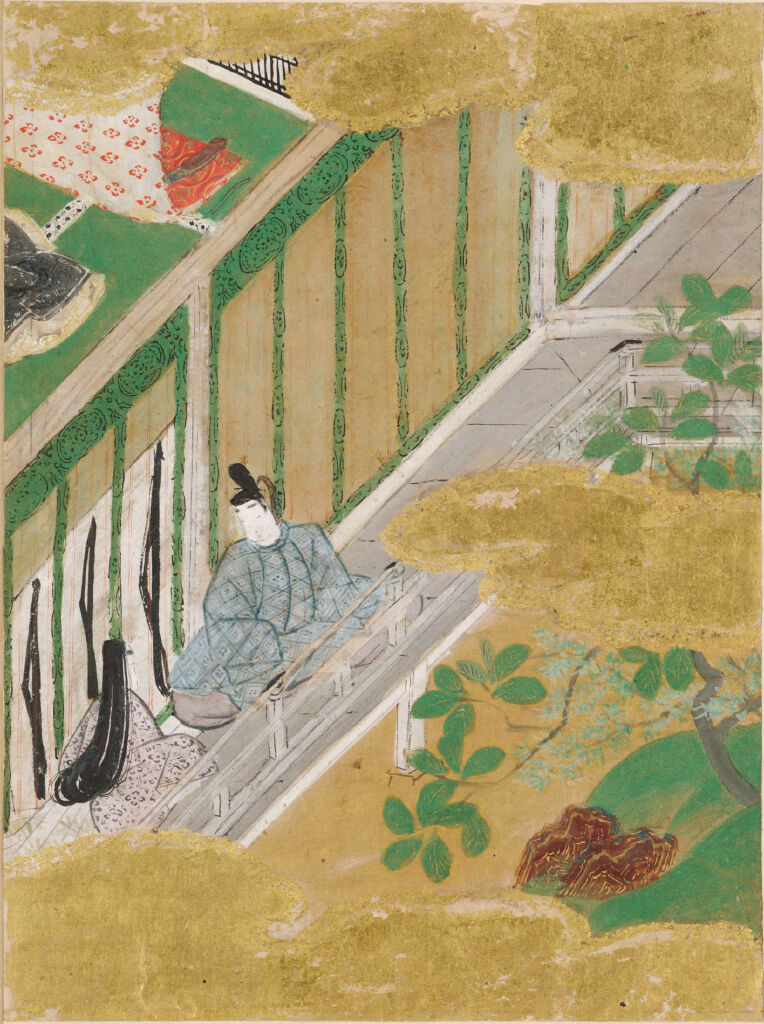
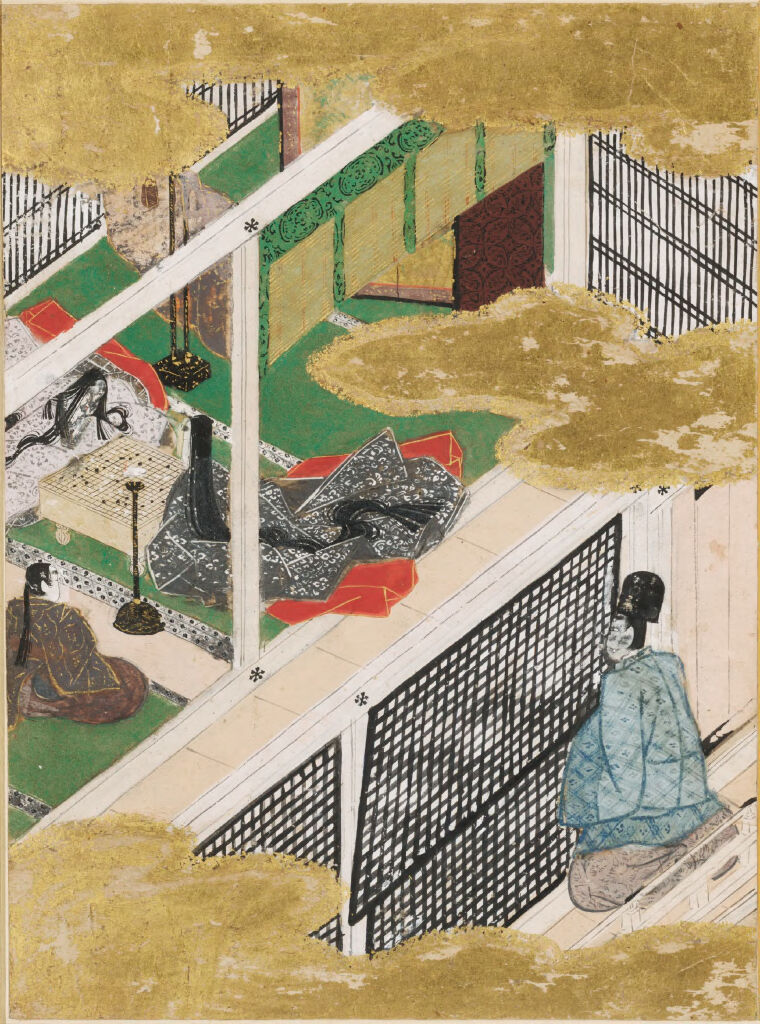
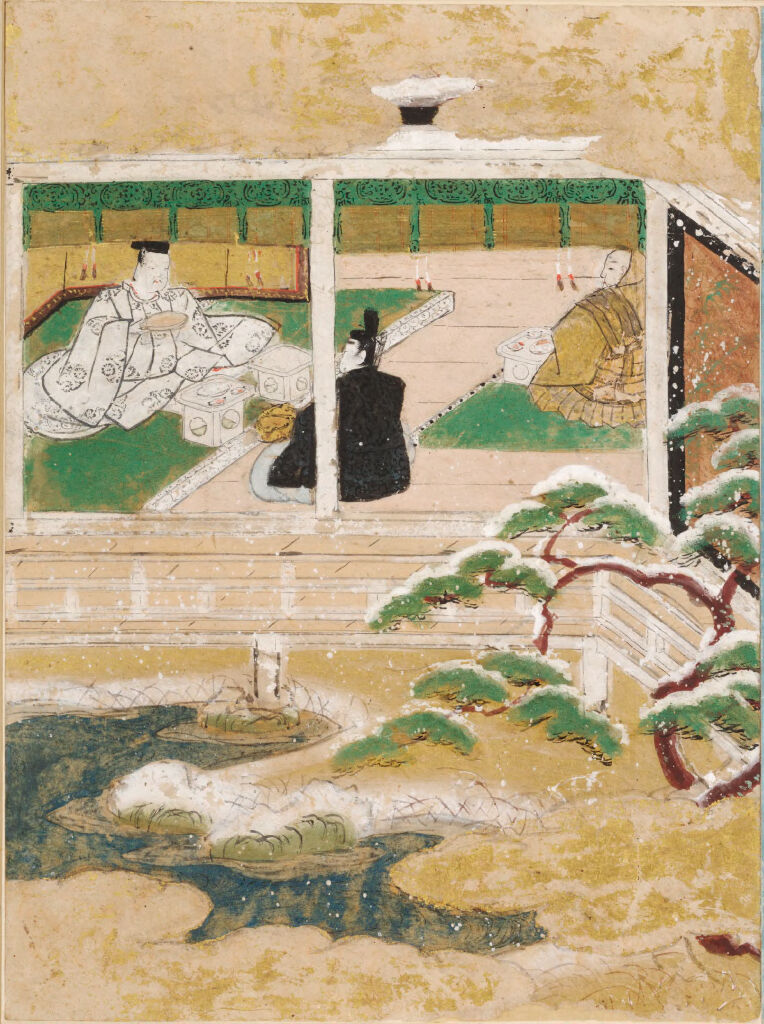
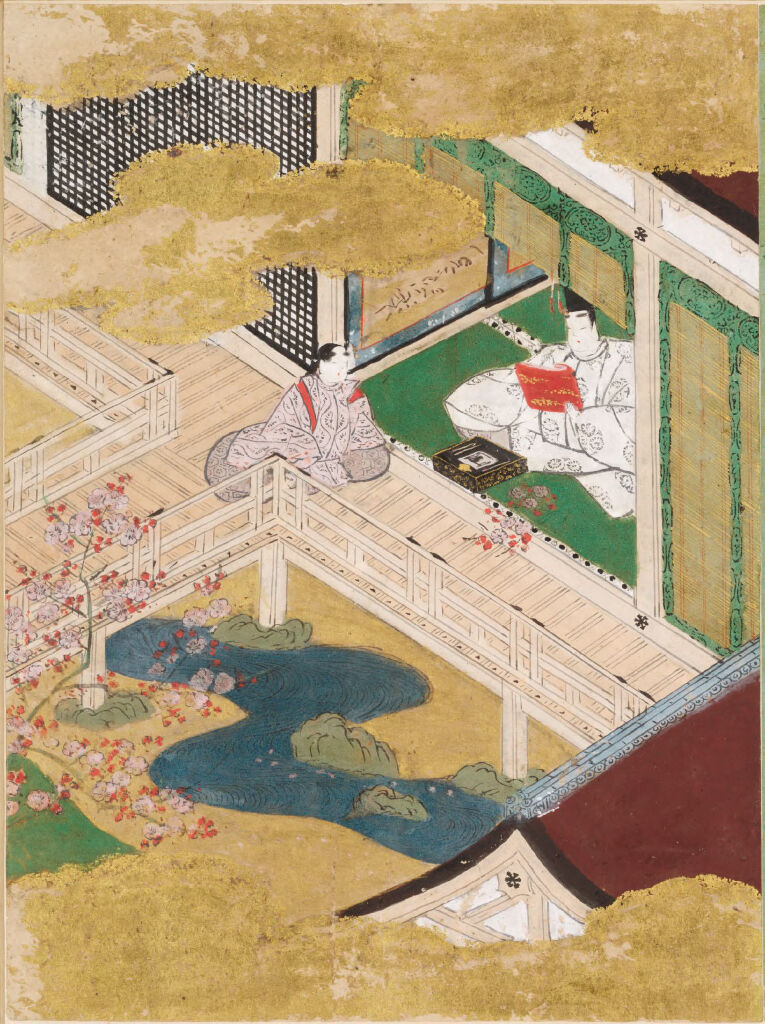
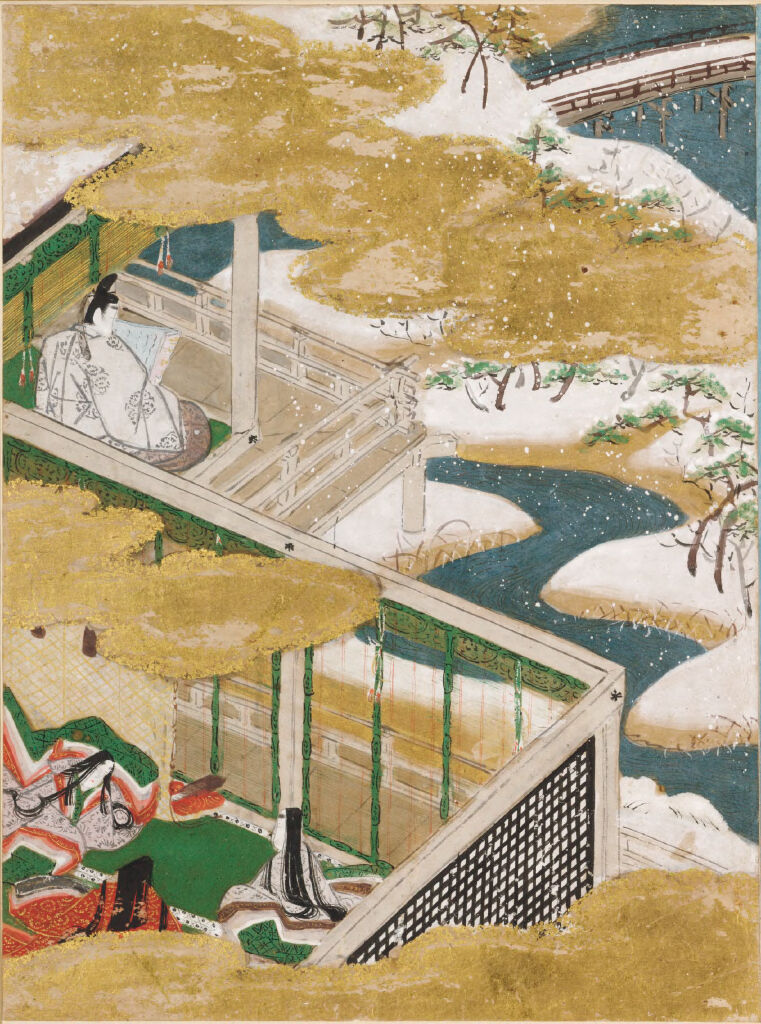
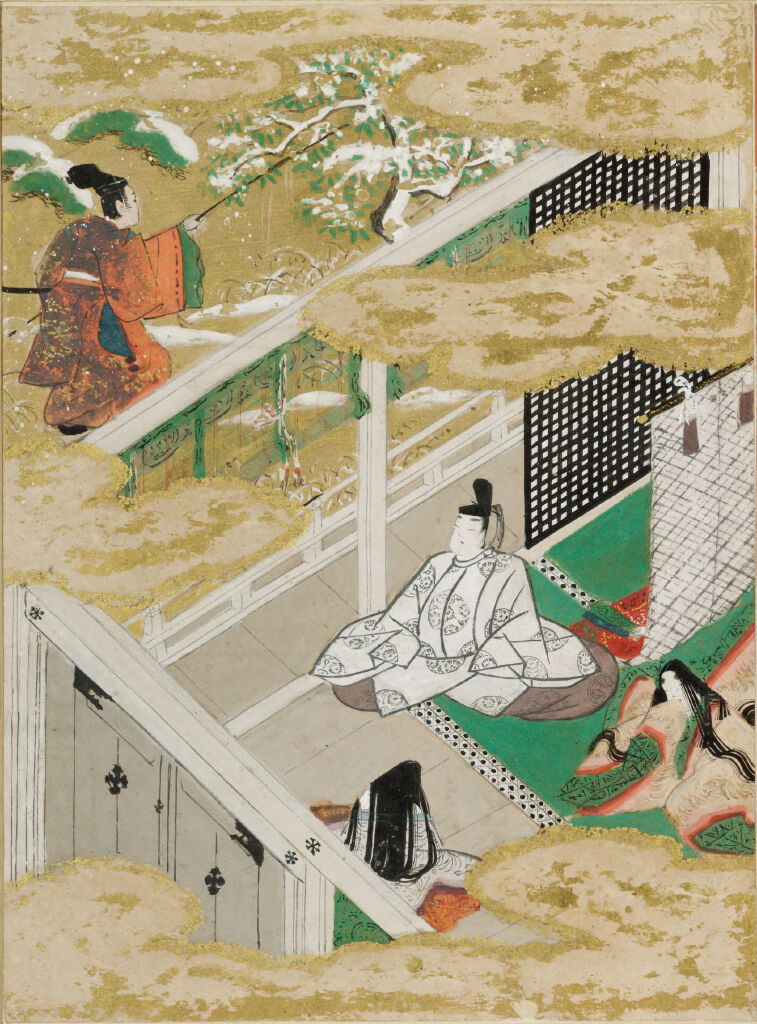
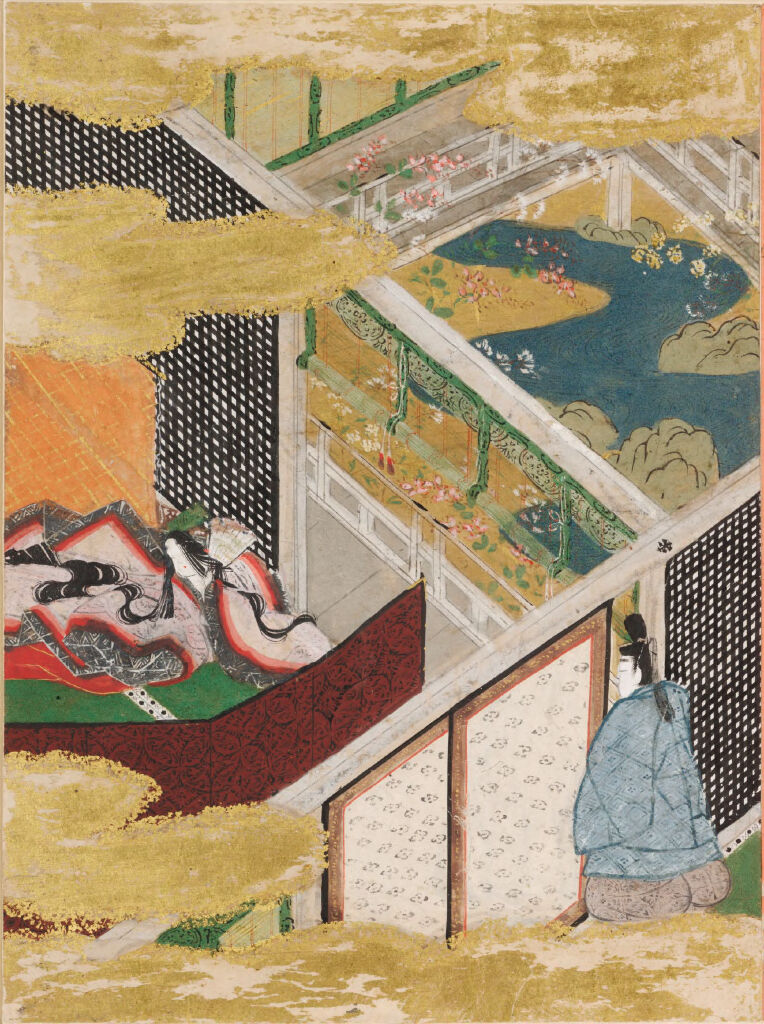
“Art reveals the soul when the world turns away.” In the delicate embrace of color, a bridge connects dreams to reality, whispering secrets of the past while inviting contemplation of the future. This ethereal moment captured in The Floating Bridge of Dreams transcends mere illustration, beckoning us to explore its vibrant palette and intricate details. Focus first on the bridge itself, a ribbon of soft pastels arching gracefully over tranquil waters. The serene blues and greens reflect the sky, while the pastel touches evoke a sense of otherworldliness. As your gaze wanders, notice the subtle yet rich textures in the foliage framing the scene.
Each brushstroke seems to breathe life into the environment, creating a harmonious balance of nature and ethereal beauty. Delve deeper into the emotional currents flowing through the artwork. The bridge symbolizes a passage between the ephemeral and the eternal, suggesting the transitory nature of human desires and dreams. The gentle ripples in the water echo the fleeting moments of life, while the soft hues evoke nostalgia, reminding us of the delicate interplay between longing and fulfillment.
The figures may appear small and distant, yet they embody the essence of connection and vulnerability, caught between two worlds. Created during the Muromachi period, Tosa Mitsunobu's work dates back to 1509-1510. In a time marked by the evolution of Japanese art, he was a prominent figure, revitalizing traditional styles while infusing them with a fresh sensibility. His position in the court of the Ashikaga shogunate allowed him to merge classical themes with the emerging aesthetics of the era, resulting in works that resonate deeply with both historical and emotional significance.