
The Green Branch (Sakaki), Illustration to Chapter 10 of the Tale of Genji (Genji monogatari) — História e Análise
Nos delicados traços de O Ramo Verde, sussurros de anseio e transitoriedade ganham vida, instando os espectadores a pausar e refletir sobre suas próprias paisagens interiores. Olhe para a esquerda para a elegante figura envolta em um fluido quimono, que observa atentamente o delicado ramo verde em suas mãos. Note como os padrões intrincados de sua vestimenta se fundem harmoniosamente com a suavidade da folhagem, criando um diálogo visual entre o humano e o mundo natural. Os sutis matizes de verde e ouro estão magistralmente equilibrados, convidando seu olhar a vagar pela tela, enquanto o fundo etéreo se desvanece em uma cena tranquila, realçando a intimidade do momento. Esta ilustração carrega profundos níveis de significado — tanto o ramo quanto a figura simbolizam a natureza efêmera da beleza e do desejo.
O ramo, uma metáfora de conexão, pode também sugerir a impermanência da vida, florescendo, mas vulnerável. A expressão serena da mulher revela uma paisagem emocional complexa, incorporando tanto a serenidade da aceitação quanto a dor do anseio, ecoando os temas centrais do Conto de Genji. Criada entre 1509 e 1510 durante o período Muromachi, esta obra reflete a maestria de Tosa Mitsunobu na pintura japonesa. Como uma figura central na evolução do Yamato-e, ele abraçou um estilo que harmonizava narrativas sofisticadas com detalhes meticulosos.
Neste período, o mundo da arte estava mudando, com as estéticas tradicionais dando lugar a formas mais expressivas, tornando esta peça tanto um tributo quanto uma ponte para futuras inovações artísticas.
Mais obras de Tosa Mitsunobu
Ver tudo →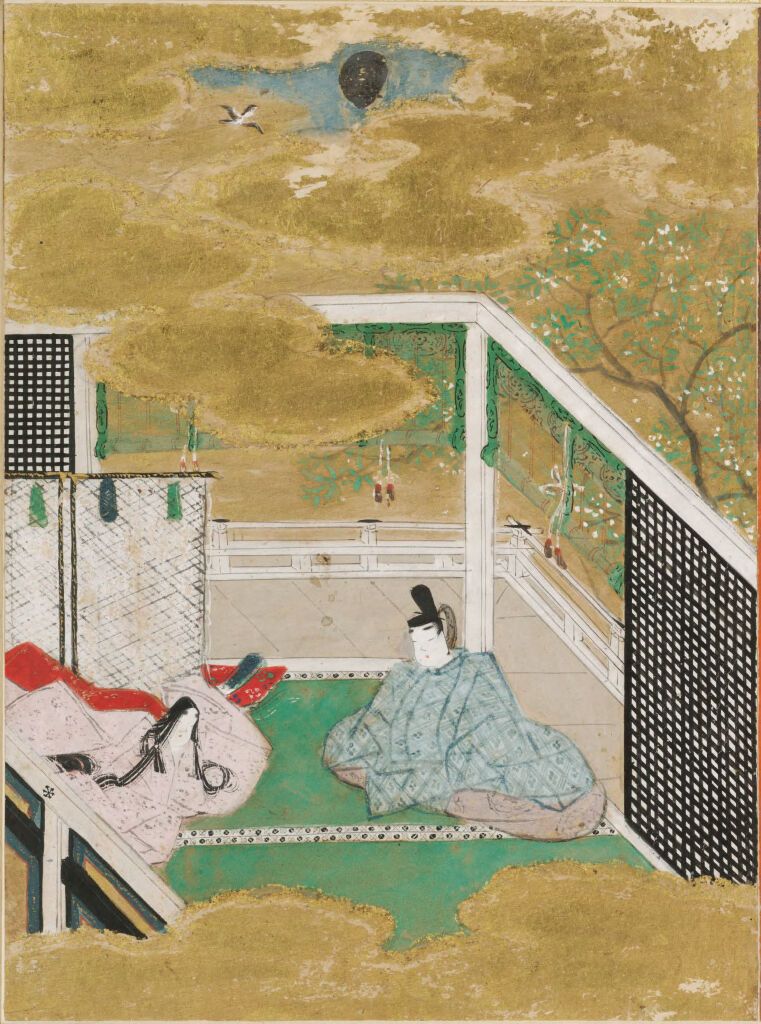
Falling Flowers (Hanachirusato), Illustration to Chapter 11 of the Tale of Genji (Genji monogatari)
Tosa Mitsunobu
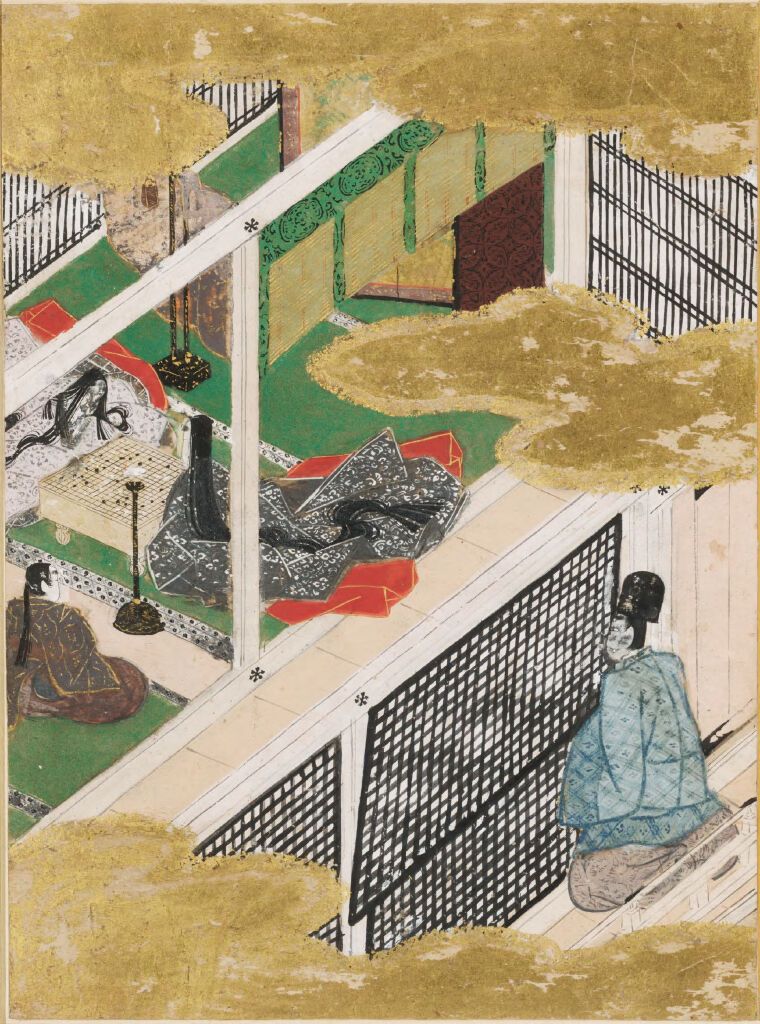
The Cicada Shell (Utsusemi), Illustration to Chapter 3 of the Tale of Genji (Genji monogatari)
Tosa Mitsunobu
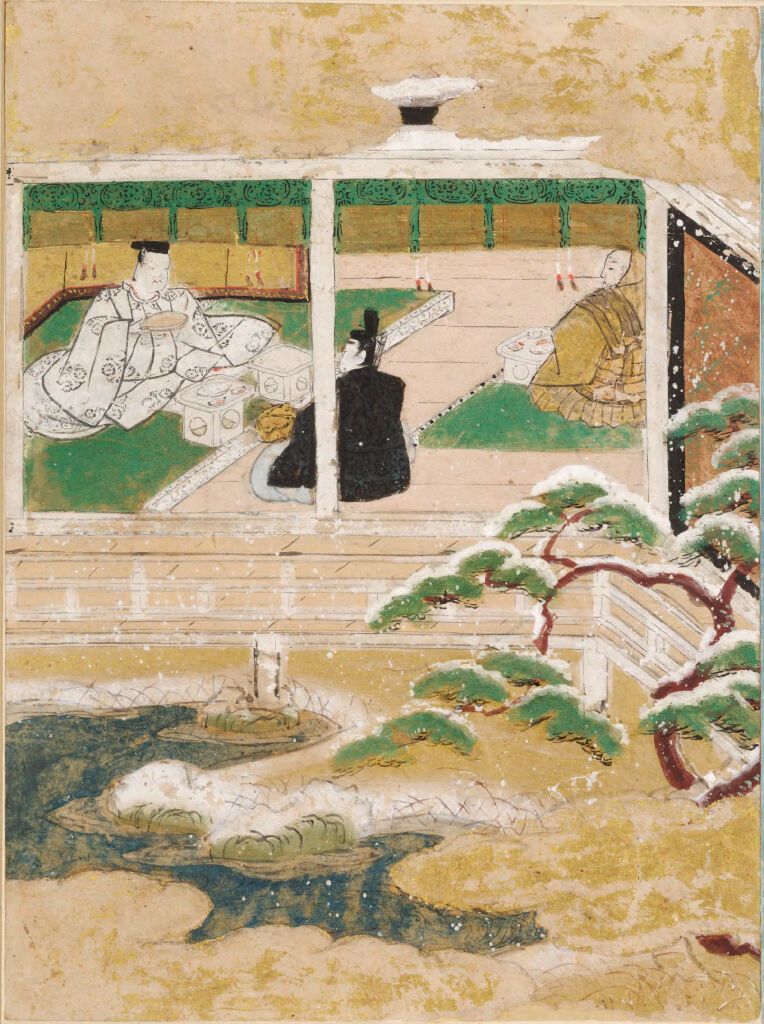
The Seer (Maboroshi), Illustration to Chapter 41 of the Tale of Genji (Genji monogatari)
Tosa Mitsunobu
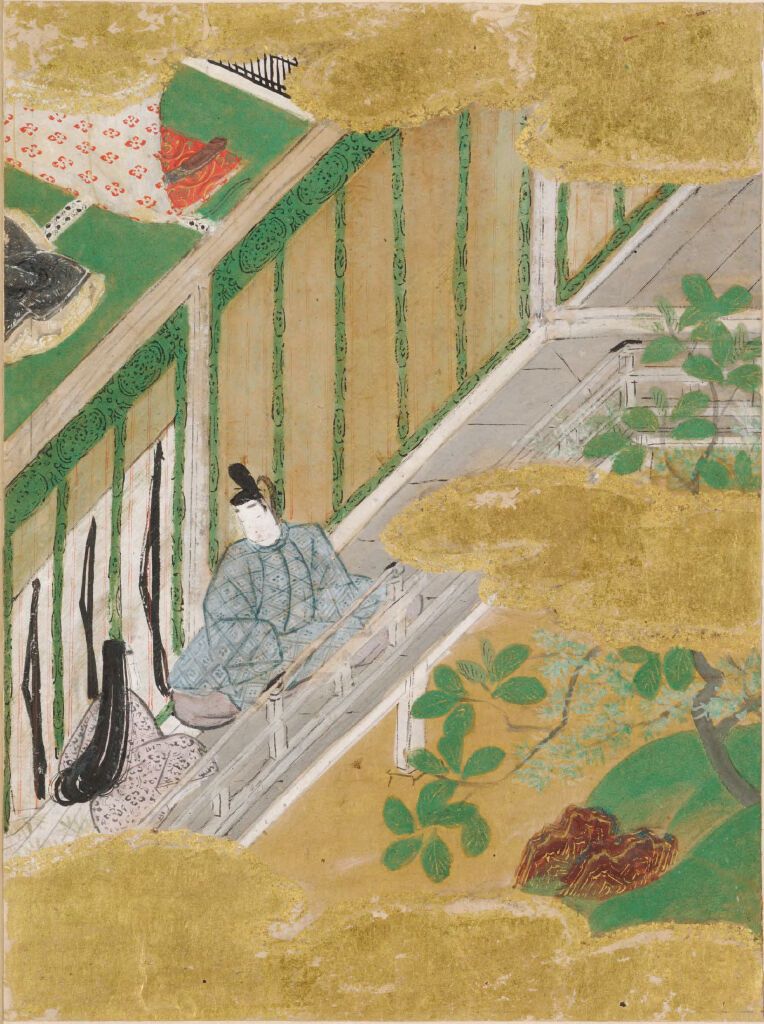
The Oak Tree (Kashiwagi), Illustration to Chapter 36 of the Tale of Genji (Genji monogatari)
Tosa Mitsunobu
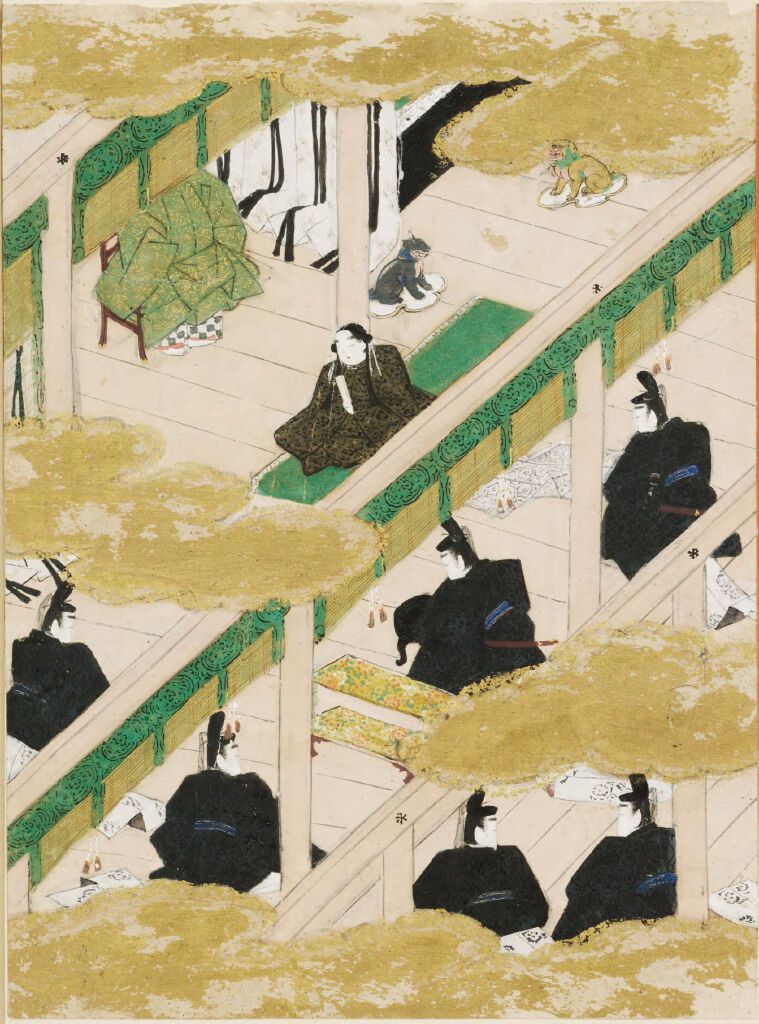
The Paulownia Pavilion (Kiritsubo), Illustration to Chapter 1 of the Tale of Genji (Genji monogatari)
Tosa Mitsunobu
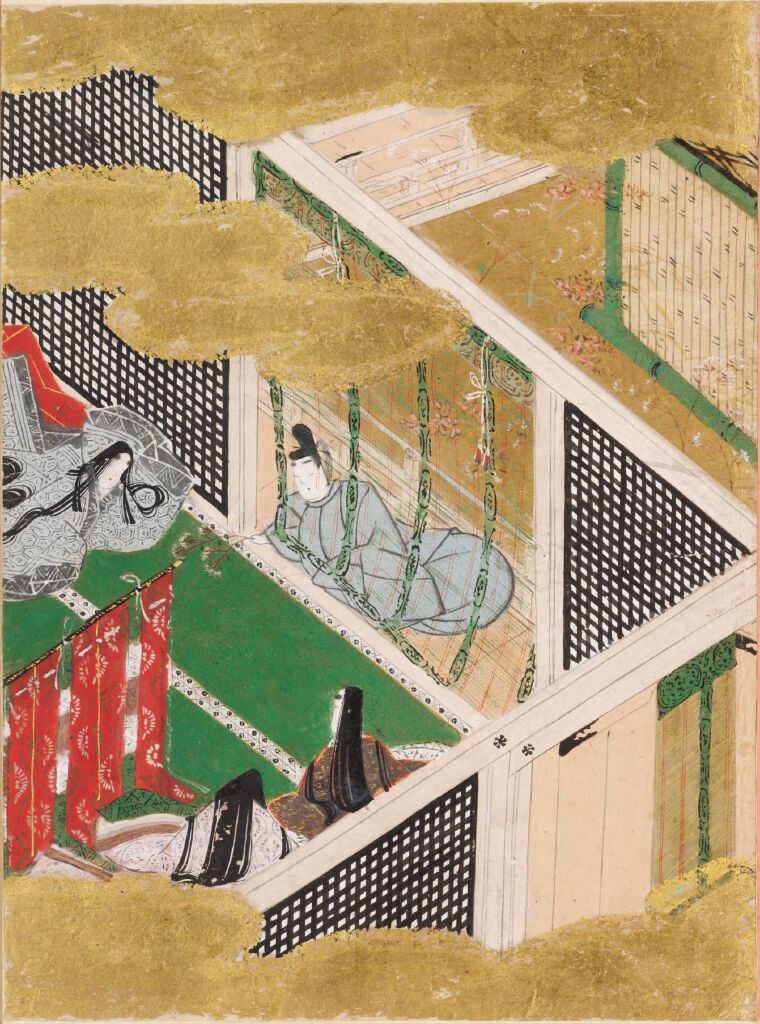
Thoroughwort Flowers (Fujibakama), Illustration to Chapter 30 of the Tale of Genji (Genji monogatari)
Tosa Mitsunobu

Under the Cherry Blossoms (Hana no En), Illustration to Chapter 8 of the Tale of Genji (Genji monogatari)
Tosa Mitsunobu

The Pilgrimage to Sumiyoshi (Miotsukushi), Illustration to Chapter 14 of the Tale of Genji (Genji monogatari)
Tosa Mitsunobu
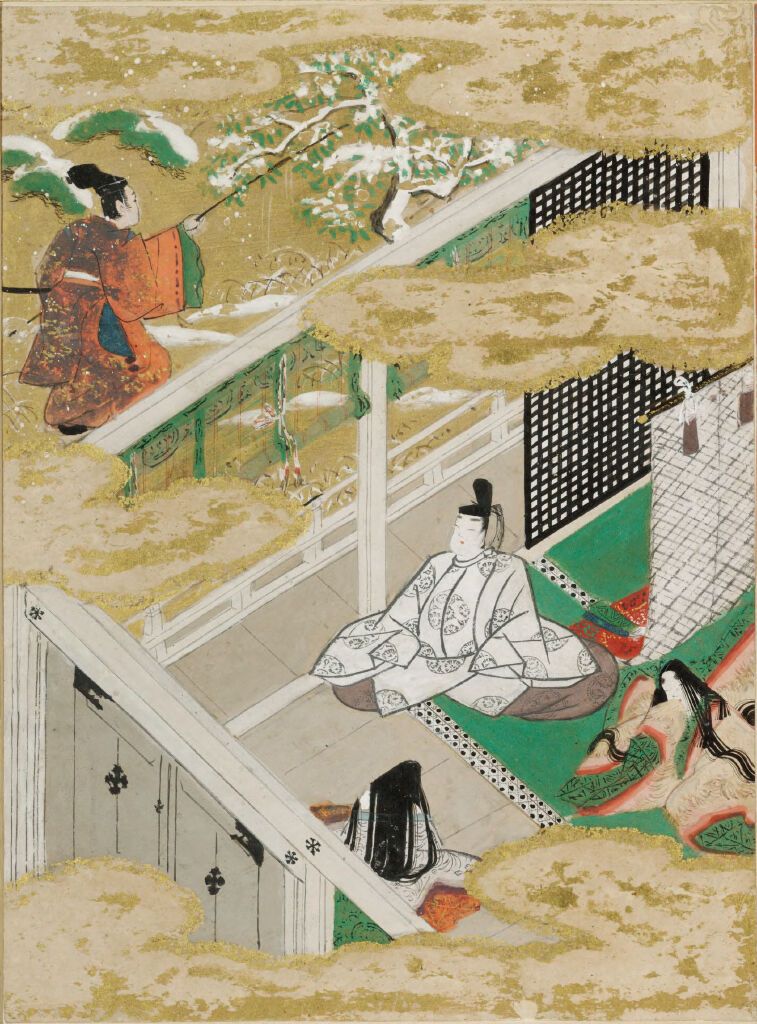
The Safflower (Suetsumuhana), Illustration to Chapter 6 of the Tale of Genji (Genji monogatari)
Tosa Mitsunobu
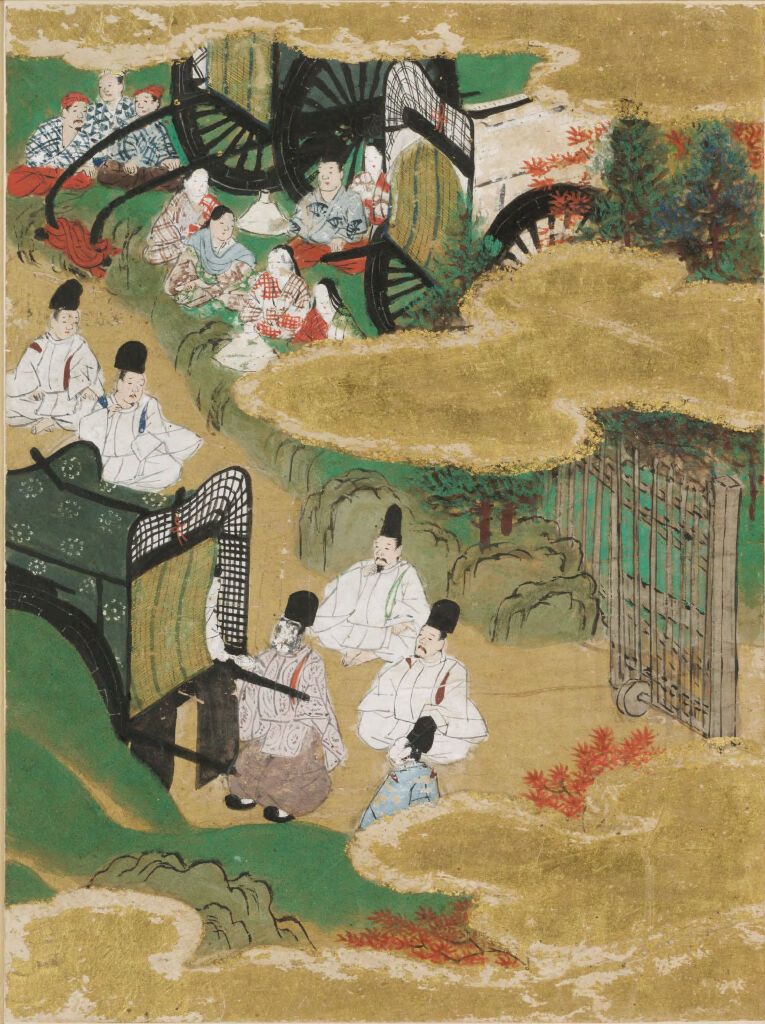
At the Pass (Sekiya), Illustration to Chapter 16 of the Tale of Genji (Genji monogatari)
Tosa Mitsunobu
Mais arte de Ilustração
Ver tudo →Falling Flowers (Hanachirusato), Illustration to Chapter 11 of the Tale of Genji (Genji monogatari)
Tosa Mitsunobu
The Cicada Shell (Utsusemi), Illustration to Chapter 3 of the Tale of Genji (Genji monogatari)
Tosa Mitsunobu
The Seer (Maboroshi), Illustration to Chapter 41 of the Tale of Genji (Genji monogatari)
Tosa Mitsunobu
The Oak Tree (Kashiwagi), Illustration to Chapter 36 of the Tale of Genji (Genji monogatari)
Tosa Mitsunobu
The Paulownia Pavilion (Kiritsubo), Illustration to Chapter 1 of the Tale of Genji (Genji monogatari)
Tosa Mitsunobu
Thoroughwort Flowers (Fujibakama), Illustration to Chapter 30 of the Tale of Genji (Genji monogatari)
Tosa Mitsunobu