
The Green Branch (Sakaki), Illustration to Chapter 10 of the Tale of Genji (Genji monogatari) — History & Facts
In the delicate strokes of The Green Branch, whispers of longing and transience come to life, urging viewers to pause and reflect on their own inner landscapes. Look to the left at the elegant figure draped in a flowing kimono, gazing intently at the delicate green branch in her hands. Notice how the intricate patterns of her garment blend harmoniously with the softness of the foliage, creating a visual dialogue between the human and the natural world. The subtle hues of green and gold are masterfully balanced, inviting your eye to meander across the canvas, while the ethereal background fades into a tranquil scene, enhancing the intimacy of the moment. This illustration carries profound layers of meaning—both the branch and the figure symbolize the fleeting nature of beauty and desire.
The branch, a metaphor for connection, may also suggest the impermanence of life, flourishing yet vulnerable. The serene expression of the woman reveals a complex emotional landscape, embodying both the serenity of acceptance and the ache of longing, echoing the central themes of the Tale of Genji. Created between 1509 and 1510 during the Muromachi period, this work reflects Tosa Mitsunobu's mastery of Japanese painting. As a pivotal figure in the evolution of Yamato-e, he embraced a style that harmonized sophisticated narratives with meticulous details.
At this time, the world of art was shifting, with traditional aesthetics giving way to more expressive forms, making this piece both a tribute and a bridge to future artistic innovations.
More Artworks by Tosa Mitsunobu
Browse all →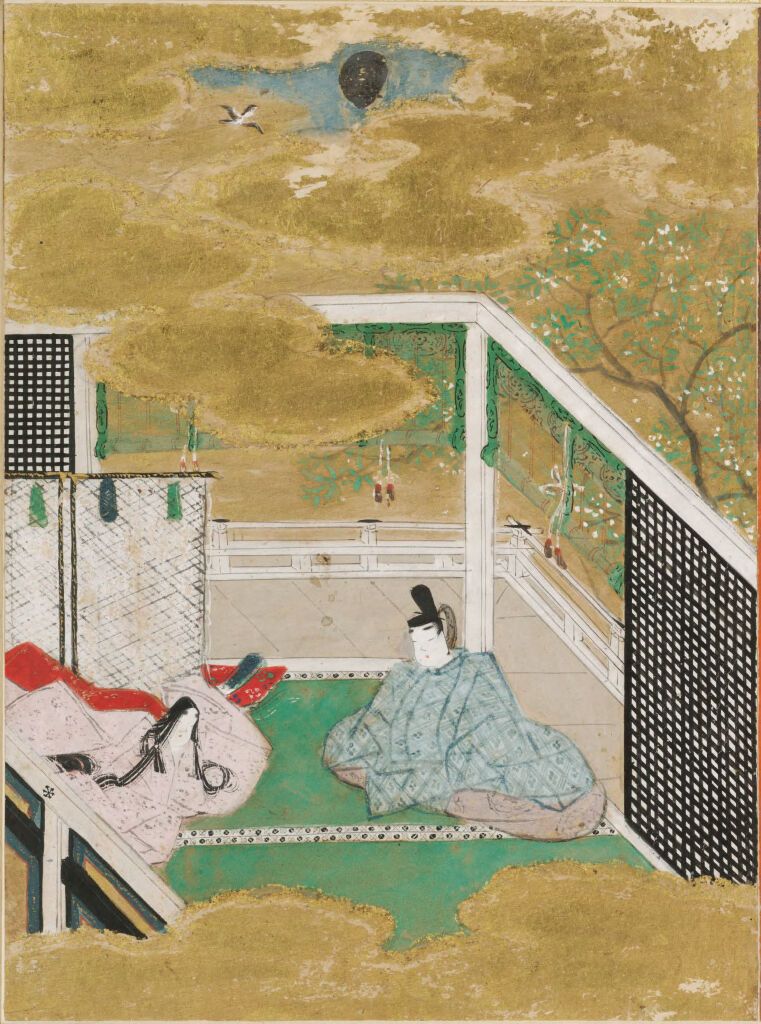
Falling Flowers (Hanachirusato), Illustration to Chapter 11 of the Tale of Genji (Genji monogatari)
Tosa Mitsunobu
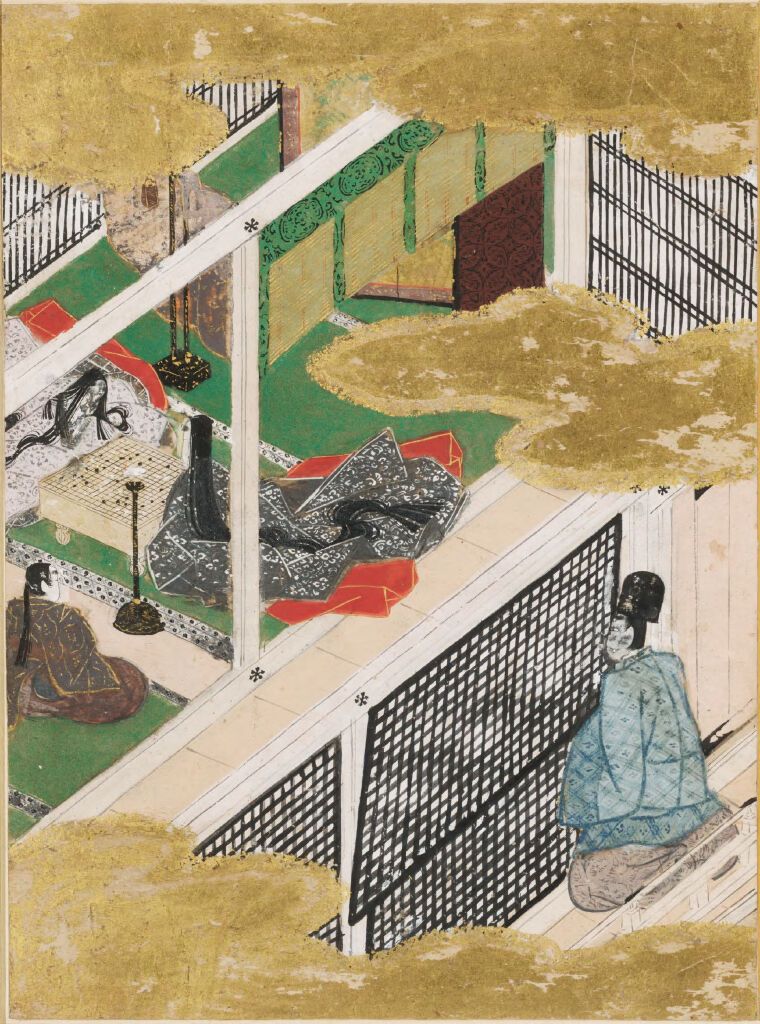
The Cicada Shell (Utsusemi), Illustration to Chapter 3 of the Tale of Genji (Genji monogatari)
Tosa Mitsunobu
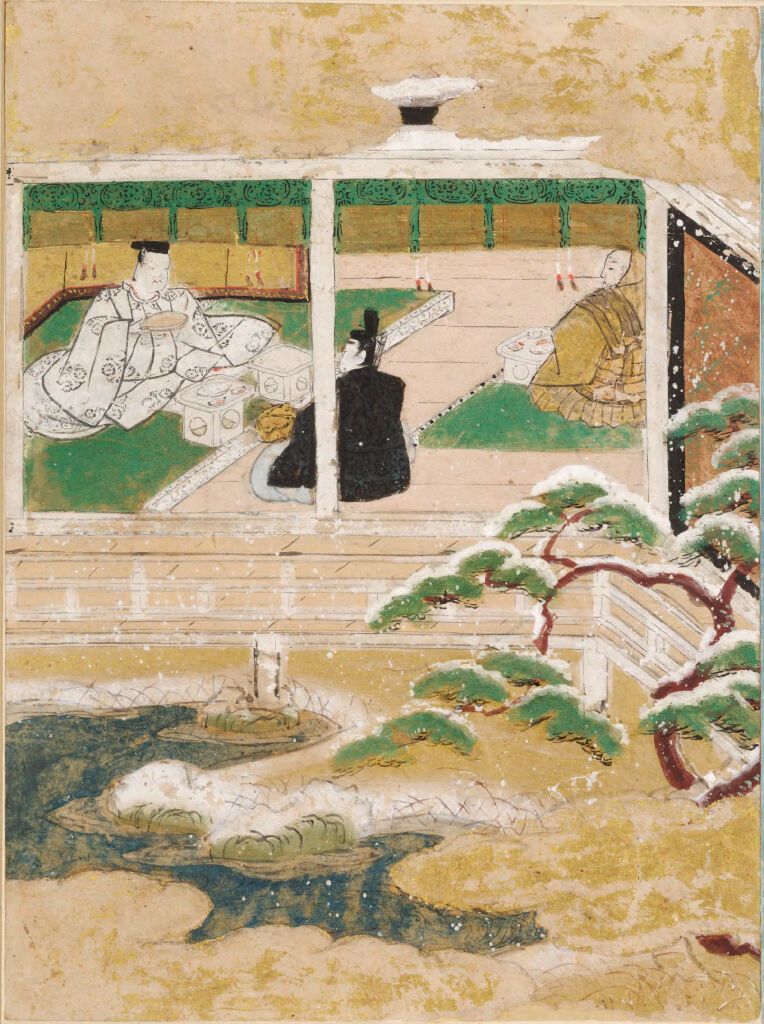
The Seer (Maboroshi), Illustration to Chapter 41 of the Tale of Genji (Genji monogatari)
Tosa Mitsunobu
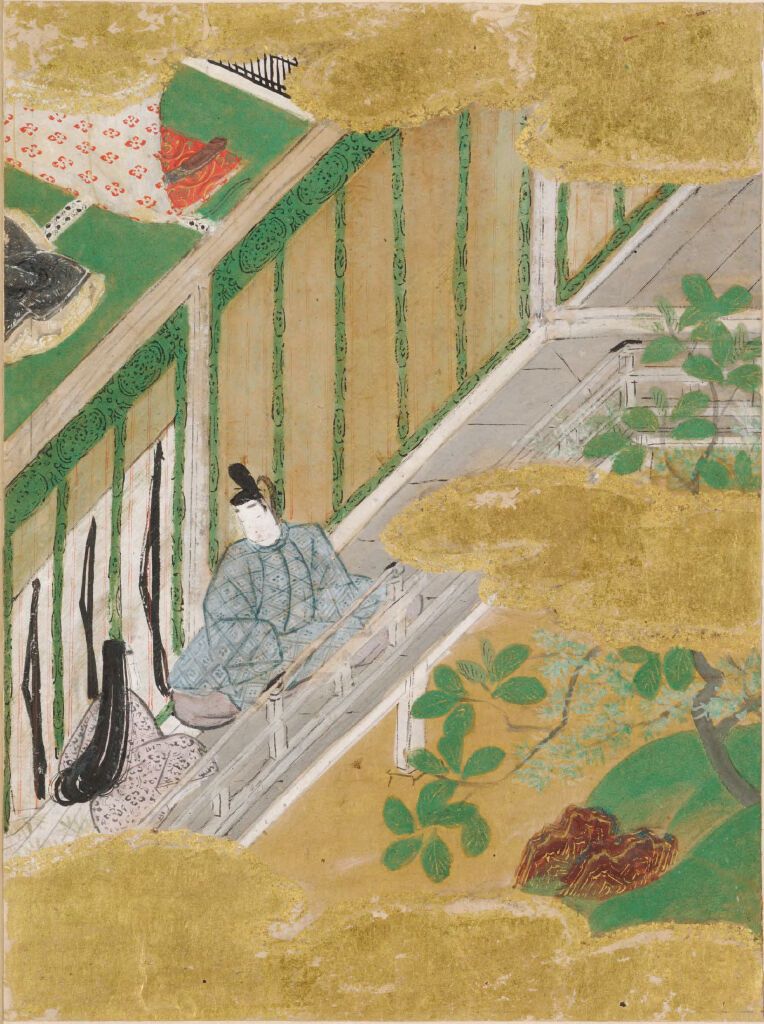
The Oak Tree (Kashiwagi), Illustration to Chapter 36 of the Tale of Genji (Genji monogatari)
Tosa Mitsunobu
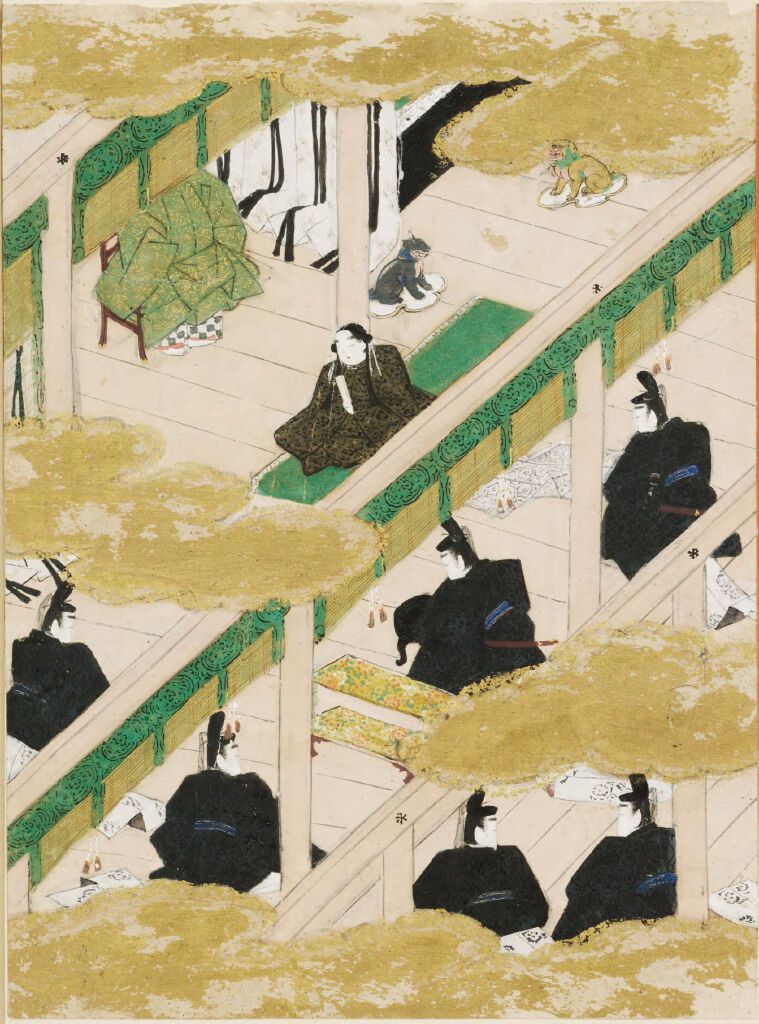
The Paulownia Pavilion (Kiritsubo), Illustration to Chapter 1 of the Tale of Genji (Genji monogatari)
Tosa Mitsunobu
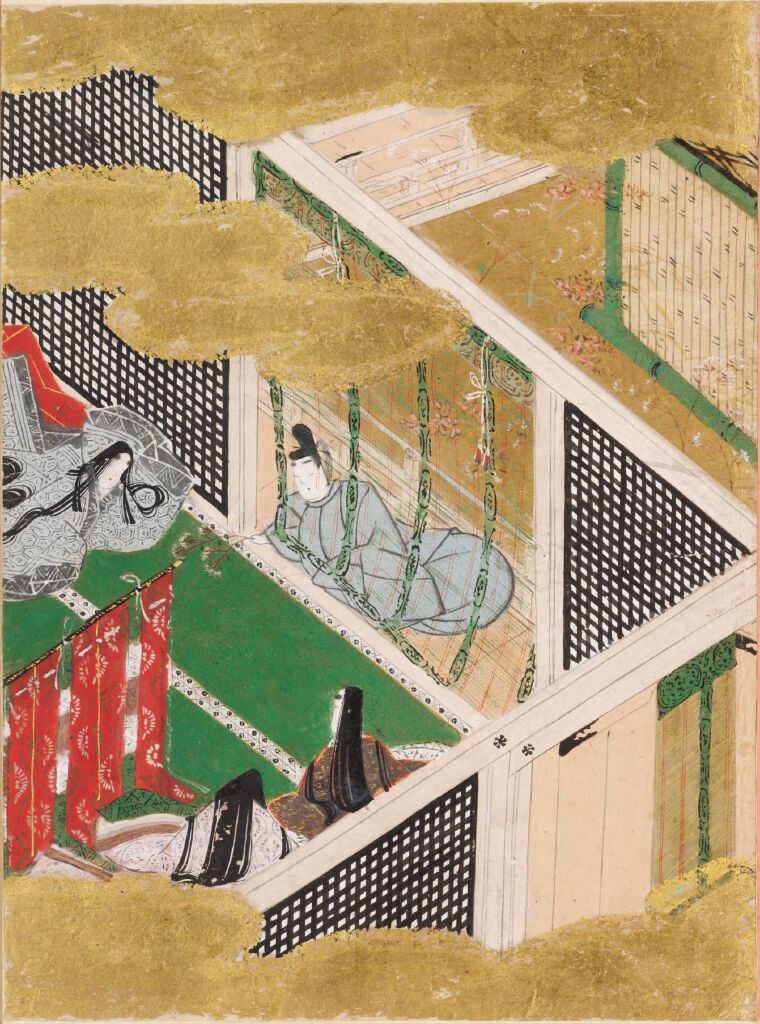
Thoroughwort Flowers (Fujibakama), Illustration to Chapter 30 of the Tale of Genji (Genji monogatari)
Tosa Mitsunobu

Under the Cherry Blossoms (Hana no En), Illustration to Chapter 8 of the Tale of Genji (Genji monogatari)
Tosa Mitsunobu

The Pilgrimage to Sumiyoshi (Miotsukushi), Illustration to Chapter 14 of the Tale of Genji (Genji monogatari)
Tosa Mitsunobu
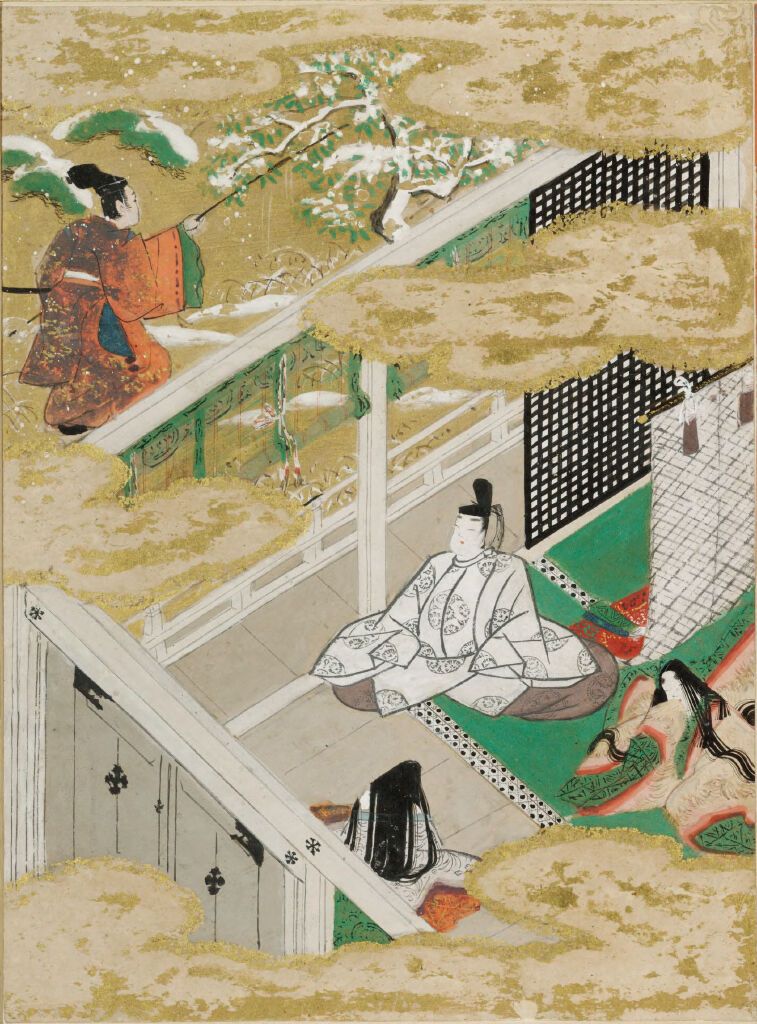
The Safflower (Suetsumuhana), Illustration to Chapter 6 of the Tale of Genji (Genji monogatari)
Tosa Mitsunobu
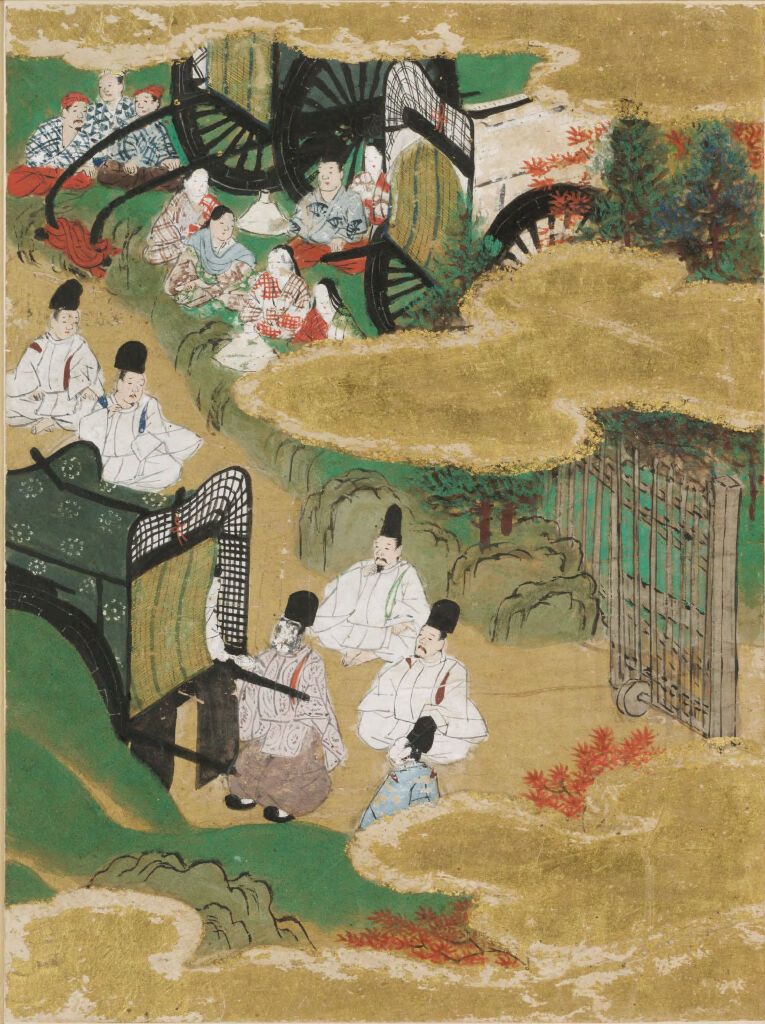
At the Pass (Sekiya), Illustration to Chapter 16 of the Tale of Genji (Genji monogatari)
Tosa Mitsunobu
More Illustration Art
Browse all →Falling Flowers (Hanachirusato), Illustration to Chapter 11 of the Tale of Genji (Genji monogatari)
Tosa Mitsunobu
The Cicada Shell (Utsusemi), Illustration to Chapter 3 of the Tale of Genji (Genji monogatari)
Tosa Mitsunobu
The Seer (Maboroshi), Illustration to Chapter 41 of the Tale of Genji (Genji monogatari)
Tosa Mitsunobu
The Oak Tree (Kashiwagi), Illustration to Chapter 36 of the Tale of Genji (Genji monogatari)
Tosa Mitsunobu
The Paulownia Pavilion (Kiritsubo), Illustration to Chapter 1 of the Tale of Genji (Genji monogatari)
Tosa Mitsunobu
Thoroughwort Flowers (Fujibakama), Illustration to Chapter 30 of the Tale of Genji (Genji monogatari)
Tosa Mitsunobu