
The Mayfly (Kagerō), Illustration to Chapter 52 of the Tale of Genji (Genji monogatari) — História e Análise
E se a beleza nunca tivesse sido feita para ser concluída? Em um momento efêmero, a essência da vida e da transitoriedade se entrelaçam, capturando a efemeridade que define nossa existência. Concentre-se na delicada efêmera no centro, representada com meticuloso detalhe. Note como suas asas de gossamer estão intrincadamente ilustradas, brilhando com um sutil jogo de luz, evocando tanto fragilidade quanto graça. Ao redor da efêmera, padrões coloridos e texturizados giram, criando uma sensação de movimento que parece que pode se dissolver no ar a qualquer momento.
A técnica do artista transforma o ordinário em extraordinário, emoldurando o efêmero dentro de um mundo de elegância refinada. Sob a superfície, a efêmera simboliza a brevidade da vida e da beleza, servindo como um lembrete tocante da passagem inevitável do tempo. Os motivos circundantes, frequentemente associados a momentos transitórios, amplificam esse tema, sugerindo que até as formas mais requintadas estão destinadas a desaparecer. Essa tensão entre permanência e impermanência convida o espectador a refletir sobre suas próprias experiências de beleza, perda e o vazio que reside entre elas. No século XVI, Tosa Mitsunobu criou esta ilustração durante um período em que a estética japonesa era profundamente influenciada pela noção de mono no aware — a apreciação do efêmero.
Trabalhando dentro da rica tradição da escola Tosa, ele buscou elevar a arte narrativa através de detalhes requintados e cores vibrantes. Em meio a uma paisagem cultural florescente, Mitsunobu reimaginou contos clássicos, incorporando camadas profundas de significado em cada pincelada e trazendo histórias atemporais à vida vívida.
Mais obras de Tosa Mitsunobu
Ver tudo →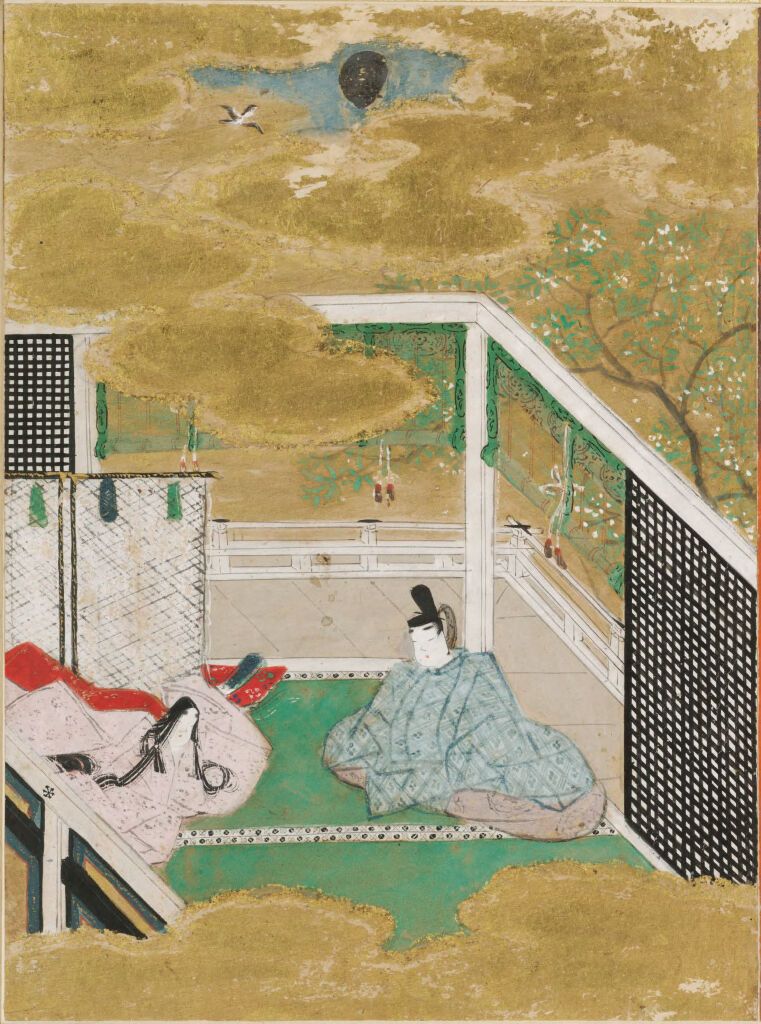
Falling Flowers (Hanachirusato), Illustration to Chapter 11 of the Tale of Genji (Genji monogatari)
Tosa Mitsunobu
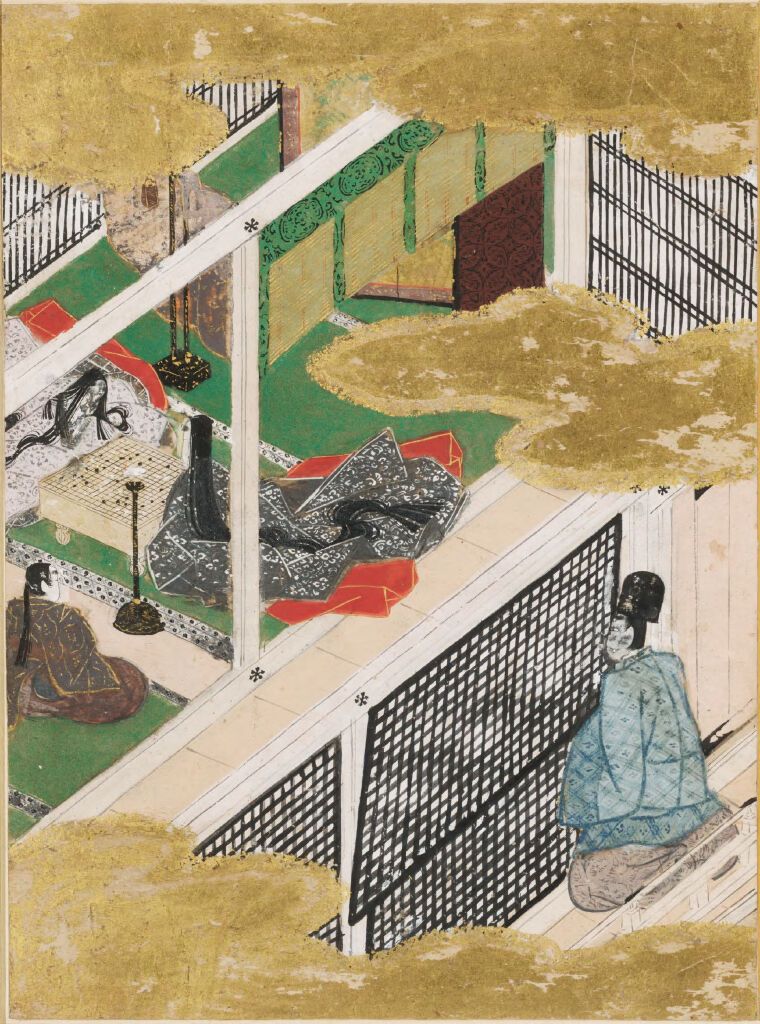
The Cicada Shell (Utsusemi), Illustration to Chapter 3 of the Tale of Genji (Genji monogatari)
Tosa Mitsunobu
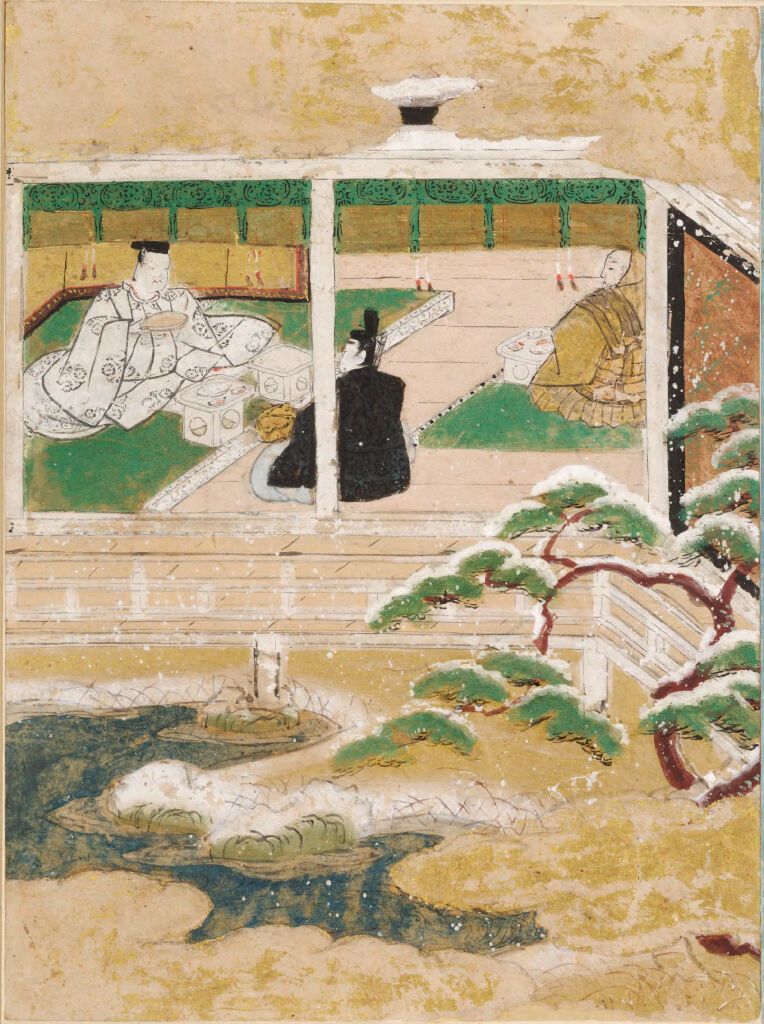
The Seer (Maboroshi), Illustration to Chapter 41 of the Tale of Genji (Genji monogatari)
Tosa Mitsunobu
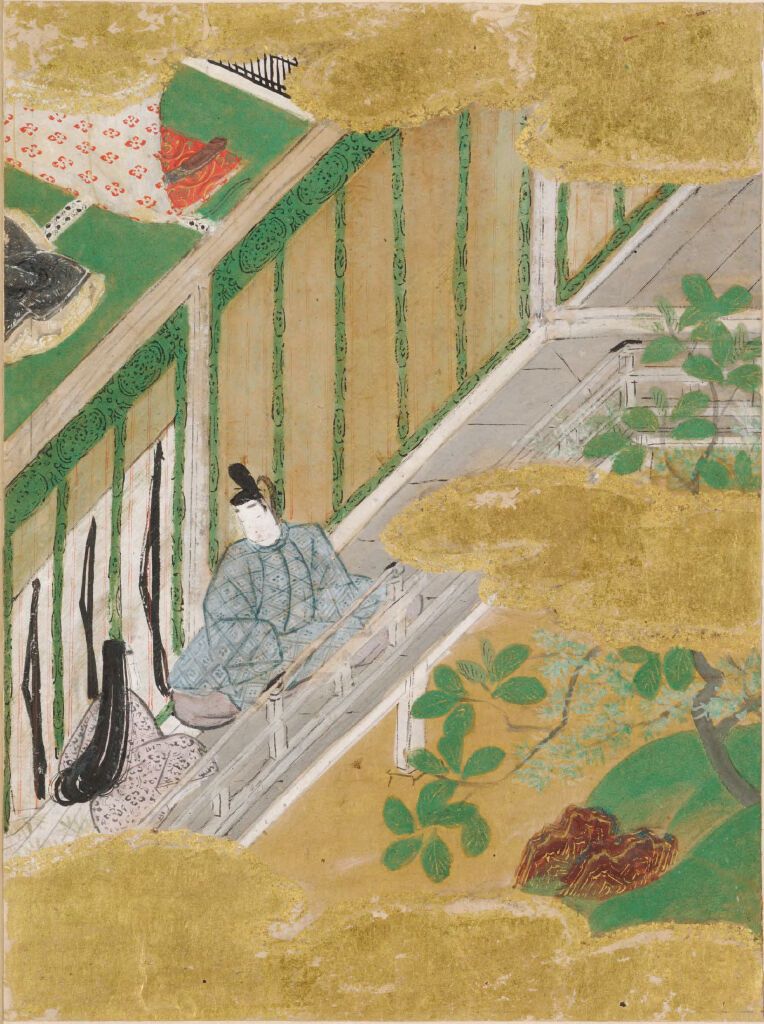
The Oak Tree (Kashiwagi), Illustration to Chapter 36 of the Tale of Genji (Genji monogatari)
Tosa Mitsunobu
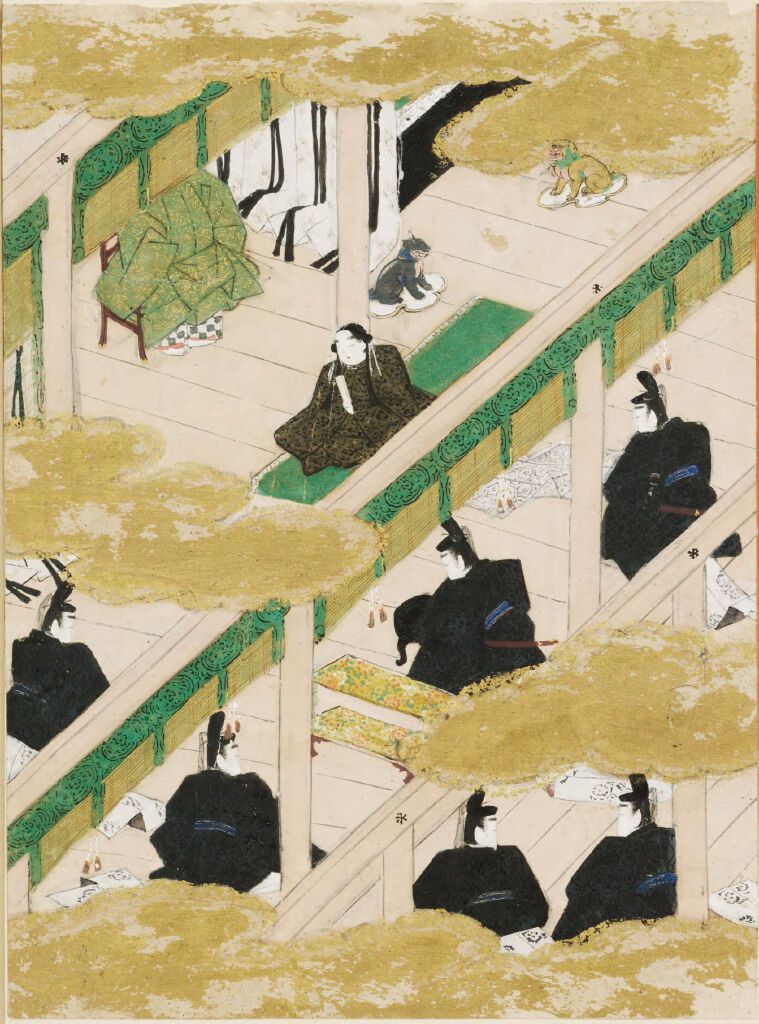
The Paulownia Pavilion (Kiritsubo), Illustration to Chapter 1 of the Tale of Genji (Genji monogatari)
Tosa Mitsunobu
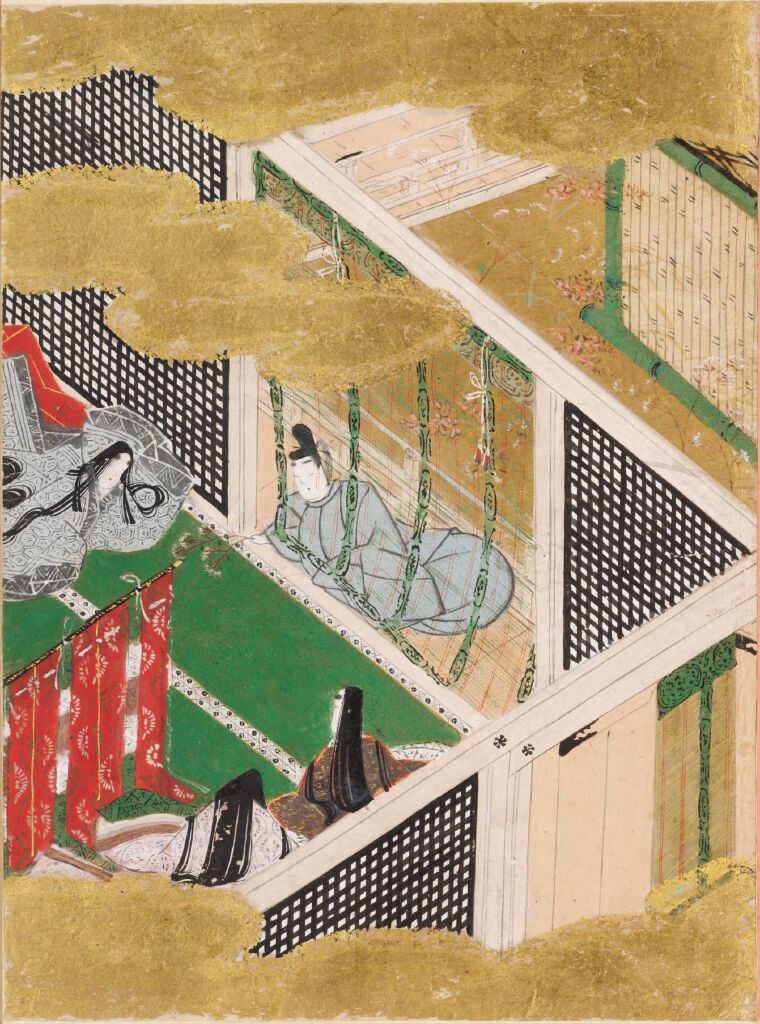
Thoroughwort Flowers (Fujibakama), Illustration to Chapter 30 of the Tale of Genji (Genji monogatari)
Tosa Mitsunobu

Under the Cherry Blossoms (Hana no En), Illustration to Chapter 8 of the Tale of Genji (Genji monogatari)
Tosa Mitsunobu

The Pilgrimage to Sumiyoshi (Miotsukushi), Illustration to Chapter 14 of the Tale of Genji (Genji monogatari)
Tosa Mitsunobu
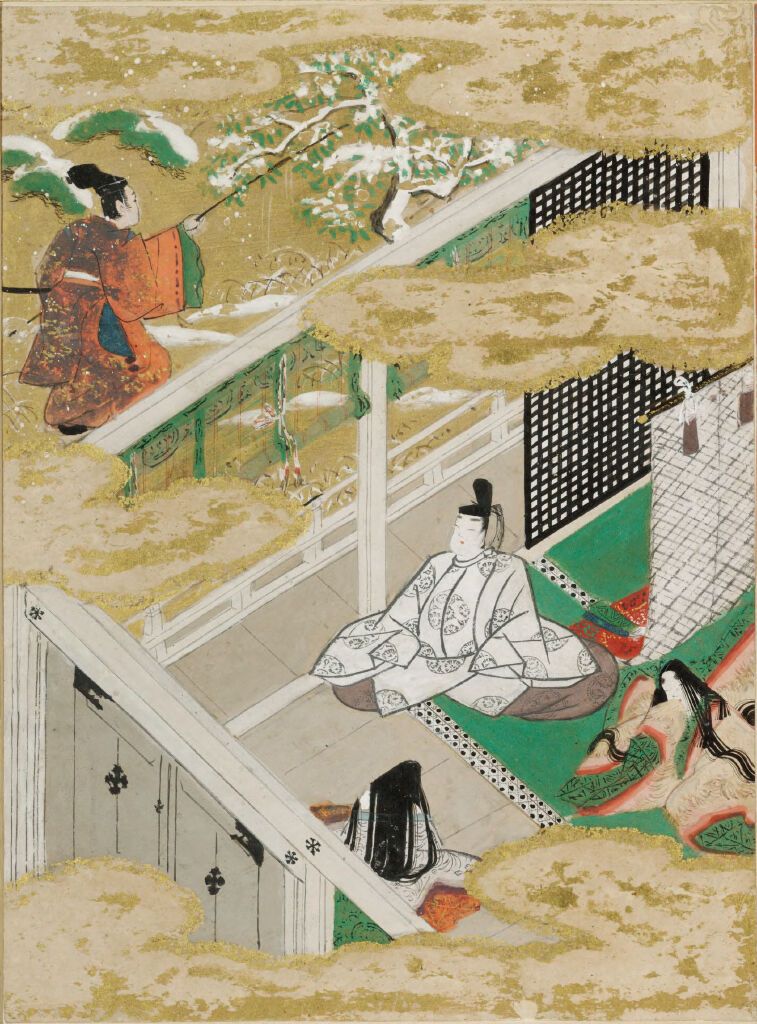
The Safflower (Suetsumuhana), Illustration to Chapter 6 of the Tale of Genji (Genji monogatari)
Tosa Mitsunobu
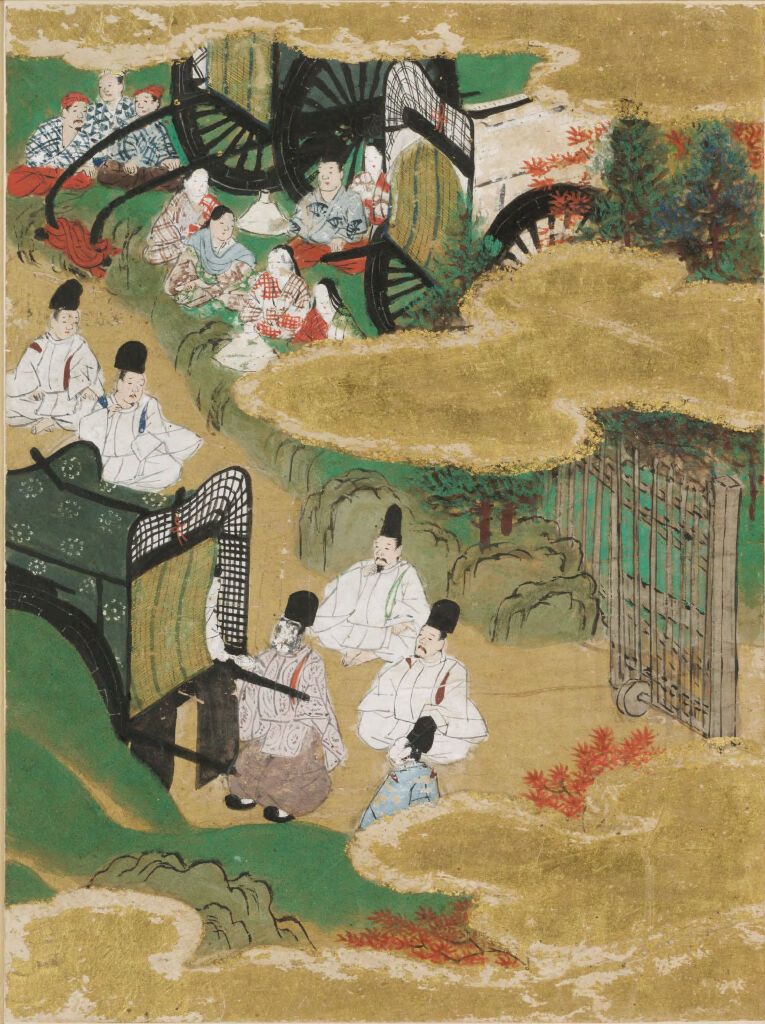
At the Pass (Sekiya), Illustration to Chapter 16 of the Tale of Genji (Genji monogatari)
Tosa Mitsunobu
Mais arte de Ilustração
Ver tudo →Falling Flowers (Hanachirusato), Illustration to Chapter 11 of the Tale of Genji (Genji monogatari)
Tosa Mitsunobu
The Cicada Shell (Utsusemi), Illustration to Chapter 3 of the Tale of Genji (Genji monogatari)
Tosa Mitsunobu
The Seer (Maboroshi), Illustration to Chapter 41 of the Tale of Genji (Genji monogatari)
Tosa Mitsunobu
The Oak Tree (Kashiwagi), Illustration to Chapter 36 of the Tale of Genji (Genji monogatari)
Tosa Mitsunobu
The Paulownia Pavilion (Kiritsubo), Illustration to Chapter 1 of the Tale of Genji (Genji monogatari)
Tosa Mitsunobu
Thoroughwort Flowers (Fujibakama), Illustration to Chapter 30 of the Tale of Genji (Genji monogatari)
Tosa Mitsunobu