
The Mayfly (Kagerō), Illustration to Chapter 52 of the Tale of Genji (Genji monogatari) — History & Facts
What if beauty was never meant to be finished? In a fleeting moment, the essence of life and transience intertwine, capturing the ephemerality that defines our existence. Focus on the delicate mayfly at the center, rendered with meticulous detail. Notice how its gossamer wings are intricately illustrated, shimmering with a subtle play of light, evoking both fragility and grace. Surrounding the mayfly are swirling patterns of color and texture, creating a sense of movement that feels as if it might dissolve into the air at any moment.
The artist’s technique transforms the ordinary into the extraordinary, framing the ephemeral within a world of refined elegance. Beneath the surface, the mayfly symbolizes the brevity of life and beauty, serving as a poignant reminder of the inevitable passage of time. The surrounding motifs, often associated with transient moments, amplify this theme, suggesting that even the most exquisite forms are destined to fade. This tension between permanence and impermanence invites the viewer to reflect on their own experiences of beauty, loss, and the void that lies between. In the 16th century, Tosa Mitsunobu created this illustration during a period when Japanese aesthetics were deeply influenced by the notion of mono no aware—the appreciation of the ephemeral.
Working within the rich tradition of the Tosa school, he sought to elevate narrative art through exquisite detail and vibrant colors. Amidst a flourishing cultural landscape, Mitsunobu reimagined classic tales, embedding profound layers of meaning within each stroke, and bringing timeless stories to vivid life.
More Artworks by Tosa Mitsunobu
Browse all →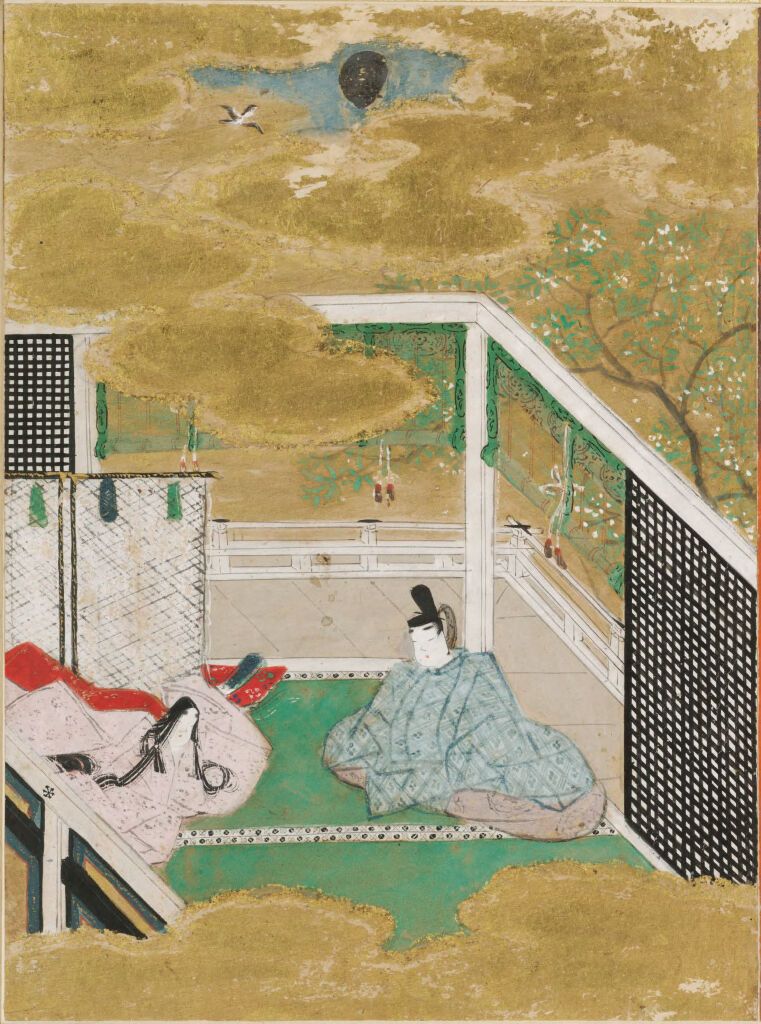
Falling Flowers (Hanachirusato), Illustration to Chapter 11 of the Tale of Genji (Genji monogatari)
Tosa Mitsunobu
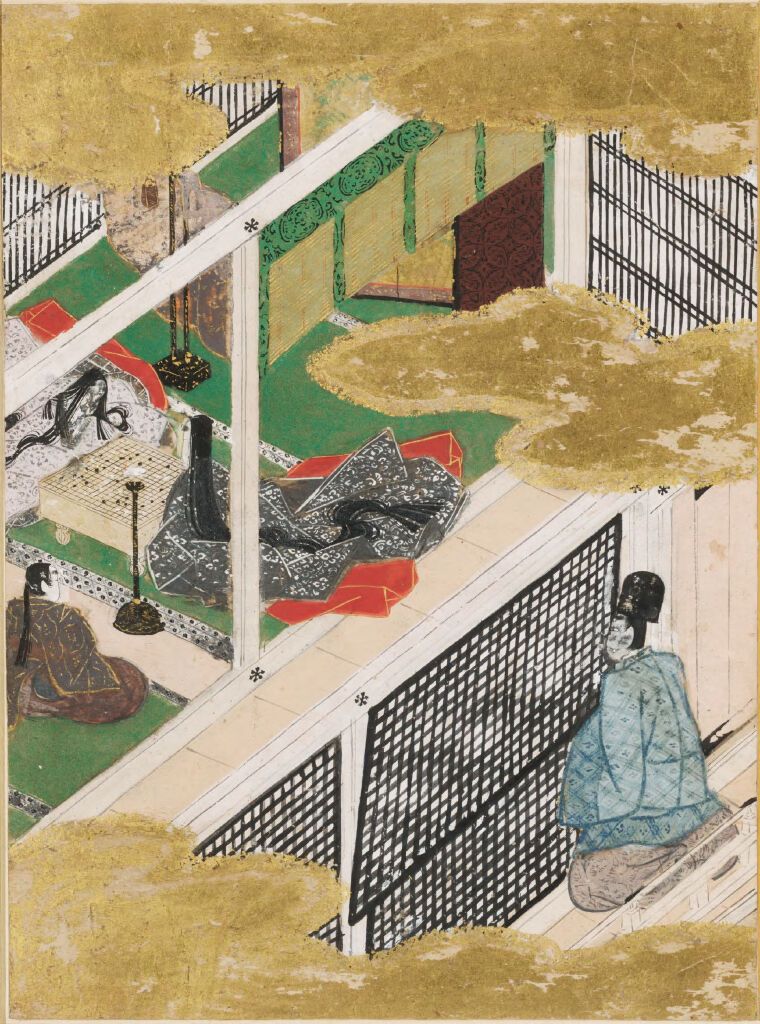
The Cicada Shell (Utsusemi), Illustration to Chapter 3 of the Tale of Genji (Genji monogatari)
Tosa Mitsunobu
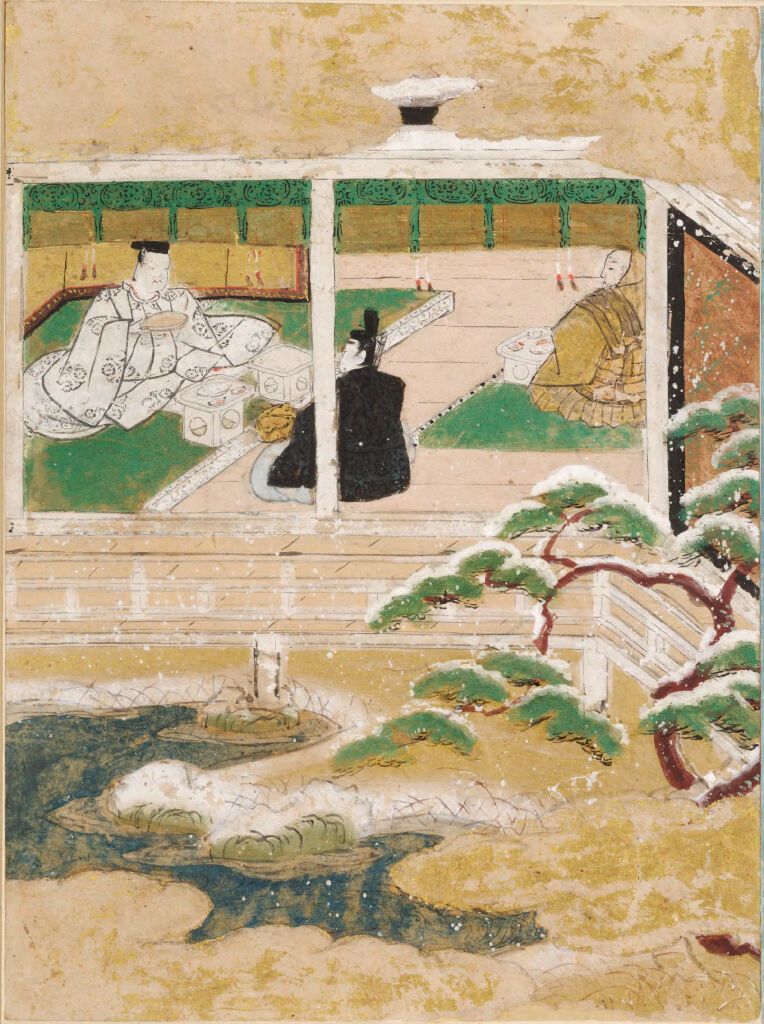
The Seer (Maboroshi), Illustration to Chapter 41 of the Tale of Genji (Genji monogatari)
Tosa Mitsunobu
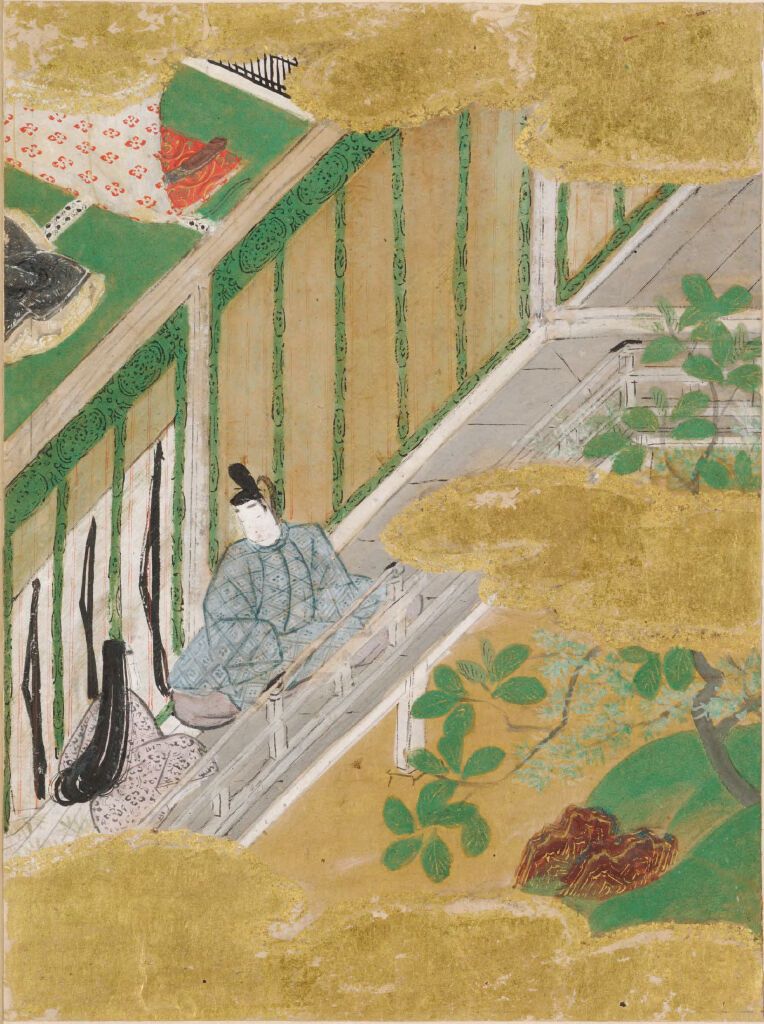
The Oak Tree (Kashiwagi), Illustration to Chapter 36 of the Tale of Genji (Genji monogatari)
Tosa Mitsunobu
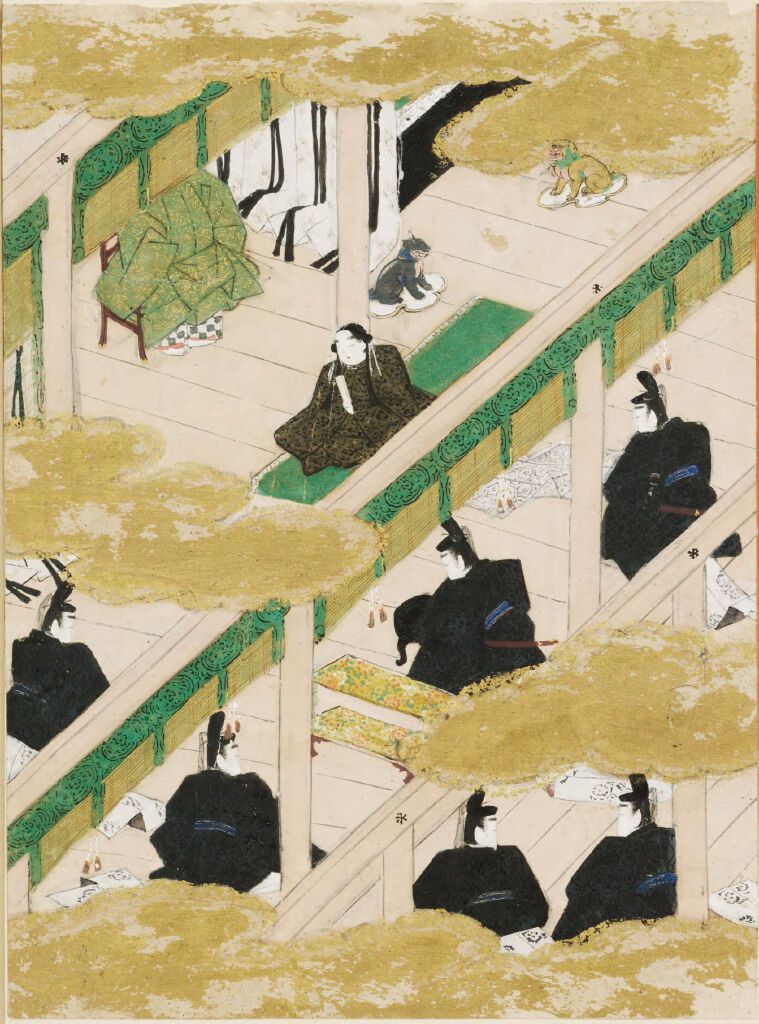
The Paulownia Pavilion (Kiritsubo), Illustration to Chapter 1 of the Tale of Genji (Genji monogatari)
Tosa Mitsunobu
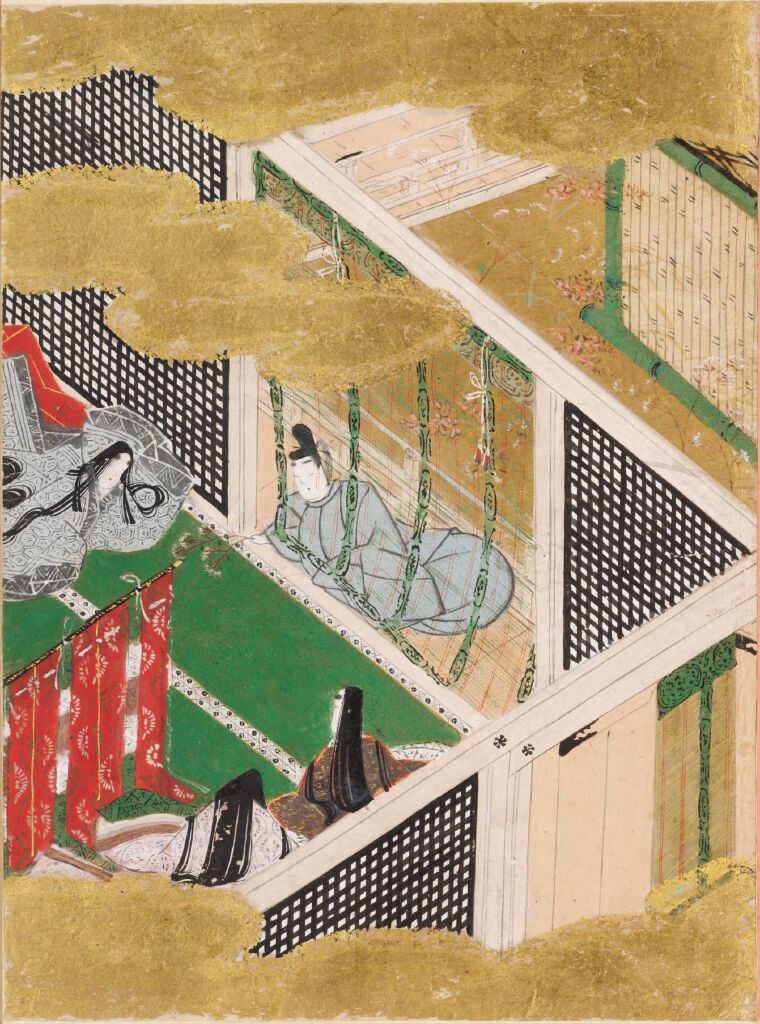
Thoroughwort Flowers (Fujibakama), Illustration to Chapter 30 of the Tale of Genji (Genji monogatari)
Tosa Mitsunobu

Under the Cherry Blossoms (Hana no En), Illustration to Chapter 8 of the Tale of Genji (Genji monogatari)
Tosa Mitsunobu

The Pilgrimage to Sumiyoshi (Miotsukushi), Illustration to Chapter 14 of the Tale of Genji (Genji monogatari)
Tosa Mitsunobu
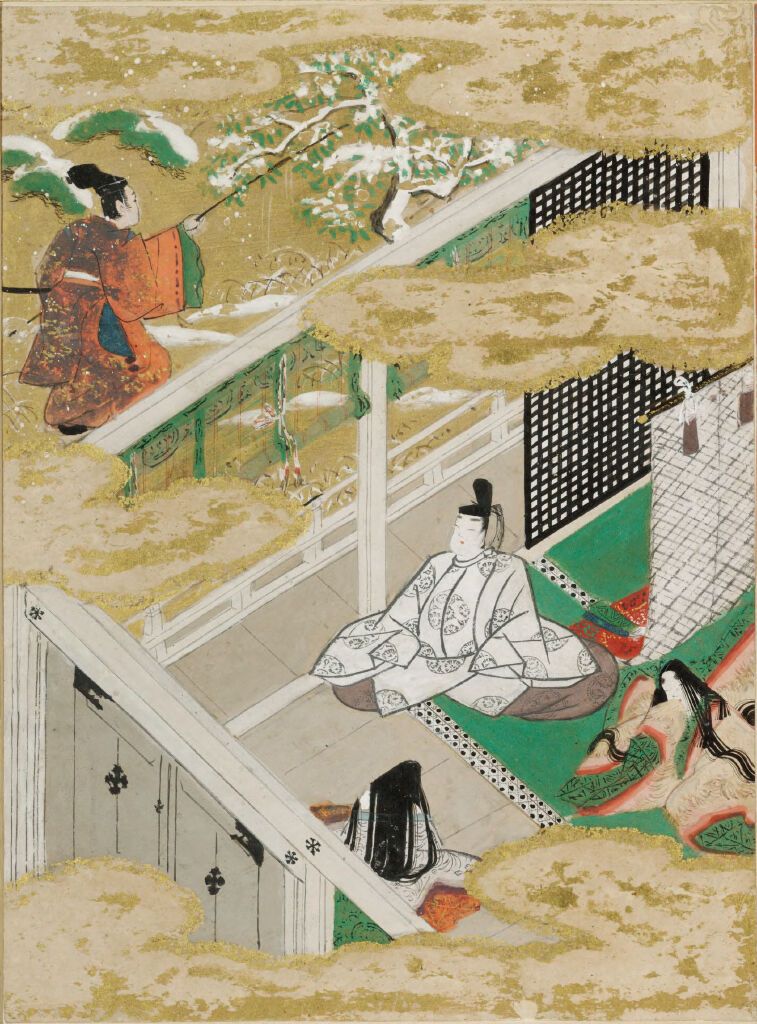
The Safflower (Suetsumuhana), Illustration to Chapter 6 of the Tale of Genji (Genji monogatari)
Tosa Mitsunobu
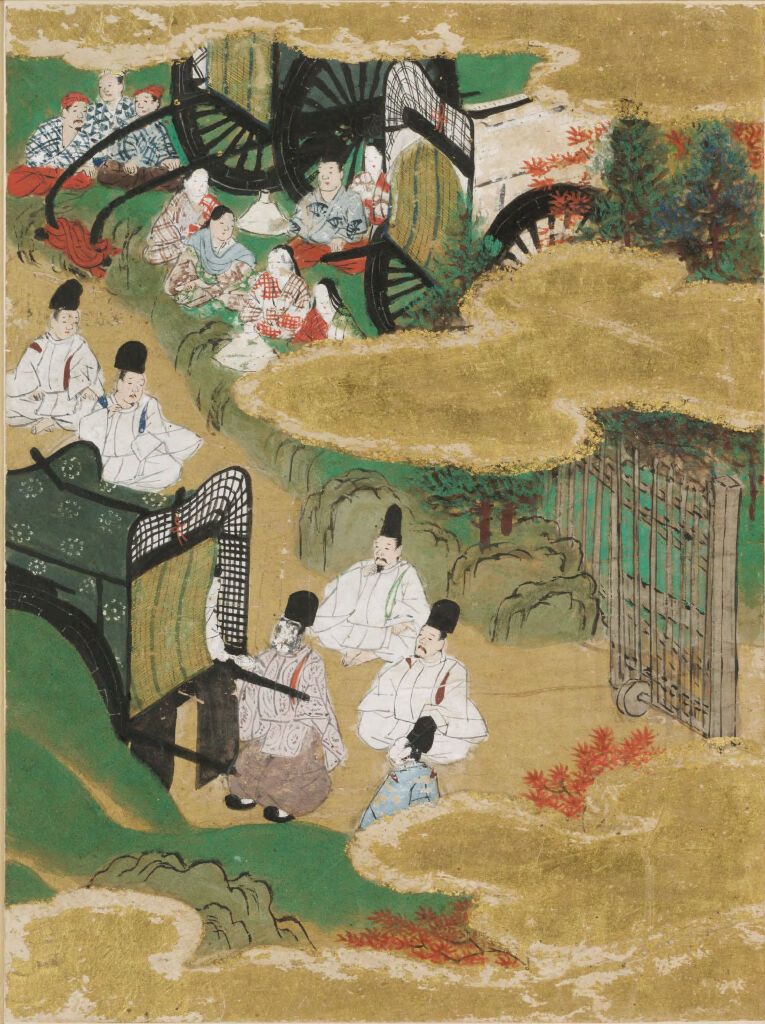
At the Pass (Sekiya), Illustration to Chapter 16 of the Tale of Genji (Genji monogatari)
Tosa Mitsunobu
More Illustration Art
Browse all →Falling Flowers (Hanachirusato), Illustration to Chapter 11 of the Tale of Genji (Genji monogatari)
Tosa Mitsunobu
The Cicada Shell (Utsusemi), Illustration to Chapter 3 of the Tale of Genji (Genji monogatari)
Tosa Mitsunobu
The Seer (Maboroshi), Illustration to Chapter 41 of the Tale of Genji (Genji monogatari)
Tosa Mitsunobu
The Oak Tree (Kashiwagi), Illustration to Chapter 36 of the Tale of Genji (Genji monogatari)
Tosa Mitsunobu
The Paulownia Pavilion (Kiritsubo), Illustration to Chapter 1 of the Tale of Genji (Genji monogatari)
Tosa Mitsunobu
Thoroughwort Flowers (Fujibakama), Illustration to Chapter 30 of the Tale of Genji (Genji monogatari)
Tosa Mitsunobu