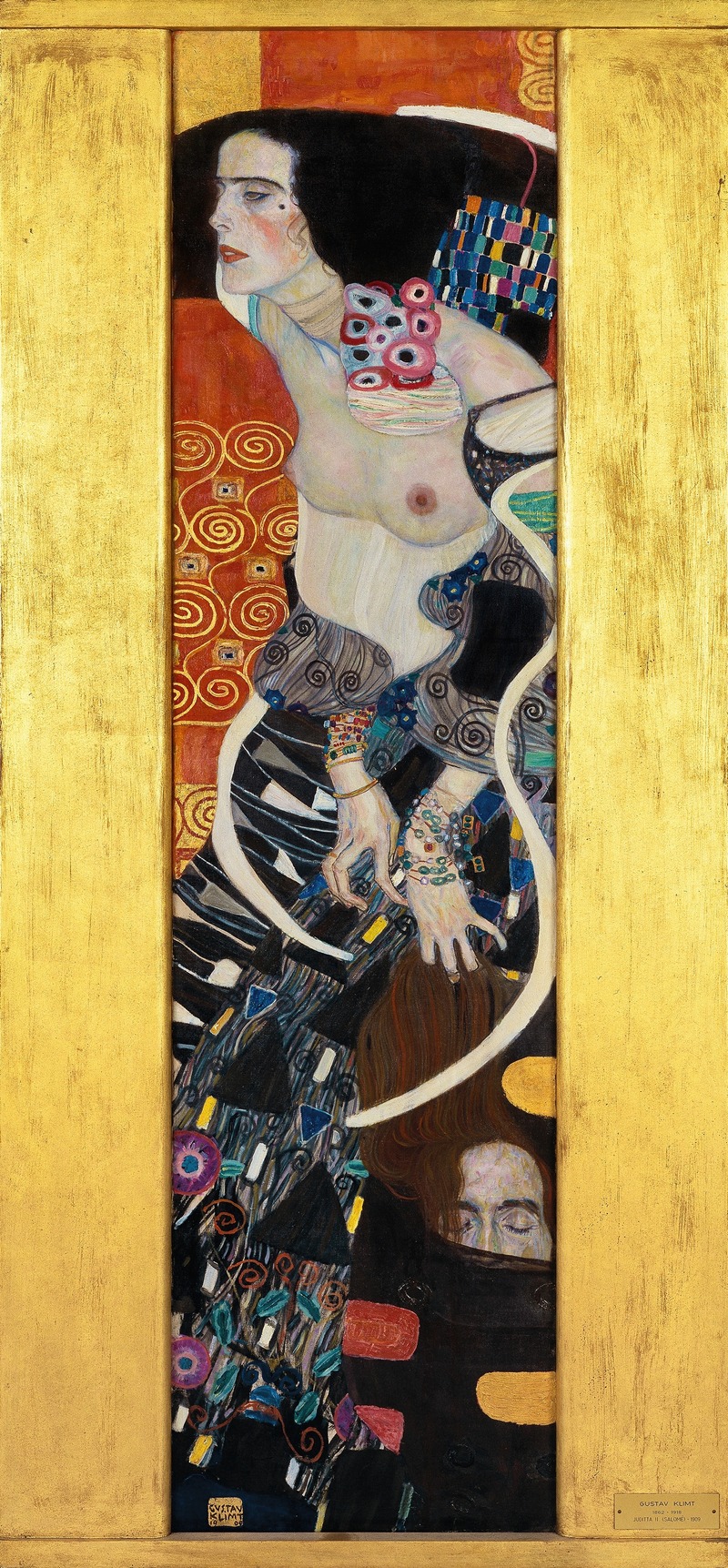
Откройте для себя информацию об этом произведении
La maja vestida — История и факты
The painting The Clothed Maja was created by Francisco Goya between 1800 and 1807. It depicts a woman reclining on a couch in the same pose as The Naked Maja, but fully dressed. She wears a white empire-style dress, a short yellow bolero jacket, and a green sash.
Her outfit reflects contemporary Spanish fashion rather than historical or mythological clothing. The lighting emphasizes the contrast between the bright fabric and the darker background, drawing attention to her figure and posture. The purpose of the painting was likely linked to its companion piece. Both works were commissioned by Manuel de Godoy, a high-ranking Spanish politician and favorite of the royal family.
Some accounts suggest the clothed and nude versions may have been displayed together, possibly with a mechanism to switch between them. This would allow the viewer to alternate between the dressed and undressed figure, turning the pair into a private and controlled viewing experience rather than a public display. Historically, the painting is connected to a period of political and cultural tension in Spain. During the early 19th century, the Spanish Inquisition was still active and monitored artworks considered immoral.
While The Clothed Maja itself did not cause major issues, its association with The Naked Maja led to scrutiny. In 1815, Goya was investigated by the Inquisition for the nude painting, which was unusual because it showed a real woman without mythological justification. Today, both works are housed in the Prado Museum in Madrid and are considered key examples of Goya’s work and Spanish portraiture of the time.
Больше работ Francisco de Goya
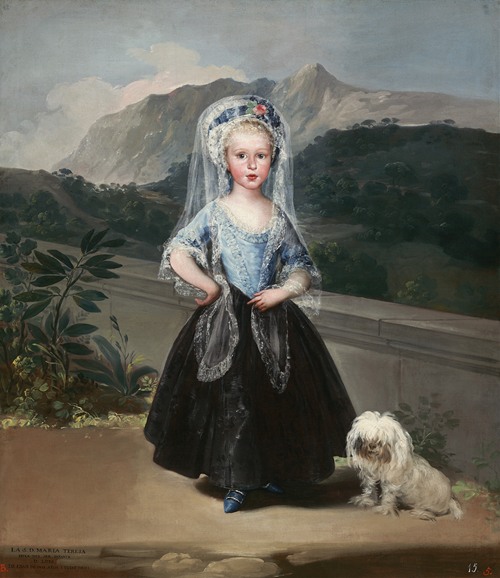
María Teresa de Borbón y Vallabriga,later Condesa de Chinchón
Francisco de Goya
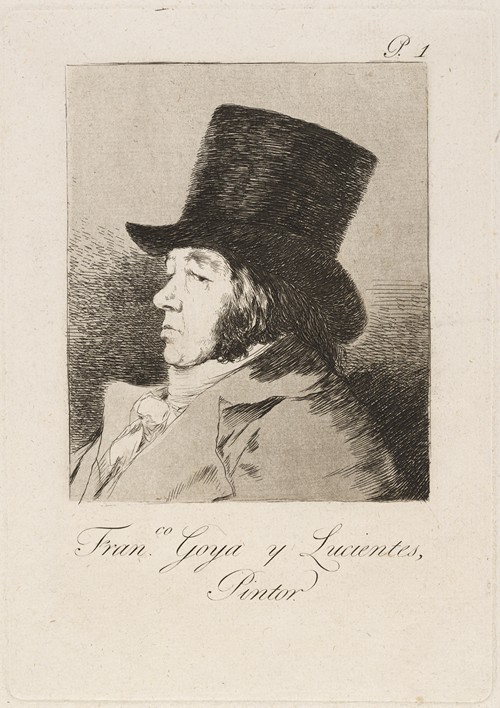
Francisco Goya y Lucientes, Pintor (Francisco Goya y Lucientes, painter)
Francisco de Goya
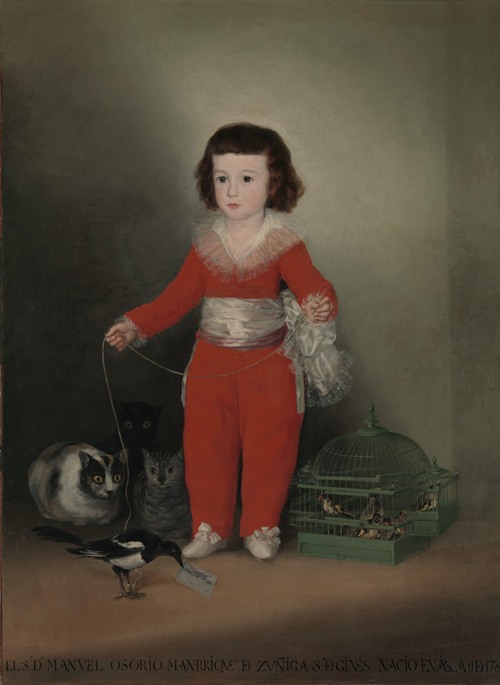
Manuel Osorio Manrique de Zuñiga (1784–1792)
Francisco de Goya
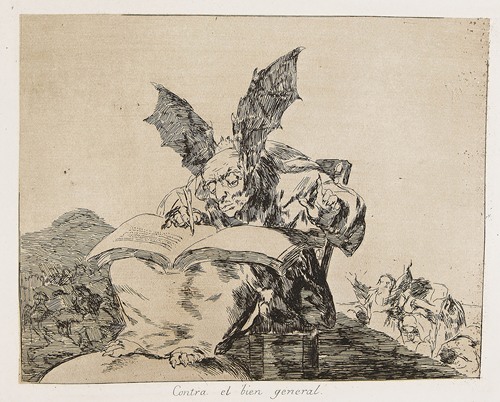
Los desastres de la guerra
Francisco de Goya
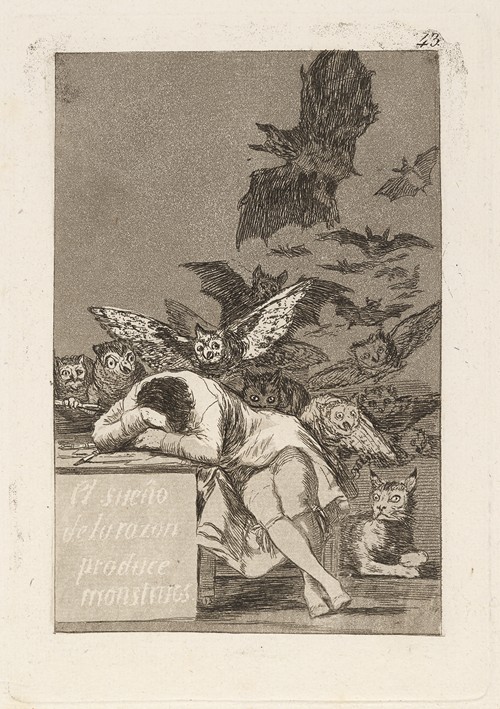
El sueño de la razon produce monstruos. (The sleep of reason produces monsters.)
Francisco de Goya
El sueño de la razon produce moustruos (Serie Caprichos)
Francisco de Goya
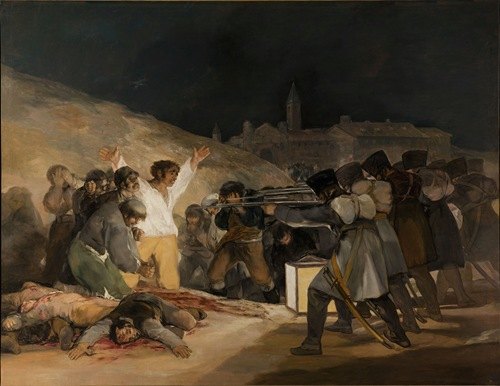
The Third of May
Francisco de Goya
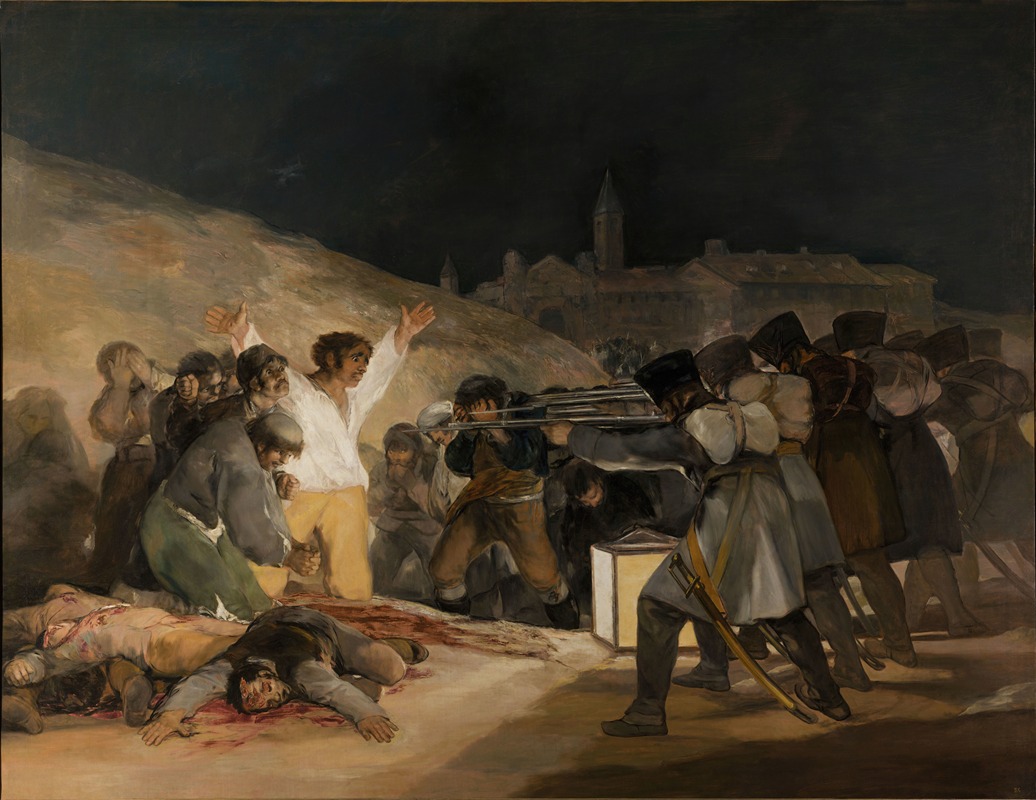
The Third of May 1808
Francisco de Goya
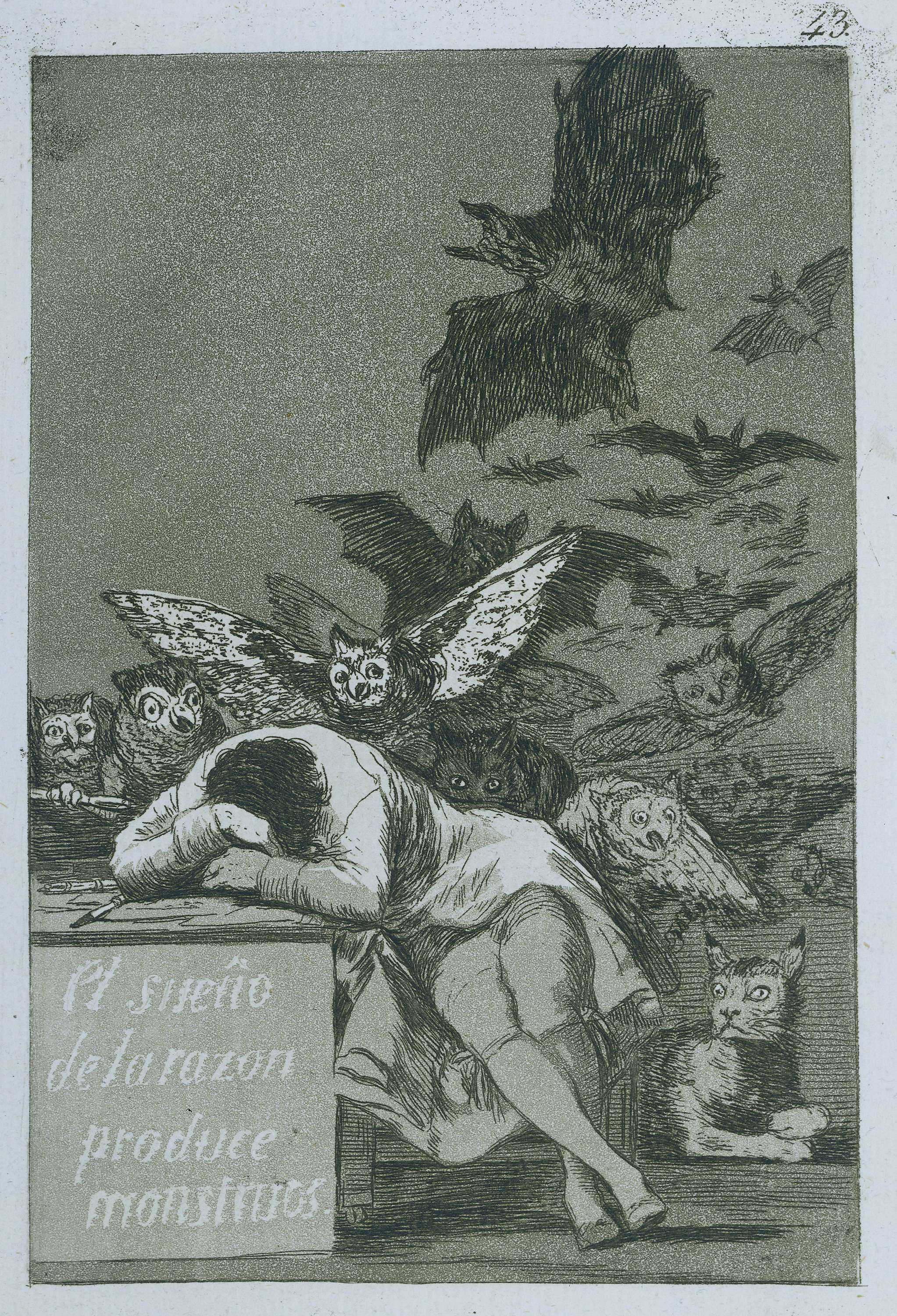
De slaap van de rede brengt monsters voort
Francisco de Goya
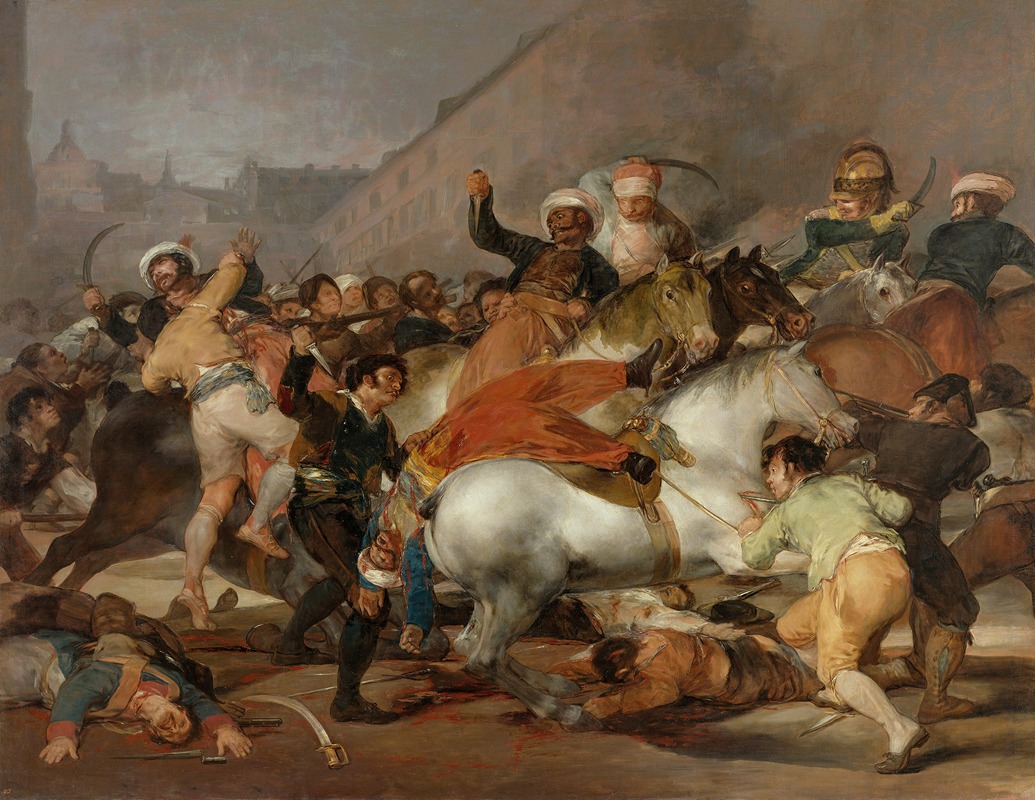
The Charge of the Mamelukes (1814)
Francisco de Goya