A capriccio of Roman ruins — History & Analysis
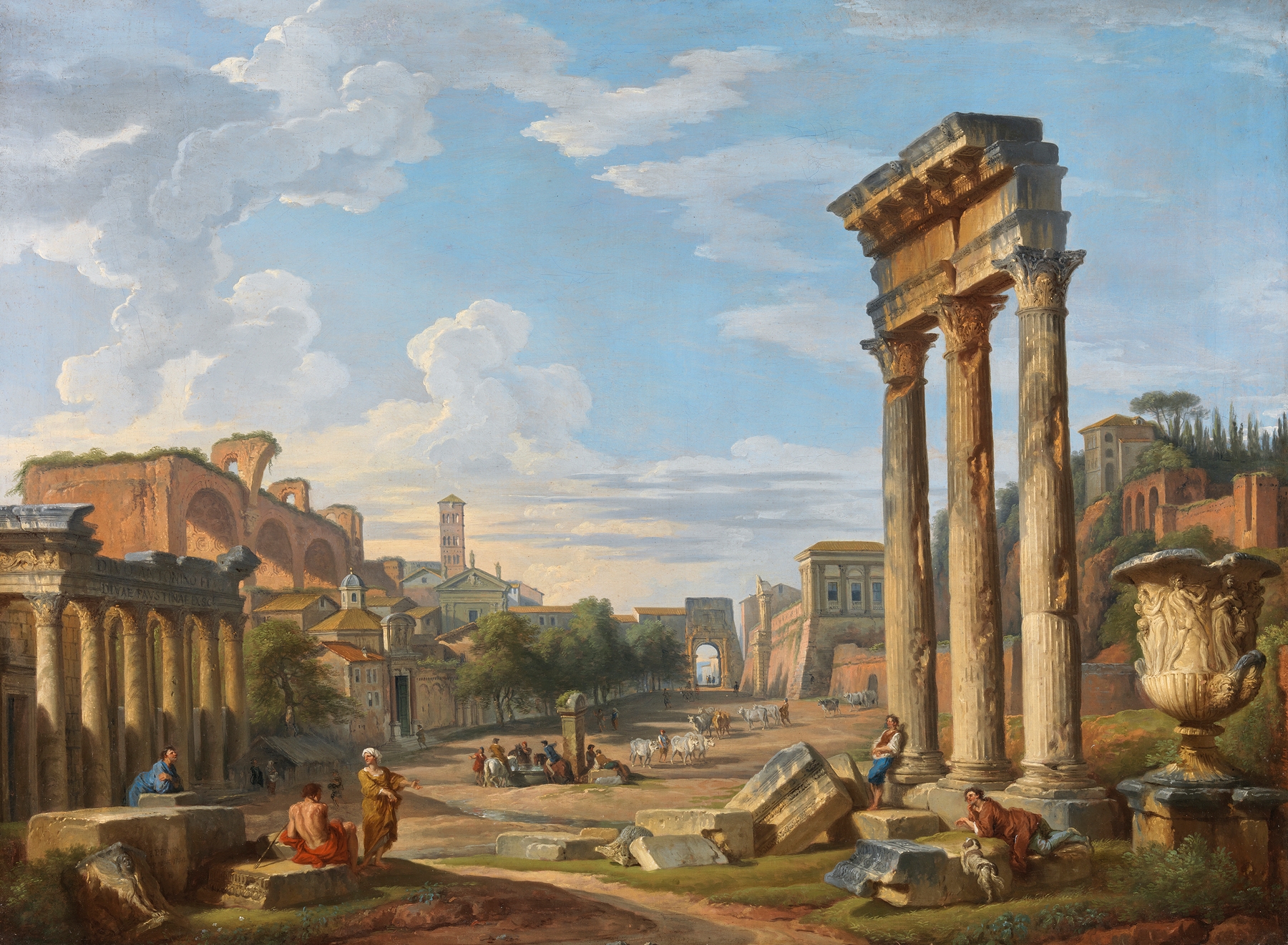
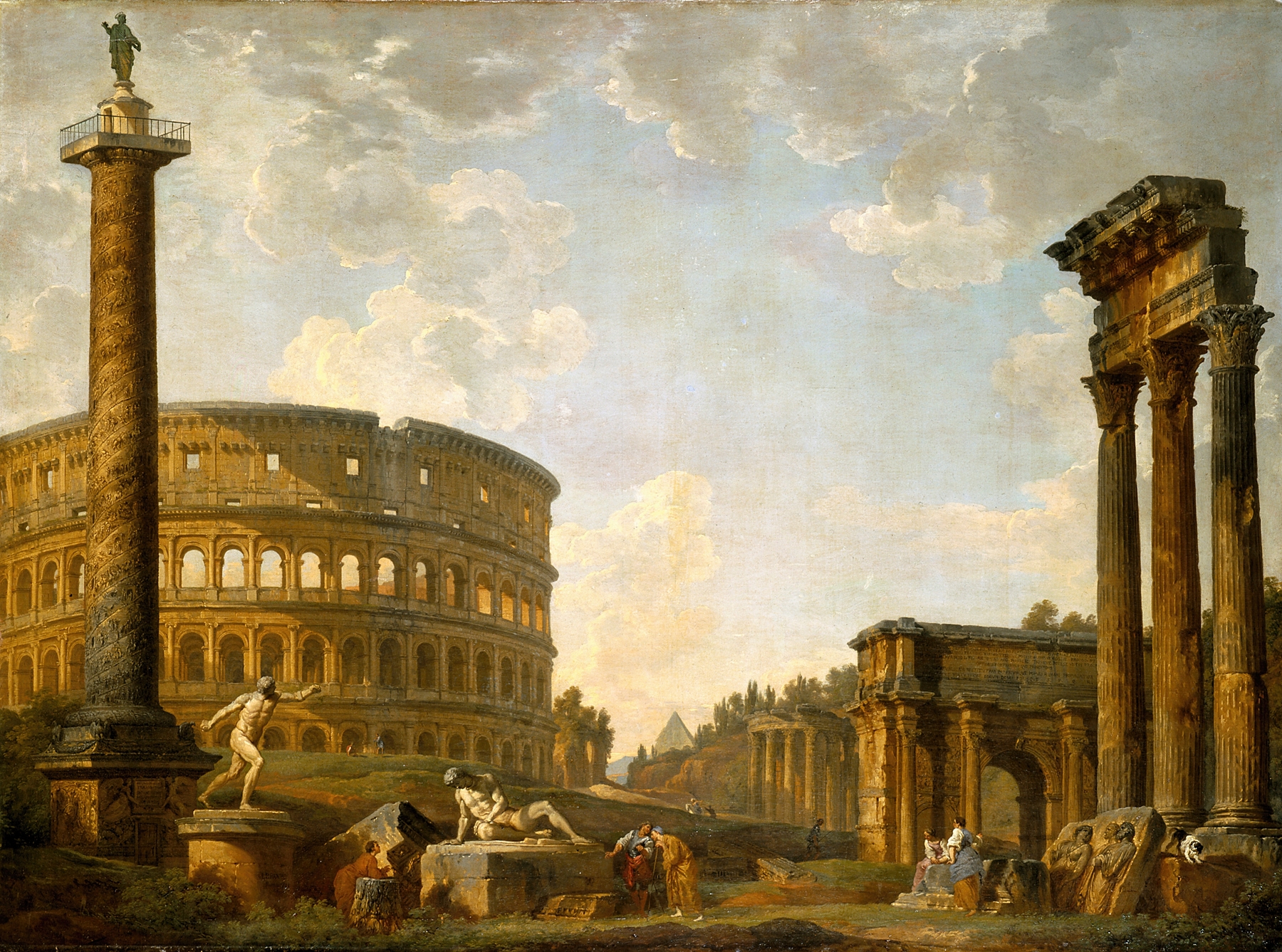
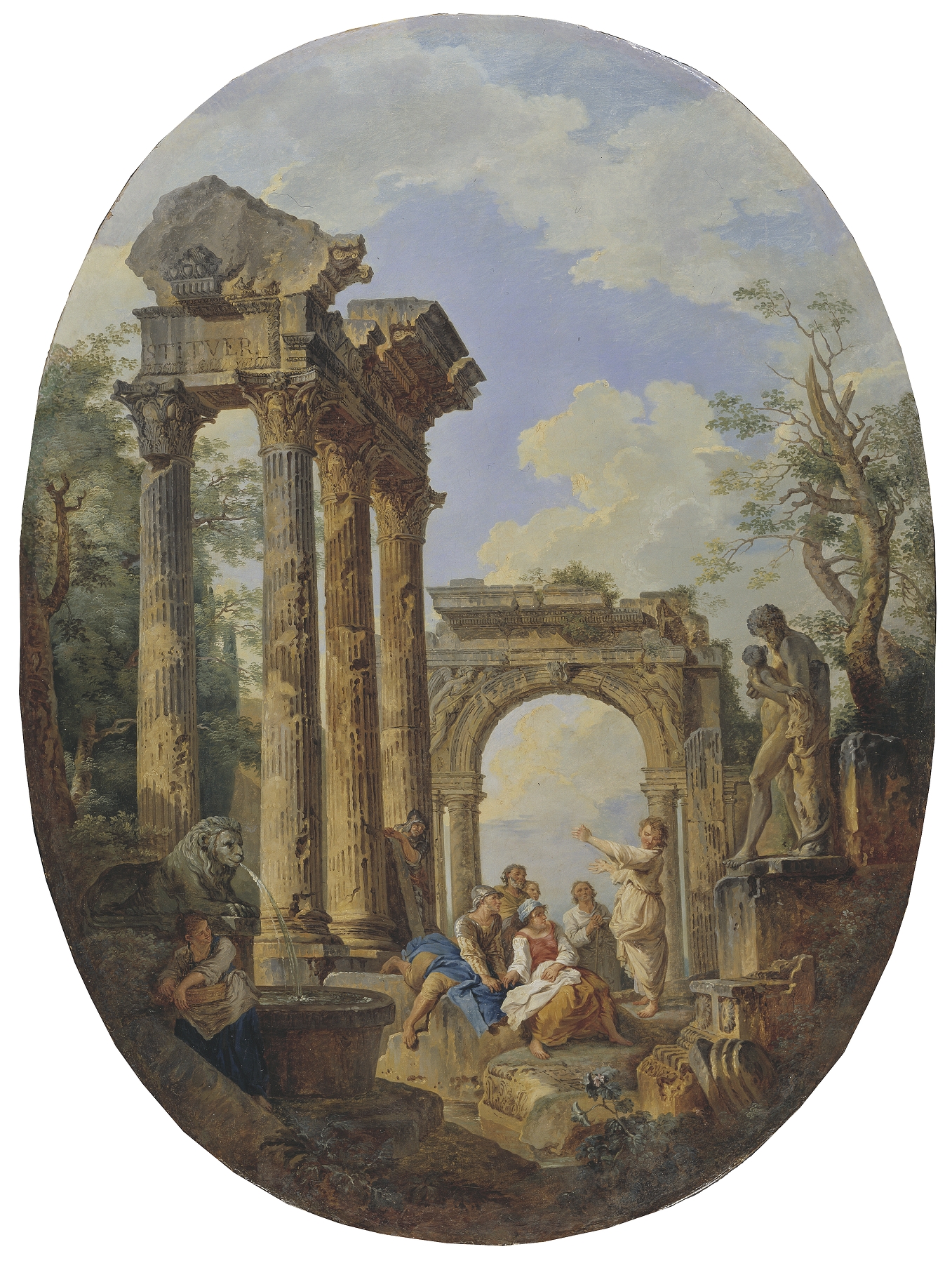
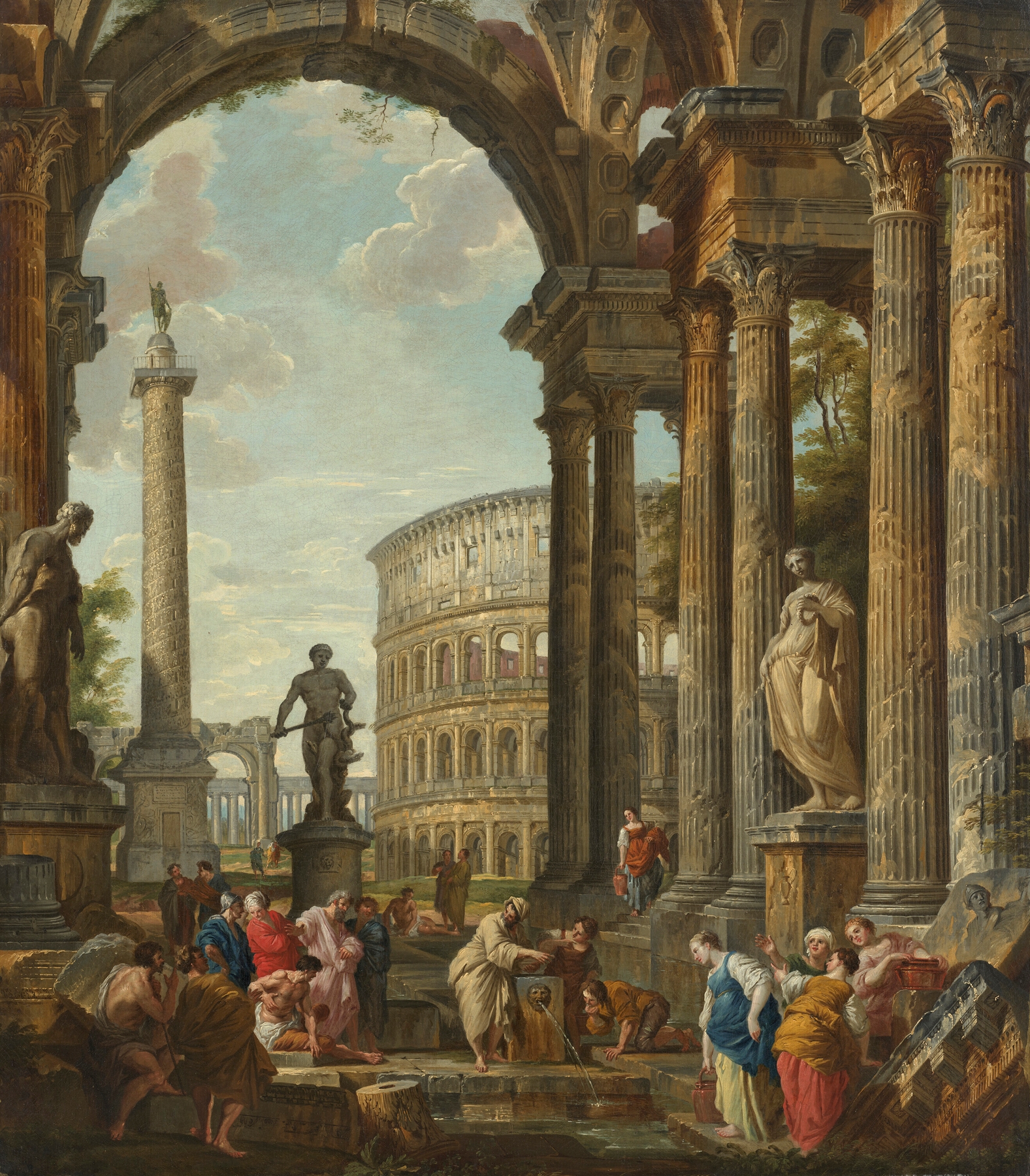
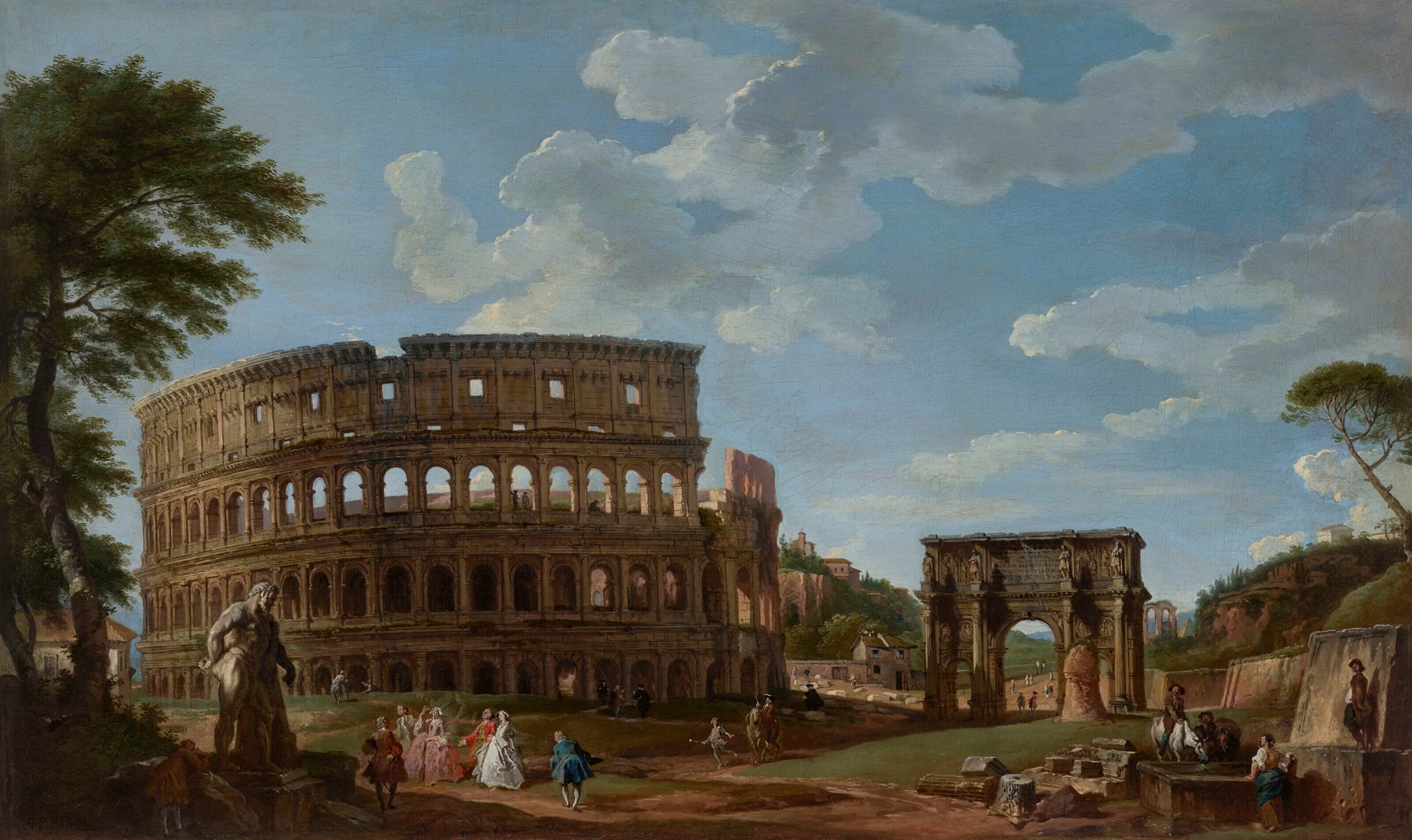
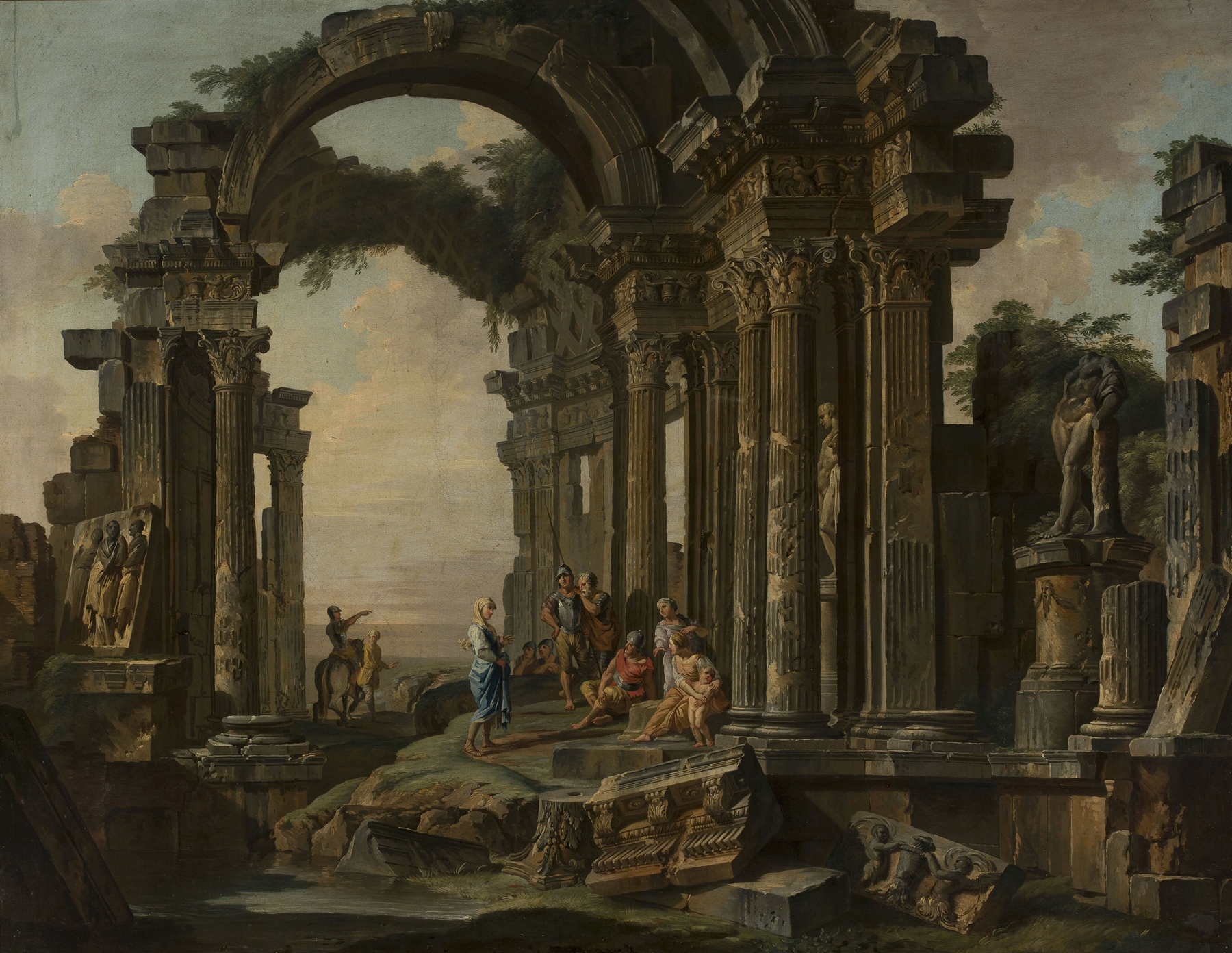
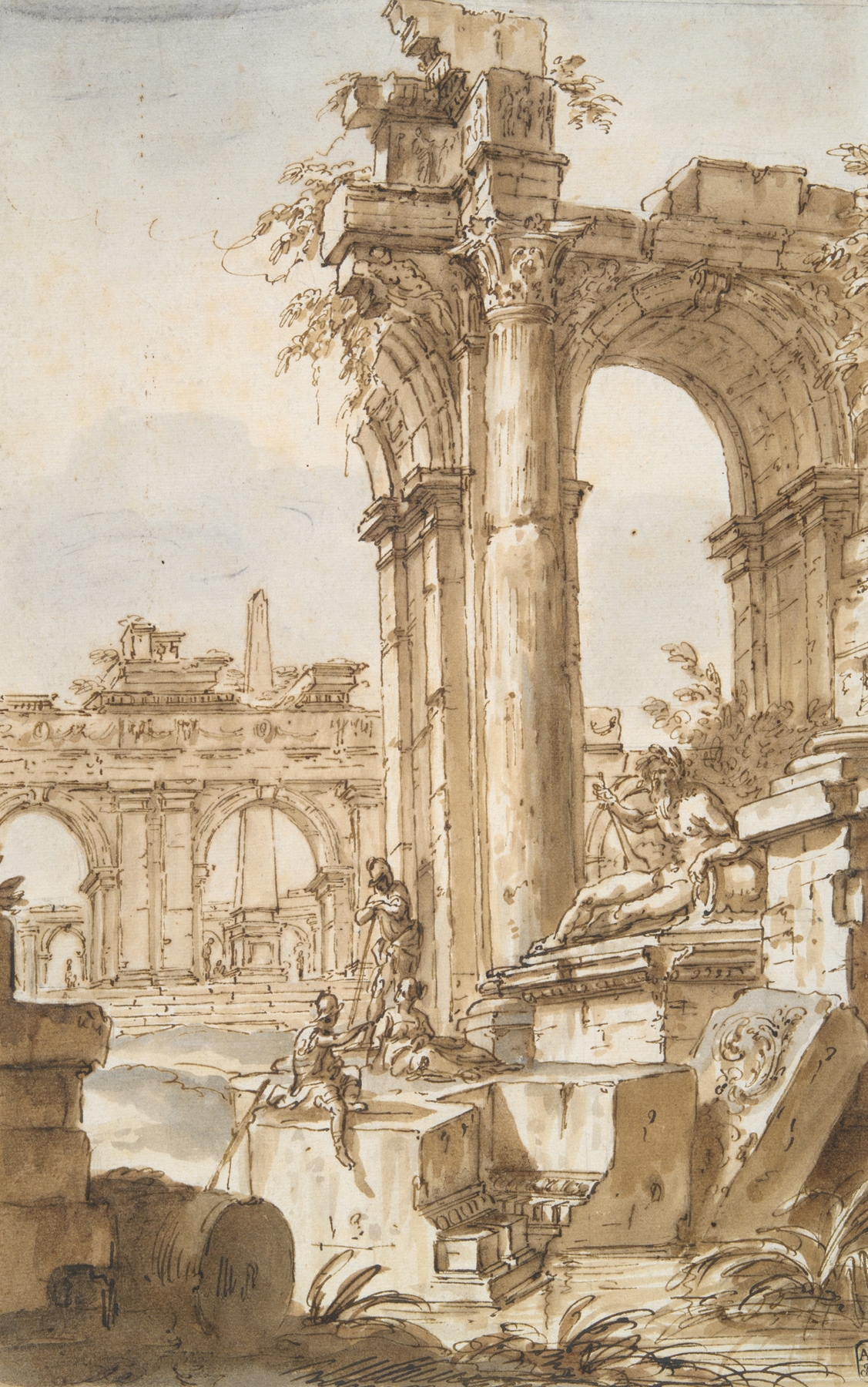
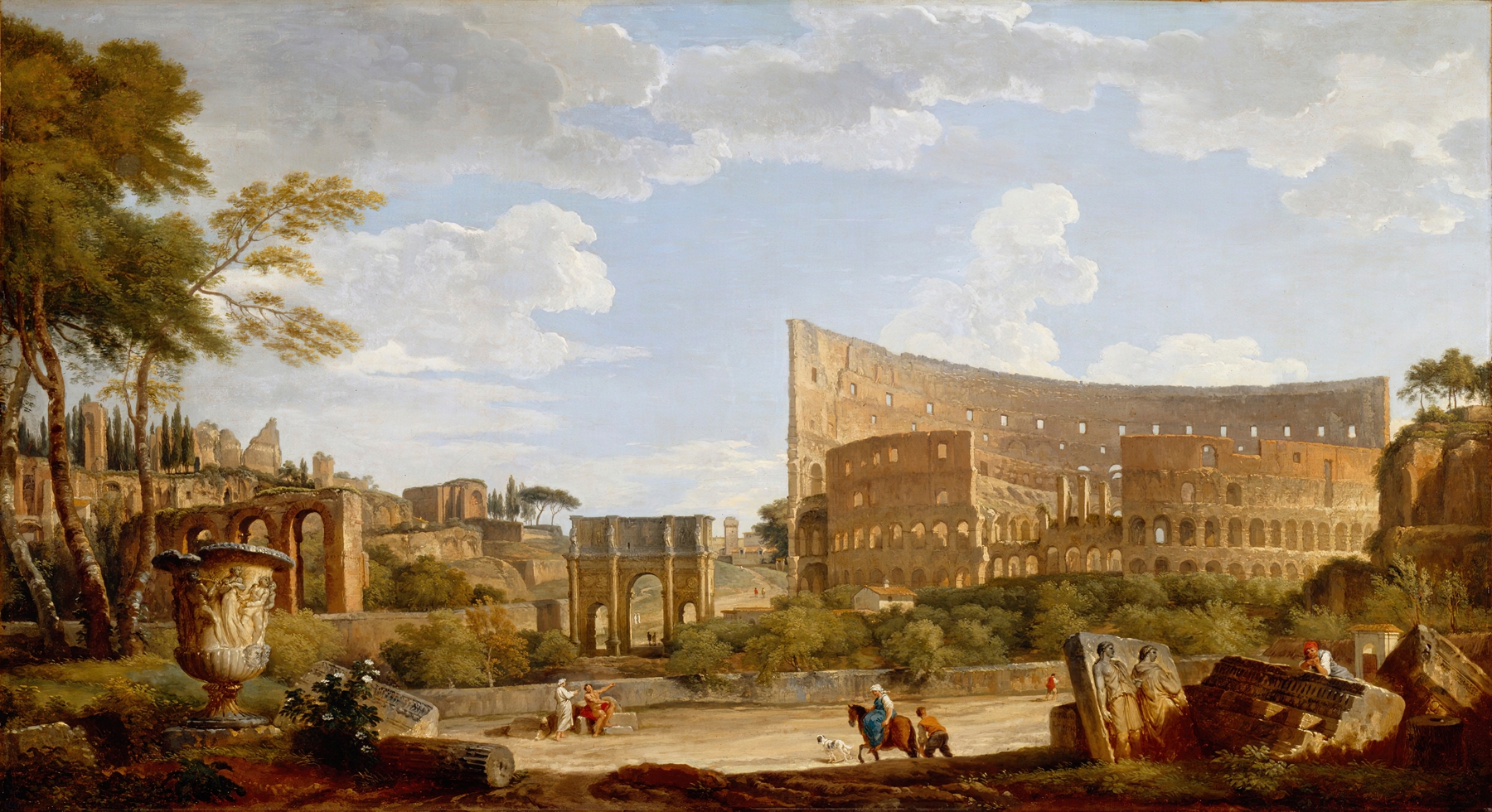
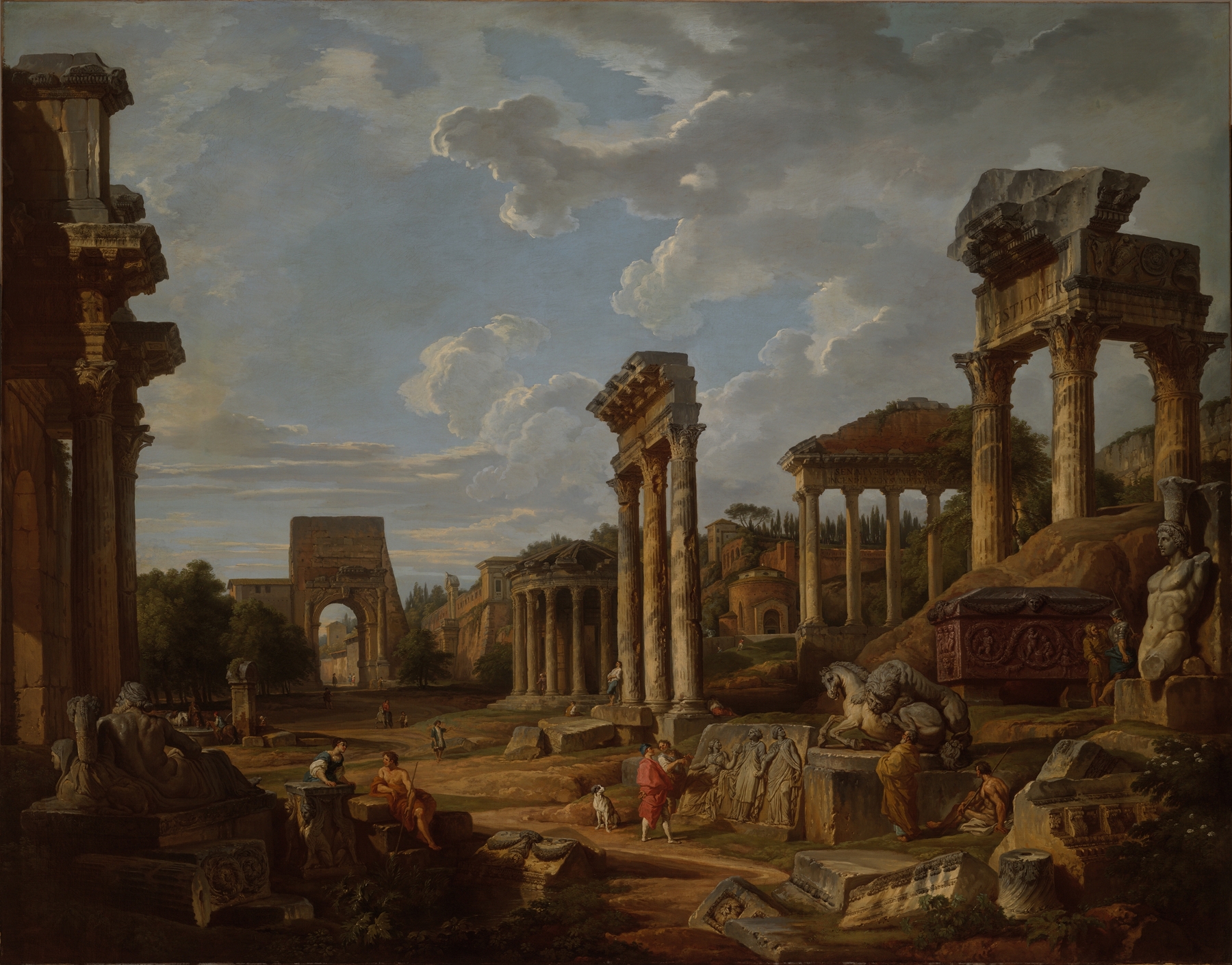
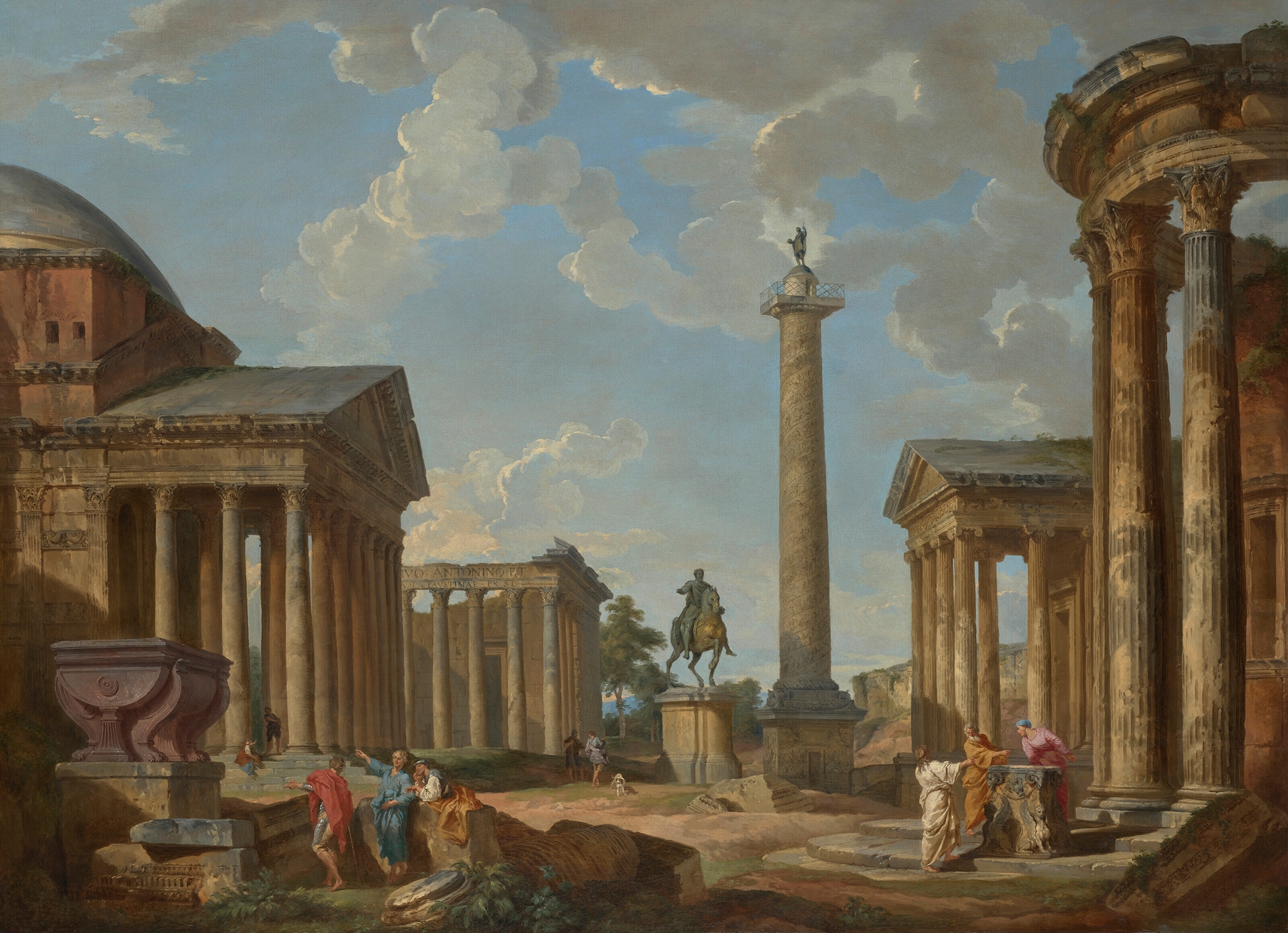
When did color learn to lie? The vibrant hues of a forgotten era beckon, whispering through the remnants of a glorious past, urging us to question the very nature of reality. Look to the left at the crumbling archway, its warm ochres and cool grays revealing the meticulous brushwork that defines this enchanting vision. Each shadow dances playfully across the surface, creating a dialogue between light and structure. Notice how the figures below, engaged in animated conversation, seem dwarfed by the monumental ruins around them, encapsulating the grandeur of time long gone. In this capriccio, Panini marries illusion with nostalgia. The juxtaposition of lively figures against the desolate architecture invites contemplation on the passage of time, the cycle of creation and decay. Layers of meaning unfold: the vibrancy of life contrasts sharply with the stillness of the ruins, suggesting an underlying tension between human ambition and the inevitability of fate. The artist captures a revolution not just of color and form, but of thought, prompting viewers to reflect on the manmade wonders that once stood tall. Created during the 18th century in Rome, this artwork reflects the artist's deep engagement with the Classical ideals that dominated the European art scene at the time. Panini, noted for his imaginative landscapes, navigated a world in flux, where Enlightenment thinking was reshaping societal views. This fusion of reality and fantasy allowed him to comment on the ruins of antiquity, evoking both reverence and curiosity in an era poised on the brink of modernity.