Roman Capriccio;The Colosseum and Other Monuments — History & Analysis
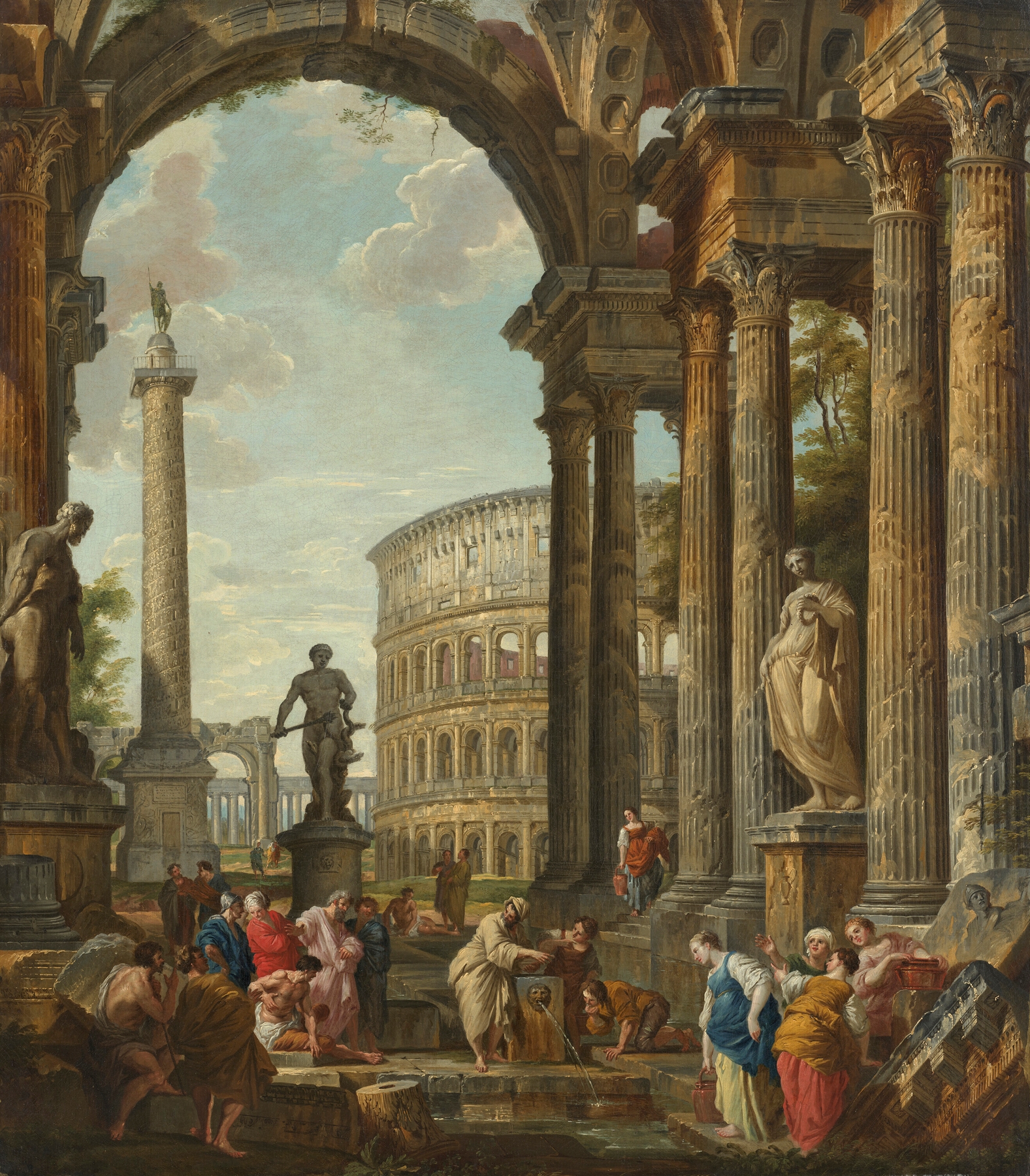
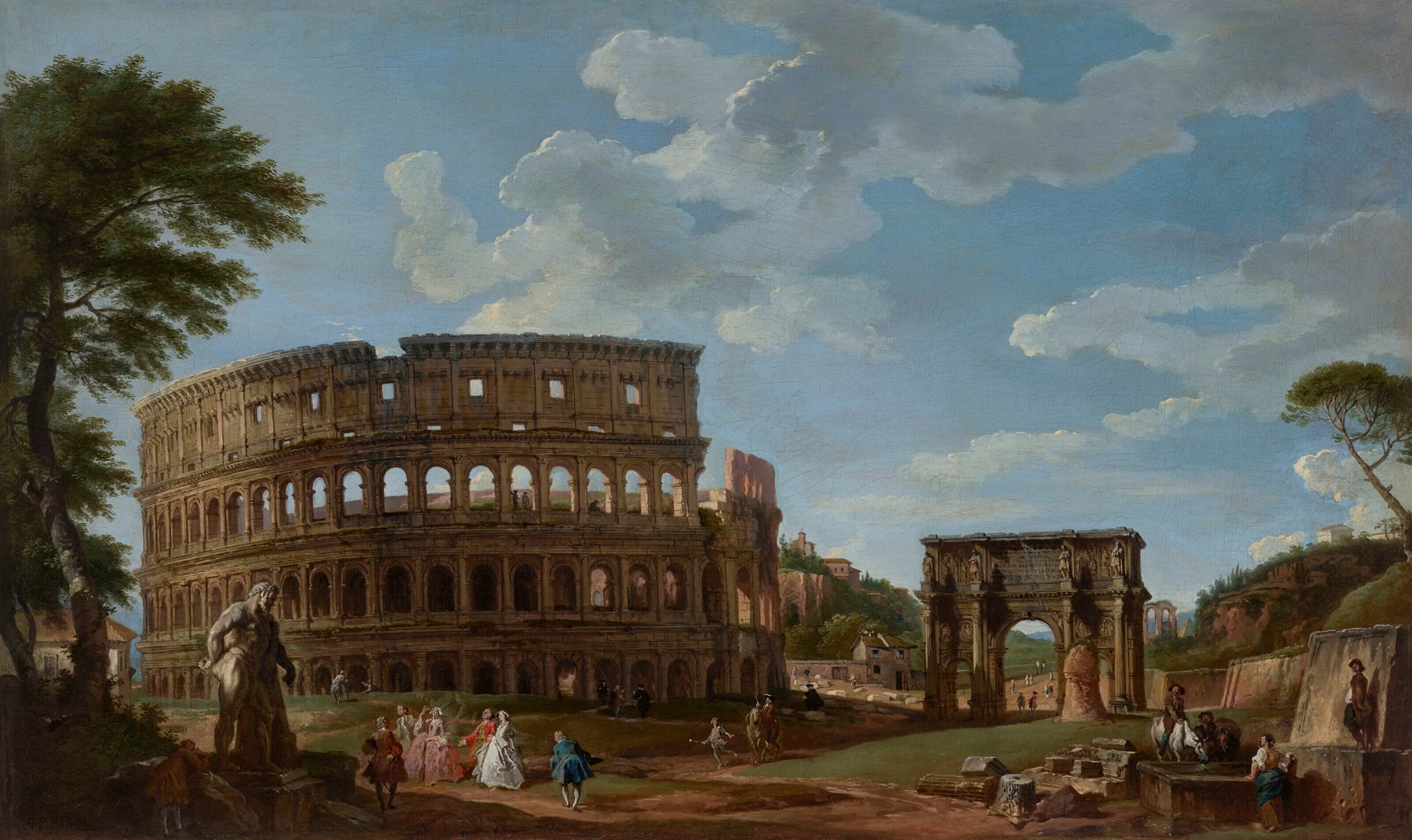
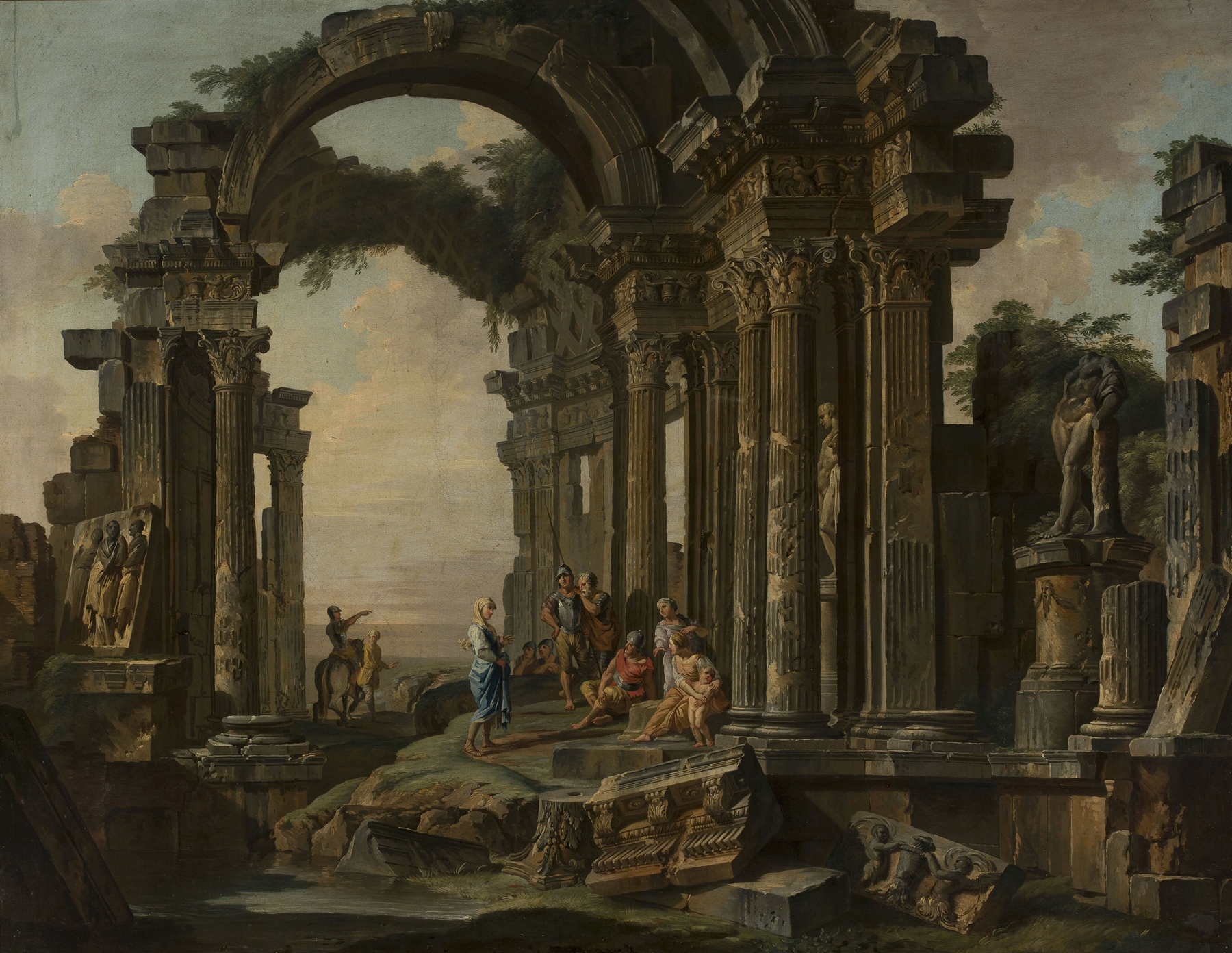
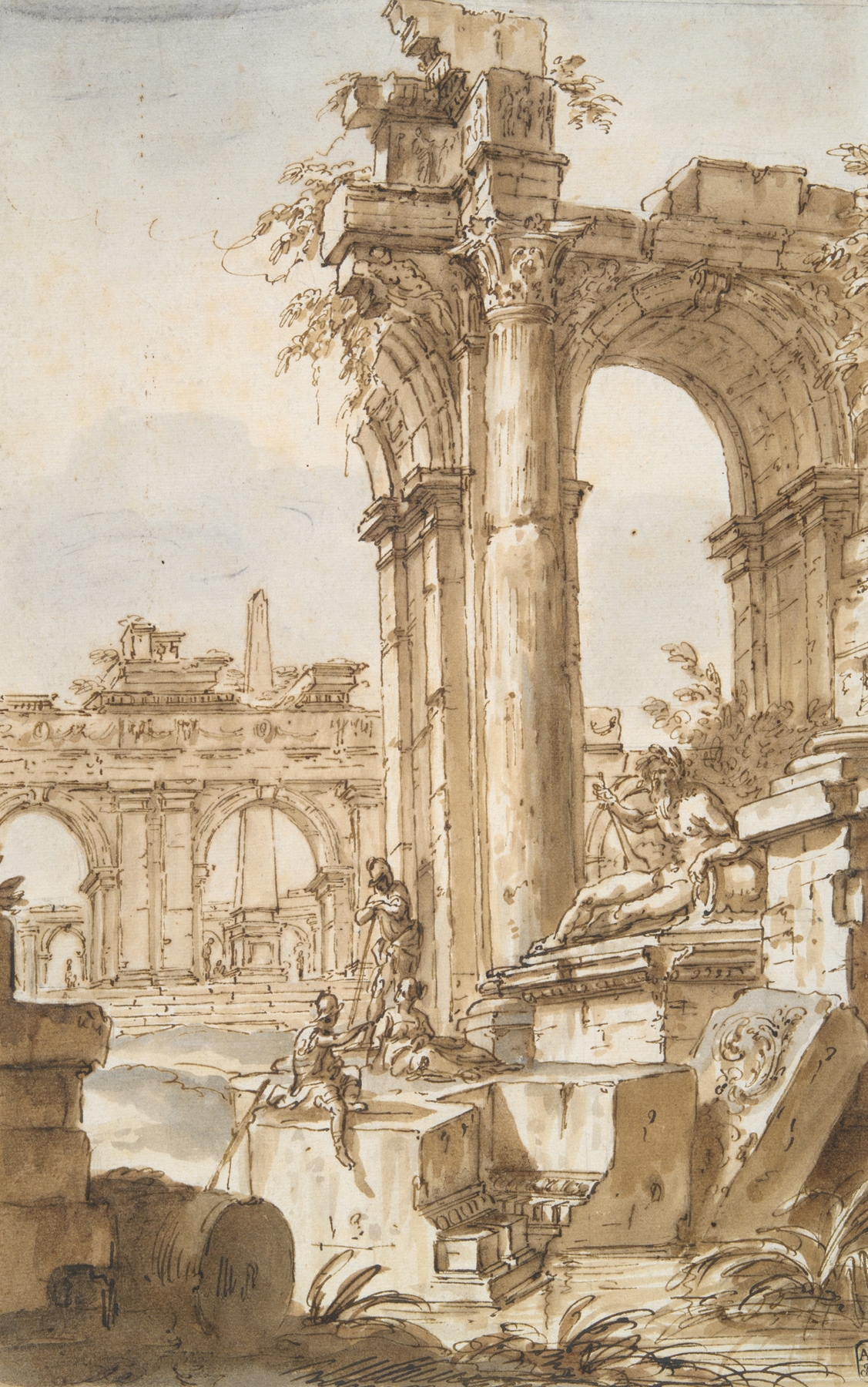
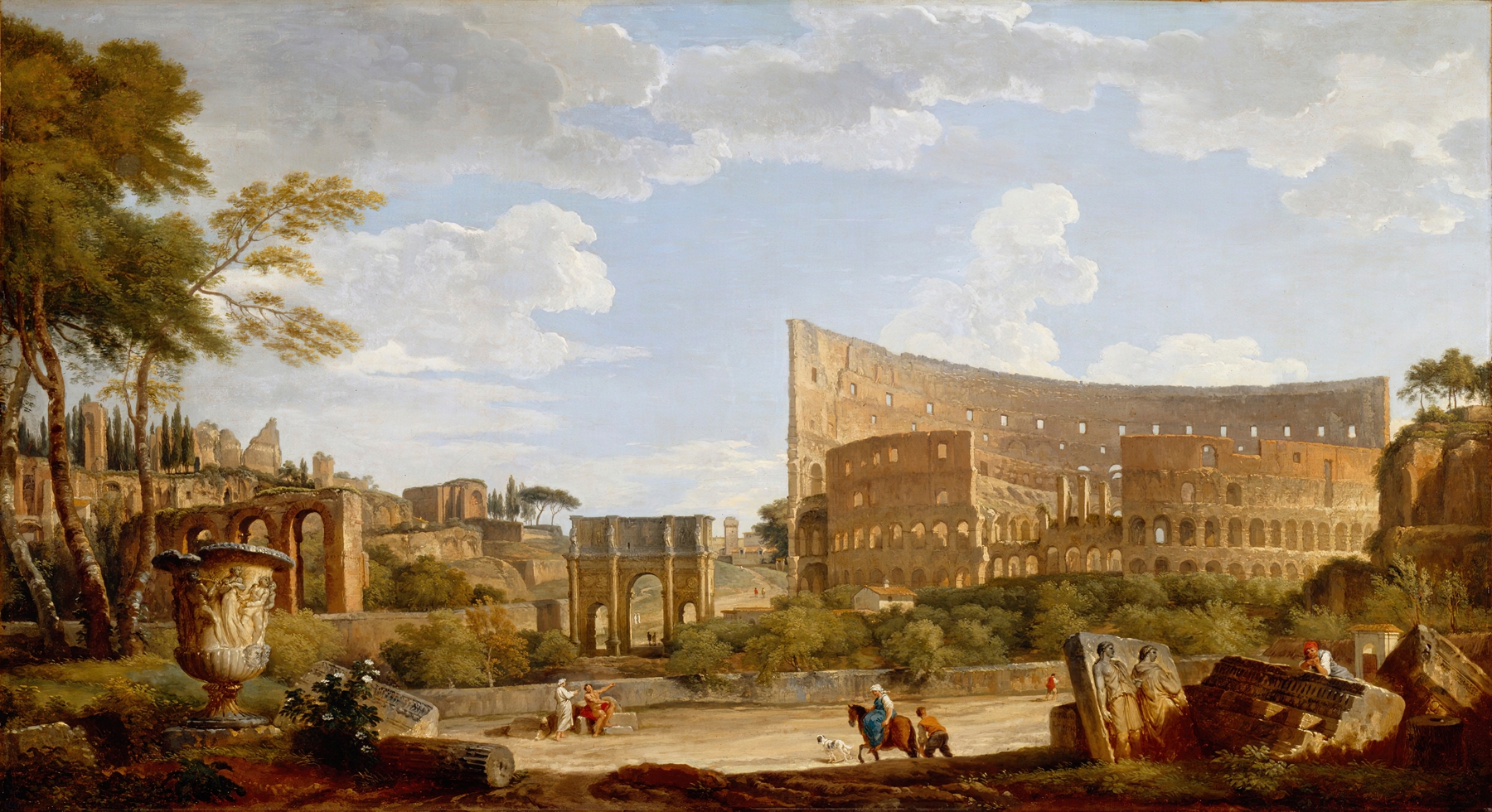
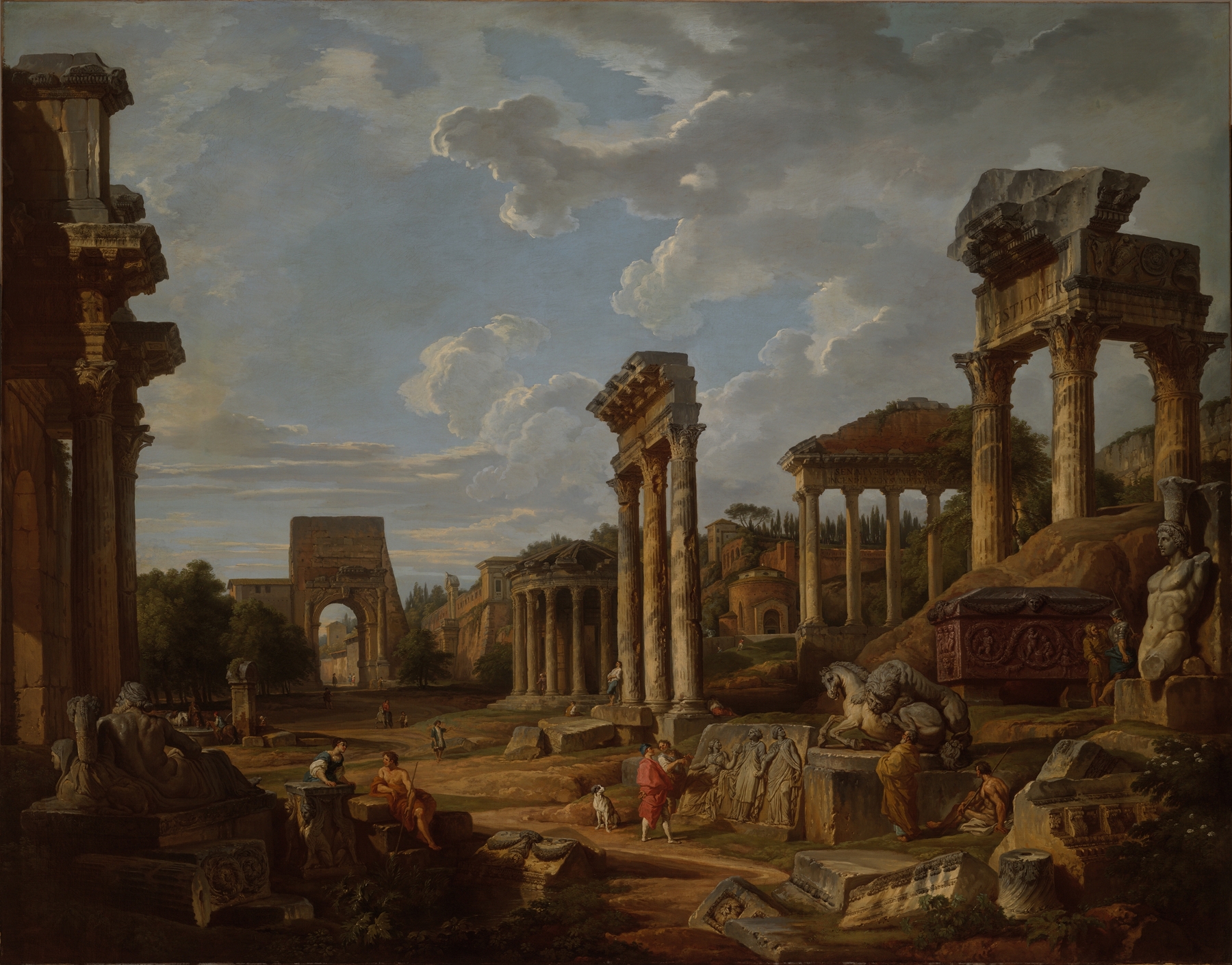
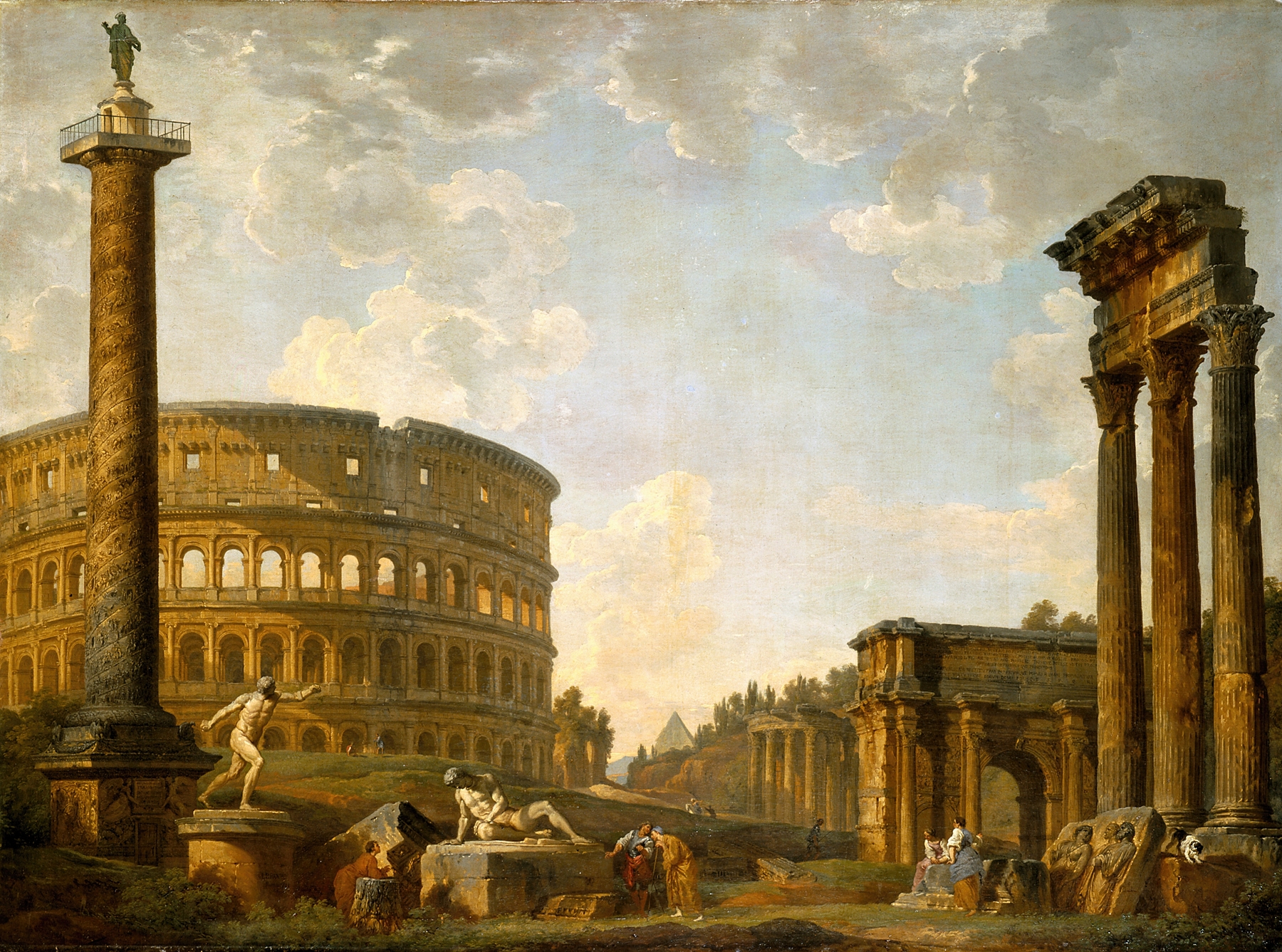
“Sometimes beauty is just pain, disguised in gold.” In *Roman Capriccio; The Colosseum and Other Monuments*, the allure of the grand architecture contrasts sharply with the chaos that underpins history. This elegant portrayal of Rome serves as a reminder that even the most celebrated monuments carry the weight of time and turmoil. Look to the left at the colossal archway that frames the scene, leading your eye toward the iconic Colosseum, its grandeur rendered in warm ochres and soft whites. Notice the meticulous brushwork that captures the play of light against the aged stone, emphasizing both the texture of its wear and the vibrancy of the bustling figures below. The composition invites the viewer to wander through the ruins, creating a dialogue between the stillness of the architecture and the animated crowds that breathe life into it. Hidden within the serene beauty of this idyllic vision is a narrative steeped in a history of destruction and rebirth. The juxtaposition of the crumbling ruins against the lively market scene speaks of resilience amidst the decay, while the omnipresent shadows hint at the chaotic past that shaped these structures. Each figure, clad in the garb of the day, appears to navigate their own stories, adding layers of emotional tension to the overall composition. Giovanni Paolo Panini painted this masterpiece in 1735 in Rome, during a period of artistic fervor that celebrated the classical ideals of beauty and order. At this time, the artist was deeply involved in the emergence of the capriccio genre, blending real architectural elements with imaginative landscapes. The work reflects not only his mastery of perspective and light but also the complex relationship between beauty and the underlying chaos of history that surrounds these iconic monuments.