A Capriccio of the Roman Forum — History & Analysis
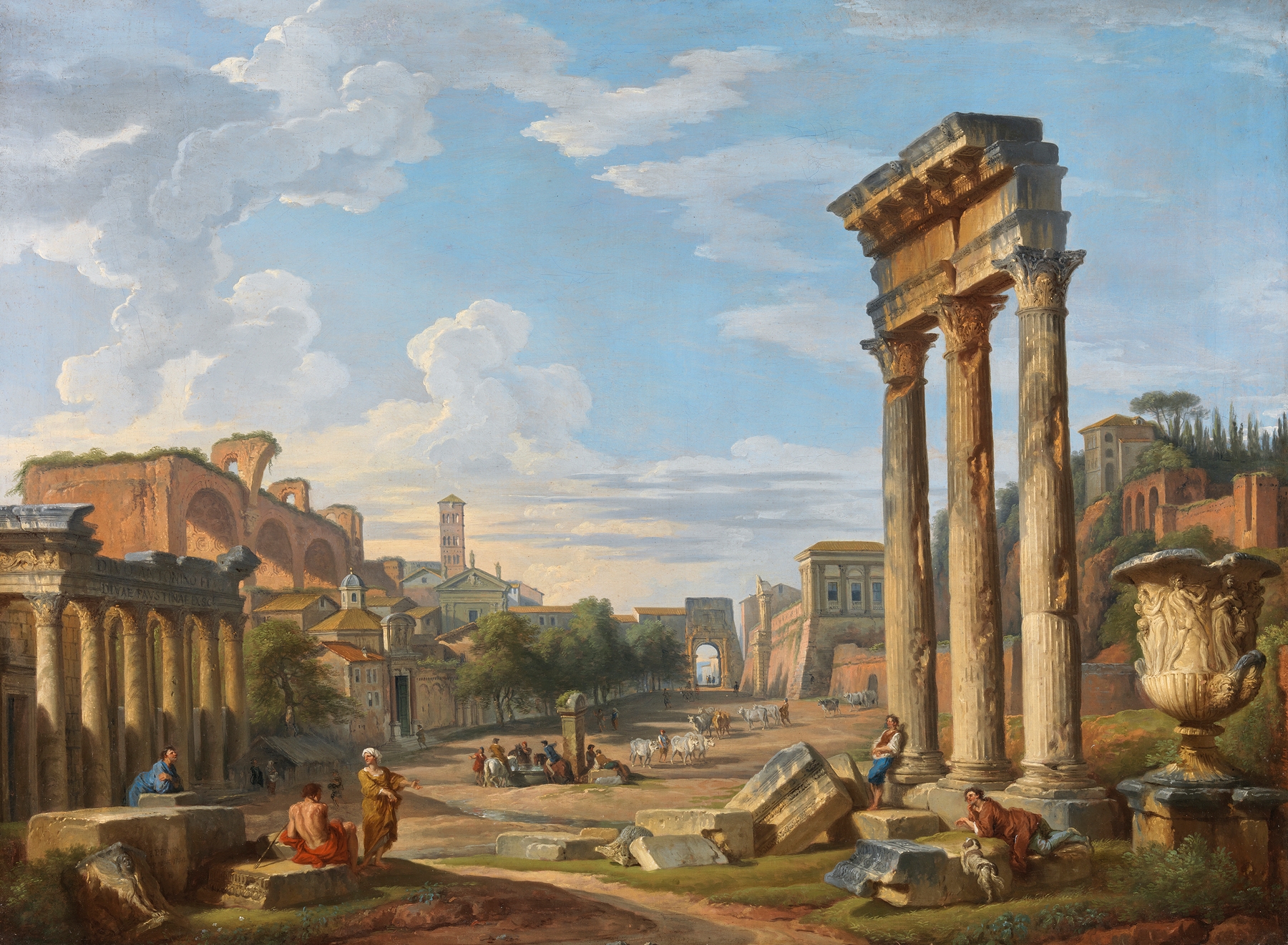
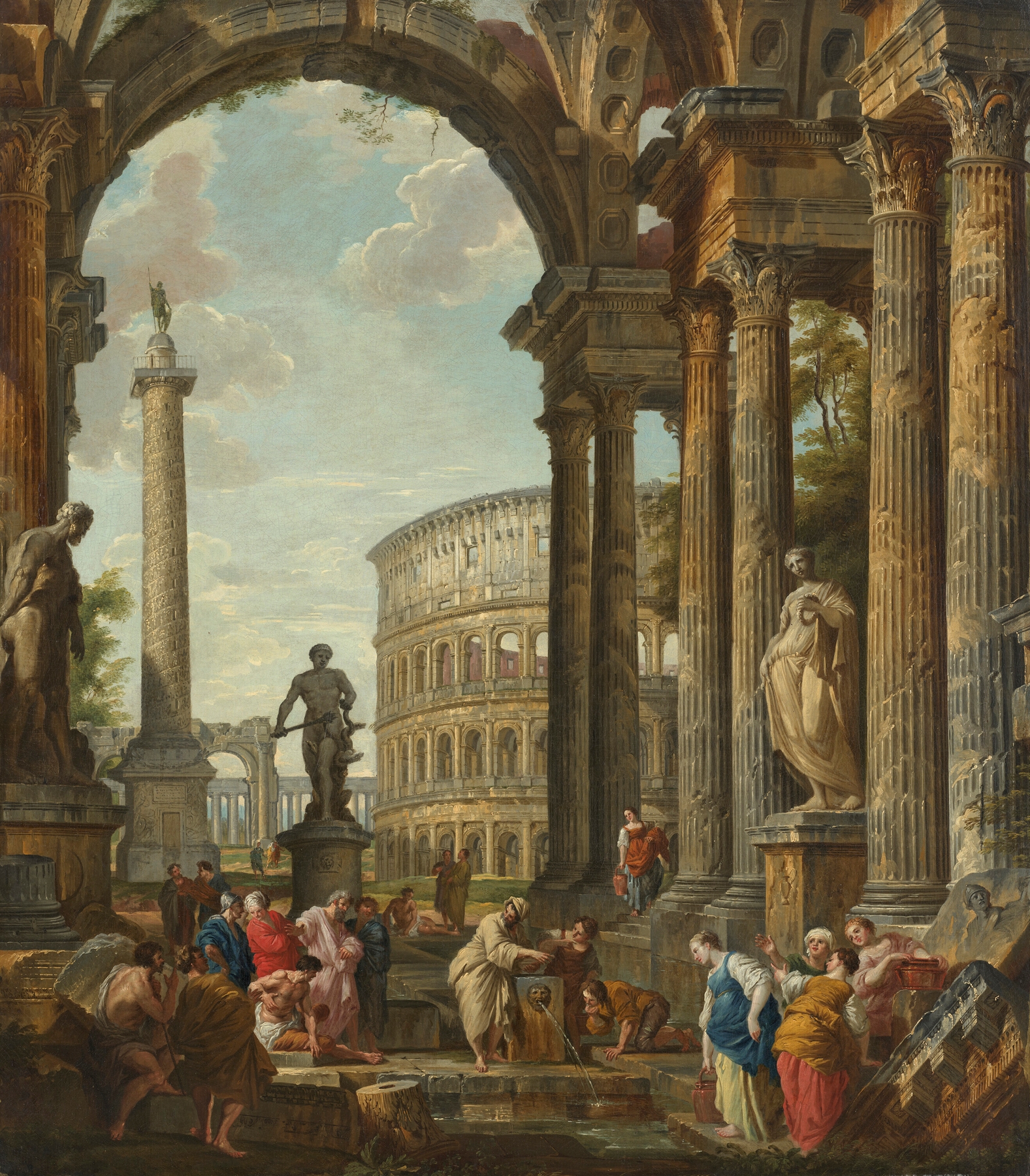
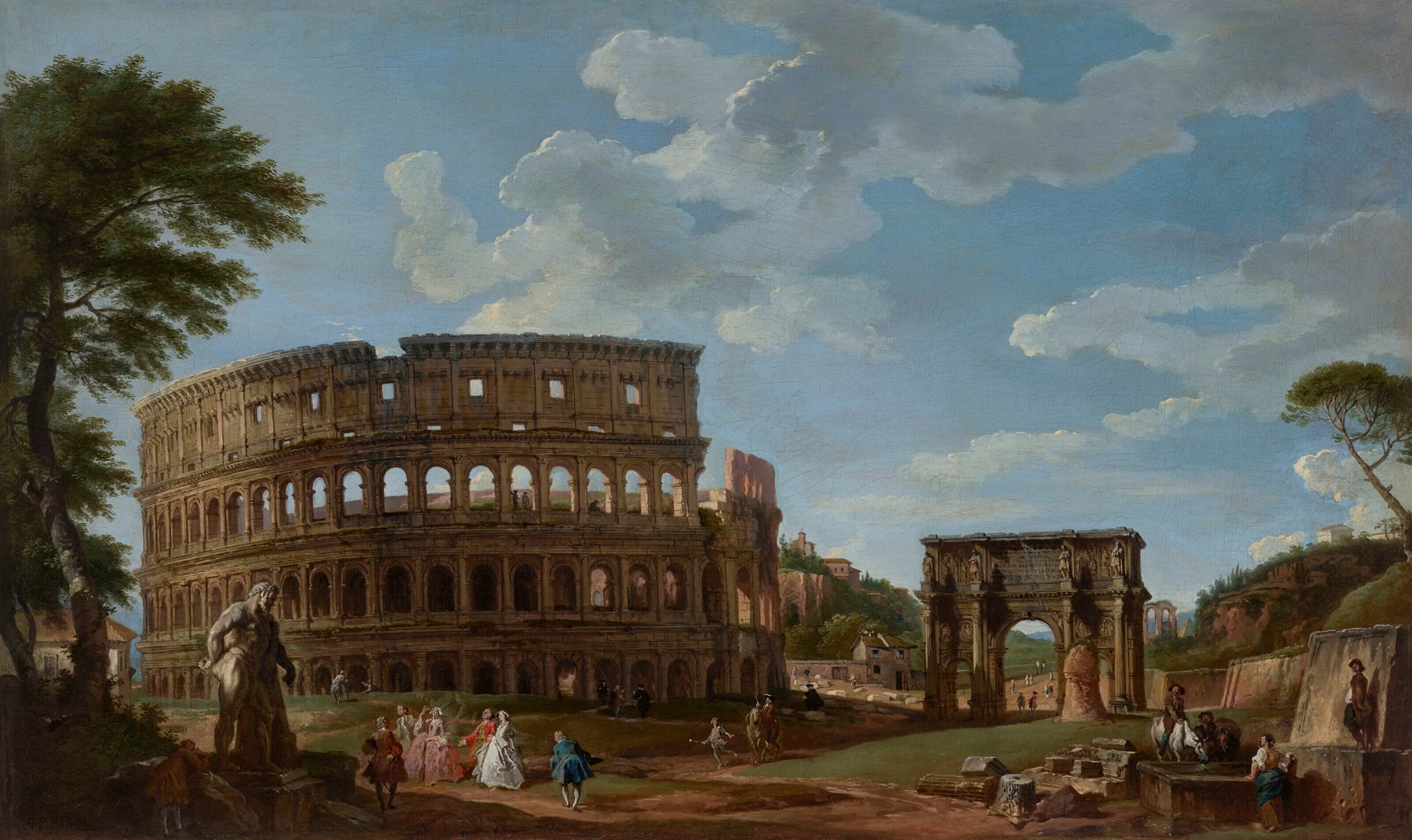
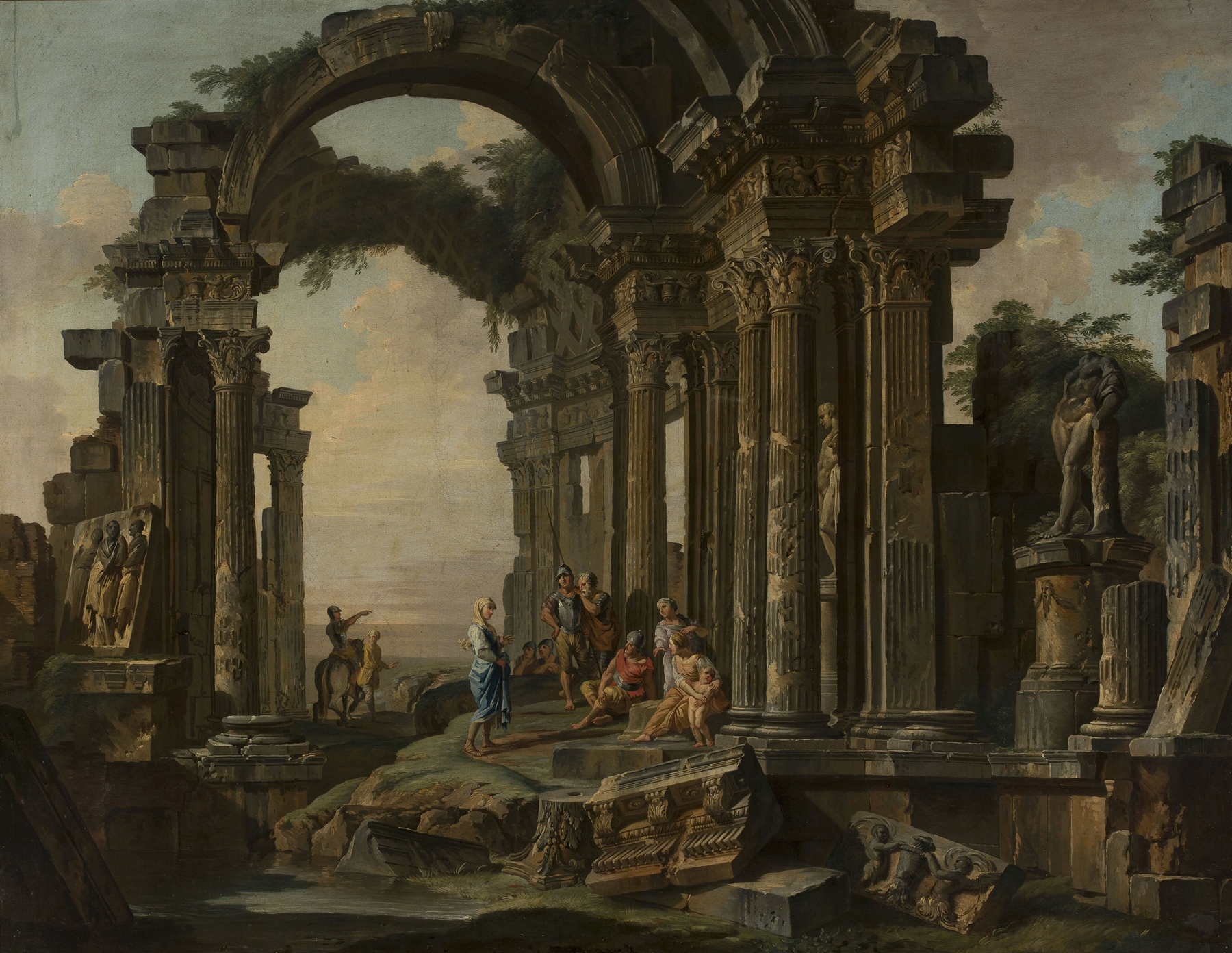
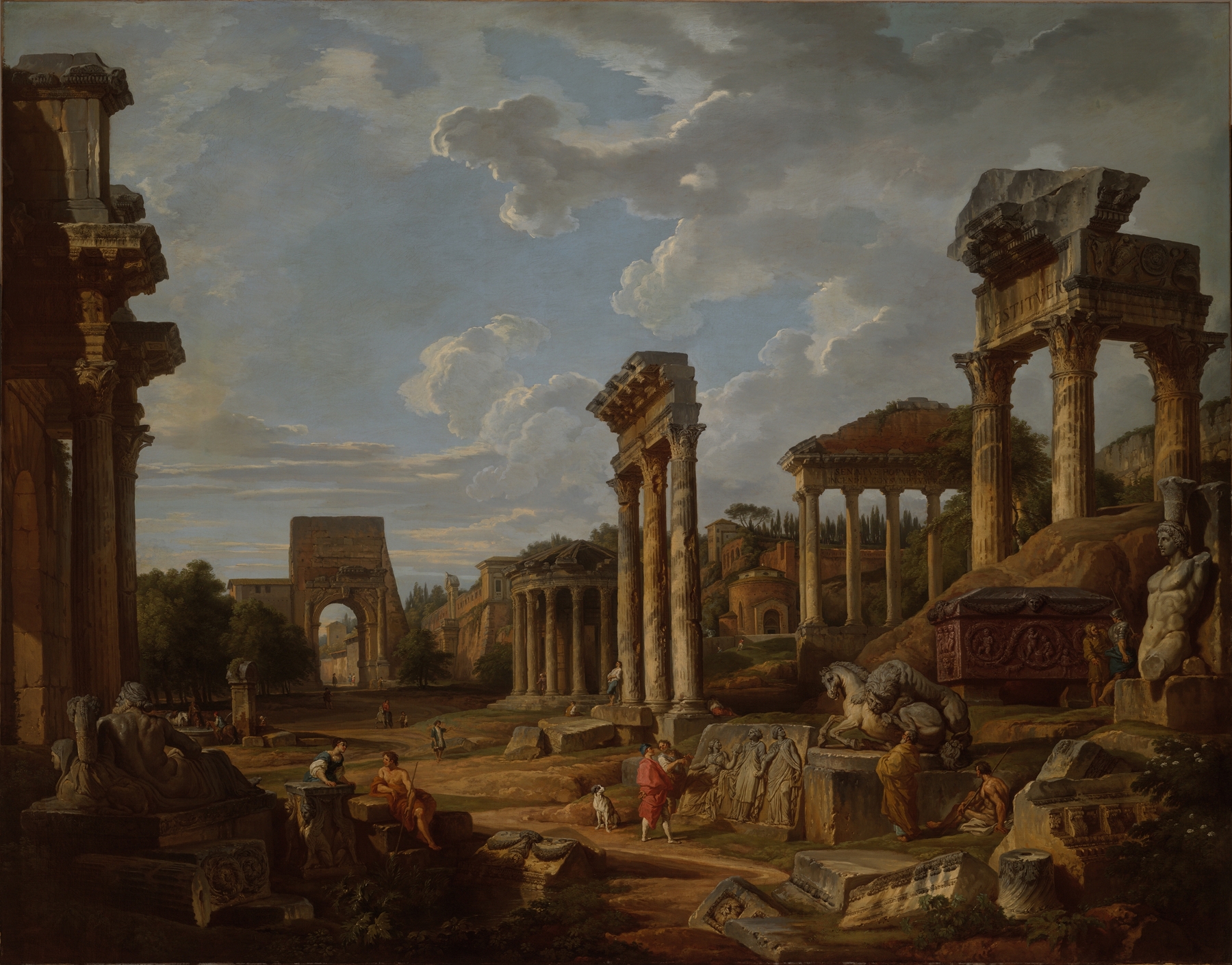
“Between color and silence, truth hides.” The whispers of ancient history reverberate through the vibrant chaos of time, carrying with them a flicker of hope. Look to the right at the majestic ruins, where crumbling columns rise like silent sentinels against a cerulean sky. The delicate interplay of light and shadow dances across the canvas, guiding your eye in a graceful sweep from the foreground’s lively figures to the distant horizon. Panini’s meticulous brushwork captures the intricate details of the architecture, while a warm palette of golds and earthy tones imbues the scene with both nostalgia and vitality.
Beneath the surface, layers of meaning emerge—each architectural fragment tells a story of decay and resilience, embodying the tensions of a glorious past and the ephemeral nature of human endeavor. The gathering of people, engrossed in conversation, hints at the fleeting moments of connection amidst the grandeur, representing hope in the face of transience. The contrast between the bustling life in the foreground and the solemn ruins behind evokes a poignant reflection on the capacity of history to inspire and uplift.
Painted in 1741, this work reflects Panini’s deep fascination with the ruins of ancient Rome during a time when Europe was captivated by its classical heritage. Living in Rome, the artist found inspiration in the city’s rich history, blending reality and imagination to create a vision that resonates with timeless longing. The artwork stands as a testament to the enduring spirit of the past, captured through the eyes of an artist who revered its echoes.